
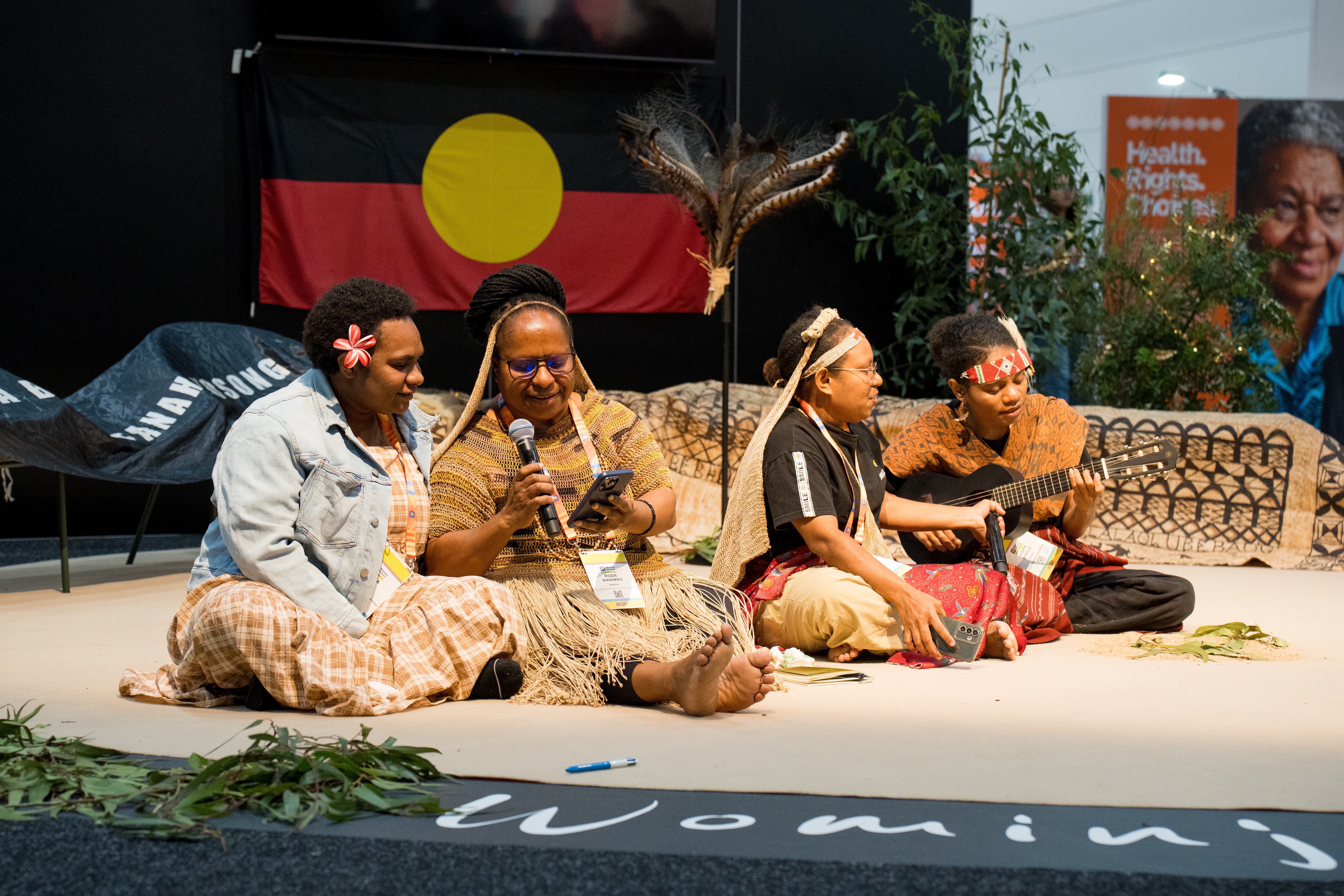
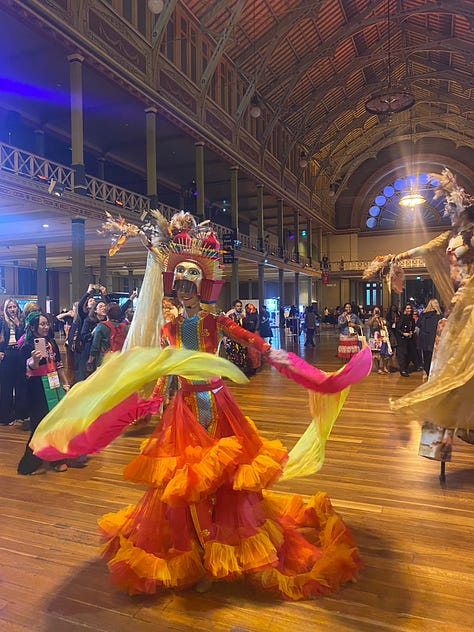
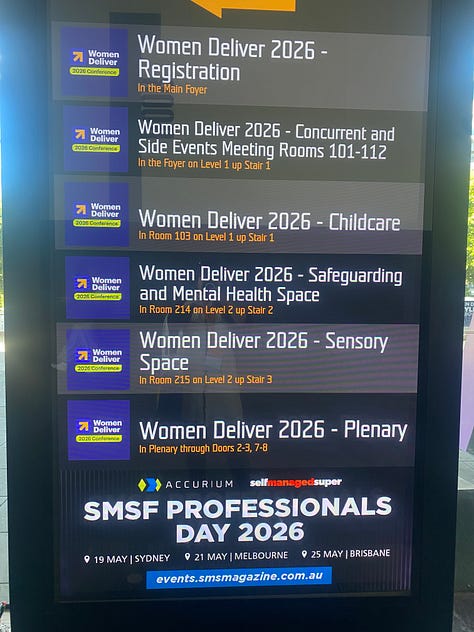
There aren’t many conferences where you can see the UN Deputy Secretary General, get childcare provided, see $190 USD million in commitments on sexual and reproductive health and rights being made, and attend a dance party. But welcome to Women Deliver.
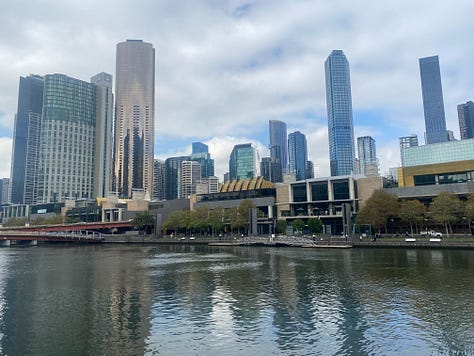
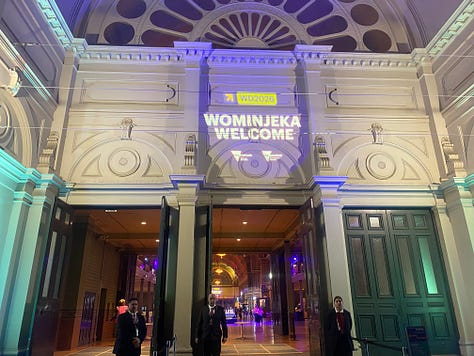
The world’s largest gender equality conference, as it’s called, began in 2007 as a protest against maternal mortality, organised by a self-eponymous NGO. Held in Naarm (the Indigenous word for Melbourne) for the first time ever in the Oceania Pacific region last week, I was lucky to attend and cover it.
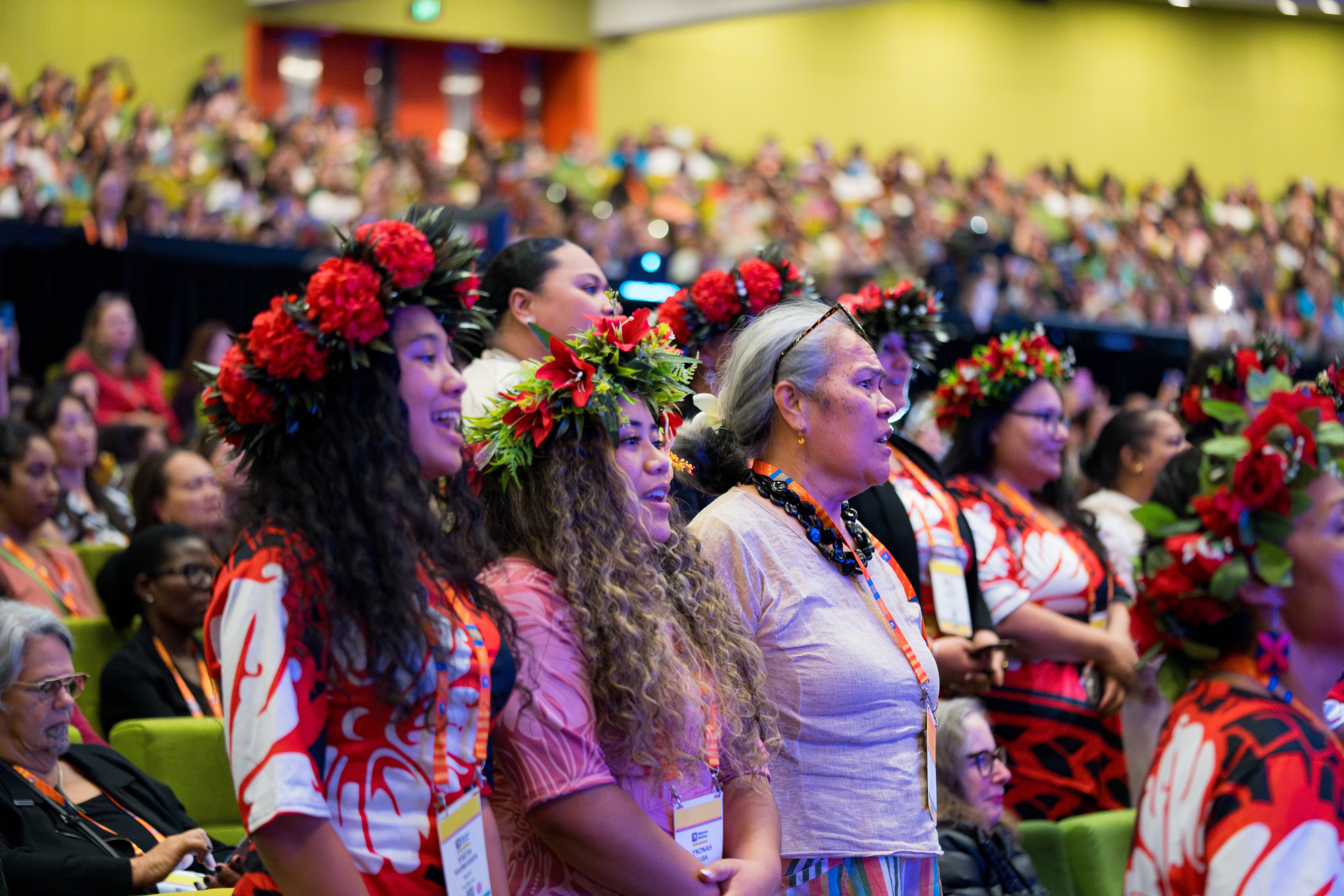
To say it blew my mind would be an understatement. This year, there were 6,123 participants from 189 countries. Nearly half (44%) were from the Oceania Pacific, while 20% were from Africa.
This year’s theme was “change calls us here,” which was obviously a topical one. Being held in Australia, there was a strong focus on climate justice and the rights of Indigenous and Pacific people, who are bearing the brunt of climate change. The Australian state of Victoria was an ideal location for the conference, being the first in the country to adopt a treaty with First Nations, introduce free sanitary pads in public places, and welcome a first-ever minister for men and boys, this very month.
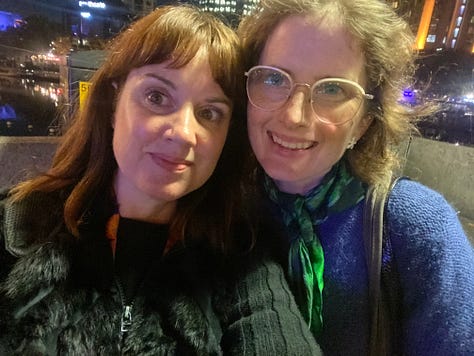
Highlights of this year’s event included sessions with former New Zealand prime minister and legend Helen Clark and her successor, Jacinda Ardern, former Australian prime minister Julia Gillard, former Canadian prime minister Justin Trudeau; and UN Deputy Secretary General Amina J. Mohammed.
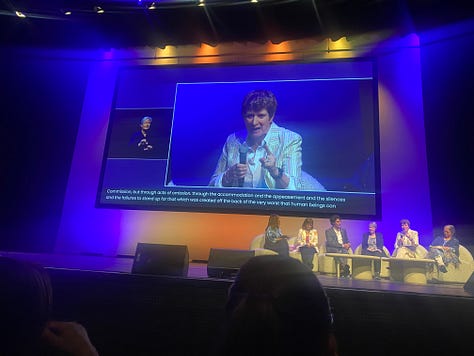
There were so many amazing people who aren’t household names who I saw speak though. One of the best was Kate Gilmore, an Australian human rights activist who served as UN Deputy High Commissioner for Human Rights and who has also worked for Amnesty International and UNFPA. Listening to her on a panel on the New World Order, sitting only one row behind what appeared to be her fan club, Gilmore got several rounds of applause, particularly when she mentioned Gaza and United Nations Special Rapporteur on the occupied Palestinian territories, Francesca Albanese.
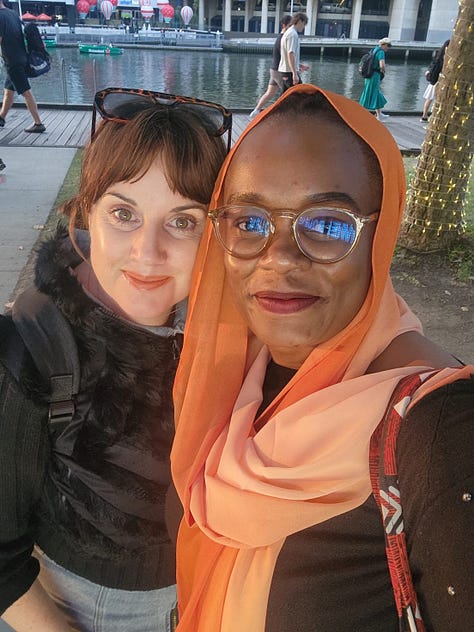
During the week, I really enjoyed hanging out with Martha Dimitratou, the founder and CEO of the NGO Repro Uncensored, which tracks censorship of reproductive rights organisations. I also met my colleague from CFK Africa, a charity that empowers youth in slums in Kenya, and a PR client of mine, too. Siama was there to talk about their brilliant program to train landlords to spot sexual violence. Another highlight was a leadership session I did with feminist social change agency Comotion, who I have collaborated with in the past.
This year, nearly three decades after The Beijing Declaration on Women’s Rights and its prequel, The Cairo Declaration on Population and Development, the Women Deliver culminated in the “Melbourne Declaration”. This is a “global commitment to rebalance power, resources, and accountability.” In a statement, Women Deliver said the declaration “sets out a path to close the gap between what is possible and the lived realities of girls, women, and gender-diverse people.”
It was shaped by more than 650 voices across regions, generations, and movements. The declaration already has over 400 endorsements, including almost 200 from organisations and ten states - Colombia, Finland, France, Mexico, Norway, Slovenia, Spain, the United Kingdom, Uruguay, and Canada.
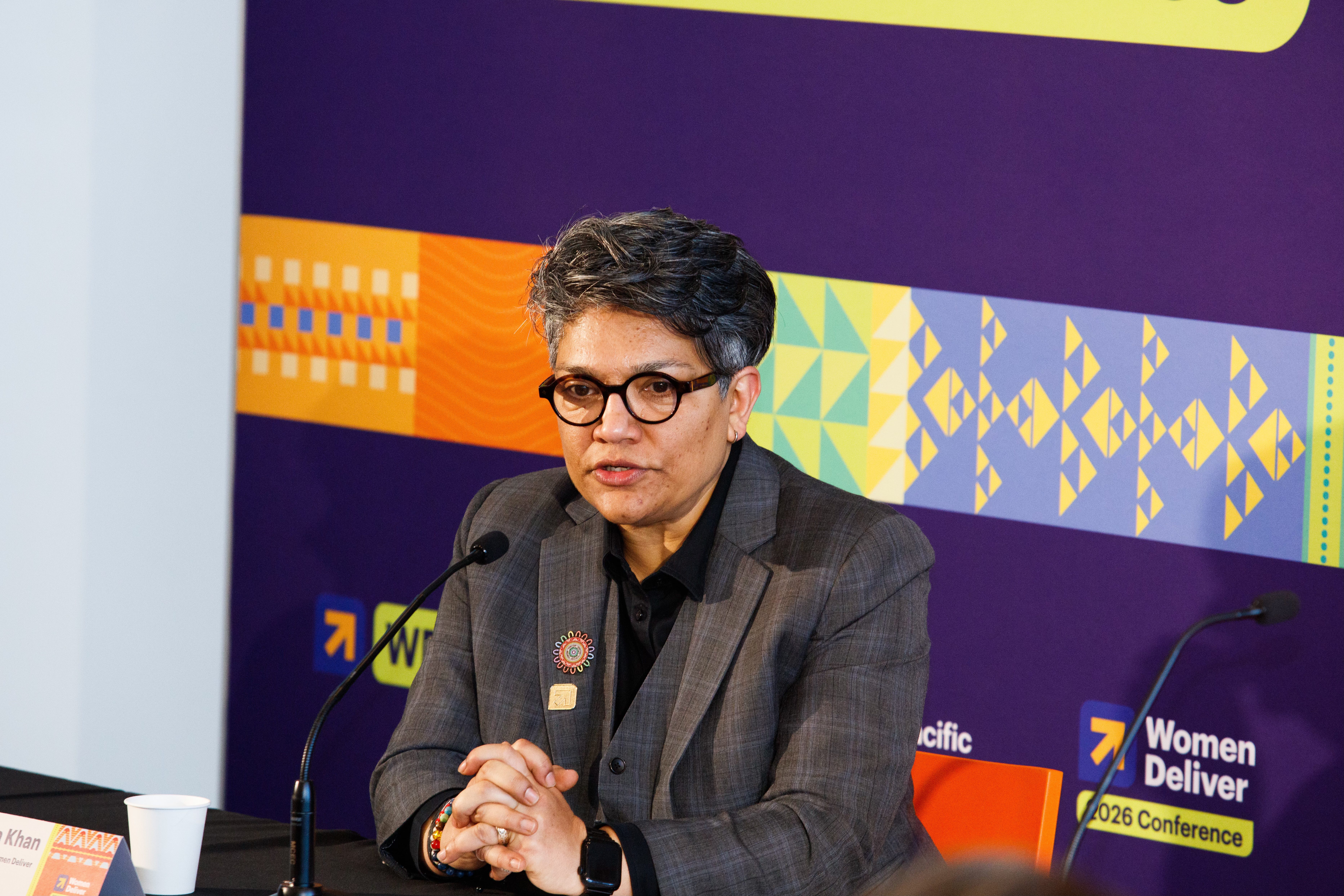
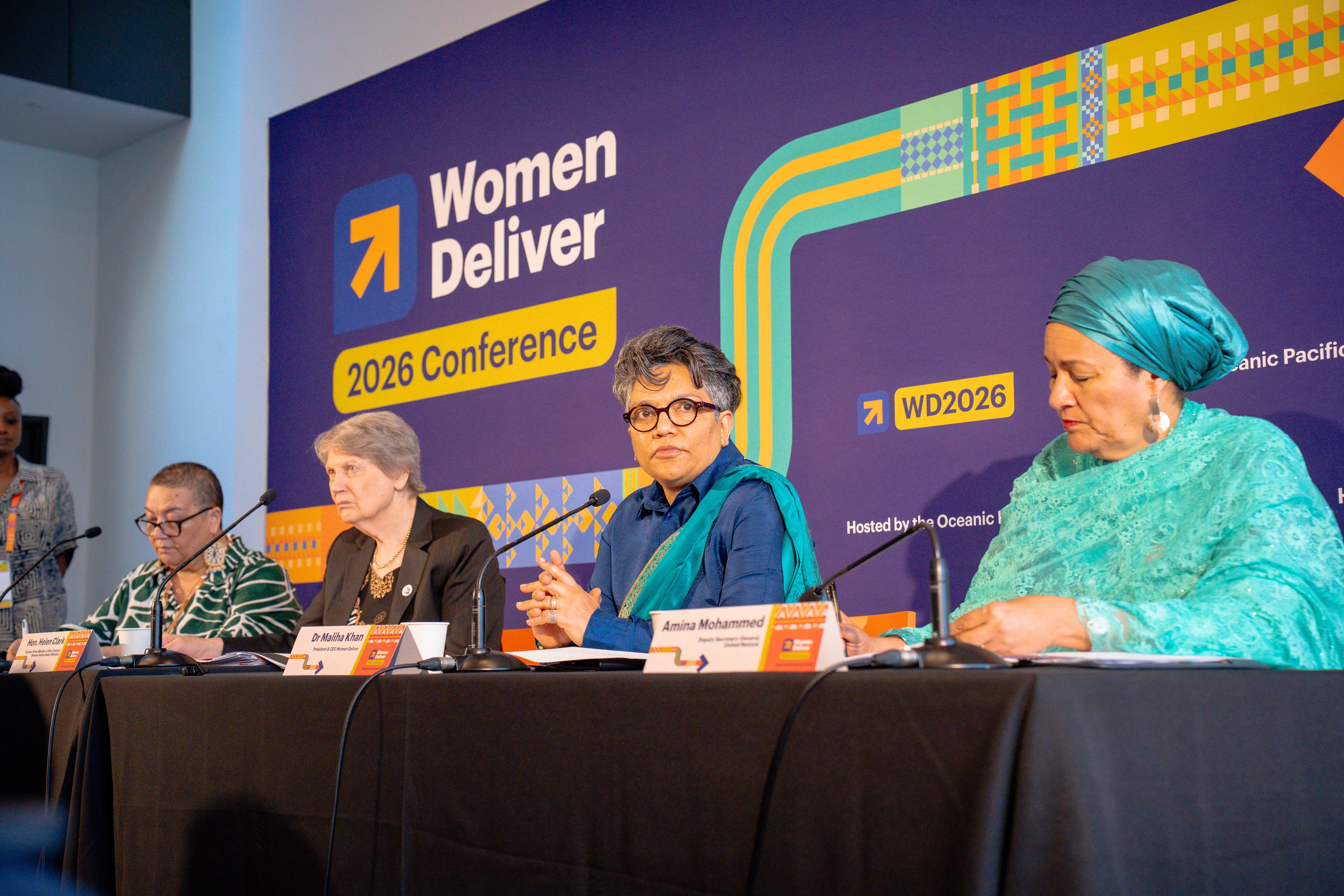
Before the conference opened, I interviewed their CEO, Dr. Maliha Khan.
Here are some things that I took away from my first time at Women Deliver:
Khan is a Pakistan-born queer Muslim woman who formerly worked at Malala Fund. Women Deliver hasn’t been without its problems, but she is an impressive leader who has steered it back on track.
One of the things I wanted to ask Khan, especially given her personal and professional background, was what we do when we agree on the big things but not on all things. She told me:
If we only disagree on 2% of things, then that’s a good thing. I think that the times of the sort of purity tests, where we have to agree with each other on everything, the time is gone. I remember I said this in one of the plenaries at Kigali (at the 2023 conference). I said that the opposition, whatever amorphous opposition is out there, they agree with each other 2% of the time.
We have to find the areas of commonality and be very, very instrumental in just moving forward with those areas of commonality and saying, ‘okay, I disagree with you on a lot of things, but I agree with you on these two things, and I will collaborate with you in order to achieve these two things.’ Then hopefully, in the future, maybe we can agree on more. I think our movement agrees on 98% of things. It’s just a couple of things we disagree on.
When I saw a well-known Australian writer post on X yesterday how impressed they were with Canadian prime minister Mark Carney, and a follower from the left instantly reply that he was complicit in genocide because of his stance on Gaza so was no good, I couldn’t help but think of Khan’s words.
Khan was raised in Pakistan during the dictatorship of General Muhammad Zia-ul-Haq, who ruled from 1978 until his death in 1988, executing the country’s longest martial law. During our interview, she told me that she remembers when her hero, feminist human rights lawyer Asma Jahangir, spoke at her high school. It was the “first time” she was tear-gassed, she said, implying that there had been others.
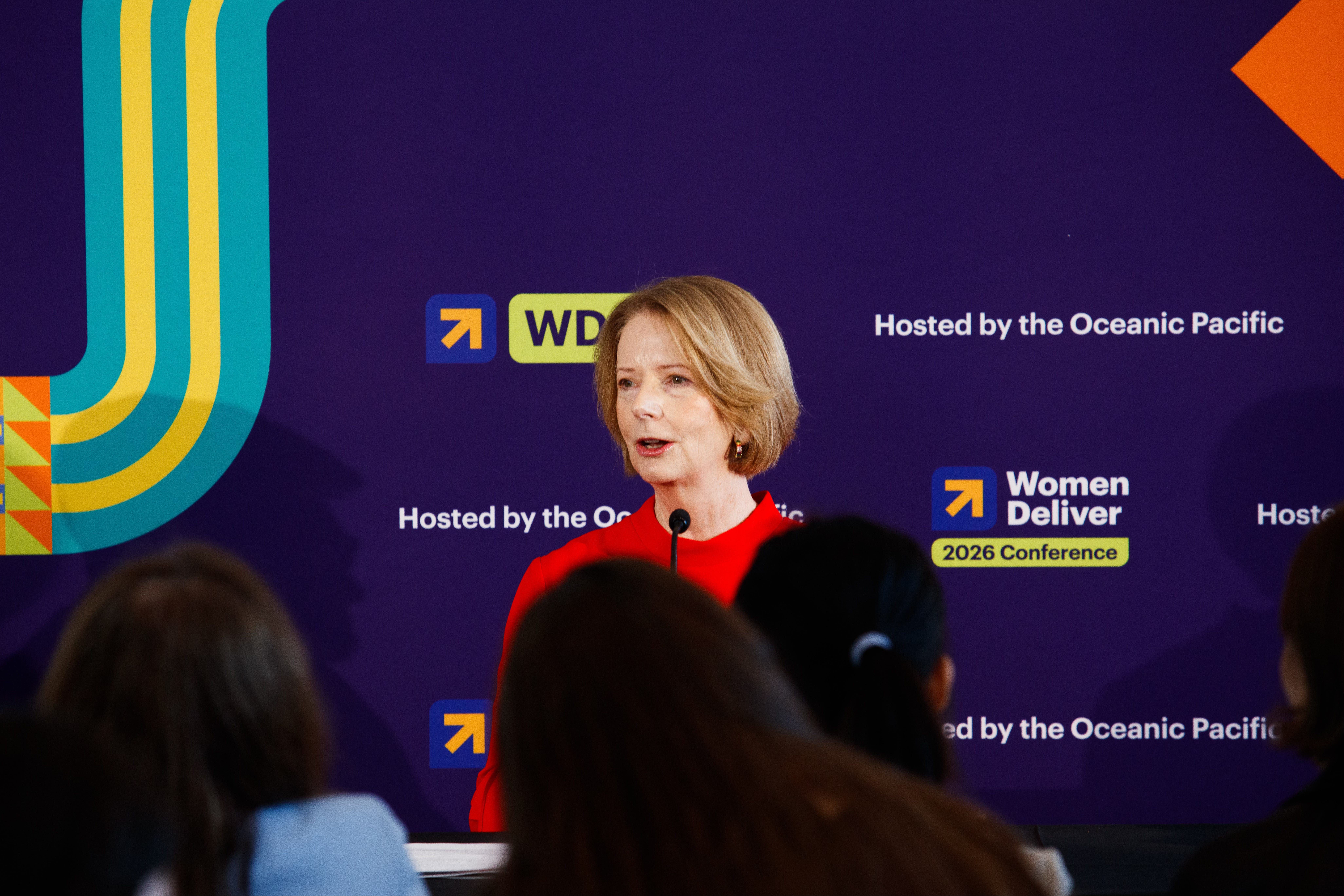
The CEO mentioned Haq’s reign during a press conference on the first day of Women Deliver:
It seems like the times are bad right now, but I grew up in the Islamic Republic of Pakistan during the Islamic dictatorship of Zia-ul-Haq. It was much, much darker there then. So what people have gone through, many people have gone through before. All of us have gone through. We have come out of it and come out of it freer, better, and more united and towards a better future. I think we can do it again.
On the issue of today’s “tech bros” and media oligarchs, Khan also asked how many people remembered William Randolph Hearst. (I for my part hardly knew he existed):
He controlled everything. Back in the day, he was one of the world’s richest men, and he controlled almost all the media in the US. Not only was it that they were extracting information, there was one person who was dictating what everyone would read, what they considered to be news. At that time, there was so much written about how dangerous it was to have such concentrated power. The fact that most of you have never heard of him gives us a huge amount of optimism that maybe our grandchildren will ask, ‘Musk? Who the hell was he?’
When the world feels doomed, and when some feminism, including the type that’s presented on this site, can feel quite “first world”, Western-centric and white, and perhaps not as intersectional as it could be, it was good to be reminded of this and by her.
In the same press conference, Gillard made the depressing point that around the world, aid has been cut - not just by the US, but by the UK, France, Germany, and Japan - upending lives and livelihoods.
As far as I’m aware, in none of those democracies have those cutbacks caused voter distress, voter protests, or voters going to see their local member of parliament… It has effectively been, in most democracies, a pain-free cutback. Despite multiple years of campaigning to build community support for overseas development assistance, we didn’t win hearts and minds.
This really got to me. Yes, we know we’re living in the age of AI, but we’re also living in the Age of I Don’t Care. How can we win the “hearts and minds” that she was referring to? I’ve been thinking about this ever since. It seems to me that for a while now, the moral argument on aid has been lost. Just have a look at the rise of Reform in the UK and its counterpart One Nation in Australia.
In terms of comms, the message has in the past been framed in the UK right wing papers, for instance, that we should look after people abroad so they don’t come to our shores. This is a selfish one, yes, but it seemed to cut through. Fun fact: I remember once applying for a work gig where I was asked to do an exercise based on that question, and I answered with this example. I got the job.
But now I think that this argument is no longer even working. So how do we actually make people in the global North care about those in the South who are less fortunate than us?
Even more depressing than the point Gillard made was that at a press conference on Australia’s sexual health and reproductive rights impact, held in a time of aid uncertainty with NGOs Guttmacher and IWDA, there was very little media presence. Certainly not from our No. 1 women’s media site Mamamia, it must be pointed out, although it’s no surprise considering they don’t cover Gaza and they didn’t cover the Antoinette Lattouf dispute.
It was the same at others, unfortunately. The entire conference was well covered by Women’s Agenda, who were a media partner, and others. It wasn’t a surprise to me that the press who seemed the most interested and enthusiastic were foreign, and I can’t help but wonder if part of this is that perhaps people in the global South really know what it’s like to have their rights eroded and stand to lose more. But I was impressed at some small, independent Australian media who seemed to go to every media event and ask questions.
The sexual health and reproductive rights press conference was held to launch a new report described as groundbreaking, outlining the impact of Australia’s investment in these rights in the Asia Pacific. For the “Just the Numbers” series, which analysed the impact of international family planning assistance around the world, the Guttmacher Institute partnered with International Planned Parenthood Foundation (IPPF).
The data found that significant gaps in this remain in the region, with 27.7 million women estimated to have an unmet demand for modern contraception. Yet even modest investments at a country level would have a profound impact. For example, an additional AUD $1 million per year for the Philippines would serve an extra 56,000 contraceptive users, returning unmet demand by 5%.
“It’s priceless, isn’t it? Avoiding unwanted or unintended pregnancy is something we can’t even truly quantify.”
Although we may put a monetary amount on it for practical reasons however, one of the experts on the panel said: “It’s priceless, isn’t it? Avoiding unwanted or unintended pregnancy is something we can’t even truly quantify.”
The empty seats at this press conference were more a reflection of the current state of the media, its priorities, and the news cycle, of course, than the Women Deliver conference itself and the quality of the speakers. But I can’t help being worried, considering the crackdown that we’ve seen on sexual and reproductive health and rights in the US and what could come in the UK if Reform were to come to power, or in Australia if people elect more One Nation candidates who can then influence law and policy.
It’s made me wonder, do we need gender specific reporting desks at media outlets, like we have for climate now? Should the ABC for example have a gender desk? Or should journalists just start applying a gender lens to any story that they write? After all, if women make up half the population, and any story is likely to involve a woman, shouldn’t this be easy in the first place?
In October 2025, about 50 reproductive rights organisations, queer groups, and sexual health providers alleged that Meta restricted, shadow-banned, or removed their accounts across Facebook, Instagram, and WhatsApp , including, alarmingly, the banning of abortion helplines even in countries where abortion is legal. There was also the removal of queer and sex-positive content, and the restriction of non-explicit nudity and sexual health information.
Dimitratou described it as “one of the biggest waves of censorship” seen on Meta’s platforms. Her NGO Repro Uncensored tracked over 200 incidents of account removals and restrictions in 2025 compared to 81 the previous year, a pattern she links directly to the new US presidency.
Australia’s “world first” teen social media ban, lauded all around the world and set to be adopted by other countries, is also censoring social posts featuring sexual reproductive health and queer content, Dimitratou suspects. There were more than 100 cases of accounts featuring women’s sexual health and queer content being censored, mainly on Meta platforms, in April alone. It’s estimated that at least a dozen, including The Queer Agenda, belong to users based in Australia.
The account for The Queer Agenda, a collective that provides a platform for the queer community to gather and exchange via photography and events, was even taken down on Instagram and Facebook just days before they were due to host an event at Women Deliver. More accounts are being censored overseas in countries like Germany, the Netherlands, and the US, and Dimitratou expects others to be banned as these countries adopt laws similar to Australia’s social media law.
Because they were so worried about more accounts being banned, and to highlight what was happening, Repro Uncensored and The Queer Agenda held a physical exhibition in Melbourne instead of a digital one.
“There’s an entire dictionary of words that you can get suppressed for.”
One session I attended on the fightback against this was moderated by Dimitratou with activists Dina Chaerani, the Indonesian co-founder of Sexdugram and host of Sex O’Clock News, and Sapphire Alexander, an activist from Trinidad and Tobago who is the founder of Caribbean Feminist. Eve (the co-founder of Women in America who doesn’t include her surname in the public domain because of the threats she receives) was also there. It was mind-blowing.
Eve warned us that the backlash will get worse due to AI. With the way that AI is now trained, accounts are systematically targeted so if one is removed, others follow.
“There’s an entire dictionary of words that you can get suppressed for,” she said. The word “clitoris” has been blocked, and Eve said it was now like “mental gymnastics” working out how to get around bans. One member of the audience told the panel that they’d even avoided using the words “female genital mutilation” on social posts, in case they were removed.
Worryingly, AI bots are also now being trained to censor vital information on reproductive rights so young people won’t see it, Dimitratou told us, adding that this had been revealed by a whistleblower.
Chaerani likened the crackdown on free expression to another form of colonialism, while Alexander said that they’d had to deal with people interrupting their Zoom meetings, and people drawing swastikas on presentations.
At the same time that vital information on sexual reproductive and health rights is being censored online, Andrew Tate and his 1.1 million subscribers, a genuine threat, are allowed to roam free on Substack . Crazy, isn’t it?
Nearly three weeks after it emerged that Tate is now a bestseller on here, and all that men on here seem to do when I speak out about this is parrot my own views back to me, if anything, it was wonderful to hear two of our former leaders - including a male - reinforce that free speech must come with responsibilities.
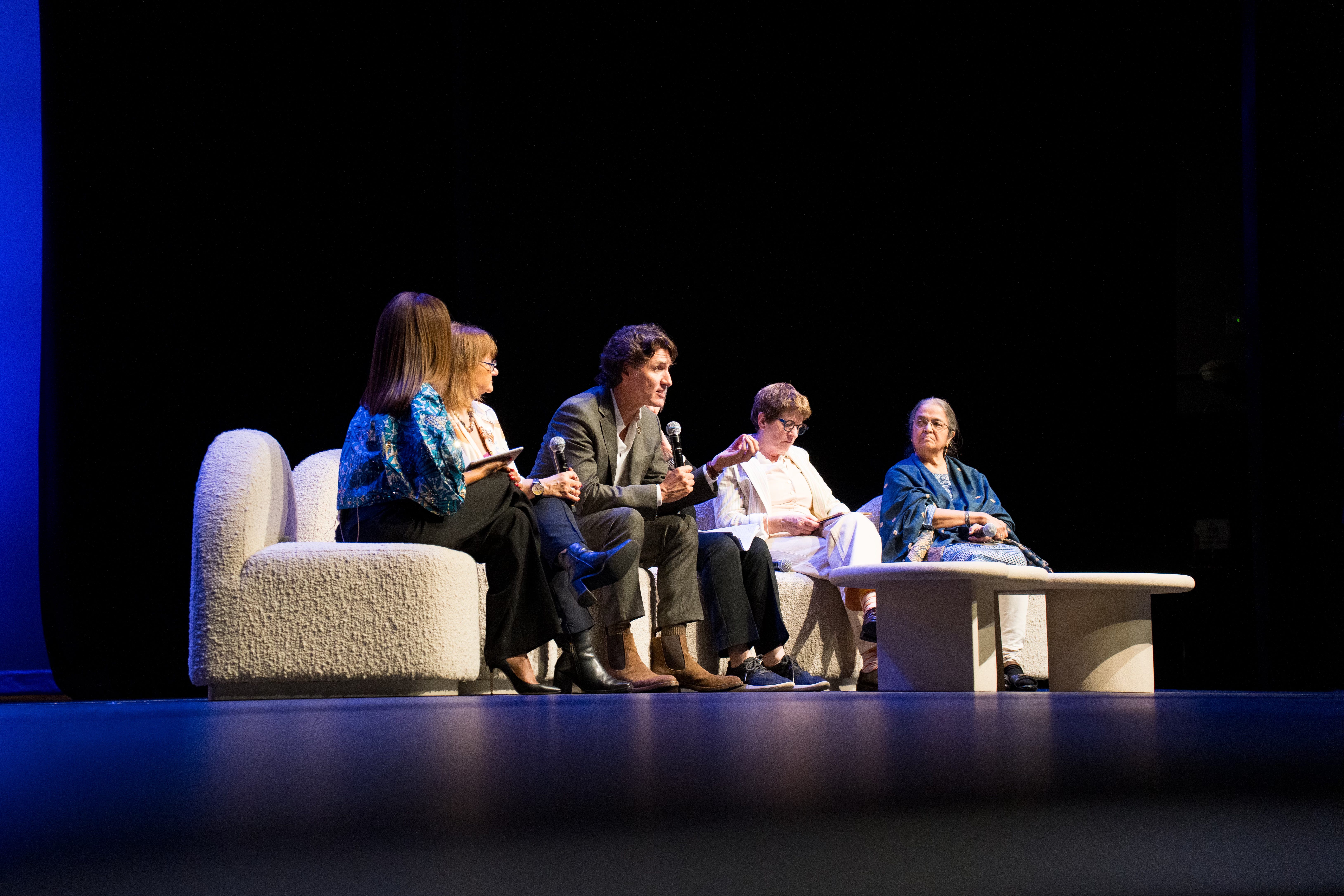
During a fireside chat for youth with Trudeau and his former chief of staff, Katie Telford, the former Canadian leader was asked a question by a woman from Georgia , where there’s been protests since October 2024, about fighting propaganda and the weaponization of the gender and queer community by the government.
He replied that propaganda is “using the same kinds of algorithms and tools that have been so effective at slipping into mass consciousness and turning people to some very retrograde ideas.” Trudeau added that these play on our instincts and reactions.
But citizens, civil society, governments, businesses, and media needed to be a lot more thoughtful about not even accidentally propagating these ideas “no matter how loud they are,” he insisted.
“It is not free speech to yell ‘fire’ in a crowded movie theater, and yet that is what so many people are getting away with.”
Trudeau added that “it is not free speech to yell ‘fire’ in a crowded movie theater, and yet that is what so many people are getting away with.”
Gillard also made the point that free speech is not an absolute right, during a live recording of her podcast A Podcast of One’s Own with the Australian eSafety Commissioner, Julie Inman Grant. “It drives me crazy, this freedom of speech argument,” she said, stressing that one wouldn’t be allowed to take out an ad in a newspaper that was hate speech and legally get away with it, but you can now do this in the virtual world.
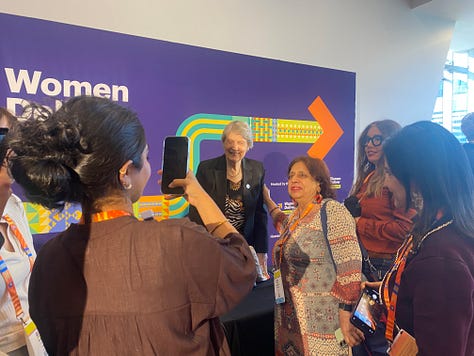
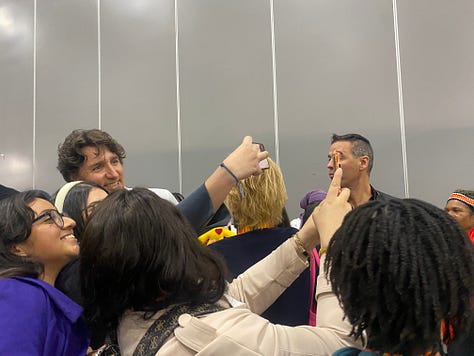
Look, I would not be the first person to question the former Canadian prime minister’s brand of feminism, even if it’s right in the back of my mind. Even if it’s only one per cent of me. Also: yes I was excited when it was announced that he was one of the key speakers for the 2026 conference. No, I didn’t get a selfie with him, but plenty did as you’ll see below.
The significant of his presence at the event was that Canada’s commitments around their “feminist foreign policy” and around the Equality Fund, one of the largest funds that moves resources towards gender equality, and towards the $1.2 billion commitment that Canada made for these, had its genesis in the 2019 Women Deliver Vancouver conference. Carney has since said that the country’s policy isn’t feminist although some argue that it is.
Since this year’s conference, I’ve been thinking a bit about Trudeau’s appearance at it. Yes, you could argue that by being there he took up space, literally. A journalist friend pointed out that in terms of using someone to attract local media coverage, would Gisele Pelicot or the like have been better? Trudeau was also accused of doing a Meghan and Harry (who had been in Australia the week before) by appearing at what was described as an “intimate dinner” for makeup brand Mecca. I think that’s a bit unfair even if part of me wonders if him coming to this conference was about him staying relevant, slightly.
Trudeau also, as we know, can’t hold a candle to Carney when it comes to speeches and to be honest he didn’t say anything that interesting at the sessions he spoke at. A contact who I met during lunch in the cafe who had been at one couldn’t wait to tell me, laughing, that he had to be “schooled” by some of the women speakers who were on the same panel. I will admit I did chuckle at this myself.
But I do think he is genuine, and as someone else pointed out, he made a commitment to gender equality during his leadership. Besides even if he wasn’t, he not only generated crowds, but also headlines.
Here’s the most important thing, though. Polling done by the Global Institute for Women’s Leadership, which Gillard chairs, and many others, show that attitudes to gender equality in many countries are going backwards, particularly amongst young men. “So we need to find new ways of making an impact, new ways of campaigning, a new narrative that enables us to unlock globally and locally waves of public support for the project of gender equality, which, of course, will build a better world for everyone,” she told a press conference a couple of weeks before Women Deliver.
Gillard later added in an interview on the day the conference began:
Some of the language we've used around gender equality has given the impression that it's solely about women … it hasn't been inclusive enough to explain that it's about a better future for all.
Given the “global problem” that the “manosphere” represents, as Australian prime minister Anthony Albanese has described it, and that I now have Tate and his 1.1 million subscribers literally hovering as I type this, I am more than happy to have Justin Trudeau at the world’s largest gender equality conference. In fact I am pleased.
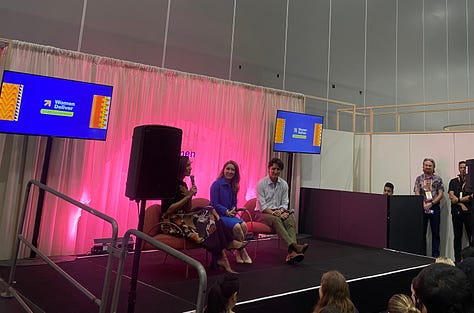
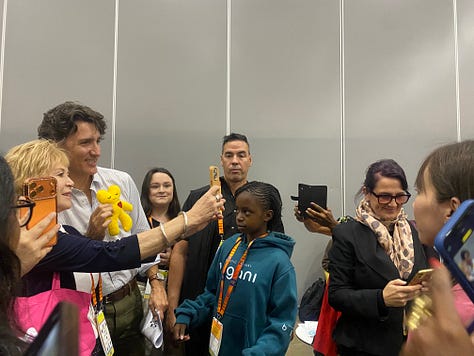
What a week. I actually feel sad now that it’s all over, given that I was looking forward to this for a while, and it was so nice being surrounded by likeminded people.
Here’s the dance party at the end of Women Deliver 2026, with a performance by Madame Gandhi.
Comments
Nothing yet. Say the first thing.
Sign in to join the conversation.