

This is the fourth post in a new series called making it work — where I document what I’m actually building with AI, what broke, what surprised me, and what it means if you’re a marketer who keeps hearing terms you don’t know but nodding like you know what it all means. (I was you. Recently. It’s fine.)
I’m building an app to track my skincare inventory, routine, etc, and I’m doing it across two platforms at the same time — Claude Code and Remy by MindStudio. Here’s what I’ve learned so far.
Claude's code is from scratch. Every feature, every integration, you build it yourself, even when all the coding is done for you. That means full control, but also full responsibility.
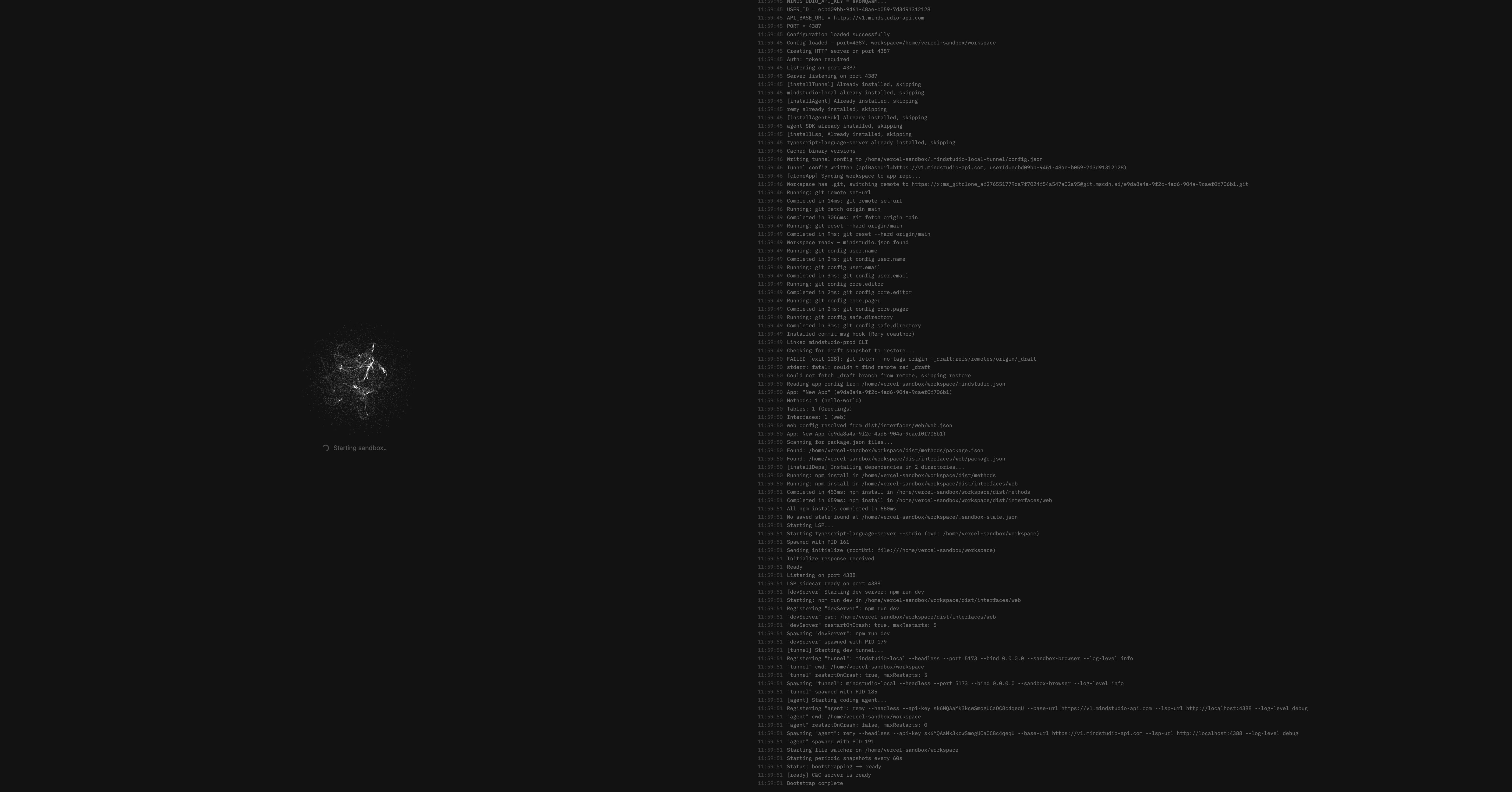
Remy is different. MindStudio has over 1,000 native pre-built integrations, and so does Remy by default, its new product agent. So things like auth, AI features, and databases, it handles a lot of that for you. MindStudio describes it as Replit 2.0, which is pretty accurate.
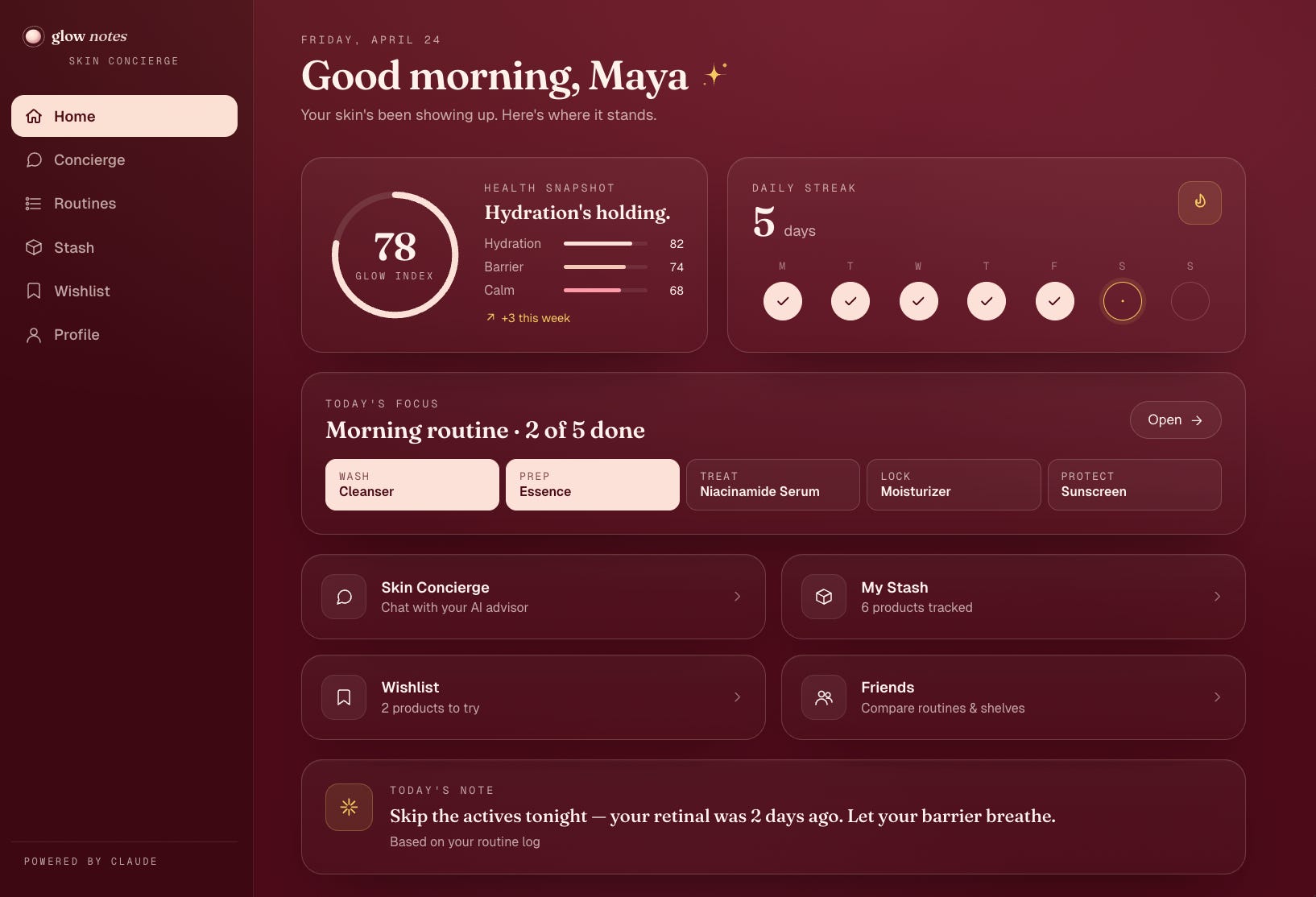
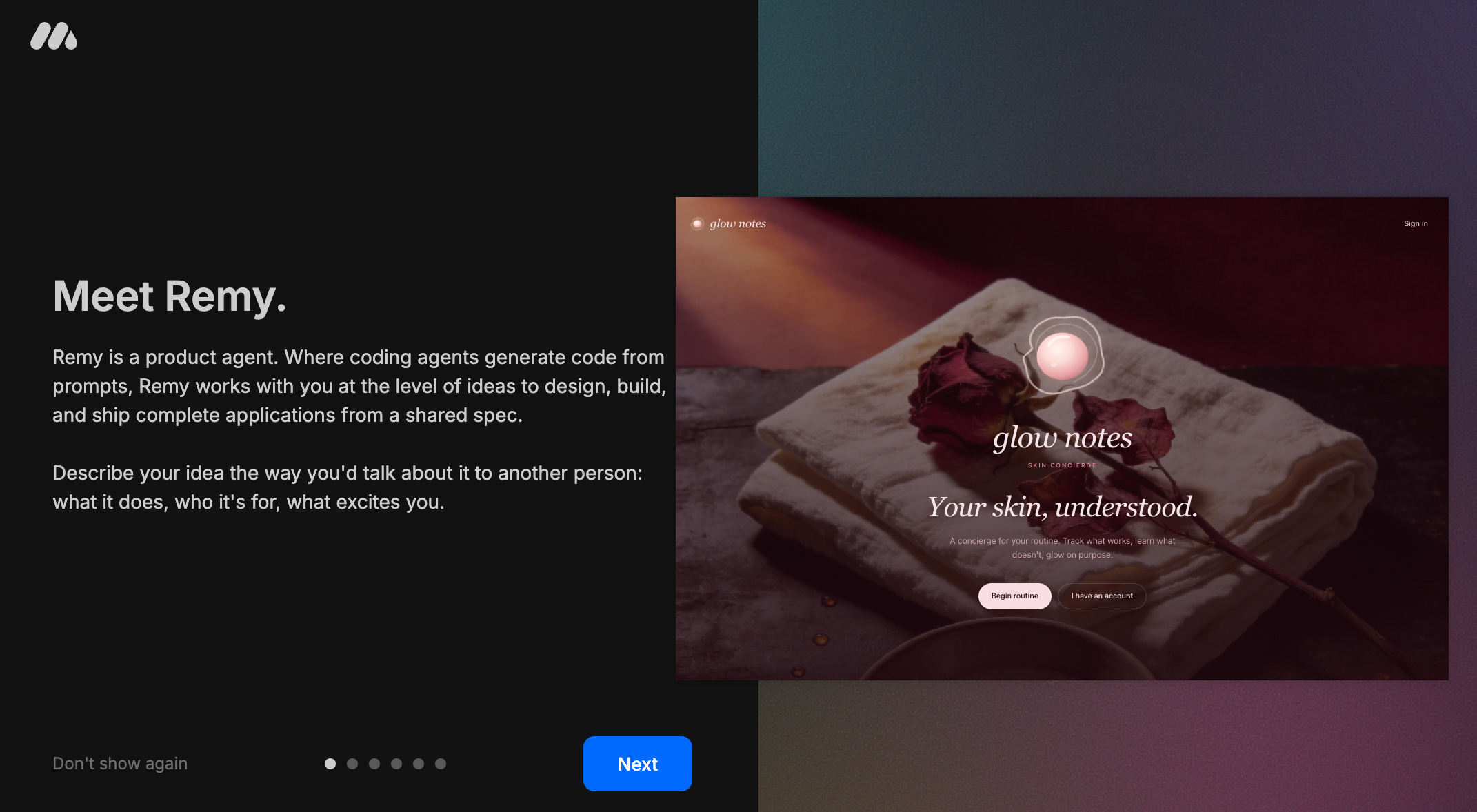
I’m running both simultaneously to actually understand which I prefer committing to for a full build.
How Remy plans your app is one of the things I like most about it. It doesn’t just take a prompt and generate. It asks clarifying questions first and walks you through the architecture before writing a line of code, all outside the chat. Try Remy with me!
I like that format because I think brainstorming and decision-making are two distinct processes that deserve to be kept separate. Remy built the AI feature for me, which I had trouble getting to work on Claude Code!
Before I touched either platform, I used Variant to design the UI. Variant is a design GPT — you use it to mock up your UI/UX, iterate on layouts, and brainstorm logos. I finally landed on a logo I actually like! Then, Claude Design designed the full onboarding flow there.
You can export from Variant and hand it directly to Claude Code or Claude Design. Claude read the reference files and followed directions well. The onboarding it built looked close to what I designed, which isn’t always the case with AI-generated UI.
My workflow is: Variant → Claude Design → Claude Code or Remy. Design first, then build.
I also ran code in the cursor and codex this week for the first time. The cursor’s interface is overwhelming at first. Terminal at the bottom, editor on the side, everything visible at once. But after sitting with it at a Build After Dark event, everything clicked. It’s less scary than it looks. If you’ve been avoiding it for the same reason, just open it and stay in it for an hour.
I also learned how to build a transcription feature, which I’ve now added to my builds!
On top of app build, I’ve been making agents in MindStudio.
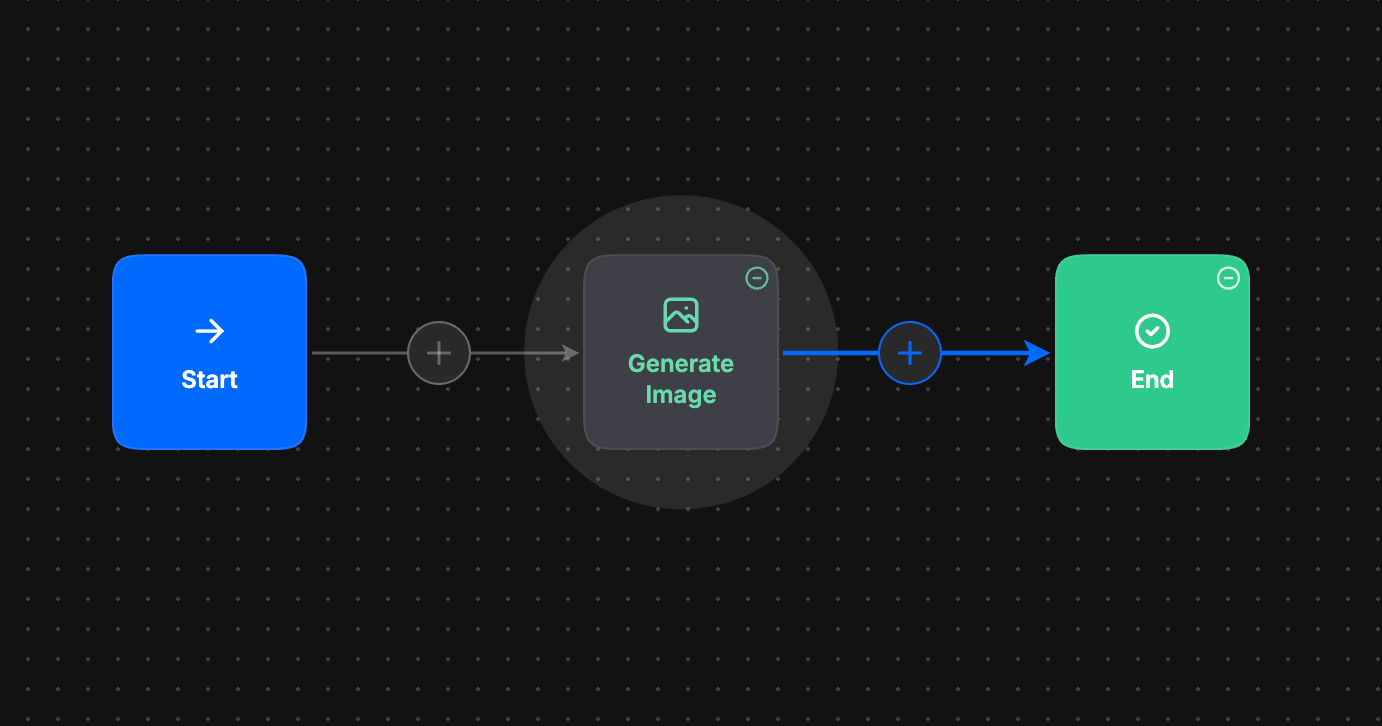
MindStudio is nodes-based; you’re building a visual graph of how your agent works, not just chatting with it. Gumloop is chat-based.
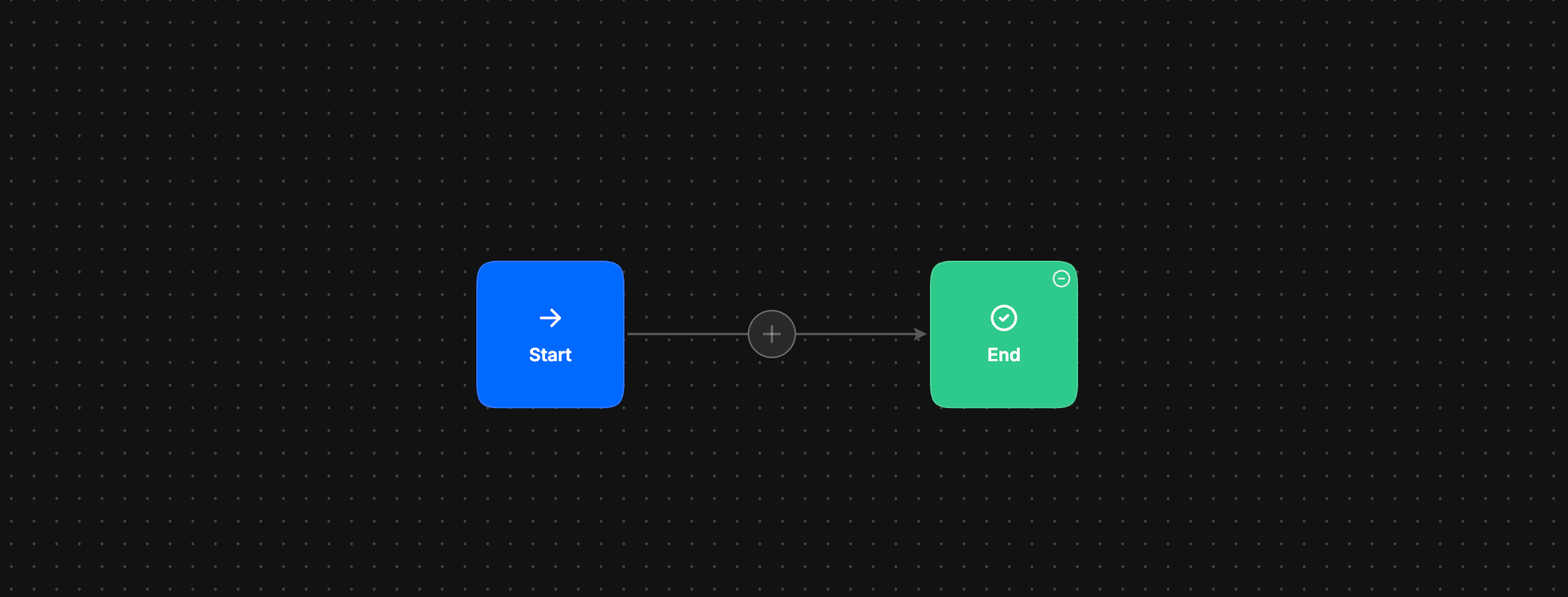
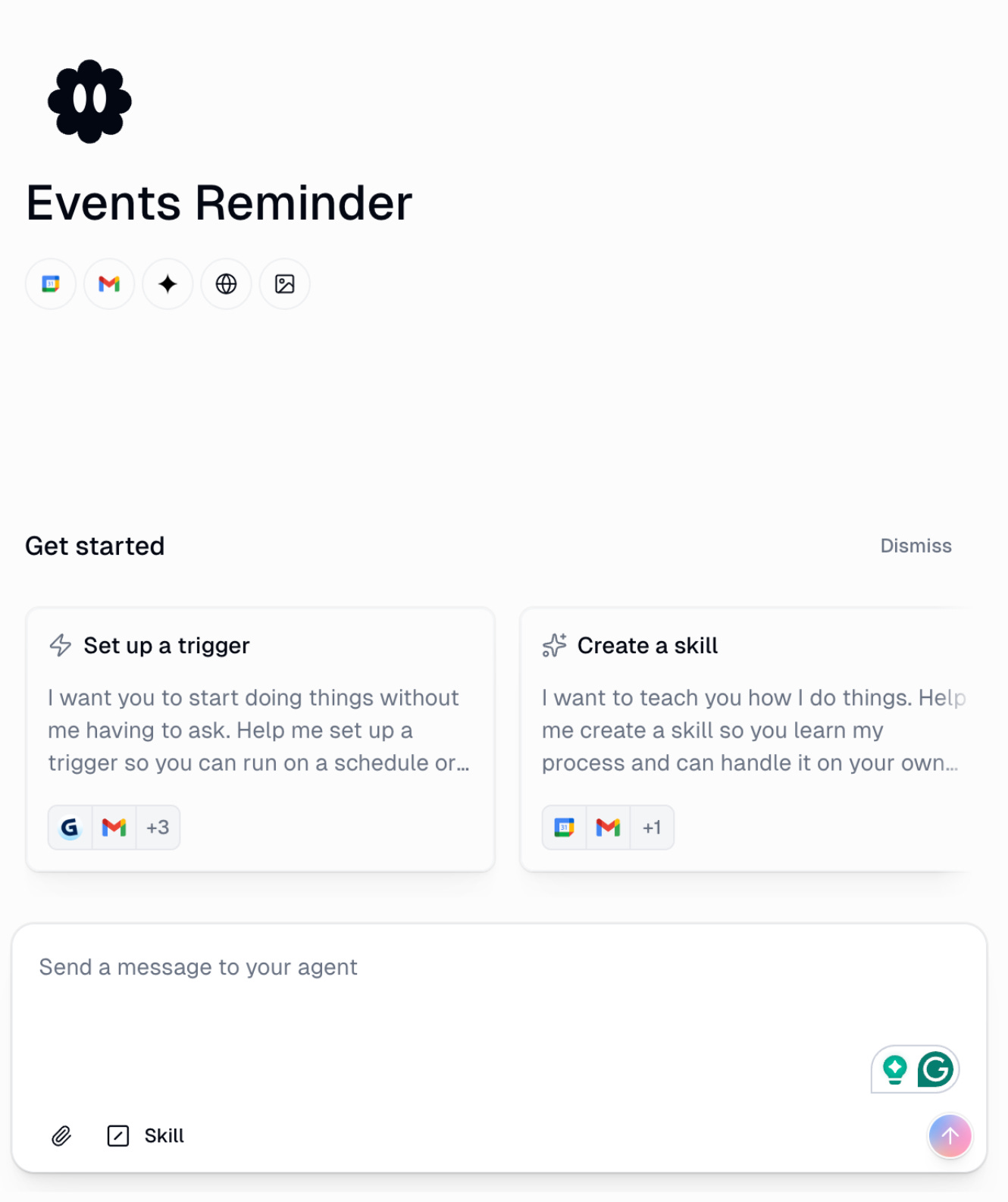
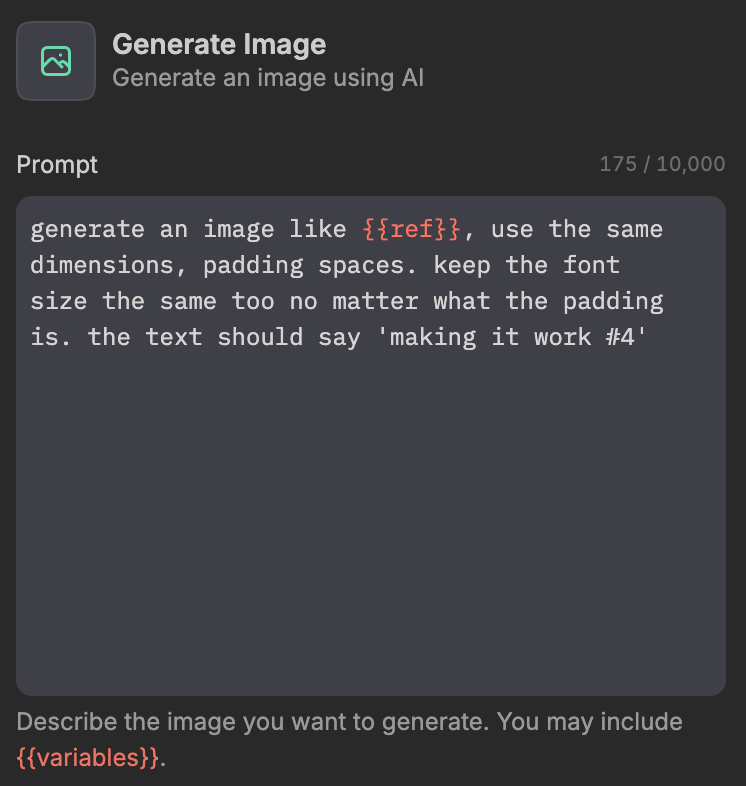
I built a Substack thumbnail generator agent this week. Wrote a prompt, ran the agent, and iterate. MindStudio is particularly strong for image and video generation agents; the output quality was good, and I’m planning to push further on that next week.
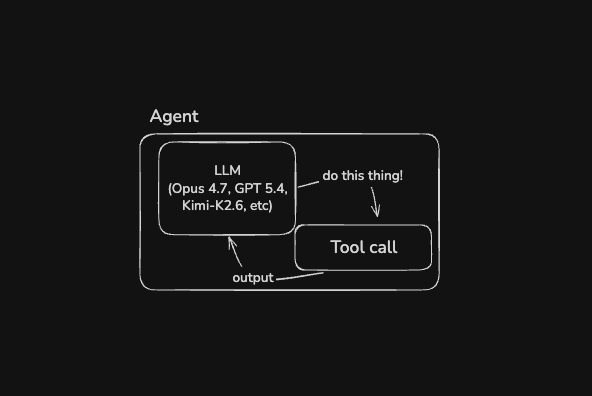
One thing worth knowing: MindStudio offers bootcamps and training that explain foundational concepts well. Things like why you’d connect an agent to an API rather than an MCP. If you’re building agents and some of the terminology isn’t sticking yet, their resources are actually useful.
I’m still running Claude code and Remy in parallel. Variant for design, MindStudio for agents this week. If you’re keen on trying the platform out, sign up for MindStudio! Let’s build together. They’re having a Remy Hackathon next week too :)
Reporting back next week! In the meantime, let me know what other tools you’d like me to try.
Subscribe if you want this in your inbox every week — honest, mid-process, no clean answers. Or reply and tell me what you’re building. Going to be doing this every Thursday!
Comments
Nothing yet. Say the first thing.
Sign in to join the conversation.