
A brief note before we enter today’s letter:
There are 17 commissions remaining in the final release of the original long-form Creative Court Report.
These reports generally range between 21 and 30 pages, sometimes longer depending on the chart. Each includes an individual portrait of Venus, Mercury, Mars, and the Moon, including a practical synthesis of how your Creative Court can work together.
Here’s what Fen R. had to say about their report:
Letting the report settle in and it makes so much sense, and that sense is creating space for permission to create the way I do. The advice was so practical I'm already integrating in. I've taken to jotting a phrase or image each morning from my dreams in my commonplace book (its going to need to be renamed I think). My Venus placement also gives me a lot of joy; I am a hub, a weaver, a connecter, and also a seidth worker so it again makes perfect sense that I am so focused on the relationship between the things. Thank you for helping connect the dots, I feel like my creativity has a story I can inhabit now instead of a puzzle to struggle with.
Once these final commissions are gone, this version will close while I rebuild the report into a more contained form that is physically sustainable for me to continue offering.
Commission Your Creative Report
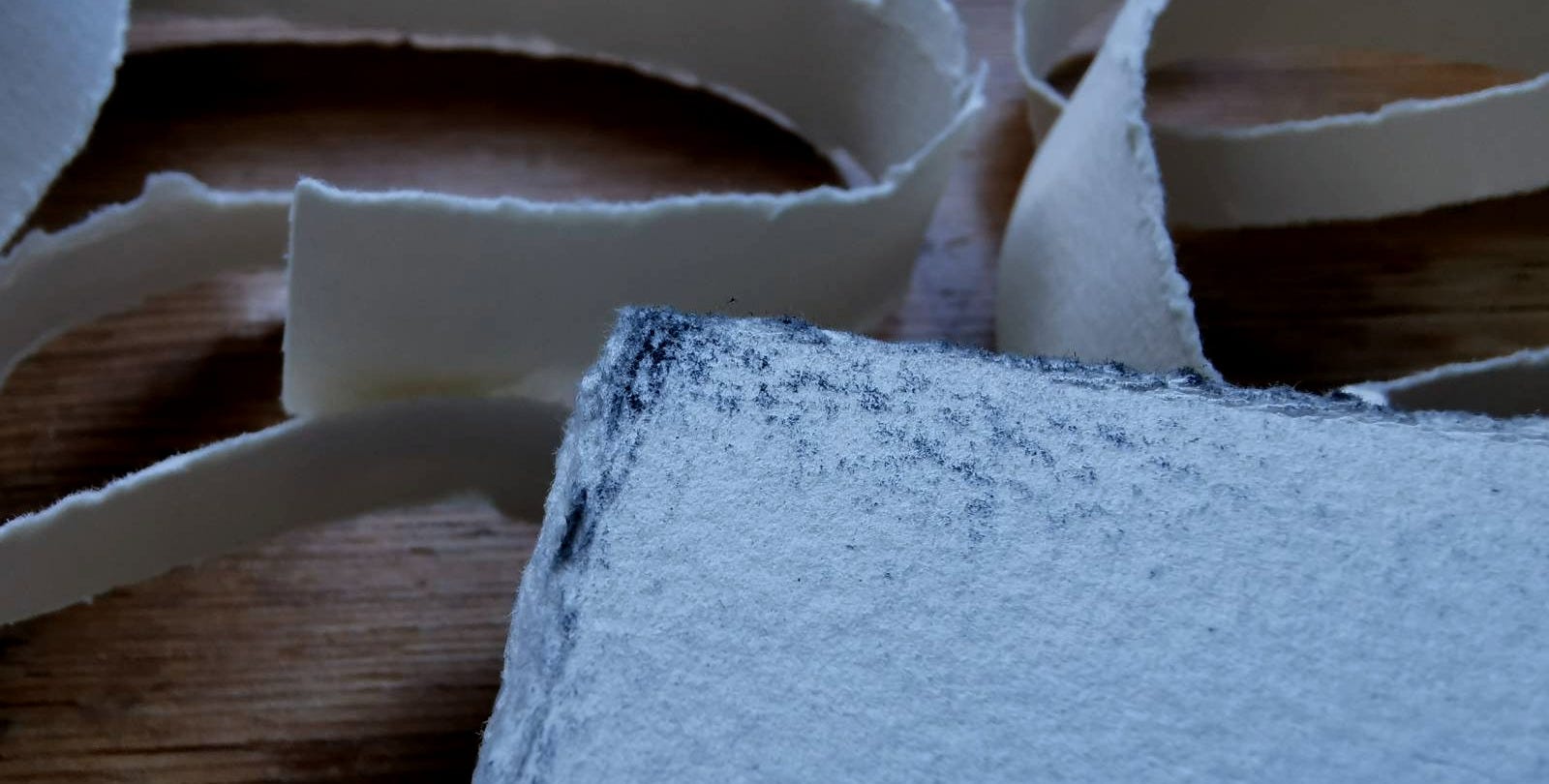
This is a long letter. Seems this always happens when I focus my attention on Venus. You may find that it cuts off in your email inbox; it may be easier to read if you click the link to read in browser or in the Substack app.
Since July 9th, I have been trying to write about Venus in Virgo. The difficulty has been finding words that do not return her to the same narrow definition that pop astrology has kept her confined to.
Even the flattering descriptions can become another kind of reduction. The careful lover. The meticulous craftsperson. The person who remembers how you take your tea. Acts of service. Impossibly high standards.
These things may describe her behavior, but they do not tell us what moves beneath it. They give us the evidence of her love without bringing us any closer to its source.
I wanted to find an articulation of Venus in Virgo that did not depend upon pop astrology’s tired little collection of virtues and flaws. A Venus who could be demystified without being diminished. Because demystification should clear away the false assumptions surrounding a thing so that its actual enchantment can grace us with its brilliant shine.
I sat with her and gave her the kind of sustained, patient attention that did not immediately demand an answer. I followed one question until it revealed another beneath it. I tried to understand the elemental conditions surrounding her and the older image of the Virgin from which Virgo receives her name.
Venus in Virgo blossoms with sustained, devoted, attention.
We often say that Virgo pays attention to detail, as though she simply possesses a sharper lens than the rest of us. But the incredible level of detail is what becomes visible because she has remained with something long enough for its particular nature to emerge.
As Thích Nhất Hạnh once wrote:
“Understanding is the essence of love. If you cannot understand, you cannot love.”
Venus in Virgo’s sharply attuned attention is not simply a hunt for defects. It is the desire to grow closer through understanding.
She knows she can never reach complete understanding because the beloved cannot be exhausted that way. Venus in Virgo follows what can be known, allowing each discovery to carry her toward the next threshold while something living remains enticingly beyond her reach. Venus in Virgo understands the eroticism of curiosity and fascination.
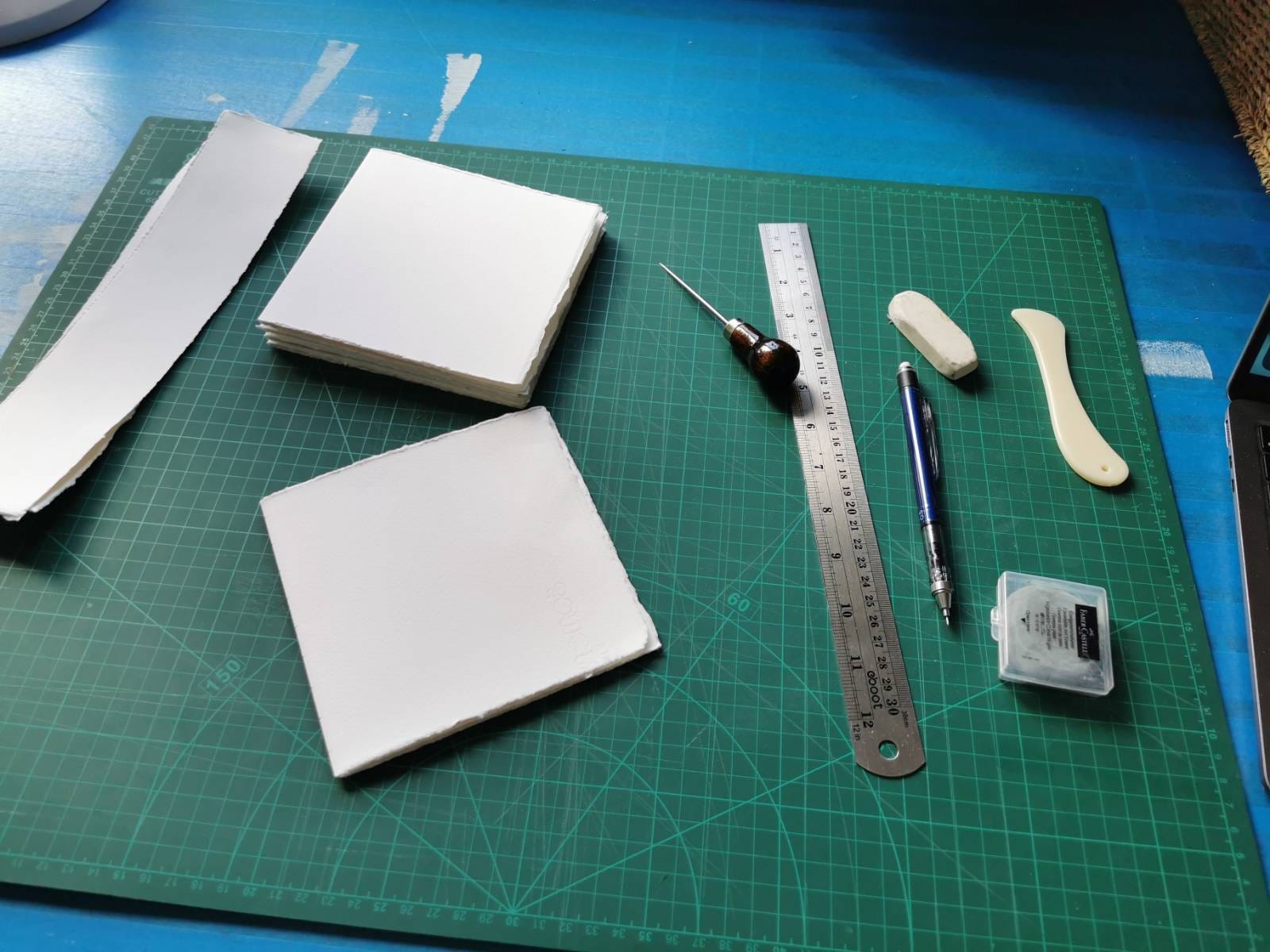
The older image behind Virgo is the maiden—the parthenos. In Woman’s Mysteries, Ancient and Modern, M. Esther Harding recovered the ancient Virgin as “one-in-herself”: a woman whose nature was not defined through her relationship to another person. Demetra George later carried this archetypal understanding into astrology through her early work on Vesta, Virgo, and virginity.
In this lineage, the Virgin is not defined chiefly by sexual abstinence, but rather that she belongs to herself. Her body, her labor, and her creative life-force gather around a sacred center of her own rather than passing into the ownership of another person (like a spouse). Virginity becomes an image of something sovereign, self-possessed, and uncompromised.
We can hear a faint echo of it when we speak of virgin wool, virgin soil, or virgin olive oil. The word describes something that has not yet been mixed, diluted, or worked over into another substance. It remains close to its own nature.
Meditating on these concepts helped me find a way into understanding the complexity of Venus in Virgo.
Venus is a planet of attraction and concord. She draws separate things toward one another. She governs the mysterious pleasure of composition: what happens when one color is placed beside another, when two lives begin arranging themselves around a shared center, when the maker discovers that these particular materials belong together.
Yet Virgo is temperamentally cold and dry.
Dryness separates. It reveals where one thing ends and another begins. Coldness allows those distinctions to hold their shape with sharp boundaries and articulation.
In Pisces, the sign of Venus’s exaltation, moisture softens the borders between things, giving the proper conditions for commingling. One substance joins with another. The drop returns to the ocean. Lover and beloved dream of becoming inseparable, of being subsumed to each other.
Here in Virgo, love begins with the recognition (and delight) that the beloved possesses a nature beyond our own.
I have been thinking about this alongside Lauren Hall’s essay “Desire Is Dead,” and its exploration of eros as an encounter with the Other.
The Other draws us because they cannot be produced entirely from within us. They have their own history, appetite, and way of answering the world.
We pursue the Other precisely because something remains over there that we do not already contain.
Love may inspire understanding, but understanding does not ever fully erase this distance. At its most beautiful, understanding makes us more attentive to it.
Venus in Virgo does not want to destroy that distance through dissolution. She understands the pleasure is in the pursuit.
She approaches the distance through relentless curiosity, through an ever-deepening hunt. She looks closely enough to perceive the beloved with obsessive accuracy.
This paper is not that paper. This pencil is not that pencil. Graphite is not charcoal.
Each thing must be permitted to belong to itself before Venus can discover what kind of relationship may exist between them. This is the quieter dignity hidden inside her fall.
This desire for understanding can look analytical from the outside. Yet analysis is only a well-worn tool in Virgo’s hand. The deeper intention is Venusian.
Again, Venus brings things into relationship, and in Virgo, she does this by perceiving their distinctions with extraordinary care.
Venus in Virgo loves the integrity of a thing becoming more fully itself.
She separates in order to perceive. She sorts because careless combination can destroy the very qualities that awakened her interest. Then, once she understands something of each nature involved, she begins arranging the conditions under which they might meet without either one disappearing.
And perhaps this is why so many Venus in Virgo people love sketchbooks, journals, archives, marginalia, working drawings, old recipes, and every surviving record of how something was made.
The finished art often obscures it’s own history. Earlier decisions disappear beneath the final surface. The wrong color is painted over. The sentence that opened the essay is gone by the time the essay reaches us.
Venus in Virgo craves seeing evidence of your curiosity in motion.
She wants to know how the beloved became (and continues to become) itself. She follows the history, the small decisions, the mistakes that altered the course of the work. She wants the drafts and the notes in the margins. She wants to see what the maker tried on their journey to arriving here. She wants to know what you were thinking, how the work changed you, and what your hands learned that your mind could not have discovered alone.
The sketchbook is intimate because it preserves the trail of your attention in action.
It says: I wanted to understand, so I stayed with my curiosity until it blossomed into another curiosity, and another, and another.
I was reminded of this while reading one of my favorite manga, Sasaki and Miyano. In chapter 23.5, one of the characters (Hirano) says:
“Like… How you always do your best for the team, right, Kagi-kun? I wanna find someone who gives their all to what they love, just like you.”
I believe we are all moved by the sight of devotion in action. We often mistake it for attraction to talent or accomplishment. But it’s really that someone’s love has become visible through what they demonstrably give themselves to, repeatedly. Venus in Virgo is enraptured by that sort of devotion.
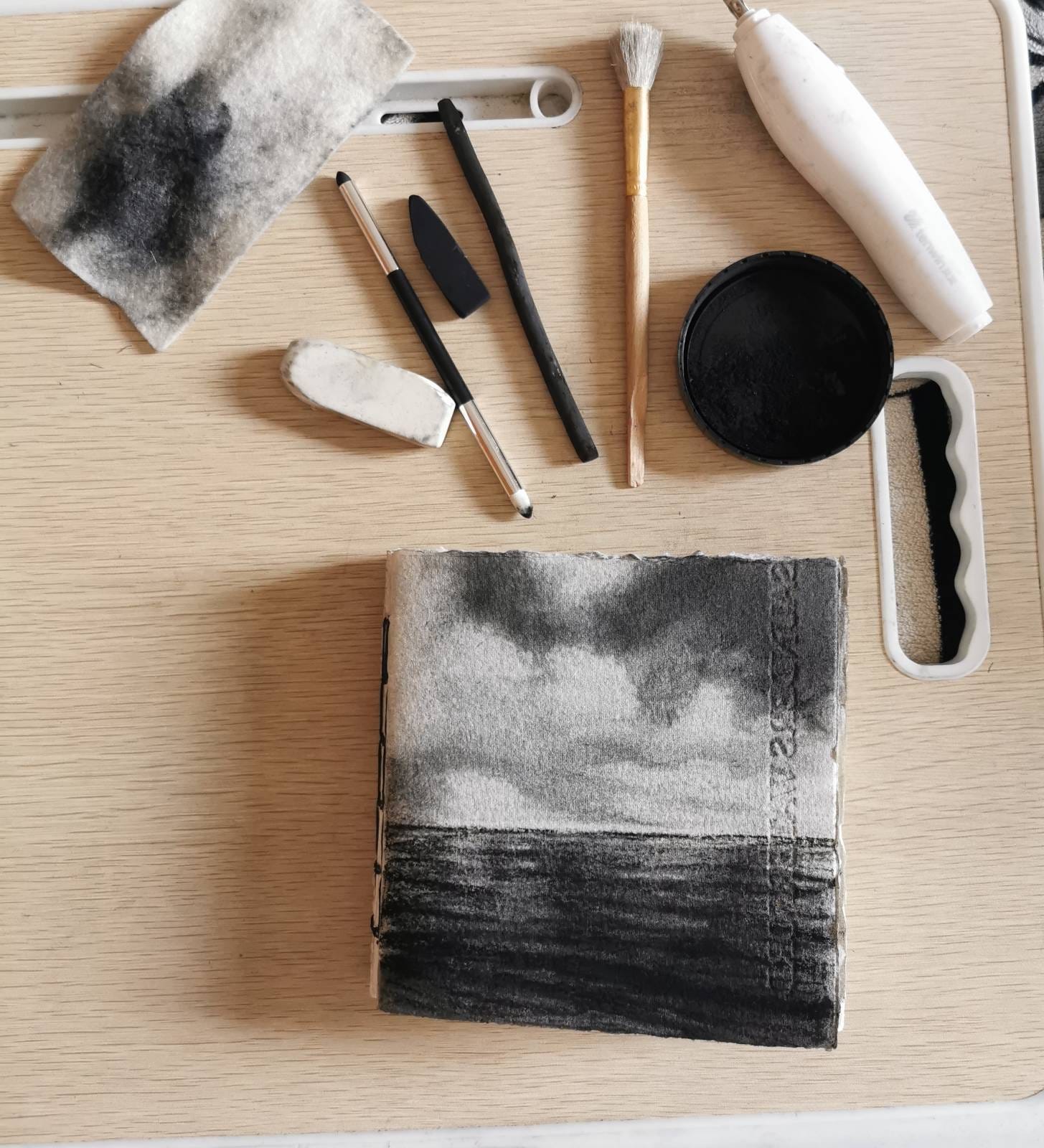
This is where the old description of Venus in Virgo as a perfectionist begins to unravel.
Perfection is strangely unlike Virgo.
It belongs to an imaginary world where nothing has been tested. No material has resisted the maker. No body has grown tired halfway through. No beautiful idea has been altered by cost, weather, appetite, accident, or the present reach of our skill.
Virgo belongs to the world where these things happen. She wants to place the idea on the table and see how it behaves there. She wants to make one alteration, observe the result, then allow what she has learned to shape the next attempt.
Her discernment grows through contact with reality.
Virgo is Mercury’s earth sign. Here, curiosity is applied to the physical world. An observation leads to an adjustment. The adjustment produces a different result. The result gives Mercury something new to consider. The mind and the material begin answering one another.
Virgo is practical, and perfectionism is not in any way practical.
Perfectionism creates an imaginary condition that life is never permitted to challenge. The perfect work remains untouched by the limitations of time, skill, money, material, or body because it remains safely unmade.
Virgo wants to know what actually happens.
Cut the page. Make the mark. Change the proportion. Try it again and watch closely.
If something can work better, Virgo wants to find out how.
Venus brings her own concerns into this process. She is still seeking beauty, pleasure, desire, and relationship. Yet in Virgo, she seeks a beauty capable of functioning in the life that must hold it.
Can this object withstand use? Does the method encourage the hand to return? Does the work become more itself as it is refined? What has to be altered so that pleasure can remain alive inside the process?
Venus in Virgo does not examine the beloved because she is searching for a reason to reject it. She pays attention because she wants the relationship to deepen. Her standards are an instrument of intimacy.
This is why I think Virgo is better understood as utterly enchanted (dare I say, obsessed?) with the process itself.
A process allows curiosity to move.
One question enters the hands and returns with evidence. The material yields somewhere unexpected. A method that appeared elegant in theory becomes cumbersome in practice. The failed attempt reveals that the real difficulty has been hiding several layers beneath the first one.
Each answer changes the question.
Venus in Virgo takes pleasure in following that movement! She grows closer to the beloved through every new articulation of its nature. Her attention becomes more precise because the relationship itself is becoming clearer, sharper, stranger, more interesting.
The difficulty begins when her questions cannot become experiments.
Perfectionism begins when this curiosity loses somewhere to go.
Perhaps the experiment feels too expensive to risk or the body cannot perform it yet. The work has become so public that every uncertain gesture feels exposed. Perhaps fear has gathered around the possibility of discovering that the idea will not work, or that the maker cannot yet make it work in the way they imagined.
The curiosity remains alive, but it cannot enter matter. Without contact, nothing answers back.
Every possible problem retains its full weight because reality has not been permitted to cut them down to actual size. One question produces five more. Improvements gather around an object that does not exist yet. The imagined work becomes increasingly intricate while the distance between the maker and their first move grows wider.
What begins as curiosity becomes a dam built to contain disappointment.
If every difficulty can be anticipated, perhaps no material will be wasted. No limitation will have to be encountered. The beautiful thing can remain (theoretically) perfect for as long as it remains untouched by the conditions required to bring it into being.
Yet Venus in Virgo cannot grow closer to something she is never allowed to meet.
This is what perfectionism takes from her: it interrupts the exchange through which her love becomes embodied. She can no longer be surprised by the material, corrected by the attempt, or changed by what another nature reveals.
Her attention continues, but the beloved has disappeared from the room.
What restores her is a small, tangible encounter. A question narrow enough to enter the afternoon. A material permitted to answer in its own language. One attempt whose purpose is to reveal something rather than prove anything.
This is why the sketchbook belongs so naturally to Venus in Virgo.
It gives curiosity somewhere to move before it has found a final destination. The page can hold a partial understanding without requiring it to become complete. A question may travel through the hand, leave its evidence, and remain open enough for another page to answer later.
The sketchbook provides a space where the relationship can become realized through the embodied pursuit of curiosity and possibility.
A sketchbook is a temple to our pursuit of understanding the Other.
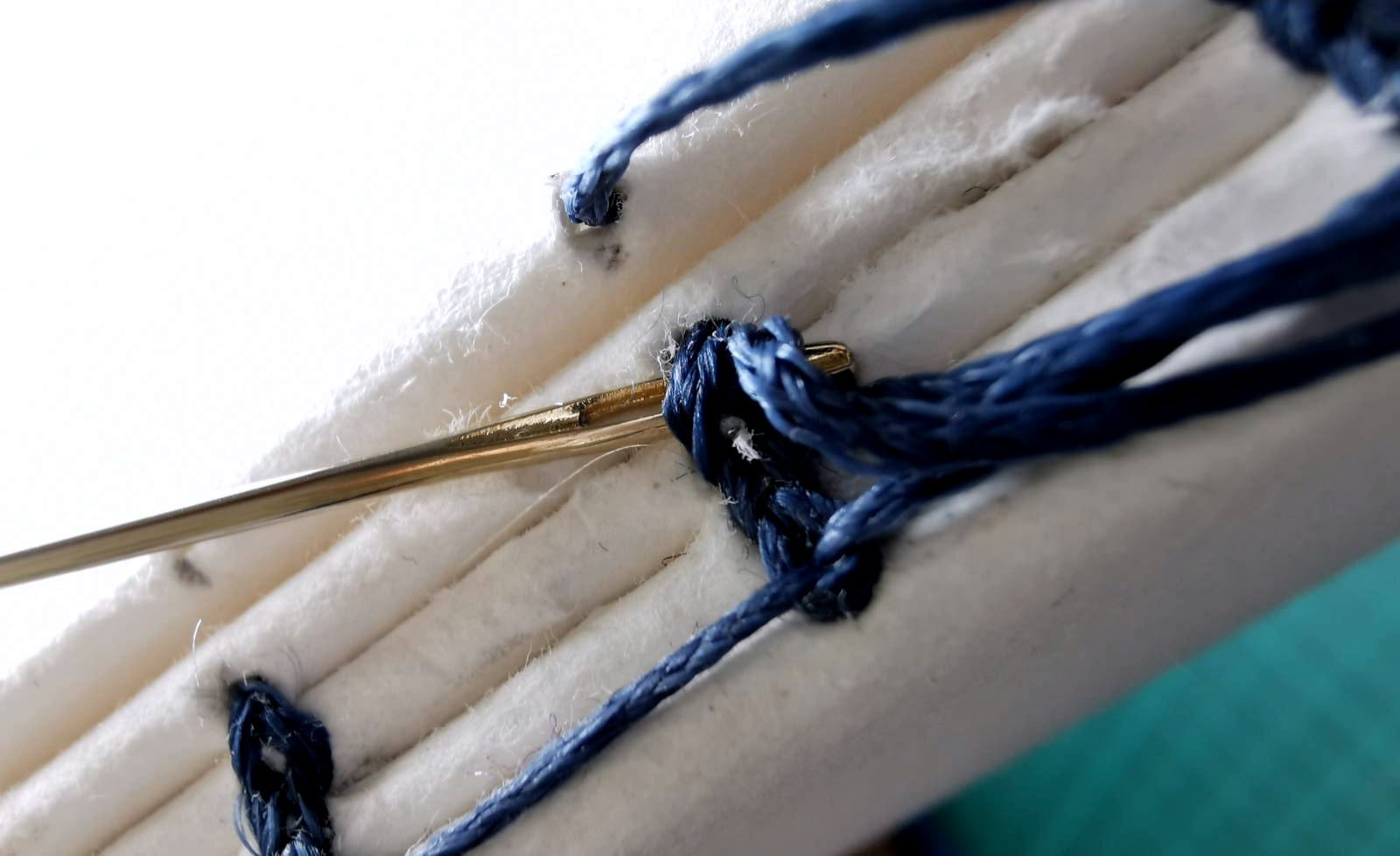
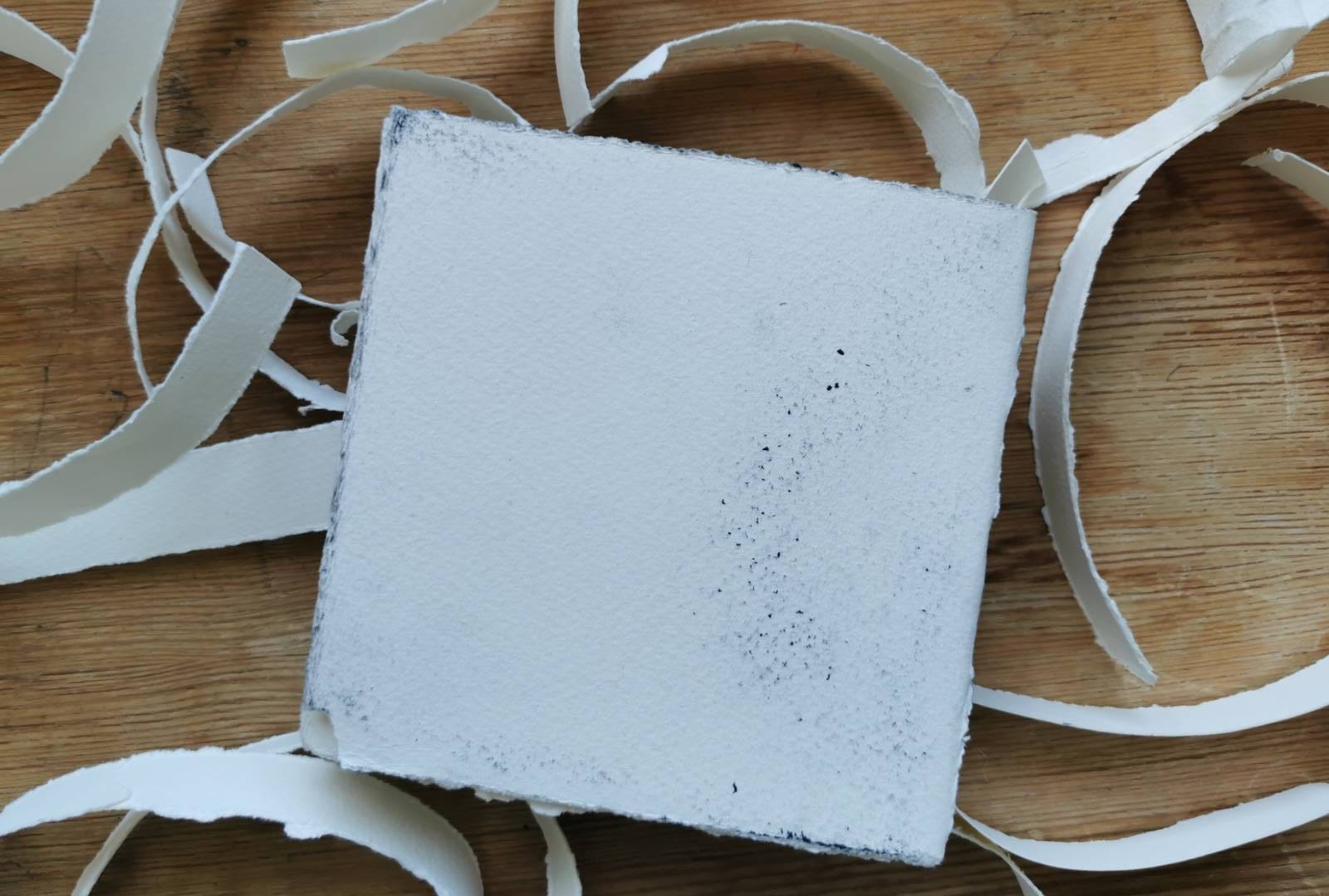
During this Venus in Virgo transit, I began binding small sketchbooks for myself.
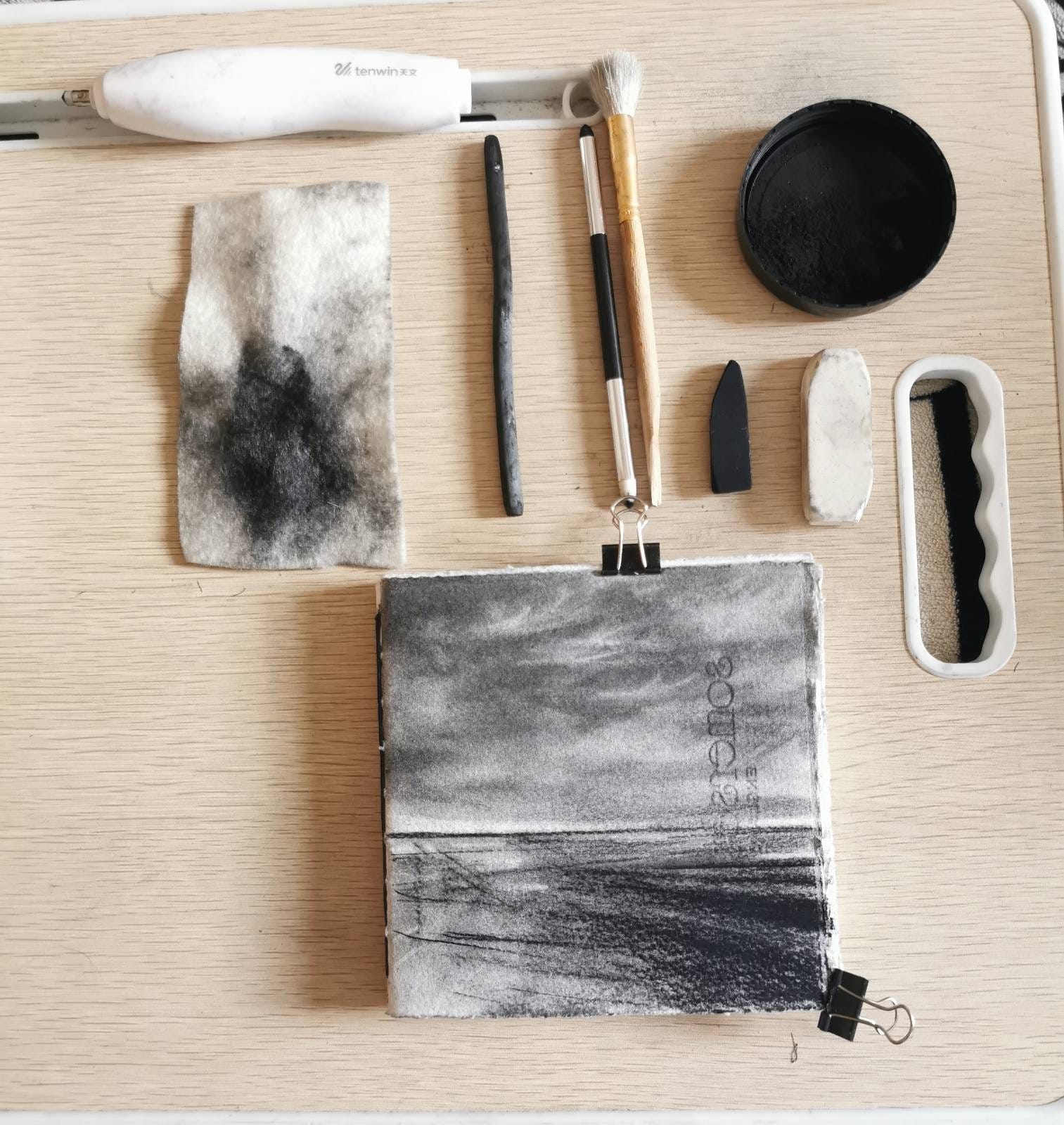
Their construction is simple. I fold sheets of paper into signatures, pierce them, and painstakingly sew them together. The thread remains visible along the spine, so the books carry the evidence of how they were made before I have drawn a single thing inside them. I have also left them without covers because I want the record to start with whatever clumsy marks I make first. I want charcoal to settle into the grain and gather along the edges where my fingers hold the page. I want the thread to soften through use. I want the corners to bend, the paper to remember pressure, and the faint ghost of one drawing to pass onto the page facing it.
I want each sketchbook to become an intimate, raw record of the journey I am taking toward greater understanding, deeper devotion.
A love letter records what attention to the Other has done to the mind and heart of the person who has been paying it. We are always changed from the exchange of love.
The sketchbooks are love letters in this sense.
Their pages will preserve the movement of my attention: where an image first appeared, where the perspective went wrong (sigh, so many times), where my hand became curious about a shadow and followed it. Some pages may contain only the beginning of a thought. Others will show an image passing through several forms before I recognize what has been trying to emerge.
The sketchbook is evidence of our pursuit of understanding the Other, until we are close enough to call it intimacy (often in the form of a larger or finished project).
Every creative practice has some version of a sketchbook, the little love letters where we record the attention we pay to our creative desires.
It may be a bound book, a document crowded with fragments, the voice memo made before a melody vanishes, or the strange little sample kept because the material did something worth remembering. This is where we grapple with what has attracted us. We approach it, lose it, find some partial articulation, then follow what we have learned into another attempt.
We are often still discovering what we love while we are making these records. That is also what makes them intimate. They hold the moment before our attention has arranged itself into a finished statement.
Venus in Virgo loves these records because she understands that beauty has a lineage.
A finished work does not arrive untouched from the mind of its maker. It descends from earlier forms. Sketchbooks allow us to trace the lineage of an image through everything that fed it. This is where the larger work grows before it knows that it is becoming larger.
And perhaps this is why looking through another person’s sketchbook can feel more intimate than standing before their finished work.
We are seeing the lineage and journey of their attention, the tangled growth of their devotion. We are watching desire take root before it flowers into certainty. The page shows us where they lingered, what they could not leave alone, and how their love became capable of making what it had first only dimly imagined.
Over time, my own sketchbooks will carry this history of love as a garment etched into the pages. Their dirt will reveal where I returned. The softened thread will remember every opening.
Each book will say:
I wanted to understand, so I stayed. I followed what you revealed into another curiosity, and another. I was enchanted, am still enchanted, by the chance to understand you deeper. I allowed the pursuit to leave its marks on me. Together we were changed and grew closer, yet always remained distinct. I am better for it.
Perhaps this is the invitation Venus in Virgo extends to us: give your curiosity somewhere physical to go.
If a question has been circling your creative life, find the smallest form in which you can meet it. Something narrow enough to enter the time, materials, skill, money, and physical capacity available to you now.
Open the sketchbook and let the question touch the page.
You may be trying to understand how charcoal creates the soft atmospheric distance you keep seeing in another artist’s work. You may have an image hovering at the edge of your imagination, though you cannot yet tell whether it wants to become a painting, a poem, or the fainting haunting of a melody.
Begin there.
Allow the attraction to become an experiment. Watch what happens when the imagined thing encounters the actual size of the page, the nature of the material, and the body that has arrived to work with it today.
The first attempt will answer something.
The charcoal may catch against the paper in a way you had not expected. The beautiful method you researched for three weeks may feel terrible in your hand, while some accidental mark opens the door you had been searching for.
Approach the problem with love, that is to say, with curiosity. Take it one question, one action, one experiment at a time. And then treasure what it reveals.
Keep whatever caused your attention to sharpen, change direction, or sink its roots more deeply into the thing that first enchanted you. Some of these records will remain small love letters to a curiosity that entered your life for an afternoon. Others may contain the first living cells of something that will occupy you for years.
You cannot always know which kind you are making! They can only emerge from repeated, curious contact.
Let the beloved answer your curiosity with its own nature. Remain with the exchange long enough for its marks to gather on the page, in the material, and within the changing articulation of your hands.
This is how perfectionism begins to loosen. The beautiful thing no longer has to remain untouched inside the imagination, protected from every condition that might alter it. It can enter the world and begin revealing what it actually is.
Venus in Virgo understands that intimacy develops this way.
Each page becomes a love letter giving evidence for your desire to understand better, understand more.
The distance between you and the Other is very rarely entirely conquered! Complete understanding would bring the pursuit to an end, and Venus in Virgo knows the pleasure lives in the hunt, and the beloved is more nuanced than we can conceive.
There is always another page waiting, another form the question might take, another chance for the beloved to answer in a way we could not have imagined alone.
P.S. There are 17 original long-form Creative Court Reports remaining. Once they are claimed, this version will close while I reshape the offering into something more sustainable.
If you would like the full 21–30-page version of your Creative Court, you can commission yours here:
No posts
Comments
Nothing yet. Say the first thing.
Sign in to join the conversation.