
Over the last few weeks I’ve been sharing my observations and understandings around how leaders create value.
I introduced the concept that human beings have two brain states: reactive and reflective.
Leadership Value Creation is a reader-supported publication. To receive new posts and support my work, consider becoming a free or paid subscriber.
The reflective state is what we use for building positive working relationships, creative thinking, and generative listening — and it’s essential for every leader who wants to create value.
The reactive brain state is particularly corrosive for leaders.
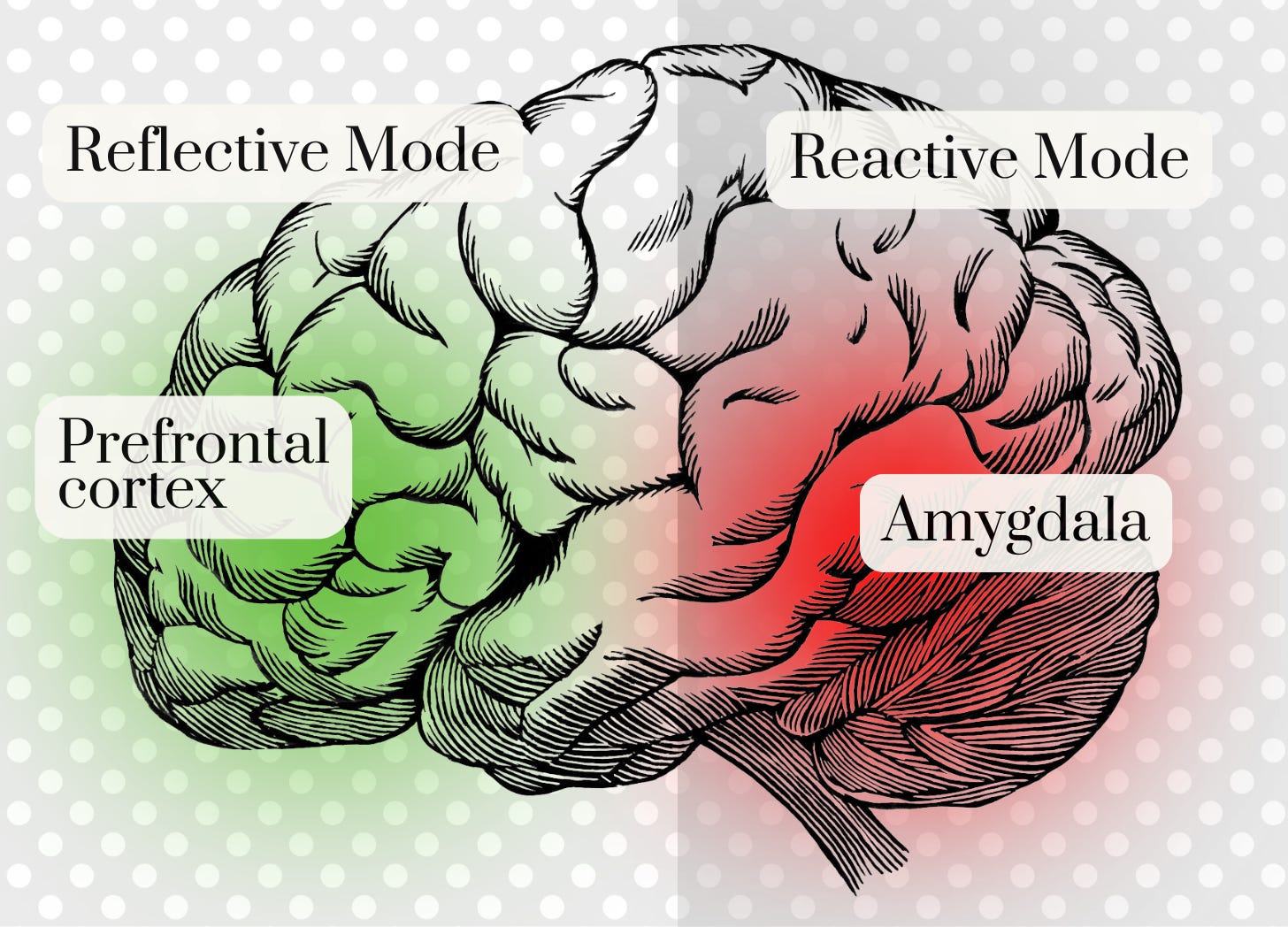
What happens when we flip into reactivity
In the reactive brain state we’re not able to access our whole brain because of a natural survival process.
Our brain’s number one job is to keep us alive. It does this by constantly scanning our environments for threats. When a threat is detected, our brain responds faster than conscious thought.
The amygdala is a key part of the brain’s alarm system. When something creates a feeling of anger, annoyance, fear, frustration or even a slight irk — that feeling has been generated by the brain noticing a threat.
Before we even sense our annoyance, the amygdala has activated cortisol, and our brain has run a check with our emotionally charged memories to see how we feel and whether survival mode needs to be activated.
Once we’re in survival mode, our protective instincts take over.
Why survival mode makes sense (but harms leadership)
Survival mode exists for a reason. There are things we do when we feel safe that would be life-threatening in danger. So to keep us alive, our brain makes adjustments to behaviour and thinking — removing access to what we don’t need and diverting blood flow to what we do.
Here’s what happens:
We don’t need socially acceptable behaviour — it’s every person for themselves.
We don’t need self-control — we need to respond fast.
We don’t need to be too clever — we drop around 13 IQ points to avoid overthinking.
We don’t need creativity — blood flow moves to our muscles to support fast action.
We don’t need a broader view — focus narrows on the danger.
We don’t need to digest lunch — hence the “quick visit” effect.
We do need to be cautious — so our ability to trust, co-operate, and share reduces.
We must stay alive — so we swap curiosity for caution as our negativity bias increases.
Dr Dan Siegel describes these brain changes as flipping your lid because the parts of the brain that survival mode shuts off are clustered in the prefrontal cortex and cortex, located at the front and top of the brain.
Dan Siegel's Hand Model of the Brain
The cost of a flipped lid at work
Once those rational, human thinking parts are offline, we’re operating with reduced functionality. Thinking and behaviour become primitive, instinctual, and automatic. Perfect for quick physical danger responses — not so ideal for leadership.
In survival mode, our behaviours are automatic, not consciously intentional.
Every weird, unkind, unhelpful, toxic, unproductive behaviour you’ve ever witnessed at work has come from a flipped lid, driven by an unconscious need to survive.
Automatic, fast, protective responses mean that we — yes, you and me — will behave unhelpfully without knowing it. All of us, as a normal part of being human, have survival behaviours.
Leaders with low self-awareness, who are too busy to think, who bounce from one meeting to the next, who struggle with imposter feelings — are most at risk.
Elevated cortisol keeps them in a flipped-lid state for a big percentage of their day.
Getting out of reactivity
Getting out of a reactive state starts with lowering cortisol.
To reduce reactivity in yourself and others, the first step is to reduce the amount of cortisol in your system.
You can do this in two ways:
Long-term: make choices in your overall approach to work and life that help you feel calmer.
In the moment: use techniques to counter unexpected spikes.
Start by asking yourself:
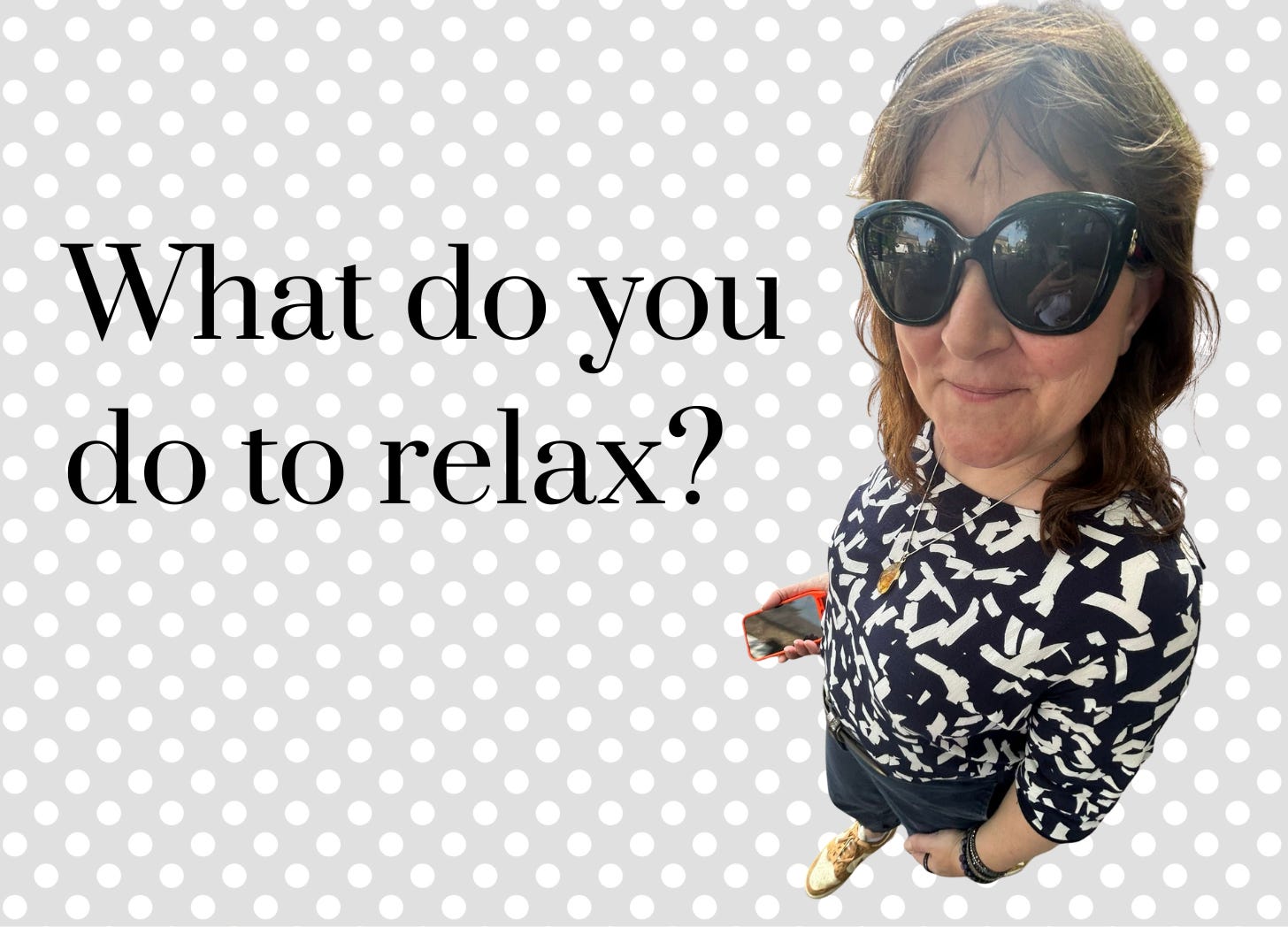
What do you do to relax and reduce the level of stress you’re facing?
Make a list — and make time for you.
Calming your system first works.
What I learned from a parenting coach
Simon (my husband) and I are adoptive parents to two amazing children. When Simon’s mother died, it triggered a reaction in our daughter who at the time had undiagnosed FASD, ADHD and sensory processing issues.
We were really struggling to be the parents we wanted to be and cope with increasingly challenging behaviour, so we got a parenting coach. Sarah specialised in adoptive parenting and the first few exercises she gave us had an immediate, positive impact — and really surprised us.
Exercise 1: time for you
We all accept that you can’t pour from an empty cup. We all recognise that under stress and when tired we are seldom our best selves.
But giving ourselves permission to stop, prioritise our own wellbeing, and make self-care a priority was the single most helpful advice we were given.
So if you are a reactive leader; if you are struggling to be the person you want to be at work (and perhaps at home) . . stop, and take time to prioritise what you need to relax.
The more you do for yourself to create calm, the easier the challenges you face will be.
Emergency support: calming your biology
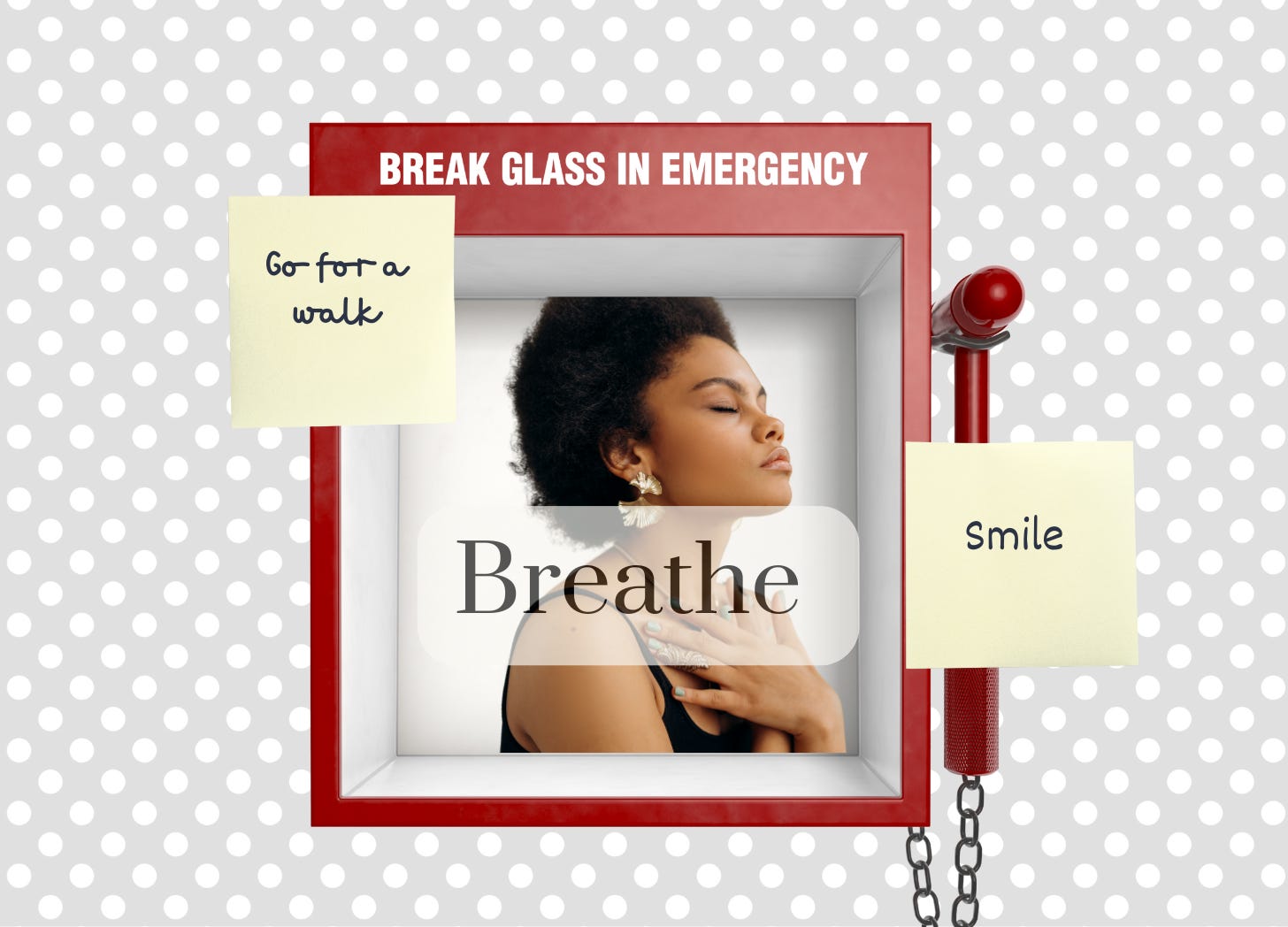
Reducing cortisol in the moment means finding activities that work for you and your biology. Try experimenting with:
Mindful breathing
Grounding techniques
Shaking out cortisol
Gentle movement
Squats
The key question is: what works for you?
Experiment. Reflect.
Get a coach if you want support.
Closing thought
You can’t lead reflectively if your brain is stuck in survival mode.
Start by calming your system: for yourself, and for the people who depend on you.
Leadership Value Creation is a reader-supported publication. To receive new posts and support my work, consider becoming a free or paid subscriber.
Comments
Nothing yet. Say the first thing.
Sign in to join the conversation.