

Burnout is often eerily silent.
It’s the blank stare at your screen. Forgetfulness. The endless doomscrolling. The half-finished ideas. Unable to grab that word to something as simple as “coffee”
The projects you used to care about that now feel waaaaay too overbearing before you have even started.
Creative fatigue.
Emotional exhaustion.
A strange absence of drive.
And because it doesn’t look like movement, we assume it’s laziness.
It isn’t.
Burnout is what happens when stress runs long enough that your nervous system shifts into conservation mode. When energy has been spent without enough recovery, the brain reduces output. Dopamine (the neurotransmitter tied to motivation and reward) becomes less responsive.
That “nothing excites me” feeling?
That’s biology protecting you.
What the Brain Needs
Research shows music activates the brain’s reward circuitry. Anticipation of a drop, a shift, a build… it triggers dopamine release. The brain lights up not just from the sound, but from expectation.
Heavy music amplifies this effect.
The dynamics. Contrast.
The tension and release.
It cuts through emotional fog because it creates signal.
Burnout thrives in sameness.
Heavy music introduces a different pattern.
Not noise. CHANGE. Contrast… This is how we wake things up
Stimulation vs. Exhaustion
When you’re depleted, you don’t need more pressure. You need engagement.
There’s a difference.
Pressure says, “Do more.”
Engagement says, “Feel something.”
Heavier music doesn’t demand productivity. It demands presence.
The body responds to rhythm.
The brain responds to build.
The system re-engages.

So how can it also be about under-stimulation?
Here’s the nuance:
1. Burnout starts as overstimulation.
Chronic stress.
Constant pressure.
No recovery.
Cortisol stays elevated. The nervous system runs hot.
2. Then the system compensates.
If stress runs long enough, the brain protects itself by down-regulating.
Dopamine responsiveness drops.
Emotional reactivity dulls.
Motivation flattens.
You move from:
“I’m overwhelmed” → to → “I feel nothing.”
That second phase can feel like under-stimulation.
Not because life isn’t busy.
But because your reward circuitry is blunted.
So when we say:
“You’re not lazy. You’re under-stimulated.”
We’re not saying you don’t have enough going on.
We’re saying your brain isn’t receiving enough meaningful, engaging signal to activate motivation.
Burnout often creates:
Cognitive fatigue
Emotional numbness
Reduced reward sensitivity
Heavy music works here not because you need MORE.
It works because:
It increases sensory engagement.
It activates dopamine pathways.
It introduces contrast and pattern.
It cuts through monotony.
It’s not about adding stress.
It’s about reintroducing salient stimulus.
Think of it like this:
Burnout is not always “too much.”
Sometimes it’s “too much for too long” — followed by a nervous system that goes flat.
Flat systems need signal.
Not pressure.

The Ritual
This week:
As you get ready to brew your Alternative Options Dark Roast Blend, press play on one heavy track that you really connect with.
JUST STAND. Headphones on.
Let it sink into your body.
Notice:
Does your posture shift?
Does your energy lift even slightly?
Does focus feel more accessible?
You’re not forcing output.
You’re reintroducing stimulus.
Give your system something strong enough to wake it.
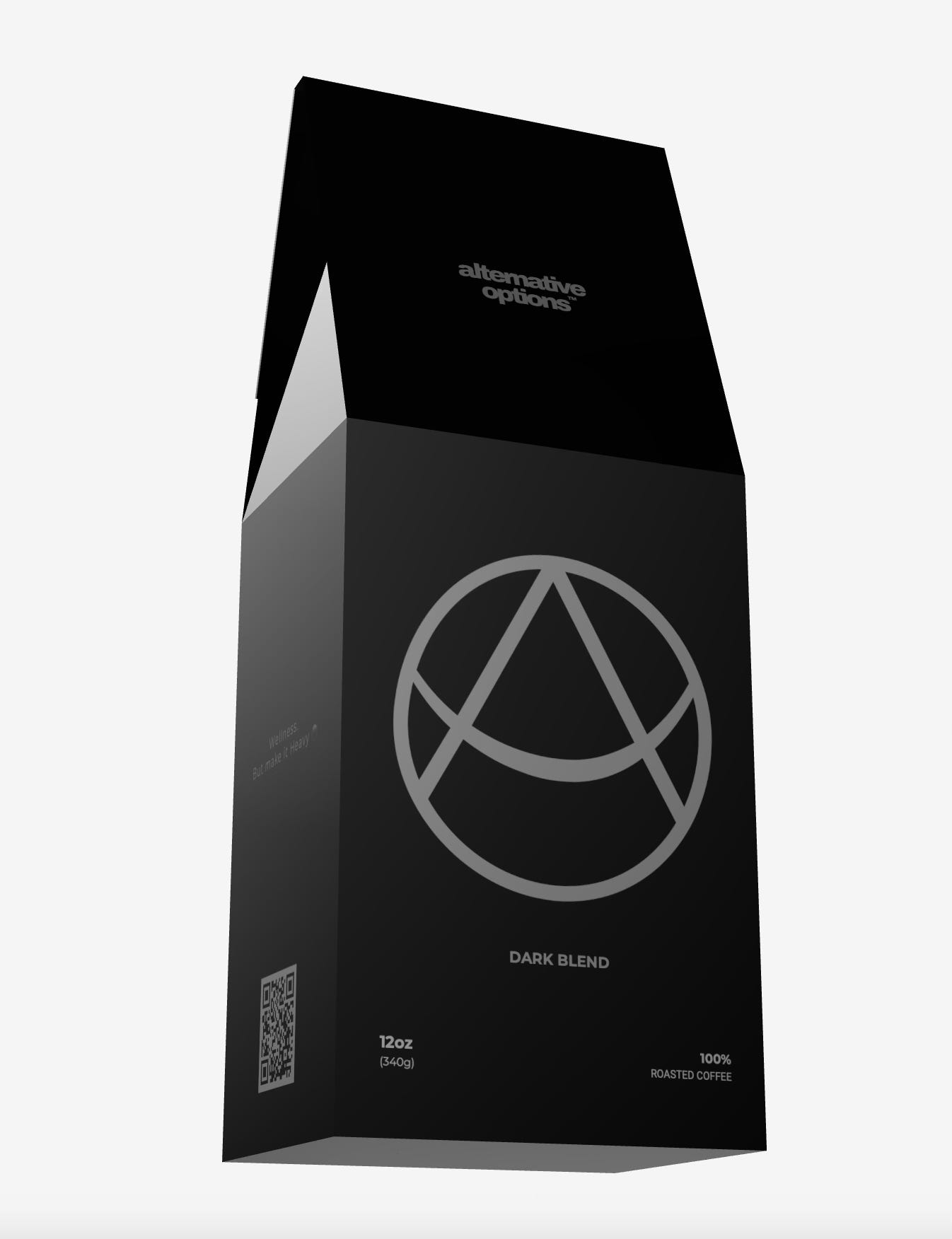
DARK BLEND ROAST AVAILABLE NOW
Wellness.
But make it heavy. ⚫️
Comments
Nothing yet. Say the first thing.
Sign in to join the conversation.