
Parvat Say is a play on words. In Darjeeling, where we’re based out of, mountains are referred to as ‘Parvat.’ These dispatches are hence “From the Mountains.” They’re also a voice, putting to words the thoughts and ideas that are emanating from the mountains of Darjeeling, hence “the Mountains speak.”
📭 Introduction
Two teams have been running flat out this past month.
Shonku Labs, our science and R&D team, ran 3 shifts around the clock for the past 2 months. The instruments they operate (ICP-OES, if you want the acronym; machines that vaporise soil in plasma flames hotter than the surface of the sun, then read the light signature to tell you exactly what’s inside) barely stopped.
The result: 12,000 analysed soil samples, collected across different agro-climatic regions.
My brother pointed out the scale of this: Europe’s LUCAS Soil survey, one of the largest harmonised soil datasets in the world, collected around 20,000 samples across the entire EU in its original 2009 campaign. Our team hit 12,000 in a fraction of that time. Shrey wrote about it here.
(If you’re curious how these instruments actually work, Arya from our team wrote a walkthrough in this blog.)
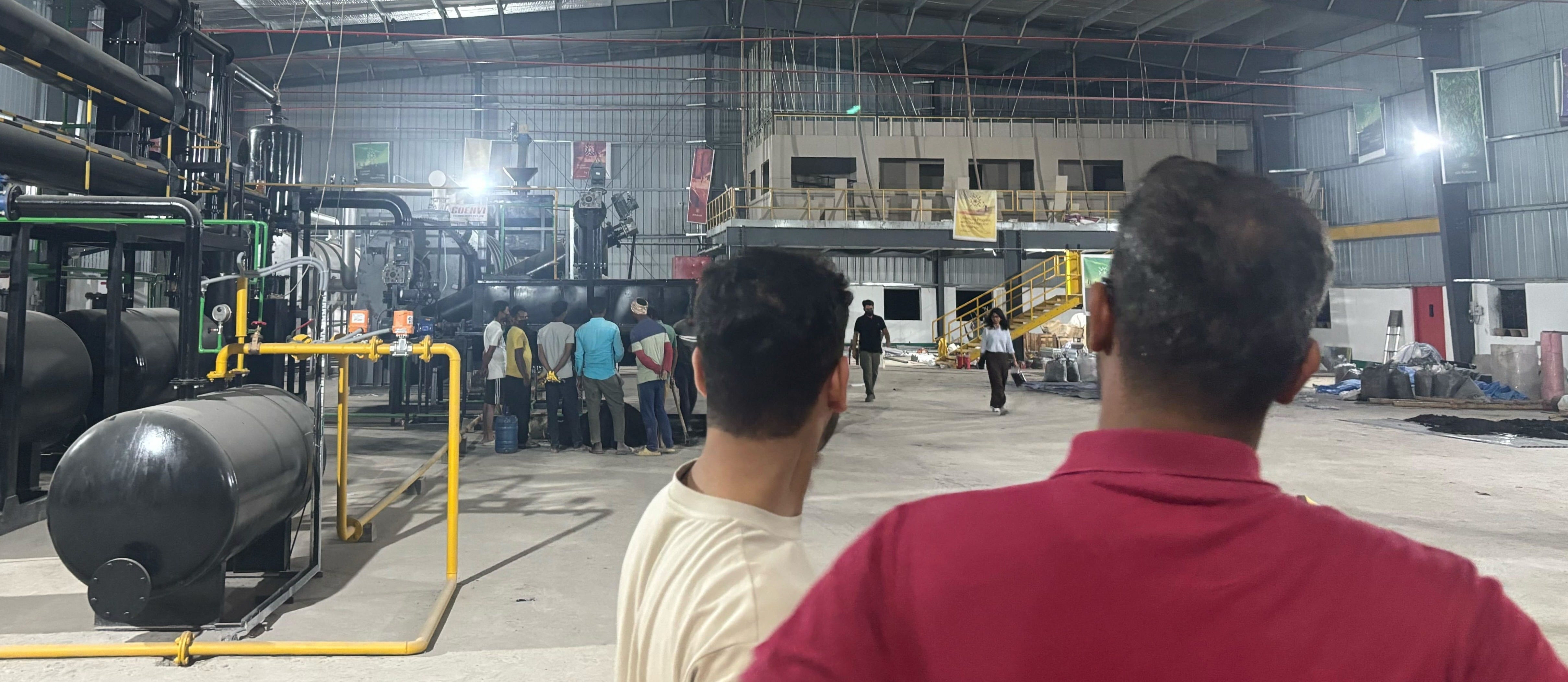
Indra Dhanush, our operations team, has been on a similar tear. Longer trials every week, each one pushing the system harder than the last. Valves, pipes, feed rates, reactor temperatures: the engineering problems compound the further you scale. The team has been pulling overnight shifts to keep the runs going. Check out more here.
That's where we are this month. Now onto the rest.

🏔️ Latest at Alt Carbon:
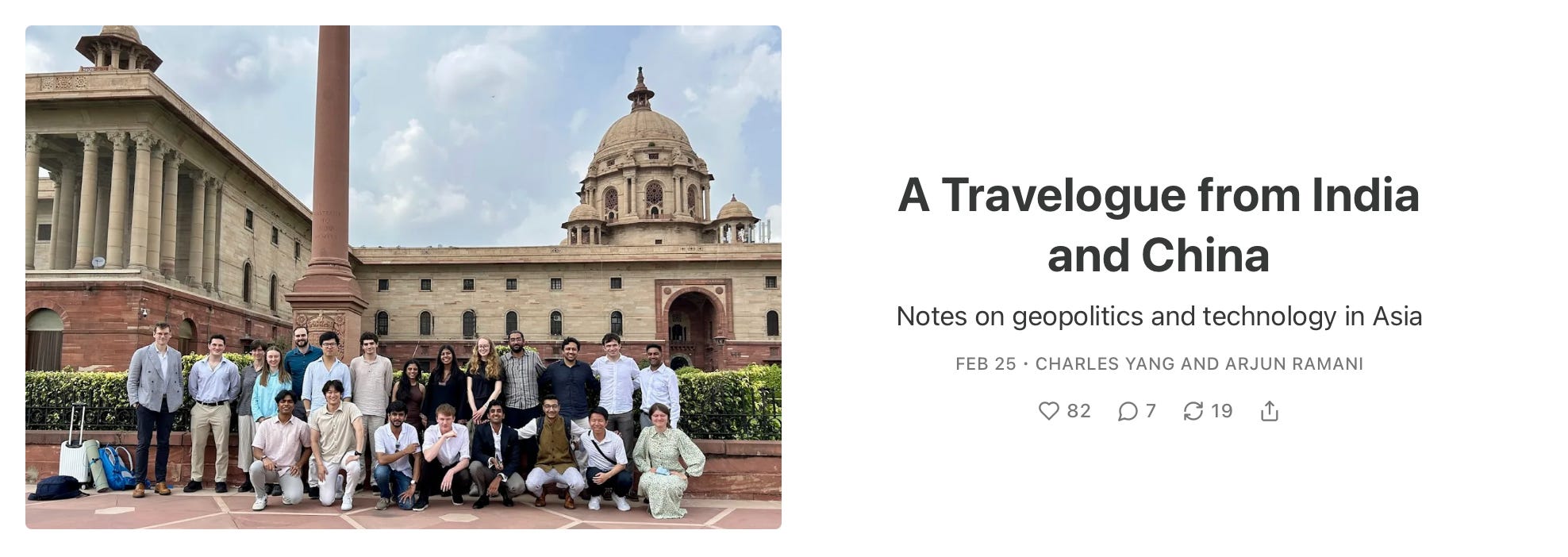
Throwback to August ‘25. Last summer, we hosted a group of friends from the US on what we called the “Discovery of India Trip”. They came through Delhi, Bangalore, and up to Darjeeling, spending time at the tea fields, meeting founders, and sitting with policymakers.
Charles Yang, who writes the Substack, Rough Drafts, published a sprawling travelogue comparing India and China across geopolitics, tech, and culture, co-written with Arjun Ramani. Alt Carbon makes a cameo (our Bangalore office poster wall got a shoutout!).
The whole piece is worth your time. Read it here.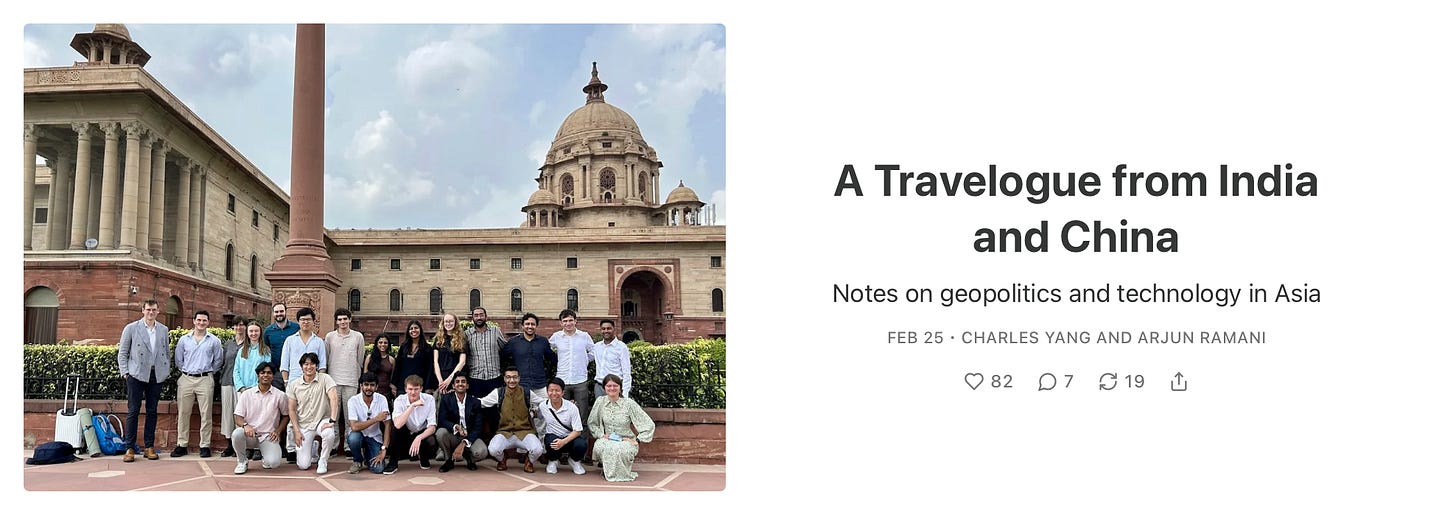
How do you turn a pinch of soil or a cup of rainwater into a carbon removal number?
Our in-house geochemist Arya Tilak walks through the instruments inside our labs that make it possible: from plasma flames hotter than the surface of the sun, to machines that can trace the journey of a single raindrop from ocean to cloud to field. If you’ve ever wondered what measurement looks like on the ground, this one’s worth your time.
Read it here.
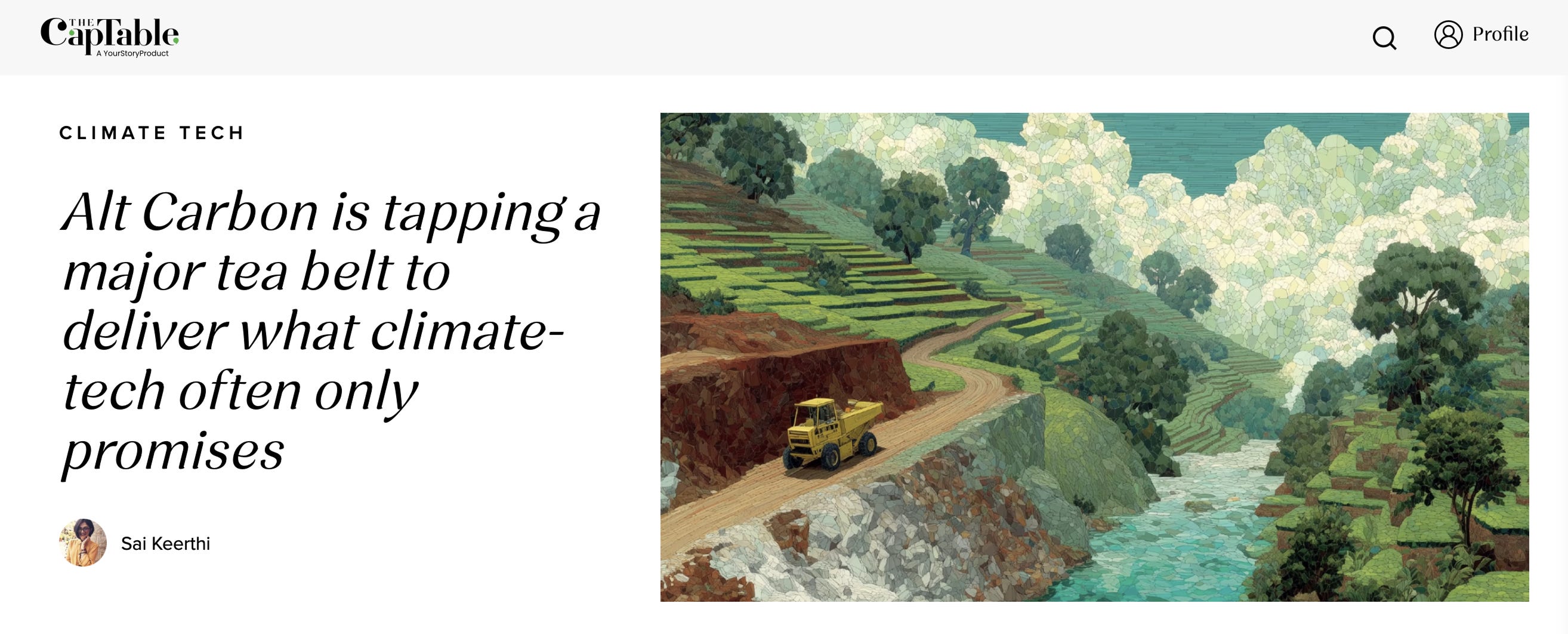
The CapTable wrote about Darjeeling’s tea estates to understand what Alt Carbon is actually doing there: spreading basalt, measuring soil, issuing Asia’s largest ERW carbon credits. The estates have spent a decade watching yields fall, weather shift, and cheap imposters flood the shelves with their name on the packet. A great primer on what we do and why we do it.
Read the complete article here.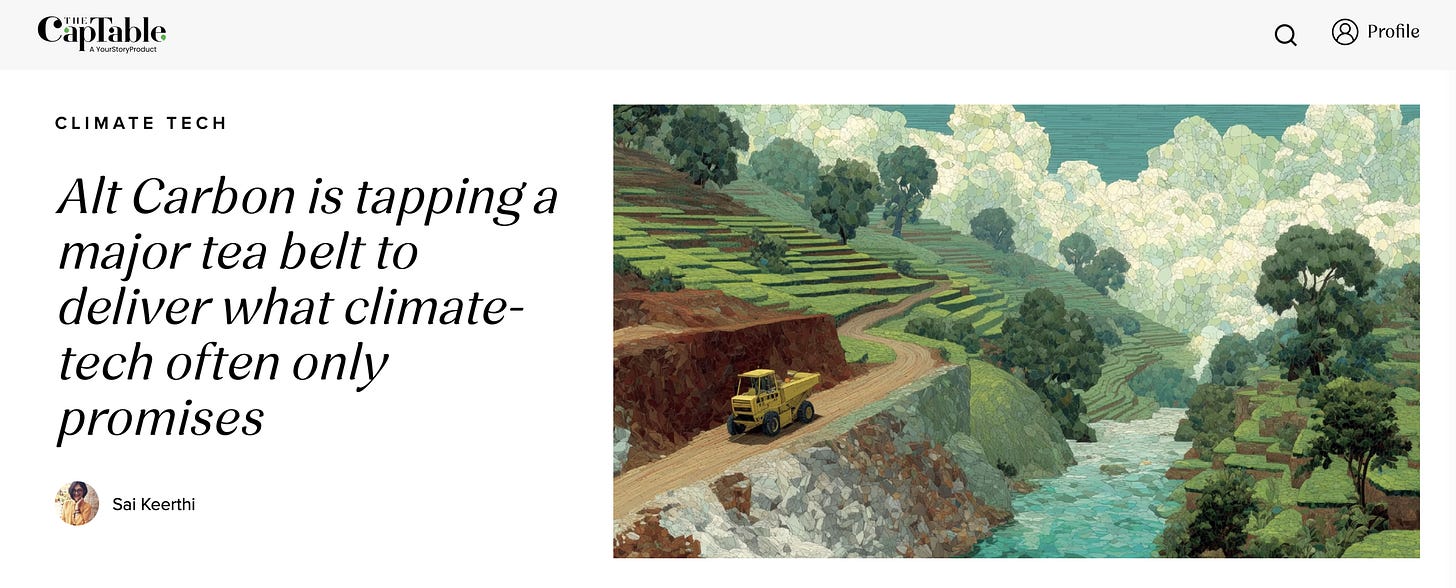
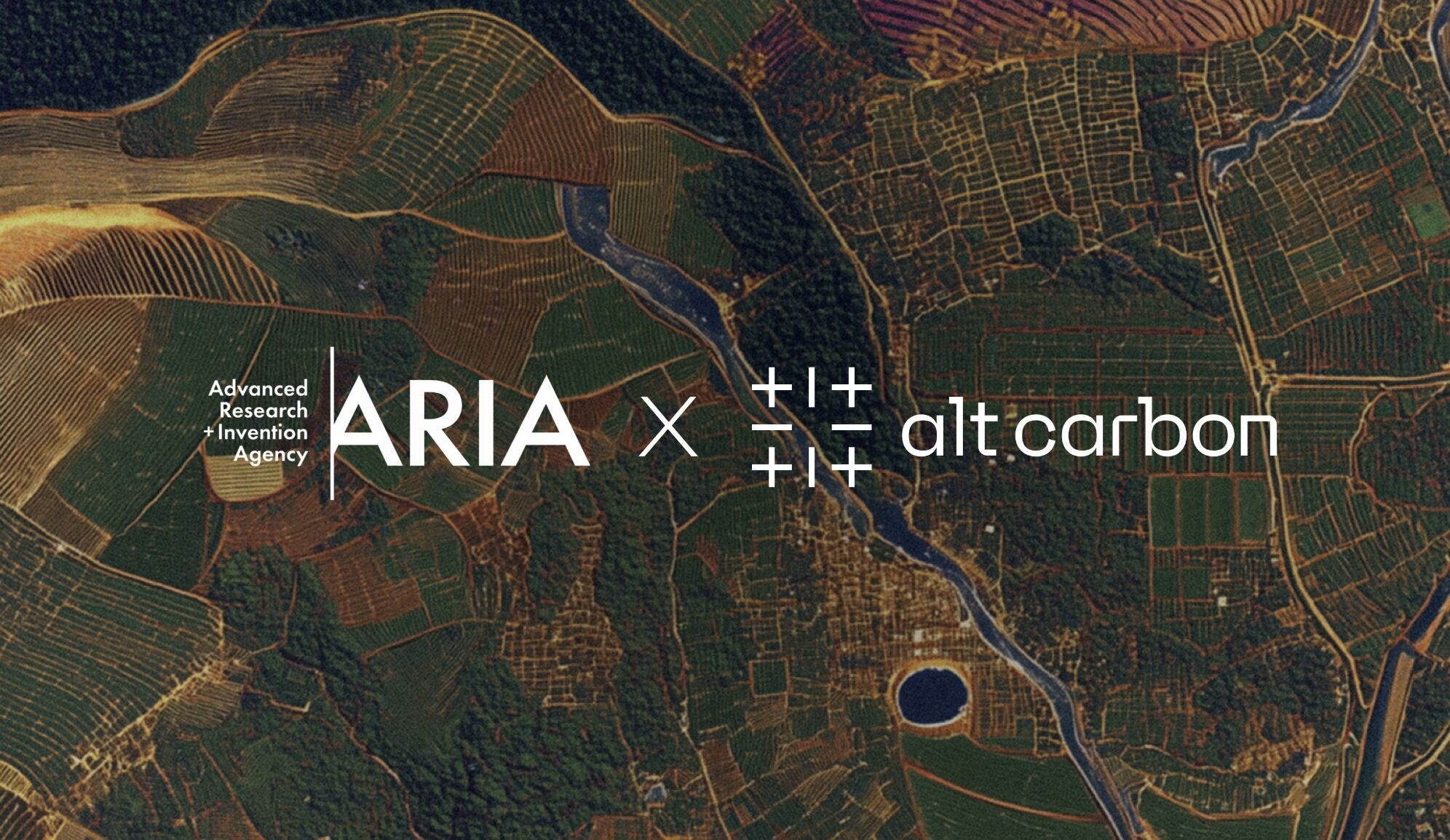
The UK’s frontier research agency, Advanced Research and Invention Agency (ARIA), is coming to Bangalore this month, and Alt Carbon is hosting.
ARIA is the UK’s equivalent of DARPA: a £800M government agency with a mandate to fund moonshot science. We’re bringing together a small group of founders, researchers, and investors for an evening of panels on AI for Science and accelerating Indian deep tech, followed by a tour of Shonku Labs.
Spots are limited, register here.

🌎 In the World of Climate
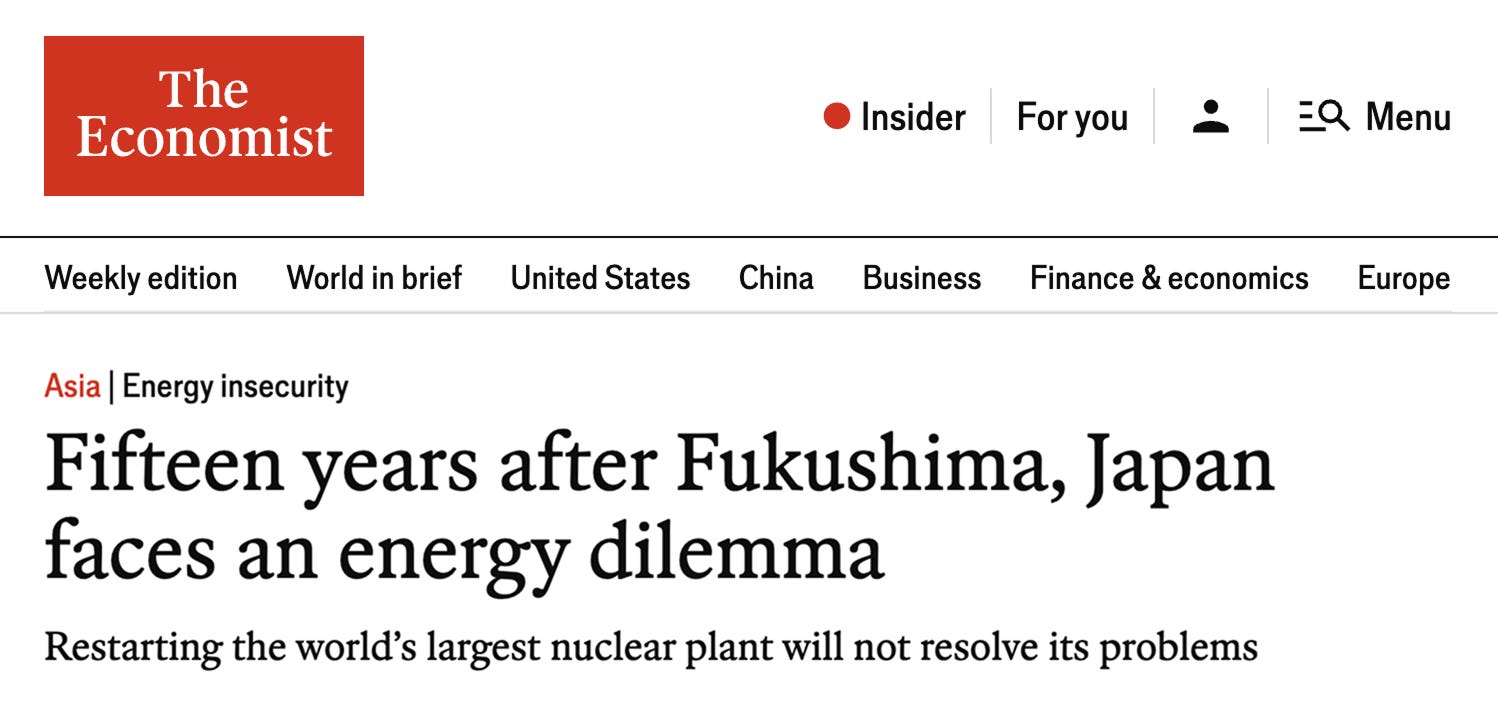
Fifteen years after Fukushima, Japan just restarted the world’s largest nuclear plant.
TEPCO powered up the first of seven reactors at Kashiwazaki-Kariwa last month. Japan imports virtually all its fossil fuels, renewable buildout hit a 17-year low in 2024, and data centres are pushing electricity demand up. To hit the government’s 20% nuclear target by 2040, nearly all 21 eligible reactors need to come online. Most were built in the 1970s-1990s. That’s a narrow path.
This year also marks fifteen years since the Fukushima disaster, and HBO released the documentary Fukushima: A Nuclear Nightmare. A reconstruction of the 9 days that gave Japan’s energy planners their hardest problem.
You can read The Economist’s full piece here.
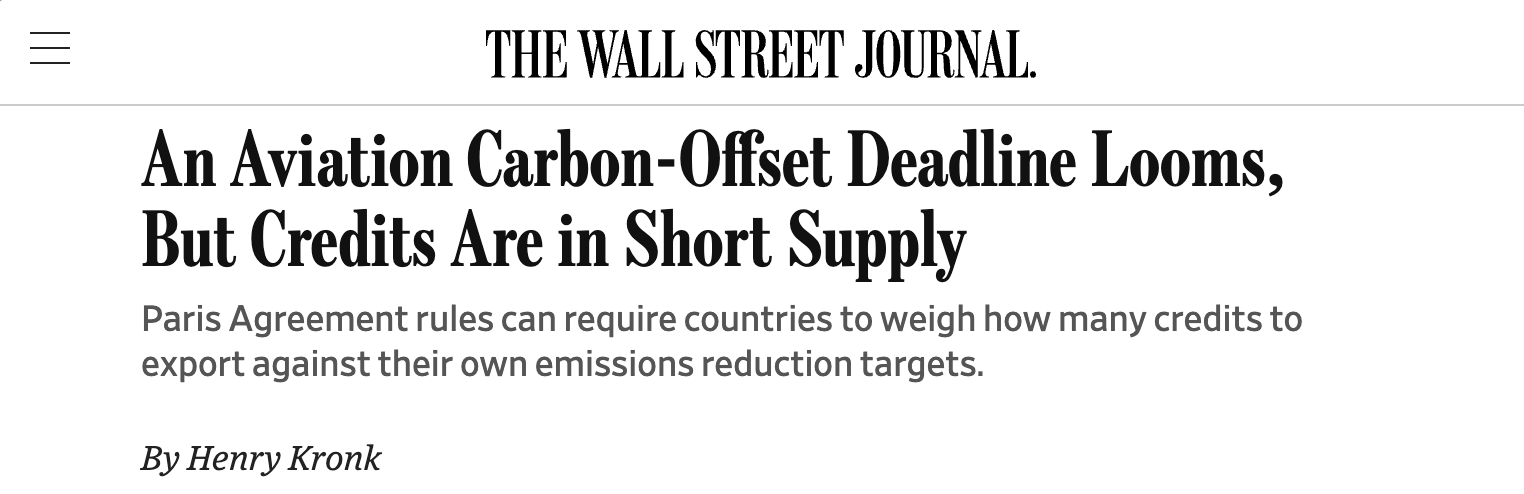
Airlines have under 2 years to offset their emissions under CORSIA. The credits aren’t there.
32 million are available. IATA says the programme needs at least 200 million. Countries hosting carbon projects must approve credits for export — and most can’t, without cannibalising into their own Paris targets. Only 10 have done so. Kenya’s Koko Networks, a clean cookstove company, went bankrupt in January after the Kenyan government wouldn’t sign off on its credits. Rwanda, Malawi, Cambodia, and Sri Lanka are facing the same bind.
The supply gap is real, and it won’t close without new, high-quality credits being generated at scale.
Read the full piece here.

🪶 Spark Birds
In Darjeeling, as the first flush approaches, the tea gardens are waking up. The bushes have that particular bright green they only get in March.
Darjeeling is also a birder’s city. Over 600 species pass through or nest here. The Rufous-necked Hornbill. The blood pheasant. Fire-tailed sunbirds in the tea estates at dusk. People fly across the world to stand on our hillsides with binoculars.
I came across a lovely piece this month: Searching for Birds, a data journalism project tracking what Americans Google about birds. Of nearly 700 North American species, only 98 generate meaningful public search interest. The birds most in need of conservation are almost entirely absent from the list.
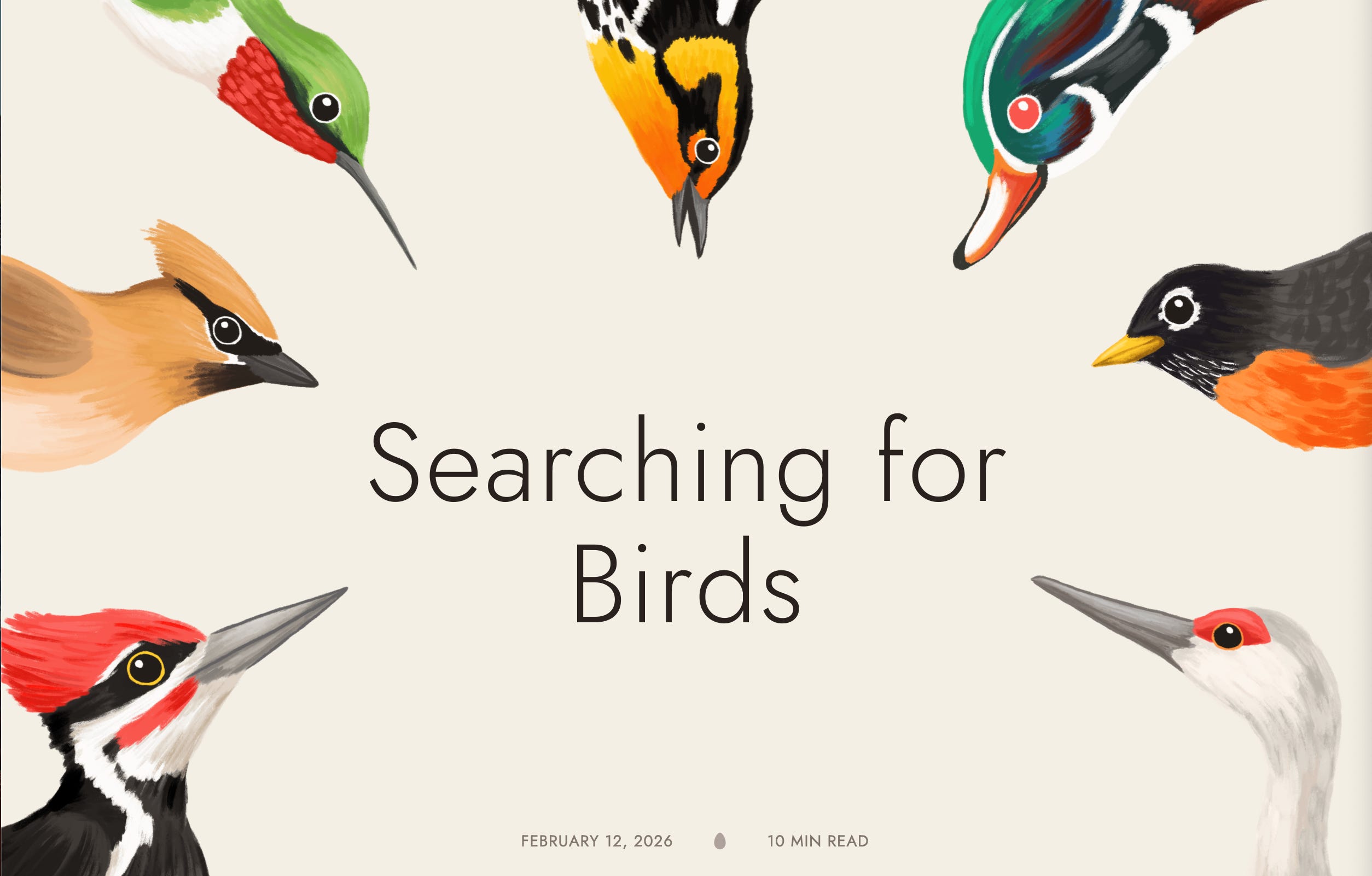
We pay attention to what's spectacular. The quiet, essential, slowly-disappearing stuff barely registers. Climate action has the same problem. A lot of what we do at Alt Carbon is trying to build the "spark bird" moment: the one encounter that makes someone stop, look, and want to know more.

🛋️ What We’re Reading
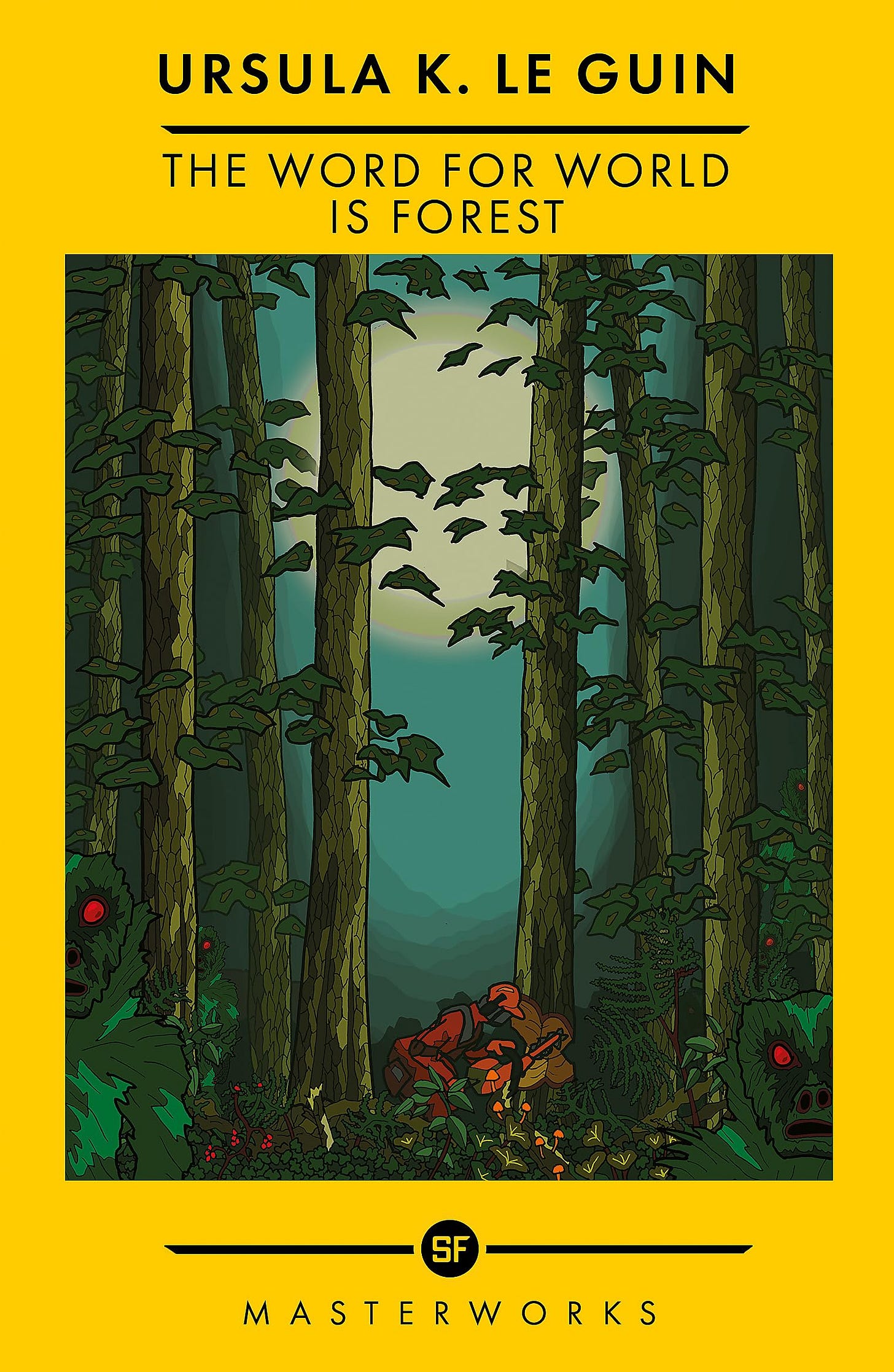
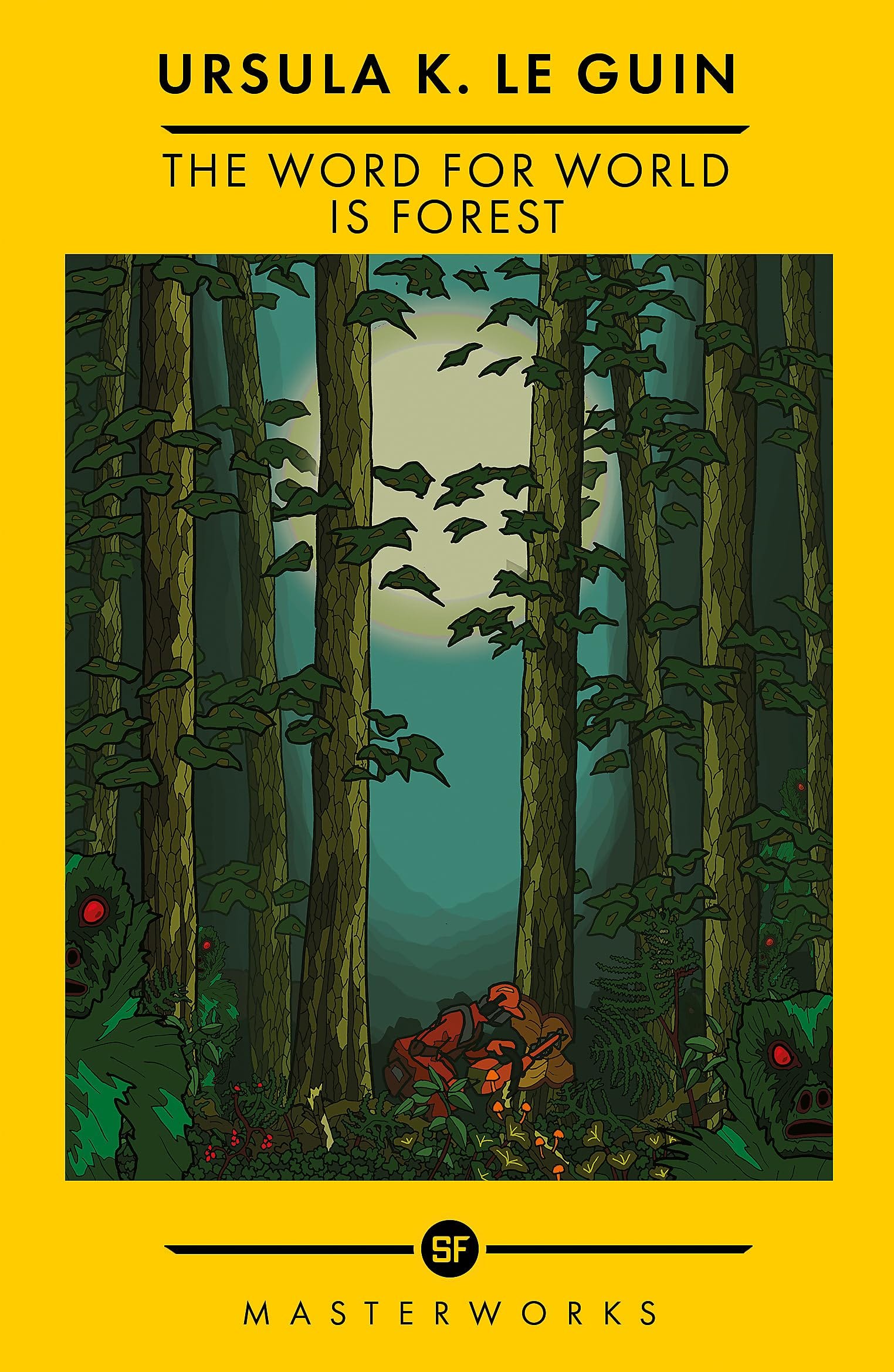
The Word for World is Forest by Ursula K. Le Guin
What if cutting down a forest was a kind of murder? Le Guin wrote this in 1972 about a small forested planet whose people dream in shared sleep, and logging companies arrive to strip it bare. 52 years later, it reads like field notes.
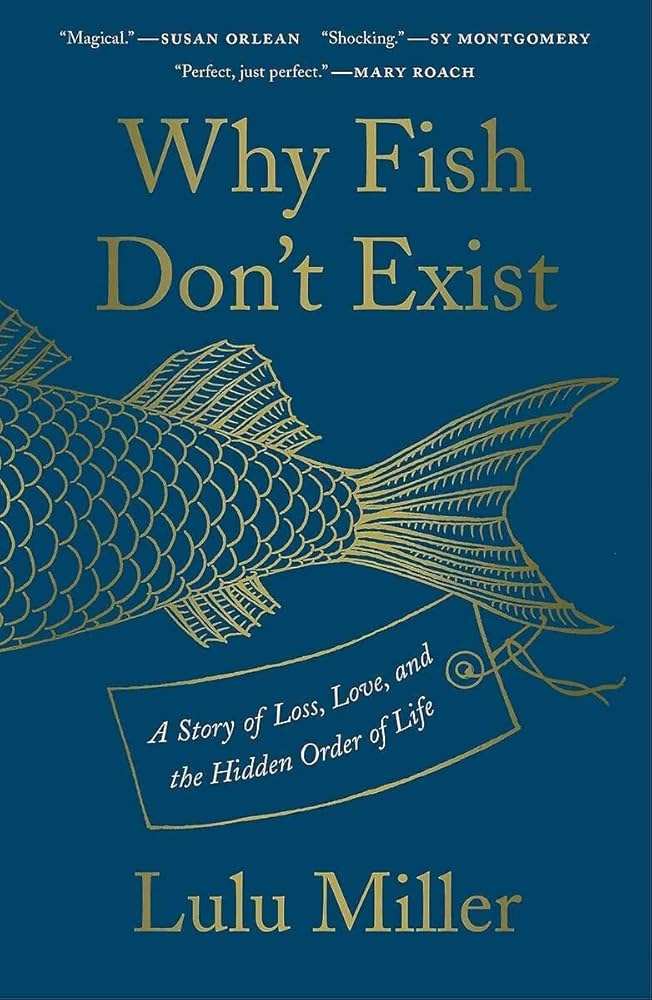
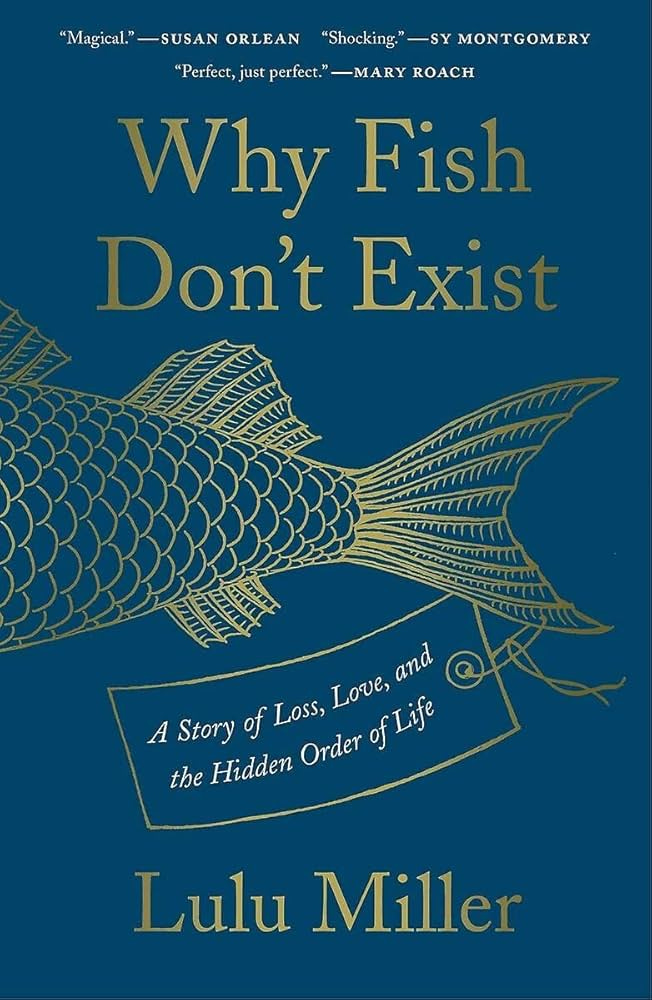
Why Fish Don’t Exist by Lulu Miller
David Starr Jordan spent his life cataloguing fish species. Then the 1906 San Francisco earthquake hit, shattered his specimen jars, scattered years of work across the lab floor. He got up, re-labelled everything, and kept going. Miller uses that stubbornness to ask something harder: what do we do with order when chaos keeps winning? Part memoir, part science history, part gut-punch.

🌱 Abundance Index
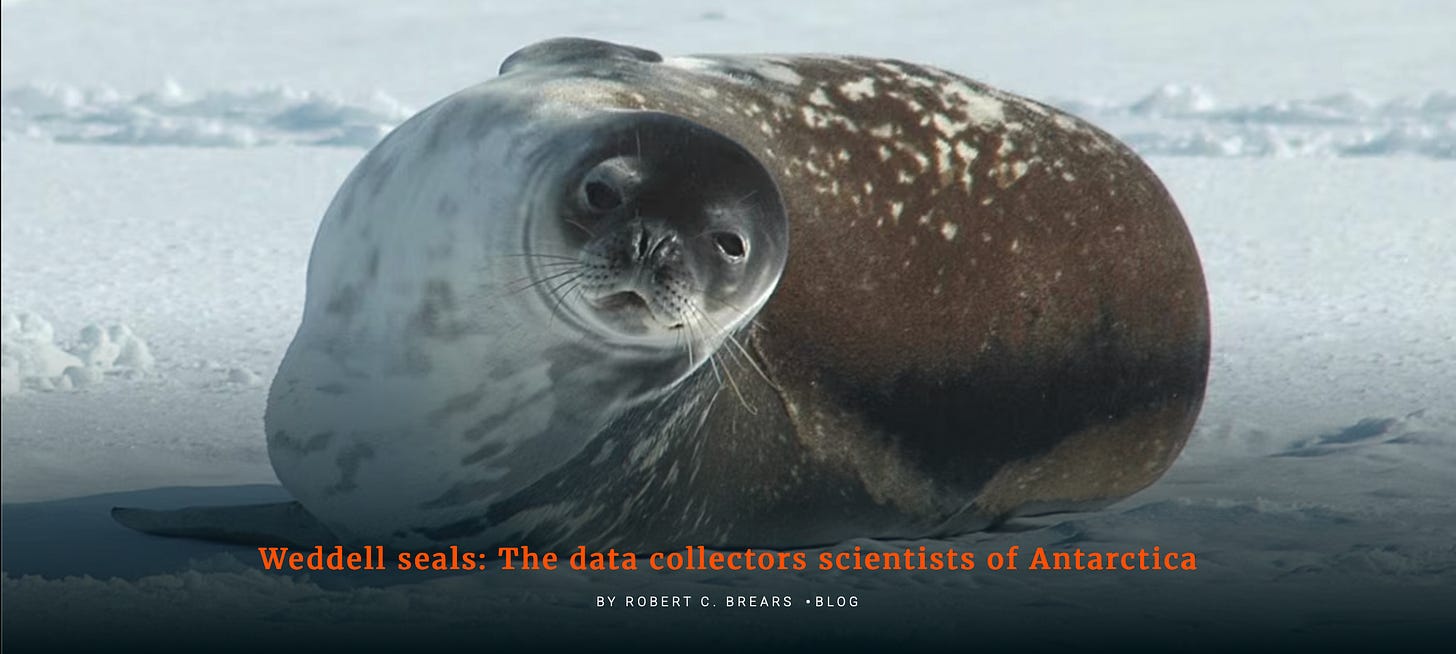
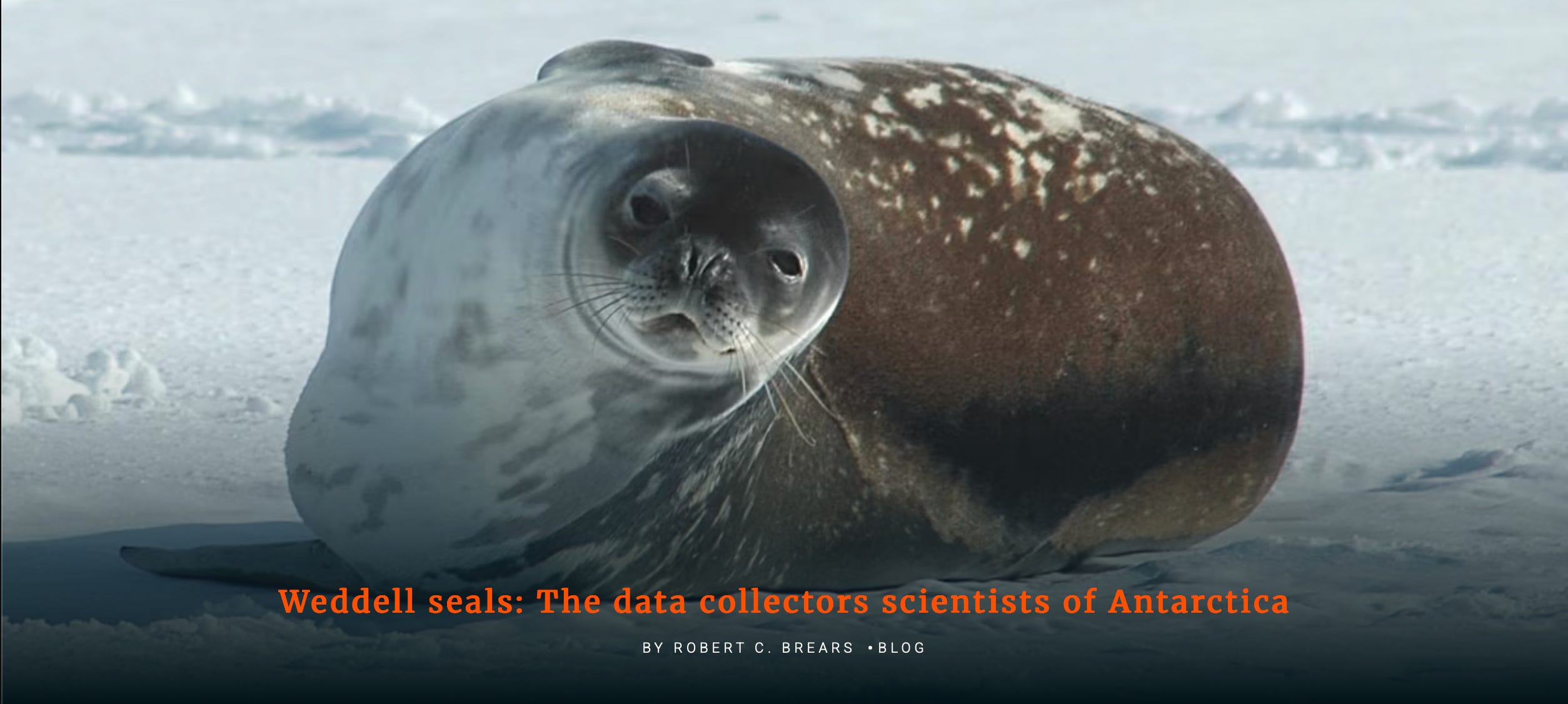
What if the best oceanographers in Antarctica weren’t human?
Weddell seals fitted with satellite-linked sensors are diving beneath ice sheets no ship can reach — collecting temperature, salinity, and depth data through the brutal polar winter. Part of a study running since 1968 with over 23,000 tagged individuals, these seals are living proof that understanding the planet sometimes means collaborating with it.
Read the full story here.
Soil stores an estimated 2,500 billion tons of carbon, making it the planet’s second largest carbon reservoir after the ocean. And scientists at Northwestern University just figured out why so much of it stays put.
A common iron mineral called ferrihydrite, found near plant roots, traps organic carbon using a nanoscale patchwork of positive and negative charges on its surface. This lets it bind a wide range of organic molecules through multiple bonding strategies at once. Iron oxides like these account for over a third of all organic carbon found in soils. The chemistry of minerals holding carbon in place for decades, even centuries.
A reminder that the ground beneath our feet is doing far more heavy lifting than we give it credit for. At Alt Carbon, our Darjeeling Revival Project works with a different piece of that same soil chemistry, using Enhanced Rock Weathering to lock away CO₂ through crushed silicate minerals. We built an interactive walkthrough of how our labs and field sites in Darjeeling track this process, from crushed silicate to captured CO₂. Explore it here.
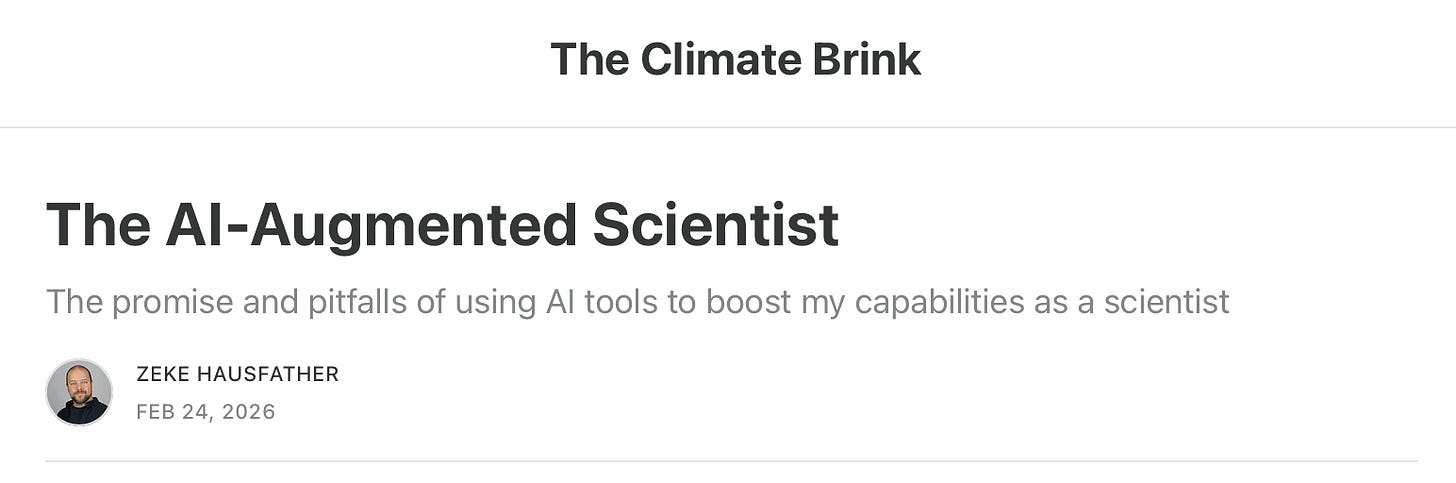
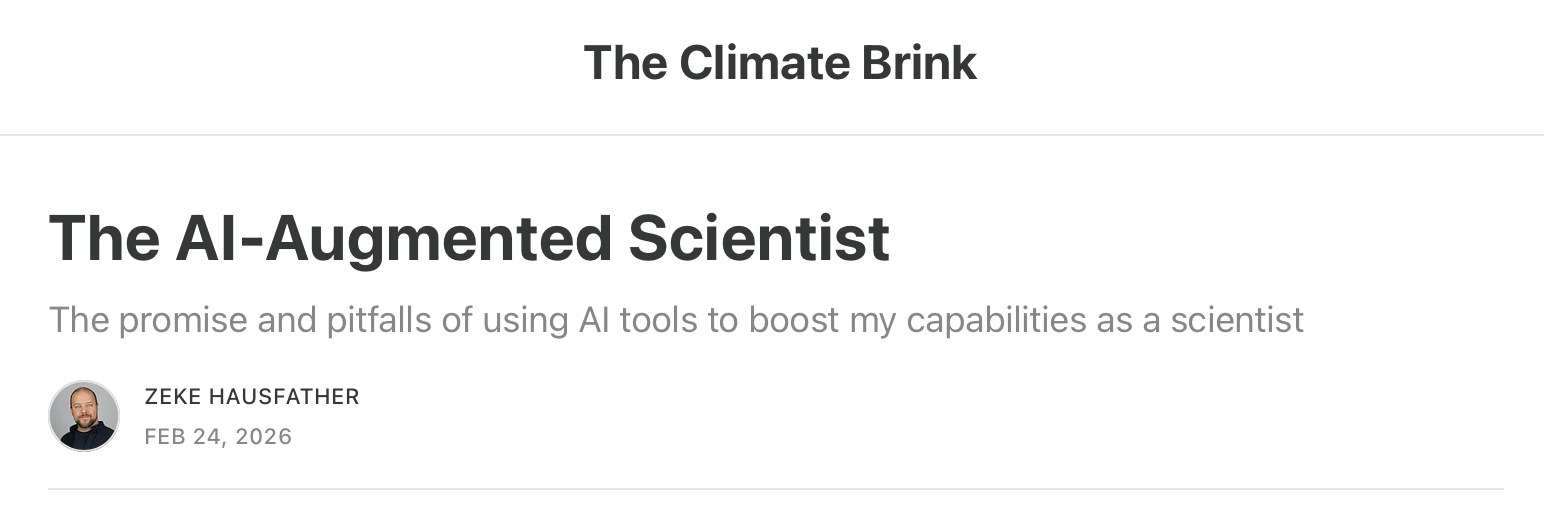
Zeke Hausfather’s “AI-augmented scientist” was one of the better essays I read this week.
AI raises the ceiling on what one scientist can do. Zeke describes using it to write code for climate model runs, wrangle messy datasets, and build climate visualisations and dashboards that would have taken far longer by hand. The bottleneck is still judgment: what to test, what to trust, and what deserves a closer look.

That’s a wrap from me. ✌️
To discuss Planetary Intelligence hit me up at sparsh@altcarbon.com
Thanks for reading Alt Carbon's Substack! Subscribe for free to receive new posts and support my work.
Comments
Nothing yet. Say the first thing.
Sign in to join the conversation.