
Parvat Say is a play on words. In Darjeeling, where we’re based out of, mountains are referred to as ‘Parvat.’ These dispatches are hence “From the Mountains.” They’re also a voice, putting to words the thoughts and ideas that are emanating from the mountains of Darjeeling, hence “the Mountains speak.”

📭 introduction
This month has been a riot for the senses, the soul, and let’s be honest… the waistline.
We hosted brilliant teams from MOL and two more partners for field visits in Darjeeling.
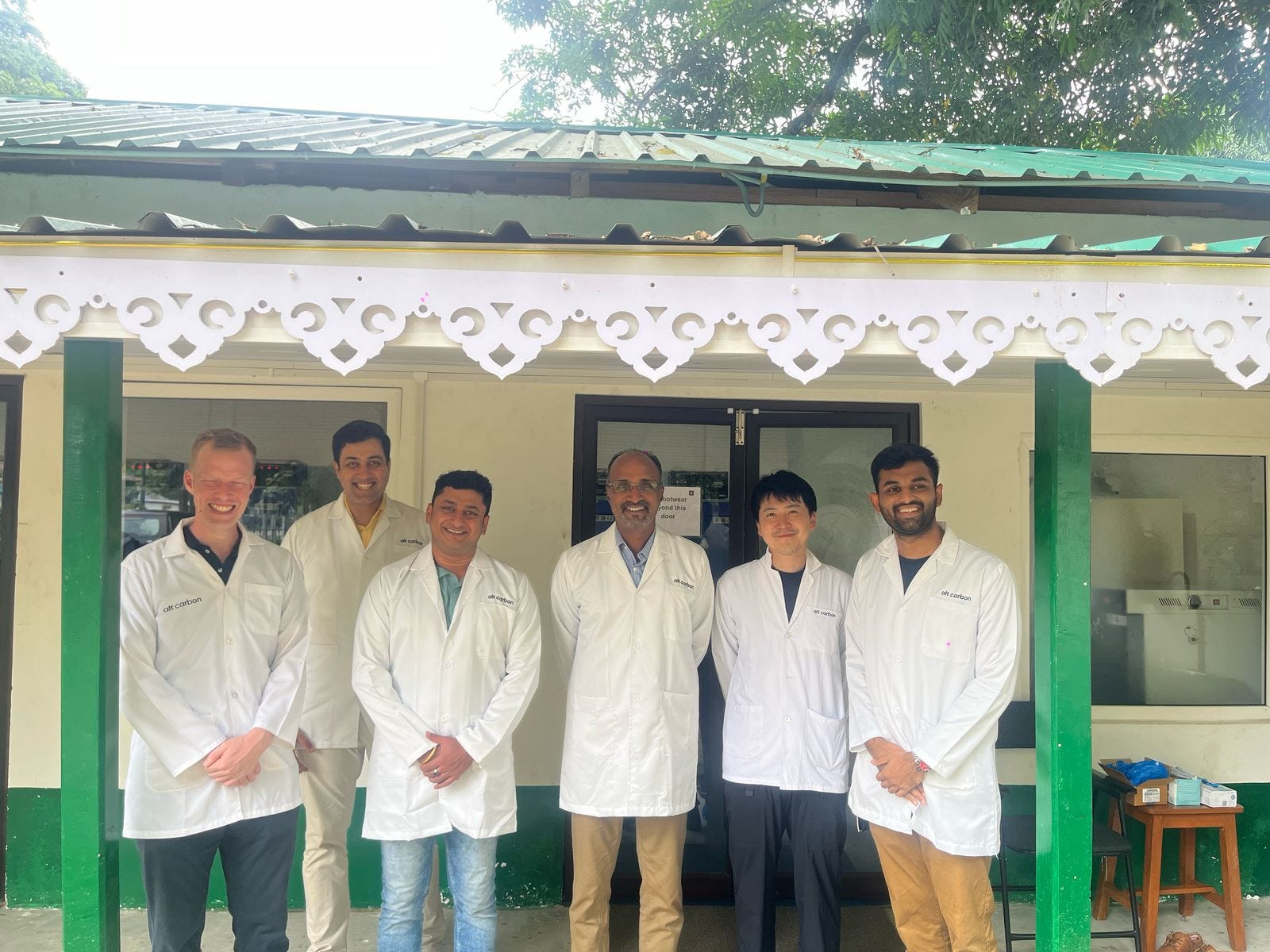
And when the table is laid with aloo posto, kasha mangsho, nolen gur sandesh, and steaming momos and sel roti, — what rational mind can resist?

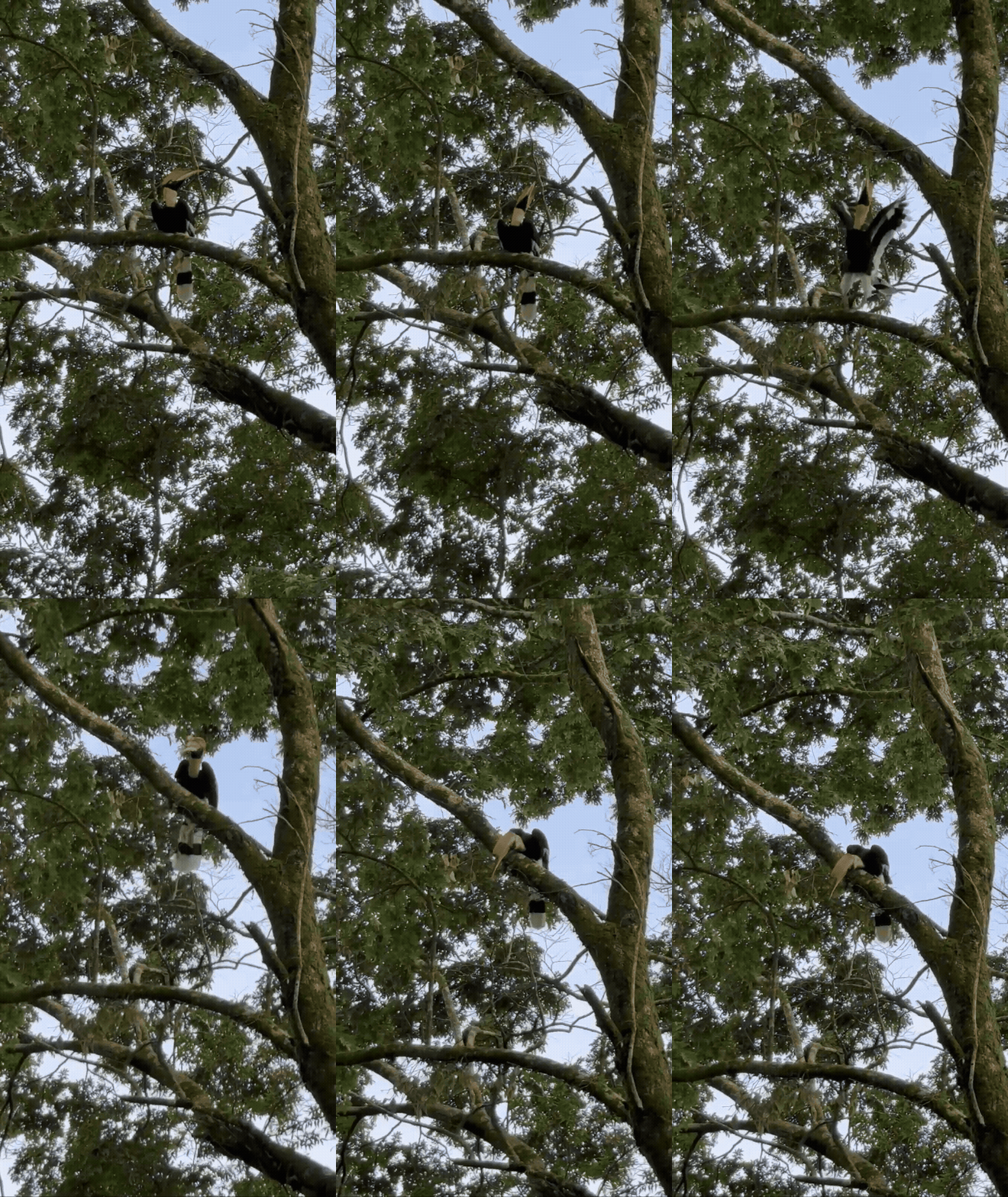
The conversations stretched late into the night. The laughter echoed through tea valleys. And just as we thought the visit couldn’t get any more surreal, the Great Indian Hornbill decided to grace Second Chance with its presence. A flash of yellow and black across a misty morning sky.
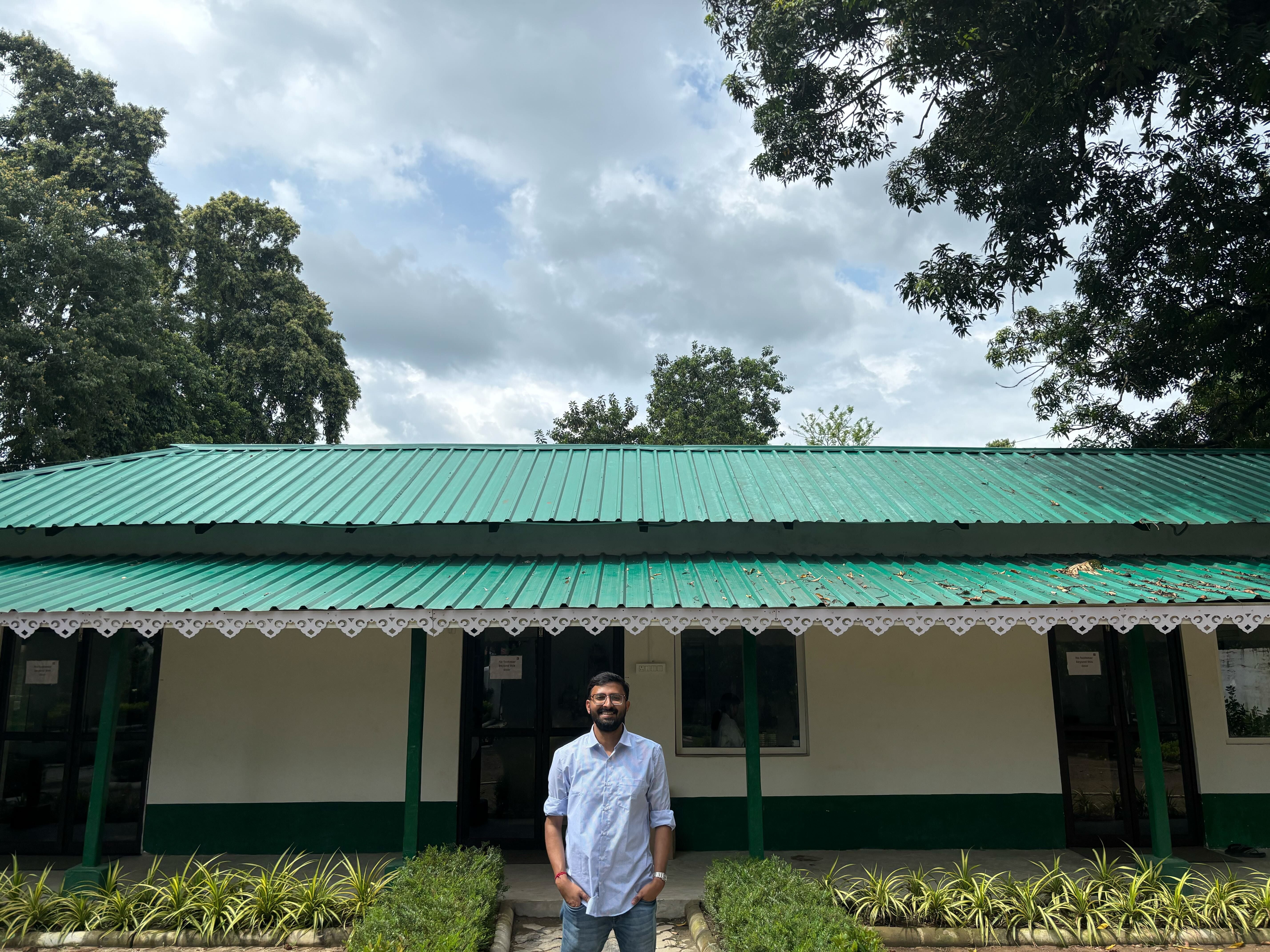
I was delighted to welcome back our Science Lead, Dr. Saurav Ganguly back to Darjeeling. Dr. Ganguly is a post-doc fellow at the Weizmann Institute of Science, Israel. He had been stuck in Israel due to the conflict with Iran, after his institute sustained a direct missile attack. Due to the Indian Missions in Israel & Egypt, Dr. Ganguly has returned safe & sound back to Darjeeling!

🏔️ latest at alt carbon:
Last month, we were featured in the BBC! Shrey spoke on, 'The Climate Question' podcast about turning Darjeeling's tea estates into carbon sinks. The conversation was structured around why scientists and entrepreneurs are pouring billions into researching new ways of storing carbon dioxide. Can using rocks in India and research on kelp in the UK help? Tune in and find out.
Last week, I had the opportunity to speak at the multi-stakeholder workshop hosted by the United Nations Food and Agriculture Organisation in New Delhi on mobilizing carbon finance for climate-resilient agriculture. The project developer roundtable brought together by FAO and NABARD to discuss how we can make agriculture more climate resistant.
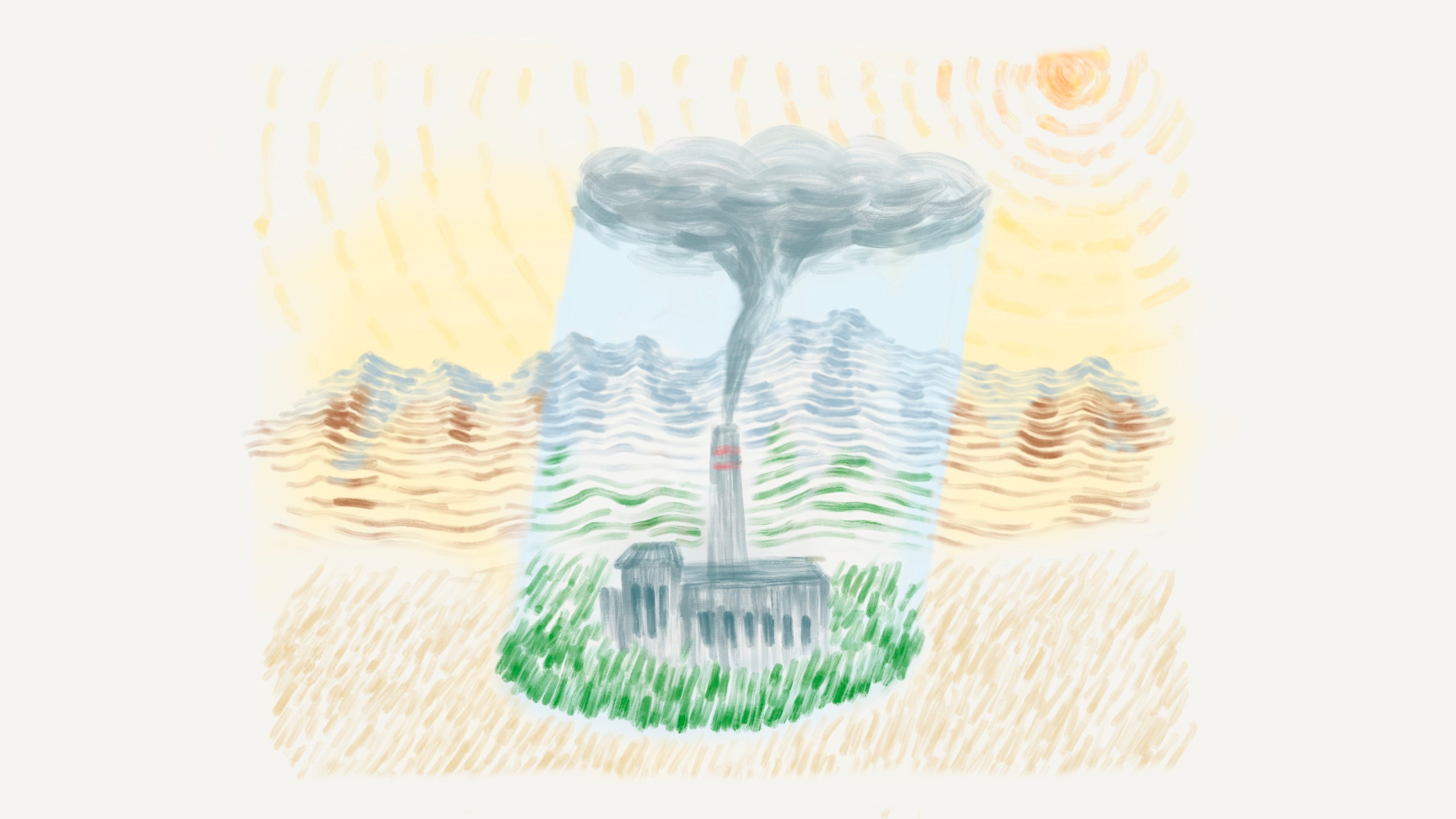
India is facing an unsettling yet urgent climate paradox. Adi in his latest blog piece talks about how India’s aerosol pollution, while temporary cooling the land, is simultaneously poisoning millions and masking the true scale of warming. Check it out here.
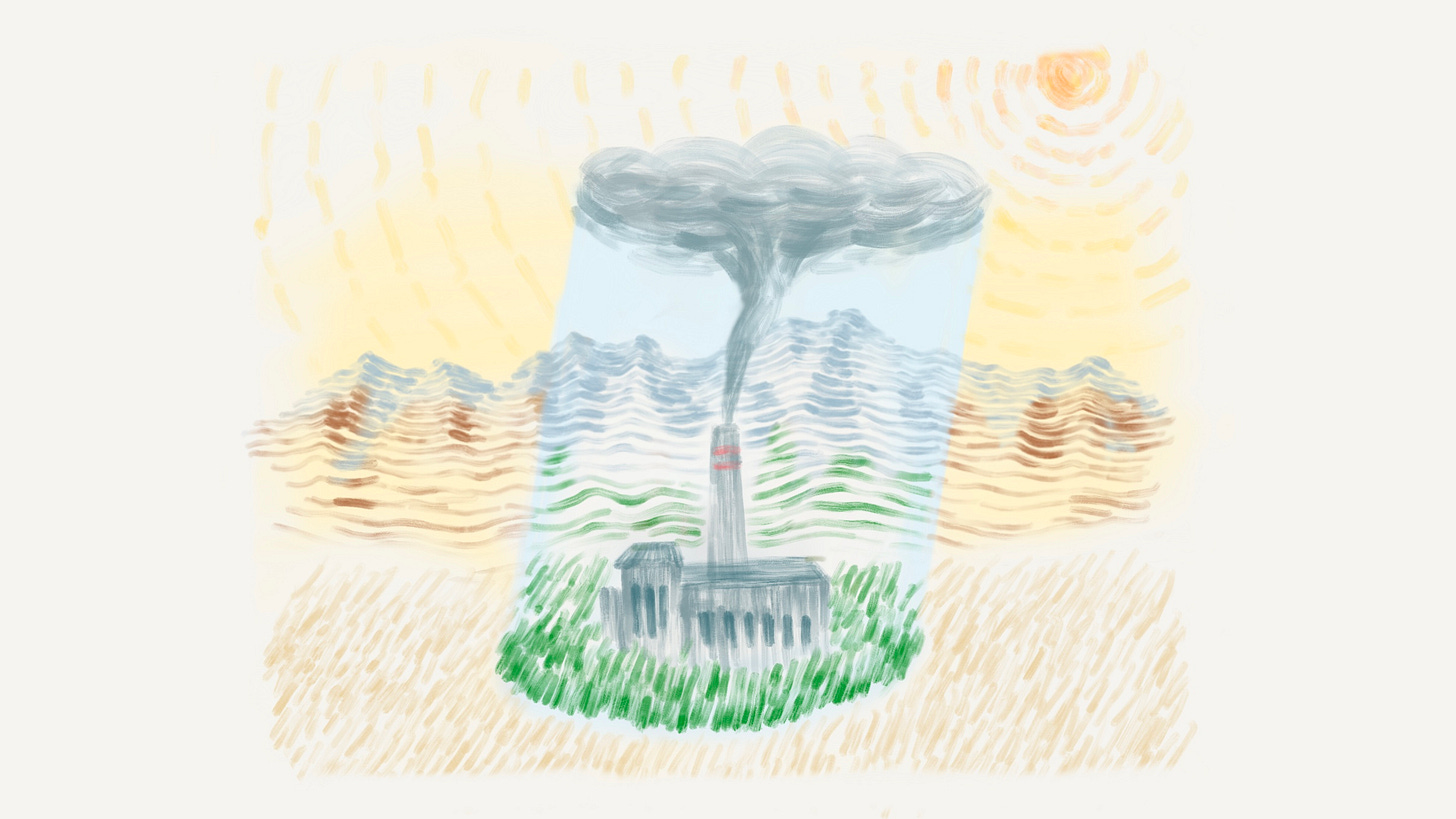
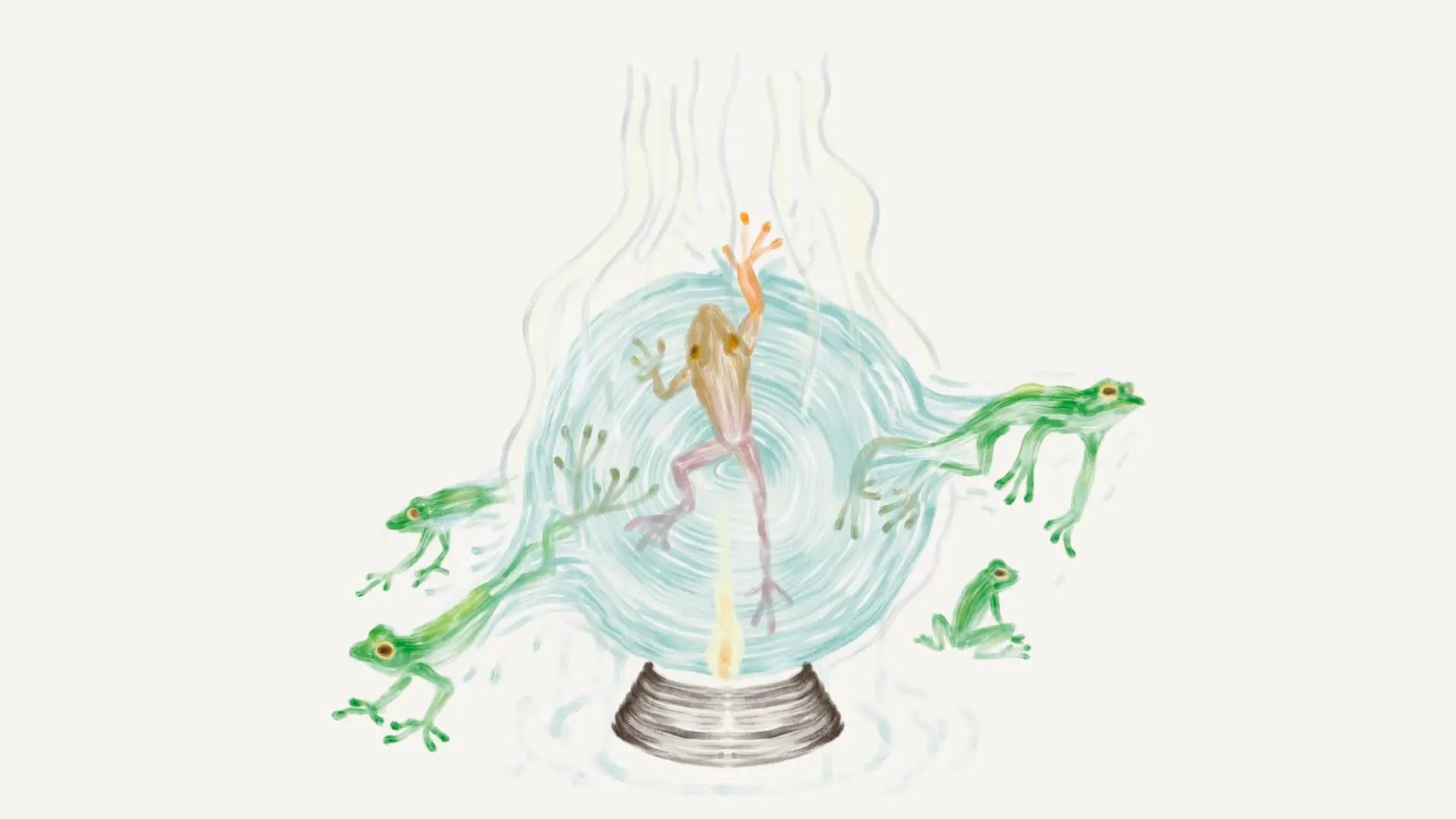
Illustration: Shriram Rajakumar Amphibians are vanishing from our forests, and their silence tells a story we can't afford to ignore. In his latest piece, Aryan shares his journey from the Aravallis where he learned to "hear what he once overlooked", the secret songs of frogs that serve as nature's climate alarm bells. These creatures, with their permeable skin and temperature-dependent lives, are biological barometers showing us exactly how our planet is changing. The prognosis? 41% of amphibians globally are showing climate stress, yet during the pandemic, Delhi's frogs staged a remarkable comeback.
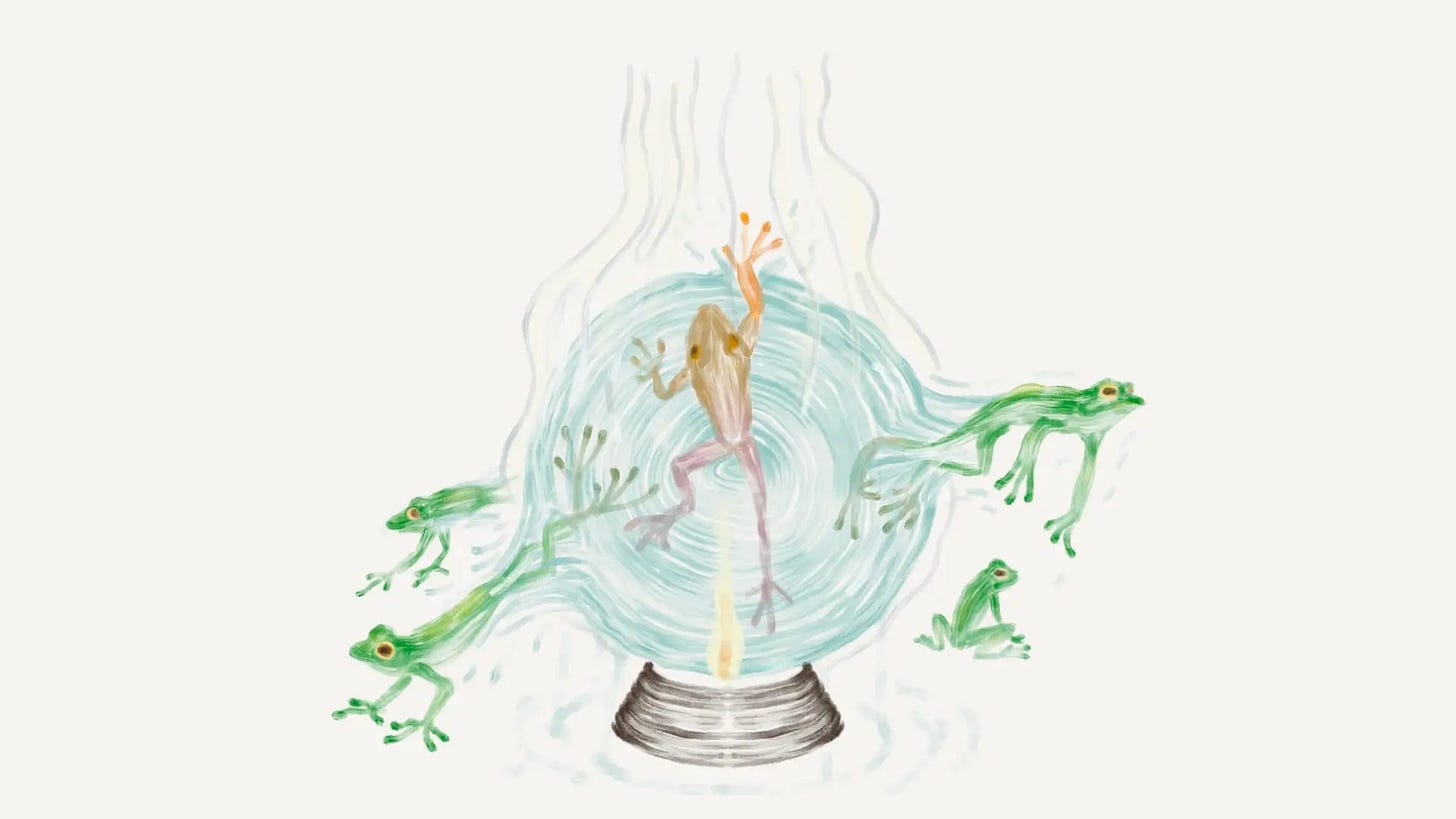
Illustration: Shriram Rajakumar

🌎 in the world of climate:
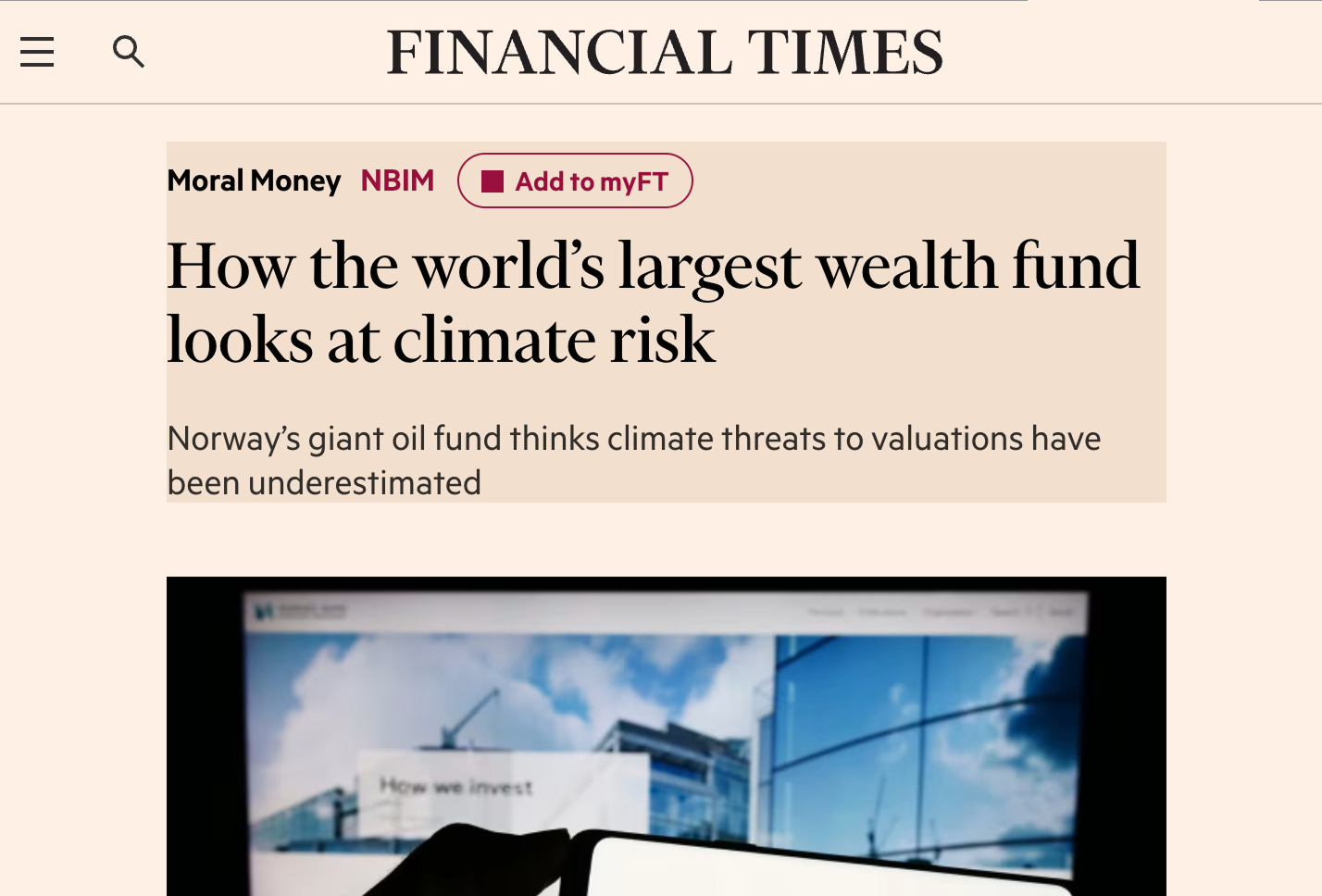
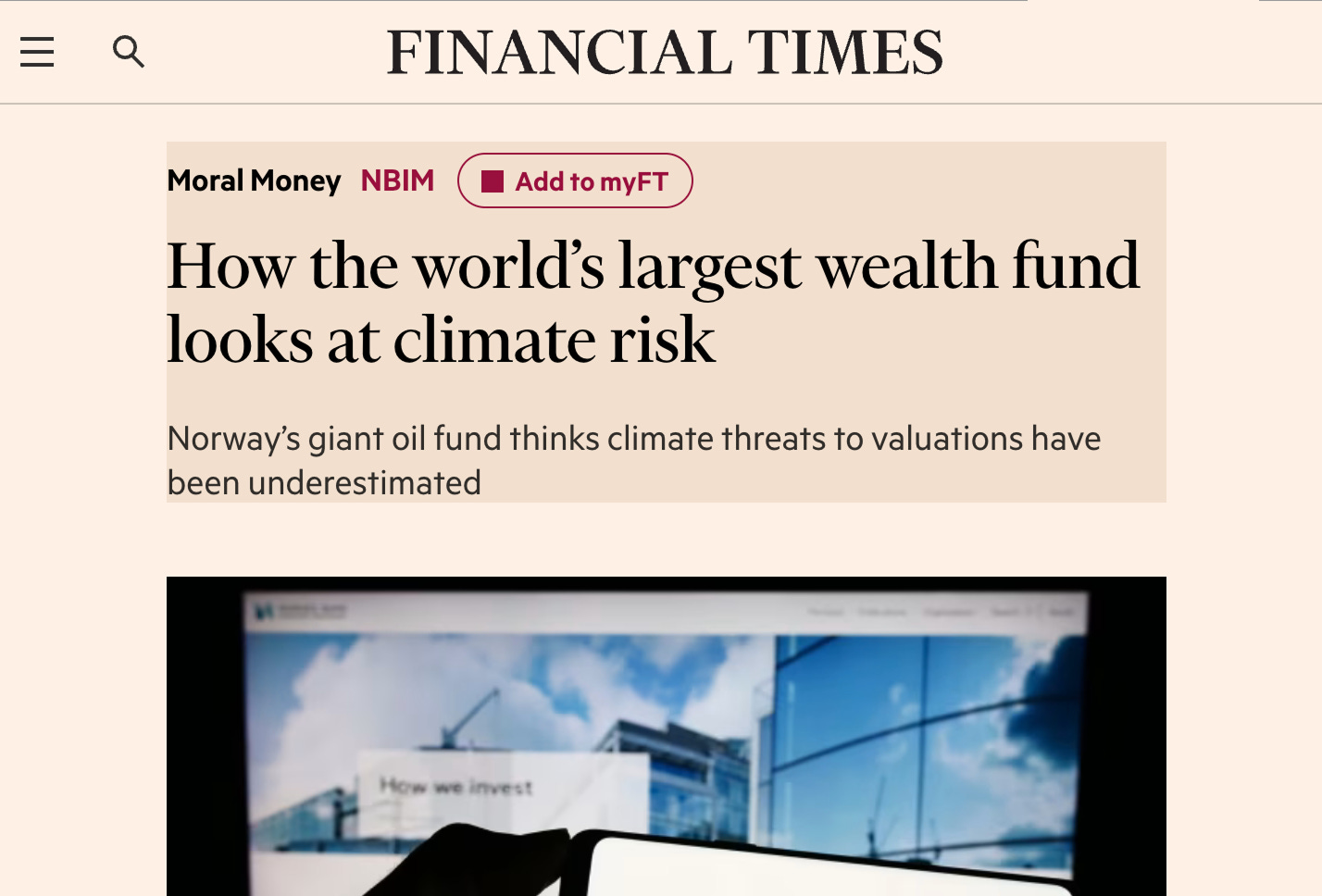
Norway's massive $1.8 trillion oil fund just admitted something startling: climate change could destroy nearly 20% of their US investments. While most investors whisper about climate threats, Norges is publicly modeling loss to US holdings and pushing for science-based targets across their portfolio. Read more here.
When Apollo 13's astronauts faced deadly CO₂ buildup, they MacGyvered a solution with duct tape and spare parts. Now Earth needs its own desperate fix, and scientists are proposing planetary-scale hacks that make space missions look simple. Sometimes the most elegant engineering is knowing when to stop digging. Check out this piece from the WSJ.
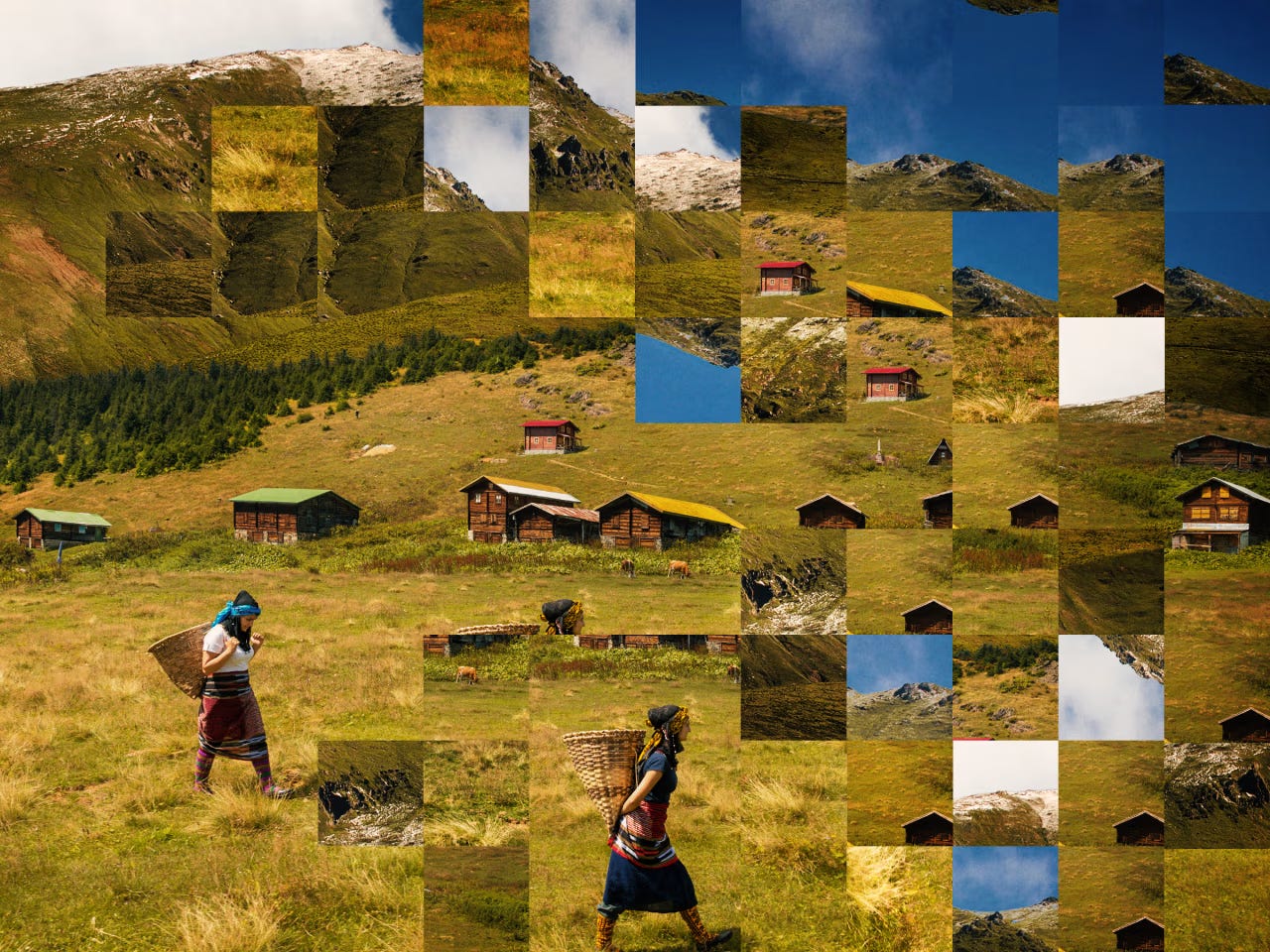
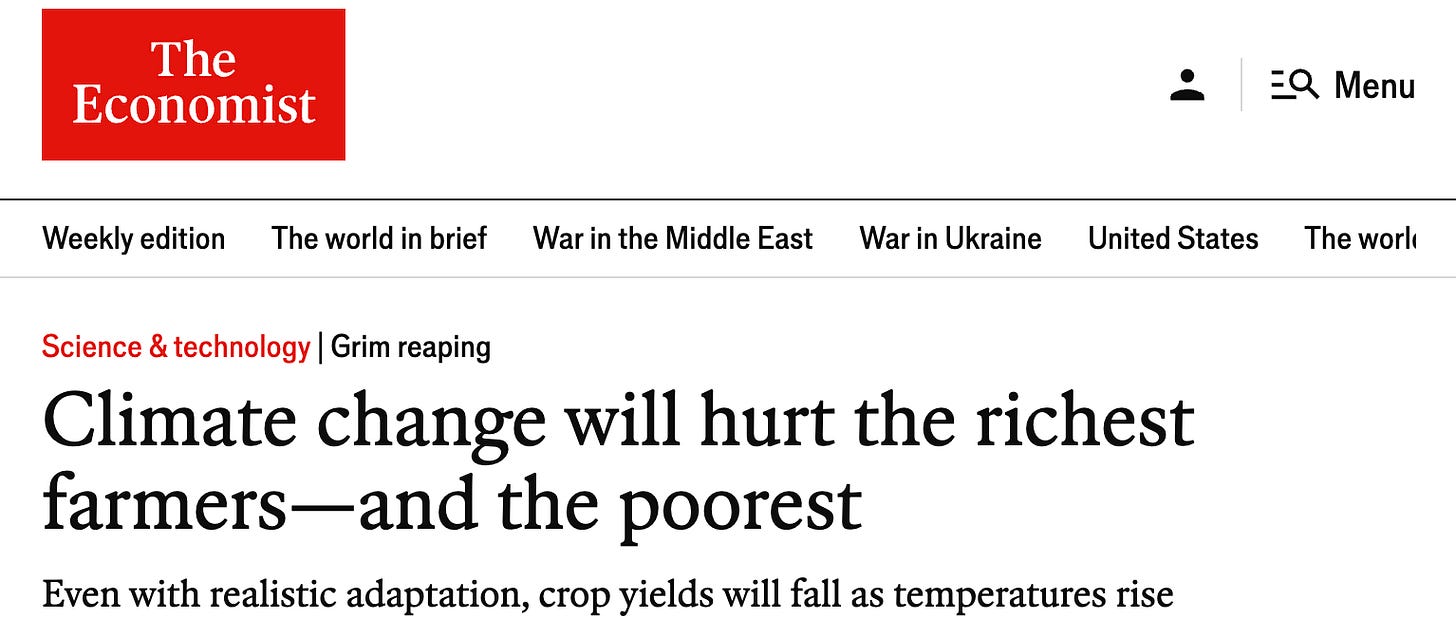
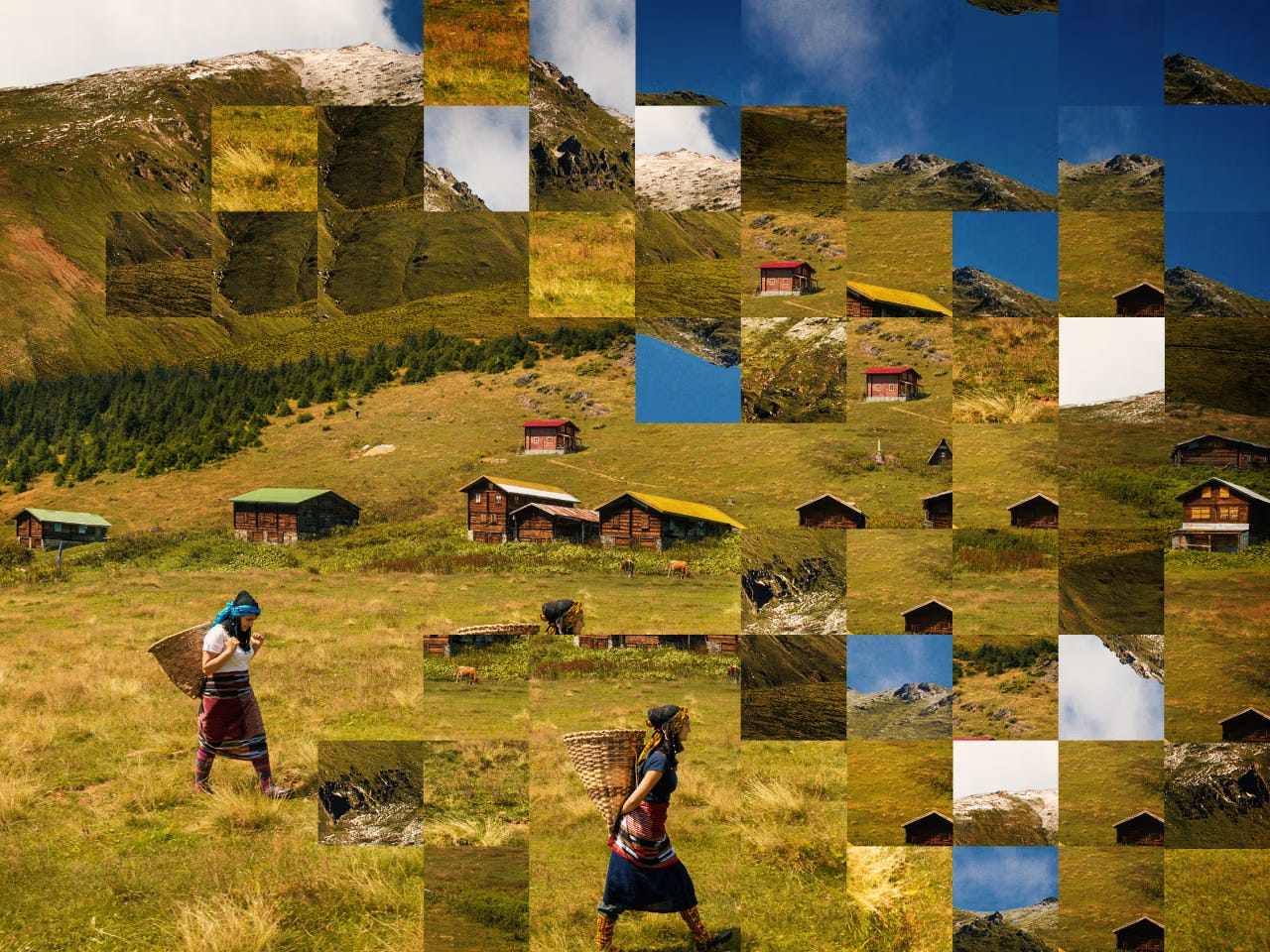
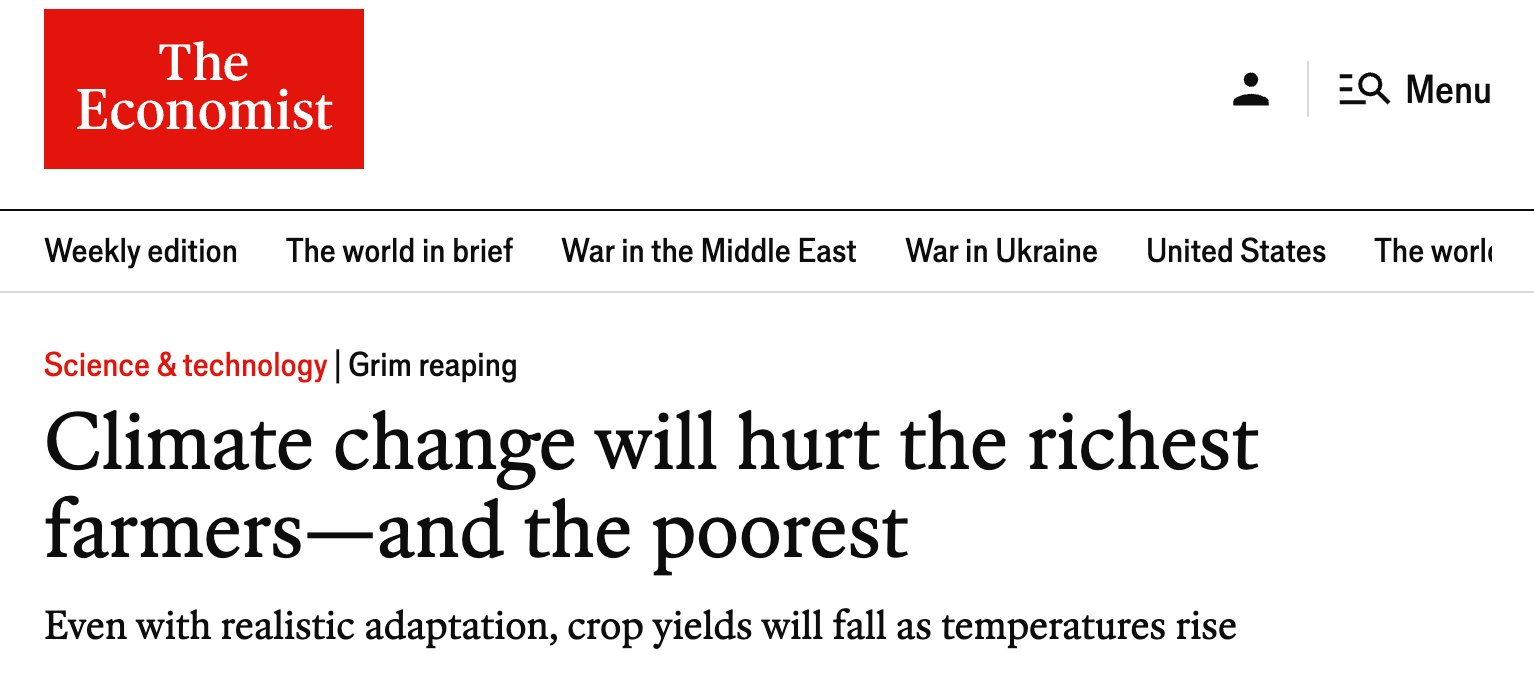
Courtesy: Annie Ng/WSJ, istock (2) A climate-agriculture study just delivered alarming news: even when farmers adapt perfectly; switching crops, adding irrigation, embracing new tech, global food production still drops 4% per degree of warming. Tracking 12,000 regions and the six crops that feed two-thirds of humanity, researchers found adaptation barely helps; reducing losses from 12.7% to just 11.2% by 2098. Every fraction of degree matters now.

🔖 good reads from India
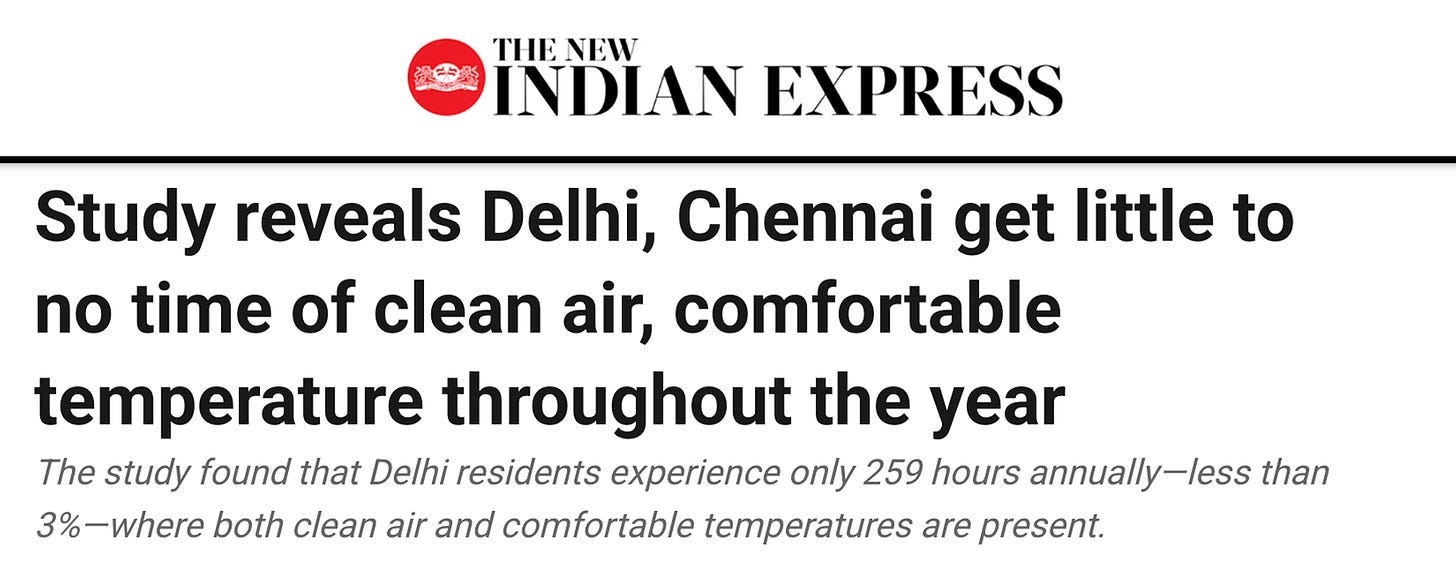
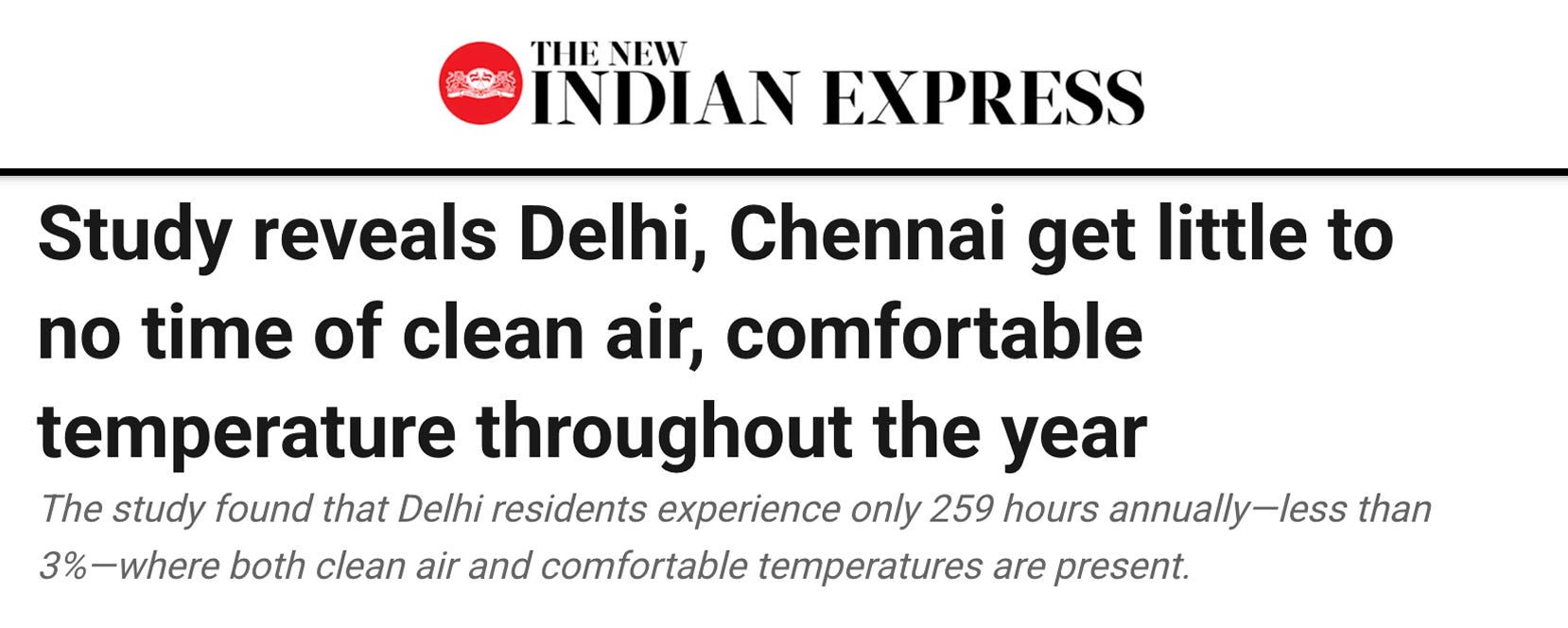
Delhi residents can breathe clean air AND enjoy comfortable temperatures for just 259 hours a year (that's 3% of their lives). Meanwhile, Bengaluru enjoys these basic conditions for most of the year. When opening your windows becomes a luxury reserved for 11 days annually, it's time to rethink how we design our cities.
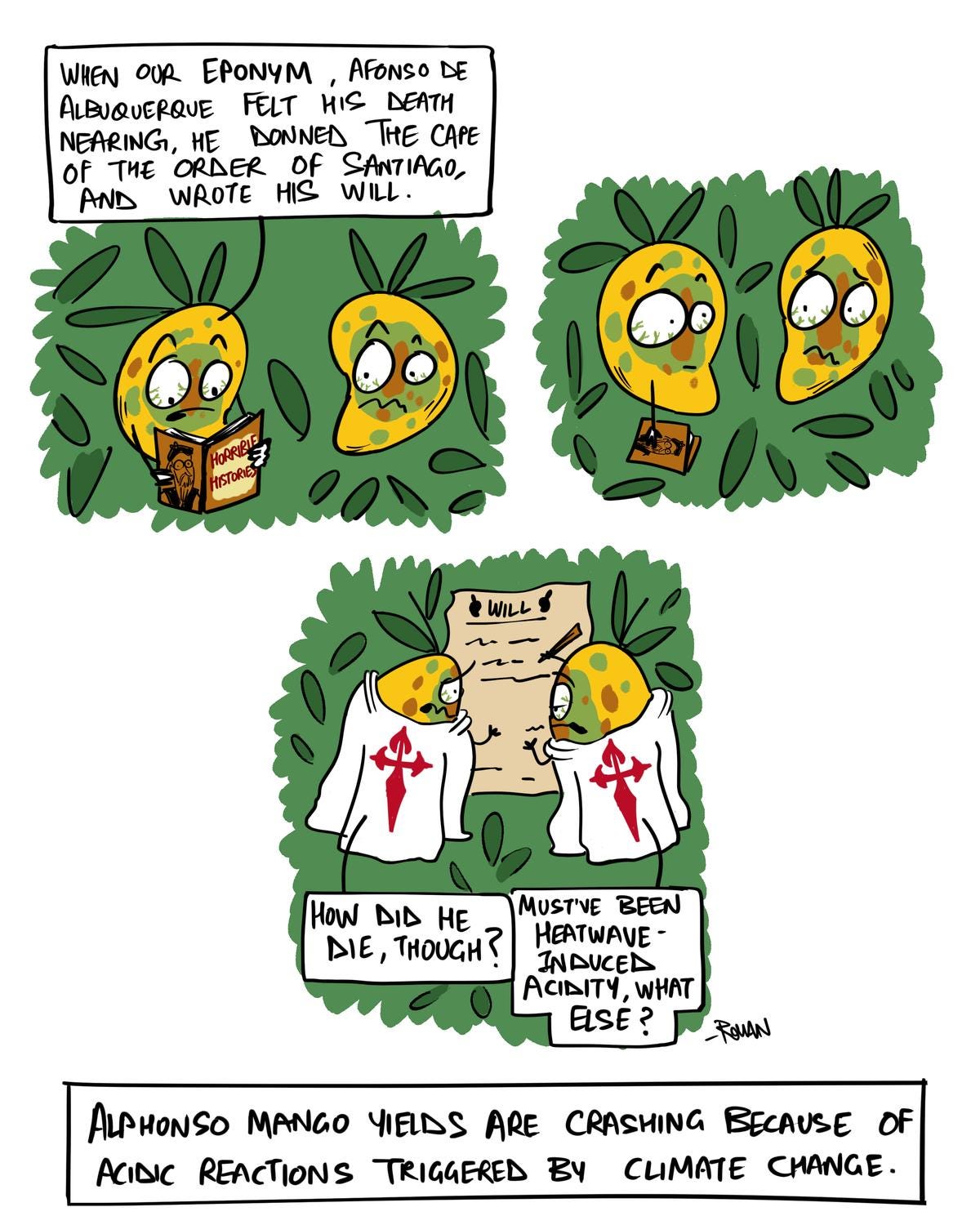
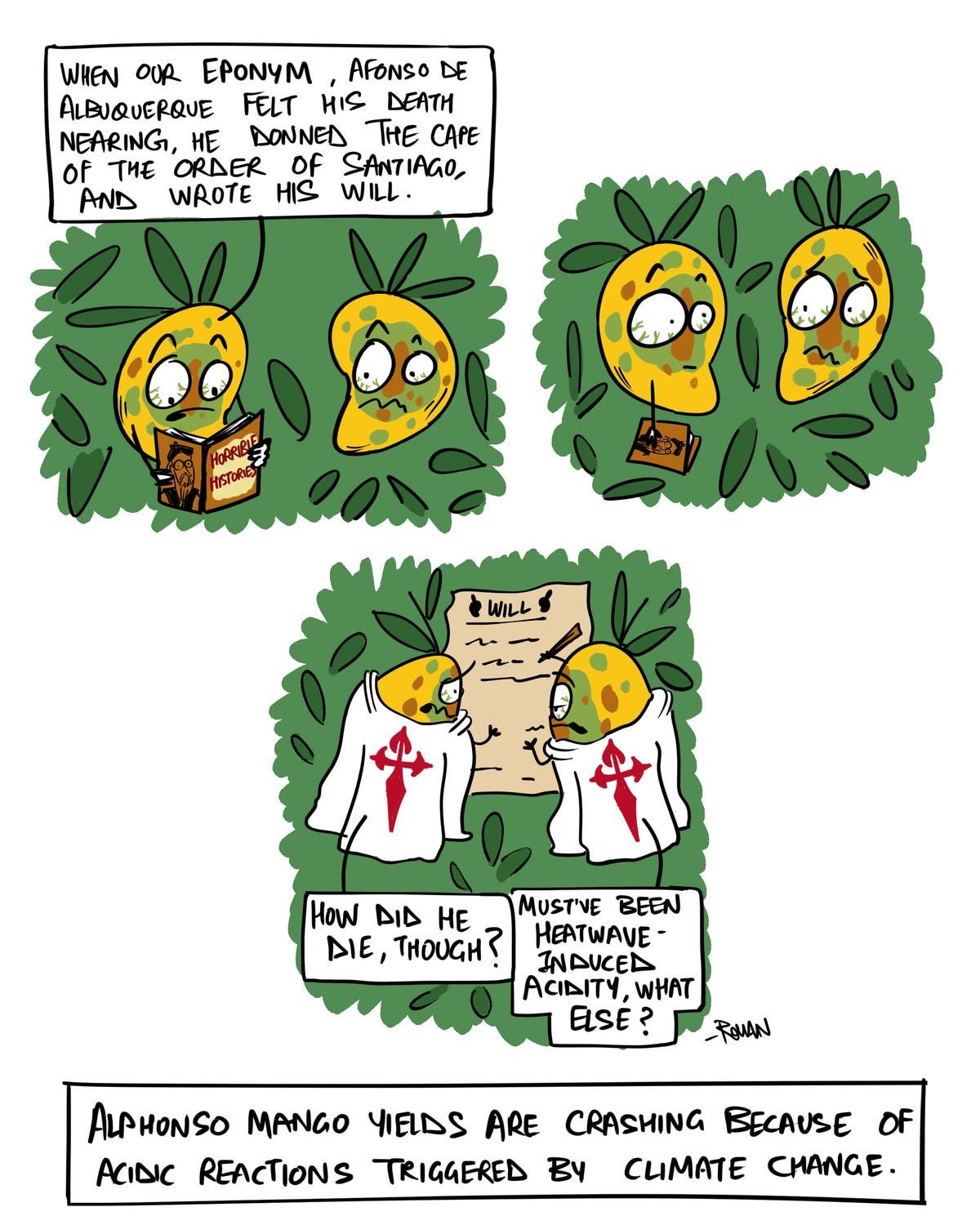
Rohan Chakravarty, cartoonist and illustrator, who hails from Nagpur featured a piece in his “Green Humour” about something near and dear to his and all of our hearts; mangoes. Maharashtra's prized Alphonso mangoes have been facing a significant production drop due to warm winters that disrupted flowering cycles. When your favourite fruit becomes a luxury, climate change hits close to home.
Courtesy: Rohan Chakravarty India is building a 700-kilometer green wall around the world's oldest mountain range to stop desert winds from reaching Delhi. The Aravalli Green Wall is part of a massive plan to restore three critical ecosystems and sequester 3 billion tonnes of CO₂ by 2030. Maybe they heard what Aryan had to say. Sometimes the oldest solutions are hiding in the newest plans. Read more here.

📖 what we are reading:
Google published it’s environment report indicating how it has cut its data center emissions by 12% last year even as AI drove their electricity use up 27%. And just five of their products helped others avoid 26 million tons of emissions, which is actually more than Google's entire carbon footprint. Google seems to be acknowledging what many of us suspected: hitting ambitious climate targets while racing ahead with AI is going to be harder than anyone wants to admit.
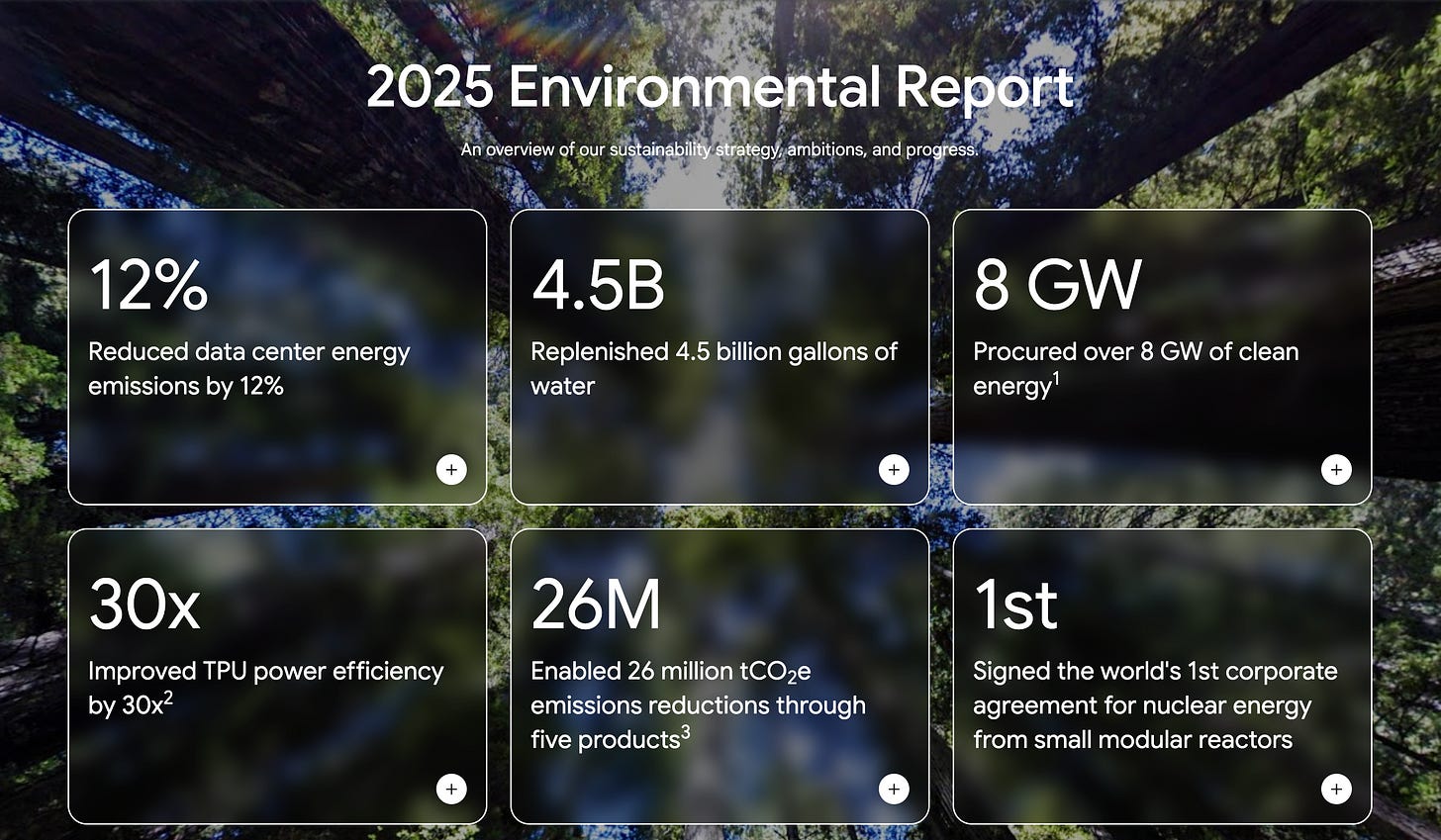
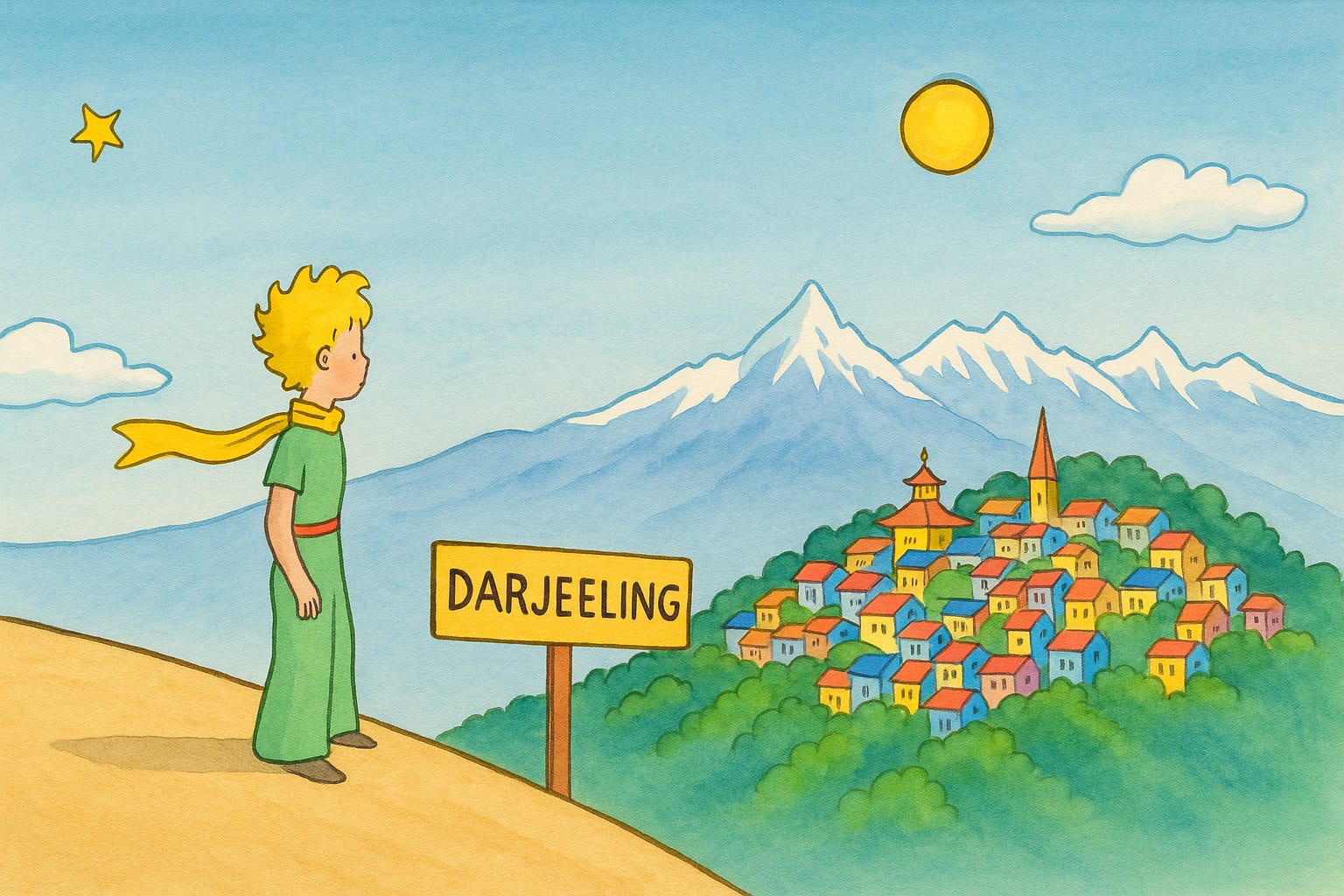
Highlights from Google’s Environmental Report At the ripe age of 27, I recently picked up Antoine de Saint-Exupéry’s The Little Prince and have been so endeared by the spirit of adventure, curiosity, and courage that it represents. Through the Little Prince’s travels and questions, the book reminds us of the importance of seeing beyond the obvious and nurturing wonder for the world around us. I find the Little Prince to ultimately be a voyager and an innovator— a happy distraction from the day to day life of removing CO₂.
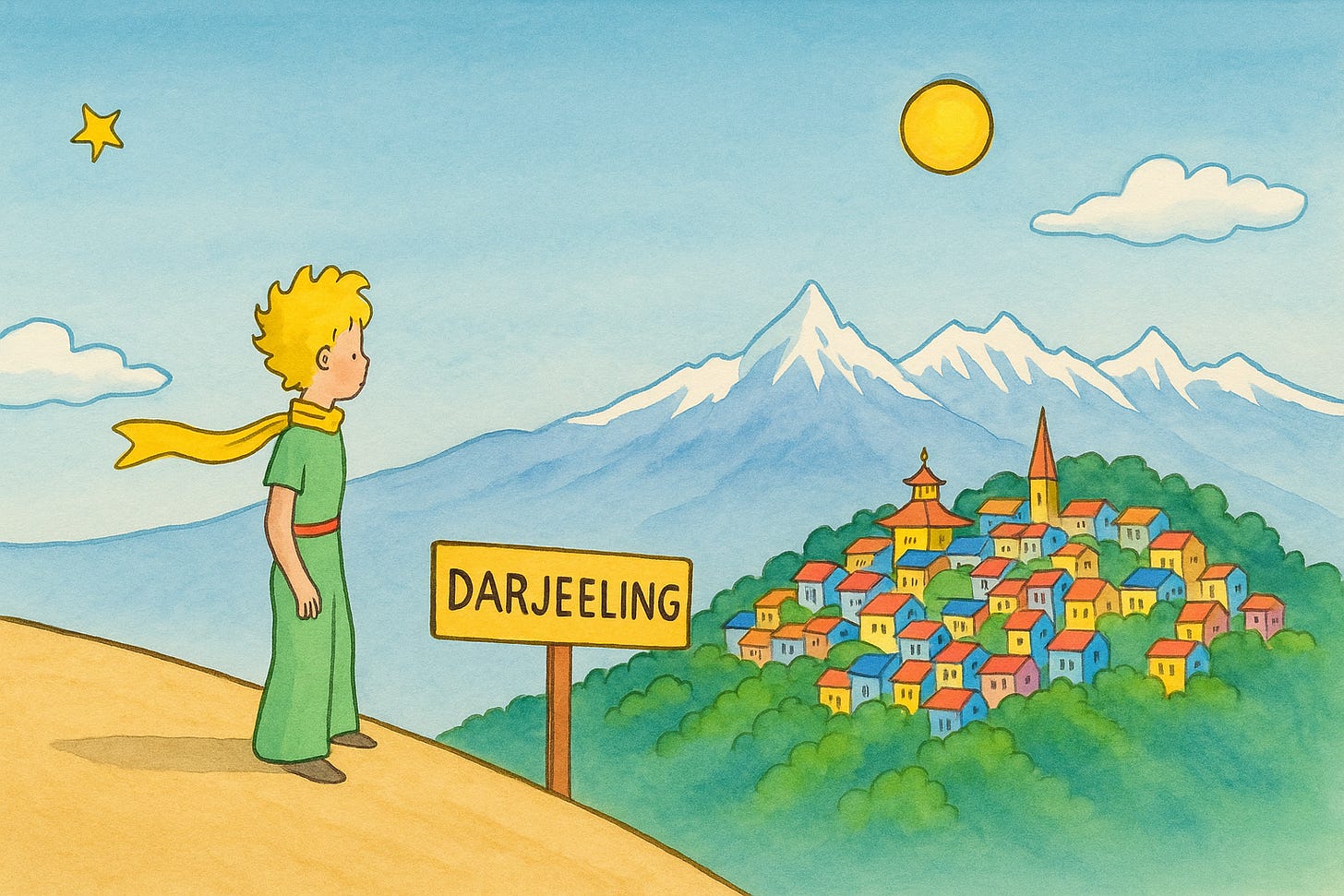
Illustration of The Little Prince looking over Darjeeling.

🌱 hope in the time of climate change
Step inside a new building in Burkina Faso and it feels like entering an ancient temple—cool, elegant, built from local clay that costs 70% less than concrete. African architects are quietly revolutionizing how we build for a warming planet, using termite mounds as inspiration and proving that the most sustainable solutions often come from the most unexpected places. Sometimes looking backward is the fastest way forward.

Courtesy: Kere Architecture Tiffany & Co. just turned their most valuable asset, that iconic blue color, into a $100 million ocean conservation pledge. By mapping countries whose ocean waters match 'Tiffany Blue' and shifting ad spend from luxury products to coral reef protection, they're proving brand colors can be more than just marketing. Sometimes the most powerful climate action comes wrapped in the most unexpected packages.
Saudi Arabia's NEOM committed 30 million carbon credits by 2030 from region’s first voluntary carbon market platform— VCM, creating massive new demand that will ripple across global climate projects. When a historically hydrocarbon-dependent economy makes this scale of commitment, it signals something fundamental is shifting.
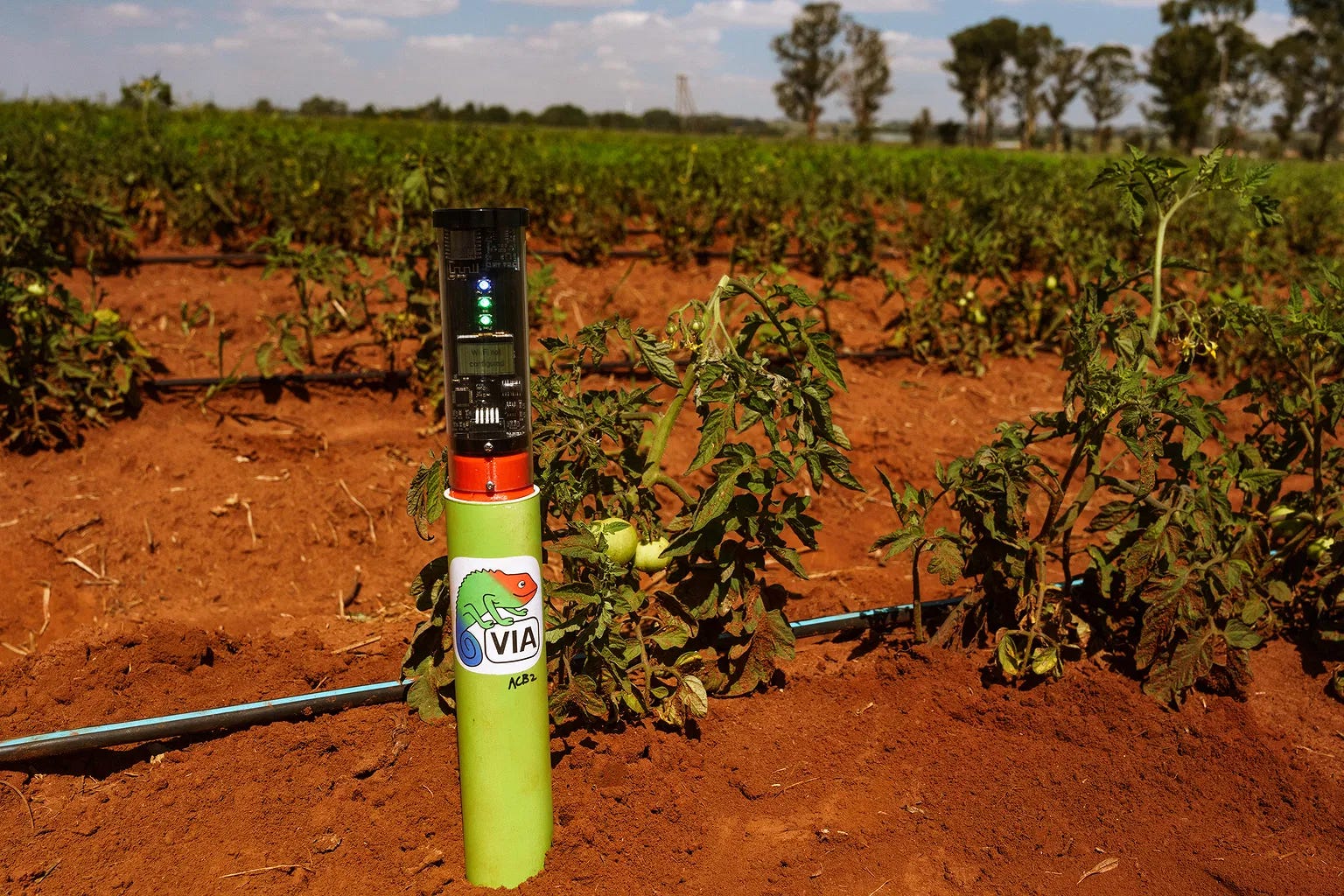
Patricia Seaba's cabbages kept exploding, literally bursting like balloons in her South African fields. The culprit? Too much water, revealed by a simple $50 device that uses color codes to show soil moisture. Now her farm uses 40% less water while producing better crops. Learn more here.
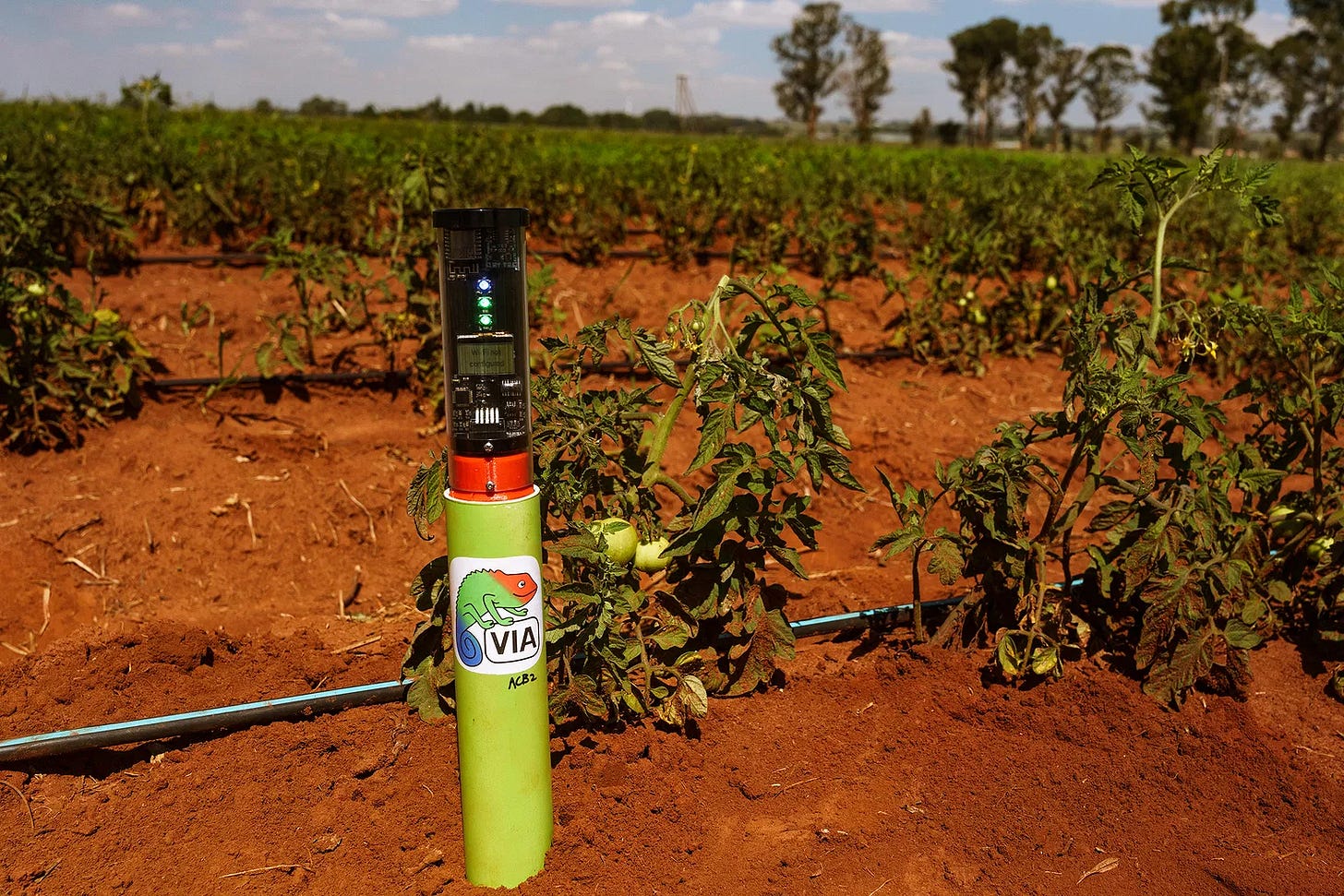
TC Women in Action’s farm uses VIA’s Chameleon sensor to measure the water in the soil.


That’s a wrap from me. ✌️
Hit me up at: sparsh@alt-carbon.com
🗓️ save-the-date!
India’s leading Carbon Removal Summit, is back with it’s next edition!
Join us at IISc Bangalore, a beacon of excellence driving transformative research and collaboration, to be part of India’s leading carbon removal summit—alt futures!
To save-the-date click here!

Thanks for reading Alt Carbon's Substack! Subscribe for free to receive new posts and support my work.
Comments
Nothing yet. Say the first thing.
Sign in to join the conversation.