
Parvat Say is a play on words. In Darjeeling, where we’re based out of, mountains are referred to as ‘Parvat.’ These dispatches are hence “From the Mountains.” They’re also a voice, putting to words the thoughts and ideas that are emanating from the mountains of Darjeeling, hence “the Mountains speak.”

Our Darjeeling Dinners have piqued interest from many. Behind-the-scenes, we have many folks helping and orchestrating these events. One of them, is my mother — Roma. The Climate Studio team wanted her to write this edition. Over to one of the pillars of the Alt family.
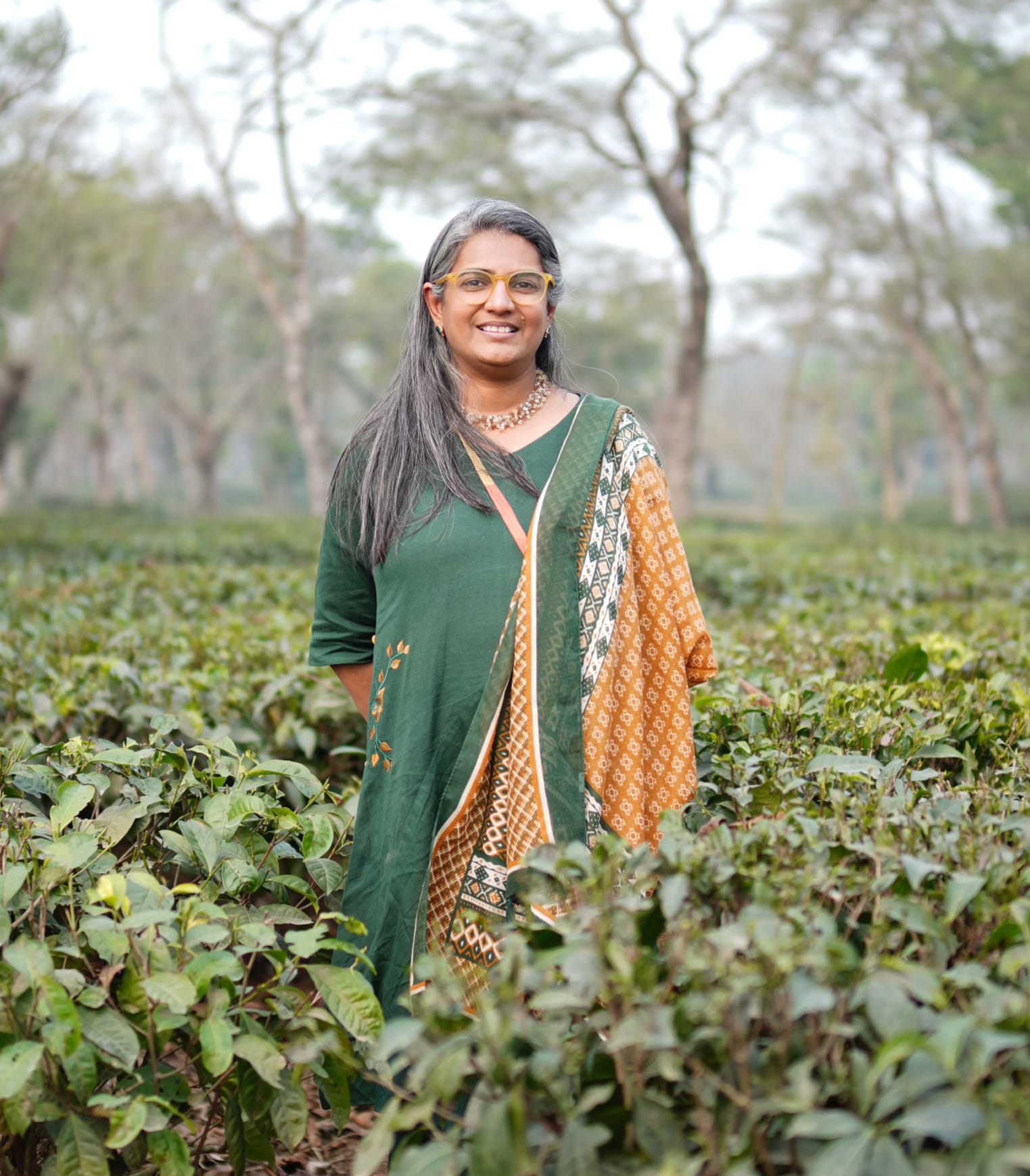
Namaste from the foothills of the Himalayas!
Monsoon has always been my favourite season; a time when the hills would traditionally perform their own Raag Malhar. But this year has been different. We're experiencing what I call the hot tawa effect (Leidenfrost effect), raindrops hit the ground and immediately turn to steam, leaving the earth dry and thirsty. It's a clear sign of how climate change is affecting even our traditional weather patterns here in the hills.
On the bright side, the drier weather has given the team more time to work on expanding the Darjeeling Climate Action Lab (D-CAL).
While we’ve been busy focusing on expanding our labs, Sparsh has been travelling, and shared this wonderful painting from Tarsila do Amaral — a painter who imbued Brazil’s modernistic aesthetic as a joyful counter to the colonial style that was the predominant expression at the time. On that note, i’d love to hear your interpretation of the painting. To us, it’s a reminder of our partnership with the shipping company MOL Group, pioneering the scaling of Carbon Dioxide Removal (CDR) through the Darjeeling Revival Project.

This painting is titled, “Abaporu”. What do you make of it? Leave a comment!

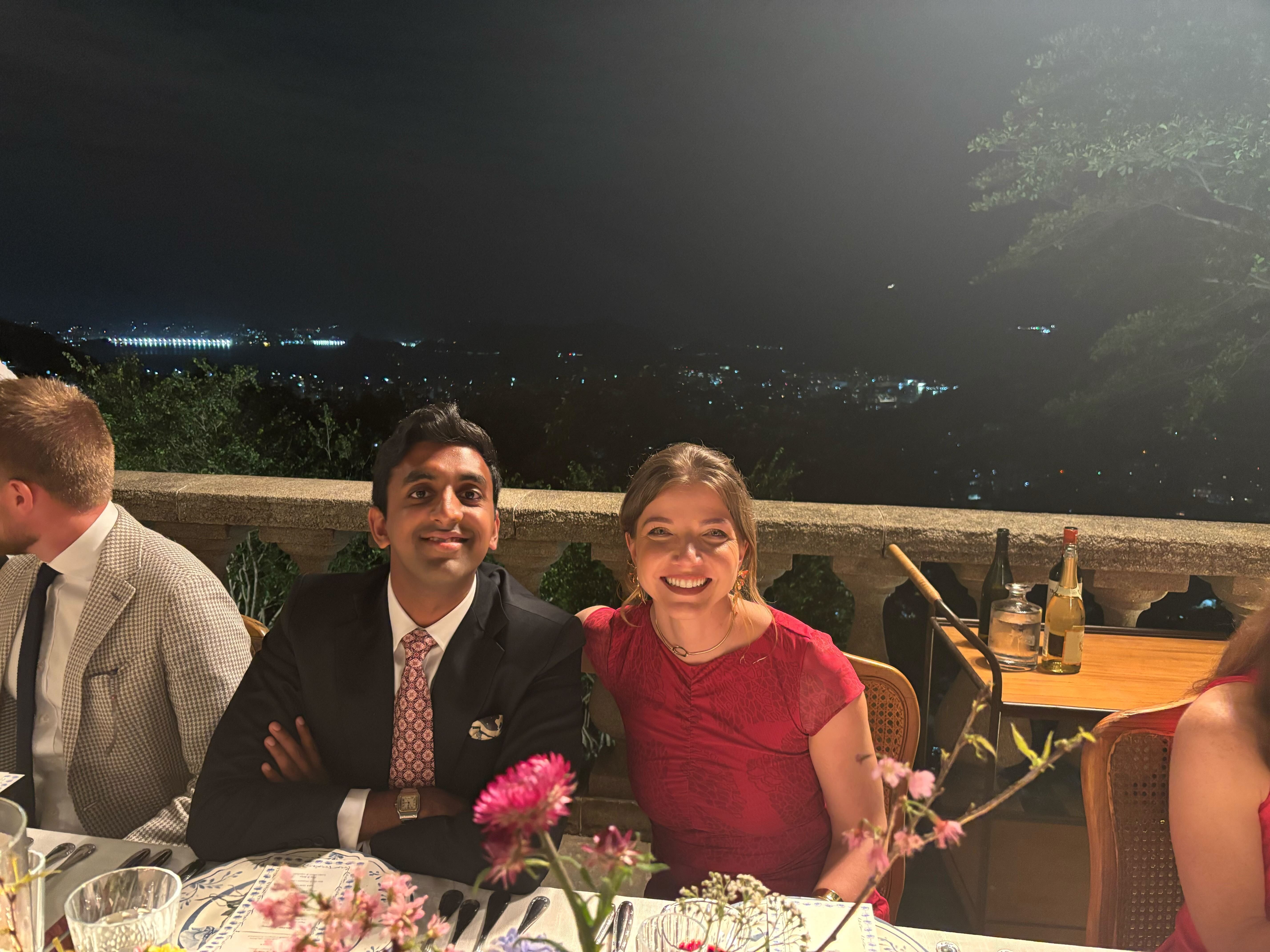
During his visit to Brazil, Sparsh bumped into Julia, co-founder at Terradot. He tells me that despite having a pact that they won’t talk about work, within a few minutes, they were exchanging notes on scaling Enhanced Rock Weathering in the Global South. This was at the wedding of yet another climate pioneer, Laura (Co-founder, Residual Carbon), whom he originally met at our conference last year. Which reminds me, have you registered for Alt Futures 2025?
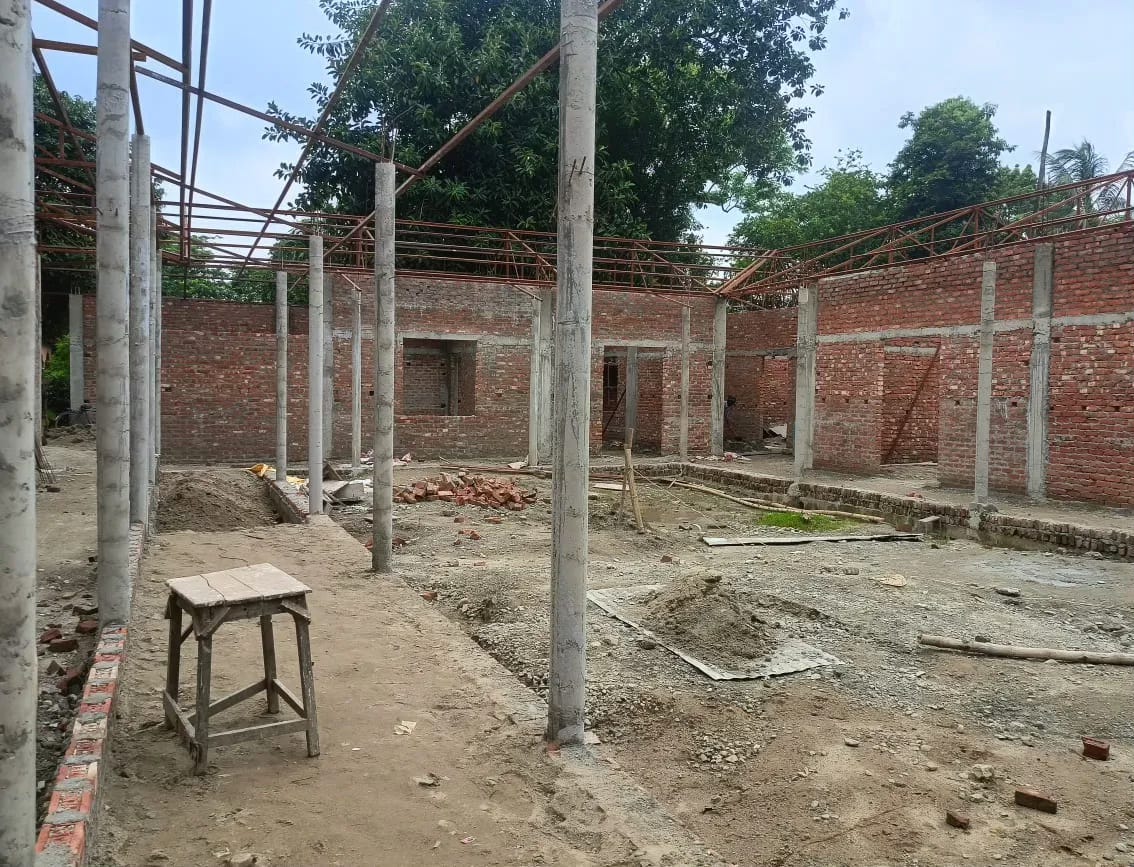
We are also prepping Darjeeling for the Discovery of India Trip, happening earlier in August, more on that in the next edition.

KC, our new colleague, brings a unique perspective from humanitarian front lines in Ukraine, Somalia, Bangladesh, and Kenya. After years of crisis response, he was searching for his own "Manhattan Project" something that addressed root causes rather than symptoms. KC explains what drew him to tackling Enhanced Rock Weathering in Darjeeling's tea estates. Read his story about why he chose climate action.
If you are also looking for your “Manhattan Project”, we might have something for you — check out our job board.
Inspired from the FT piece from our last edition, Adi dives deep into how the world's largest funds—from Norway's $1.8 trillion oil fund to Singapore's Temasek—are wrestling with climate risk in their investment strategies. A fascinating look at how money really moves when the planet's future is on the line. Read the blog here.

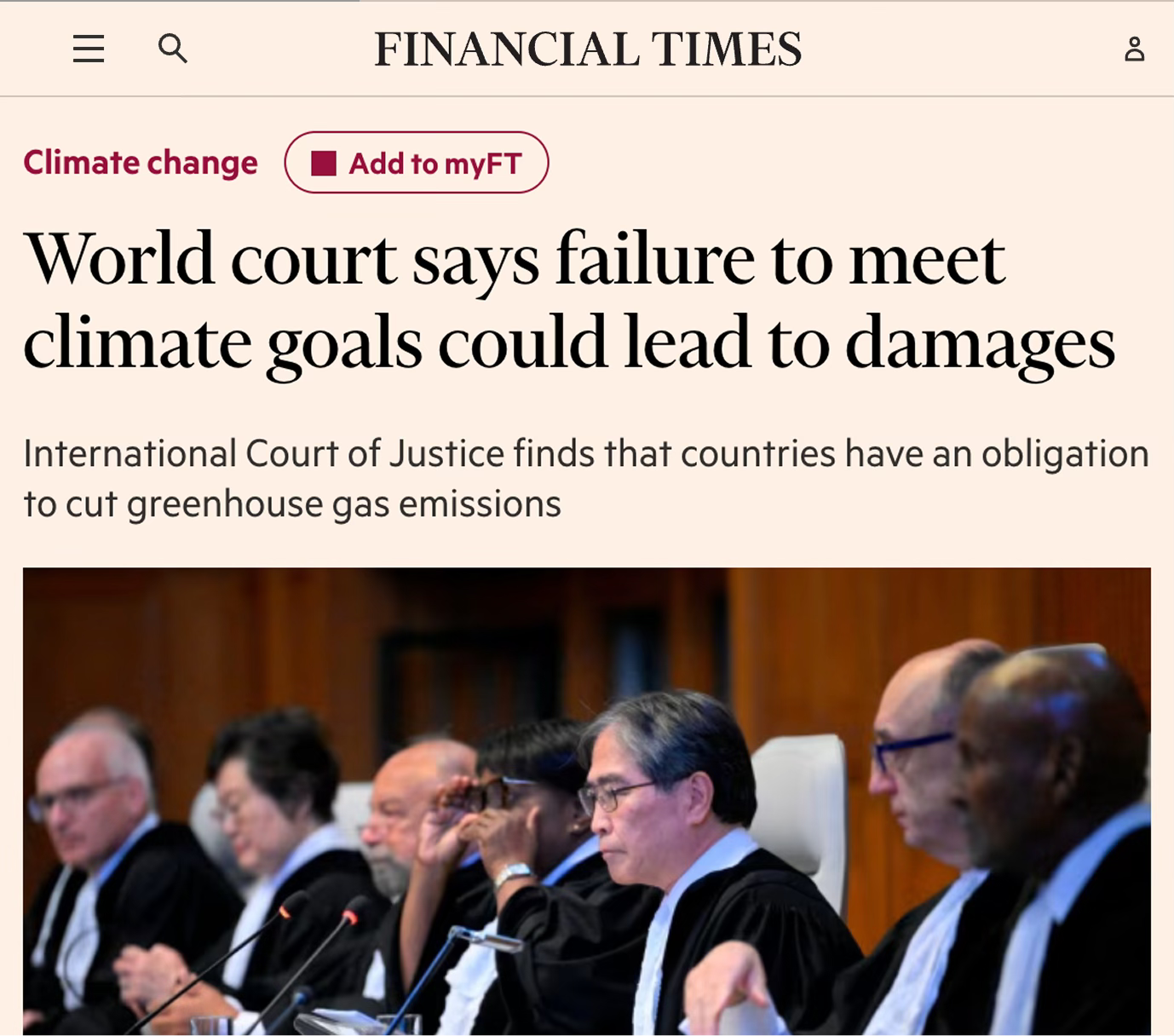
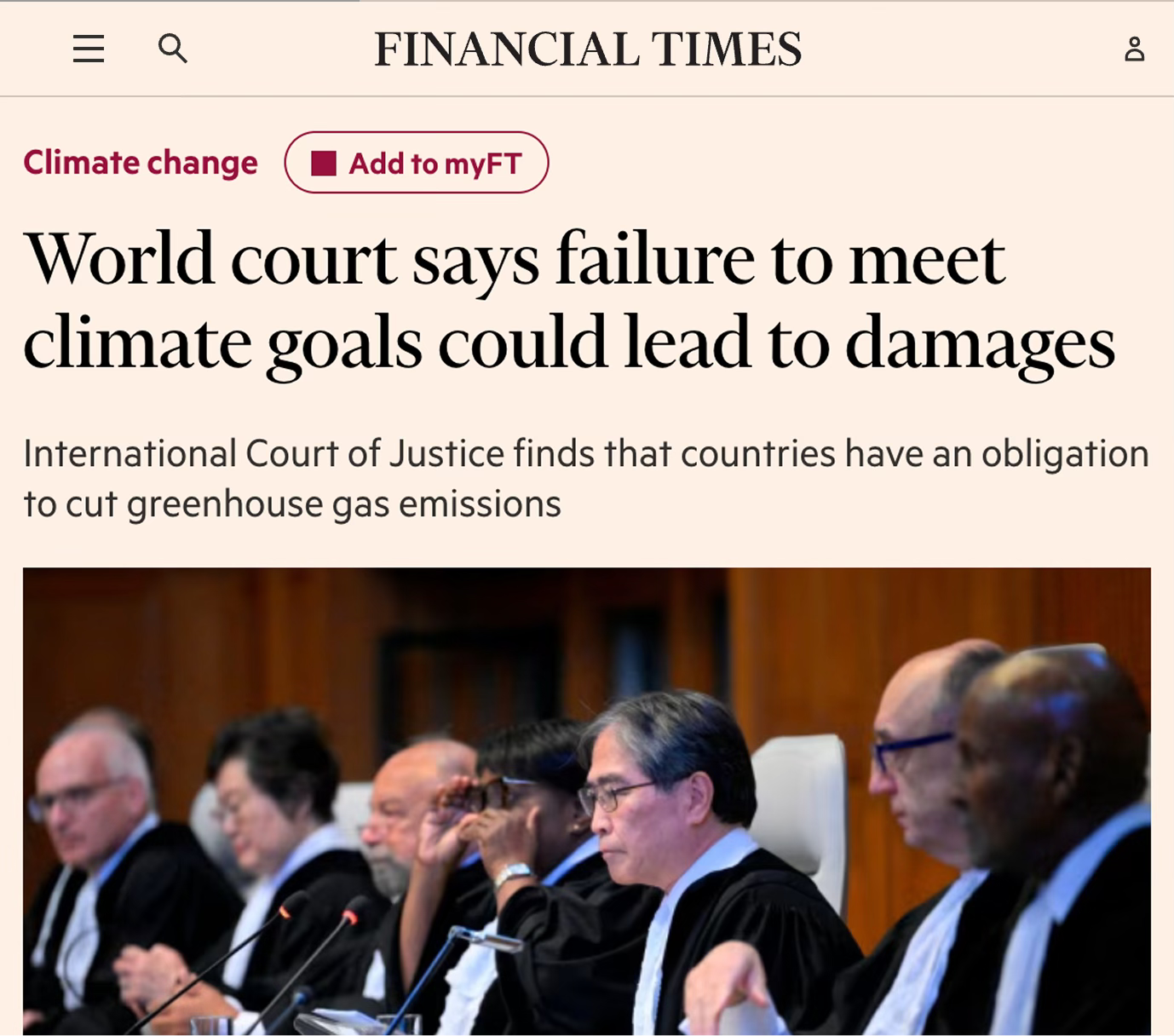
The world's highest court has delivered a seismic ruling: states can now be legally pursued for failing to act on climate change, with major historical polluters facing potential reparations worth billions. The International Court of Justice unanimously declared that climate obligations are legally binding under international law, not voluntary commitments. Read the article here.
The 2026 World Cup across North America is set to become the most polluting tournament ever — generating 9 million tonnes of CO₂, nearly double recent averages. With 48 teams, 104 matches, and flights spanning an entire continent, it's like putting 6.5 million cars on the road for a year. Sometimes the beautiful game isn't so beautiful for the planet. Read more here.

Pakistan's monsoons just killed 250+ people and stranded thousands of tourists; officials call it the worst flooding since 2022's catastrophe that left 1,500 dead and 30 million homeless. Despite becoming a 'climate financing test case,' promised billions from rich countries never materialized, leaving millions still in tents. When the atmosphere holds 7% more water per degree of warming, every rainy season becomes a lottery nobody wants to win. Read more here.
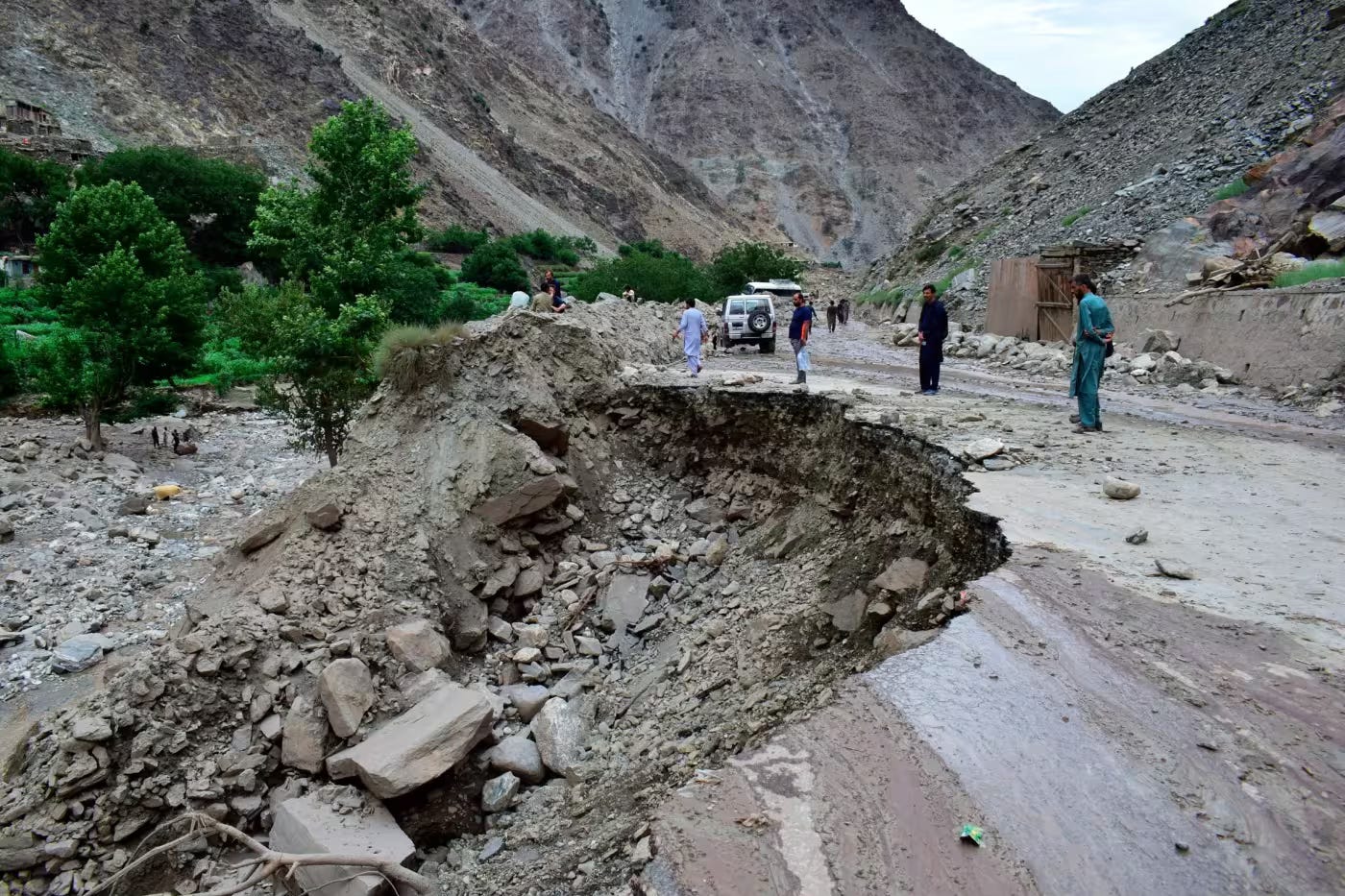
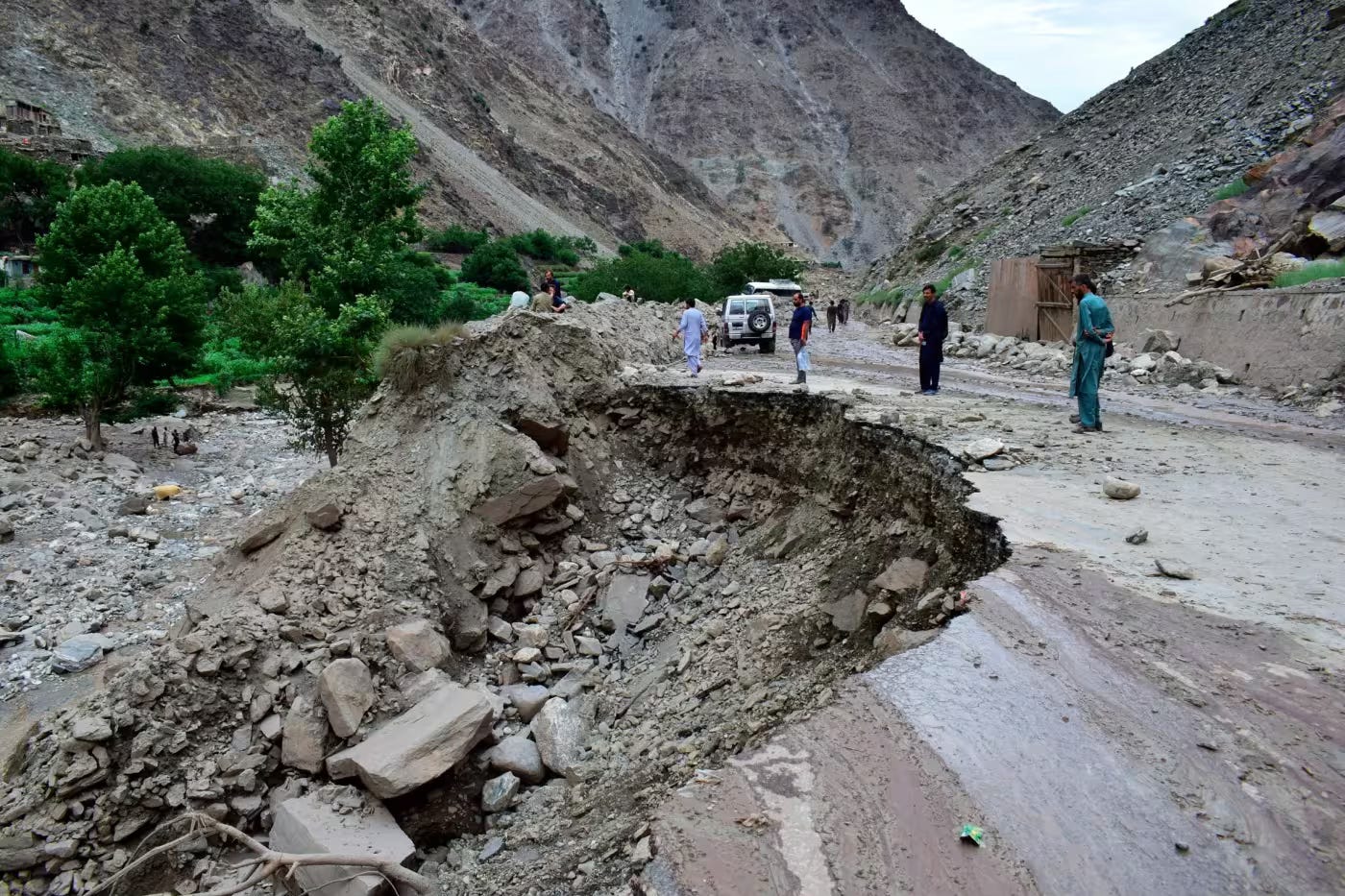
Landslide and flash flooding wiped out a highway in Chilas, northern Pakistan Climate losses have hit $6.6 trillion over 12 years in the US alone; more than the Great Depression and rivaling the 2008 financial crisis. With 60% of global disaster losses uninsured and protection gaps reaching 90% in countries like India, we're staring at a systemic risk that makes banking crises look manageable. When climate change becomes bigger than financial meltdowns, every conversation changes.


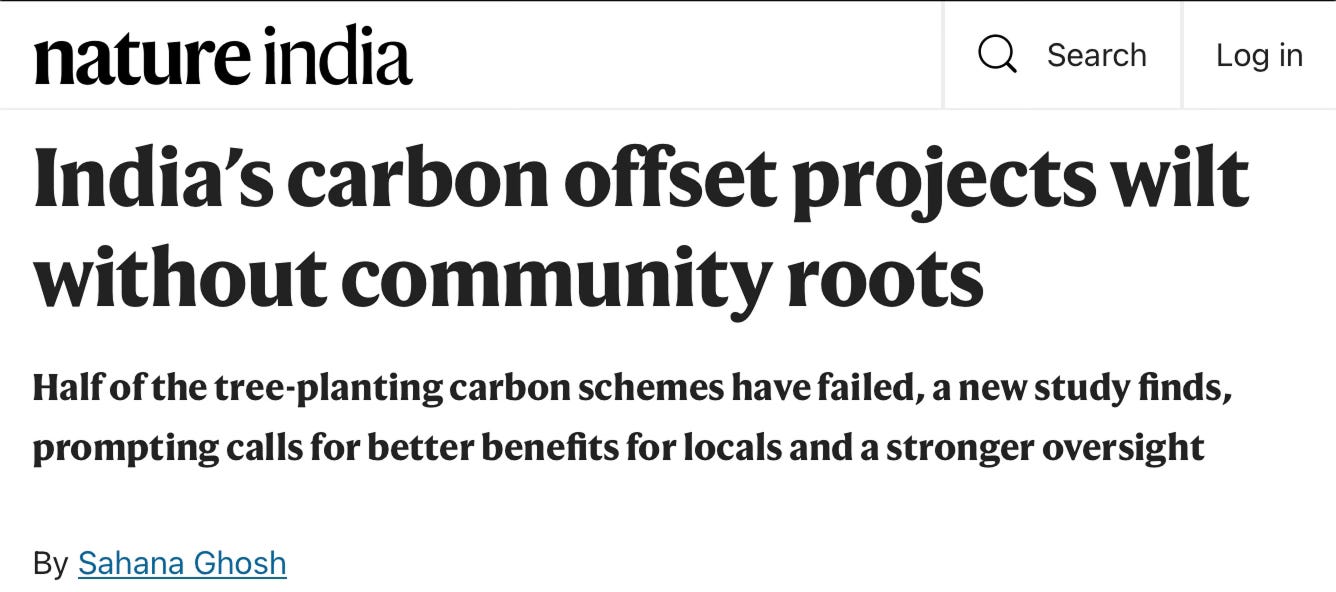
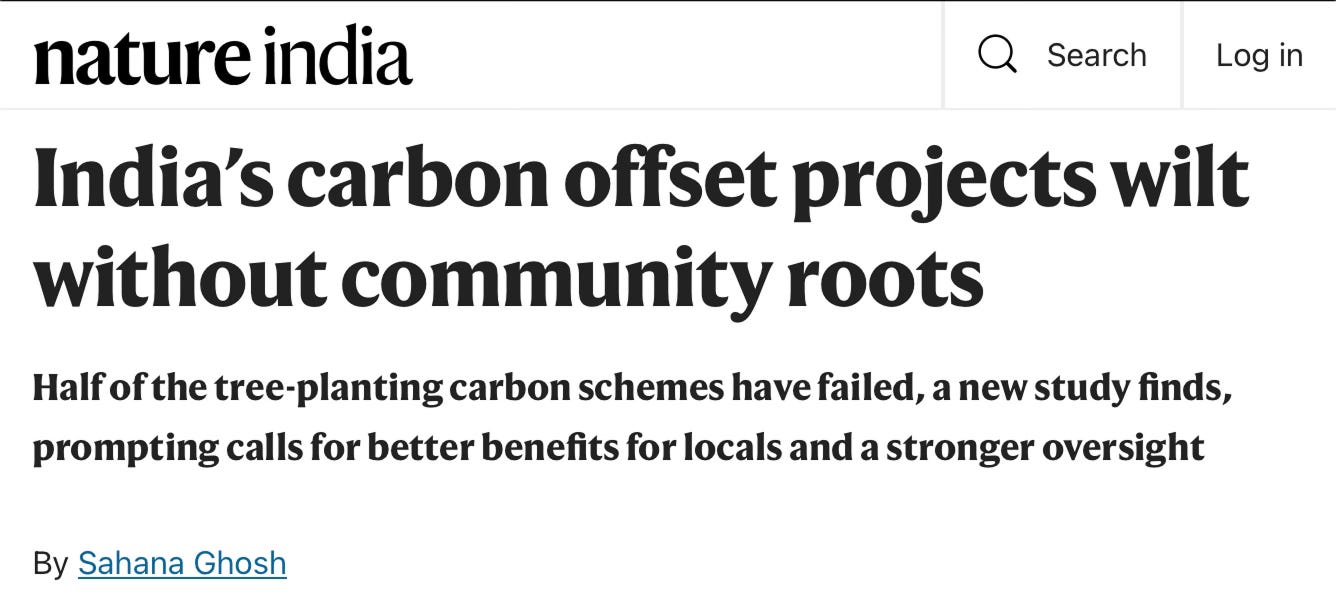
A groundbreaking study of India's carbon offset projects reveals the winning formula: deep community engagement and sustained economic benefits lead to 48% higher tree cover and lasting forest restoration. While half of projects failed due to short-term thinking, the successful ones in Araku, Bagepalli, and Sundarbans show how carbon credits can drive real environmental gains when communities are true partners, not just laborers. Read the full article by Sahana Ghosh.
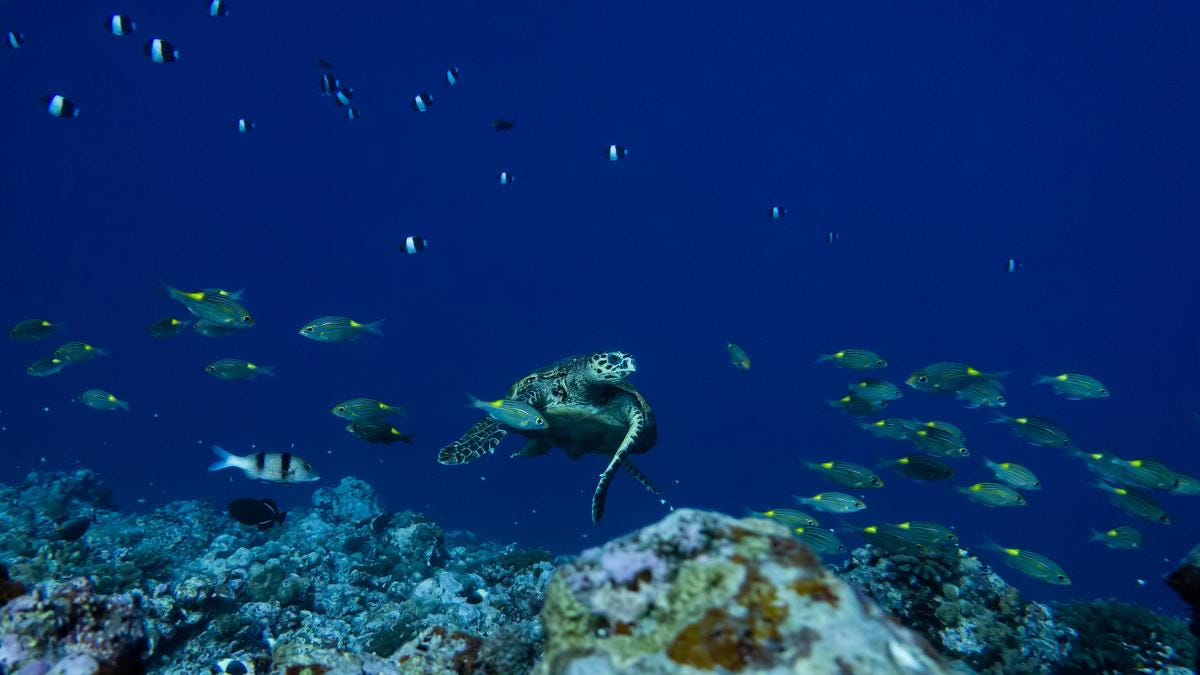
Lakshadweep's coral reefs have lost 50% of their cover since 1998, despite surviving three major bleaching events with decreasing mortality each time. The brutal math: recovery rates plummeted not because more corals died, but because fewer were left to die. A 24-year study reveals that even the most resilient reefs can't outrun the relentless pace of marine heatwaves. Read more here.


Chennai's fishermen speak a secret language at sea; with nine wind directions instead of eight, where East becomes the true north and stillness has its own word. S Palayam, a retired fisher, shares this beautiful maritime dialect passed down through generations, holding weather wisdom no satellite can capture. When ancient knowledge meets modern climate science, sometimes the most sophisticated technology is the human tongue. Learn more here.

Still from Seaspeaker by Parvathy Nayar Ezra’s latest podcast debunks myths about the death of the climate movement. With 2 of my favourite climate commentators, Jesse Jenkins (Professor, Princeton University) & Jane Flegal (Executive Director, Blue Horizons Foundation; ex Frontier) dissect the future of the Decarbonisation Movement for the US (as well as the geopolitical and financial arguments in favour of it). Highly recommend!
Plunge into the wild world of scientific discovery with “The Man Who Tried to Fake an Element” for a fantastic dinner-time watch. With excellent visual storytelling and a great history of the element race, coupled with astute commentary on science-based geopolitics, this short documentary shows how ambition and rivalry drive scientists to the edge of possibility and, sometimes, over the line. Expect unexpected breakthroughs, a masterclass on the process of discovery, and a scandal that shakes the heart of modern chemistry.


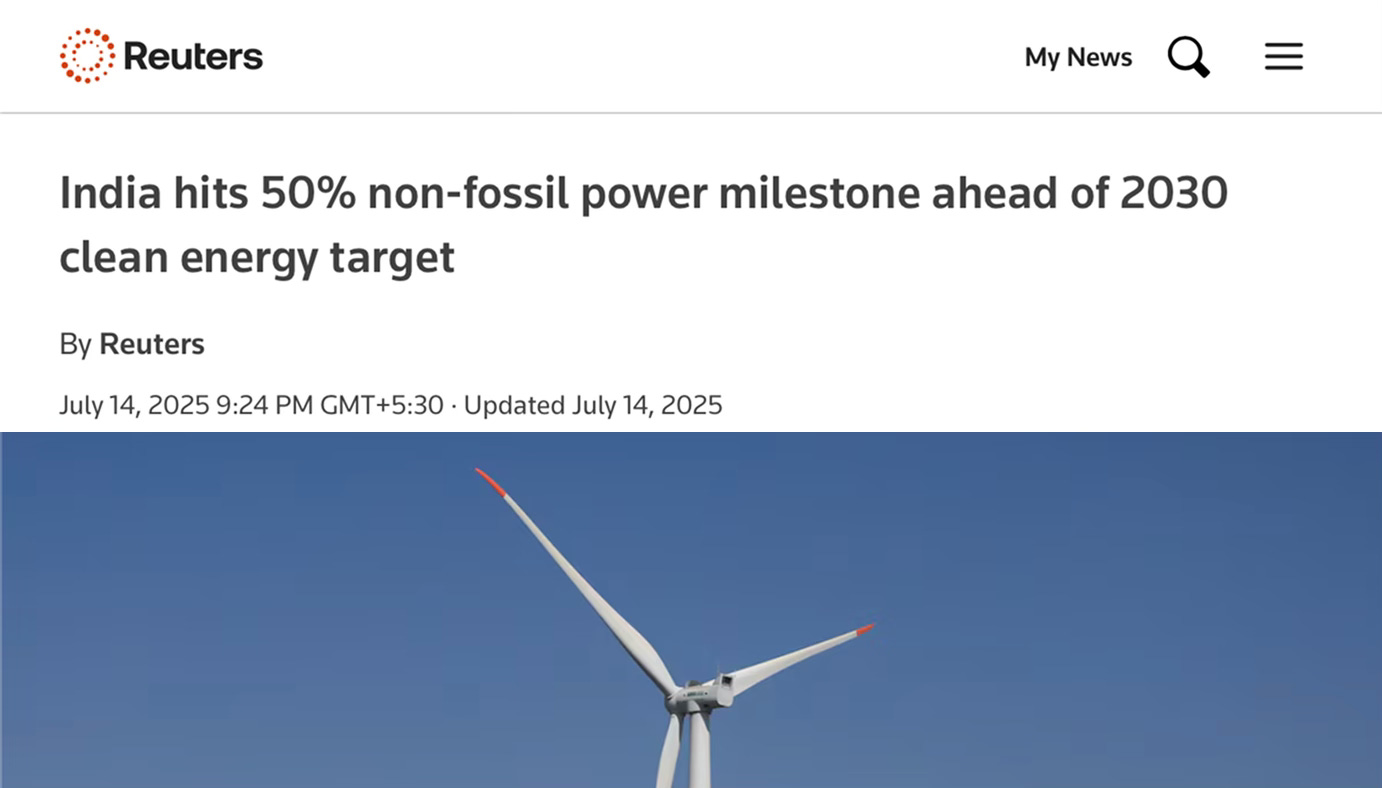
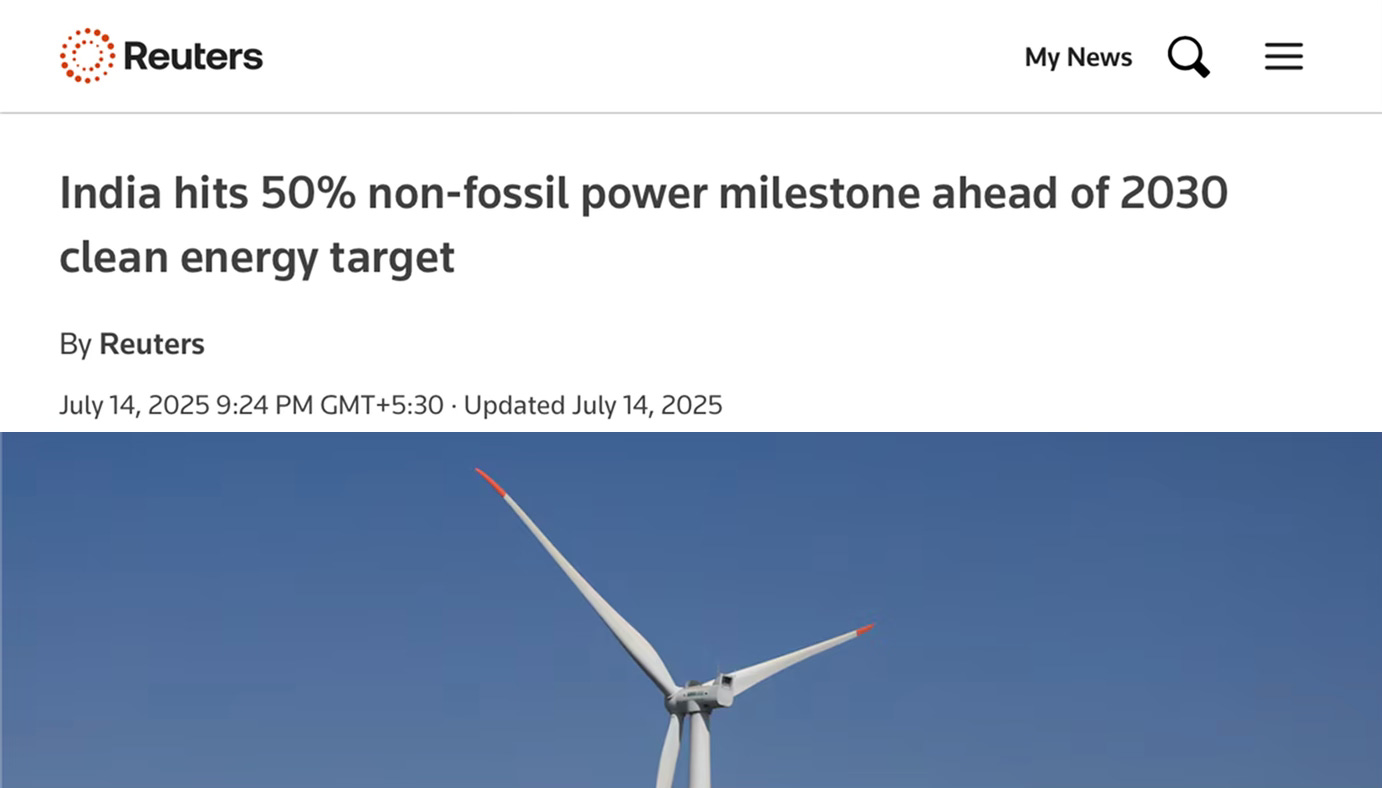
India just hit 50% of its electricity capacity from non-fossil fuels—five years ahead of its 2030 Paris Agreement target. Adding 28 GW of solar and wind in 2024 alone, the world's most populous nation is proving that rapid decarbonization and economic growth can dance together. When ambition meets execution at scale, deadlines become suggestions. Read the full article here.
China and the EU just issued a joint climate statement pledging to 'demonstrate leadership' ahead of COP30, with cooperation on carbon markets and green technologies—including carbon dioxide removal. With the US withdrawing from Paris again, the world's two largest trading blocs are stepping up on renewables and CDR deployment. When geopolitical rivals find common ground on climate, that's diplomacy working. Learn more here.

Green investing is facing headwinds from poor returns and a hostile political environment, causing many to retreat. But a counter-trend is emerging, led by individuals like, the Walmart heir, Lukas Walton, who is deploying his $15 billion family office to fight climate change. This signals a critical shift where agile family offices are becoming a last line of defense for climate action. Read here.
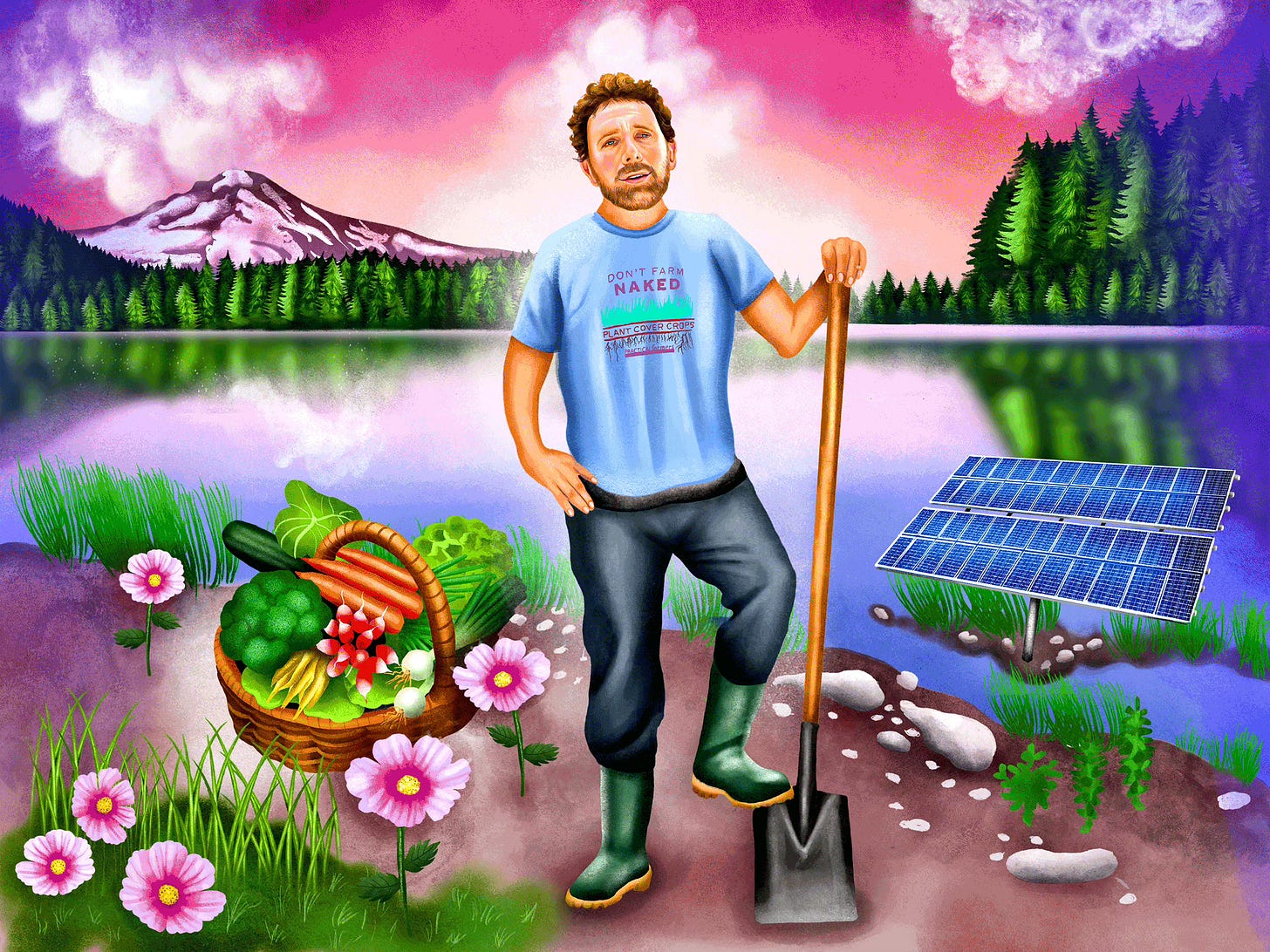
Illustration: Michelle Rohn for Bloomberg



Thanks to Ishan and Adithya, it's been fun writing this month's edition of Parvat Say. Would love to hear feedback, comments. I'm at: roma@alt-carbon.com
India’s leading Carbon Removal Summit, is back with it’s next edition!
Join us at IISc Bangalore, a beacon of excellence driving transformative research and collaboration, to be part of India’s leading carbon removal summit—Alt Futures!
To save-the-date click here!

No posts
Comments
Nothing yet. Say the first thing.
Sign in to join the conversation.