
Parvat Say is a play on words. In Darjeeling, where we’re based out of, mountains are referred to as ‘Parvat.’ These dispatches are hence “From the Mountains.” They’re also a voice, putting to words the thoughts and ideas that are emanating from the mountains of Darjeeling, hence “the Mountains speak.”

📭 introduction
It’s been about two months since I’ve been back in India. From Japan to Singapore to the West Coast and now in the East Coast, I’m writing this edition of Parvat Say with one thing in mind: really spicy momos and a longing to be back in the hills. This is a special edition because we have some significant milestones to share, and it’s been a productive two months touring some of the most exciting Venture Capitalists (more on this in a few months) and builders in climate action.
🏔️ latest at alt carbon:
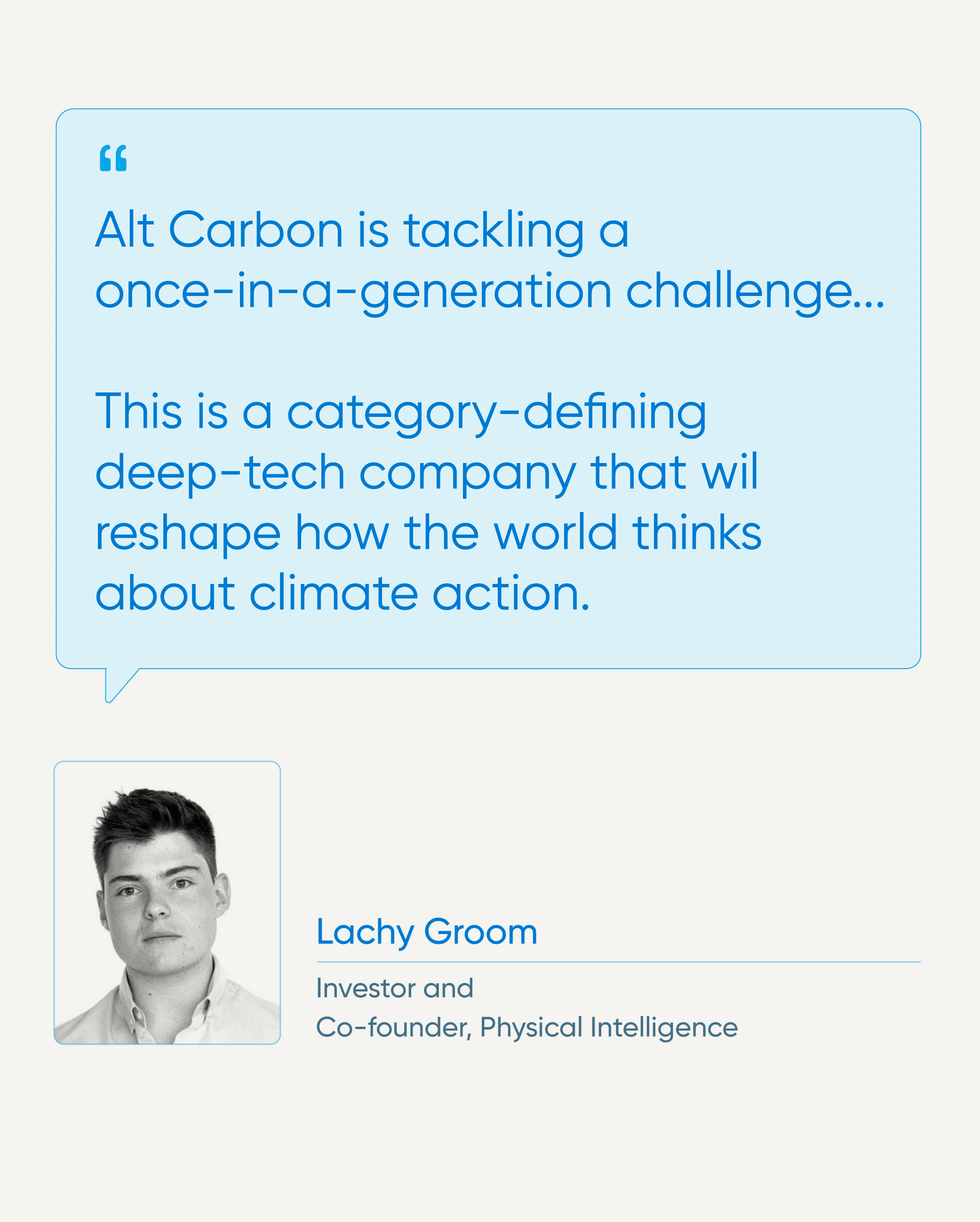
We raised a $12 million seed round to accelerate Carbon Dioxide Removal (CDR) from the Global South. The round was led by Lachy Groom, with participation from existing investors. The capital helps us accelerate our mission. Here’s a blog post from Shrey and me on the fundraise, detailing our manifesto, operating principles, & and plans for the future.
Here’s what Lachy had to say about us: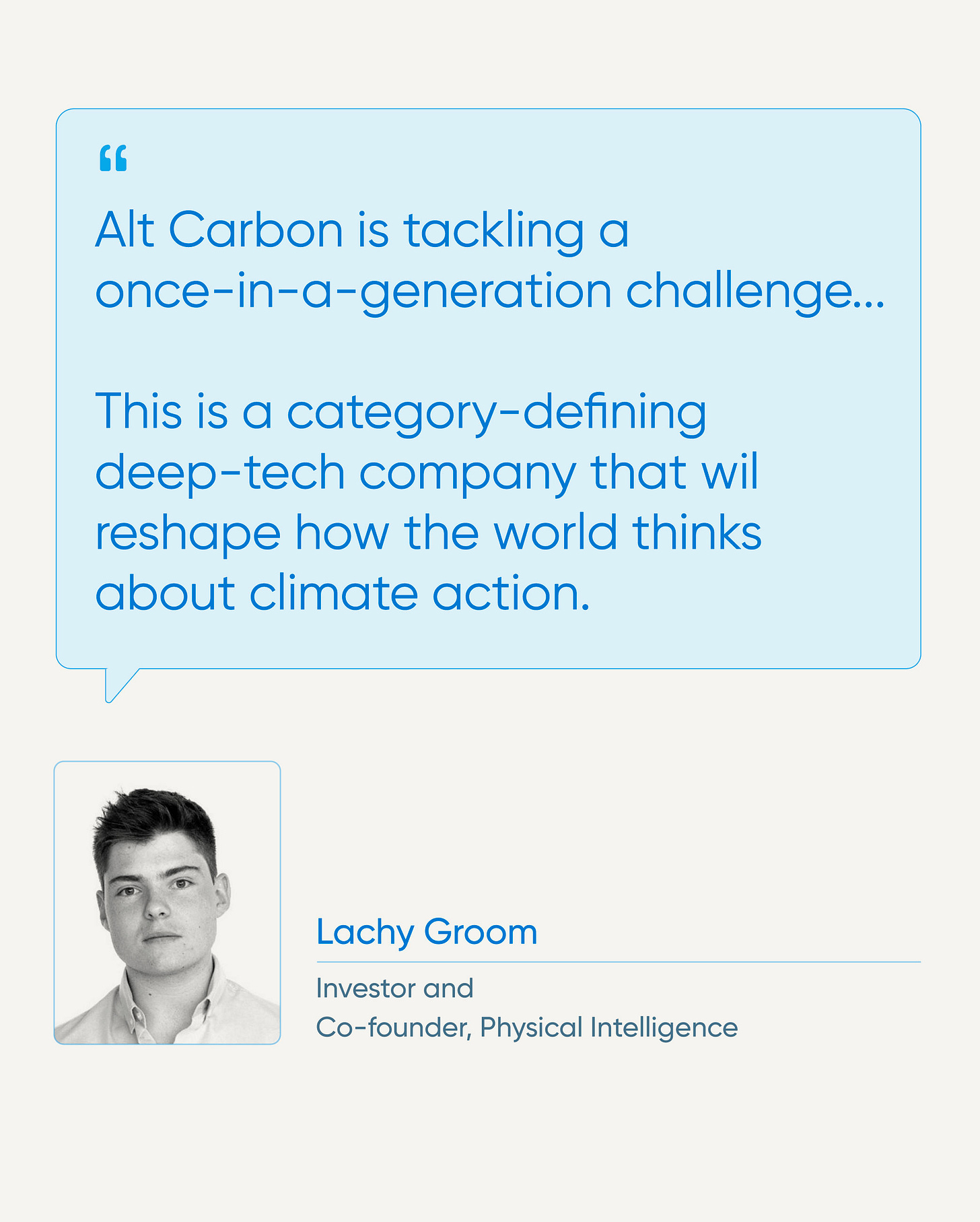
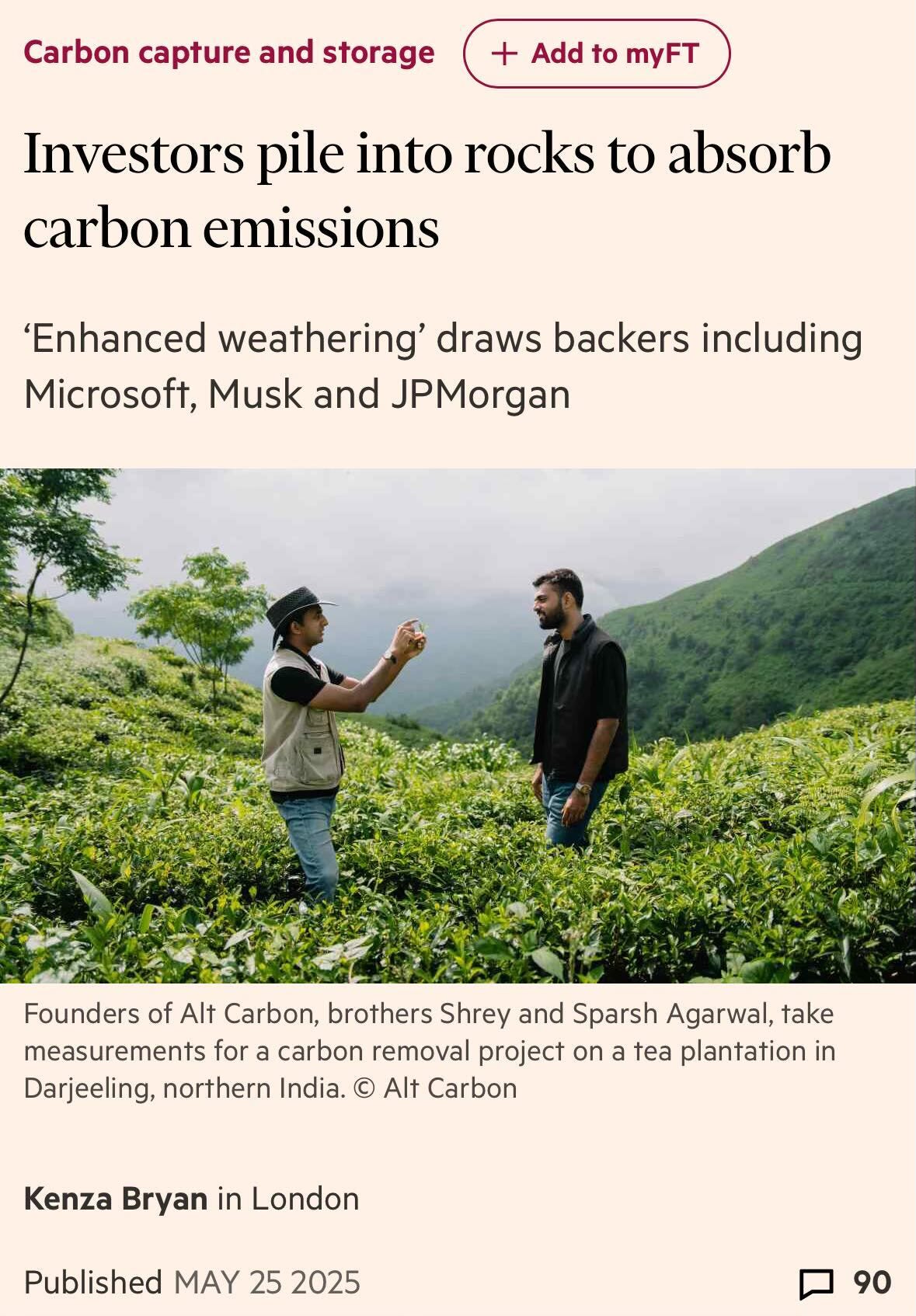
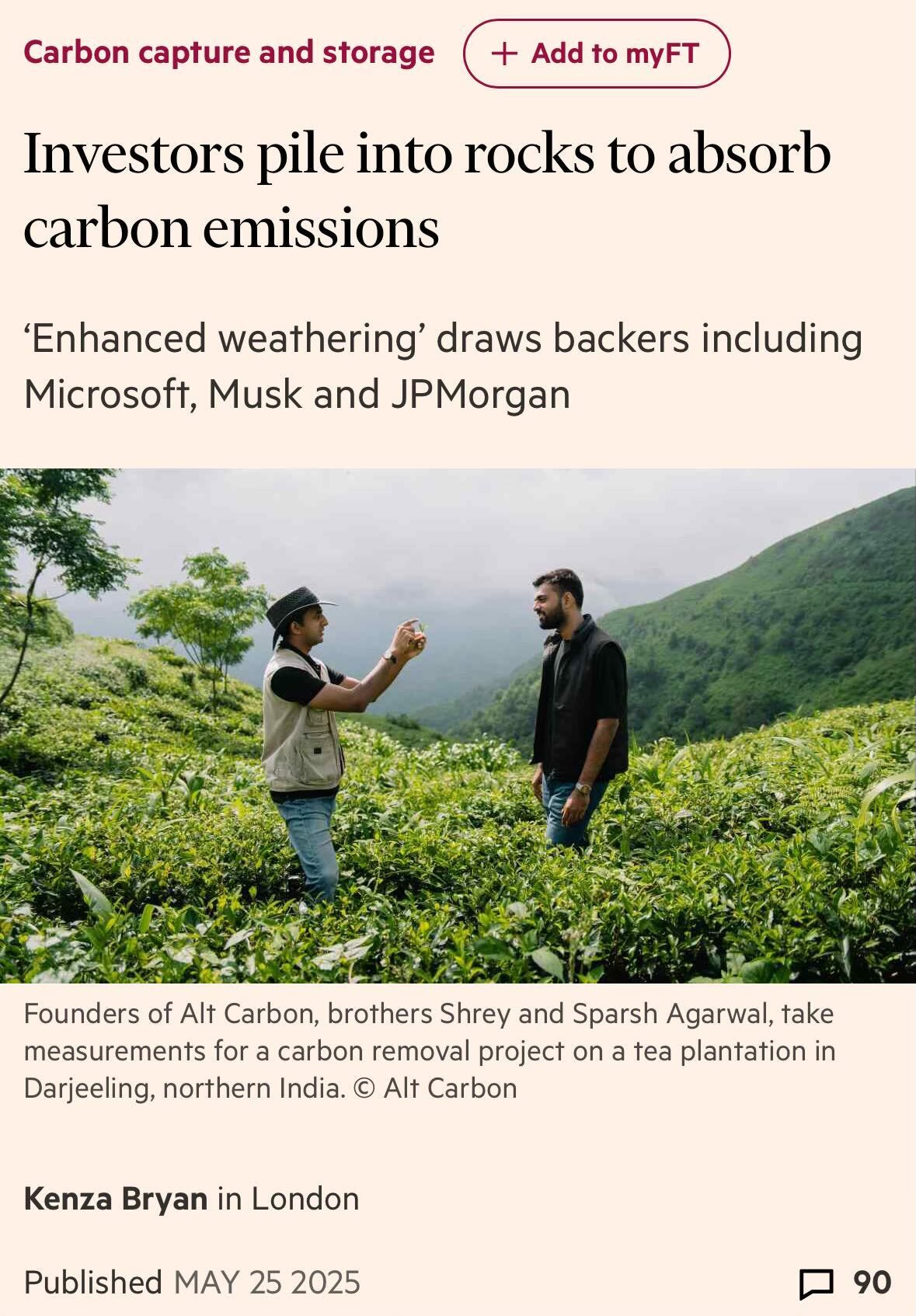
Capital gives us momentum. Back to work. Oh, we’re hiring. Help us scale climate action from India? Job BoardAnother big news! We just got featured in the Financial Times for our work on Enhanced Rock Weathering (ERW) in Darjeeling’s tea estates. ERW is picking up steam as a powerful, science-backed way to remove carbon, especially in places like India. It's not simple (lots of soil testing, data, and field work), but we're working on the nuts and bolts.
Buffett, Climate, and the Ark We Build: With Warren Buffet stepping down, Shrey’s latest blog reflects on Buffet’s quiet pivot from climate skeptic to accidental climate capitalist. As extreme weather and insurance losses rise, Buffett’s late-career nod to Pascal’s Wager, that even a small risk of catastrophe warrants bold action, feels especially relevant. A timely read for capital allocators navigating an age of disruption.

Courtesy: Our senior designer - Shriram Our operations team has been hard at work; from sourcing, deploying, scoping new lands to lab analysis. My colleague, Mayank, shared a fantastic story about the most important weapon in our mission: basalt.
'The journey of basalt' is an ode to a humble rock that has the potential to reverse decades of climate inaction. Read his story — here (if not already)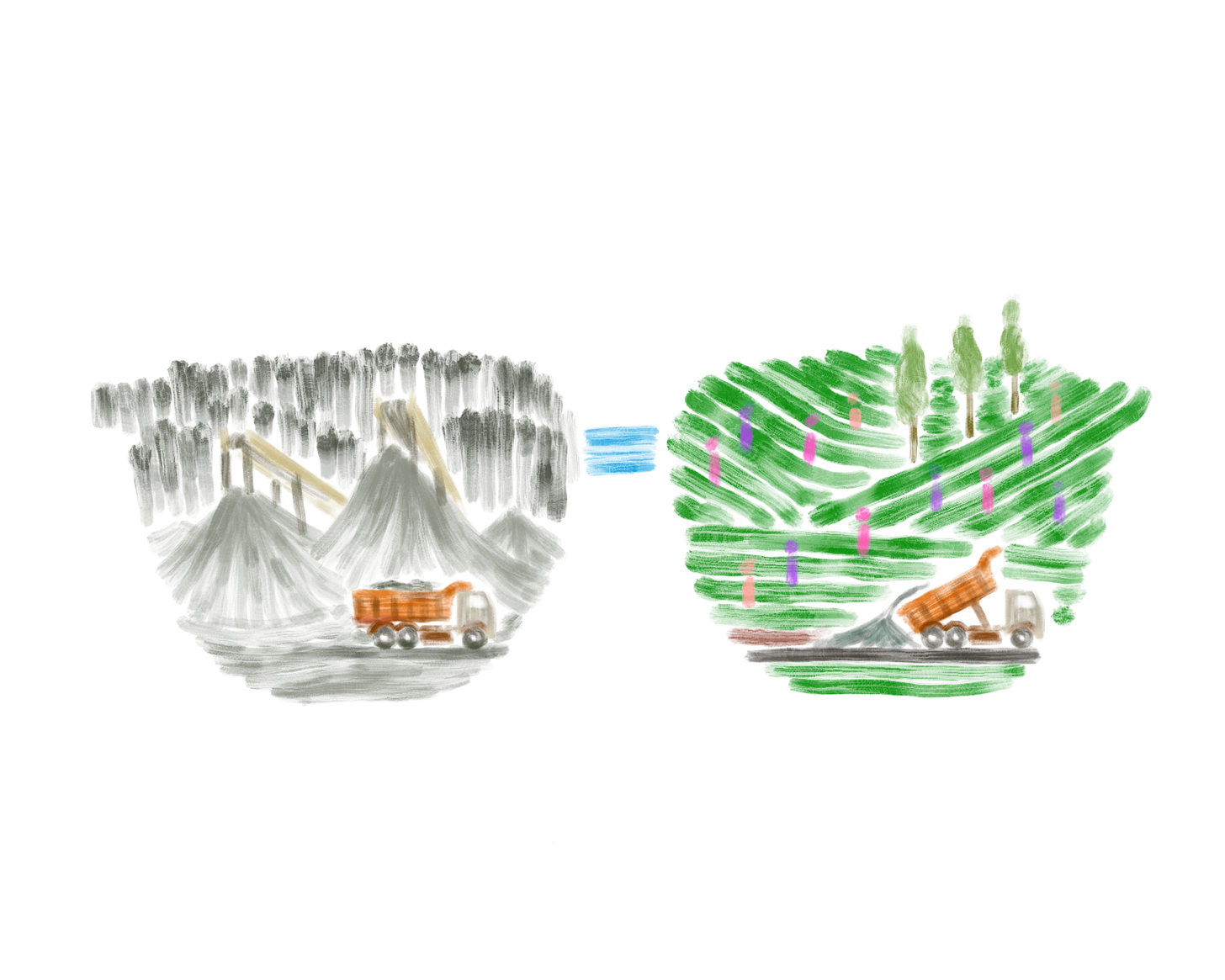
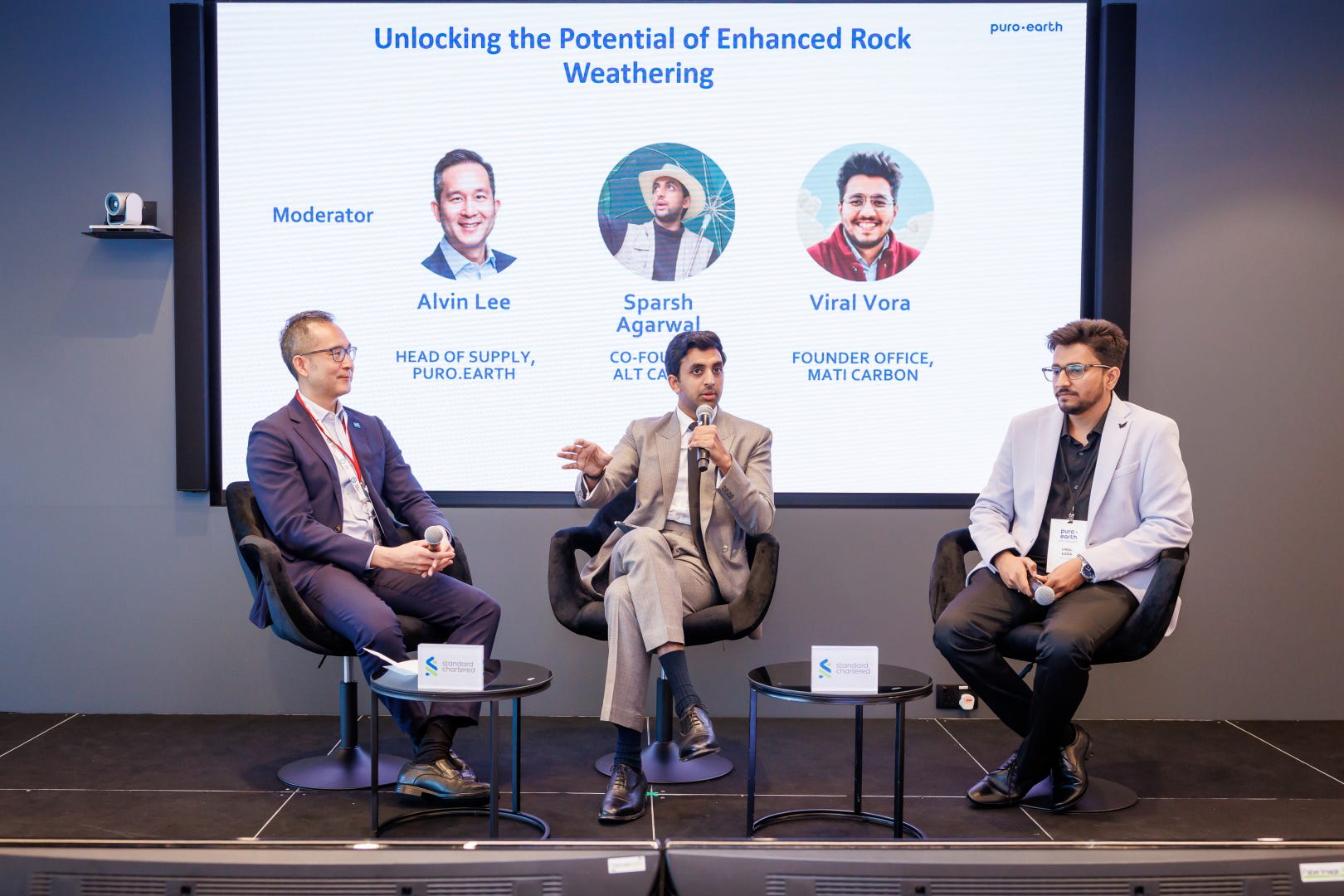
Earlier this month, I had the chance to speak at the APAC CDR Summit 2025 in Singapore on a panel titled, "Unlocking the Potential of Enhanced Rock Weathering," alongside Viral Vora, from Mati Carbon and was moderated by Alvin Lee from Puro.earth. We spoke about the accelerating momentum for ERW across Asia, from Mati’s XPRIZE win to our own off takes with Mitsui O.S.K. Lines and NextGen CDR. A big thank you to Alvin and the Puro.earth team for putting this important conversation together, and for inviting us to be part of it!
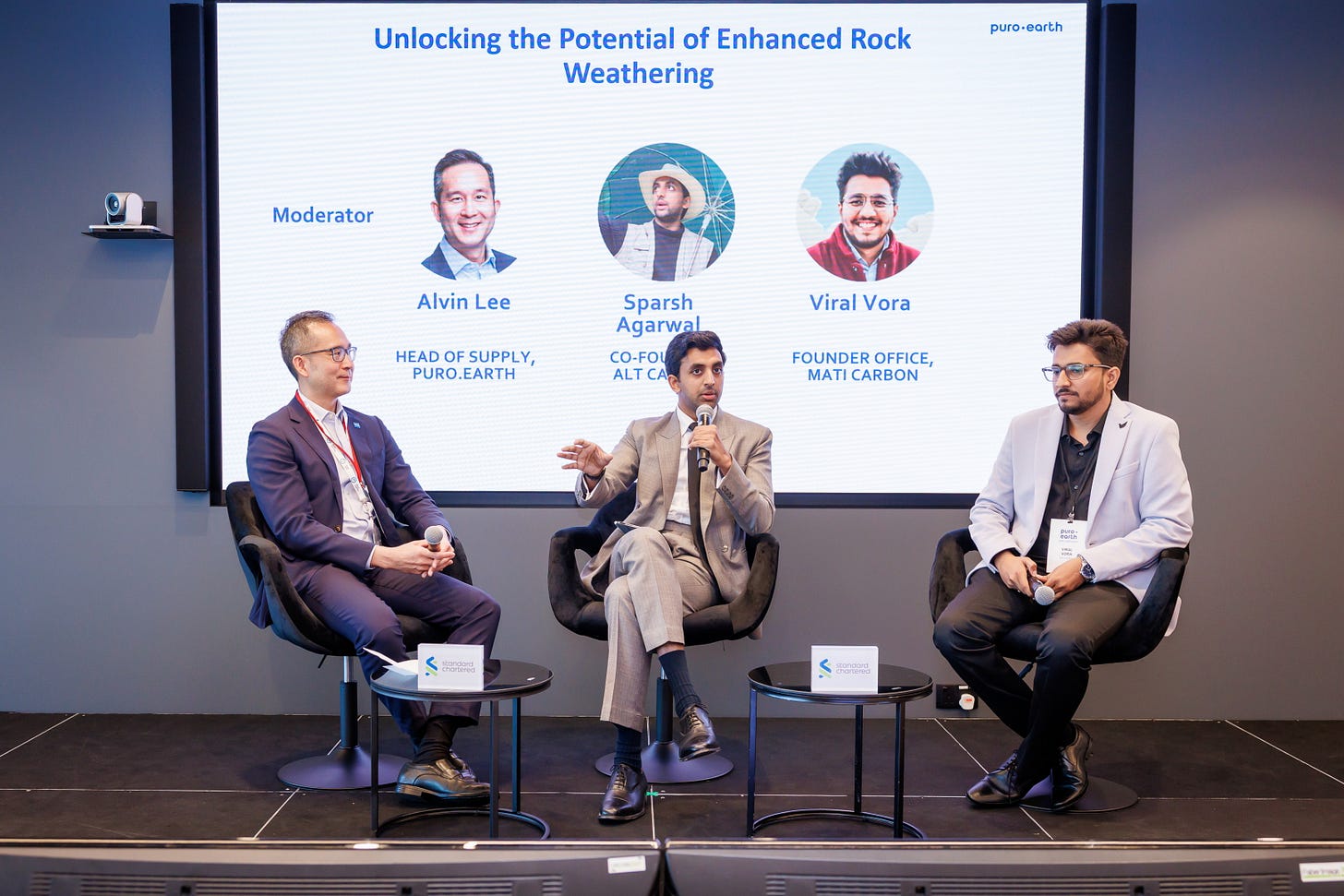
L to R: Alvin Lee (Puro.earth), Sparsh Agarwal (Alt Carbon) and Viral Vora (Mati Carbon). (Courtesy: Puro.earth) Last week, we hosted a dinner in collaboration with Eion and Puro.Earth in New York on the sidelines of Carbon Unbound East Coast 2025. We had the pleasure of hosting folks from All Nippon Airlines, Morgan Stanley, Standard Chartered, Idemitsu, ING and many more.
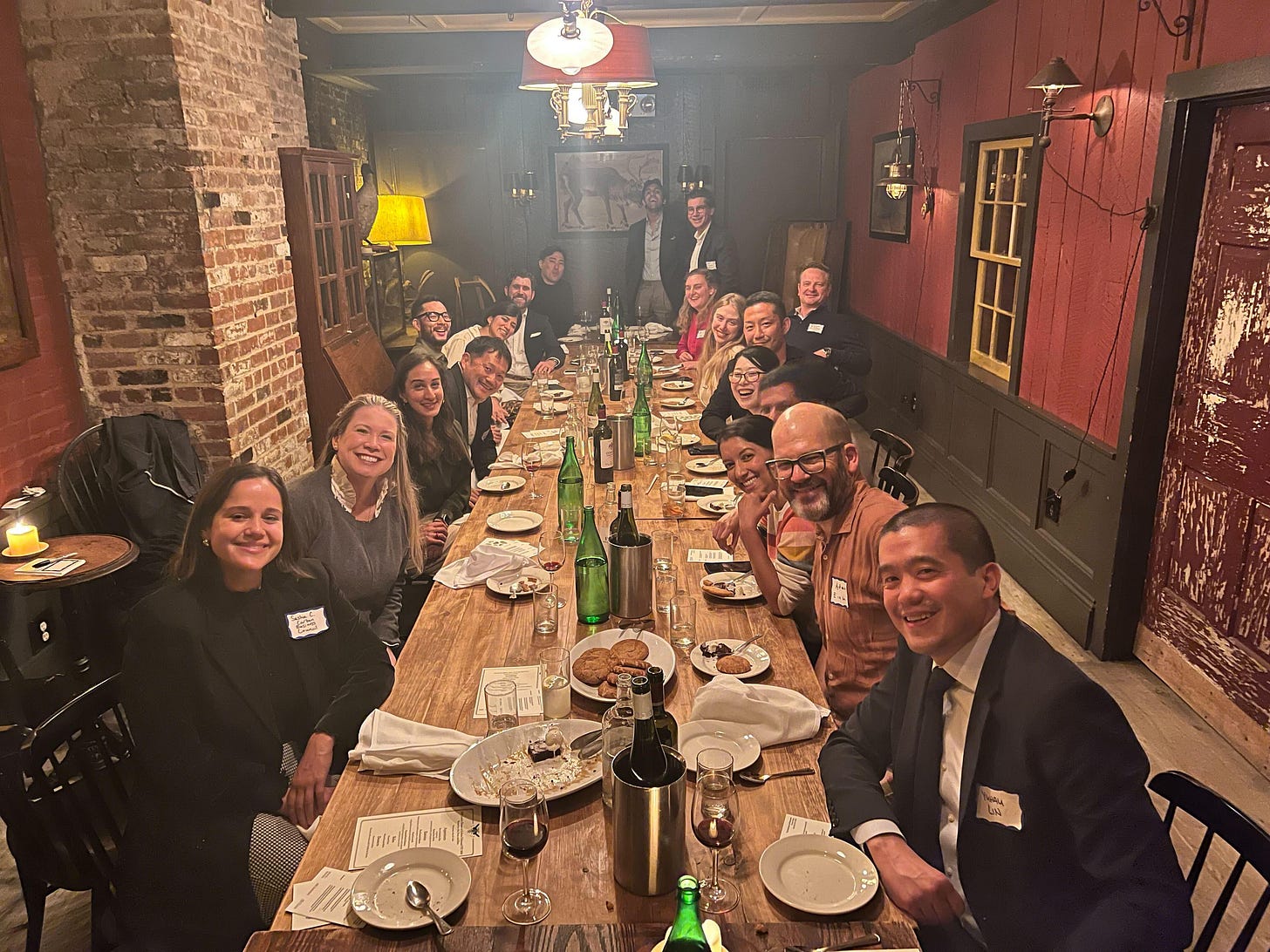
Red Room at the Freemans Restaurant, New York City


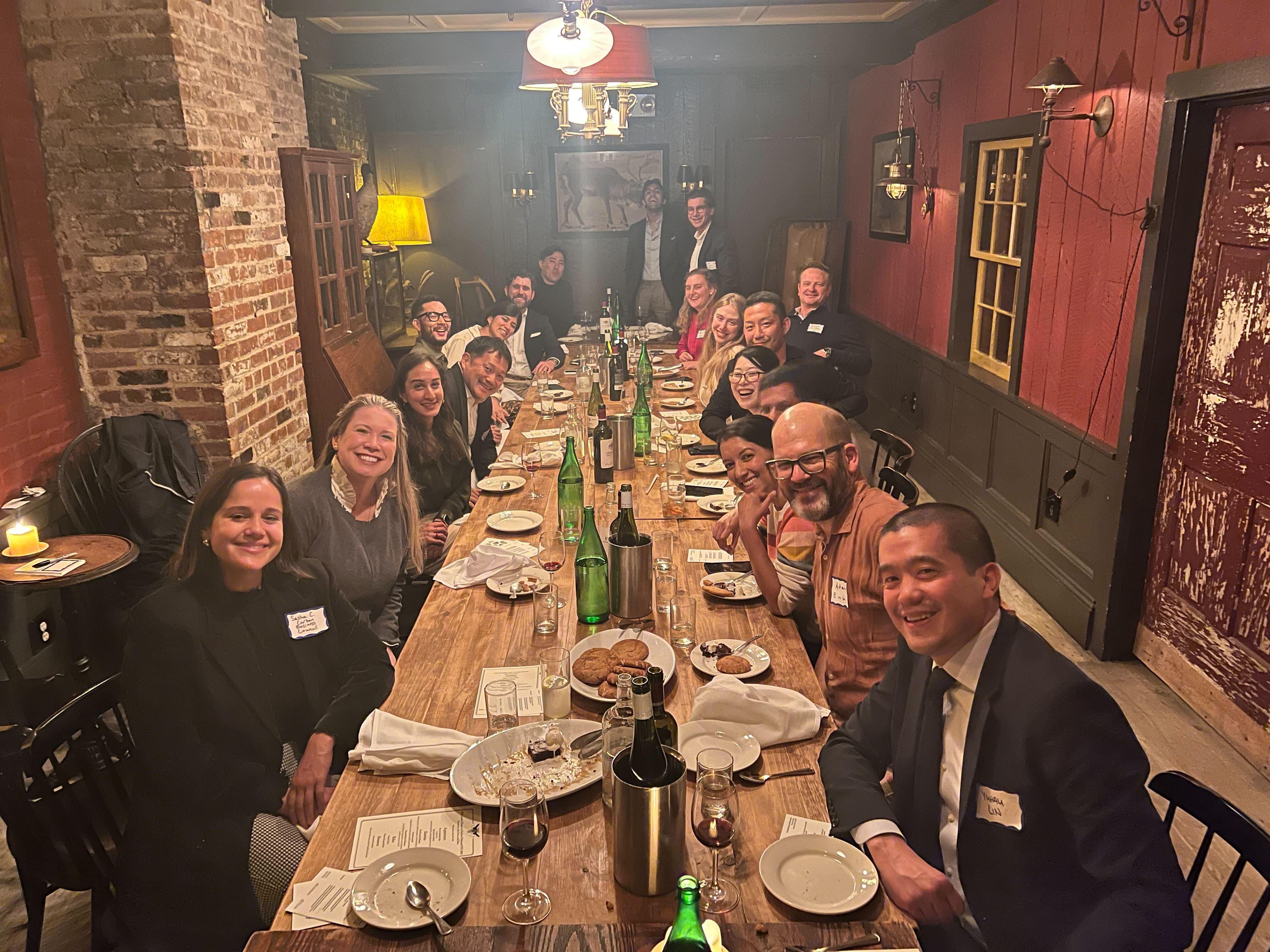
My big takeaway: There is a major supply gap in the market. Top bankers told us that clients are clamouring for high quality, affordable projects. Beyond the sci-fi ocean and DAC stuff. But there just isn’t enough integrity bound credits out there!
Accompanying the meals, we served a few questions to our guests, one of them was “What is the craziest or most provocative CDR idea you’ve heard of lately?”. The answers ranged from electrifying oysters for ocean fertilisation to using torpedoes to bomb the ocean floor with carbon, to raising the seabed using poop to cactus farming for egg white substitutes. The one that I brought to our dinner was Astrocool’s idea of using lunar dust to create a shade for the planet.
P.S. Write to me if you’d like to discuss these.
🌎 in the world of CDR:
European airline emissions are projected to exceed pre-pandemic levels this year, hitting 195.2 million tonnes of CO₂, a signal that aviation’s decarbonization is falling behind. Despite net-zero pledges and pressure from Brussels, carriers are lobbying to delay sustainable aviation fuel (SAF) mandates, citing high costs and low supply. Current EU carbon pricing schemes also exempt long-haul flights, letting the most polluting routes, like London to New York, off easy.
“The sector continues to dodge the true cost of its pollution.” — Krisztina Hencz, Aviation Policy Manager, Transport & Environment
A Carbon-Negative Kit for the Kop: To mark 20 years since its legendary Champions League comeback in Istanbul, Liverpool FC has launched the world’s first carbon-neutral football jersey, in partnership with American carbon capture company 1PointFive. Each shirt’s production emissions will be fully offset using 1PointFive’s Direct Air Capture (DAC) technology, which physically removes CO₂ from the atmosphere and stores it underground. The kit is embroidered with “European Champions, Istanbul 2005” in gold, blending sporting nostalgia with frontier climate tech. We’re in the early days of seeing more such collaborations between climate action companies.
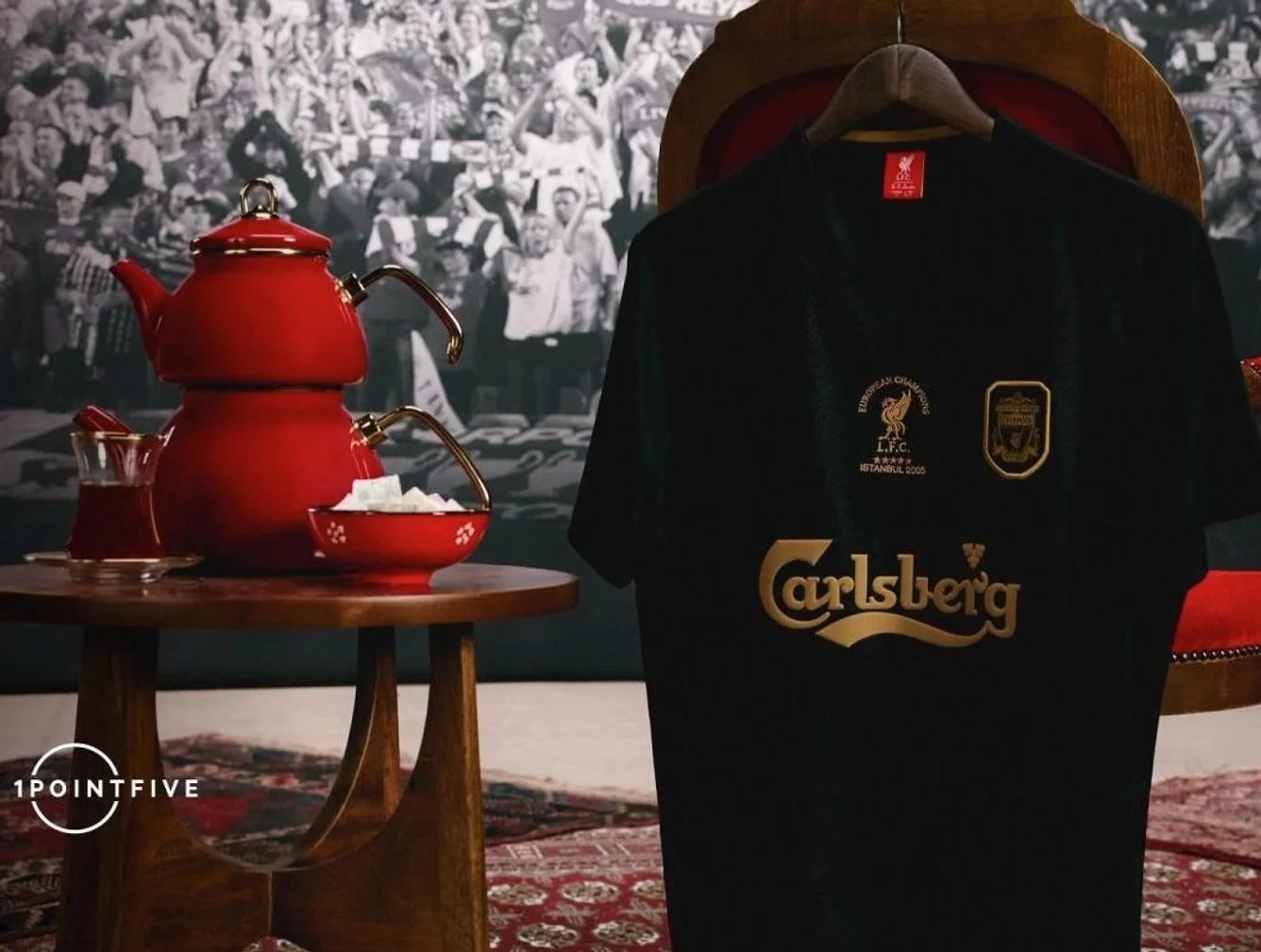
Courtesy: Sustainability Magazine The Demand Curve for Carbon Removal: The case for carbon removal is scientific, but the market still isn’t. In a recent piece from the World Resources Institute, experts lay out what’s needed to scale demand for durable CDR: clearer government mandates, corporate accountability beyond net-zero pledges, and credible standards that distinguish between temporary offsets and permanent removal. Voluntary markets alone won’t get us to gigaton scale. What’s needed is public procurement, enforceable compliance targets, and recognition that removals are not a substitute for reductions, but a necessary complement. We need climate actors to shift the frame: from offsetting guilt to investing in climate infrastructure.

🔖 good reads from India
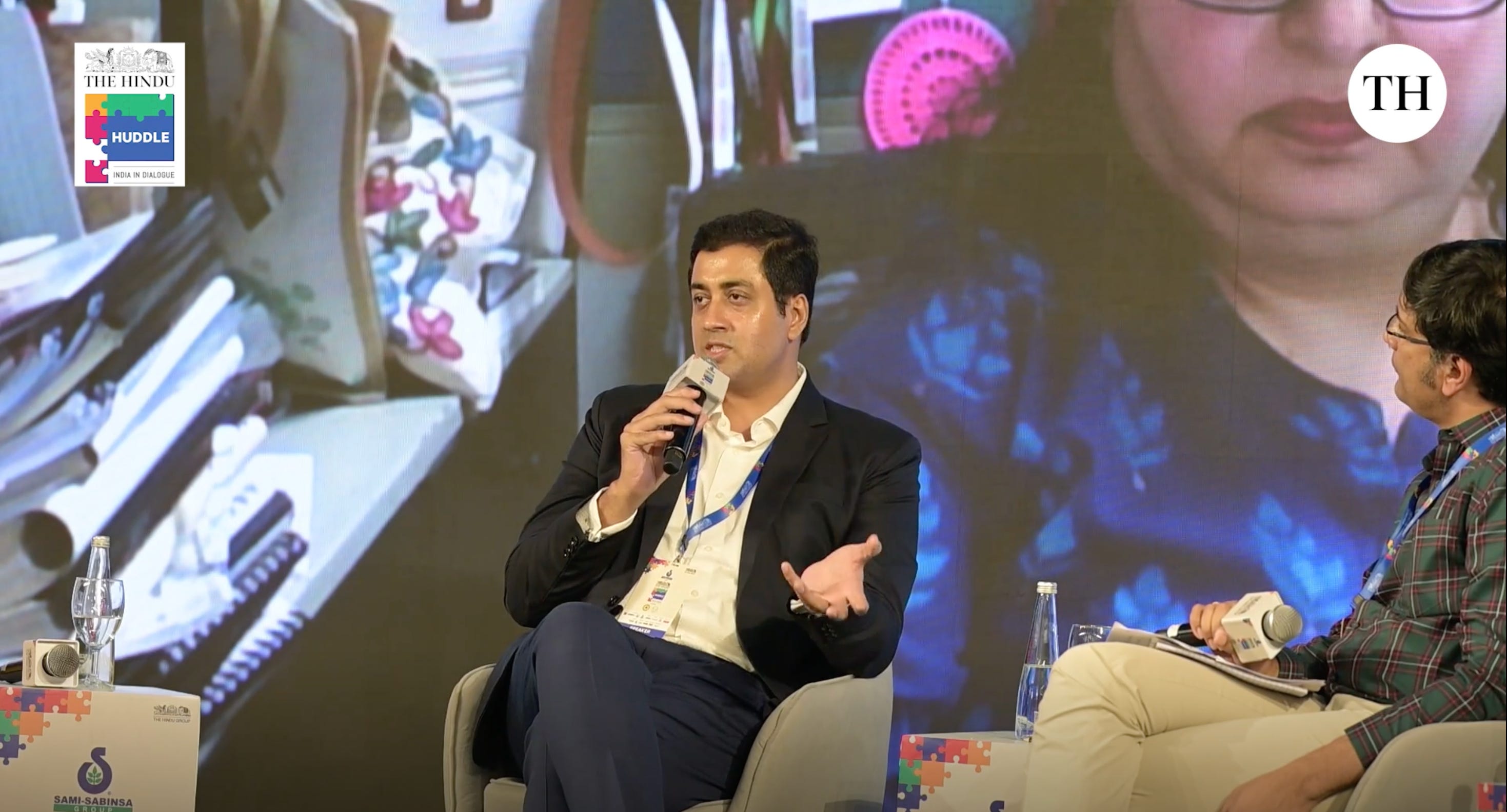
Earlier this month, our Chief Scientist, Dr. Sambuddha Misra was invited to
The Hindu Huddle, an influential forum dedicated to critical conversations shaping our future. This session delved deep into innovative strategies for addressing the climate crisis, highlighting practical solutions and the pivotal role technology and scientific innovation play in carbon dioxide removal. Dr. Misra spoke about how we are pushing the ocean to absorb more CO2. Read more about this here.
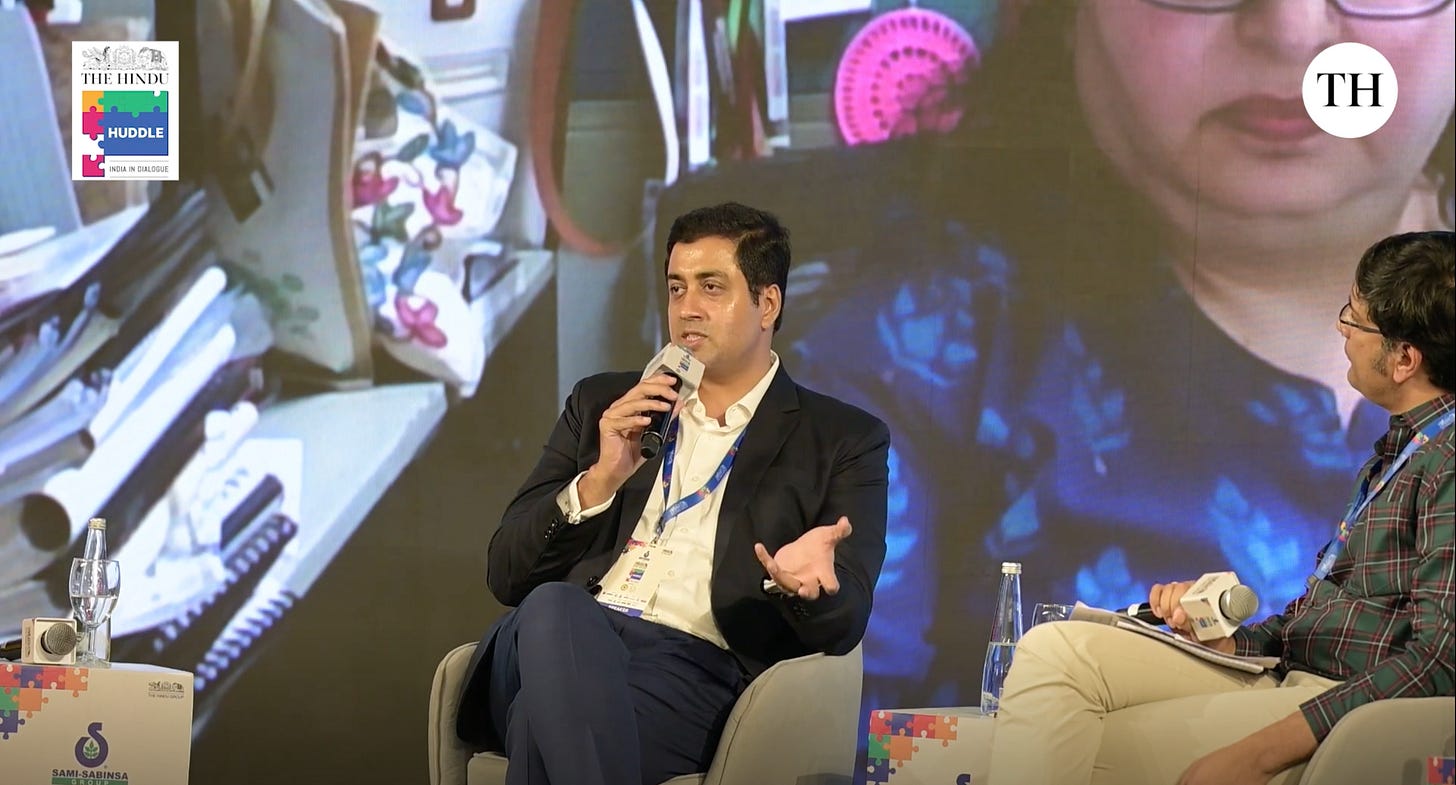
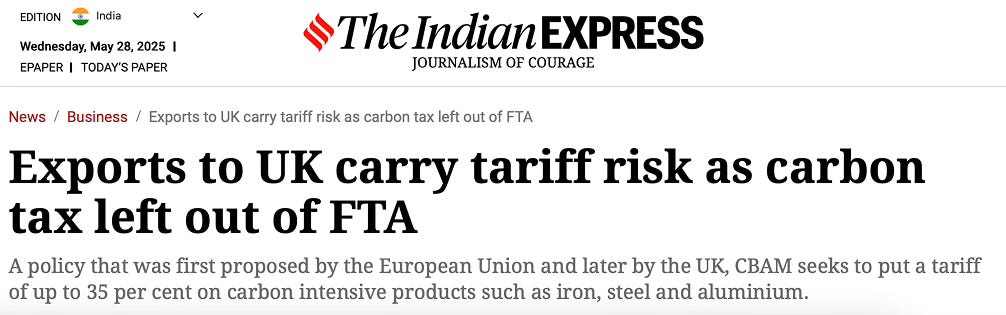
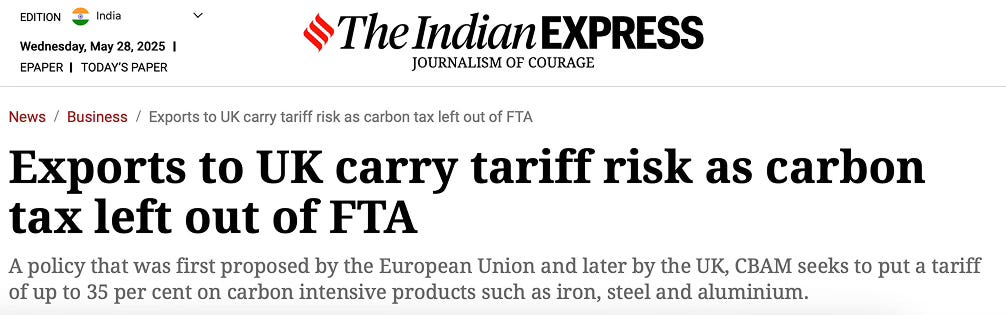
Dr. Sambuddha Misra at The Hindu Huddle 2025. (Courtesy: The Hindu) Despite finalizing a long-awaited Free Trade Agreement with the UK, Indian exporters of carbon-intensive goods like steel and aluminium face looming tariffs of up to 35% under the UK's upcoming Carbon Border Adjustment Mechanism (CBAM), set to roll out in 2027. The FTA, which allows 99% of Indian exports duty-free access, notably excludes CBAM, leaving $775 million worth of goods exposed. India had sought carve-outs for MSMEs and proposed a rebalancing mechanism, but both were denied. Experts warn of a serious asymmetry: while UK goods enjoy free entry into India, Indian exports may soon face steep climate-linked taxes.
📖 what we are reading:
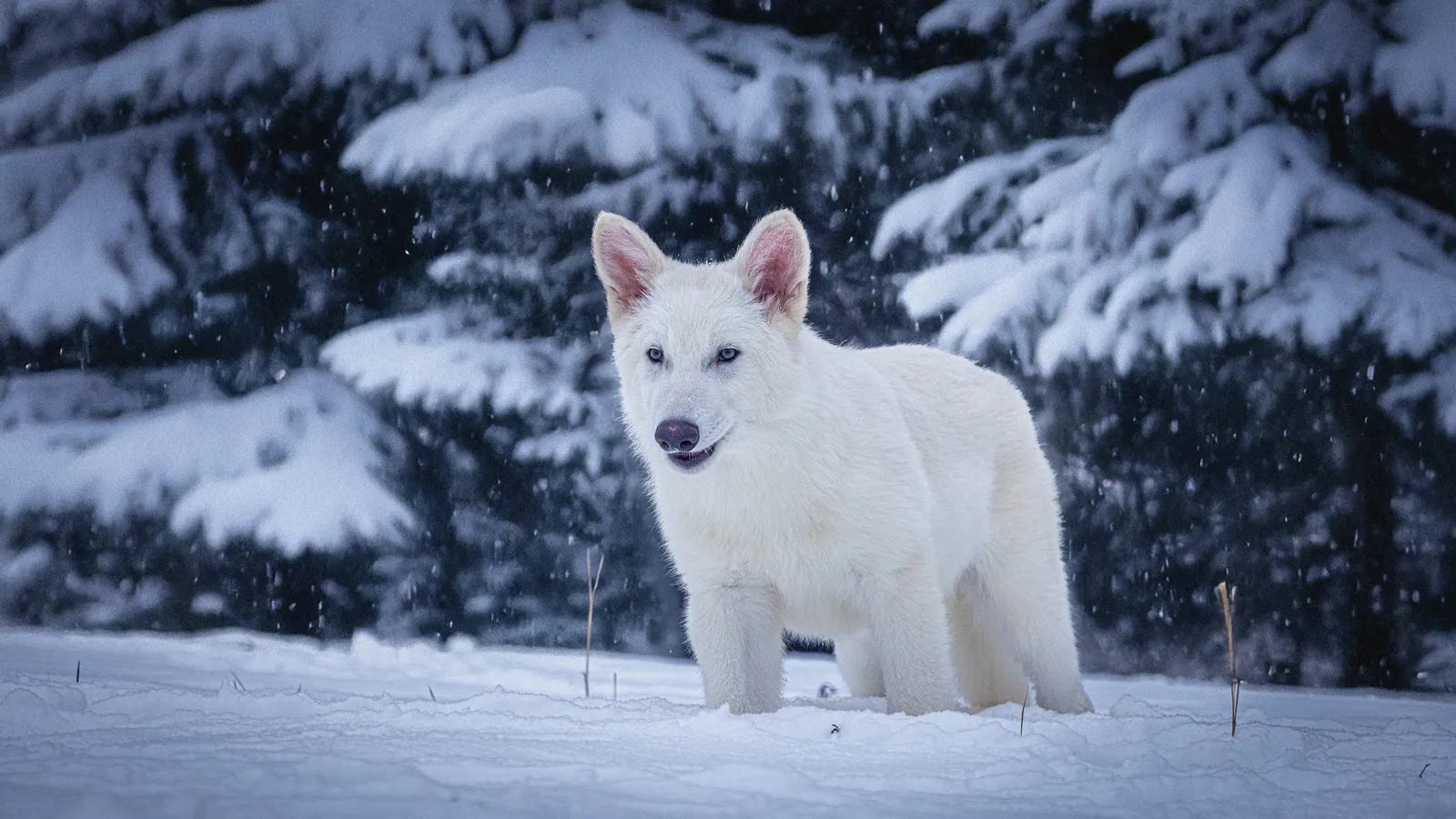
The Return of the Dire Wolf: Long presumed extinct and long misclassified, the dire wolf is emerging from both the fossil record and our cultural imagination in a new light. Recent breakthroughs in ancient DNA analysis reveal that the dire wolf was not a grey wolf’s oversized cousin, as once believed, but an evolutionary loner, so genetically distant it could not interbreed with other canids. First appearing in North America around 250,000 years ago, it thrived alongside saber-toothed cats and mammoths before vanishing at the end of the last Ice Age. Its dramatic reclassification challenges long-held assumptions about species, survival, and what extinction actually erases. In revisiting the dire wolf, scientists are not resurrecting a beast but unearthing a stranger story, one where the past keeps rewriting itself.
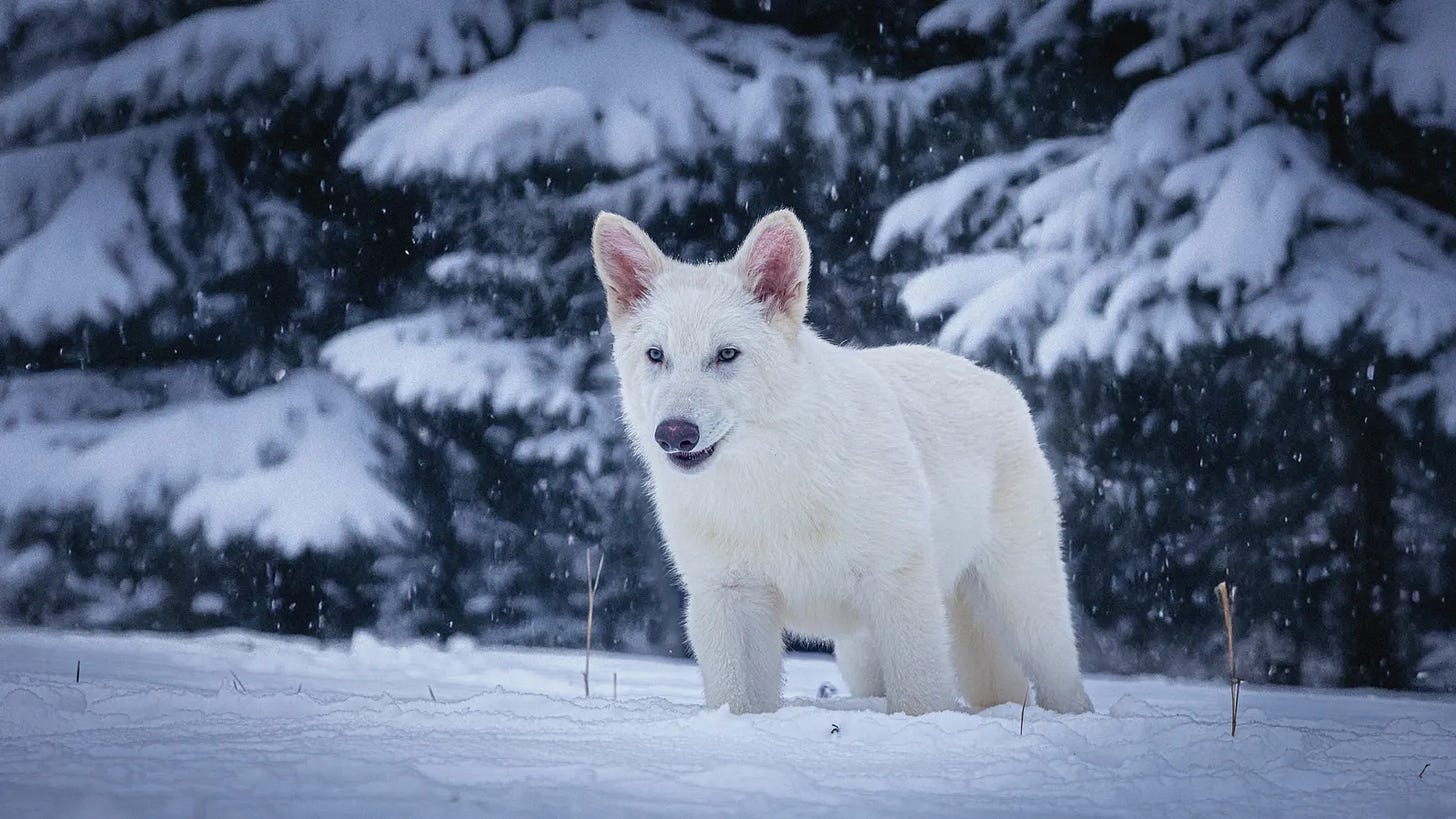
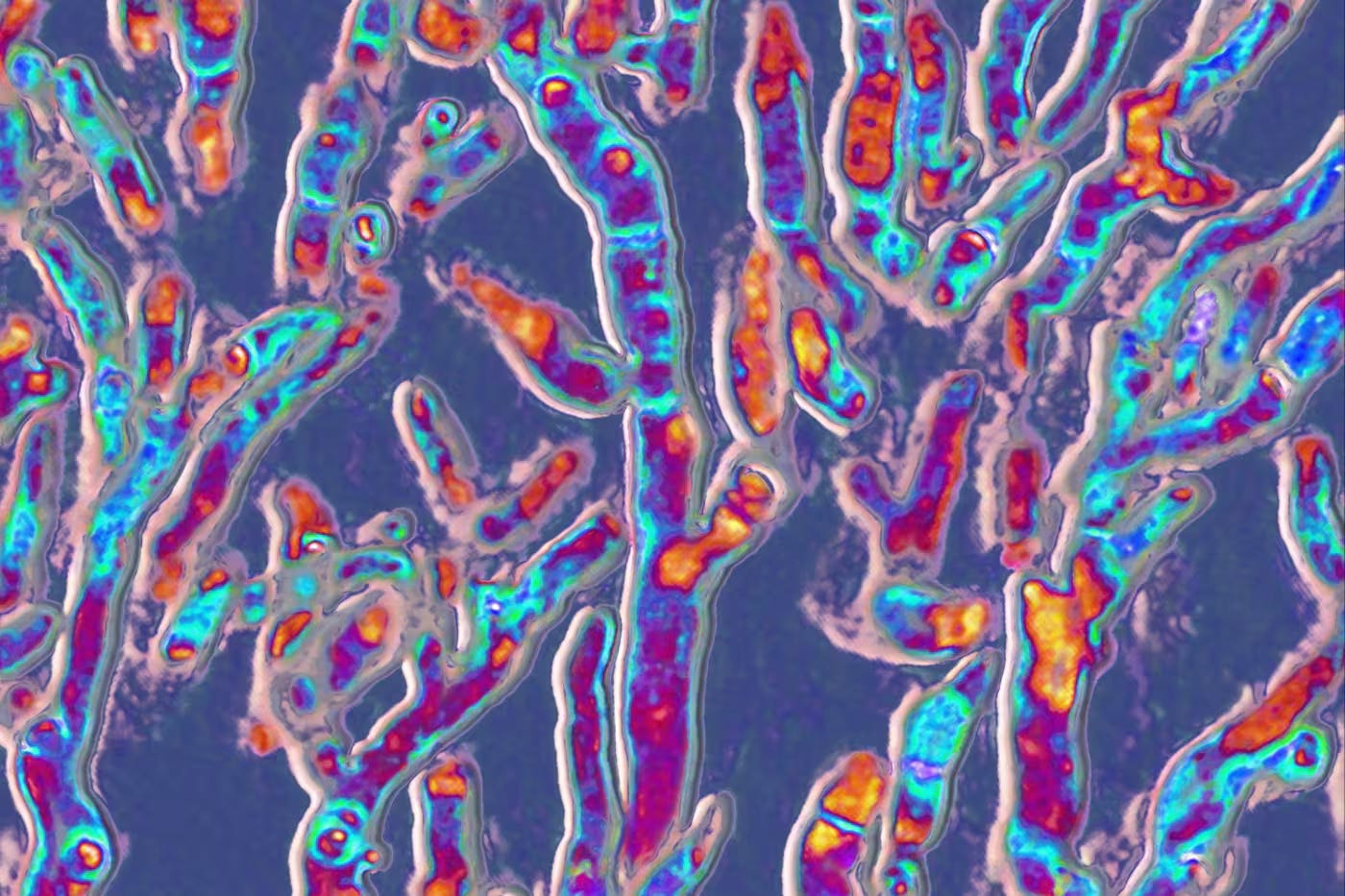
Photograph courtesy: Colossal Biosciences Fungi on the Frontlines of Climate Risk: As the planet warms, fungal pathogens are emerging as an overlooked and potentially devastating threat. New research shows that Aspergillus fumigatus, a lung-infecting fungus already linked to millions of deaths annually, could expand its range by 77% by 2100 under high-emission scenarios, exposing millions more to risk. Once confined to compost and soil, species like A. fumigatus and A. flavus are evolving to survive in human body temperatures, aided by rising global heat. As mycology struggles for funding and 90% of fungal species remain scientifically undocumented, the fungal frontier may become one of the most unpredictable battlegrounds of climate change.
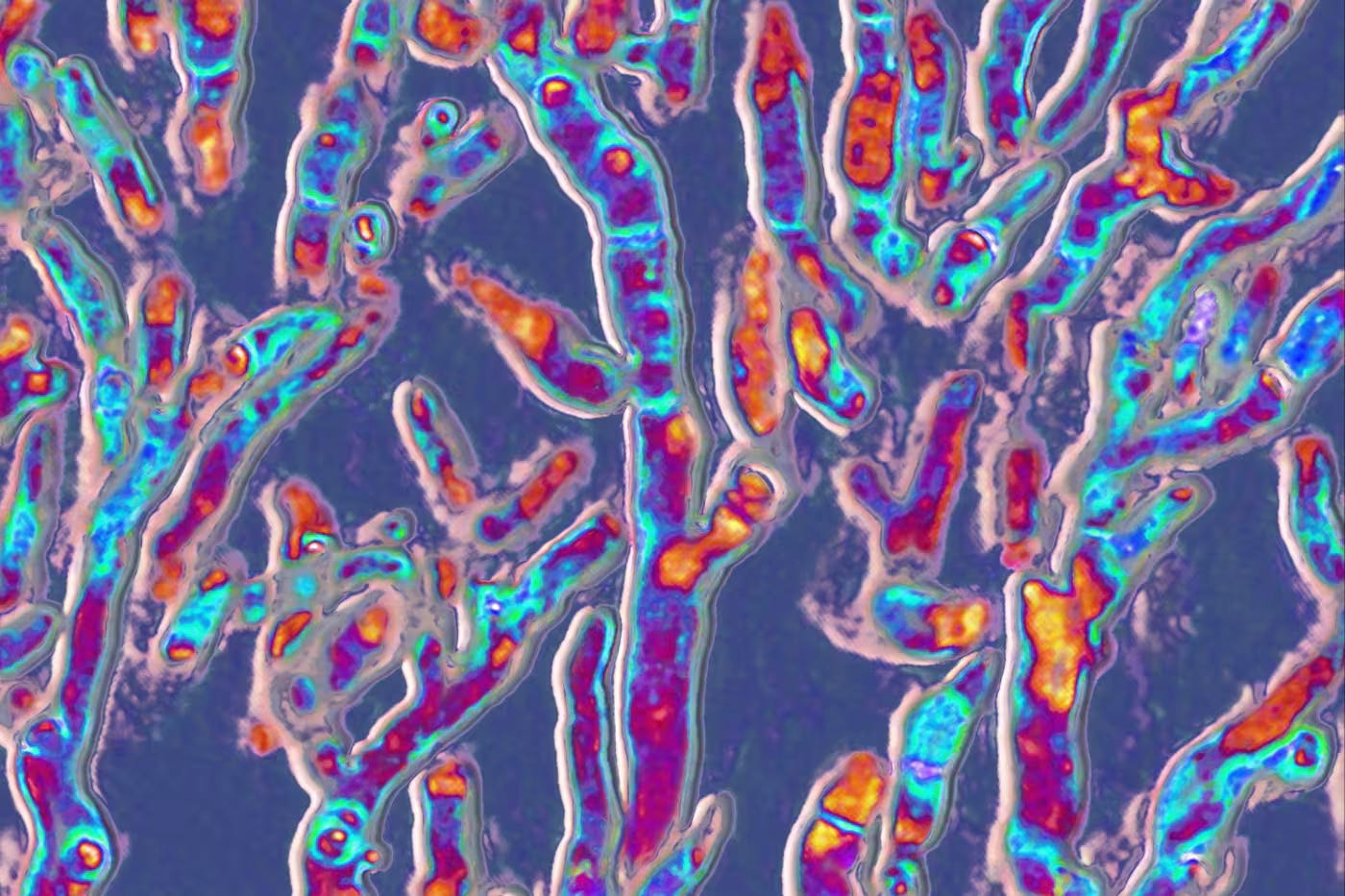
The Aspergillus fumigatus pathogen seen under a microscope © BSIP/Universal Images Group/Getty Images
🌱 hope in the time of climate change
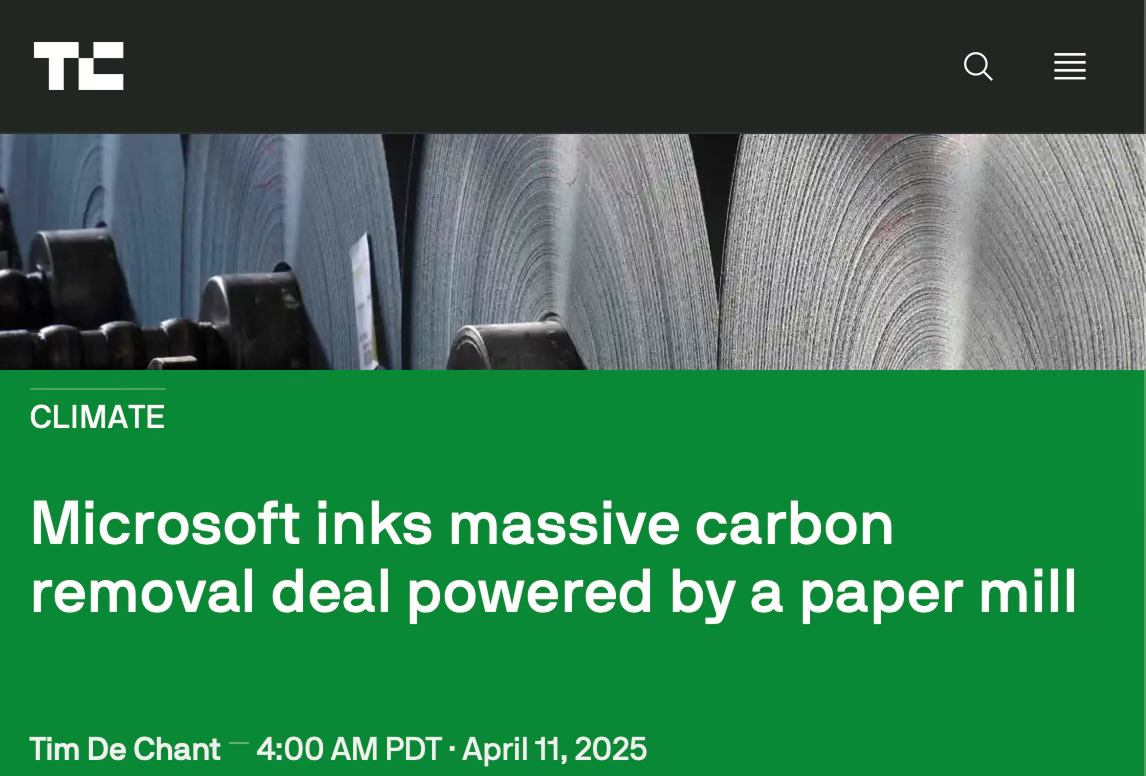
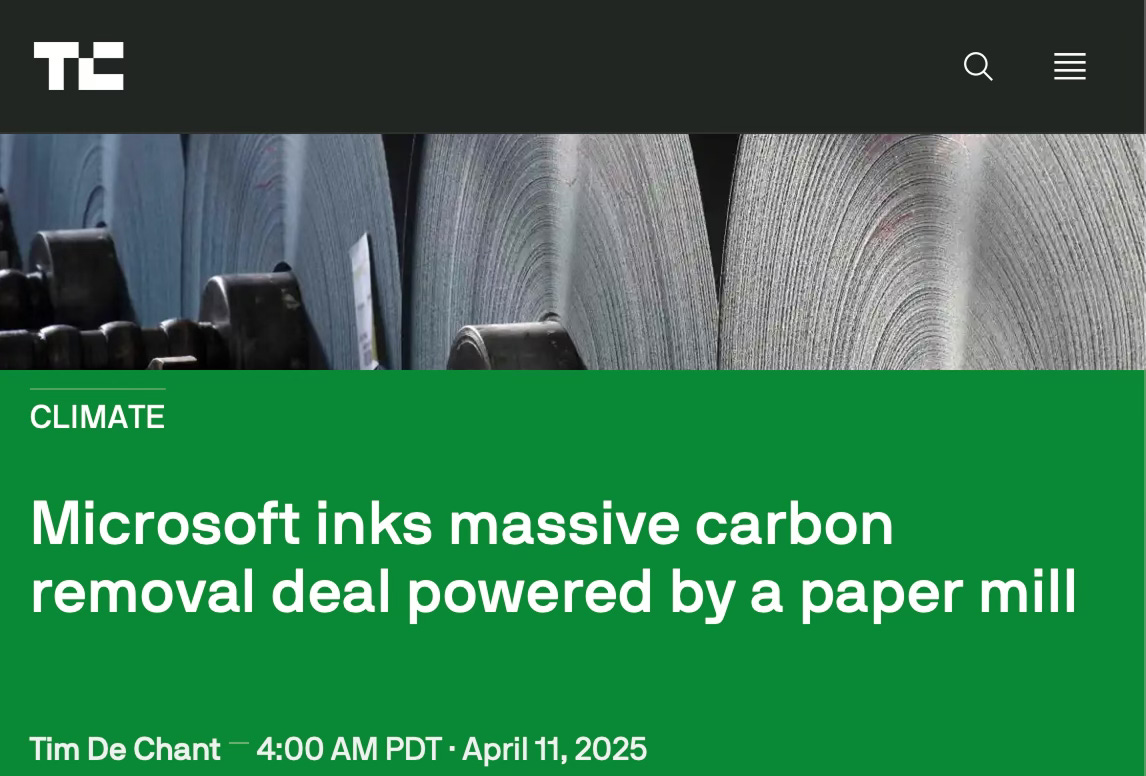
The World’s Top Carbon Buyer Is Thinking in Gigatons: In just the past month, Microsoft has significantly deepened its position as the world’s leading buyer of carbon removal, signing a series of landmark offtake deals that span the most promising engineered and nature-based solutions. It committed to 6.75 million tonnes over 15 years from the AtmosClear BECCS facility in Louisiana, its largest single-facility agreement to date; and signed with CO280 for 3.685 million tonnes from carbon capture at a U.S. pulp and paper mill. It also backed Terradot with a 12,000-tonnes enhanced rock weathering deal and expanded its BECCS-based partnership with Stockholm Exergi to a total of 5.08 million tonnes. In parallel, Microsoft announced a 5-year offtake with Carba for 44,000 tonnes of removal via biomass pyrolysis. Microsoft is truly building a gigaton portfolio.
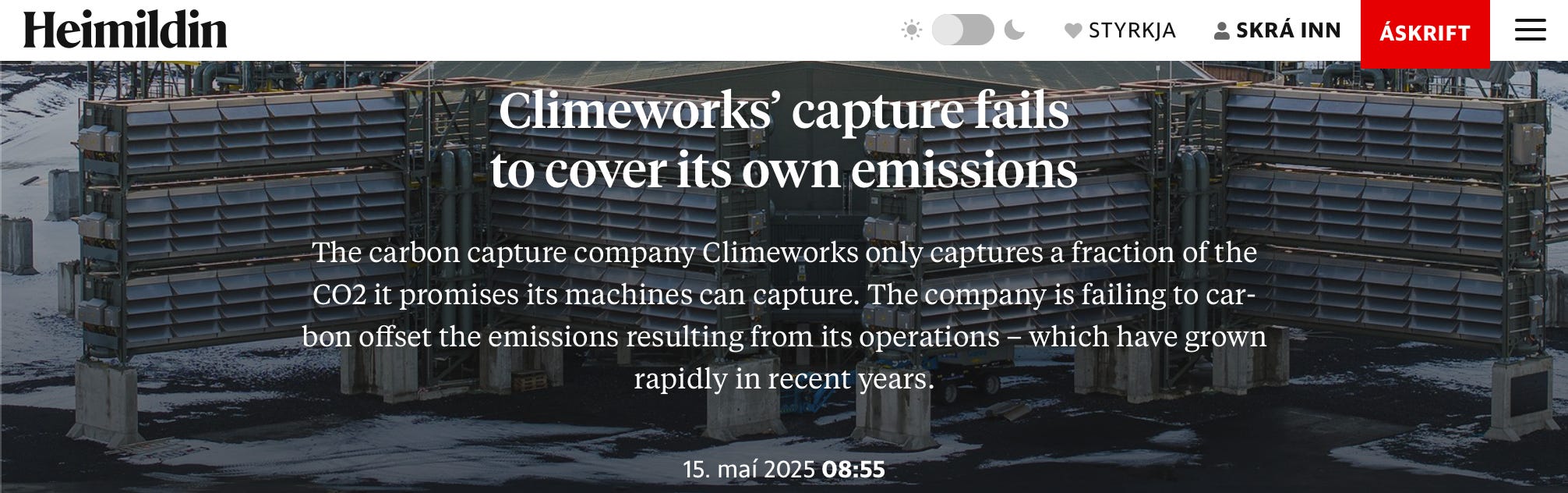
Climeworks in the Cross-Hairs: Heimildin recently accused Climeworks’ Orca and Mammoth plants of capturing “only a fraction” of their advertised capacity and emitting more CO₂ than they remove, portraying the enterprise as technologically faltering and financially tenuous. Hours later, climate scientist Cyril Brunner issued a point-by-point rebuttal, emphasising that Heimildin confused aspirational targets with guarantees, mis-mixed heat and electricity figures, and overlooked the firm’s openly published life-cycle accounting and advance-purchase model that finances scale-up.
And, as Bloomberg’s Akshat Rathi notes in his recent interview with co-CEO Jan Wurzbacher, even while trimming 10% of its workforce amid policy headwinds, Climeworks remains the best-funded pioneer in direct-air capture, still expanding the world’s largest DAC modules and anchoring a technology for gigaton scale removals later this century.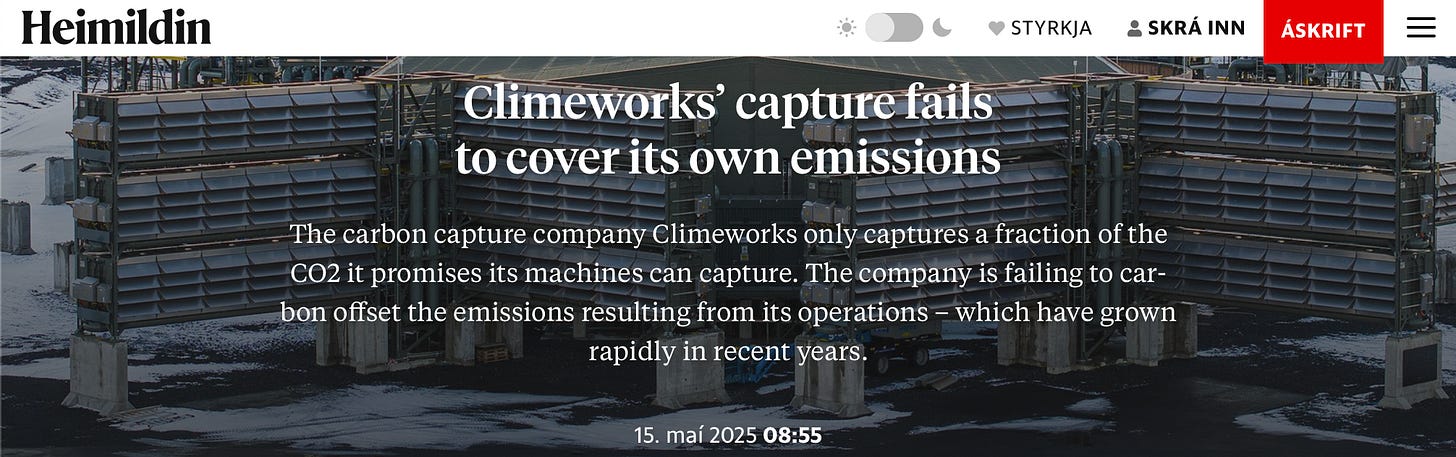
That’s a wrap from me. ✌️
I have a plan to revive Tesla’s sales. Should work?
Hit me up at: sparsh@alt-carbon.com
Thanks for reading Alt Carbon's Substack! Subscribe for free to receive new posts and support my work.
Comments
Nothing yet. Say the first thing.
Sign in to join the conversation.