
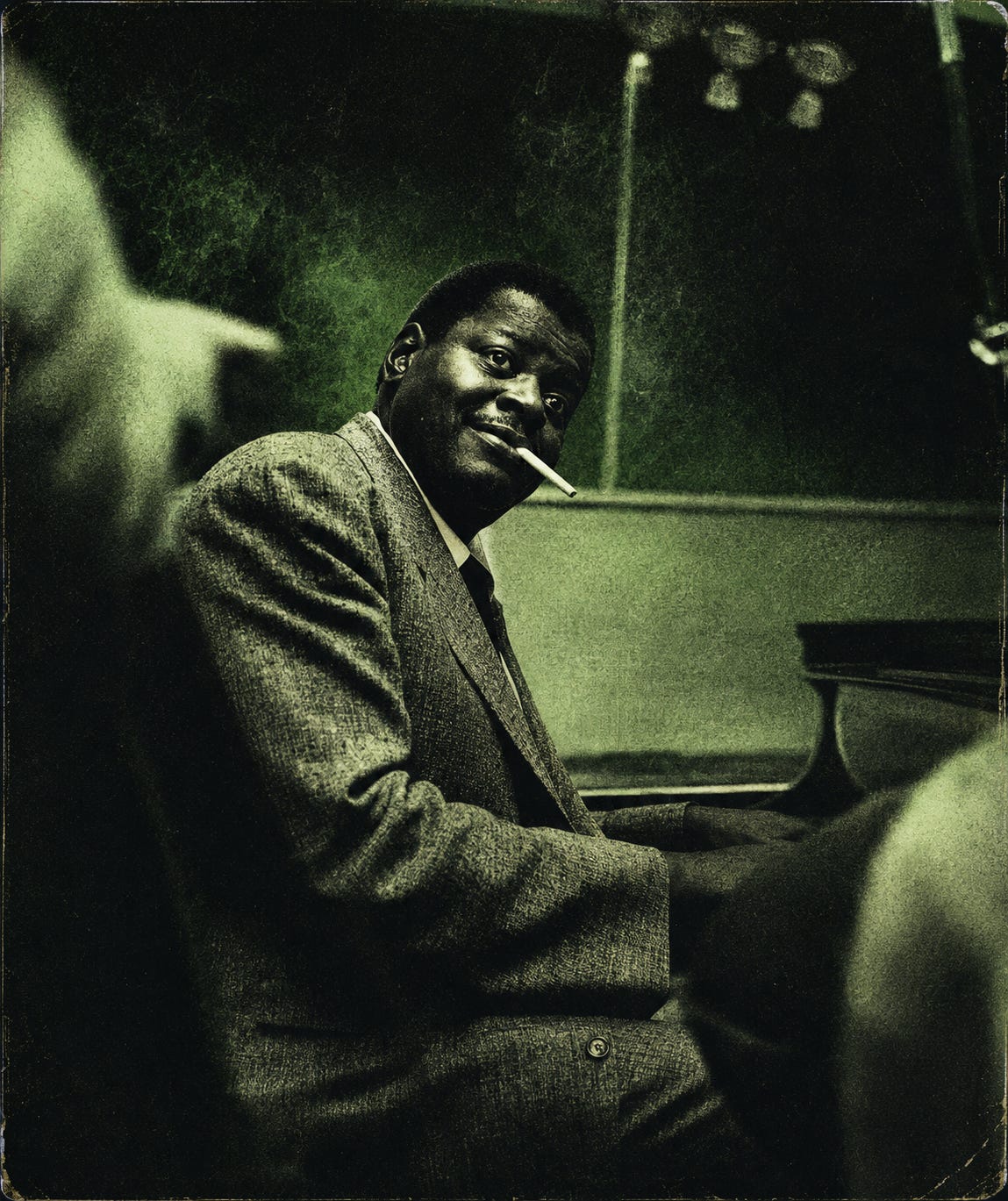
Oscar Peterson and Mal Waldron were born less than 24 hours apart in August 1925: Peterson on the 15th, Waldron on the 16th. Four years later, Bill Evans arrived on Waldron’s birthday. They shared an instrument and, for much of their careers, an era, but they pursued radically different approaches to what a piano could do in jazz. Heard side by side, their work is a reminder that greatness can be achieved through multiple avenues as long as discipline, a fully realized point of view, and fidelity to one’s craft remain central.
Peterson came from Montreal and developed within a musical household that recognized his talent early. Classical training gave him formidable technique, while Art Tatum, Teddy Wilson, and Nat King Cole informed his understanding of blues, boogie-woogie, and swing. His international breakthrough came in 1949, when Norman Granz brought him to Carnegie Hall as part of Jazz at the Philharmonic.
Peterson quickly established himself as one of the most celebrated pianists in the world. His playing was built around abundance. Peterson could play at any pace or level of harmonic density without sacrificing his sense of swing. The trios he led placed that virtuosity within disciplined ensembles where the blues and rhythmic precision anchored the music.
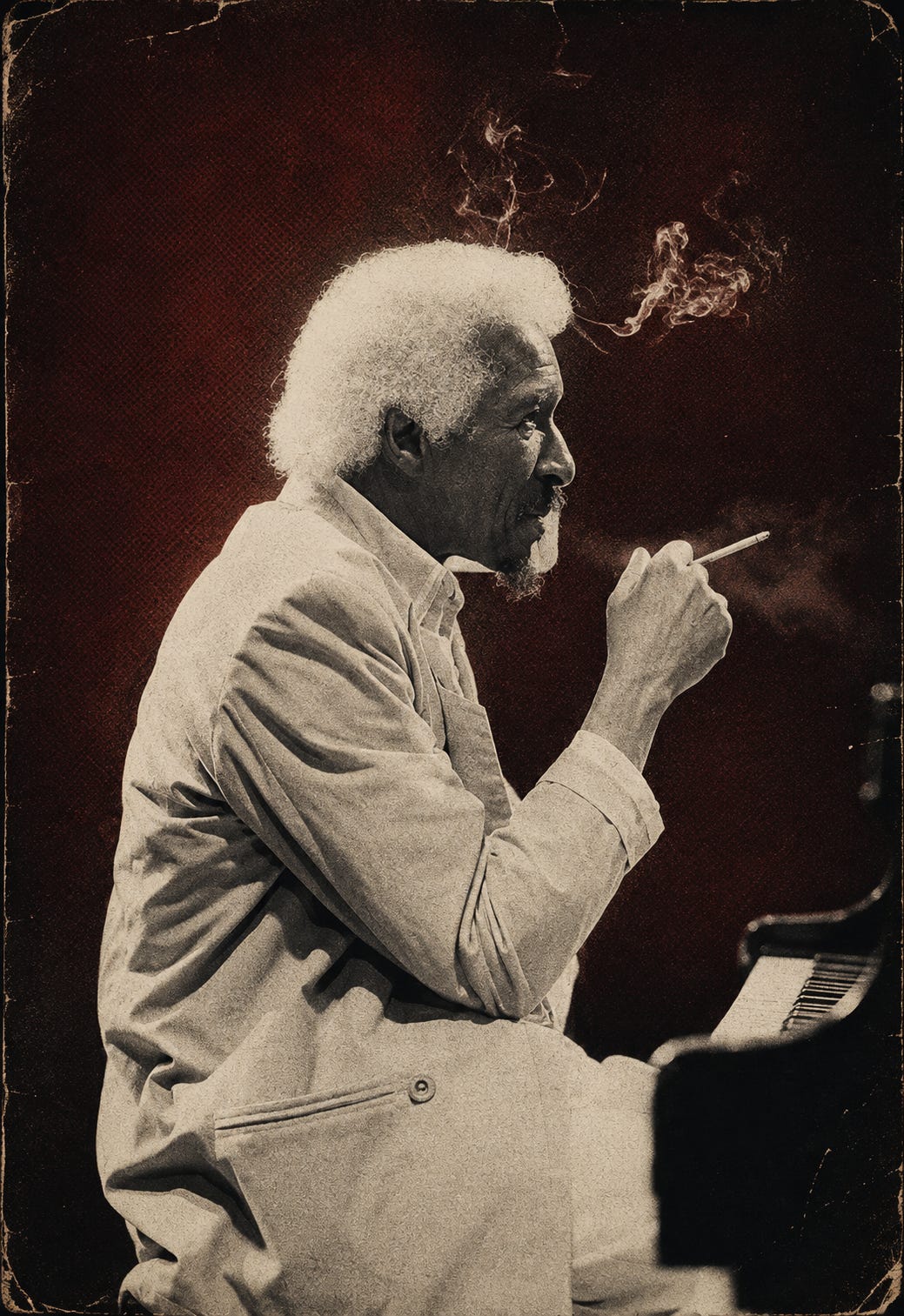
Waldron, born in New York City, developed almost the opposite relationship with the piano. Classical study preceded his immersion in jazz, which intensified after hearing Charlie Parker. By the 1950s, he had become a fixture around Prestige Records, moving fluidly between the roles of pianist, composer, and arranger.
That versatility showed in the range of musicians who sought him out. He supplied Charles Mingus, Jackie McLean, John Coltrane, Eric Dolphy, Max Roach, and others with the rhythmic foundations they needed to comfortably execute their artistic visions. His years accompanying Billie Holiday near the end of her life revealed one of his greatest strengths: his understanding of space.
Where Peterson made the piano feel enormous, Waldron made it feel patient and unyielding. His style built intensity through restraint. Repeated figures, dark voicings, dissonance held just past comfort, and deliberate silences allowed him to utilize space in unique ways. That language only deepened after he moved to Europe in the 1960s, where decades of adventurous work, including his long partnership with Steve Lacy, gave him room to push it further.
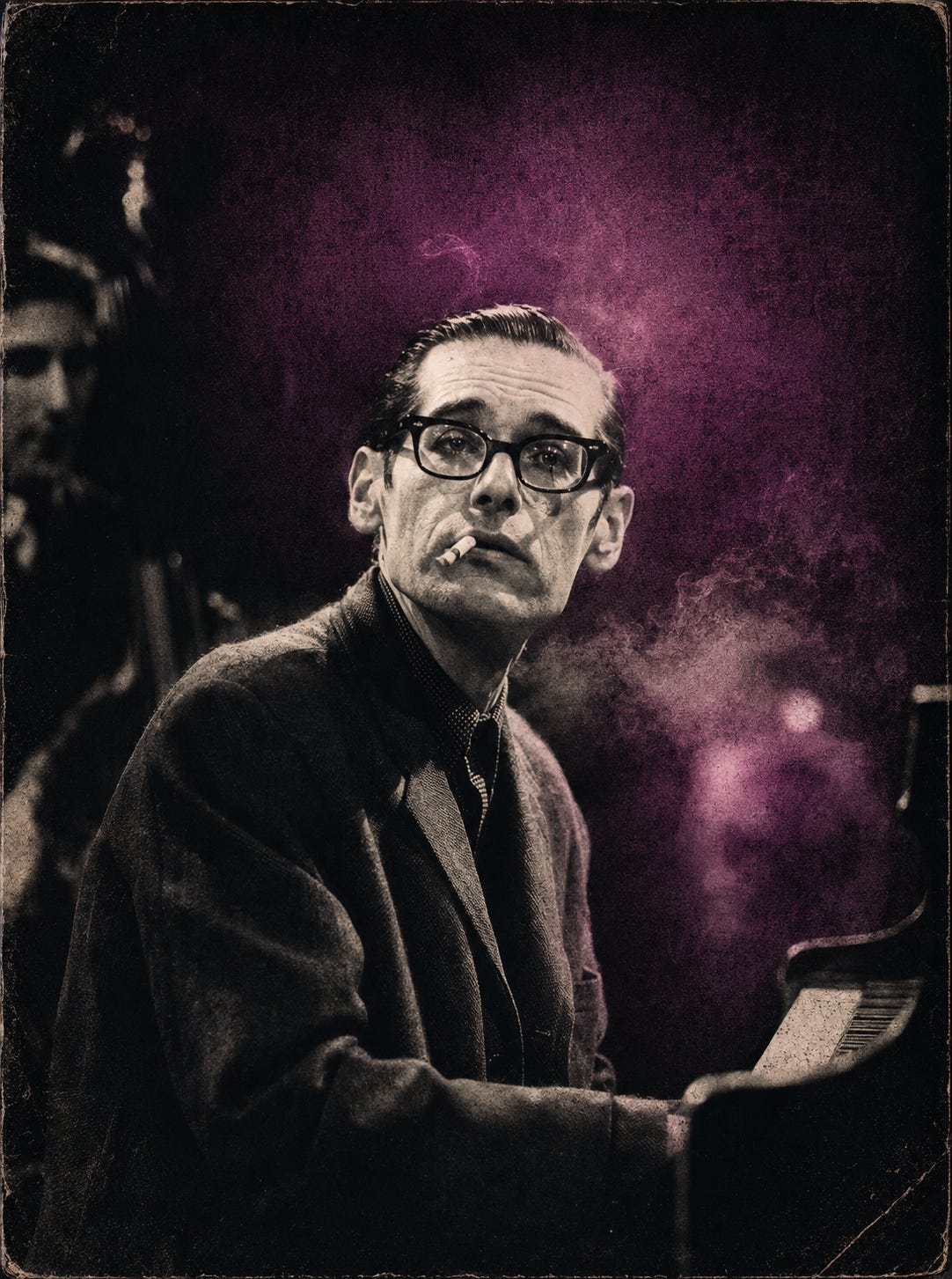
Bill Evans approached the instrument from another direction. Raised in New Jersey and extensively trained in classical music, Evans absorbed the harmonic influences of composers such as Debussy and Ravel into his approach to jazz. His touch was delicate without lacking rhythmic authority, and his voicings expanded the harmonic vocabulary available to generations of pianists who followed him.
His brief tenure with Miles Davis made him central to one of jazz’s defining moments. Evans contributed to the musical environment surrounding Kind of Blue, but his most lasting innovations emerged through his own trio. With Scott LaFaro and Paul Motian, he developed an approach in which piano, bass, and drums interacted with unusual independence. The rhythm section became an ongoing conversation, with each musician free to respond, interrupt, support, or redirect the others.
The contrast among the three is what makes their shared birthday window so interesting. Peterson possessed extraordinary command and could make the piano sound orchestral. Waldron reduced ideas to their emotional core and discovered how much tension could exist within repetition and space. Evans pursued harmonic fluidity and ensemble interaction with a sensitivity that permanently altered the modern piano trio.
Their careers also moved through much of the same jazz world. All three accompanied major soloists and vocalists, led influential groups, interpreted standards, composed original music, and navigated an era in which bebop had dramatically expanded the technical and harmonic expectations placed on pianists. Their greatness came from deciding what to do with those possibilities once they inherited them.
Taken together, their careers offer a useful reminder of how jazz actually evolves. A musical tradition becomes richer when distinctive artists absorb a shared vocabulary and discover different things to say with it. Oscar Peterson, Mal Waldron, and Bill Evans reached greatness without needing to resemble one another, and the distance between their approaches tells us as much about the possibilities of jazz as a language as their individual brilliance.
-All Things Jazz-
No posts
Comments
Nothing yet. Say the first thing.
Sign in to join the conversation.