
Happy posthumous birthday to the legendary Ike Quebec and Duke Pearson!
Ike Quebec and Duke Pearson were born fourteen years apart on the same day, August 17. Their careers followed different paths, but they eventually occupied the same critical position within Blue Note Records. Both were accomplished musicians who also worked behind the scenes, helping decide who recorded, which sessions came together, and, ultimately, what one of jazz’s most important labels sounded like.
Quebec came first. Born in Newark, New Jersey, in 1918, Quebec was initially an accomplished dancer before becoming a pianist and eventually settling on tenor saxophone in the early 1940s. His influences included Coleman Hawkins and Ben Webster, and he developed the expansive, breathy tone that would become his signature. Early work with Hot Lips Page, Roy Eldridge, Ella Fitzgerald, Benny Carter, Coleman Hawkins, and Cab Calloway positioned him among some of the most important musicians of the swing era.
His relationship with Blue Note began in the mid 1940s, when the label was still establishing its identity. Quebec became one of its early stars through records such as “Blue Harlem” and “If I Had You,” reaching an audience beyond jazz musicians through heavy rotation on radio and jukeboxes. His importance to the label soon extended beyond his own recordings.
Blue Note co-founder Alfred Lion trusted Quebec’s ear, and Quebec became a talent scout, adviser, and informal A&R man. He played a significant role in bringing Dexter Gordon, Thelonious Monk, and Bud Powell into the Blue Note fold, helping the label move from its early focus on traditional jazz and swing toward the emerging language of modern jazz that was shifting the landscape in the mid to late 1950s.
Quebec’s career was eventually disrupted by heroin addiction and the legal problems that followed. After serving time at Rikers Island on drug convictions, he returned to Blue Note in 1959, paving the way for a remarkable second act. Blue Note initially brought him back for a series of jukebox-oriented 45s, but Quebec soon returned to recording full albums and resumed his work behind the scenes. His albums Heavy Soul, It Might as Well Be Spring, Blue & Sentimental, Easy Living, and Soul Samba displayed the warm, swaggering sound that made him a star in Blue Note’s formative years. His death from lung cancer in 1963, at only 44, ended his resurgence just as it had gathered momentum. It also created an opening at Blue Note that would soon be filled by another musician born on August 17….
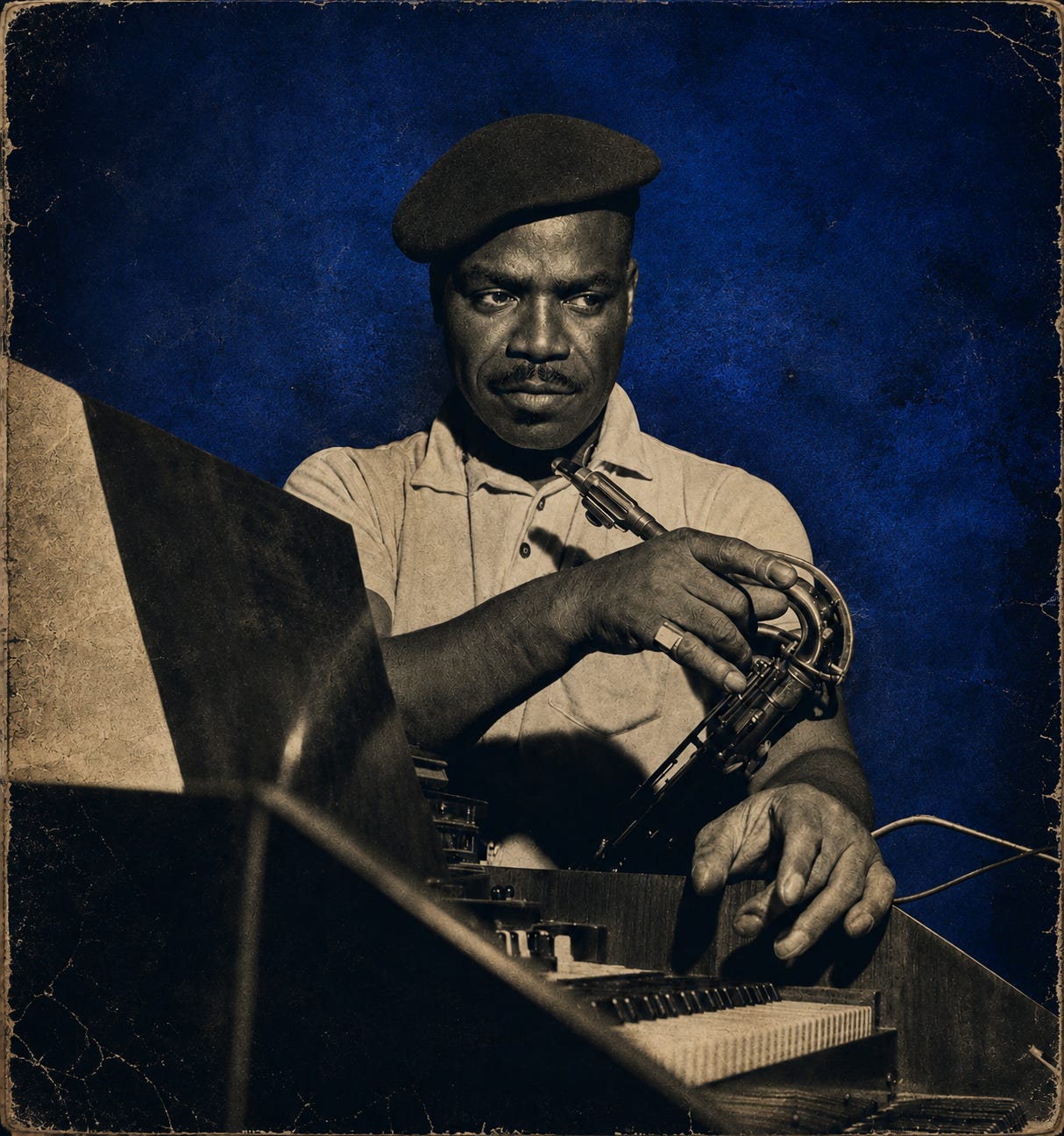
Columbus Calvin Pearson Jr. was born in Atlanta in 1932 and received the nickname “Duke” from his uncle. Like Quebec, he arrived at his primary instrument indirectly. Pearson learned piano, trumpet, and alto saxophone while growing up, but the trumpet became his early passion. He continued playing it while attending Clark College, now Clark Atlanta University, and in local groups before entering the Army.
Military service proved to be a turning point in his musical evolution. Pearson met Wynton Kelly and played in a traveling Army band, and Kelly’s example helped renew his interest in the piano. Dental problems also complicated his ability to play the trumpet, making the transition easier to navigate.
By the time Duke Pearson moved to New York in January 1959, he had already spent years honing his craft on bandstands across Georgia and Florida. Donald Byrd quickly recognized Pearson’s talents, and the two developed a close musical relationship that led Pearson to join the newly formed Donald Byrd–Pepper Adams Quintet. Illness eventually cost him that position in 1961, when the group was forced to bring in a young substitute named Herbie Hancock, who impressed the band enough on a Milwaukee run to be voted in permanently. Yet Pearson’s relationship with Byrd endured, and it became one of the foundations on which he built his standing at Blue Note.
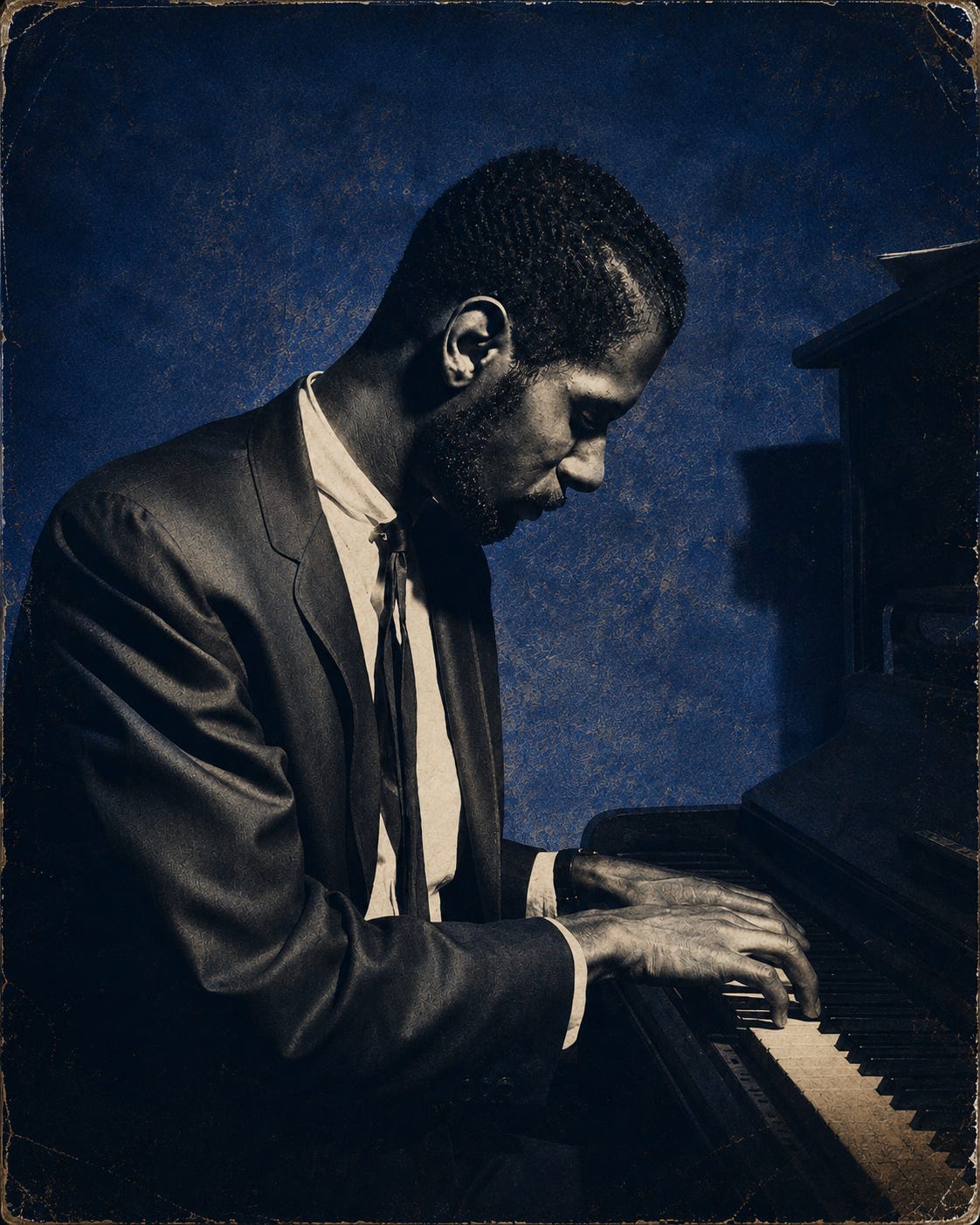
Pearson was supremely valuable because he could contribute almost anywhere. He was a pianist, composer, arranger, bandleader, and eventually producer. Albums such as Tender Feelin’s, Profile, Wahoo!, Sweet Honey Bee, The Right Touch, and The Phantom demonstrated the range of his own musical ideas, while compositions including “Jeannine,” “Cristo Redentor,” “Idle Moments,” and “Sweet Honey Bee” became some of his most enduring contributions to the jazz songbook.
That partnership with Byrd deepened over the years, extending well past their shared time on the bandstand. Pearson’s writing and arranging became central to several of Byrd’s most ambitious projects, and Blue Note respected the relationship enough to allow him to remain on the label’s roster even while co-leading a big band with Byrd for Atlantic Records.
After Quebec’s death, Pearson moved into Blue Note’s A&R role and became one of the people responsible for guiding the label through the 1960s. His work with Byrd, Grant Green, Bobby Hutcherson, Stanley Turrentine, Lee Morgan, and others further transformed Blue Note into the modern standard-bearer for jazz record labels. He could organize personnel, arrange music, produce sessions, and sit down at the piano when needed. Pearson understood how to balance both the business and artistic standards of Blue Note.
By the beginning of the 1970s, that world was changing. Blue Note had been sold to Liberty Records, Alfred Lion had departed, and personnel changes gradually altered the culture Pearson had inherited from Quebec and built upon. He left the label in the early ’70s and eventually returned to Atlanta, where he taught at Clark College. He died in 1980 at only 47.
Quebec and Pearson share more than a birthday and work experience. They essentially served as bookends to the development of the Blue Note sound during the label’s formative years. Quebec was the label’s earliest set of ears, the man whose relationships and instincts pulled Monk, Powell, and Gordon through Blue Note’s door as the label bent toward bebop and the idioms that grew from it. Pearson carried that same instinct into the label’s next generation, except by his time the job had grown more complicated as jazz took on freer forms and expanded its scope beyond traditional boundaries.
Their own music deserves equal recognition. Quebec possessed one of the most distinctive tenor sounds of his generation, while Pearson left behind an impressive body of work as a pianist, composer, arranger, and bandleader. Their work in A&R was further evidence of the depth of their conceptual understanding of music and the many ways it could be interpreted.
They understood that a label’s identity went beyond marketing and chasing hit records. It was about culture, credibility, and balancing past, present, and future in a way that could honor a cohesive sound and standard of quality. Their own recordings still hold up as some of the era’s finest, but their fuller legacy runs through every musician they ushered into the room and every session that might never have happened without their judgment. Blue Note’s sound was never just a house style; it was the product of people who knew exactly what the label needed to remain true to itself.
-All Things Jazz-
No posts
Comments
Nothing yet. Say the first thing.
Sign in to join the conversation.