

Whatnot Raised $545 Million valued at $20 Billion
Poshmark Acquired the Operational Facilities of Linda’s Stuff
PATINA is Turning EU’s Ecodesign for Sustainable Products Regulation (ESPR) Into a Growth Opportunity for Brands
Oxfam Launch UK-first Charity-Owned Clothing Rental Service
Tote Closes Doors
By Ian Thomas
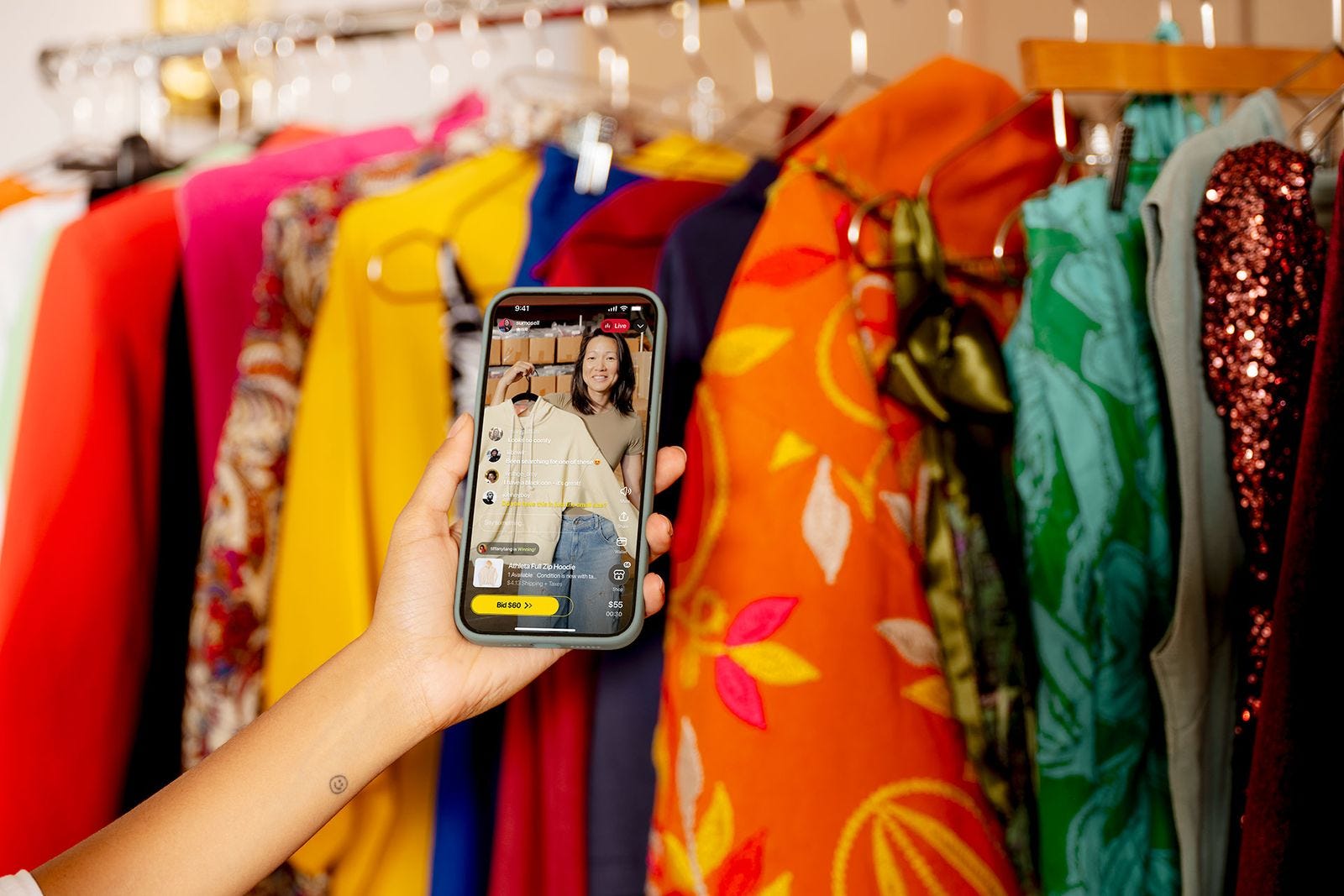
Building on the growing popularity of livestreamed shopping, startup market Whatnot said on Friday that it has closed its latest round of funding at a $20 billion valuation, nearly doubling its valuation from less than a year ago.
Whatnot, which said that it has more than 650,000 new people joining its platform each week, said in a release that it had already passed the $8 billion in gross merchandise volume it saw last year. Buyers have also more than doubled over the past year.
With the funding from this latest round, a $545 million Series G led by Iconiq, Lightspeed and Avra, the company plans to invest in ways for sellers to grow on the platform, according to Grant LaFontaine, co-founder and CEO of Whatnot.
“This investment allows us to build better tools, bring AI to more parts of the selling experience, help sellers reach more buyers, expand into new markets, and continue building the world’s biggest and most trusted marketplace,” LaFontaine said in the statement.
Whatnot, which ranked No. 8 on this year’s CNBC Disruptor 50 list, raised a $225 million Series F round led by DST Global and CapitalG in October 2025, valuing it at $11.5 billion. In January 2025, it raised $265 million in a Series E round, valuing it at nearly $5 billion. The company has raised approximately $1.5 billion since its founding in 2019.
By Chris Sirois
On August 3, Poshmark announced it is sunsetting its current consignment program and replacing it with what it calls consignment as a service. To run it, the company acquired the operational facilities of Linda’s Stuff, a long-running high-end resale consignor. Those buildings get repurposed for Poshmark sellers as Linda’s Stuff winds down its own legacy inventory. Poshmark’s stated reason is that high-value fashion needs physical infrastructure that a digital-only program cannot provide: expert authentication, white-glove intake, high-security handling, and dedicated fulfillment. The announcement is on the Poshmark blog.
There is no date and no eligibility list yet. Poshmark says access opens gradually as facility capacity allows.
What to do: if you were using the old consignment program, assume it goes away and plan to list those pieces yourself. If you sit on luxury handbags or designer pieces you have never wanted to authenticate and photograph, put them somewhere you can find them and wait for the eligibility details. This is Poshmark trying to keep the high end of the closet from walking to The RealReal, which means the terms it offers early are likely to be the most generous ones it ever offers.
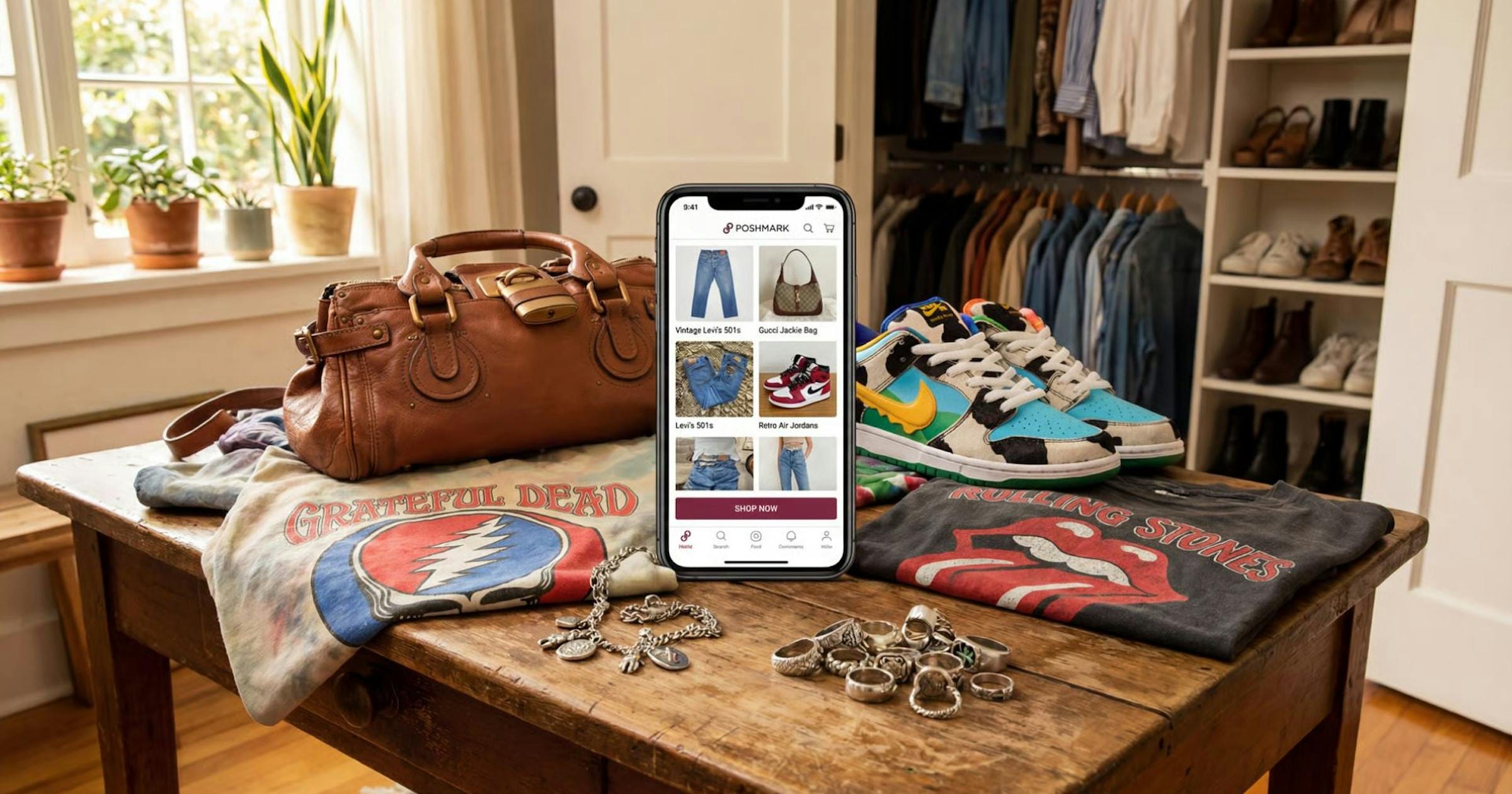
After a decade at the forefront of fashion, technology and cultural innovation, Leanne Elliott Young and Cat Taylor today announce they have launched PATINA: an operating system built to solve one of fashion’s most expensive blind spots, what happens to a product after it’s sold.
Every fashion product soon to be sold into Europe will be legally required to carry a Digital Product Passport under the EU’s Ecodesign for Sustainable Products Regulation (ESPR). Most brands are treating this as a compliance requirement. PATINA starts from a different premise: this is the biggest opportunity the industry has been handed in years to actually fix what happens after a product is sold.
For the first time, product ownership can become a direct, ongoing relationship rather than a completed transaction. The opportunity is not simply to comply with regulation but to redesign the relationship between people, products and the planet.
The moment a product is sold today, the brand that made it loses all visibility of it. There is no data, no relationship, and no way to recapture the value that flows instead into resale platforms, repair shops and counterfeit markets the brand never sees a penny of. Brands spend heavily to acquire a customer, lose them the instant the product leaves the shelf, then spend again trying to win the same person back. Under the EU’s textile Extended Producer Responsibility regulation, brands can no longer burn unsold stock. So instead of making more clothes, they need to push value into the ones they’ve already made. Customer acquisition costs in fashion are rising, while secondhand fashion sales, much of it moving through resale platforms brands don’t operate, reached $55.5 billion in the US alone in 2025 (ThredUp/GlobalData Resale Report).
Consumers experience the same problem from the other side. They own products they can’t easily authenticate, don’t know how to properly care for, don’t know where to go to get repaired, and find reselling too much hassle to bother with.The item loses value faster than it should, pushing people toward replacing rather than repairing, precisely the cycle the industry needs to break, not reinforce.
PATINA is built on the belief that this is not two separate problems. It’s one problem, and the coming regulation is the moment to fix it properly instead of cheaply.
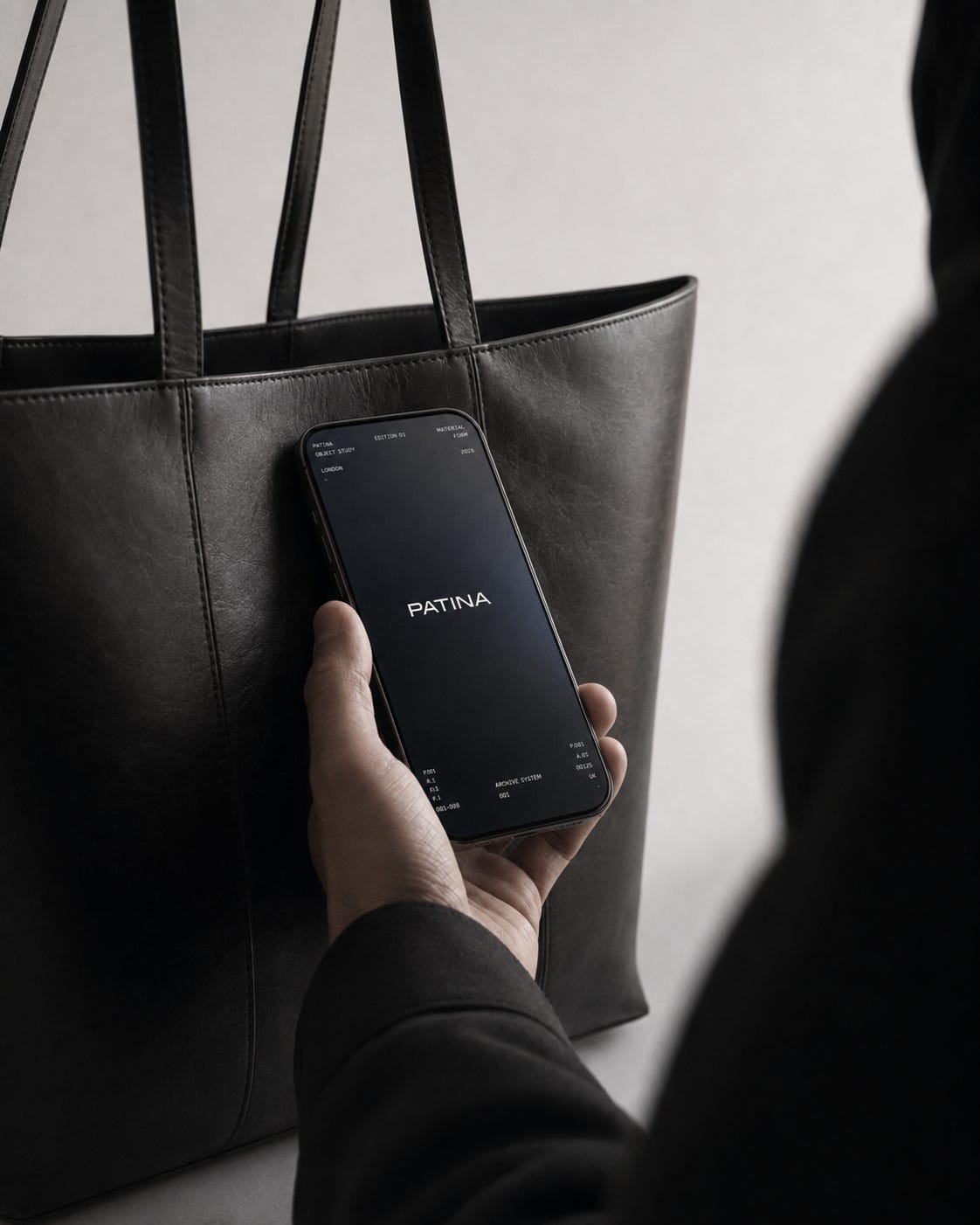
In a UK-first, Oxfam has partnered with ACS (Advanced Clothing Solutions) to offer customers the chance to rent from a curated selection of the charity’s hand-picked donations.
Customers can hire pieces they love for 14 days before returning them to ACS to be professionally cleaned and cared for, ready to be worn and enjoyed by someone else.
This innovative partnership between two members of our UK Textiles Pact provides another source of funding for Oxfam's vital work to fight global poverty, alongside its established retail network, while giving donated clothing even more opportunities to be loved again and again.

By Mary Korlin-Downs
Tote, the agentic AI shopping platform that built personalized styling and discovery tools for fashion brands, is closing after nearly three years. Founder Kathleen Sheppard announced the news on LinkedIn this week, framing it as the start of a new chapter rather than a failure: she’s joining Remark as Chief of Staff for GTM, where she says she’ll keep pursuing the same goal that started Tote — better shopping guidance for every customer. Co-founder Gordon Li is stepping away to join TRACE as Founding Engineer, building what he calls “the next generation of commerce and pre-sale” alongside Katie Pfleger and Ella Rubin.
Could Rewards Be the Key to Brands Finally Cashing In on Resale?
·
Aug 4

The global secondhand market is now a $393 billion powerhouse, representing roughly 10% of total apparel spend – but the brands that originally made the pieces being sold through secondhand markets typically see very little to none of that cash flow. Startups in the fashion and retail tech space have been attempting to solve this problem for decades, wi…
Retailers tap AI shopping traffic but fight to keep customer data
Zalando launches B2B suite to generate AI product photos and videos

Whatnot
$545M Series G ($20B valuation) on Aug 7, 2026
Poshmark | Linda's Stuff (operational facilities)
Undisclosed amount announced Aug 3, 2026
Tote
August 4, 2026
Ramp
Ramp helps people discover latest collections from indie fashion brands based on their taste and location.Remark
Bring the in-store experience online. Pair your shoppers with real product experts who can guide them through the purchase journey. Faster, more effective, and more trustworthy than training a team to do it yourself.Bèbèdí
Bèbèdí is the first waist-worn body awareness wearable for women. Designed for understanding, not optimization.Perdiem
PerDiem helps models and creatives track income across agencies, manage taxes in real time, and use AI to make smarter career decisionsPatina
Patina turns ownership from a transaction into a lasting relationship, helping brands create more value from the products already in the world and giving people more reasons to keep them.
Thanks for reading All Things Fashion Tech! This post is public so feel free to share it.
Comments
Nothing yet. Say the first thing.
Sign in to join the conversation.