
As the weather has cooled and slowed over the past few weeks, I’ve been looking back and thinking about the opportunist, fleeting and wild plants that appeared and disappeared again on the allotment, in the hedgerows and out in the fields. I’ll be sharing these new prints, with some accompanying notes and stories of how these plants sit in folklore and herbalism1 over the next few newsletters. Thanks for reading!
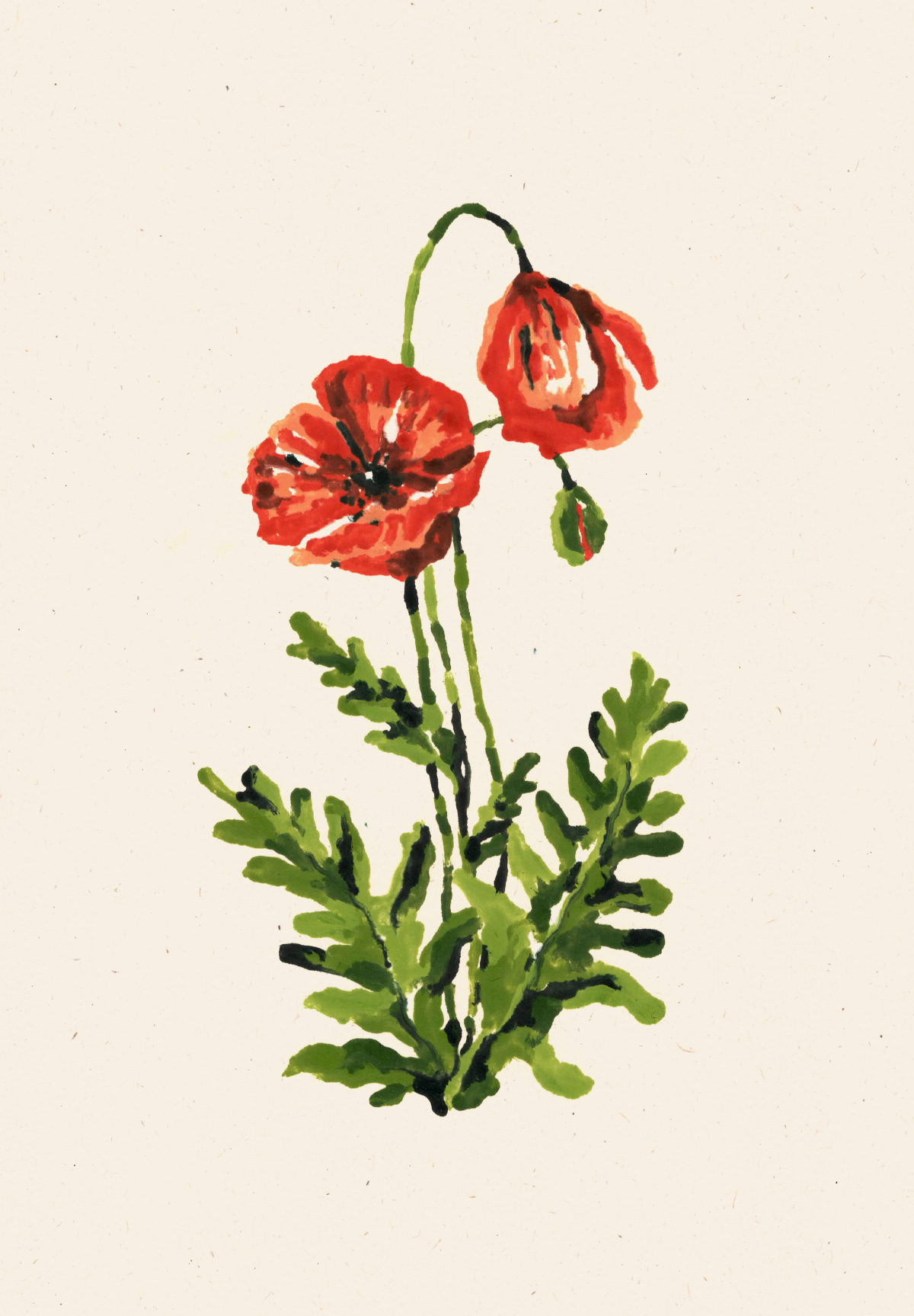
Corn Poppy, Papaver rhoeas
African rose, blind-eyes, blue-eyes, cheese couls, cheese cowl, cock rose, cop rose, copper rose, corn poppy, field poppy, Flanders poppy, headaches, prophetic leaf, red cornflower, red poppy, redweed, Shirley poppy, wind rose, canker, canker rose, corn rose, cornflower, headache plant, thunder flower, pabi coch
An abundant annual flower found profusely in arable fields due to the seeds ability to survive for tens, and sometimes hundreds, of years in the soil bank. Single, large showy red flowers on hairy, coarse stems.
The Poppy, with its abundant seeds, is a plant of of fertility. In folk magic, it is also a plant of dreams and visions (likely because of its ability to produce opium) used when seeking sightings of supernatural, strange or otherworldly beings. If held near the ear, it was said to cause earache and could provoke headaches. At the same time, it could also be used as a cure for earache, toothache, neuralgia and insomnia.
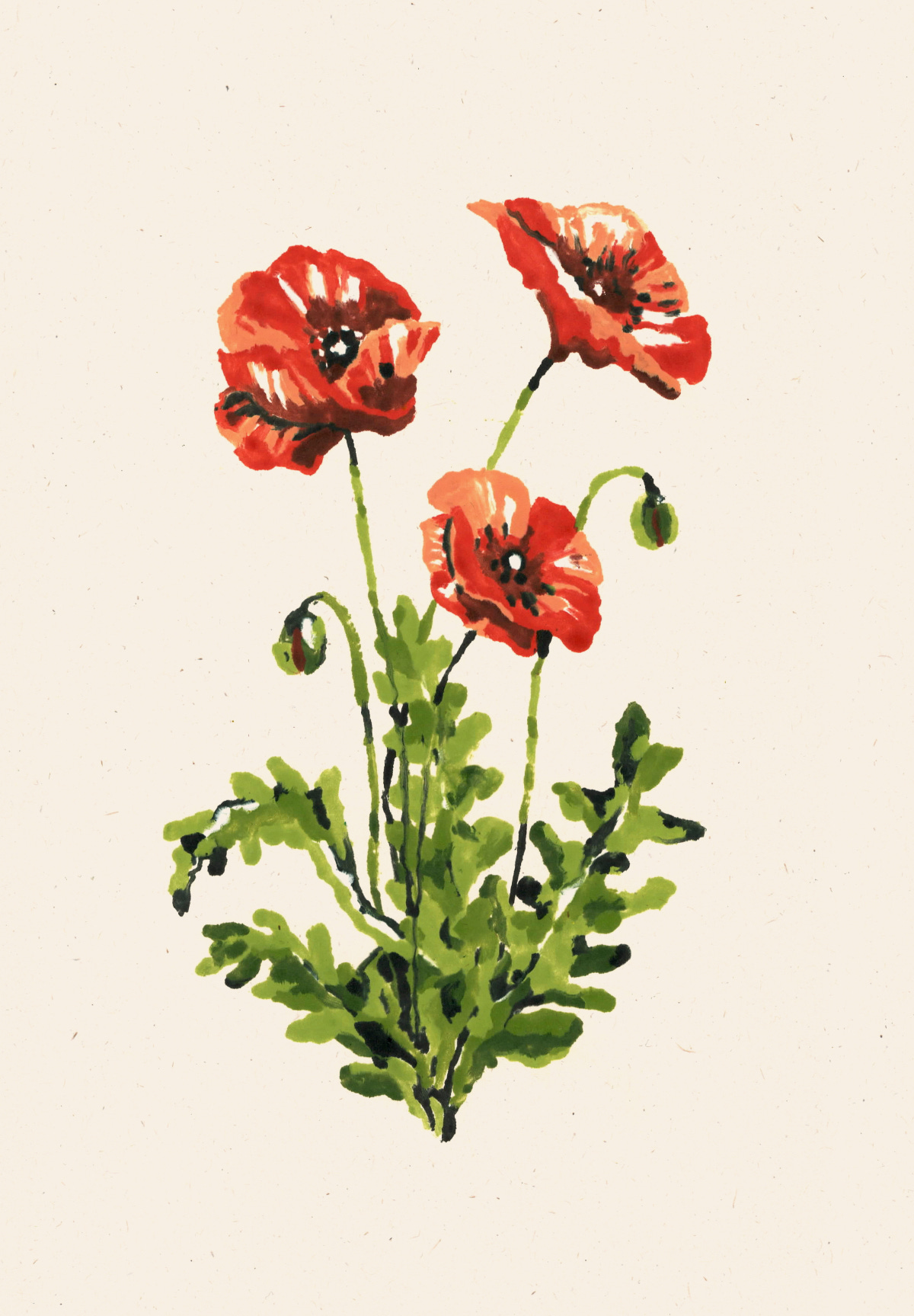
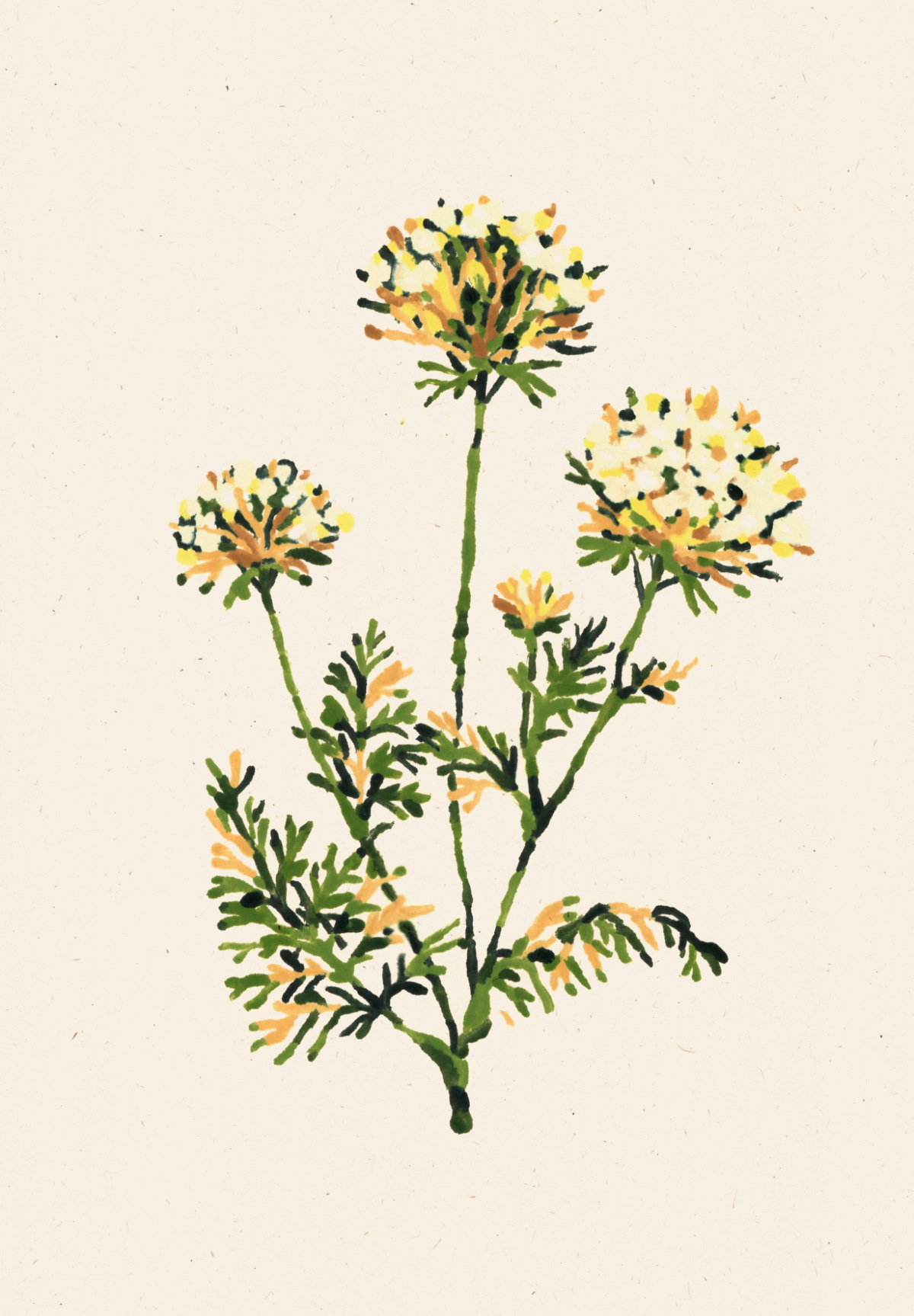
Wild Carrot, Daucus carota
Queen Anne’s Lace, birds nest weed, bees’ nest, Devil’s plague
A herbaceous biennial plant with hairy, lacy leaves and tiny white flowers clustered in densely packed umbels..
The name Queen Anne’s Lace comes from the legend that an expert lace-maker, Queen Anne, pricked her finger whilst working and the drop of blood that fell to the lace she was working is represented in the red dot found at centre of the carrot flower. It’s other name, Bird’s Nest, comes from the appearance of the seedheads, which curl up like a delicate cupped nest after flowering. Wild Carrot’s are proficient self-seeders, dispersing thousands of seeds on the wind. Like many flowers with abundant seeds, they are linked closely to fertility and matters of the heart.
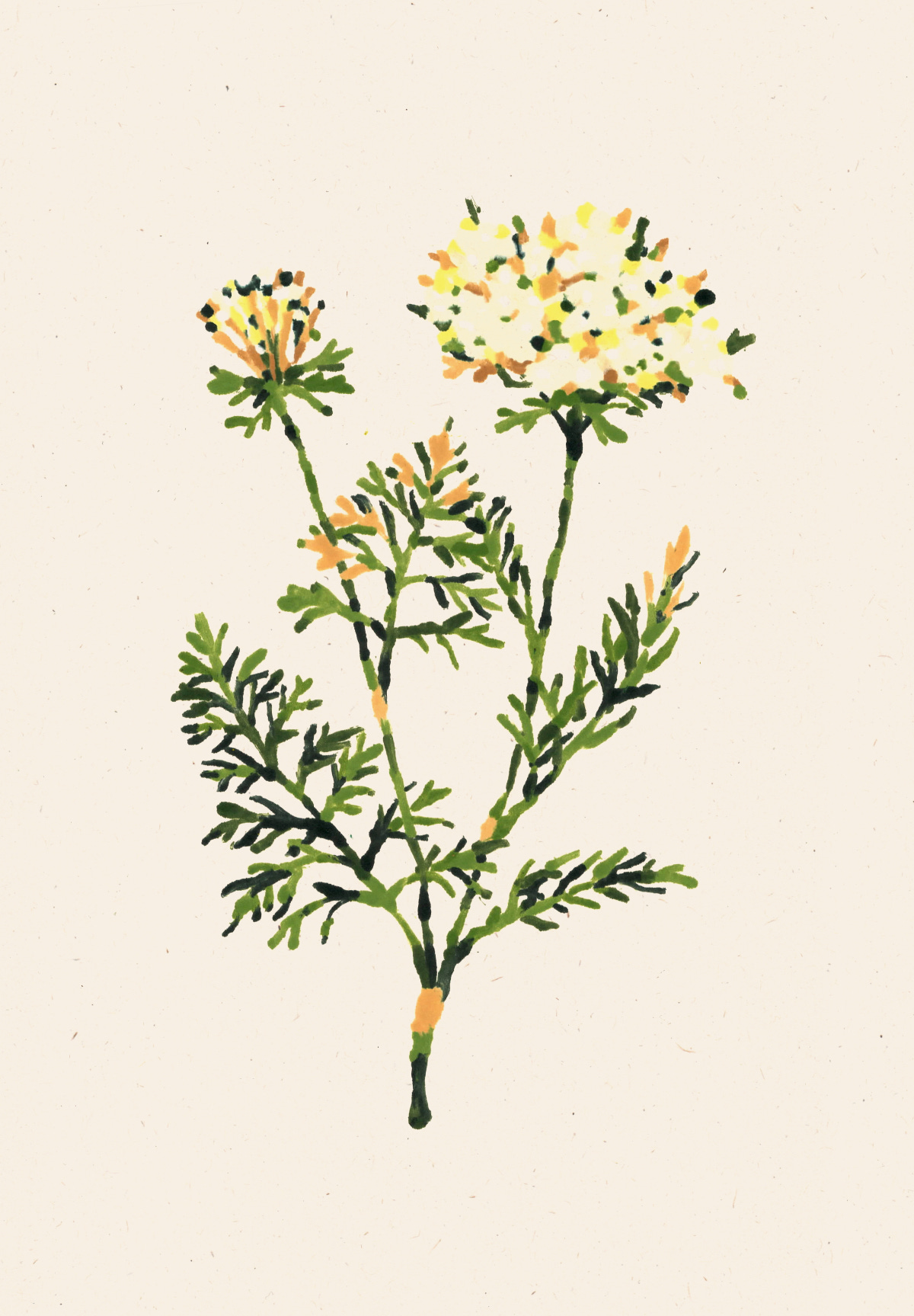
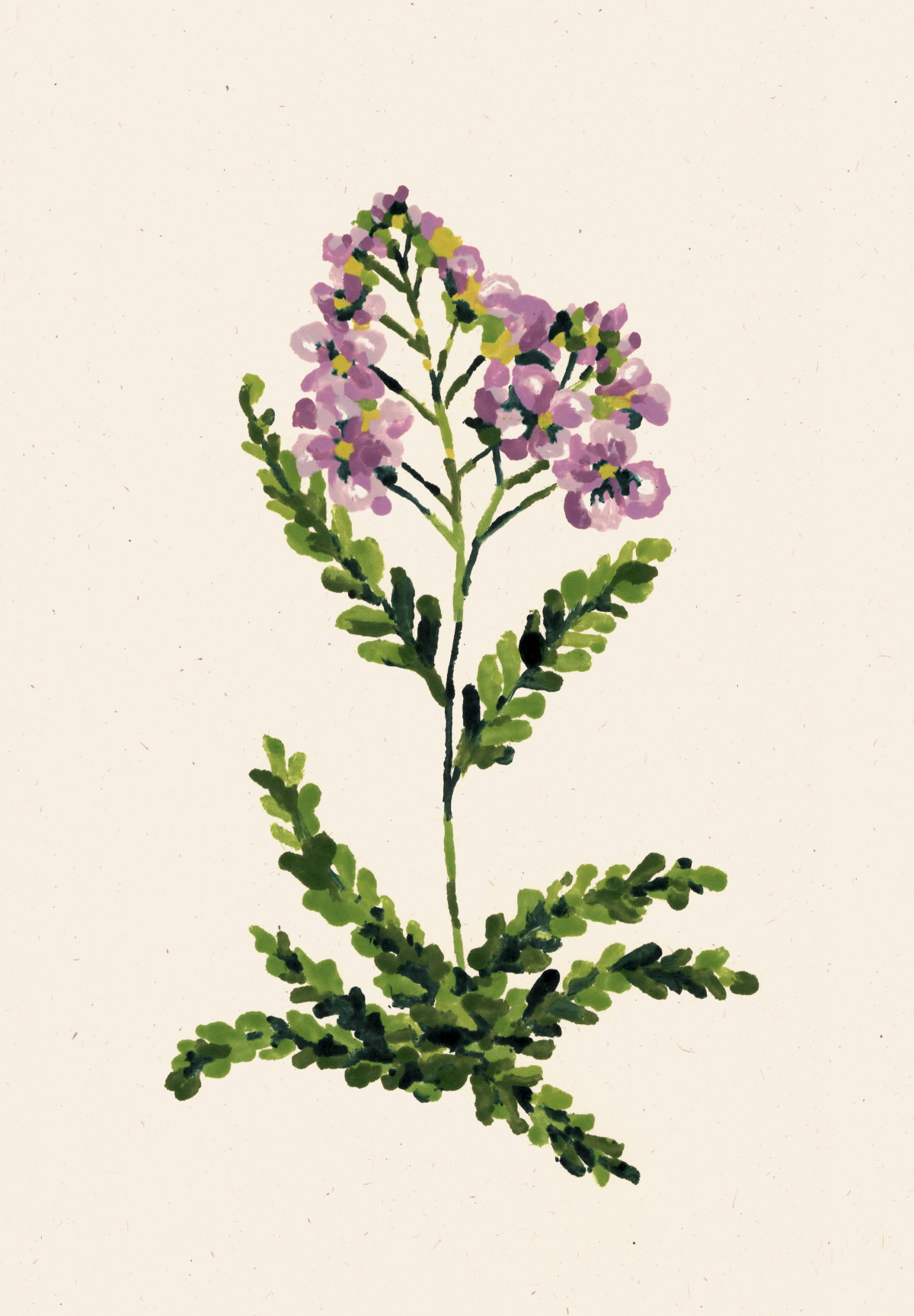
Cuckoo Flower, Cardamine pratensis
cuckoo buds, pixies, cuckoo spit, lady’s smock, meadow bittercress, meadow cress, spinks, spring cress, cuckoo bread, lady’s flower, greater stitchwort, mayflower, blodyn y gog
A grass-like meadow wildflower, with small, pale-pink, star-shaped flowers.
Cuckoo Flower was seen to be a plant of the fairies, or Pixies, and it was believed that if you picked it, you were likely to be pixie-led. Meaning, the fairies or pixies will come and take you away to their realm. Because of this, it was believed to be unlucky in the house and its inclusion in a flower garland would be disastrous, with the whole garland taken apart and remade if any was found to have snuck in.
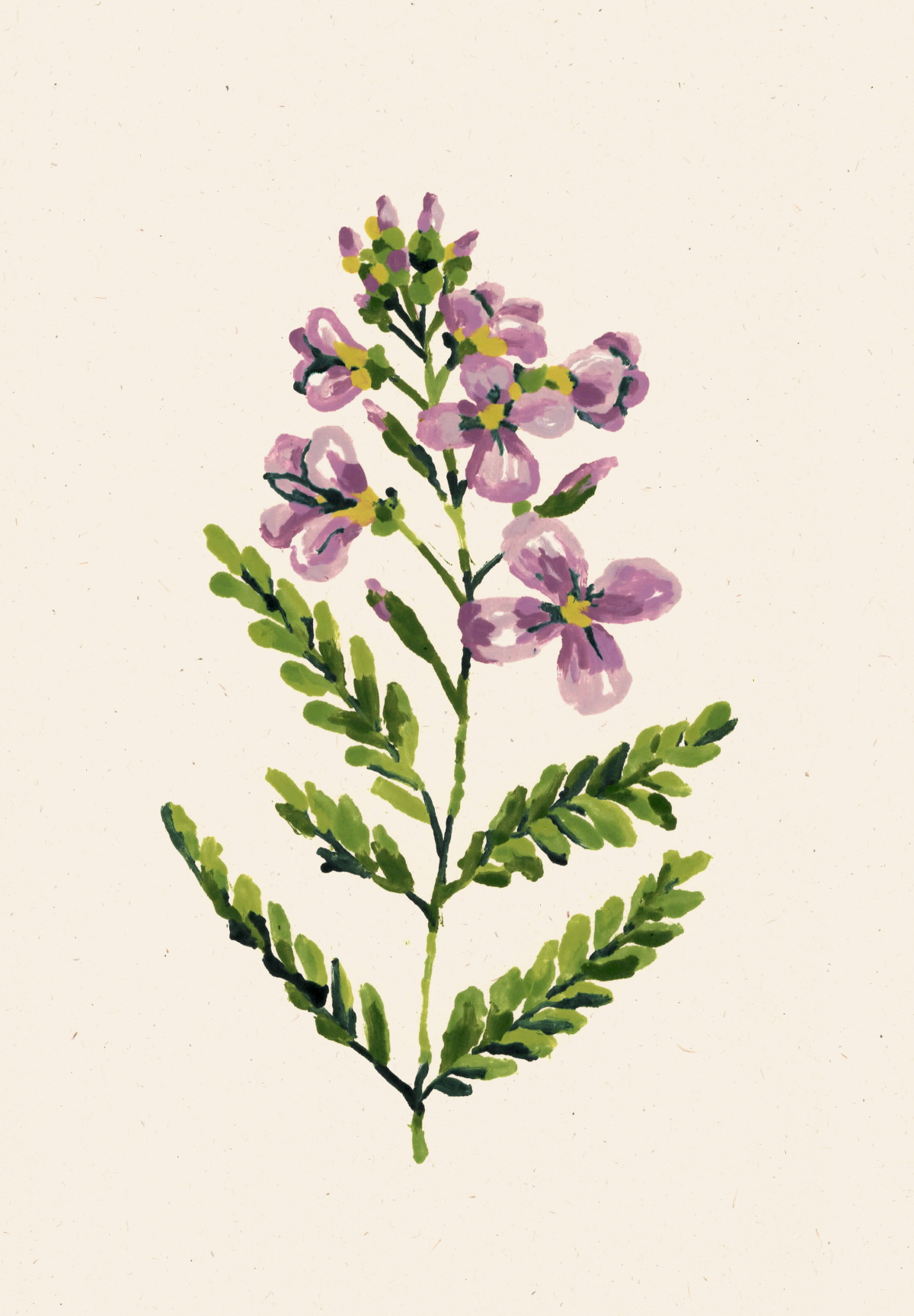
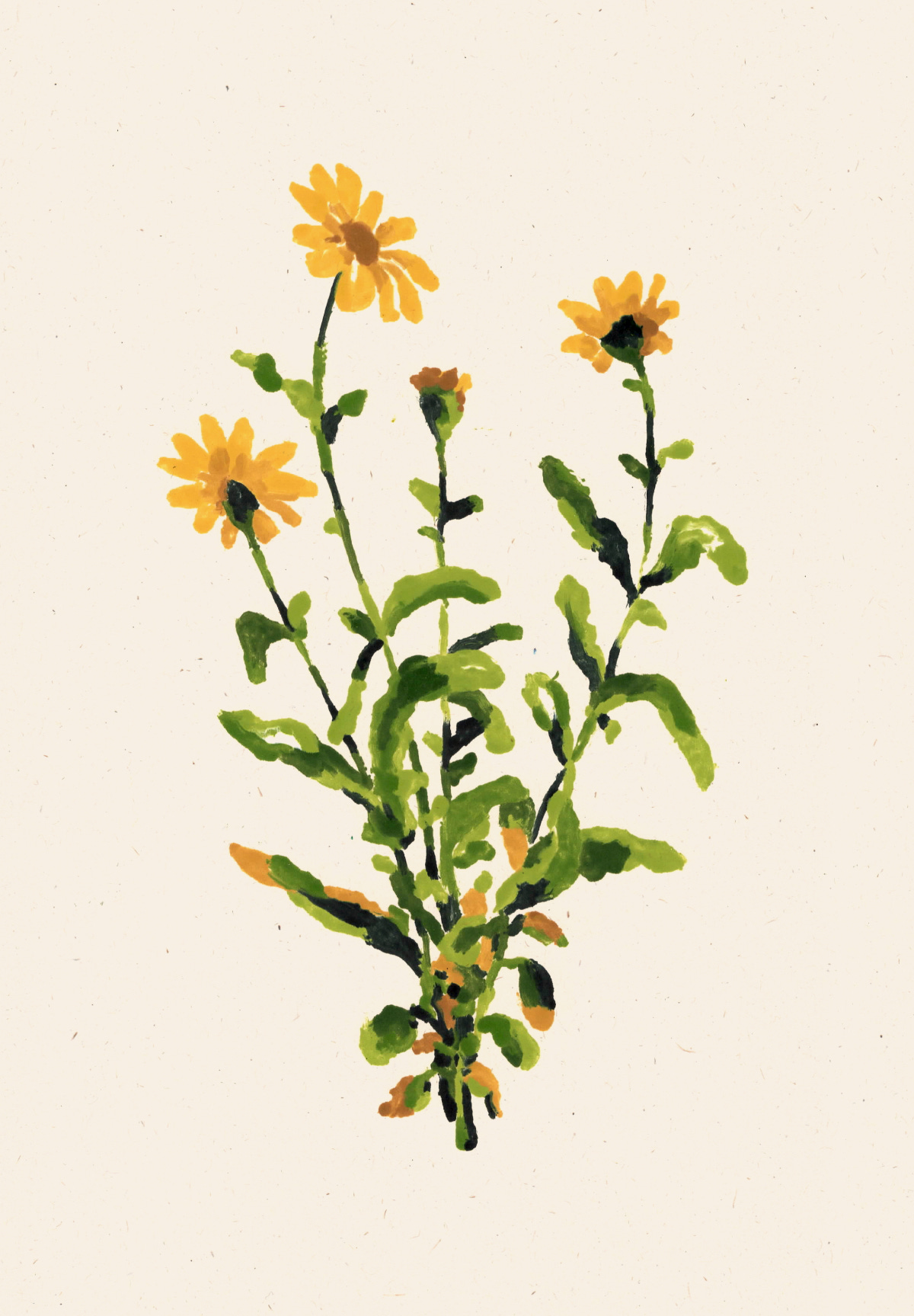
Corn Marigold, Glebionis segetum
big gold, bigold, boodle, buddle, cornflower, field marigold, gill gowan, golden cornflower, goldes, goldings, goldins, golds, Mary buds, marybuds, wild marigold, yellow boy, yellow cornflower, Yellowby
An annual flower, found growing in field margins, with bright golden daisy flowers on upright, fleshy green stems.
The Corn Marigold, a sun follower, also known as summer’s bride, or husbandman’s dial gives a sure indication of its symbolic value of enduring affection, appearing in wedding bouquet’s and love potions.
“On St Luke’s day, says Mother Bunch, take marigold flowers, a sprig of marjoram, thyme and a little wormwood: dry them before a fire and rub to a powder, then sift through a fine piece of lawn and simmer it over a slow fire, adding a small quantity of virgin honey and vinegar. Anoint yourself with this when you go to bed, saying the following lines three times and you will dream of your future partner that is to be:
St Luke, St. Luke, be kind to me,
In dreams let me my true love see.”
Marigolds can also reduce fever and repel plague if carried on your person. In the Gentlewoman’s Companion, Hannah Woolley recommends its use to alleviate depression as well as rubbing the flower head on a wasp sting for instant relief.
Upcoming events

I’m very happy to be exhibiting at Sheffield Print Fair this year. I’ll have lots of monoprints and a small collection of publications available. It’s a really great showcase of the printmaking talent from the city (and beyond, but there’s a lot of Sheffield in there).
Date: Saturday 8th November
Time: 10am - 4:30pm
Where: Millenium Gallery, Sheffield, S1 2PP
More info: Click here
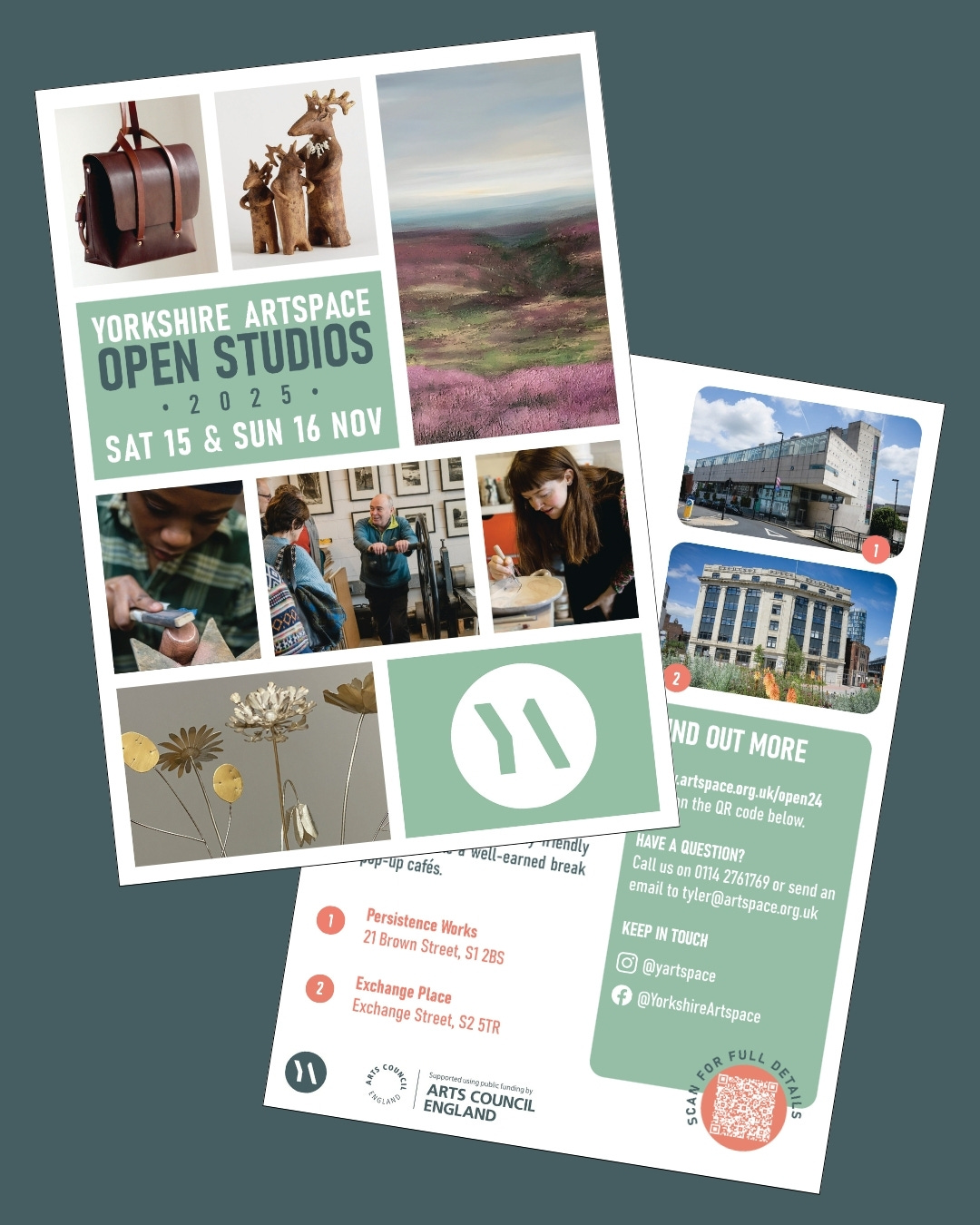
The following weekend is the annual Open Studios event at Yorkshire Artspace. Over 100 artists open up their studios across the two sites of Exchange Place (where I am based) and Persistence Works.
Date: Saturday 15th November & Sunday 16th November
Time: 11am - 5pm
Where: Exchange Place Studios, S2 5TR and Persistence Works, S1 2BS
More info: Click here
Thanks for reading All is Leaf! Subscribe for free to receive new posts and support my work.
Quite a few sources have been useful in pulling this information together, especially:
Discovering the Folklore of Plants, by Margaret Baker, 1969. Published by Shire Publications Ltd.
The Treadwell’s Book of Plant Magic, by Christina Oakley Harrington, 2020. Published by Treadwell’s.
A Modern Herbal, by Mrs. M. Grieve F.R.H.S, 1931. Published by Jonathan Cape Ltd.
Comments
Nothing yet. Say the first thing.
Sign in to join the conversation.