
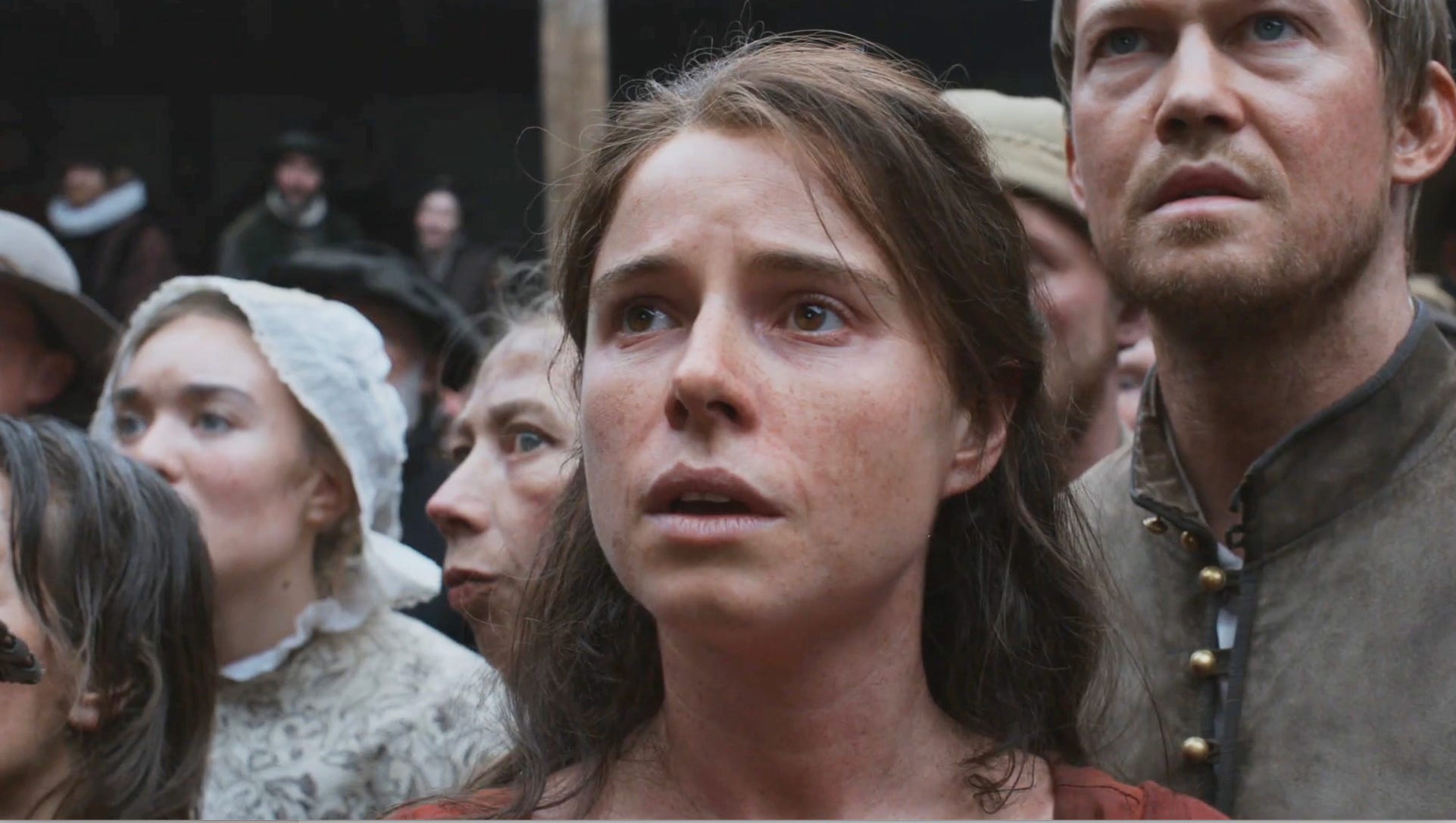
For centuries, we’ve been told that some traumatic experiences - like baby or child loss - should be kept private, hidden, tucked away. That’s why it feels so seismic when great art insists we sit with them, in all their raw grief and beauty.
I recently went to see Hamnet with some friends. The film is having a huge cultural moment, with Jessie Buckley looking set to win an Oscar for her extraordinary performance as Agnes, William Shakespeare’s wife.
Having read the book back in 2020, I knew I was in for an emotional ride because of its raw exploration of child loss and grief. I’d heard tales of people sobbing in cinemas, and I thought I knew exactly what to expect. But nothing could have prepared me for the audience’s reaction in my screening.
There were no audible sobs, nor the kind of applause you might expect at the end of an extraordinary film. There was only deep, sustained silence - the kind that lingers long after the credits have rolled, holding the audience inside the story while quietly connecting fiction to the reality of so many women, parents, and families. Silence here does not interrupt; it internalises. Honours. Forces us to sit in shared understanding. And find a connection within it.
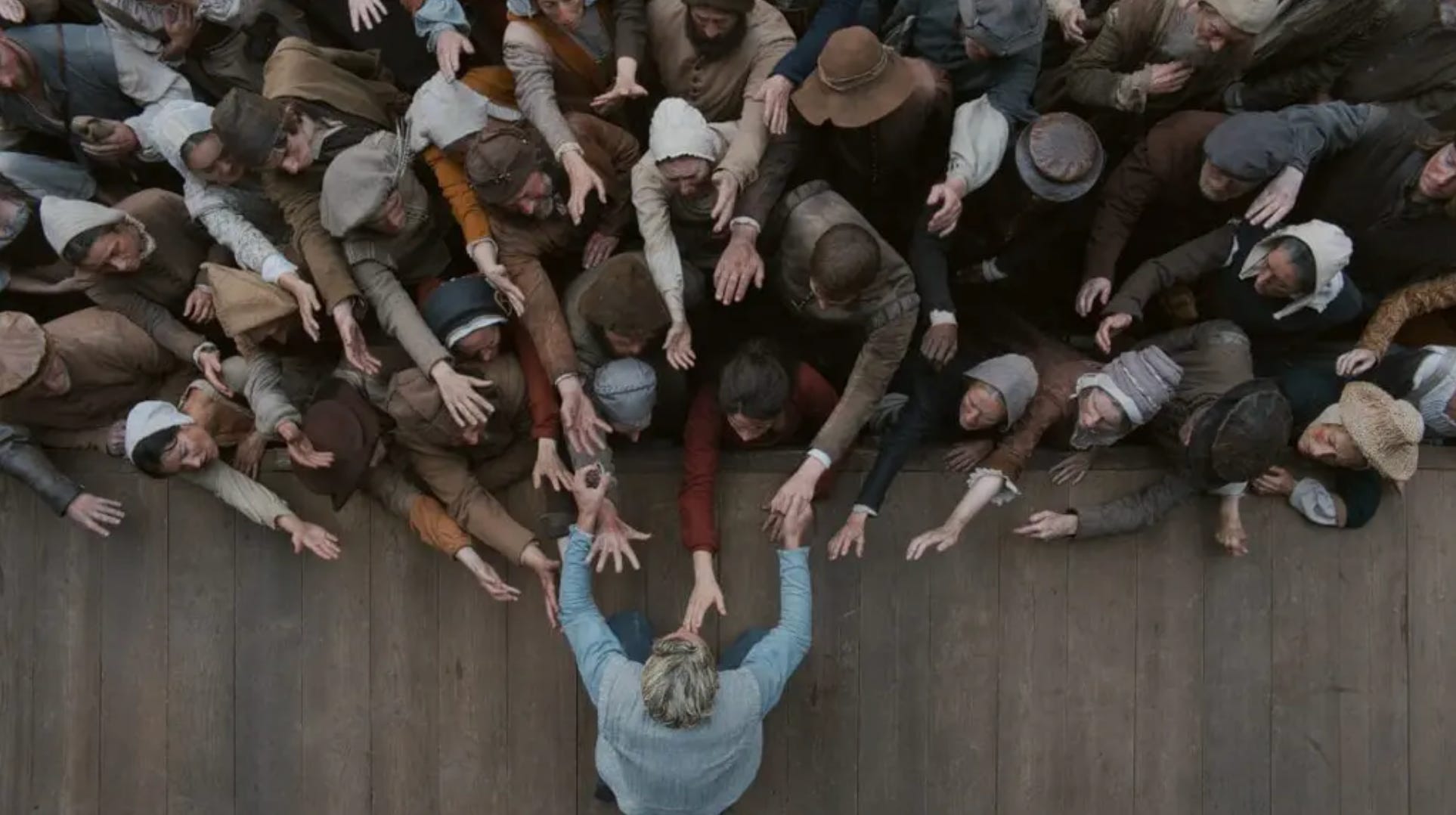
The depictions of birth and death, of love and loss in the film, are extraordinarily raw in a way that feels almost confrontational - not because they are sensational, but because they are honest. These moments are offered with reverence for the universal human experience. This was not just one family’s grief, but a lineage of loss carried across generations of women: mothers, daughters, sisters. Loss that is often borne privately, silently, expected to be endured rather than witnessed.
Watching Emily Watson in her small but pivotal role, I thought of our ancestral mothers, many of whom endured similar grief in unimaginable conditions, without support, care, or recognition. For centuries, their babies and children have been sent to an invisible purgatory, minimised - erased even - by the modern notion that baby and child loss was expected. That logic has reassured generations that these losses need not touch us. Commonality, in this way, has bred contempt around this kind of grief.
So when it is illuminated on screen, as in Hamnet, we are forced to witness what society has told us to turn away from: the reality of so many women and couples across time. The audience’s silence, then, becomes a form of shared witness - a collective acknowledgement of experiences too often erased from history. We did not clap because we were still inside the experience, still acknowledging something true. Sometimes, silence is the most honest response we have.
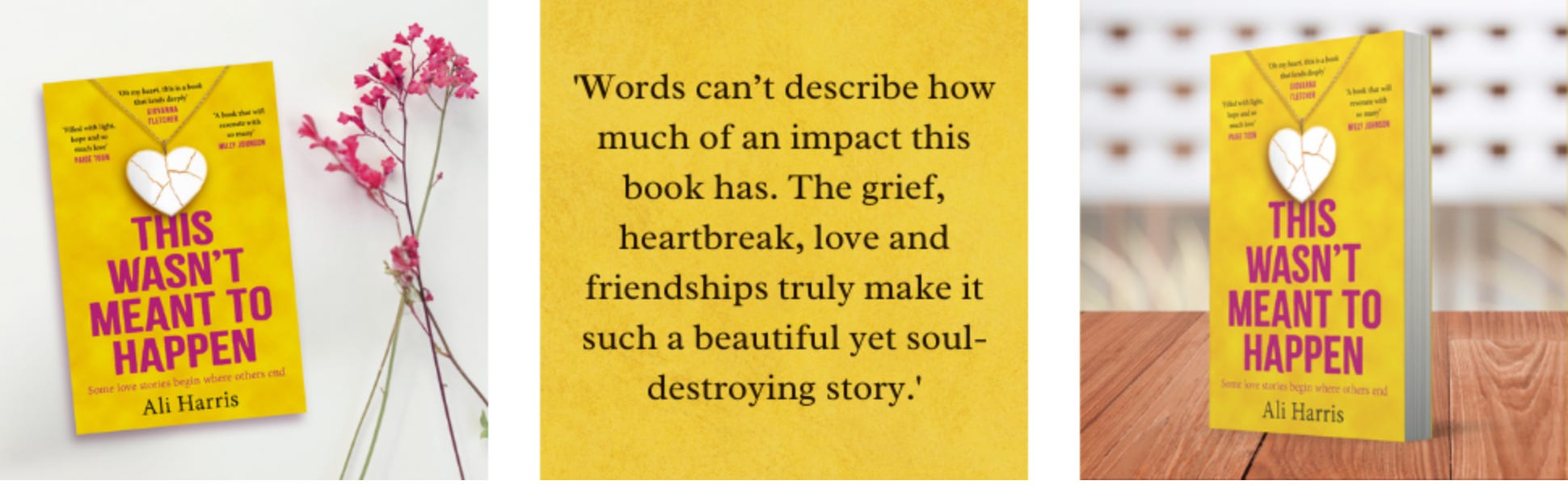
This idea of ‘loud silence’ resonated deeply with me when I thought of my own book and what I have always known about it: that its impact could never be measured in bestseller lists or sales figures. It is measured in the quiet work it is doing, bit by bit, reader by reader. Obviously on a much smaller scale to the “loud silence” of Hamnet’s audience and the Award season noise, but I like to think that my novel will have a kind of “quiet commotion,” that it will spread slowly, reverberate gently, touch hearts, and give understanding where it is needed most for years to come.
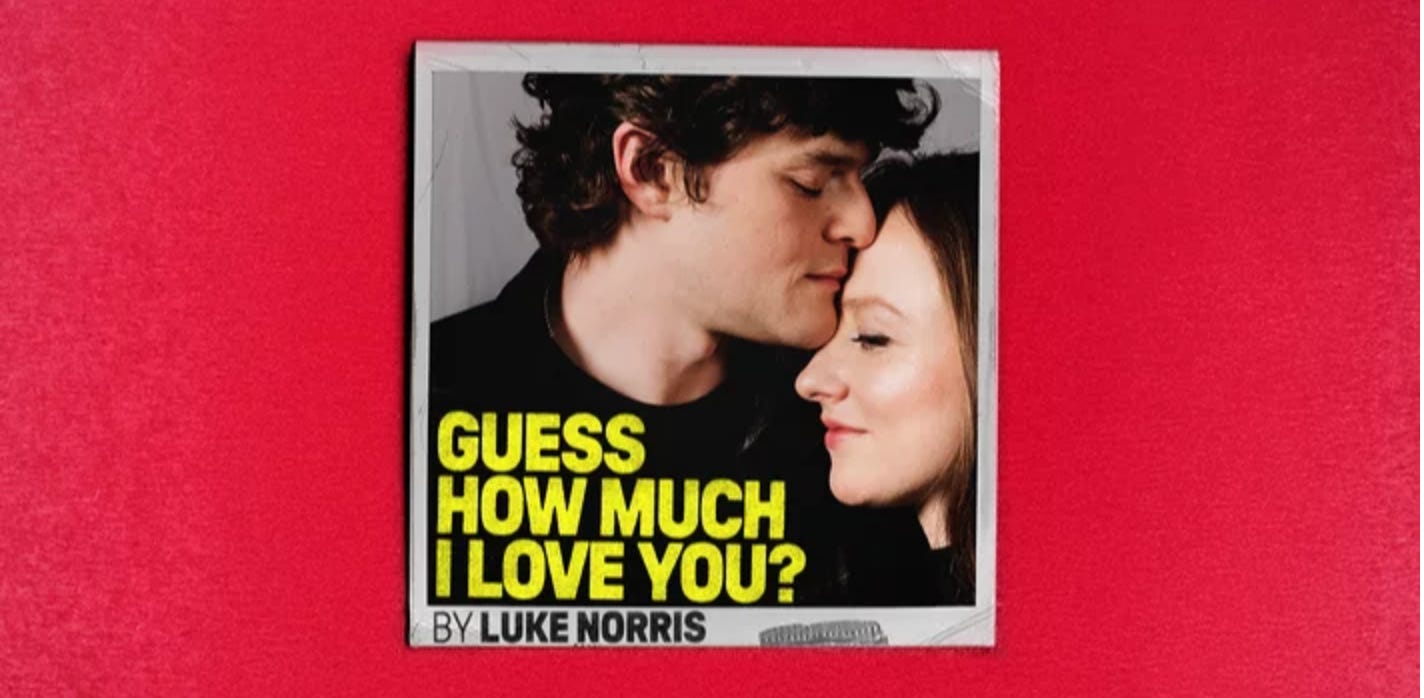
I was still thinking about this when a friend messaged me this week to say she had been to the Royal Court in London to see Guess How Much I Love You, a play centring on a couple at their 20-week scan, with TFMR and baby loss at the centre of the story - and urged me to see it. She is a frequent theatre-goer, and she told me she had never seen anything like it on stage. The actors were nuanced and moving, the play extraordinarily powerful, with the subject matter beautifully handled. And yet, at the end, she said, whilst there was applause, there was no standing ovation. It bothered her as traditionally, this is for the audience to thank the actors for what they have given. But after thinking about it, she realised that the heaviness of the play’s subject matter had literally pinned the audience to their seats. Standing felt inappropriate in this case; but being rooted in the heartache of that experience ( a reality for so many) felt like the right way to honour what the actors had presented on stage.
Brave art does this. It pushes boundaries, takes us to uncomfortable places, and asks for nothing but our presence and our willingness to bear witness. Hamnet and, I hope, in a smaller way, my own book, This Wasn’t Meant to Happen, remind us that empathy is not necessarily built through traditional means of awareness: statistics, news reports, government appeals, personal anecdotes…. these are all important, but real awareness can travel further and faster through the universal medium of art - through film, theatre, and literature that invites us to feel, reflect, and sit with another’s experience. To not ignore. And that’s why each one matters - Oscar-winner or not, bestseller or not.

Comments
Nothing yet. Say the first thing.
Sign in to join the conversation.