
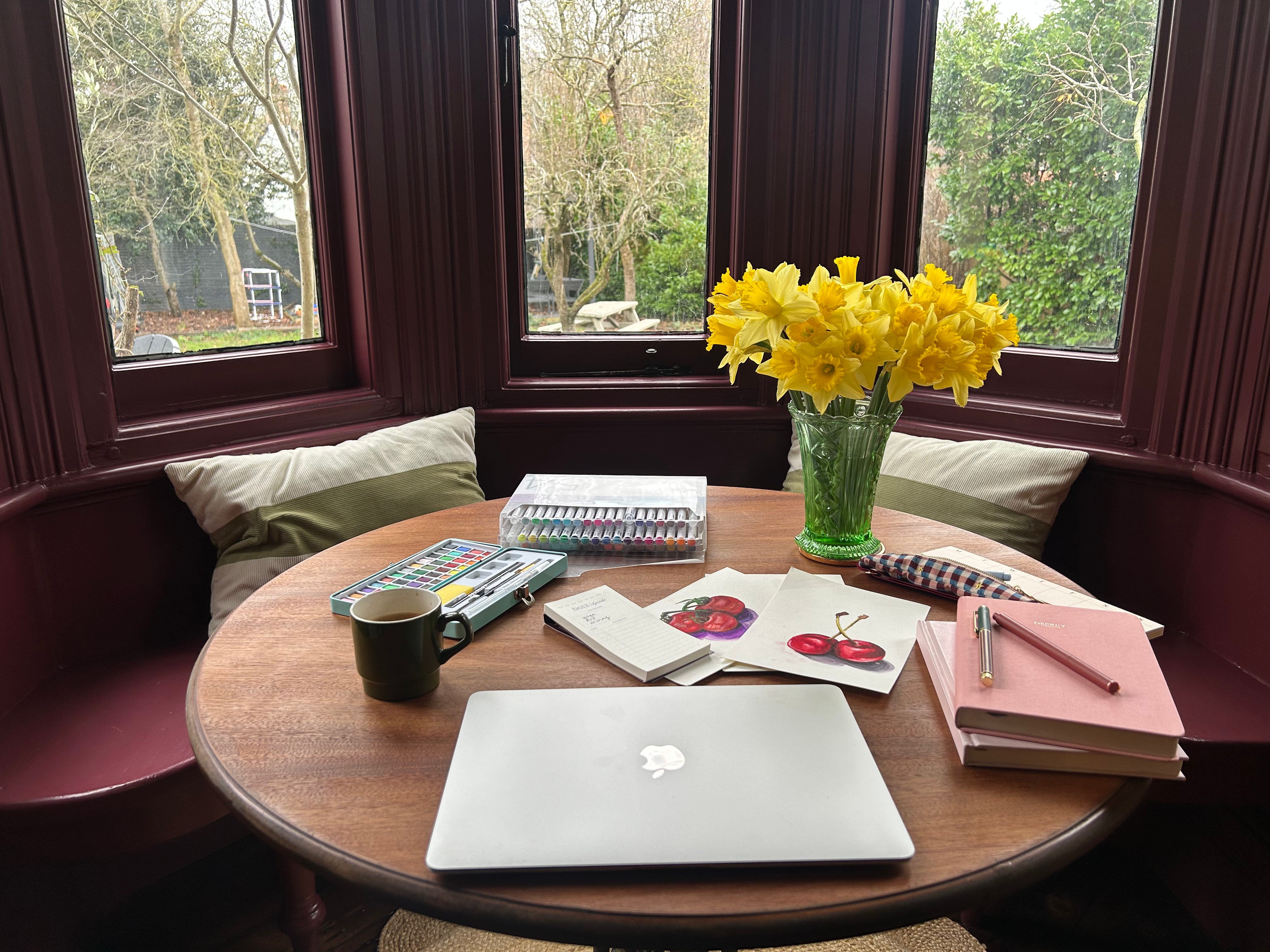
The Art of Beginning Again
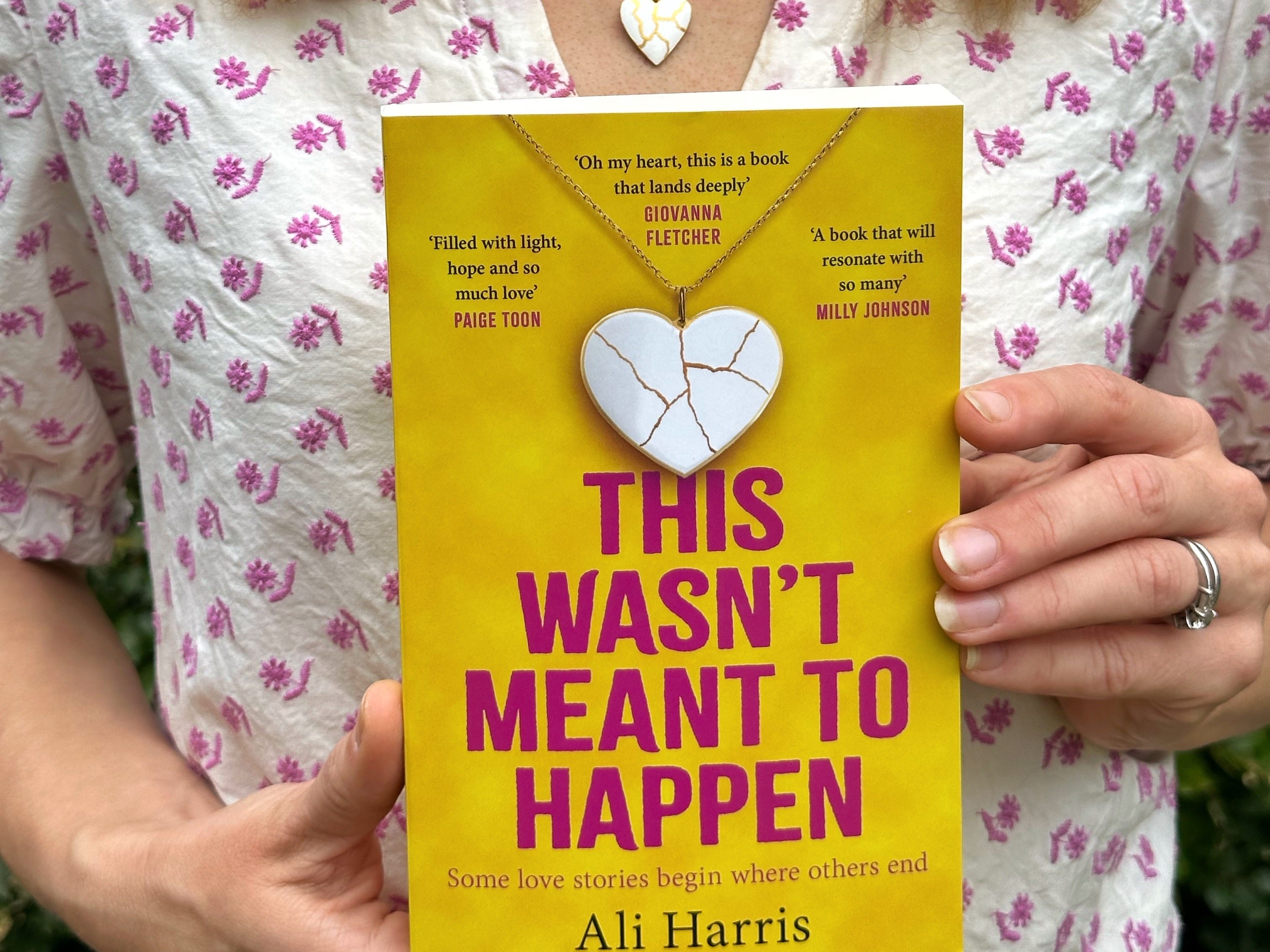
This year, I’ve been thinking a lot about beginnings - or rather, about how hard it can be to begin again. After This Wasn’t Meant to Happen, starting something new has been far more difficult than I expected. That book lived with me for a long time. It was deeply intertwined with my heart, my purpose, my sense of why I write at all. And when something occupies that much space in your life, letting it go - and working out what comes next - isn’t simple.
For most of 2025, I dabbled. I explored ideas, developed concepts, wrote synopses, chapter breakdowns, pages of character notes. There is a novel in all of that work - one I’m sure I will write one day - but I just haven’t felt the pull to begin it now because it’s too big. It would take too much. And my life has too many complications, in this sandwich stage of my life with ageing parents and kids, to be able to give it my all.
It’s a book for future me to write.
Also, I know that what I choose to write next is really important for me. I want to feel connected to it right vnow. I want it to deal with themes and ideas I can relate to because I am in some way living a version of them. So I’ve been waiting for a story that might hold those themes. Waiting: the thing creatives are told never to do.
This Wasn’t Meant to Happen involved a lot of waiting. It was a ten year journey, involving five years of not being ready to write about baby loss, but knowing I would one day. Then another five-year journey from writing the first sentence to publication, driven by a deep need to see a book about baby loss on the fiction shelves. The writing itself took three years and was emotionally gruelling and I needed it to be slow. But in truth, the submission process was even harder, almost ending with the manuscript shut away in a drawer. That kind of experience leaves its mark. So it makes sense that I’ve been cautious about what comes next.
I know I should be worried about what that waiting means for my career. But the truth is, I don’t want to write another book unless I really want to write it. Writing is too hard to do without that deep purpose and conviction. It takes too long. It demands too much. I have to sacrifice too much.
It isn’t enough to want another book on the shelves. I only want to write again if the connection is as deep as it was before - if I care profoundly about the themes, if the story feels necessary. I want to keep developing the voice I found in this book. One that allows me to write stories that matter, that make people feel seen. Stories that reflect who I am now, and what it means to be human, to be a woman, to exist in this world.
I will always be a writer. I will always consider This Wasn’t Meant to Happen my greatest achievement. But I also know that writing doesn’t have to be my job to be my calling. Publishing can be a cruel mistress - or perhaps more accurately, a bad boyfriend you keep returning to despite knowing better. I’m looking for healthier relationships now. I know I can do work that pays me well and write without the pressure of publication. I won’t give years of my life to another book unless I believe, completely, that I can’t not write it.
So for the past few months, I’ve been living, working, and slowly letting go of This Wasn’t Meant to Happen, while watching it find its place in other people’s lives. In November, I took a part-time job at John Lewis - which I love - and thanks to all the promotional work I did for This Wasn’t Meant to Happen, I’ve also been writing magazine features too. A full-circle moment after starting my career in that field. Between that, my children, and caring for elderly parents, life has been full.
The Art of Letting Go
But I’ve needed this pause before diving into another novel. I’ve needed time to honour the years of energy, thought, and emotion that went into Sofie, Rory, and Leo’s story, rather than rushing straight into the next one. And to enjoy watching other people fall in love with this book. I read every single review and each one brings such gratitude and joy. I love that so many people know Sofie, Rory and Leo’s story - and they can experience both the pain and beauty of a broken heart that is gilded back together with infinite love. The publishing industry doesn’t always allow for that kind of space, which is why I value being out of contract - the freedom to work to my own rhythm.
Some people have said I should treat this next book like a palate cleanser. To just write an “easy” book. But every author knows “easy” books are mythical creatures. And yet so much fiction - particularly women’s fiction - is dismissed as such, which is infuriating. It ignores the labour involved. Characters shaped and reshaped. Worlds built. Structures tested. Research done. That’s before tens of thousands of words are written and rewritten over months and years. Making something immersive, seamless, emotional, and entertaining is anything but simple.
The Art of the Quiet Beginning: How a Book Really Starts
For me, the beginning of a book starts months, or even years, before I write the words Chapter One. It begins with an idea. Often, a throwaway thought that keeps coming back like a boomerang until you can’t ignore it anymore.
I might scribble it in one of many notebooks. In my phone notes. On scraps of paper. But when I actually tell someone - a friend - that’s when I start to pay attention to the idea. Because once it’s out in the world, it gains power.
Two months ago, an idea began to take shape like this, persistant tentative thoughts I assumed would go nowhere. And yet it lingered. It followed me on dog walks. Hovered at work. Surfaced just before sleep.
I kept telling myself it wouldn’t amount to anything. And still, it tapped me on the shoulder. Again and again.
You know you want to spend time with me.
You know you need to work me out.
You need to write me.
One day in December, it led to pages of quick, messy scribblings on a train.
No matter how busy life became, it stayed. Taking up space. Refusing to be ignored.
And then, unexpectedly, last week the title arrived. In the shower, seemingly from nowhere. This never happens to me. Titles are usually the last thing to settle. But this one felt right. Perfect, for now.
And that was enough.
That title did what it needed to do. It gave me the impetus to begin.
More scribbling followed that day. Premise. Plot. Characters beginning to stir. Ideas slowly solidifying. I tried opening lines in different voices. First person present. First person past. Third person.
The familiar questions followed.
Whose story is this?
What is it actually about?
How should it be told?
What voice does it need?
Why do I have to tell it?
I happened to be meeting my best friend for lunch that day. I bashfully told her my idea. Showed her some of the notes I’d made.
“You have to write this, Ali,” she said.
“It’s the one. The one you’ve been waiting for. The one you have to write.”
I felt excited.
Invigorated.
Intentional.
This week, the work begins in earnest. I have to show up. I’m more than ready. I can’t wait.
The Art of Showing Up
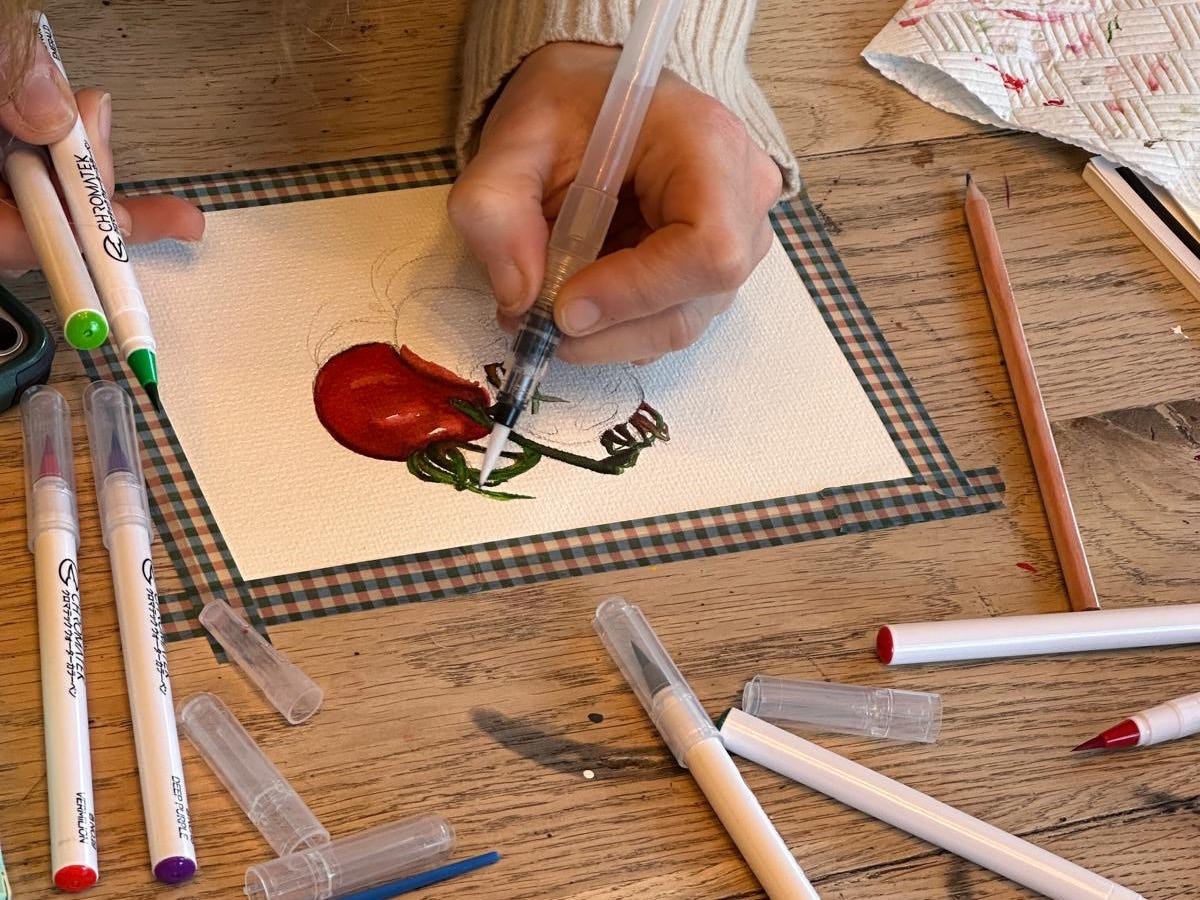
Alongside this creative moment, I’ve spent the first couple of weeks of the New Year rediscovering the joy of creation through a long-loved habit - yoga - and a new one: art.
Yoga is something I always lose my way with in December and find again in January. Painting is something I haven’t really done since GCSE art over 30 years ago. And I am loving it.
I decided to pick it up this year to find a hobby that could be just that. Something to lose myself in. Something to explore my own boundaries. Something to connect with my art-loving kids.
So I bought myself some watercolours. And I’ve spent some happy afternoons re-learning a long-lost skill - one I hope will help my writing, too.
A painting, like the slow gestation of a book, reminds me that beginnings require patience, presence, and showing up. Every day. In small ways.
Life doesn’t hand us fully formed opportunities. Creativity doesn’t land perfectly in our laps. We have to make space. Carve out time. Allow things to grow.
Every day, we begin again. Making choices about how we spend our time. How we nurture what matters. How we honour the talents, skills, and passions that define us.
Revisiting a skill I once loved - painting - and returning to yoga, something my body knows but slips out of practice, has allowed me to embrace the process of beginning a new book. The showing up. The not expecting perfection.
That is the real art of beginning again.
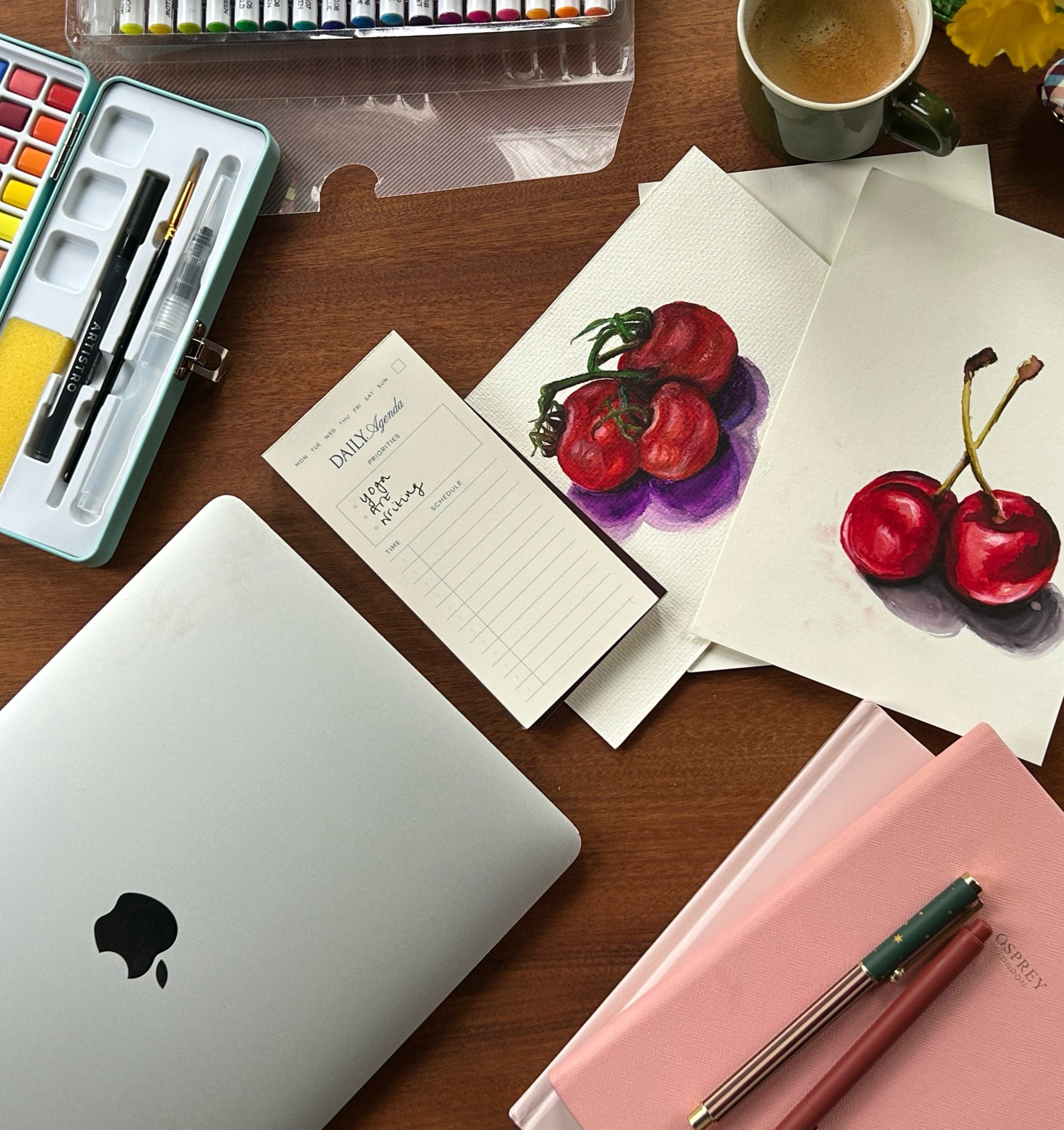
So that’s what I wanted to share. The small, quiet ways I’ve begun 2026. Reconnecting with creativity, movement, and reflection, over achievement. Allowing space for slow - almost invisible - growth - without feeling pressure to rush or force things.
This year, my intention is to keep showing up for myself, even if it is quietly. In my own head. To honour what’s important to me - not to an external view of what achievement looks like. And to begin again whenever I need to. In life. In work. In creativity.
Beginnings aren’t always dramatic. They are quiet and deliberate. They are the everyday choices we make for ourselves to live fully and to nurture what matters to us and we care about.
And in giving ourselves that permission, we find that personal fulfilment and joy are waiting for us to return.
Here’s to beginning again - slowly, fully, and with intention - in 2026.

Comments
Nothing yet. Say the first thing.
Sign in to join the conversation.