
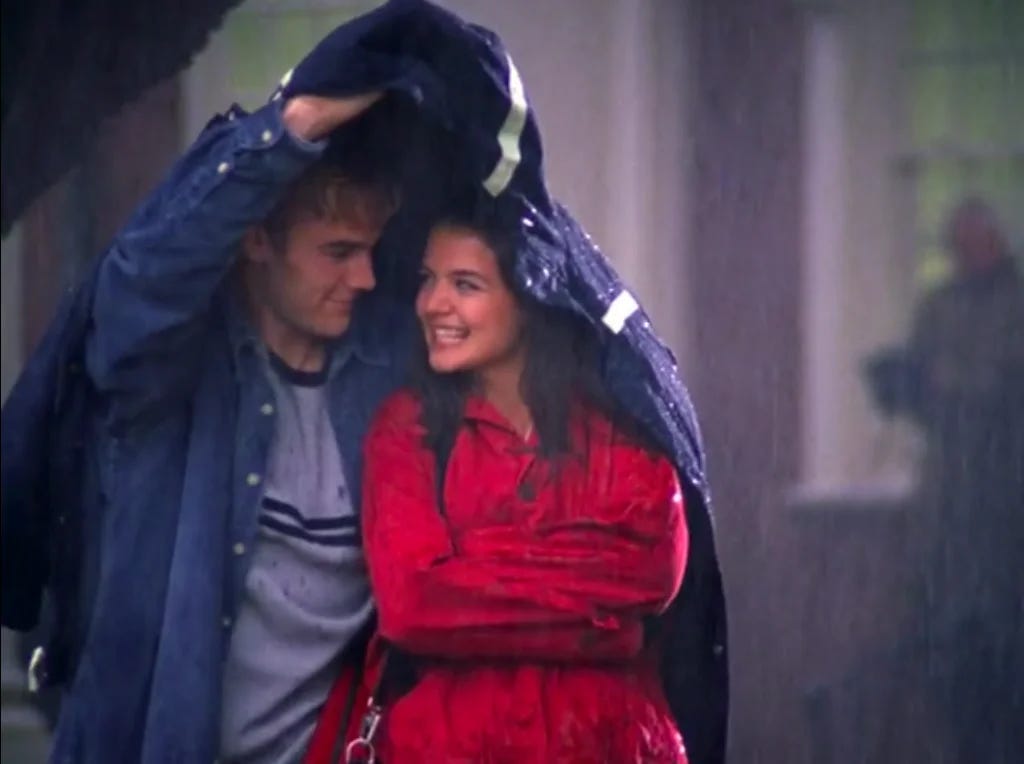
On the eve of Valentine’s Day, after a week that has made me reflect on the nature of love stories - our own lived experiences, the fictional ones we watch and read, the love stories of others that we encounter up close or from afar - it feels right to talk about the love stories that don’t end the way we want them to: the ones that move us, yet devastate us; the ones that leave our hearts both healed and shattered.
This week, the world lost James Van Der Beek, the beloved face of Dawson’s Creek, who died at 48 after a battle with cancer. For a generation, he was Dawson Wade Leery, hopelessly earnest, wistful, romantic - the boy in the flannel shirt who made us feel that love mattered more than logic.
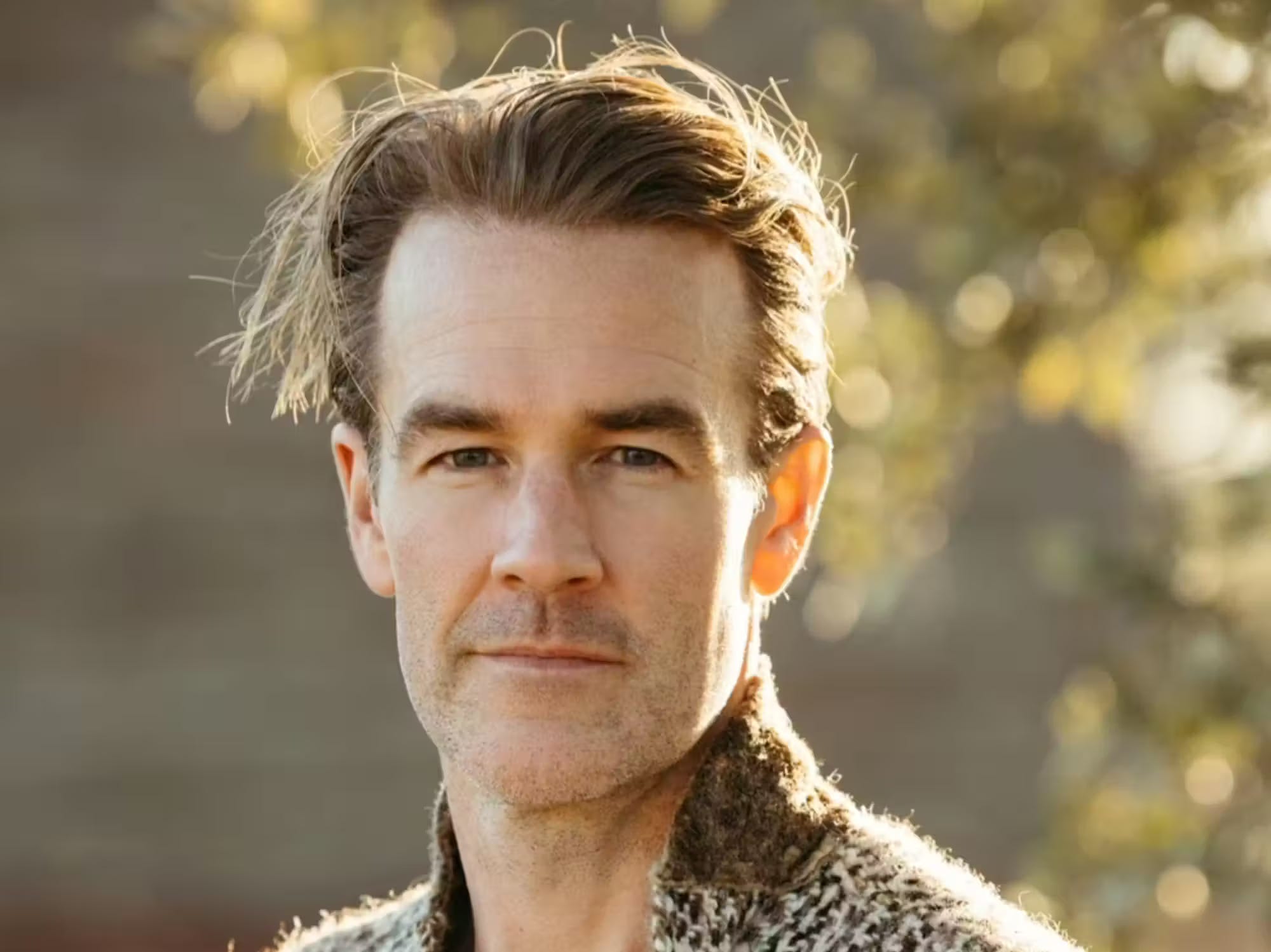
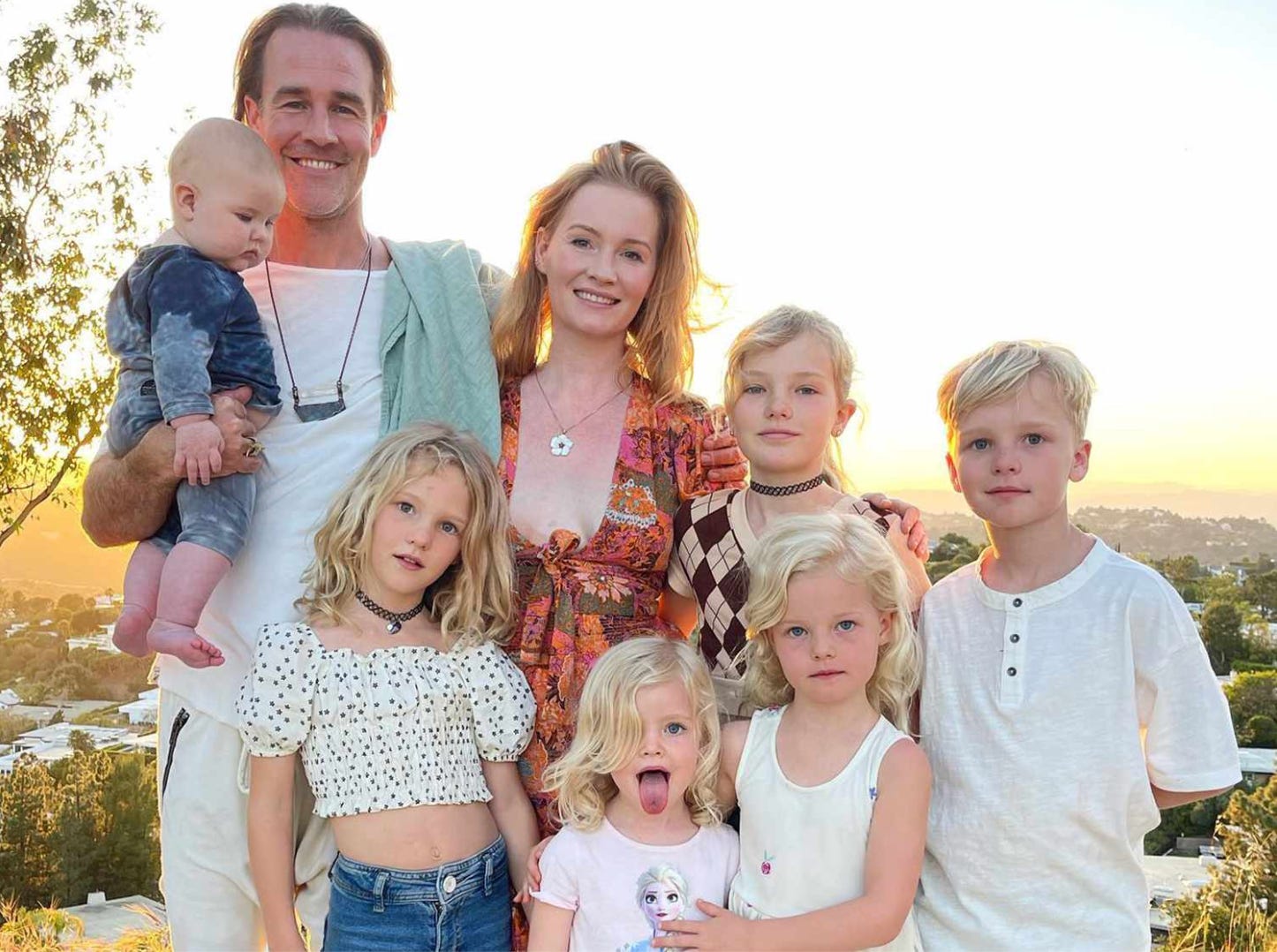
His loss has sent a wave of deep sorrow for this kind, thoughtful, spiritual man, who clearly loved and was loved by so many - not just his wife and six children - but by the legions of fans who grew up with him and for whom he became a symbol of a softer, more tender kind of masculinity. Something we can only hope young men navigating the profoundly problematic manosphere of social media today might still aspire to.
And yet (spoiler alert - but it’s 30 years old, so I figure you know), in the show itself, one of its most iconic “will they/won’t they” relationships doesn’t end the way generations of audiences hoped. Joey and Dawson don’t end up together. They don’t get their kiss on the pier, we don’t experience their wedding, or that beautifully imagined, tangible future we’ve envisioned for them. It was the ultimate dissolution of love’s young dream. Our young dream.
That ending, so full of yearning and entirely unwilling to give the audience exactly what they wanted, always reminds me that stories don’t have to fit tidy arcs to be profound. Love doesn’t always lead to the endings we imagine. Some stories end not in resolution, but in resonance.
Some of our greatest literature often reminds us that the most memorable love stories don’t always end with a wedding, a kiss, or a happily ever after. They live in the heartbreak, in the longing, in the liminal spaces between - in the grief we carry, the choices we can’t undo, and the love that persists even when it cannot be fully realised. These stories show us that love’s power isn’t measured by endings, but by the ways it shapes us, stays with us, teaches us that love lives on even when another choice is made, or it is taken from us, stolen too soon.
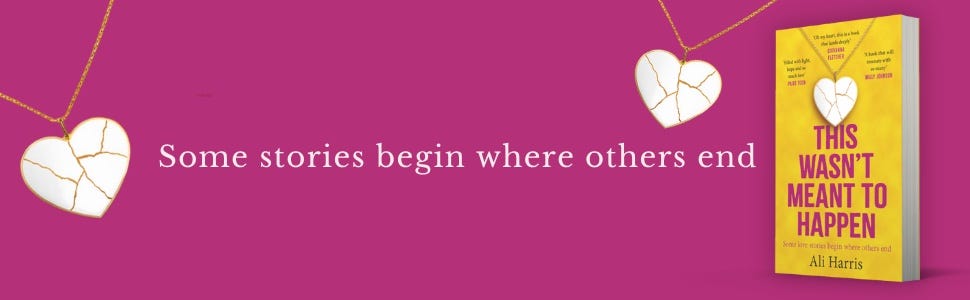
And it’s why I knew This Wasn’t Meant to Happen had to be a love story - even though it is about loss.
Writing for the ‘few’, hoping for the many
When I wrote This Wasn’t Meant to Happen, I didn’t know how it would land, but I wrote it anyway. Because the truth is that the so-called ‘few’ are never truly few - they are simply the people left out of the stories so often told. These love stories are ones that refuse to sanitise grief, make loss a central storyline rather than a footnote, and in doing so offer recognition, a mirror and permission to feel what we feel without promise of resolution.
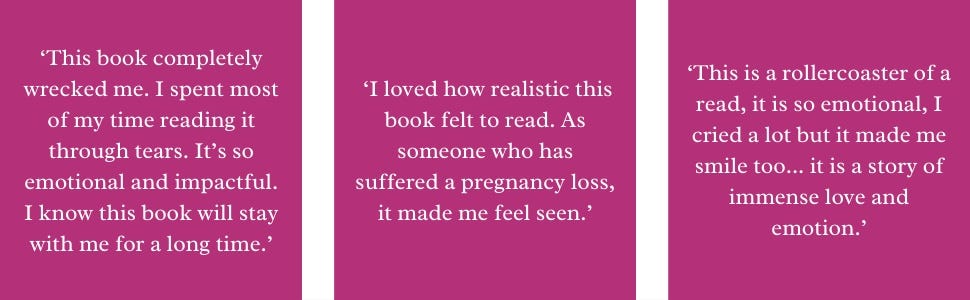
Six months have passed since it was released into the world. In that time, the book has found readers I could never have predicted. It is both humbling and heartening to see my unconventional love story, which dwells heavily in grief but also overwhelmingly in love, resonate. It proves that love stories exist in the quietest, most unexpected corners - and that readers are hungry for truth in fiction.
Because the truth is that falling in love is irrational, messy, and offers no guarantees of happiness. It’s brave. It’s a leap into the unknown. You wouldn’t do it if you knew the numbers - that’s the logic Sofie in This Wasn’t Meant to Happen uses to avoid heartbreak. As an actuary, it seems obvious: you wouldn’t risk it if you could calculate the end. And yet Sofie falls anyway. Humans fall in love because something inside us tells us we must. There is no choice, only need.
Writing the novel felt the same: like stepping into the abyss, taking a risk on the ultimate love story; it was a need, not a choice. And there is no way to write about baby loss truthfully without facing territory most people would rather avoid.
But there is a cost to writing stories that do not fit: they may be classed “too difficult,” “too niche,” “too sad,” “too risky.” Breaking ground sometimes means losing ground, too. Because too often, publishing only rewards love stories that move readers toward fulfilment in some form - happiness, reward, resolution. Even heartbreak must be tempered with reassurance: endure enough, and the ending will justify the pain.
We know real love isn’t always repaid with happiness. Sometimes love simply happens without permission, warning, or logic. Sometimes it is given, but not received. Sometimes it is taken away. It is an uncomfortable truth, which is why so many unconventional love stories both in life and in literature are treated as though they don’t count. Trends are safe. But love isn’t safe. Love is a gamble, and so is art.
As if a relationship is only real when it ends in marriage.
As if motherhood is only real when it produces a child.
As if love is only real when it leaves behind a legacy.
But what about love that ends too soon? That lives briefly, intensely, and then becomes something you carry alone?
Joey and Dawson may never have ended up together, yet their story - full of yearning, risk, and longing - endures nevertheless. Because love’s measure is not in endings, but in the intensity of the heart’s devotion along the way. As the lyric to the theme tune goes:
So open up your morning light,
And say a little prayer for I
You know that if we are to stay alive
Then see the love in every eye.
That is the invitation of every story, every moment, every heartbreak: to recognise love, even when fleeting, complicated, or carried alone.
This Wasn’t Meant to Happen is, at its core, a book about that very recognition. About seeing love in the grief, love in the loss, love in what remains unseen. And six months on, I am reminded daily - through the letters, the DMs, the stories told to me in person, that choosing to write a love story in the cracks was the right choice. Because that’s where so much of real life lives. That’s where so much of love lives.
James’ passing, and the huge outpouring of love for him from friends, family, and fans, is proof that a life is not measured by loss, but by the love it carries forward.
That is a story I, for one, will always want to read.

Five Unconventional Love Stories That Have Stayed With Me
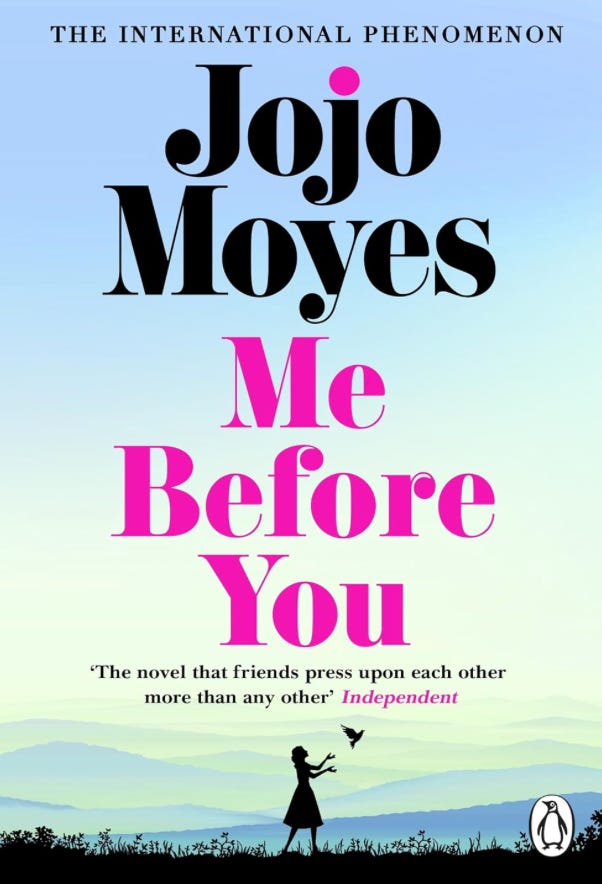
The Contemporary: Me Before You by Jojo Moyes
The most poignant contemporary romance in which love can’t “fix” everything, but shows how it can change you forever, even when it ends in heartbreak.
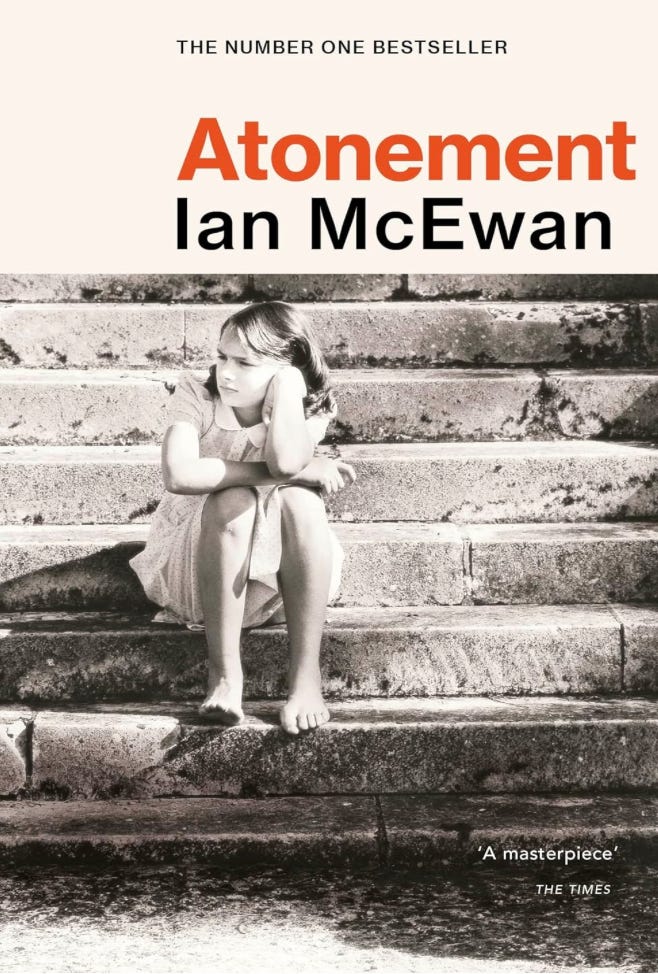
The 20th-Century Classic: Atonement by Ian McEwan
A love destroyed by misperception and irrevocable loss, where the narrator’s only solace lies in imagination rather than the happy ending the characters themselves never get.
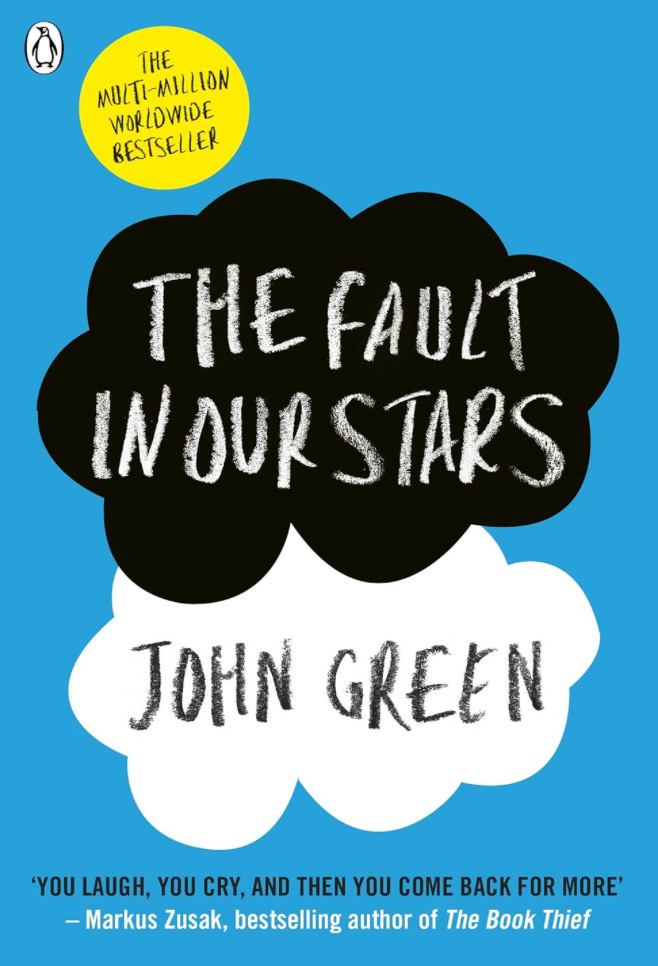
The Young Adult: The Fault in Our Stars by John Green
A deep, luminous love between two young people that refuses to be diminished by illness, yet ends in grief, underscoring that love’s impact isn’t measured by duration.
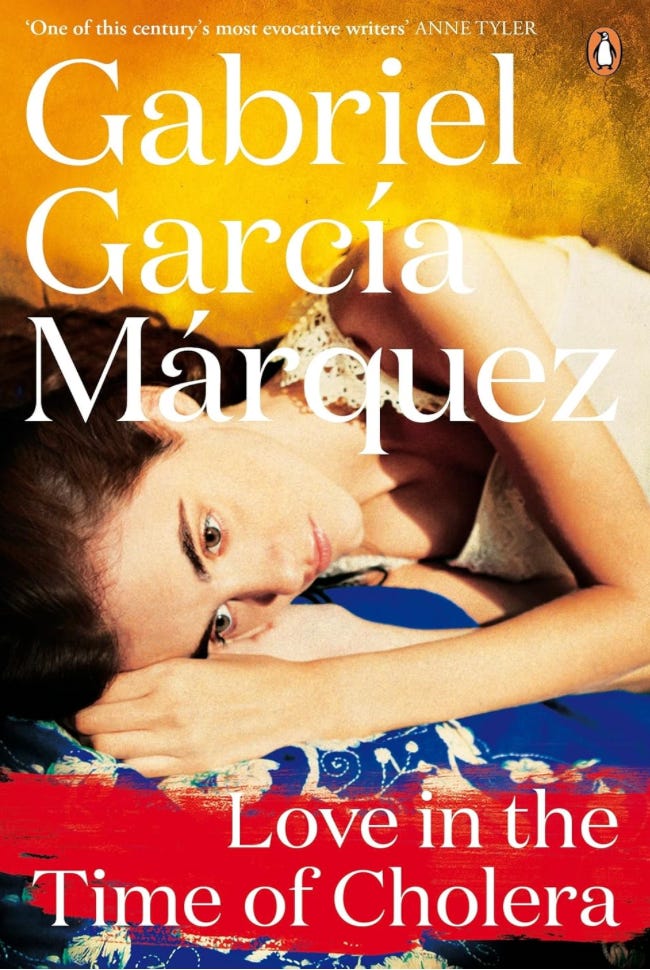
The Timeless: Love in the Time of Cholera by Gabriel García Márquez
A lifelong devotion that doesn’t climax in youthful romance but arrives late, imperfect, and quietly - a reminder that fulfilment can take forms far from fairy tales.
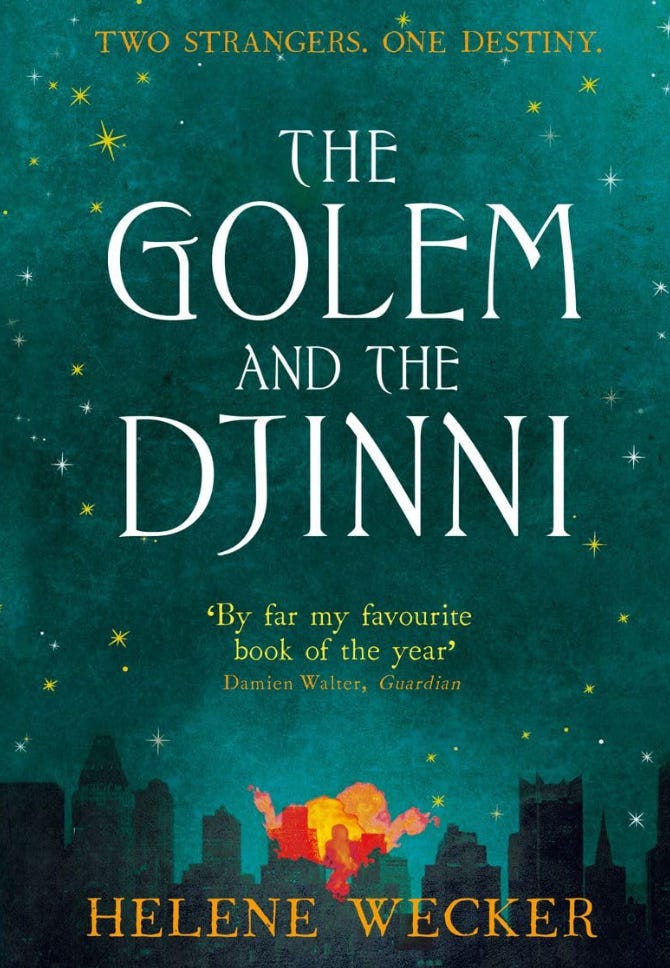
The Fantasy: The Golem and the Jinni by Helene Wecker
A historical fantasy where two supernatural beings form a profound bond that isn’t about a tidy ending, but about connection across otherness, belonging, and the ache of what cannot be fully attained.
Comments
Nothing yet. Say the first thing.
Sign in to join the conversation.