
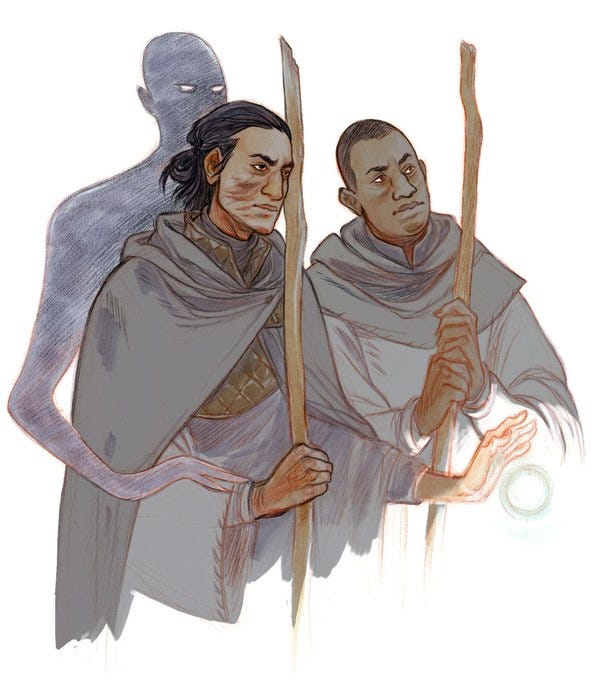
Ged and Vetch by Marion Churchland
Man, the first time I cracked open *A Wizard of Earthsea*, I seriously had no idea what I was in for. I mean, I’d been raised on a steady diet of Tolkien and Arthurian legends, so my brain just auto-filled every hero with some pasty white dude swinging a sword around. Magic? Dragons? Grand destinies? Yeah, sure, but not for people who looked anything like me. It’s wild, but I’d already half-accepted that all the epic stuff belonged to someone else.
Then boom, Ursula K. Le Guin hits me with Earthsea. Suddenly, there are brown-skinned folks everywhere, and the main character, Ged? He’s dark, he’s powerful, he’s complicated, and he looks like me. Not some vague “olive-toned” cop-out either. Le Guin straight-up describes his skin as brown, with coppery hues and everything. She wasn’t playing around or leaving room for people to just imagine him as white if they felt like it. She did it on purpose, too, which was gutsy, considering basically every other fantasy book at the time was just WhiteFest 1968.
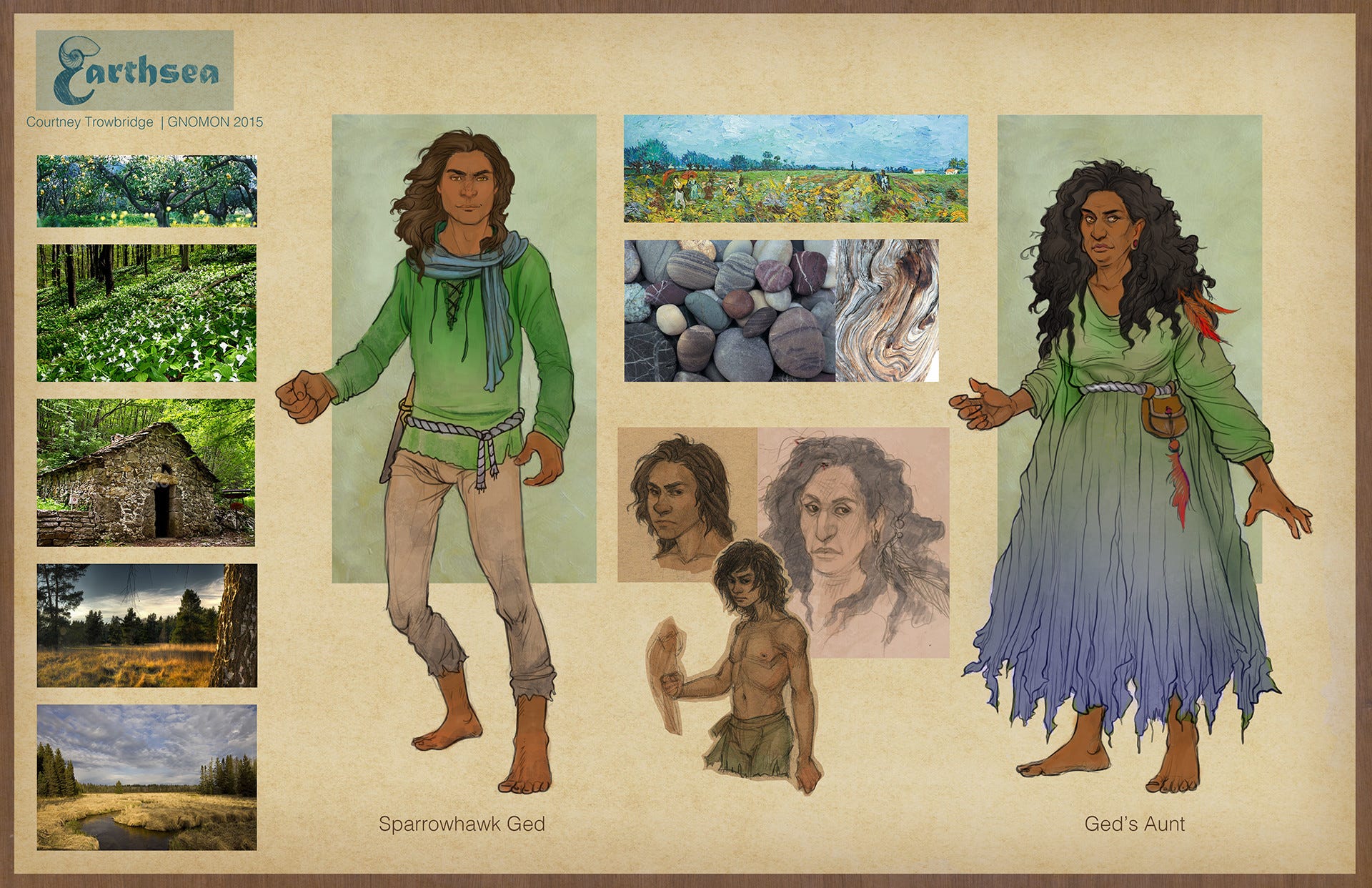
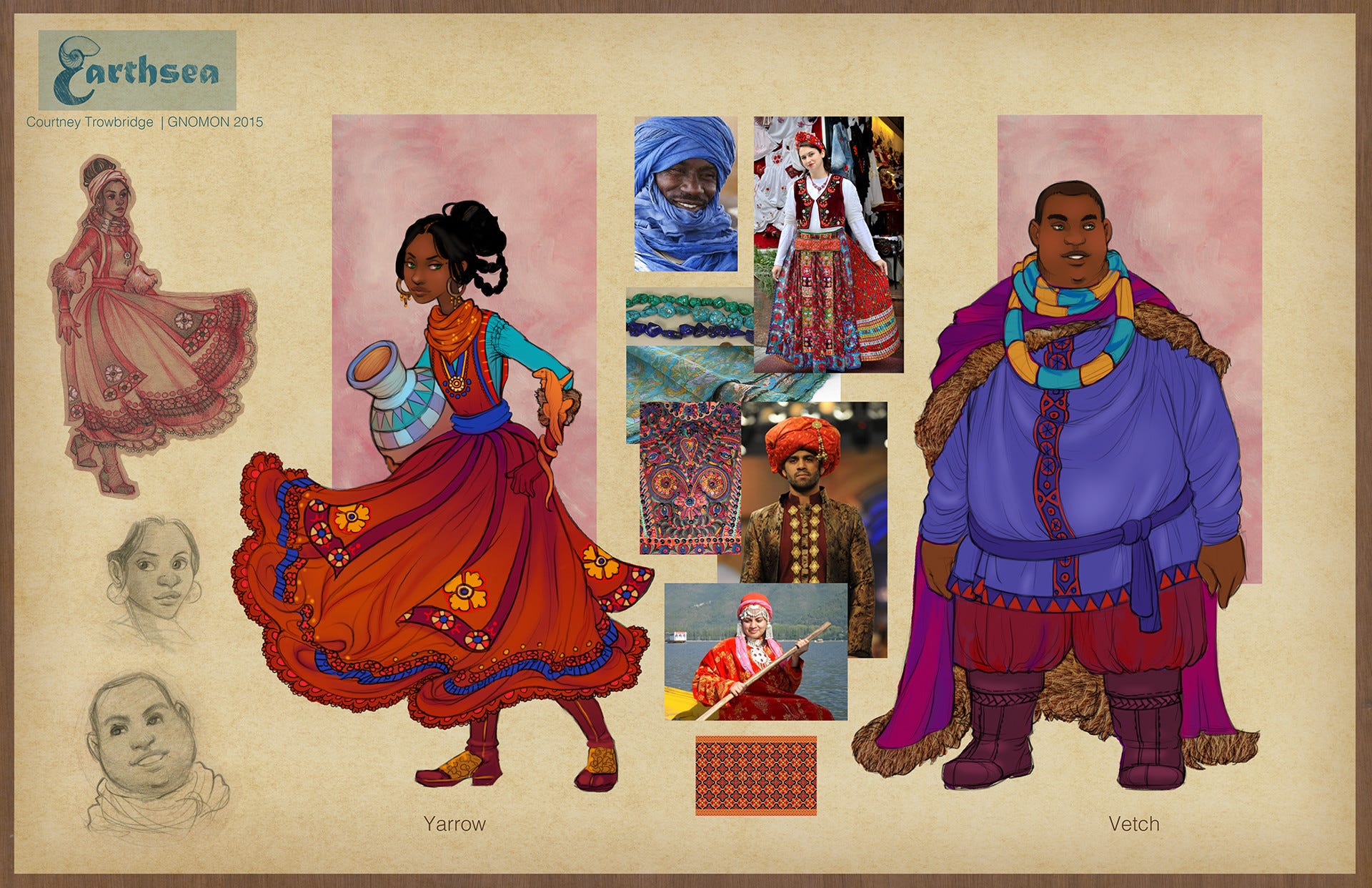
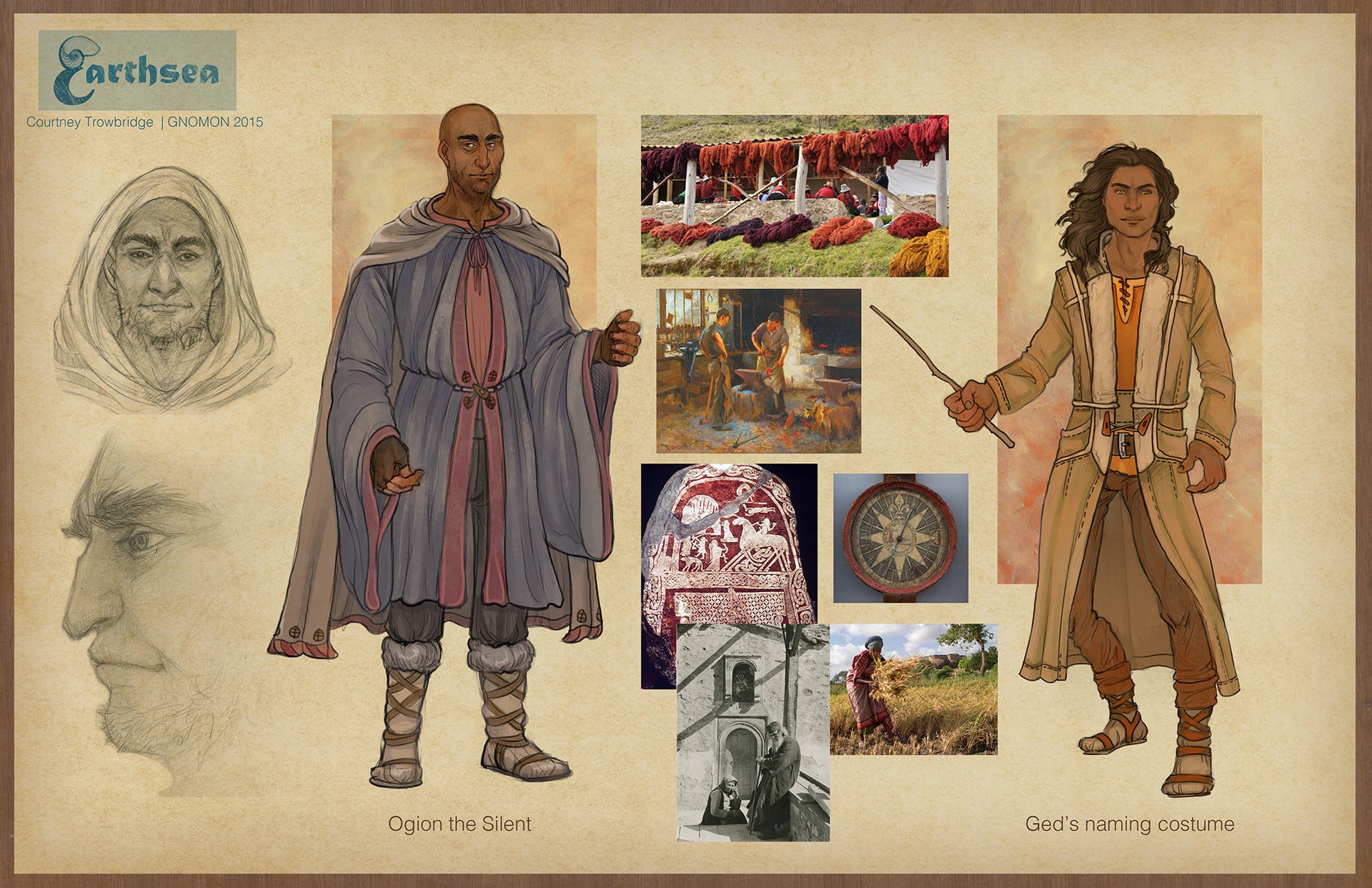
Artwork by Courtney Trowbridge
Listen, for a Black kid lost in a sea of elves and knights who never even thought about someone like me existing in those worlds, reading about Ged was basically revolutionary. He wasn’t the token sidekick or cannon fodder or some evil warlord lurking in a cave. He was the hero. The main event. The actual freakin’ wizard. And not because of some tragic backstory that explained away his skin color. He just *was*. That’s it. That detail, honestly, felt like Le Guin was reaching out of the book and handing me a secret password: “You belong here, too.”
Most fantasy books back then? If you weren’t white, you were either mysterious, evil, or just...not there. Even the old D&D manuals (which I totally obsessed over later) had this built-in assumption: default adventurer = white dude. The only Black characters were, like, the drow (who were literally written as evil “dark elves.”) Thanks, I guess? So yeah, the message was pretty clear: “Magic and monsters are for everyone! (as long as you’re white).”
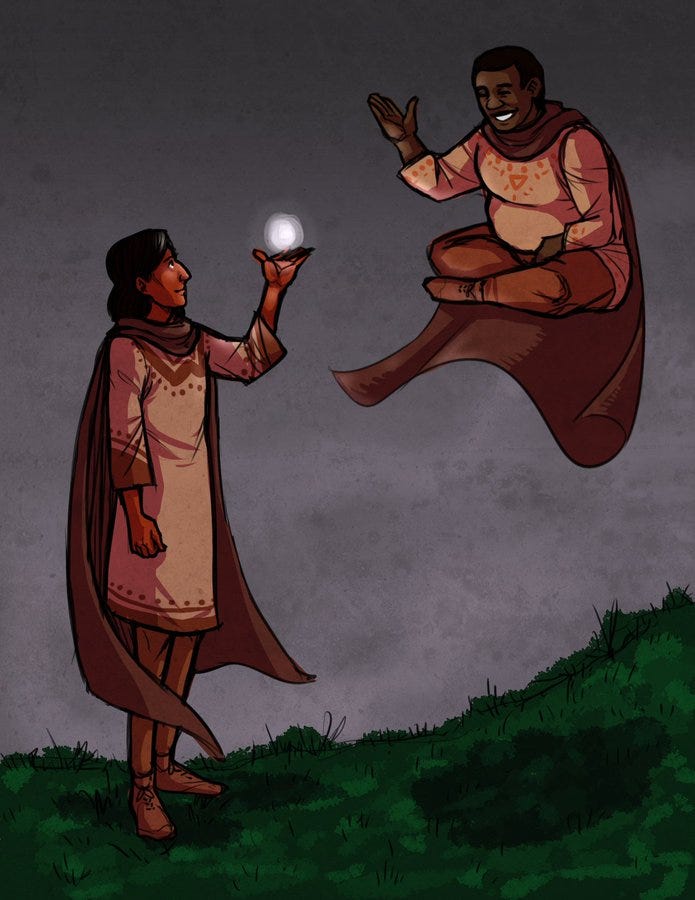
Art work by Gil Estel
But Le Guin wasn’t buying into any of that. She built Earthsea like she’d walked through the world and actually *noticed* people. The islands felt alive with their own cultures, languages, and music. Honestly, the way she wrote about her archipelago world kinda reminded me of the African diaspora: all these separate islands, but still connected in history and spirit. The wizards had this Old Speech that could shape reality itself. Man how cool is that? It felt like she understood how language and identity get all tangled up together, just like in Black storytelling.
I didn’t have the words for it as a kid, but when Ged stood there, staff in hand, facing down that freaky shadow he’d unleashed, I saw myself in that moment. Not hiding in the background, not comic relief, not the guy who dies in chapter three. Me, right at the heart of the story. And after that, you know what? I stopped asking for permission. I started making my own D&D characters with brown skin, broad nose, a booming voice…casting spells with the rest of the party. No more erasing myself.
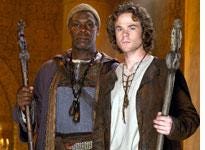
What Syfy did to her vision
Years later, I found out Le Guin had to fight for that vision. When Syfy did their Earthsea miniseries ( don’t even get me started) they just whitewashed the whole thing. Ged, Tenar, everyone. Le Guin was pissed. She wrote this open letter basically saying, “Congrats, you missed the entire point.” And she was right. The whole power of Earthsea was in flipping fantasy’s racial script, and when they erased that, they gutted the meaning for readers like me. It wasn’t just about skin color. It was about the right to see yourself as the hero, not the footnote.
Le Guin always got it. She once said that fantasy isn’t about running away from the world; it’s how we make sense of it. By filling her world with brown and Black heroes, she was saying, “Yep, we’ve got magic too. We’re worthy of legend.” And for a kid like me, that was a game changer.
No posts
Comments
Nothing yet. Say the first thing.
Sign in to join the conversation.