
May was relatively quiet from an activity perspective, though not necessarily from a portfolio perspective.
The number of trades remained low and most of the realized activity came in short bursts rather than through continuous participation. Average holding periods stayed below two days, which is generally consistent with how the portfolio tends to behave when short-term mean reversion conditions remain orderly. The systems were not forced to absorb prolonged adverse movement, nor were positions held long enough for macro narratives to dominate outcomes. Most trades resolved relatively quickly.
Performance during the month was primarily driven by long equity index exposure. European indices, particularly France 40, contributed the majority of realized gains, while FTSE 100 added smaller but consistent positive contributions. US Tech exposure became more relevant later in the month as volatility created short-term dislocations that reversed efficiently.
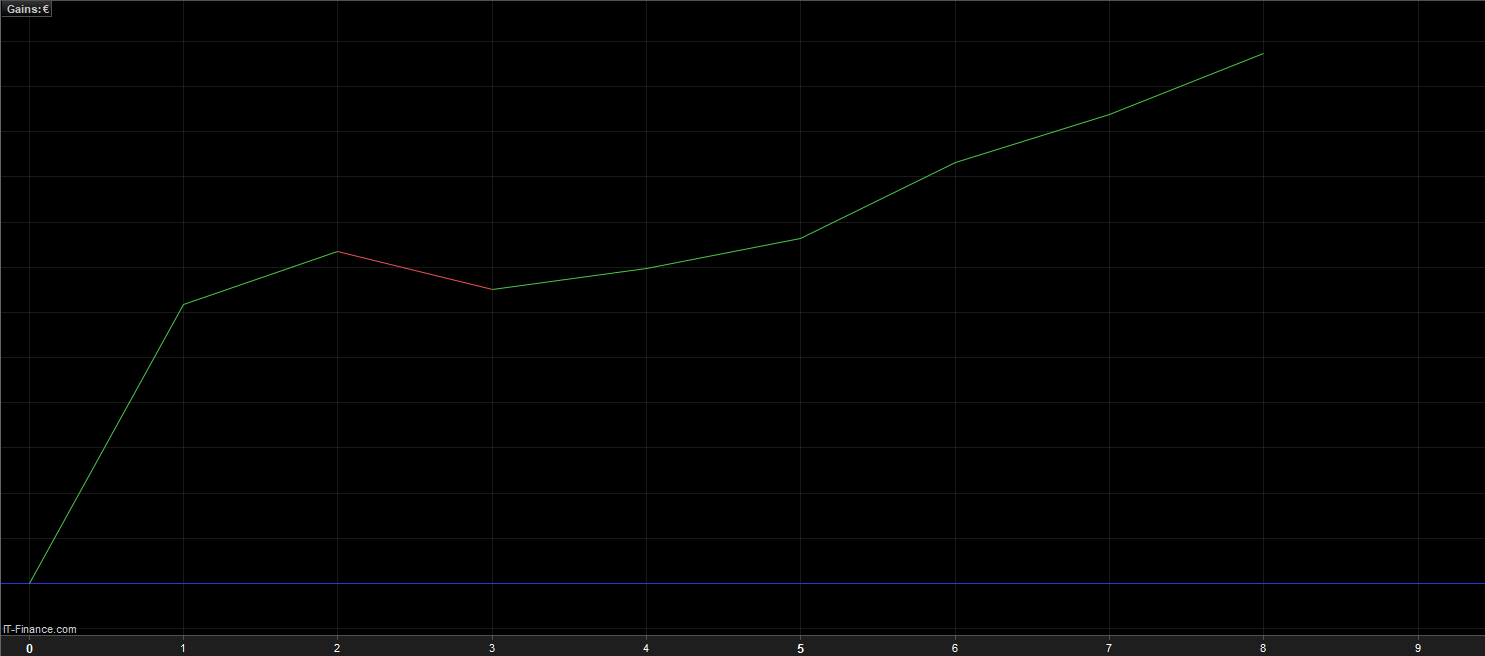
From a process perspective, the more important observation was not necessarily the return itself, but how the portfolio achieved it.
The environment remained favorable for short-term reversal systems. Weakness in equity indices repeatedly failed to develop into sustained downside momentum, allowing the portfolio to capture relatively compressed rebound behavior without requiring extended market exposure. These tend to be very favorable conditions for short-duration mean reversion systems, particularly when volatility expands temporarily without transitioning into disorderly trend behavior.
Importantly, the month did not require unusually aggressive risk-taking to generate positive outcomes. The realized trade distribution remained relatively balanced, with losses contained and profitable trades resolving efficiently.
That said, the concentration profile deserves attention.
While the portfolio traded multiple indices, the realized exposure was still heavily tied to the same broad equity risk factor. France 40, FTSE 100 and US Tech 100 may appear diversified superficially, but during periods of genuine stress, correlations between these exposures can compress rapidly. The portfolio benefited from that shared directional environment this month. A different volatility regime could easily have produced the opposite outcome.
This remains one of the more important ongoing portfolio considerations.
Diversification is rarely tested during favorable environments. Its real value only becomes visible when positions that appear independent begin behaving similarly under pressure. One of the risks with short-term systematic equity exposure is that multiple systems can quietly become different expressions of the same underlying market behavior.
For now, that risk still appears manageable, though it remains something I continue monitoring closely.
From a behavioral perspective, May was easier than most months.
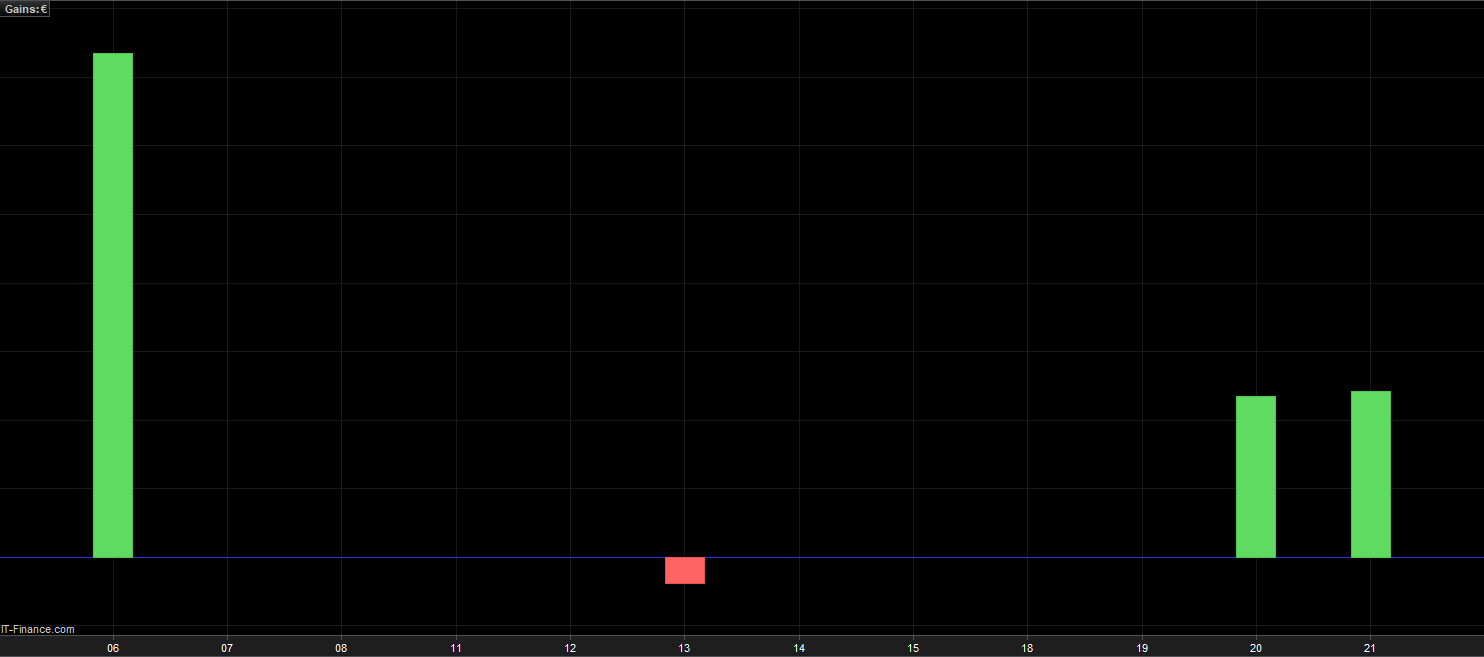
Short holding periods, limited drawdown pressure and a high realized win rate naturally reduce psychological friction. But these periods can also create a false sense of stability if interpreted incorrectly. Smooth equity curves are pleasant, though they are not the objective. A systematic portfolio cannot be evaluated based on whether recent conditions happened to align well with the current strategy set. The real question is whether the portfolio remains robust once conditions inevitably change.
At this stage, I continue viewing portfolio management primarily as a process of gradual refinement rather than constant optimization.
No major structural portfolio changes were made during May. That was intentional. I generally prefer avoiding reactive adjustments during periods where systems are functioning as expected. One of the easiest ways to damage long-term robustness is to continually modify portfolios based on recent comfort rather than structural reasoning.
The focus instead remains on understanding where hidden concentration may exist, where correlations may become unstable and whether the portfolio continues earning diversification rather than merely appearing diversified during calm periods.
Looking ahead, correlation behavior remains one of the more important areas I am watching and I have many systems currently paper trading and waiting for further evaluation.
I have also been working on a separate project alongside the portfolio itself. I have been building a live portfolio tracker that allows the portfolio activity, performance and strategy exposure to be monitored more transparently and systematically over time. The goal is not only improving visibility into the portfolio itself, but also creating a more structured way to analyze how different systems interact across changing market environments.
The goal is not building a portfolio that performs well in one specific environment.
The goal is building a portfolio capable of surviving multiple different environments without requiring prediction, intervention or excessive adaptation.
That process continues.
Portfolio Performance for May
Monthly Return: +9.09%
YTD Return: +26.11%
Max Drawdown (YTD): -4.2%
Number of Trades: 8
Win Rate: 87.5%
Average Trade Duration: 1 Day 20 Hours
Strongest Contributor: France 40
Strategies Contributing This Month
France 40 Short-Term Long System
Market: France 40 (CFD)
Timeframe: 1 Hour
Type: Mean-reversion
System used: Strategy #13: Turnaround Tuesday
FTSE 100 Short-Term Long System
Market: FTSE 100
Timeframe: 1 Hour
Type: Mean-reversion
System used: Strategy #13: Turnaround Tuesday
US Tech 100 Swing Long System
Market: US Tech 100 (CFD)
Timeframe: Daily
Type: Mean-reversion
System used: Strategy #6: LC2RSI
US Tech 100 Swing Long System
Market: US Tech 100 (CFD)
Timeframe: Daily
Type: Mean-reversion
System used: Strategy #14: 3 Down Days
Disclaimer: I am not a financial advisor and I don’t recommend you to trade my strategies. This article is for informational and educational purposes only. Trading involves risk, and you can lose money. Always do your own research.
Comments
Nothing yet. Say the first thing.
Sign in to join the conversation.