
“We dreamed between two worlds.” - Issey Miyake
Limbo, according to medieval Catholics, is located on the outskirts of Hell - a dull, unfeeling void between torments below and divine joys above. Ancient Greeks knew it as the Fields of Asphodel. Buddhists know it as the Bardo.
Filmmakers know it, too. We spend much of our lives in limbo, waiting for the Movie Gods to greenlight our ambitions, or for Satan to scorch them to ash.
Every so often, a film is blessed into existence - actually completed, or nearly so - only to be cast into purgatory prior to release. In recent years, such films have become objects of pop-ulist fascination. Following the 2022 Warner Bros-Discovery merger, upcoming movies Batgirl and Coyote Vs. Acme were shelved in order to claim millions in tax write-downs. Thanks to public outcry, Coyote was saved from obscurity last year when Ketchup Entertainment acquired the rights. It will be released theatrically next month.
This, mind you, is rare. Most lost movies stay lost - for reasons that are sometimes mysterious, and occasionally disturbing.
Today, we investigate the plights of five of them.
Underexposed is a weekly ad-free film publication celebrating great underseen cinema and moviegoing culture. Paid subscribers get exclusive essays, videos, and more - while supporting the future of movie culture.
I was once a music-obsessed teen in Minneapolis. It was the ‘90s, and Prince presided over “Thrill City” (as he called it) like a sparkly, impish demigod - materializing at sparsely-attended glam rock shows, commandeering the sound board at First Avenue, throwing free concerts in parking lots, where more than once it actually rained during “Purple Rain.” For a time, there were spontaneous 3 AM Paisley Park concerts nearly every weekend, with special guests like Erykah Badu. Hours later, Prince would somehow teleport to the Metrodome, where he and Larry Graham would take in a Vikings game. The man was everywhere. Then, he was gone.
When I heard Oscar-winning documentarian Ezra Edelman had directed a nine-hour Prince documentary for Netflix, I practically turned purple with excitement. Alas, I shouldn’t have held my breath. In March of 2025, Netflix canceled the film at the behest of Prince’s estate. “It’s a joke,” Edelman spat back on a podcast. “Here’s the one thing they’re allowed to do: check the film for factual inaccuracies. Guess what? They came back with a 17-page document full of editorial issues, not factual issues. You think I have any interest in putting out a film that’s factually inaccurate?”
Sasha Weiss, a deputy editor at The New York Times Magazine, got access to the “cursed masterpiece.” While surfacing some of Prince’s ugliest abuses, she reveals, the film also restores to Prince what he could never achieve for himself. “It’s an act of witness and a kind of accompaniment for a lonely musical genius. But through some grim cosmic poetry, it, too, remains locked in the vault.”
The Book of Prince is the movie I most want to see on this list. Make it so, Purple One.
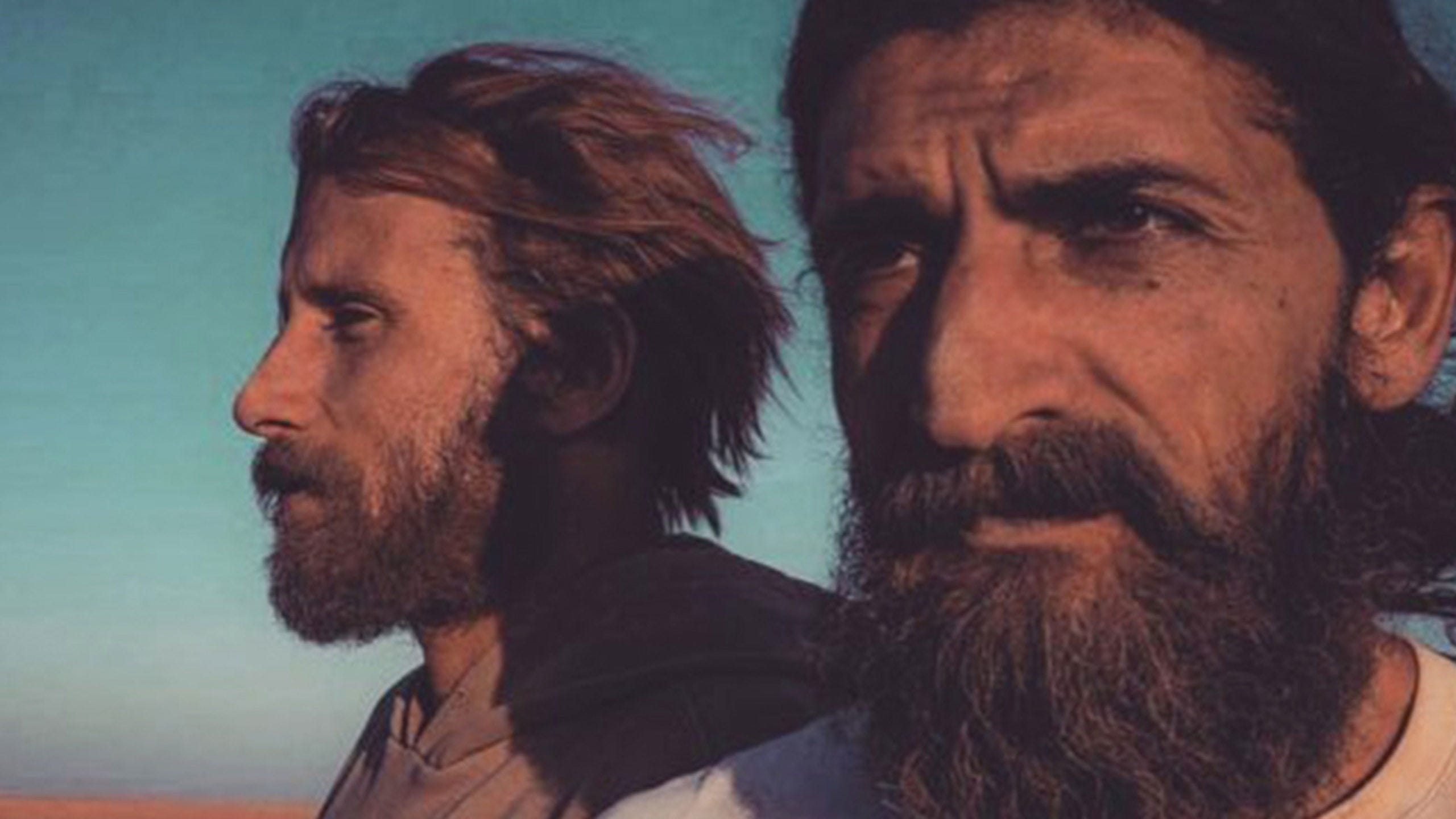
For the past seven years, disciples of filmmaker Terrence Malick have wandered the desert, awaiting the arrival of The Way of the Wind. The epic retelling of the life of Jesus was filmed in seven different countries back in 2019. Even then, plans for The Way of the Wind had been bubbling for decades. “It’s just the most important film to him,” production designer Jack Fisk told Malick biographer John Bleasdale. “Most of the scripts he has, it seems like he had them from the time of Badlands [1973].”
The Way of the Wind stars Matthias Schoenaerts, Aidan Turner, Ben Kingsley, Joseph Fiennes, and Mark Rylance as Satan. Rumors suggest that over 3,000 hours were shot, and that Malick has been assembling the film for the past six years with multiple editors working simultaneously.
As for the film itself, rumors seem to get crazier by the year. Instead of performing miracles, Malick’s Jesus is said to be seen smoking pot and enduring a 28-minute “philosophical monologue” by Rylance’s Satan. One thing seems certain: the film’s runtime will be substantial. Whether Malick, now 82, will ever complete The Way of the Wind remains to be seen. Hopefully soon.
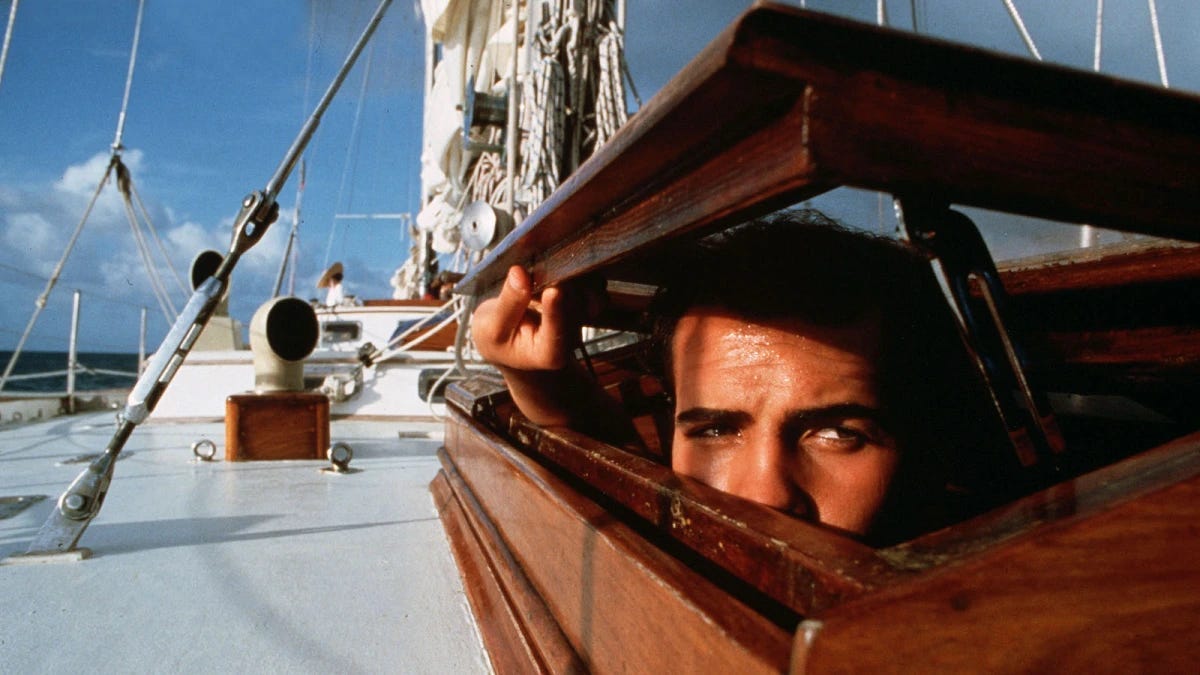
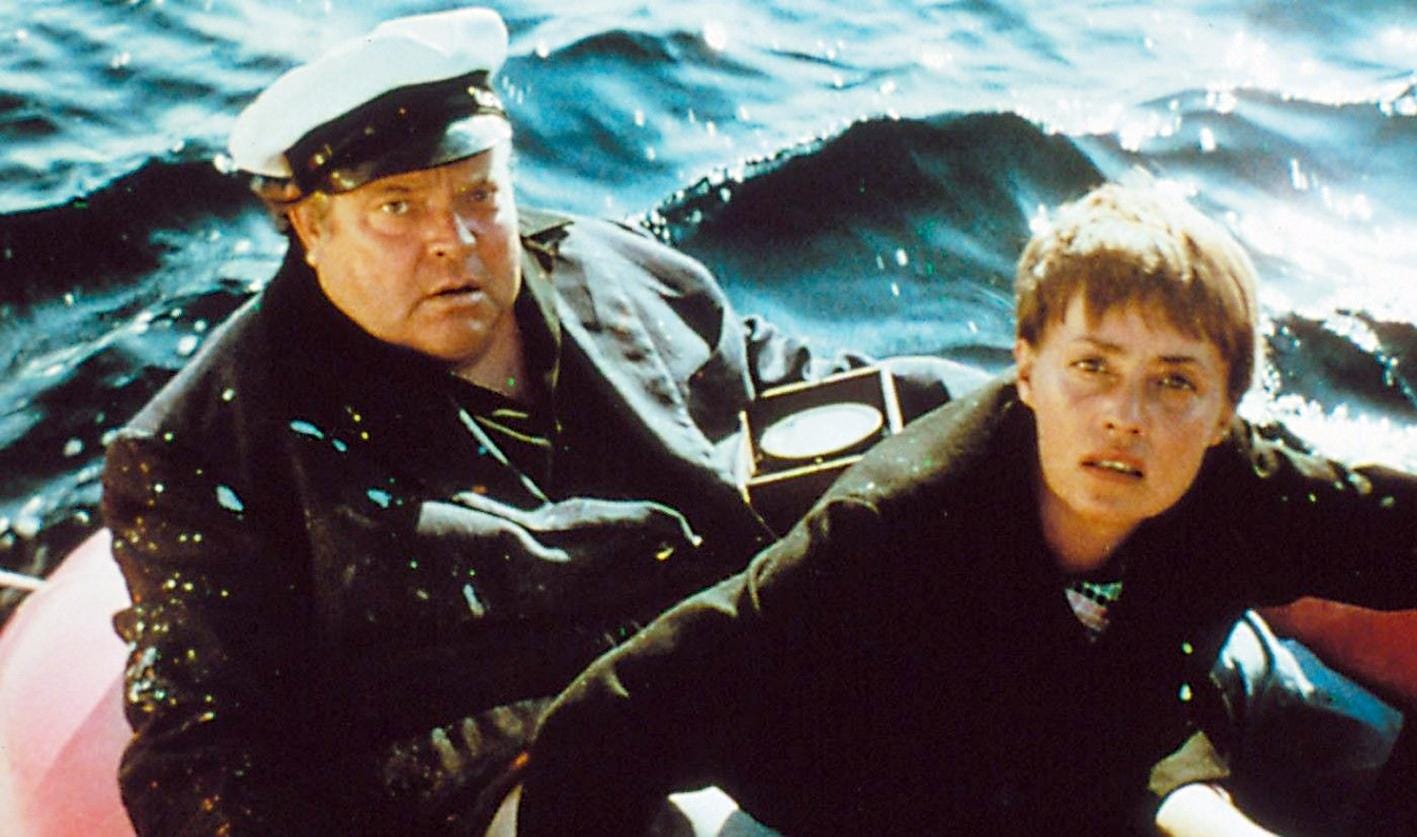
In 1966, Orson Welles embarked on a voyage to Yugoslavia. His mission: To adapt Charles Williams's 1963 novel “Dead Calm” into a low-budget, commercially viable thriller. “I felt it was high time to show that we could make some money,” he explained. The Deep was the tale of young newlyweds whose yachting honeymoon turns stormy when they save a shipwrecked stranger with a story that doesn’t add up.
Welles, who starred alongside Jeanne Moreau and Laurence Harvey, faced budget problems from the start. Bad weather on the Adriatic caused further delays. Meanwhile, Welles’s attorney began to suspect the financier, Bosna Film, was inflating costs and exploiting loopholes in their hastily-drafted contract. Welles’s choice to shoot with a noisy Caméflex at close range meant none of the direct sound was usable - the movie would have to be post-synced. The mounting troubles took a toll on Welles’s health. His doctor prescribed him tranquilizers to numb the stress.
Principal photography ended in 1967, with significant scenes left un-filmed. Additional shooting in the Bahamas was plagued by continuity issues and the absence of Moreau, who’d moved on to other films. Welles’s attention also began to stray, further delaying completion. By the early ‘70s, Welles was cutting trailers in an effort to attract financing. He even approached Charlton Heston about serving as a narrator. But when actor Laurence Harvey died in 1973, The Deep died along with him.
The list continues below. But first, the news.
Bring Back the Hollywood Asshole? No, thanks! In a widely circulated article for The Hollywood Reporter, director Joseph Kahn is making the case for “bringing the monsters back.” While it lands some satisfying jabs at today’s Hollywood execs (“You show up in a quarter-zip and wonder why you lack aura”), I find Kahn’s prescription wildly misguided. The Hollywood asshole is alive and well. The defining feature of America’s current political moment is the unapologetic exhibition of our worst selves. We need more of that? Really? Hollywood has plenty of monsters. What it lacks are ambitious, empathetic humans with exceptional taste - and the backbone to act on it.
Is anyone in the film industry actually kind and helpful? Ted Hope sparked a truly interesting discourse with his recent piece - one that’s been on my mind as well. The sad truth, for me, I hold onto sour memories of bad treatment far longer than I probably should, while taking some of the sweeter, smaller kindnesses for granted. What astounds me, having now been a mentor to film students at NYU and elsewhere, is why more successful film people don’t create opportunities for up-and-comers. The mutual benefit and satisfaction of helping others is one of the best feelings in life. Many successful people I’ve encountered in this business have turned out to be miserly and exploitative. They may have all the money, but in my humble view, they do not know what they’re missing.
Is Meta crumbling? Ted Gioia believes so, and the numbers are backing him up: Earlier this year, daily active users on Facebook and Instagram declined for the first time ever. This week, Zuckerberg published a ridiculous op-ed in the Wall Street Journal opposing centralized power and championing human potential. “This is the same guy who laid off 8,000 employees a few days ago, and is building a data center as large as Manhattan. By the way, Zuckerberg himself can’t be fired—because he limits the voting rights of most shareholders,” quipped Gioia.
And now, this week’s Underexposed Movie Pick:
I haven’t gushed enough about Ramin Bahrani on Underexposed, which is disgraceful, because he’s one of my favorite filmmakers. Born in North Carolina to Iranian immigrants, Bahrani came blazing out of the gate in 2005 with Man Push Cart - a micro-budget masterpiece about a fallen Pakistani rock star living a Sisyphean life in post-9/11 New York.
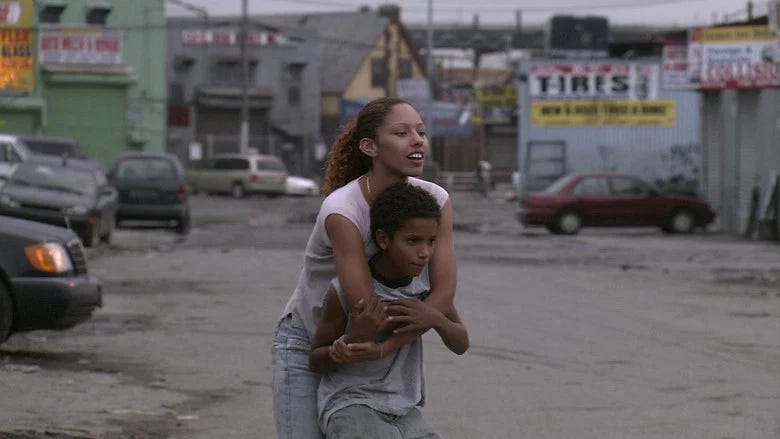
A few years later, he returned with Chop Shop, the tale of Ale, an enterprising twelve-year-old orphan living in a scrap yard in Willets Point, Queens. Disarmingly tender-hearted and achingly real, Roger Ebert ranked Chop Shop as the sixth best movie of the decade, and includes it in his pantheon of Great Movies. You can watch it now on the Criterion Channel.
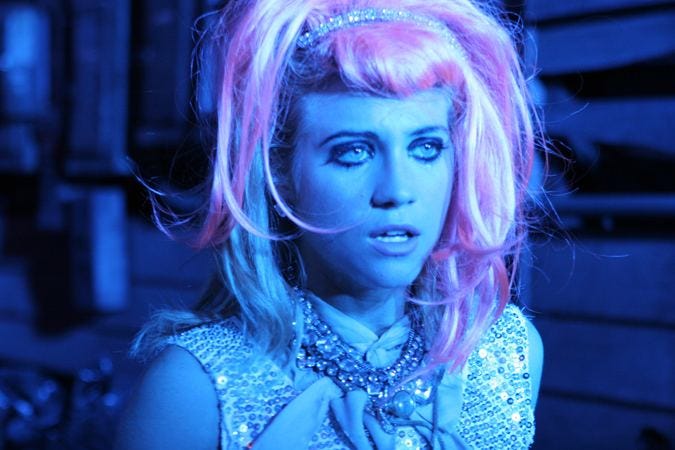
They say life imitates art, so maybe it shouldn’t surprise us when a crime drama gets derailed by an actual crime.
Comments
Nothing yet. Say the first thing.
Sign in to join the conversation.