
For those of you who prefer to read on paper (or e-reader) rather than in your Substack or email app, I have converted this essay into an easily printable PDF.
It’s autumn in Scotland, which is my favourite time of year in my favourite place, and also my wife Hannah’s favourite time of year, so we’re both in quite a creative spell at the moment. I seem to have a good range of projects on the go – both interesting bits and pieces at work (just enough, not too much) and personal literary and artistic obsessions.
I’ve never been the kind of person who can concentrate exclusively on a single thing. I can’t imagine doing that. No, I always have to be researching darkroom processes while practising wood engraving and reading about mad earls who think they’re owls and learning how to cyanotype print and writing a whole series of books about the future of adventure… as well as planning other books to write and buying yet more to read.
A flavour of this might come across in these newsletters, which are deliberately eclectic. Next month I’ll no doubt add a few more creative obsessions to the list – all part of the fun for me. My challenge? Staying the course once I’ve begun something.

Like the Wind issue #47, which is gradually nearing completion, and starting to think ahead to #48.
Various Sidetracked projects, including preliminary work on Volume 35.
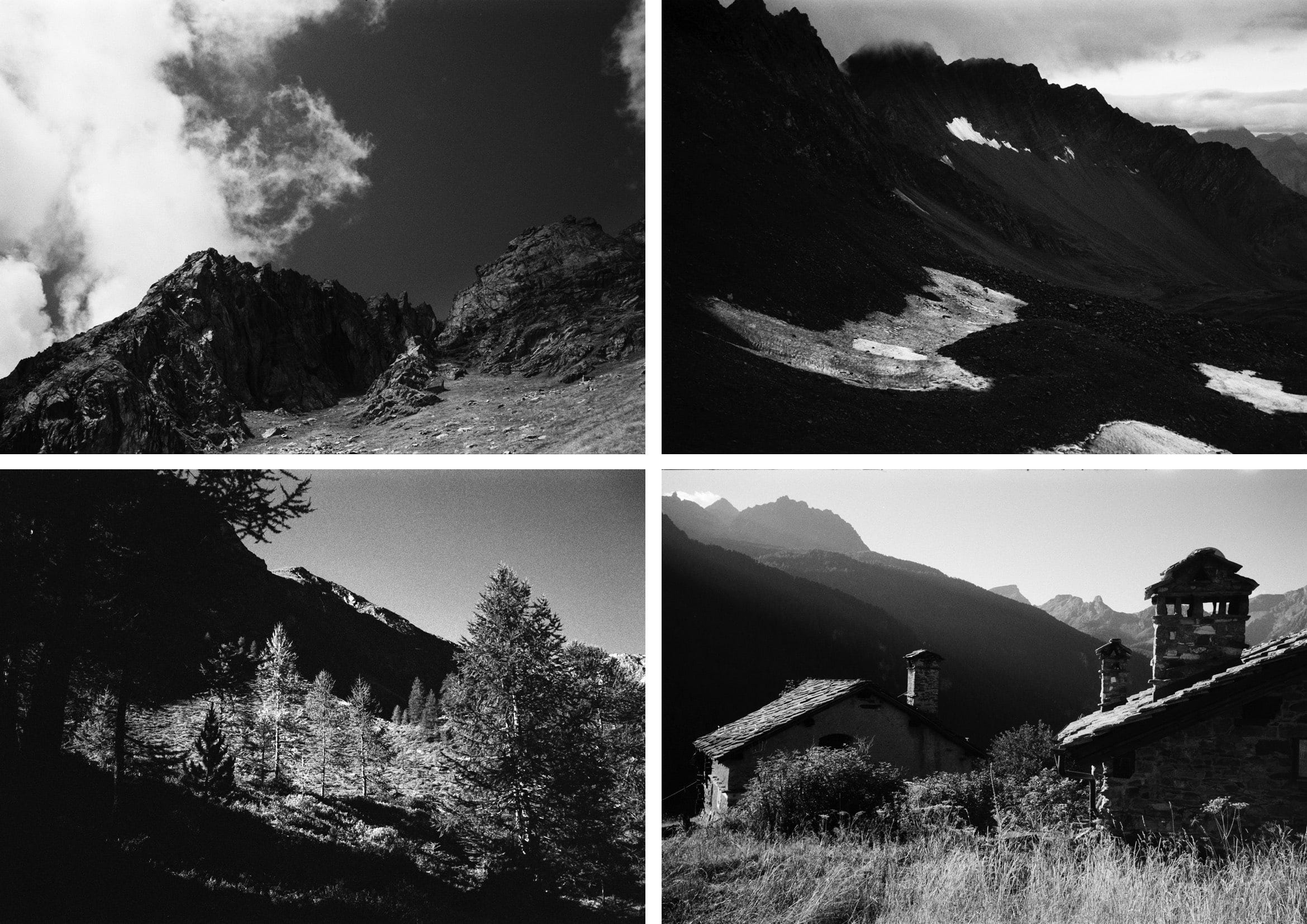
Yes, I am still working on my film scans from the Alps…
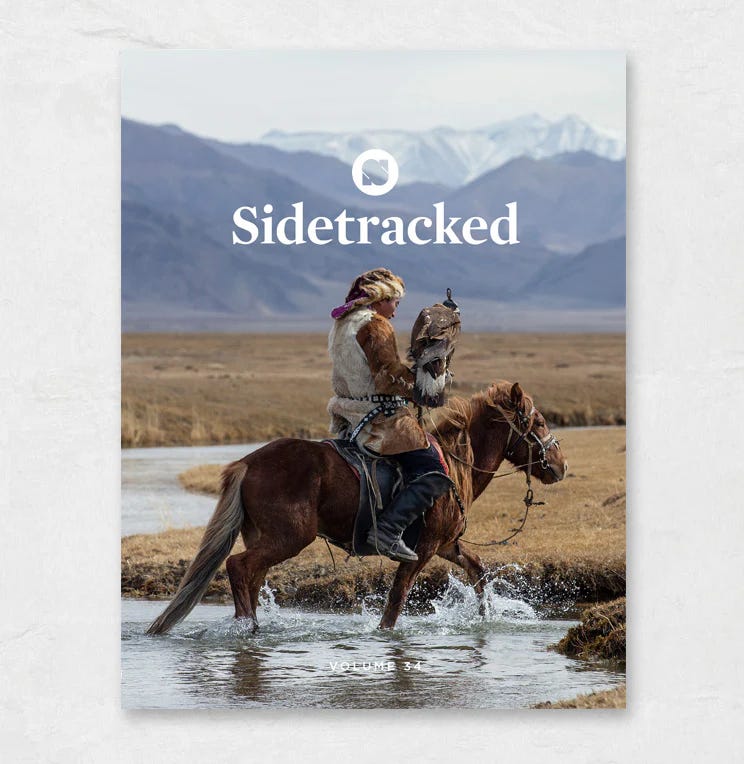
Ready to pre-order now. So proud of this one.
‘If a dream is easy to achieve, is it even worth trying? A dream should be just on the cusp of what is possible.’ —Tim Howell
Adventure is about making choices. Where is the line between survival and disaster? When should we walk away? How can we include rather than exclude? And what marks will we leave behind? In this volume of Sidetracked, we present a collection of stories exploring the difficult questions in adventure.
🌄 Analogue Renaissance, Kingussie, 6.30pm October 24th, 2025
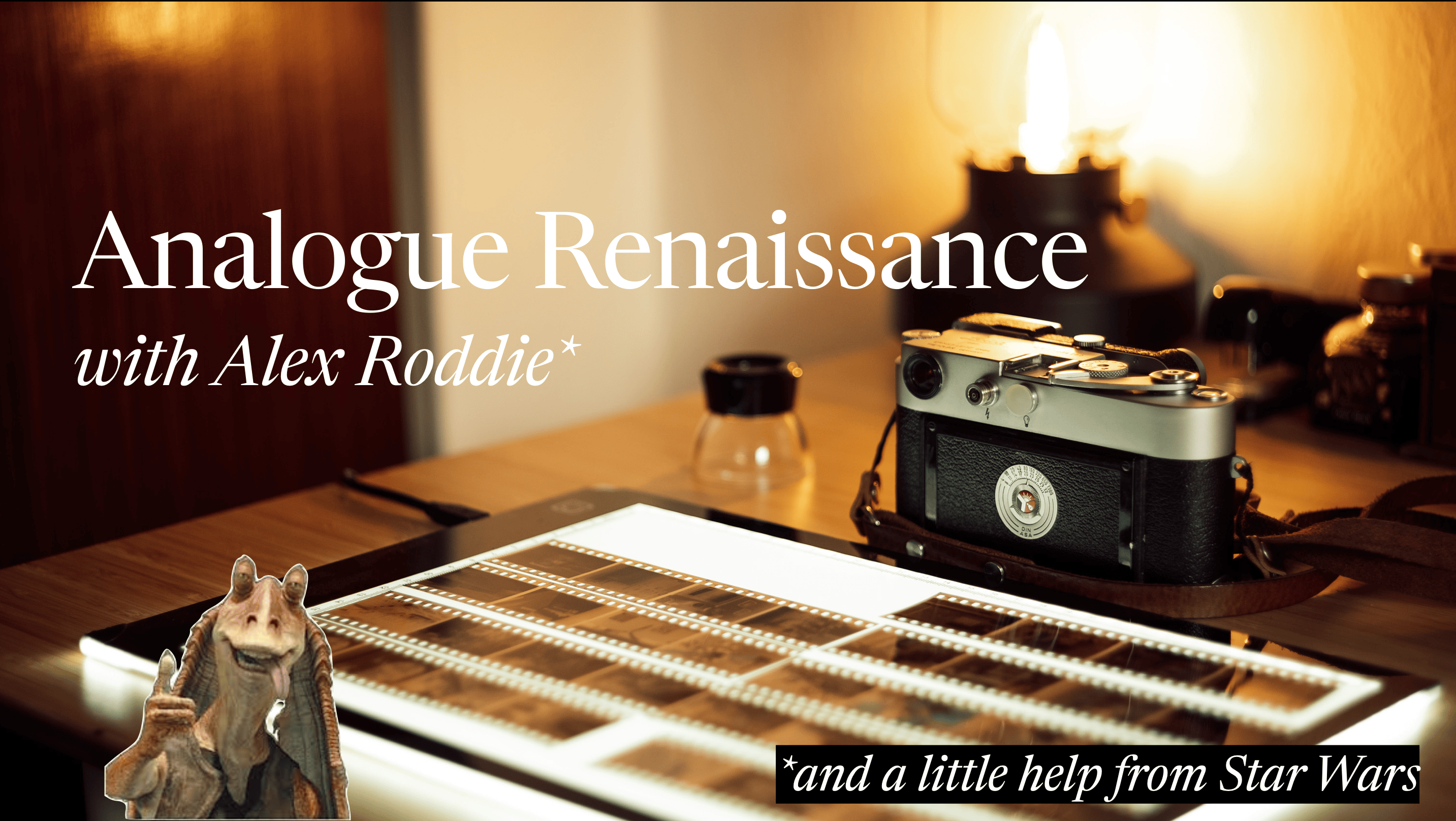
Yes, that’s next Friday. To conclude our fabulous Analogue11 photographic exhibition at Eleven41 gallery, I’ll be speaking about the renaissance of all things analogue – not just photography but also magazines, music, and all the other good stuff.
Only 20 years ago, the digital world was ascendant, analogue was seen as old hat, and few could have predicted a bounce back for film photography or vinyl records. Print books were widely predicted to die out. But today, analogue alternatives are thriving – and being pushed by the young. How did we get here, where are we going, and why the heck do I keep making Star Wars jokes anyway?
Should be a fun evening. Entry is free and doors open at 6pm to start at 6.30pm. I’ll be speaking for roughly an hour.
✍🏻 ALINE: Open Ground, Kendal, 2pm November 21st, 2025
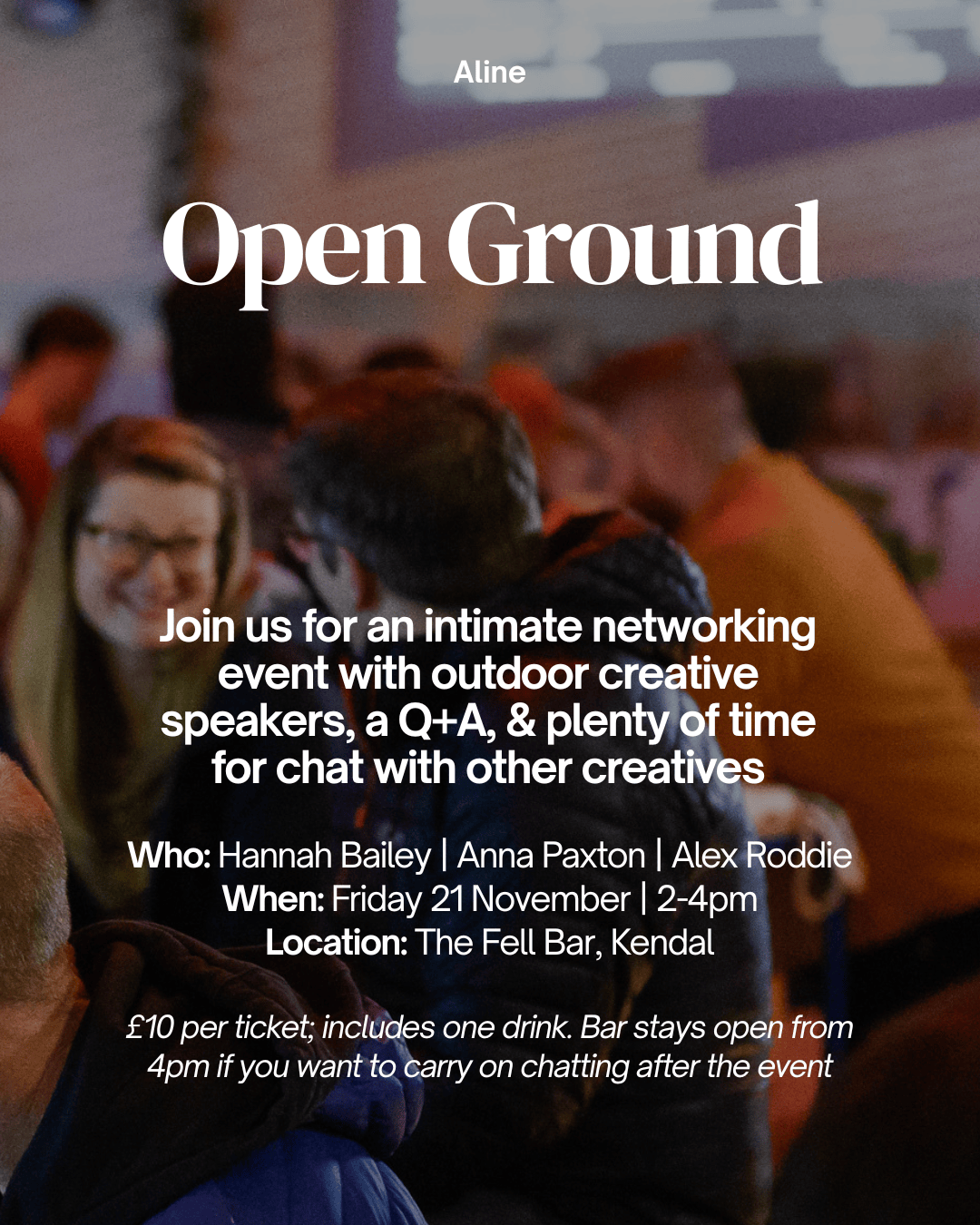
How are things going for creatives in the outdoor industry? Join your peers for an informal session at the Fell Bar, where we’ll check in with three outdoor creatives to learn about their recent projects. Representing the written word, filmmaking and photography, Anna Paxton, Hannah Bailey and I will each showcase a positive recent project – but Aline is about mutual support, so this will also be a safe space for exploring the more challenging sides of the industry right now.
In addition to the presentations, we’ll be hosting a Q&A… followed by all the time you want to chat, dream up future plans and collaborations, or maybe ask that burning question that only makes much sense after two pints.
This Kendal fringe event will be a celebration of the good things outdoor creatives can get up to when things go well, but it’s also a chance for some honest, candid, and open chat with fellow professionals away from the Kendal spotlights. Tickets here.
More light and darkness from the Alps. Leica M3, Kodak Double-X.
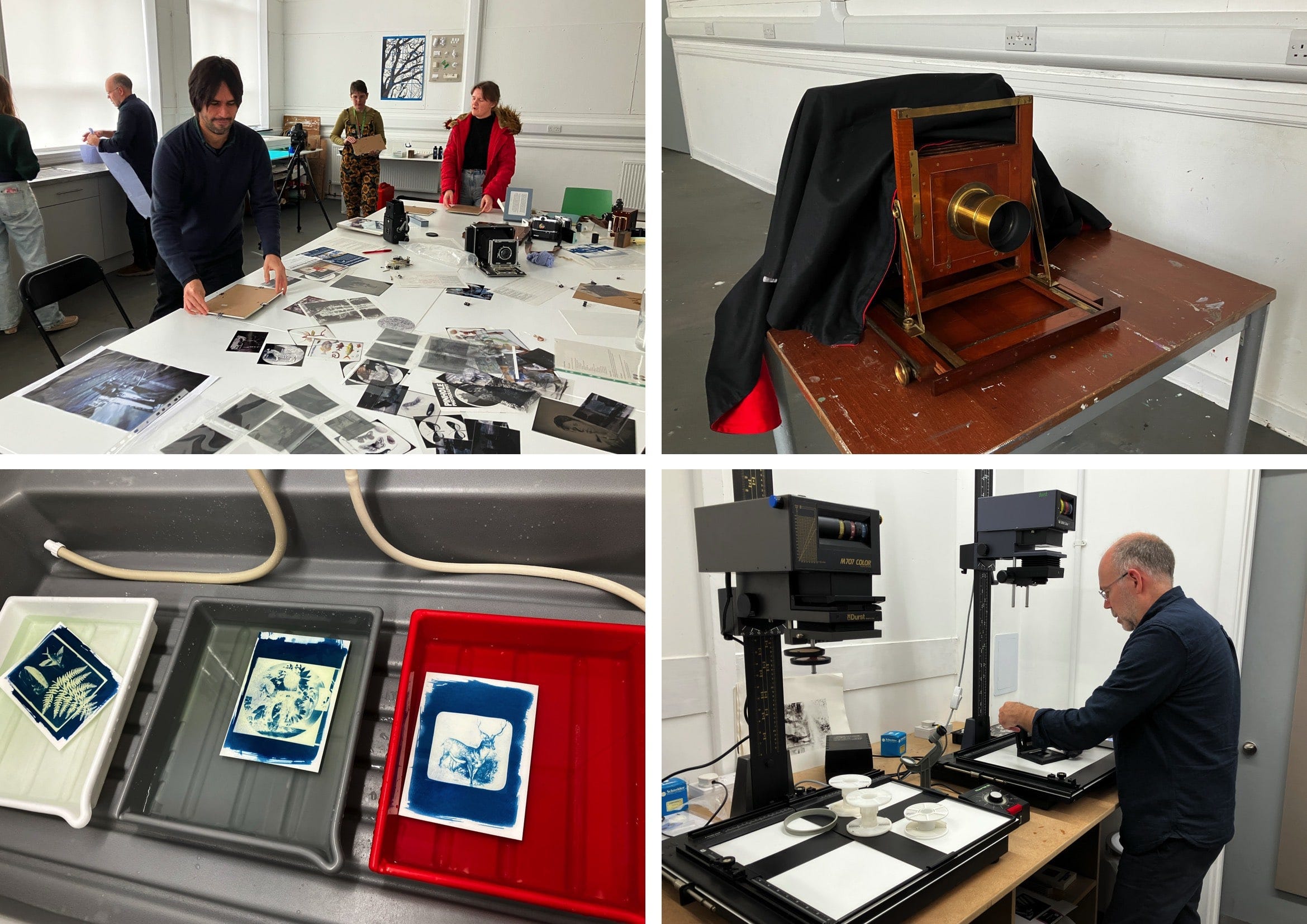
Yesterday I attended an induction session at the brand spanking new darkroom facility at the Perth Creative Exchange. This is an absolutely incredible UNESCO-funded facility for artists in the local area – I was blown away by the sheer scale of the place, with dozens of studios. Everything is new and shiny. The darkroom was added this summer.
Anyway, following up on my ‘analogue is being pushed by the young’ remark above, I reckon I was the oldest student in the class. Most of the others were early 20s to mid-30s; all were passionate about analogue arts and film photography, eager to learn and make use of this new facility. The tutor was local photographer Paul Adair, who took us through his lovely camera collection before teaching us about the cyanotype process and then giving us an overview of the darkroom. There are facilities to print from negatives up to 5x4 large format.
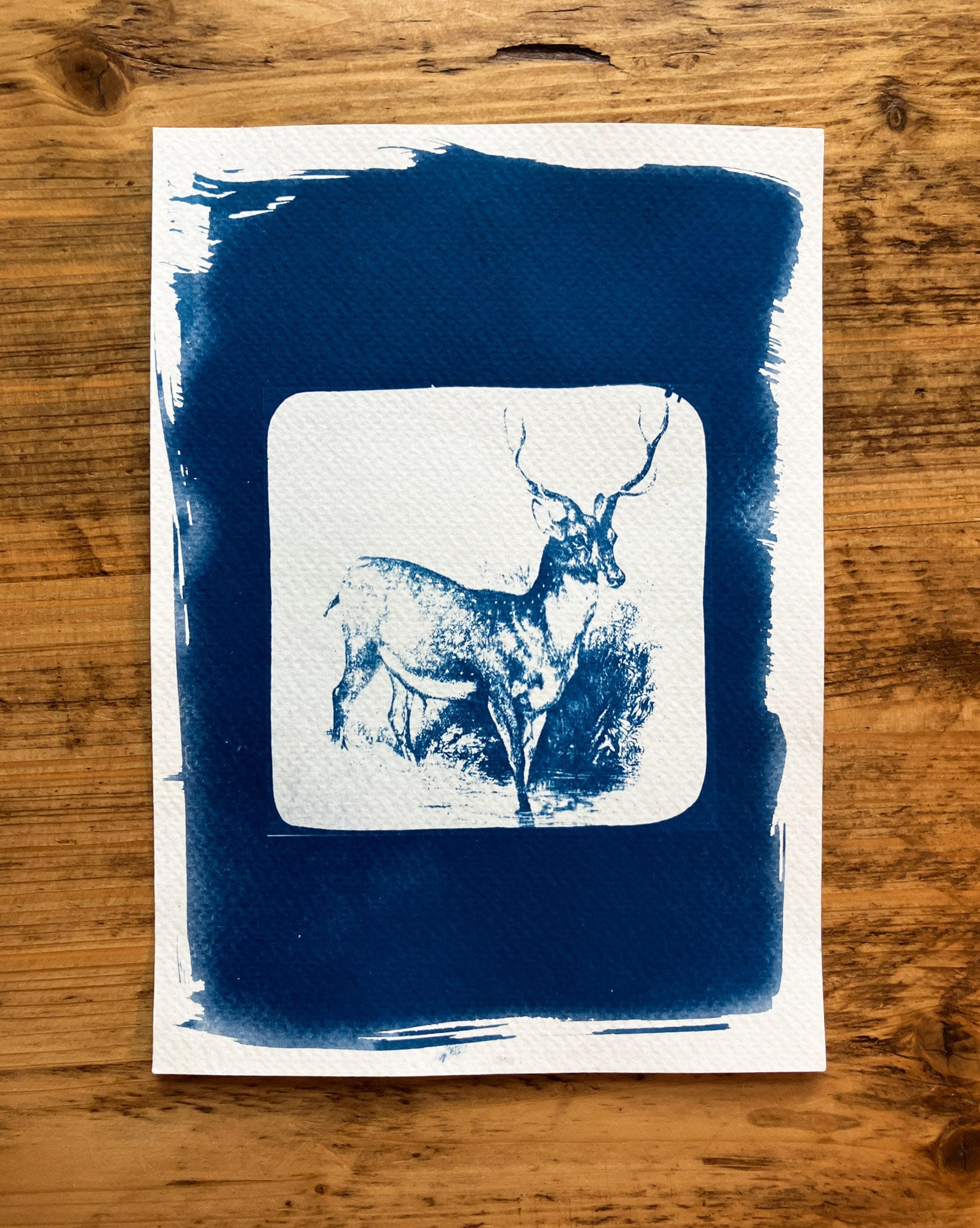
I will most certainly be back. And my enthusiasm for cyanotype has been sparked as well…
Still reading Titus Groan by Mervyn Peake. Still engrossed and enthralled. What a book.
📸 Black+White Photography magazine, Issue no.306
Chapter 3 of Michael Kenna’s Darkroom Diaries offers a wonderful insight into this master’s opinions on grain, cropping, and toning. I especially like his attitude towards grain, which is that it can be a valuable part of artistic expression:
Yes, grain obscures detail, but I don’t use photography to be a mirror of the world, and have little interest in being a recording machine, faithfully trying to duplicate everything I see. Suggestion, interpretation and evocation are more important to me than accurate description, and I have tried to use grain as an ingredient of that equation.
📸 Revelry Collection now offers a subscription
I’m glad to see Revelry Collection doing so well. After the first volume sold out, I’m told that Volume 002 is well on the way to completion – and subscriptions are now opening up. I’ll be catching up with Bentley later this month.
🌿 What is Regenerative Design?
A great primer on regenerative design from Tim Frenneaux.
We’re stuck in the constraining input/output mode of modernity, working on the what without making time to dig deeper.
The expectation of absolute clarity and certainty is one way we lock ourselves in, cut ourselves off. We remove the space for new perspectives and opportunities to emerge.
We must make time for mystery, which means letting go of our expectations.
✍🏻 On Drafting
Alexander M Crow on how he gets the words down. This isn’t far off from some of the techniques that have worked for me, although I’m a lot less systematic about it and rarely stop working right at the end of my allotted flow time slot. If I’m working well, I’ll keep working.
I often use a small kitchen timer if I want something that ticks away and then goes off with a loud bell at the end of the slot. This gets most use when I’m editing, or working on something difficult where I benefit most from regular breaks.
I also use a 15-minute sand timer, which both runs and concludes silently (and I’ll often continue in my flow state for much longer). 15 minutes isn’t my preferred interval, though; I’d rather have 20 or 25.
With writing, it’s always been about doing whatever it takes for you to get the words down.
🎨 How Did The World Get So Ugly?
Two different friends sent me this independently over the last week. It’s a great primer on why modern architectural and product design is the way it is. After watching this, go and read about William Morris and the Arts and Crafts movement.
📚 Report: Inside the Print Revival
This is from earlier in the year, so you may have seen it already, but I’m researching the analogue revival at the moment so am studying this. It’s a comprehensive report.
So no, print is not dead, and it isn’t just just surviving – it’s thriving, adapting to fit growing audience demand for premium products that deliver curated, collectible experiences in direct contrast to digital’s endless scroll.
🏃🏻♂️ How niche running magazine Like The Wind became a blueprint for indie publishing success
Simon Freeman, our publisher at Like the Wind Magazine, has been interviewed by MediaVoices. Some great nuggets here about the print revival and how it exists within the digital landscape.
The chase to match internet scale has been the downfall of many newsstand magazines; the costs associated with trying to compete on audience reach are crippling.
Even now, with every issue carrying sponsorship, the pitch is not about scale but about being part of the running ecosystem and supporting long form storytelling in the running world. Simon says, “It’s being part of in-person events. Paying writers and photographers and illustrators in the running space…supporting journalism that talks about social issues through the lens of running.”
“It feels as though social media of 10 years ago is unrecognisable from what it is today. They still want entertainment, they just don’t necessarily want it to be on a social media channel.”
This from Kassondra Kloos is just wonderful.

If you like what you’ve read, please subscribe to receive updates in your inbox and Substack app. Thanks for your support. And if you’ve enjoyed what you have read, please tell someone else about it!
Images and words © Alex Roddie. No AI has been used in the creation of any work on this page. All Rights Reserved. Please don’t reproduce this material without permission.
Comments
Nothing yet. Say the first thing.
Sign in to join the conversation.