
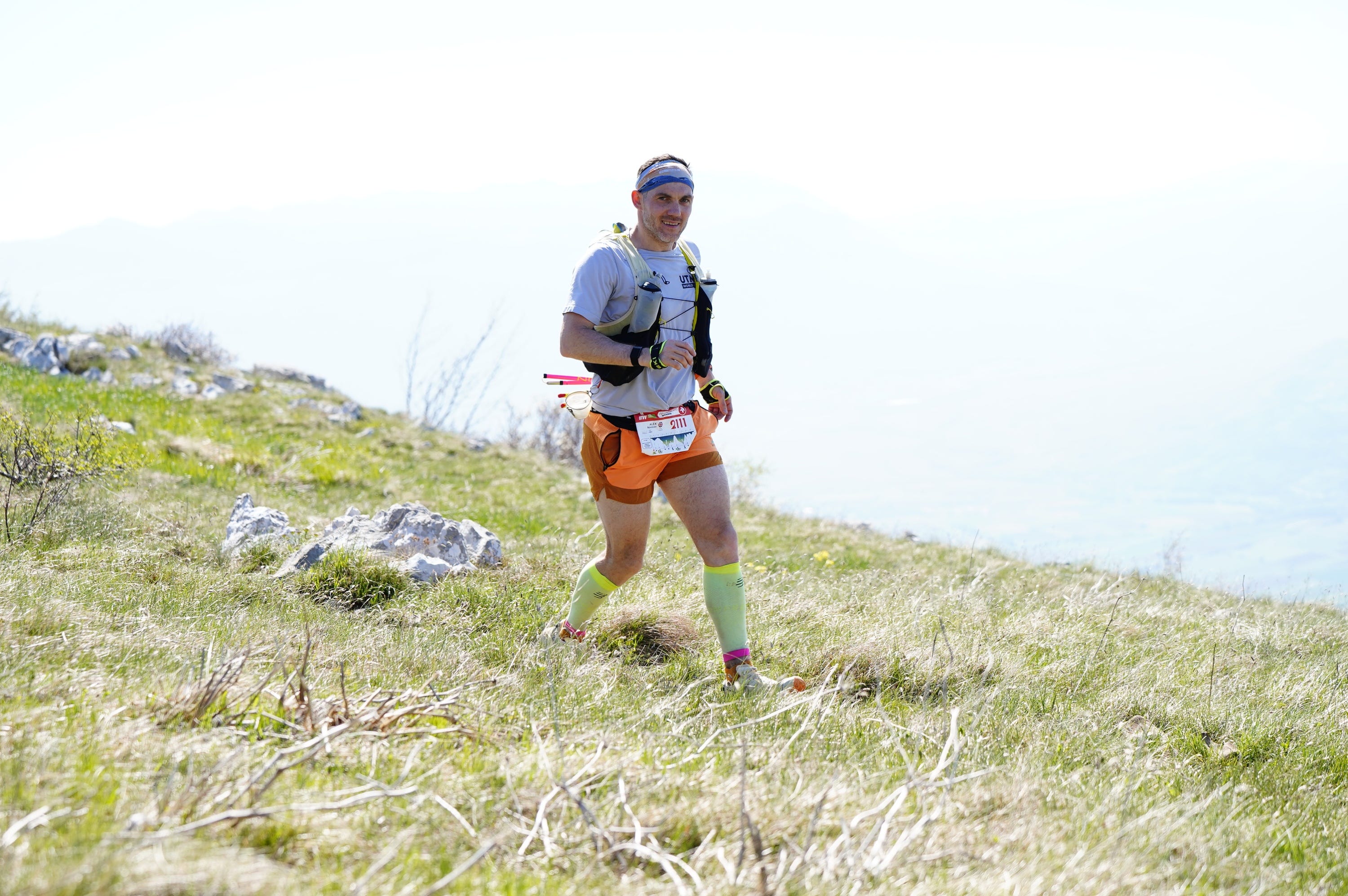
We all want to run an ultra and finish strong. That’s the goal, isn’t it? But why would you bother finishing strong? Why don’t you finish as you finish right now? Destroyed?
Well it costs you more than you think. Recently someone I know sent a message in a group chat on WhatsApp that they finished a race and that she felt great after a 100 miler. I saw on her carousel post that had a video of her barely walking the next day. When I asked her if she finished strong in the group she said YES of course.
So for this reason let me define what I mean by finishing destroyed: it’s not being able to walk the next day, it’s being completely depleted which means driving your body to survive the ultra and most importantly the next couple of days not being able to function as a normal human being.
This is for me finishing destroyed. Another example of me running Transgrancaria in 2024 and being completely exhausted half way. I went and finished the race, I didn’t really chase cut off times but I finished completely destroyed. I finished the race in 26:14… but it’s not the time really it’s how I finished, it’s how I felt. I was destroying my joints, my body because I didn’t train properly (even with a coach)! The next day I struggled to walk, everything hurt. I remember someone told me that these are the races we remember, kind of like it’s a badge of honour.
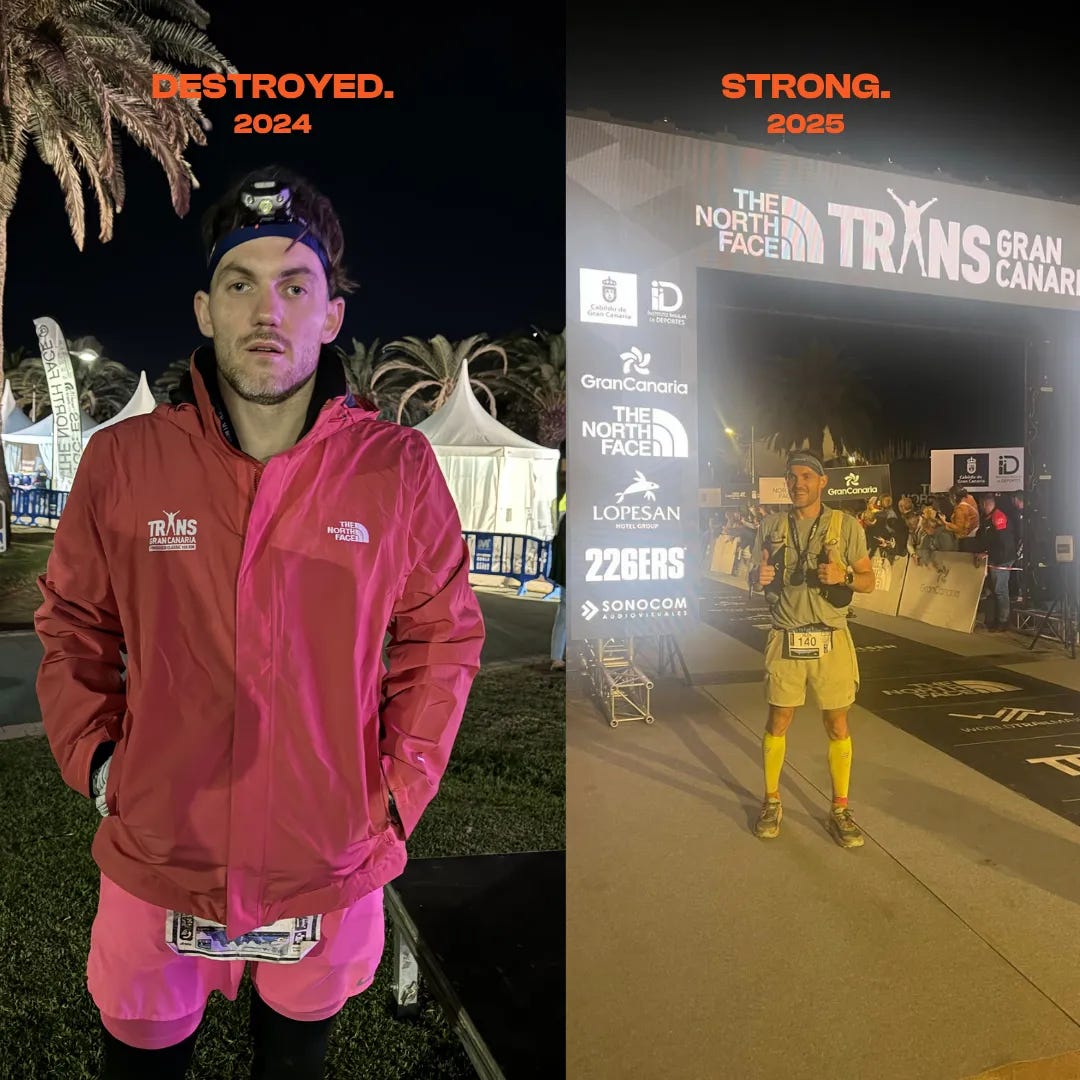
Of course I felt good, I got a lot of ‘praise’. But looking at it now it’s nothing more than me seeking validation, I wanted to be seen and when people hear stories like this they obviously will tell us well done.
There are obvious lessons that I learned and strengths that I have: like I pushed through pain and I have a very strong mindset. But if I look at it from a physiological point of view, I don’t think my body thanked me for it.
The next year I ran the same race and I finished strong. I finished six hours faster, I wrote an article here. But what is more important is that I felt strong, I felt the next day that I could go for a run, and function as a normal human being. That’s the definition of finishing strong.
Did I push my limits? Did I challenge myself? No I don’t think so. The reason why is because I have so much more in me. And 2 weeks ago I proved it to myself.
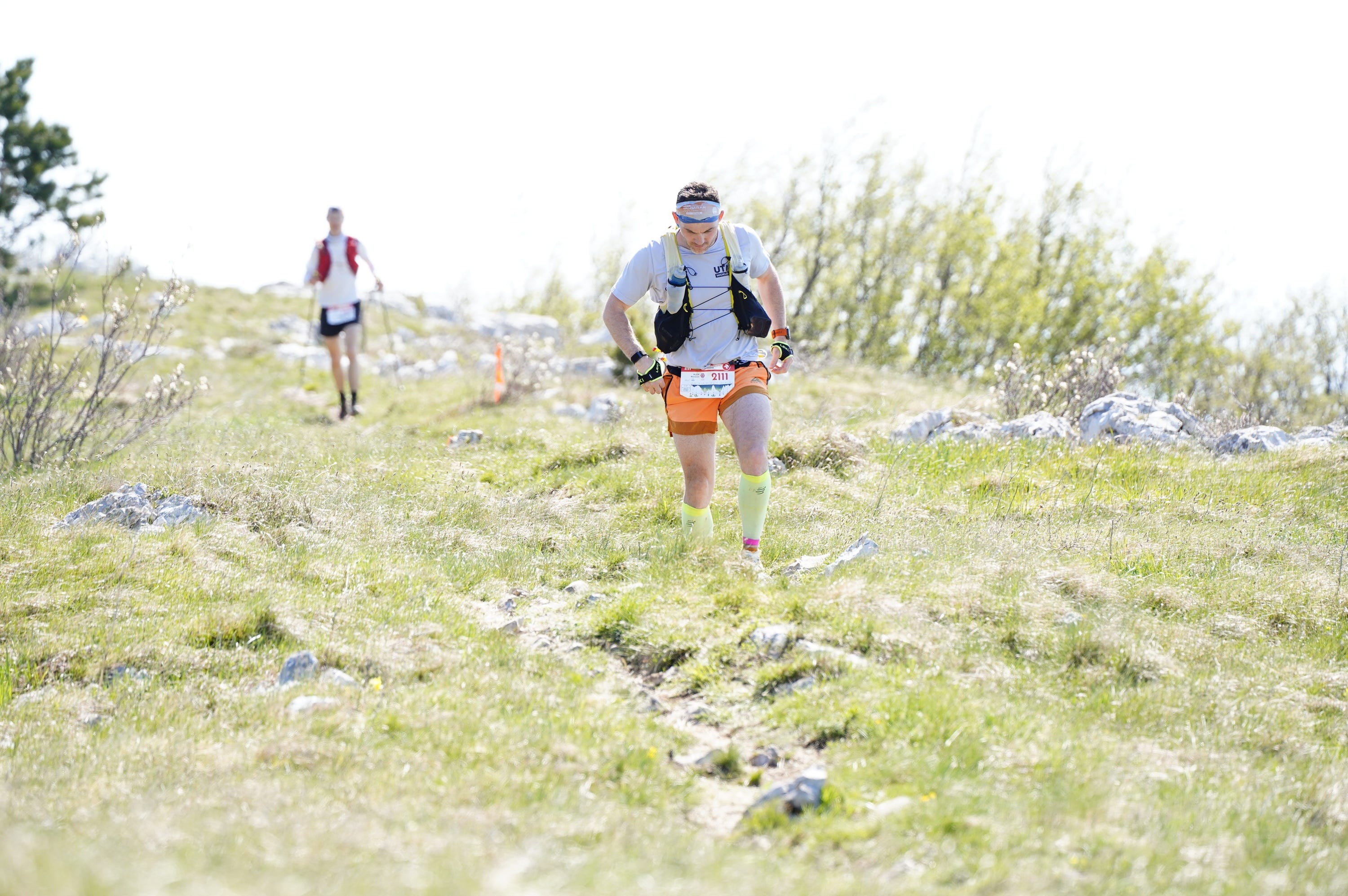
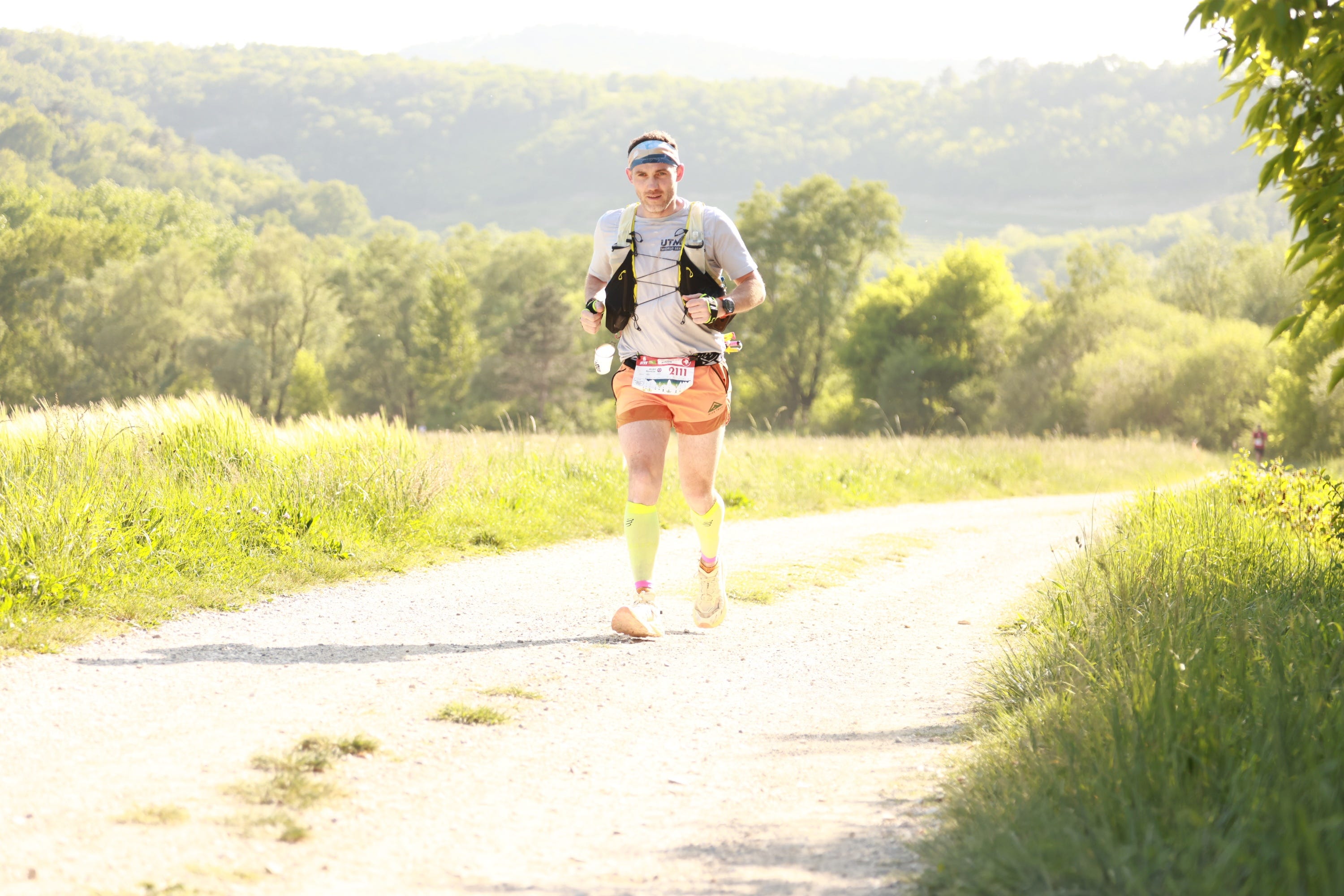
I ran a race in Slovenia called UTVV and it was one of my best performances. I finished 110km with nearly 5,000m of elevation in 17:45 hours. I didn’t just finish strong, I finished 24th in my age category and I felt stronger than ever. Even though I was going through a break up from December leading to the race so as you can imagine I didn’t follow religiously my training as some long runs were missed.
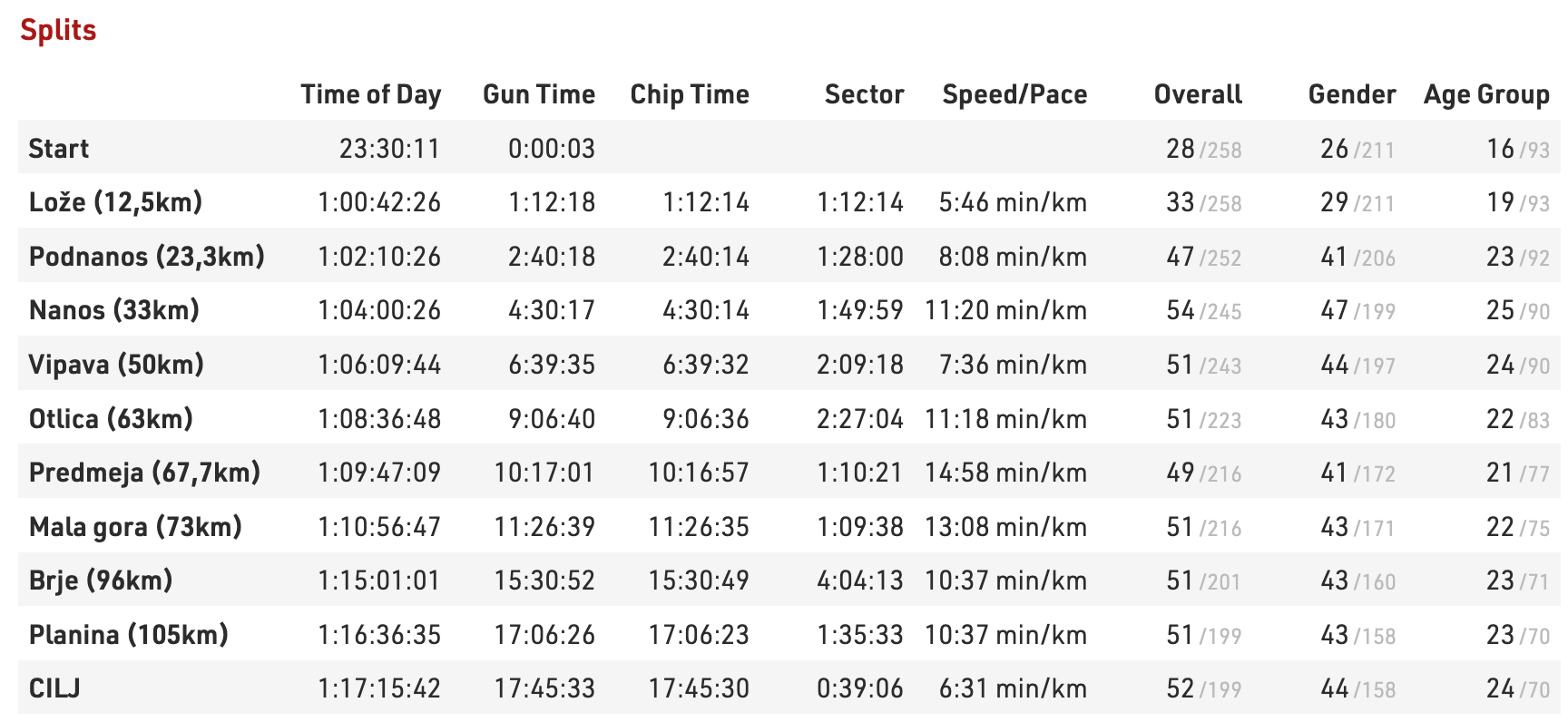
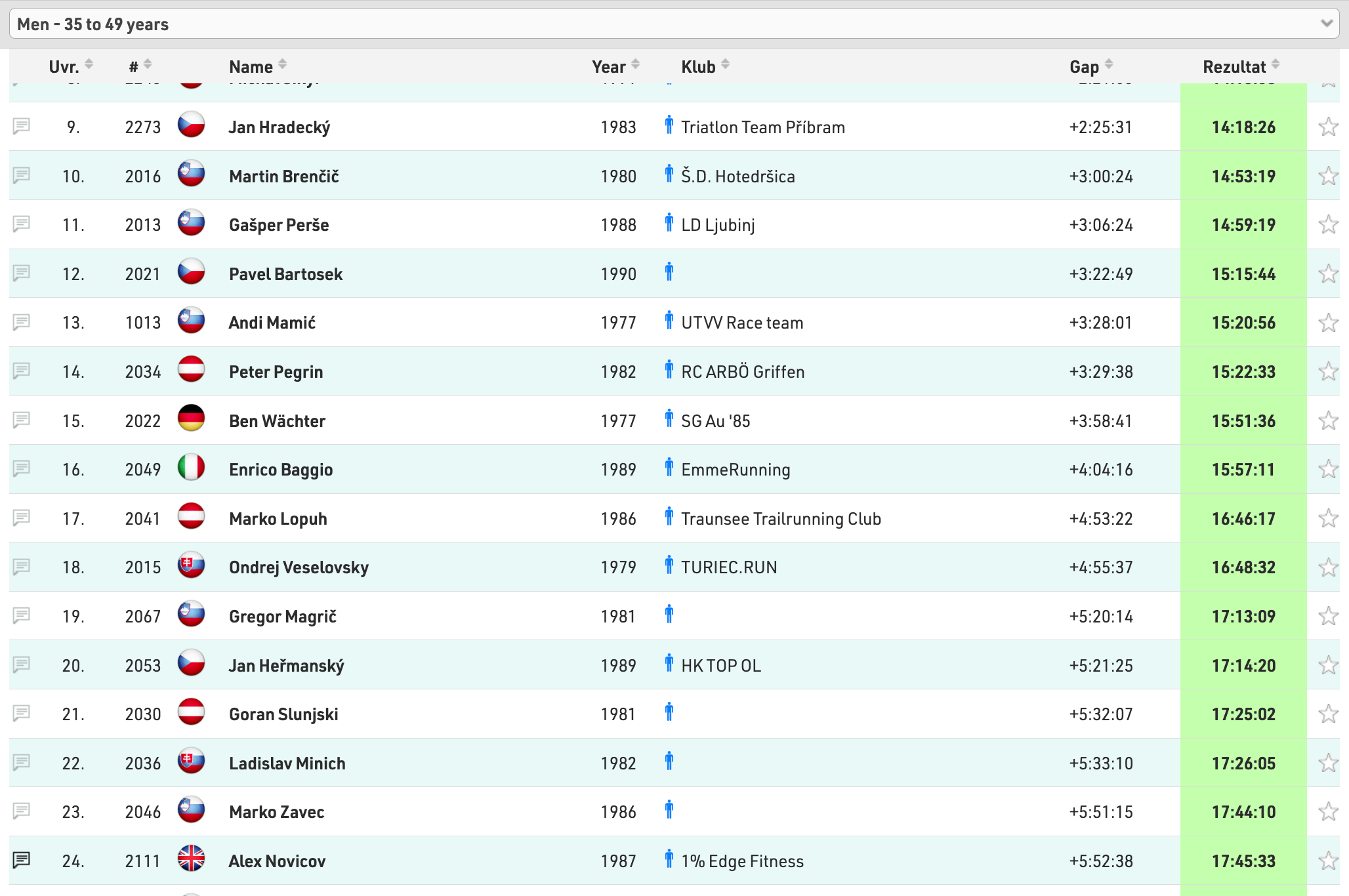
But the reason why I finished strong is because I followed the following strategies that you can use to finish your next BIG ultra strong.
Train for aerobic and muscular durability
This is what a lot of trail runners skip. They focus on long runs, more volume, more time on feet and VO2 max. They are all good but they are not everything. You need to focus on different things in your training block. You need to see where your ceiling is, where your weaknesses are. Is it aerobic durability or muscular durability?
The way you find out is you do a 90 minute test run and you see if your heart rate went up in the second half of the run by more than 15 bpm it means you need to work on your aerobic durability. If your legs started to give up in the second half it means you need to work on your muscular durability.
Have in mind you need to run on flat terrain and it shouldn’t be too hot.
Create race specific training block
Have a look at your race elevation. So we all know to look for how much vert we are going to have so let’s say 5,000 metres but how long will it take you to climb those hills? So for example for my race I saw that I had the big hill (Nanos) in the start of my race so when I went to Snowdonia to train I chose my vert accordingly. I trained specifically for that so I started with going up to Snowdon first and then less vert. On the second day I did the same thing so I ran on tired legs with Snowdon first.
Look at the vert and the distance and see how long it will take you to climb those distances.
Now training for Valdaran, this is what I’m looking at: how long will it take me to climb those mountains.
Don’t focus on dead zone (Zone 3)
A lot of trail runners are training too hard, my job as a coach is most of the time to remind my athletes to go slower. Some athletes like myself don’t push themselves enough because I’m very conservative in my energy. That’s why you need to know where your weaknesses and strengths are.
The dead zone (Zone 3) is a zone where you are going above your LT1 so Lactate Threshold above Zone 2 and below your Zone 4 which is your lactate threshold. So basically you are running and you feel that you are putting in the effort and it’s hard but you are not pushing enough stimulus for adaptation to happen. This means you are tired, fatigued and it costs you your recovery.
It’s basically too hard to allow full recovery and high training volume so the fatigue accumulates session after session. BUT it’s actually not hard enough to deliver the signal to your body to actually lift your lactate threshold. The signal, the bell that you want is the one that is working right or near LT2 (Lactate Threshold) which is Zone 4.
So Zone 2 is your body saying ‘build a bigger aerobic engine’ and Zone 4 says ‘push the ceiling of what you can sustain’. But Zone 3 is unclear, like your ex that doesn’t know what she wants sending you different signals. It’s a signal that costs you your recovery without buying you too much adaptation. Athletes that spend too much time here are always tired and don’t get faster. This is the ‘destroy’ zone.
You have to be very intentional about your runs.
Do strength training for trail runners
I swear by this. You have to do strength training for runners specifically. I designed a training system called Running Resilience Training (RRT). You can get the guide for free here. It’s basically doing exercises for trail runners in the gym. Rather than doing bodybuilder exercises, you do trail running specific. So single leg RDLs, BOSU Ball Balance, you do rotational lunges and Bulgarian Split squats.
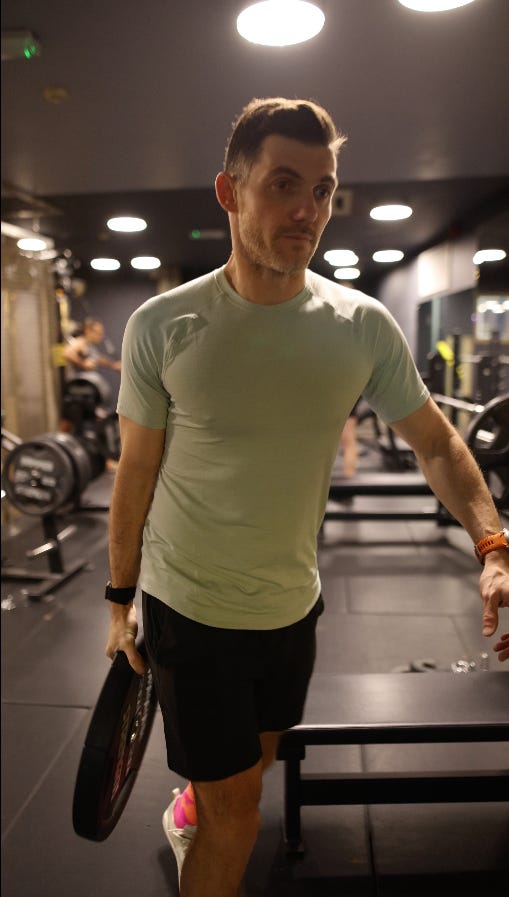
You focus on exercises that will help you go downhills, so eccentric movements, you do mobility under load. Not just stretching.
If you live in a city especially this will literally ‘save’ you and help you finish strong. I live in London and I’ve done trail races and finished them strong (most of them) just because of strength training and more specific RRT. I design custom RRT programmes to all my athletes that want to improve.
That’s all
If you want to finish your next big ultra strong you need to train with intention, not just random runs and random workouts. I believe that trail running should be fun, it should be enjoyable and not destroying our bodies just to go for a run.
If you want we can have a chat about your training and see if I can help you, you can fill in the form here.
Have fun on the trails and finish strong.
Thanks for reading strong, not destroyed! This post is public so feel free to share it.
Comments
Nothing yet. Say the first thing.
Sign in to join the conversation.