
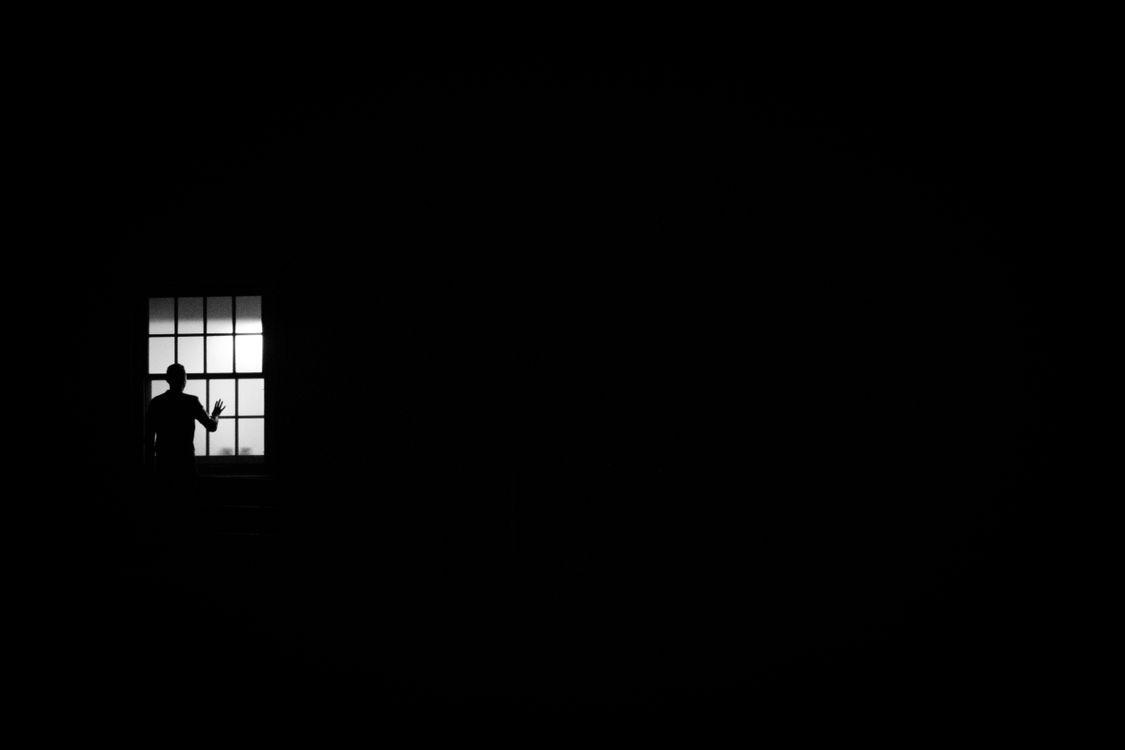
A lot of filmmakers may still carry some version of this belief:
If the work is good enough, the right person will find it.
Not just anyone.
The right person.
Someone with taste.
Someone who “gets it.”
Someone who sees the work for what it is, sees the filmmaker for who they are, and wants to help carry it safely through the machinery.
That fantasy runs deep.
It isn’t really about exposure. Not at first.
It’s about something else. Permission.
It’s about the hope that somewhere out there is an executive, producer, financier, or gatekeeper with judgment, generosity, and actual power — someone who will recognize the work, recognize the artist inside it, and take enough personal interest to make sure the thing is handled with care.
Not just bought.
Not just optioned.
Protected.
Guided.
Treated with the seriousness it deserves.
Thanks for reading PitchCraft: Unlocking Success in the Hollywood Chaos! By sharing this post, you guarantee I can keep providing you with insider insight and playbooks for selling your best ideas.
That’s part of what makes the belief so hard to let go of.
Because it isn’t just a fantasy of being seen. It’s a fantasy of being chosen well.
And it makes emotional sense. There’s something deeply relieving in the idea that if the work is strong enough, then eventually someone with real taste and real influence will step in, hold the door open, and walk beside you through the process. Someone who won’t flatten the work, mishandle it, or make you feel like a problem to be solved.
The problem, of course, is that a lot of very good work still disappears.
A project can be excellent and still die quietly.
A script can be original, beautifully made, deeply felt, and still go nowhere.
Not because it wasn’t worthy.
But because the person many filmmakers are waiting for either never arrives, or arrives with a very different set of concerns.
Because the people across the table are rarely showing up as caretakers of artistic destiny. More often, they are looking at timing, risk, audience behavior, market conditions, internal politics — all the things that help them protect themselves from being wrong.
That doesn’t make them evil.
It does mean they are often playing a different game.
And that gap matters.
Because one side may still be hoping for recognition and stewardship, while the other is listening for something more practical: proof, positioning, audience, risk reduction.
That can be a difficult shift to make peace with.
Because once that old fantasy starts to fall away, something tender gets exposed. The wish not just to be discovered, but to be guided. To be handled well. To have someone more established say, yes, this matters, and I’ll help make sure it survives what comes next.
There’s nothing strange about that wish. A lot of people in this business have lived inside some version of it.
But it may no longer be a workable model.
Not because the work shouldn’t be protected.
But because waiting for that one ideal person to arrive can leave too much of the future of the project in hands that never actually appear.
At some point, it may be worth asking a different set of questions:
Who is this actually for?
Why would they care?
What part of the work lands hardest?
What am I building besides hope?
Those are not cynical questions.
They may simply be the questions that begin once a filmmaker stops waiting for perfect permission and starts building a path the work can actually move through.
And none of that requires flattening the work, chasing algorithms, or turning the film into something bloodless. It isn’t an argument against authorship. It’s an argument against leaving the fate of the work entirely in the hands of a fantasy.
Because the system is busy.
The system is scared.
The system is often trying not to get fired.
The work may need a better plan than that.
And here is the hopeful part:
A better plan can actually be built.
This isn’t a eulogy for the old fantasy. It’s an invitation into something more solid. Because once the burden of waiting for the right person starts to lift, a filmmaker can begin doing concrete things.
They can make the work visible, legible, and easier for the right people to find, feel, and respond to. They can build leverage. They can create contact with reality before someone in a nicer office decides whether the thing deserves to live.
The older belief may have been comforting because it delayed the harder part.
But it also left the work with very little leverage.
A more useful belief might be this:
If the work is strong, it deserves more than hope.
It deserves a path.
It deserves contact with reality.
It deserves a real fighting chance.
That isn’t selling out.
It’s refusing to leave the future of the work entirely in the hands of permission.
And that should feel hopeful.
Because it means the work does not have to wait forever for the perfect champion to appear.
It means there are things that can be done now.
It means leverage can be built.
It means the work may have another life available to it.
And maybe the filmmaker does too.
Alex LeMay is a filmmaker, journalist, and founder of Shadowfile.Press by The Shadow Gang, an AI-powered investigation engine for journalists, documentarians, podcasters, and researchers. Creative Force is streaming at Cannes International Film Week through May 31 at cannesfilmweek.com. PitchCraft publishes at the intersection of storytelling, strategy, and building things that matter.
No posts
Comments
Nothing yet. Say the first thing.
Sign in to join the conversation.