
The Debate is my attempt to bring fun film arguments out into the open. A simple idea: one question with multiple answers. A group of writers makes the strongest case they can for their position, and the readers decide which argument survives.
Sometimes the goal is persuasion. Sometimes arguing is just fun. More often, it’s about understanding why intelligent people can look at the same thing and reach completely different conclusions.
Which brings us to Steven Spielberg.
Last week I published a ranking of my favourite Spielberg films:
The response was overwhelming. Not because people disagreed with me (disagreement was inevitable) but because the disagreements followed a pattern. Your favourite Spielberg film is often the one that arrived at exactly the right moment in your life. The one that scared you. The one that amazed you. The one that made you want to make movies. The one you wore out on VHS.
That’s what makes Spielberg such a perfect subject for The Debate. Most directors have one obvious masterpiece. Spielberg has a dozen films with legitimate claims to the title. So instead of hearing one opinion, you’re going to hear twenty-one.
I recruited twenty-one writers and gave each of them a single task:
Convince us that your favourite Spielberg film is the best Spielberg film.
What follows are twenty-one closing arguments. Some of them will persuade you. Some of them, naming no names, will infuriate you.
The rules of engagement were simple. Every writer was given 300–400 words with no other instructions.
What I want to know from you is which writer made the argument that sent you back to Spielberg. Which essay convinced you to finally watch a film for the first time, revisit one you haven’t seen in years, or reconsider your opinion on one you’d already made your mind up about.
Because that’s going to be how we judge the winner.
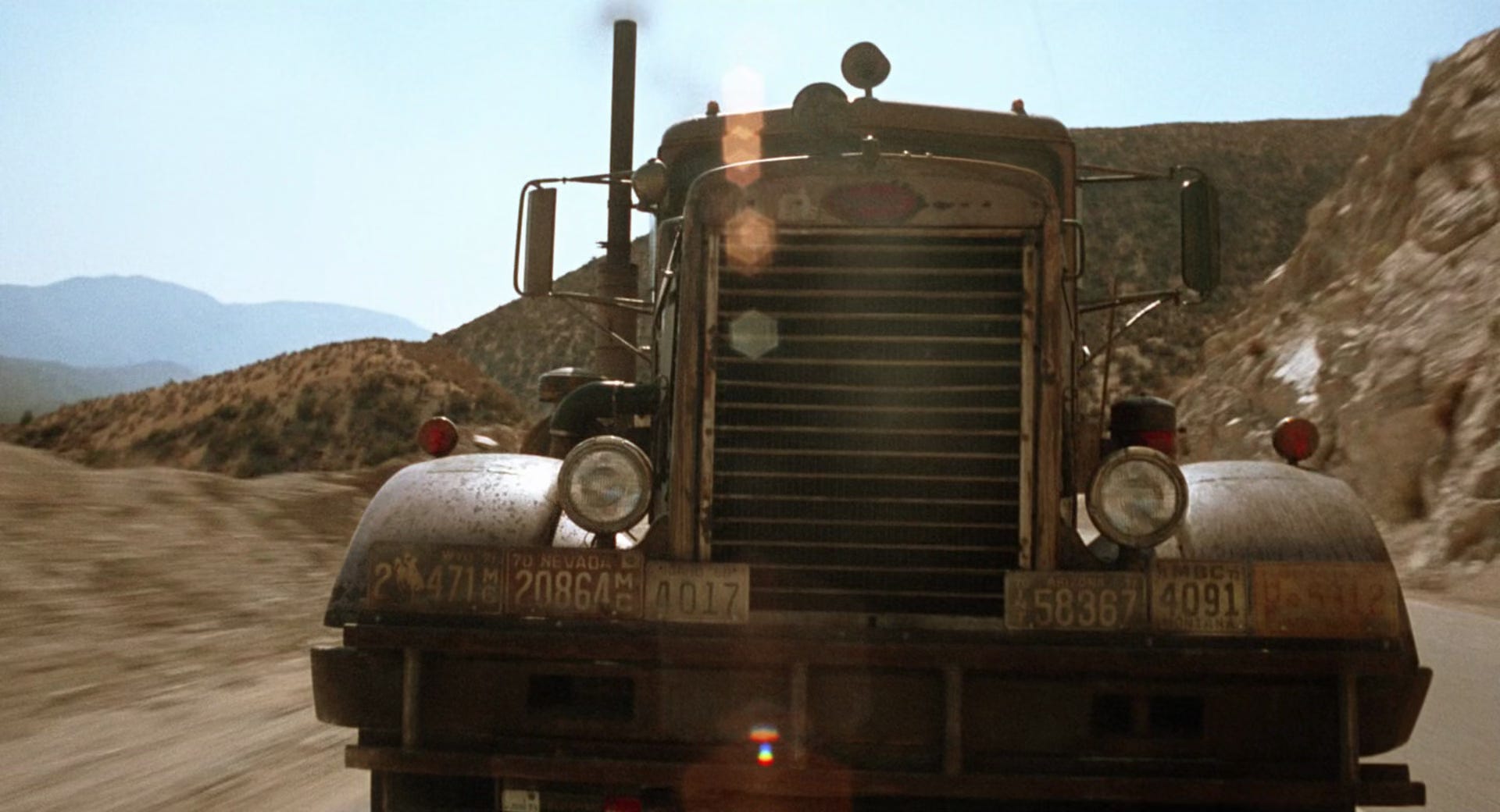
Duel is a goreless horror movie that still elicits palpable dread. It’s remarkable for the mileage it gets out of a simple premise: the protagonist is relentlessly pursued by a truck whose driver he can’t see.
There is no greater fear than the unknown, and Spielberg pushes this to its extreme. Duel displays a mastery of creating cinematic tension from an unseen enemy that Spielberg perfected in his breakthrough film, Jaws.
Adapted from a short story by Richard Matheson, David Mann (Dennis Weaver) passes a slow truck on the highway. A seemingly inconsequential act, but one that plunges David into a nightmare. The truck, whose driver is never revealed, begins pursuing him. David pulls over in a truck stop to allow the looming semi to pull away. Yet it finds him again and again. Some horrors are inescapable.
The grainy, low-budget TV movie aesthetics, while nowhere near the awe-inspiring, big-budget worlds Spielberg would later create, help make Duel work. The dusty open-road cinematography and naturalistic shooting, along with Weaver’s everyman-on-the-edge performance, make the nightmare all too real.
Will David ever get the chance to confront his unseen pursuer? No.
Why has the faceless menace pursuing him singled him out? This question is never answered. Spielberg wrings tension from the anticipation of a conclusion, and while David finally makes a daring escape, the big questions of who and why still linger.
Duel is not only a gripping work of suspense in its own right, but it also displays the blueprint for the director’s future groundbreaking career. Though Spielberg has moved away from straight horror, his later work has shown audiences the horrors of war. The tense chase scenes set the stage for the more refined cat-and-mouse game of Catch Me If You Can. The refusal of easy explanations continues with the nuanced depiction of a terrorist attack in Munich.
Steven Spielberg has created one of the most important bodies of work in American cinema. And Duel is where it all began.
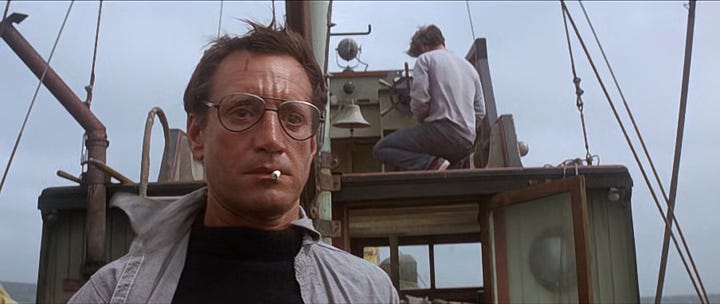
Jaws is the last movie Spielberg made before the world knew his name. It’s the last movie he made with studio constraints… He went on to make many more masterpieces, but all of them were made by a filmmaker the industry had crowned. Full resources, full trust, full control.
Jaws was the product of a 27-year-old kid managing a chaotic shoot and a broken shark on the Atlantic Ocean. In the hands of a lesser director, Jaws would have fallen apart, but Spielberg turned every limitation into a weapon.
We all know the story of Bruce the shark and how he wouldn’t cooperate in the water. The shark kept on malfunctioning, so Spielberg hid him and improvised on the spot by weaponizing the audience’s imagination instead. The camera became the monster, gliding underwater from the shark’s POV. The score became the monster, with John Williams’ two-note theme conditioning you to get anxious before a single fin appears. Every shot of open water is loaded with dread because your brain fills the void. The shark gets maybe four minutes of screen time, but the fear never lets up.
It’s also a film about civic cowardice and politicians who’ll sacrifice public safety for money and a good weekend at the beach, a theme that hits harder in a post-COVID world. It’s about three broken men finding brotherhood on a boat that’s way too small. Quint’s Indianapolis ghost story is the best scene in the film, and the shark isn’t anywhere near it. Jaws is gripping even when the shark isn’t on screen because Spielberg understands that real stakes are built with the people, not the monsters.
Then there’s Jaws’ impact on the industry. This film invented the summer blockbuster with a nationwide marketing campaign and a wide release. Jaws established the template for Star Wars, Jurassic Park, and every culture-defining blockbuster that followed.
Beyond the industry legacy, everything that defines Spielberg was born with this film. The suburban everyman hero. The awe. Score as emotional architecture. Future Spielberg films would do it all on a bigger canvas: dinosaurs, aliens, world wars… but more isn’t always better.
Jaws is just three men on a boat, one monster, and the ocean. That intimacy, along with all the constraints he faced, is why it remains his most impressive film. Everything else in his filmography is a variation on what he first figured out here.
There’s an alternate reality where a young Spielberg folds under the pressure of that messy production and his career alongside the movie becomes a footnote. Instead, he came out of it with a film that changed cinema and Hollywood forever, and that’s what makes Jaws his defining movie.
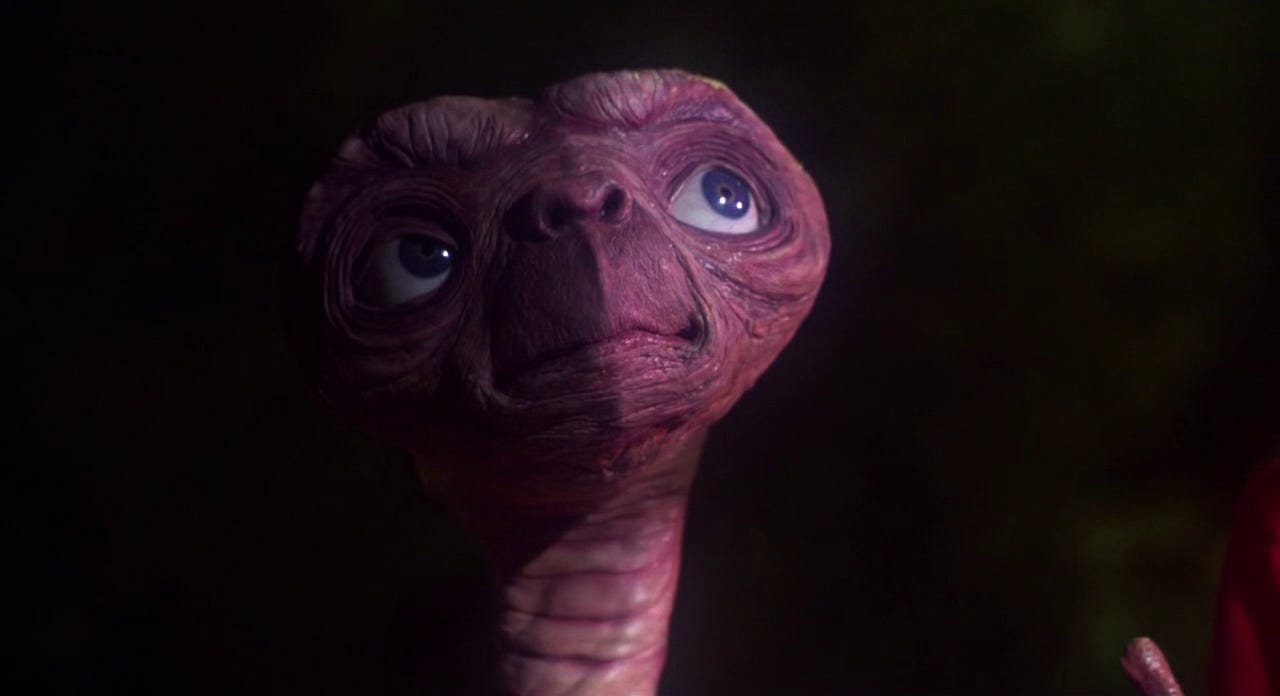
My argument that E.T. is the best movie in Spielberg’s incredible filmography is based on three arguments:
His most representative film
If you had to show an alien what a Spielberg movie is, there is no better option than E.T. It condenses most of the themes and stylistic elements that are dear to him. You have the magic of Indiana Jones, the misfit kids of The Fabelmans, the mystery (and horror undertones) of Jaws, the empathetic creature, the incredible John Williams’ score, the American middle-class family issues. This is arguably Spielberg’s most Spielbergian movie.
His best-shot film
When E.T. lands on Earth, we find ourselves in a dark forest under thick fog. Lens flares blind us as we marvel at the giant sequoias. We feel as if this is the alien planet, thus quickly empathizing with poor lost E.T.
E.T. uses the power of visual storytelling to make us see the world as a kid again. He keeps the camera low, adopting the perspective of the kids and the creature, creating a distinctive experience. The California suburbs we’ve seen in countless movies before look unfamiliar here. They seem bigger and alien. The adults are now more menacing. Much like in Jaws, it isn’t until the third act that we see their faces again.
Not forgetting Spielberg’s most iconic shot belongs to this movie. The bike flying in front of the moon is a perfect symbol of the magic his films evoke.
His most personal film
This is a counterintuitive point, because one might think: what about The Fabelmans, his semi-autobiography? After all, that movie portrays his life more directly. But it’s in The Fabelmans we learn that Spielberg used film and fantasy to escape his tough family reality, specifically his parents’ divorce.
With that in mind, E.T. feels even more personal to him. Elliott’s encounter with the alien and their journey serve as a beautiful metaphor for seeking refuge in fantasy and escaping familial tragedy. Learning to take responsibility and overcome his problems. When E.T. leaves, he points to the boys’ head (and his imagination) and says the iconic line:
“I’ll be right here.”
Elliott’s journey is Spielberg’s journey. And in a way, it is ours.
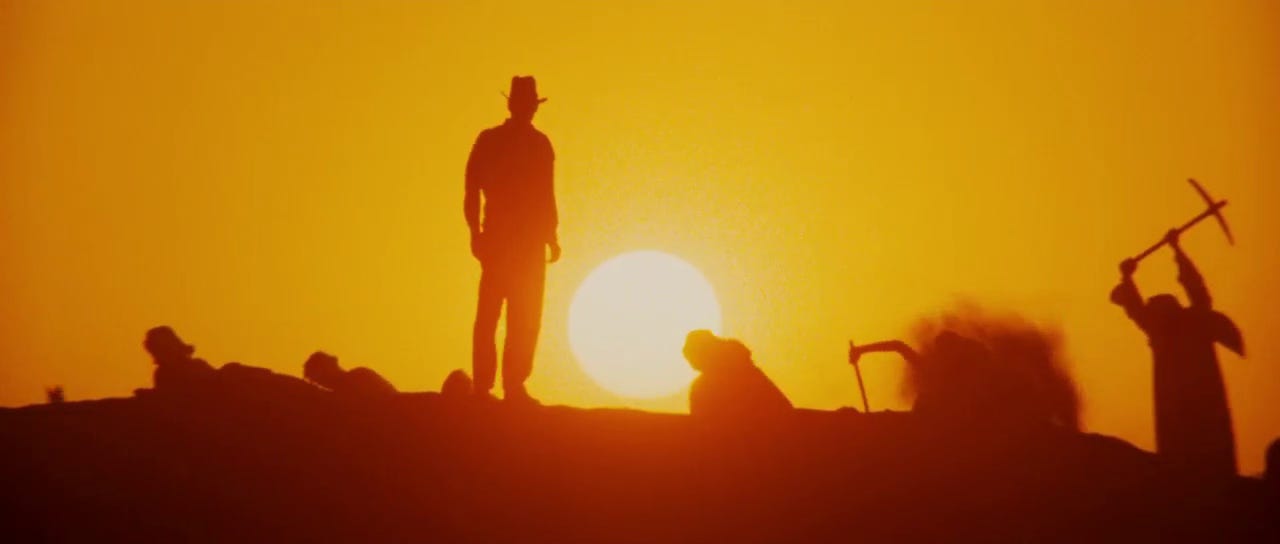
Raiders of the Lost Ark brought Spielberg to new heights. By the time it arrived, he had more than made his statement, single-handedly inventing the summer blockbuster, then following it up with something just as iconic. The only place left to go after such a meteoric rise was a team-up with the mind behind the other most influential blockbuster of the 70s.
Raiders was a love letter and an experiment for Spielberg and Lucas, and managed to be different and arguably better than anything either of them had done before. It synergized the best aspects of all Spielberg’s prior films and applied all of Spielberg’s pre-established gifts for dynamic blocking and staging to their biggest canvas yet.
The set pieces are still among the best orchestrated ever put to film, let alone in their director’s filmography, and the film also has one of his most distinct visual styles - the scorched desert makes you sweat just like the characters, while the use of shadows elsewhere in the film imbues it with a dramatic, noir-ish sensibility.
Steven Soderbergh, for his blog, desaturated the film and removed the color and sound; the character dynamics and scene intentions remain astonishingly legible without the assistance of color and sound. Evidence of a director in full command of their craft.
But none of these things mean anything without a strong lead to anchor them, and thankfully Indiana Jones is one of the most iconic ever. He isn’t lovable in the traditional badass, stoic sense. He’s scrappy, short-tempered, constantly improvising, and every time he’s in danger, it’s real.
Nearly half a century later, Raiders remains the gold standard in its genre. Action, adventure, romance, archaeology... with a whip and a fedora, Spielberg proved, once and for all, that there was nothing he couldn’t do.
and (because Raiders was the most requested film)
There are many films I missed out on as a child. Raiders of the Lost Ark is a film I saw later in life, but the magic I felt could have easily been a childhood dream. Discovering a film later that captures magic at that level is difficult, and whilst understanding that magic as an adult is not the same, the film feels timeless. Raiders of the Lost Ark isn’t just Spielberg’s best, it’s the greatest adventure film of all time.
In his prime, few actors were capable of elevating a film like Harrison Ford could, and Harrison Ford’s incredible screen presence here is as strong as in any in Spielberg’s filmography. There’s a great joke in The Office from Michael Scott about how the Die Hard franchise became unrecognizable. John McClane started as an ordinary New York City cop in the first film, but by the end he turned into a guy who could fly a motorcycle into a helicopter. Indiana Jones is such a believable hero in the same way, his only true weapon is a whip. Indiana Jones is the most memorable character in part because at any moment you feel like he could lose.
Raiders of the Lost Ark is immensely rewatchable and feels just as good now as it did, which speaks to its greatness. It still brings adventure, no matter your age or decade you see it in, and it will last forever.
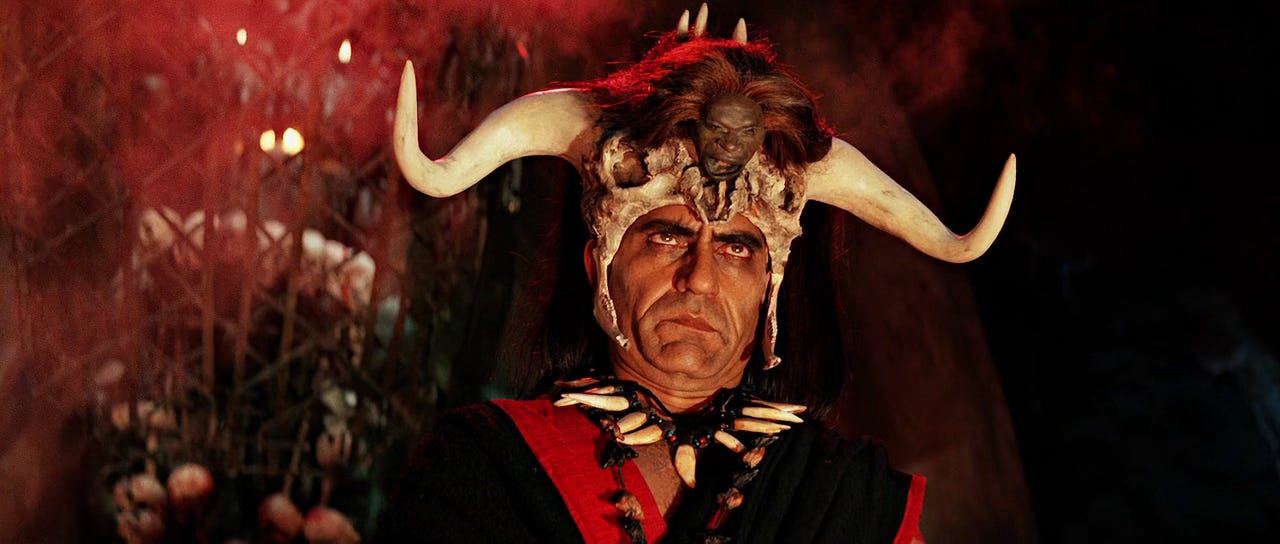
What truly unlocks an Indiana Jones movie – and it’s something a lot of the fandom doesn’t do – is to understand the degree to which it’s riffing on the cinema of the era being depicted. Temple of Doom begins with Steven Spielberg doing a Busby Berkeley-style fantasy musical number with his future wife, and owes its biggest plot point to Gunga Din. These are obvious; less so is the way the three leads are essentially parodies of protagonists of the era.
Indy, not yet fully heroic, is an arrogant, misogynist colonizer who appropriates antiquities that aren’t his for fortune and glory. Willie is a caricature of the Fay Wray-style screaming damsel in distress, and is equally shallow and materialistic. Short Round, Indy’s surely illegally adopted ward, is a pickpocket who cheats at cars and drives without a license. All three care mainly about money and rewards when first we meet them; in the Thuggee villains, they see the ultimate evil expression of this, via a high priest willing to use child labor to find the artifacts he believes are owed to him. Against his will, Indy becomes a full convert; the white savior has to be saved by his Asian kid sidekick, who realizes that only literal baptism by fire – and an explicit declaration of love -- will bring back his hero’s true self. When they first reach Pankhot Palace, Chatter Lal literally calls out what a bizarre family unit they look like. By the time their adventure is over, they have learned to care more about people than their love for material objects.
I don’t recall movies being called “rollercoaster rides” prior to Temple of Doom, which becomes a very literal one in its third-act chase, then only briefly takes a beat before also literalizing the concept of a cliffhanger. The action is so intense, and gross, that it forced the creation of a new MPAA rating, and one that the movie industry has depended on as the ideal four-quadrant appealer ever since.
The issue of cultural insensitivity is not insignificant – anyone who has ever eaten at an Indian restaurant knows that bugs and eyeballs aren’t on the menu. I have seen suggestions that the Thuggee are merely putting on a facade to gross out the English, but more to the point, as a kid raised on Tintin books, I don’t have a problem with creatives generating imaginary versions of real countries they’ve never been to. Serials of the time certainly did, and unlike Gunga Din’s definite colonialist, condescending viewpoint toward the natives, I don’t feel it in this one. If you do, I’d never tell you you’re not entitled to it, but will note that Tintin’s stereotypical, imagined America put the shoe on the other foot and was equally fun, with Al Capone and old-fashioned cowboys and Indians coexisting.
That old nitpick about Indiana Jones movies is that he doesn’t tend to make much difference to the plot; usually, the relic the villain is searching for ends up killing them regardless. Here, his presence is essential – Mola Ram already has three of the Sankara stones, and while one does assist in his undoing, it’s only after Indy has forced him to hang on to a dangling rope bridge. The criticism misses the point, though, that Indy ultimately saves people he loves more than relics. Here, he not only does both, but he develops into the hero we already know him to be, from the self-centered plunderer who absolutely would commit statutory rape with Marion, to a guy who has faced real evil, been consumed by it, and become a better person on the other side.
That last part is a description that George Lucas and Steven Spielberg might more-or-less apply to themselves after making the movie. I think they’re too hard on themselves. In their darkest, divorced hours, they made, for my money, the best Indiana Jones movie.
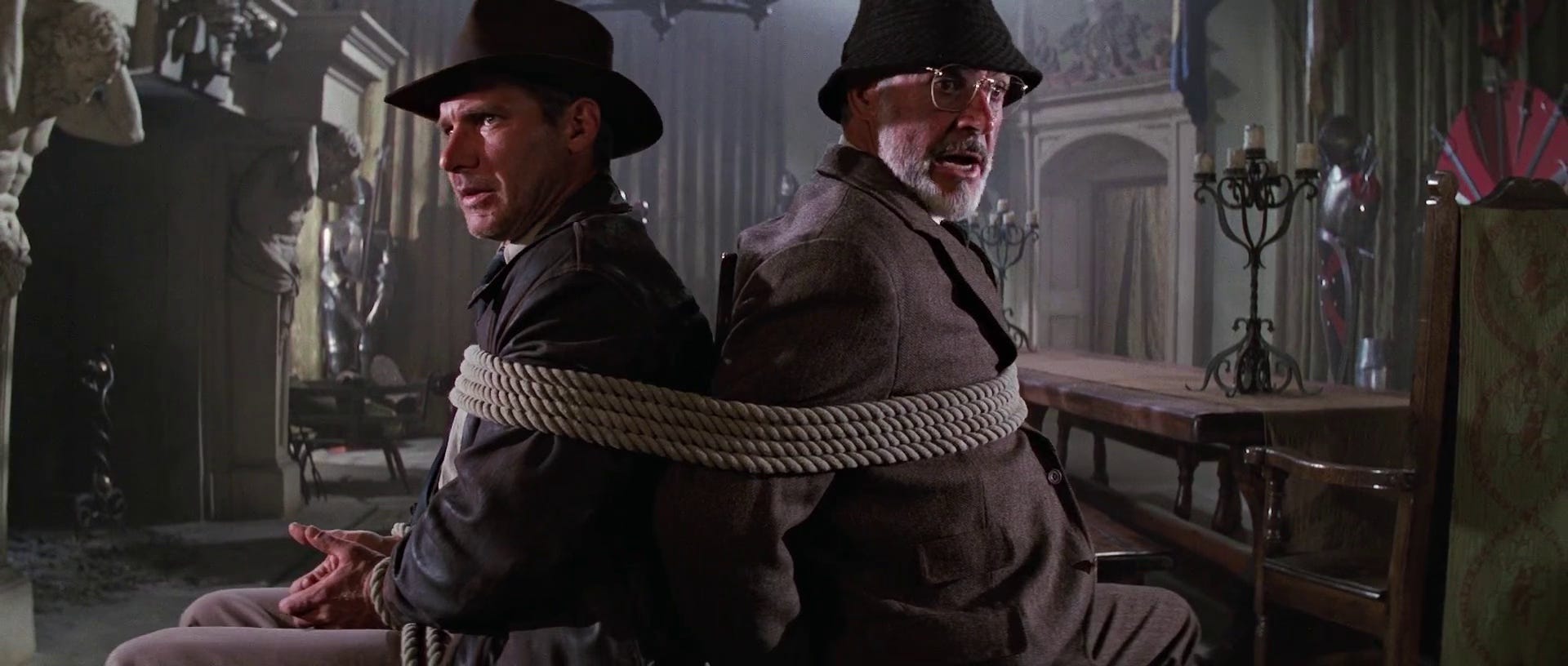
Why is Indiana Jones and the Last Crusade the best Spielberg film? Because everything Spielberg does best, Last Crusade does best.
Let’s begin with his most famous trait. We think of Spielberg as THE blockbuster guy, never sacrificing quality for scale. With him, they somehow work in tandem, not against each other. Nothing showcases this skill set of combining quality and scale more than his ability to make a successful sequel because a blockbuster sequel is in many ways a miracle. It shouldn’t exist. Making one is an uphill battle and one of the toughest, though oftentimes most memorable, feats to pull off in Hollywood.
The movie has to perform a magic trick for an audience that’s already seen the trick, and be expensive, and make a profit. That is A LOT to pull off. And Spielberg nails it.
Indiana once again is looking for an elusive artifact to satiate his ambition and peacock his reputation, getting in over his head, fighting the Nazis, challenging his own belief in the supernatural, and letting go of his own interests to save someone he thought he hated but turns out he loves more than himself. So much is the same, but different, and just as good as the original. And it made $197 million at the box office. Don’t tell me miracles don’t exist.
Last Crusade is his best blockbuster and also his best sequel. It also does everything else Spielberg does best, the highest of standards:
Great cast, sense of wonder, infinitely rewatchable, poetic action sequences, storylines rooted by deep emotional relationships, will get you drunk on nostalgia, a score that makes you go “no THATS the most iconic John Williams collab”, incredible child performances, disgustingly hot men of varying disturbed moral compasses (like, why are you making us horny for such toxic men and Nazis?! What aren’t you telling us Steven?!), creates deeply emotional personal experiences that we carry our entire lives. Check, check, check.
Last Crusade may not be your favorite Spielberg, but there is indeed a strong argument for it. It’s certainly his best blockbuster and his best sequel.
by John O.
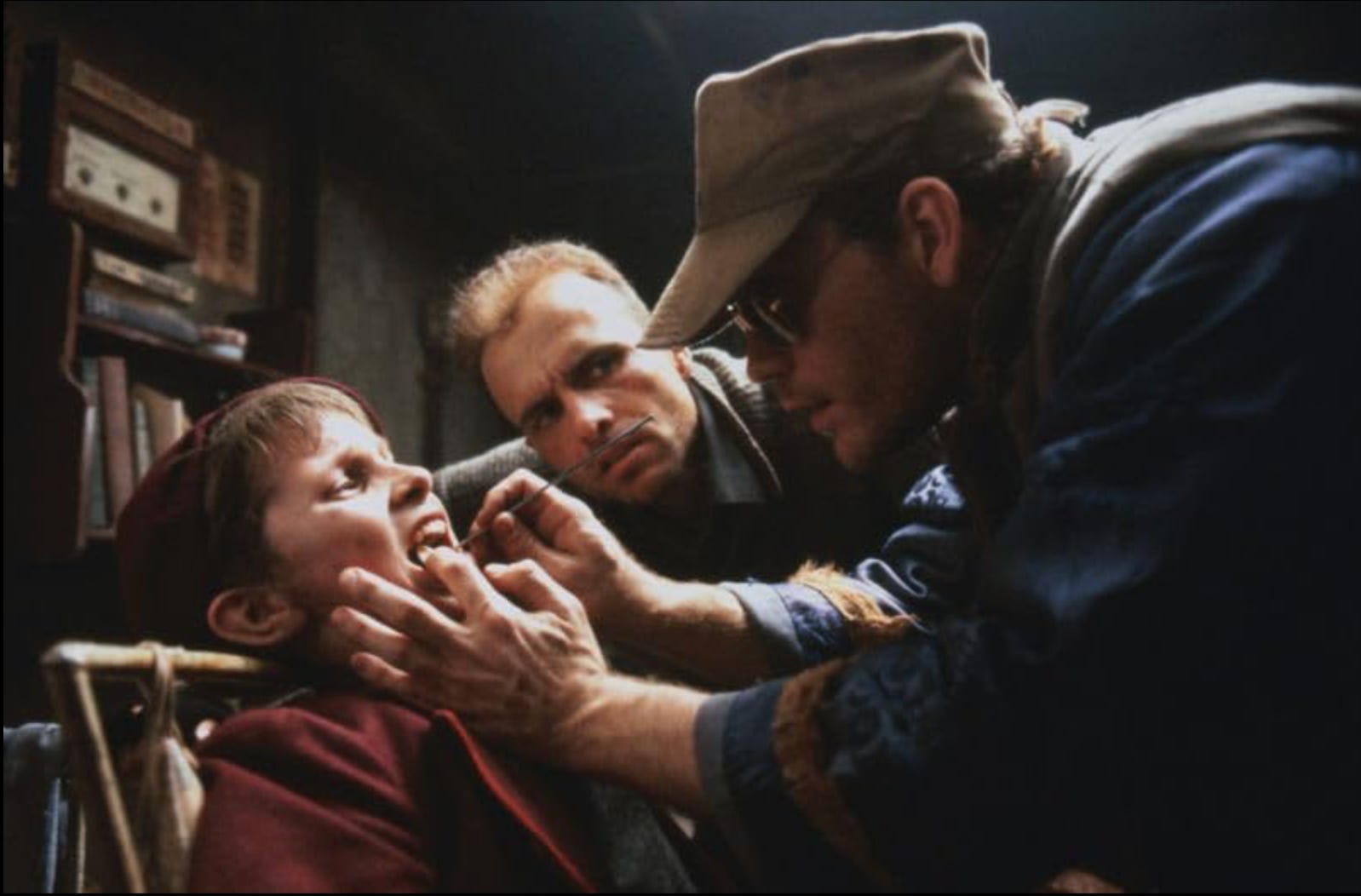
The core of a great Spielberg movie is character. His movies deliver because there is a believable, flawed, specific character that we care about that is trying to survive the sharks, dinosaurs, aliens, snakes, nazis, or racists. Or, in this case, the Imperial Japanese invasion of Shanghai in 1941. In Empire of the Sun he brings together three of his favorite themes: World War Two, coming of age, and mommy/daddy issues. But the difference here is there is seemingly no “plot armor” for the protagonist.
Christian Bale as Jamie/Jim learns to survive. He gets himself sent to Soochow Creek internment camp with his dark mentor of the streets, Basie (John Malkovich). Jim wears oversized adult army gear with the small hints of his remaining noblesse oblige, black and white wingtip golf spikes, smoking a stolen cigar, none of it really fits. Despite the first-rate scrounging that he does for Basie, Jamie/Jim is left behind (again) when Basie escapes the camp near the end of the war.
Jim’s biking around the deserted camp is an echo of a time when he still had a home, parents, and a staff of Chinese to wait on him. He’s a kid who has seen too much and now wants to go back. Liberated by American forces, he holds up his hands in a final surrender. Has he surrendered too much? At the end, Jim has no innocence, family, trust, or sanity; he’s a husk, and it is unclear if he will ever recover despite being found by his parents after the war. It is a brutal, dramatic treatment by Spielberg and screenwriter Tom Stoppard. This is a broken child.
Empire of the Sun at one time was supposed to be directed by David Lean. With practical locations, hundreds of human extras, no CGI or AI. Spielberg brings all of his tools: Grand scale, perfect cinematography, a brilliant John Williams score, deft comic bits, a plucky child hero, but all of it turned on its head.
Spielberg described Empire of the Sun as ‘his most profound work on the loss of innocence.’ I would also contend that it is some the best work from everyone involved, and when that alchemy happens in a film, you have the director to thank for that special alchemy.
Empire of the Sun is my favorite Steven Spielberg film.
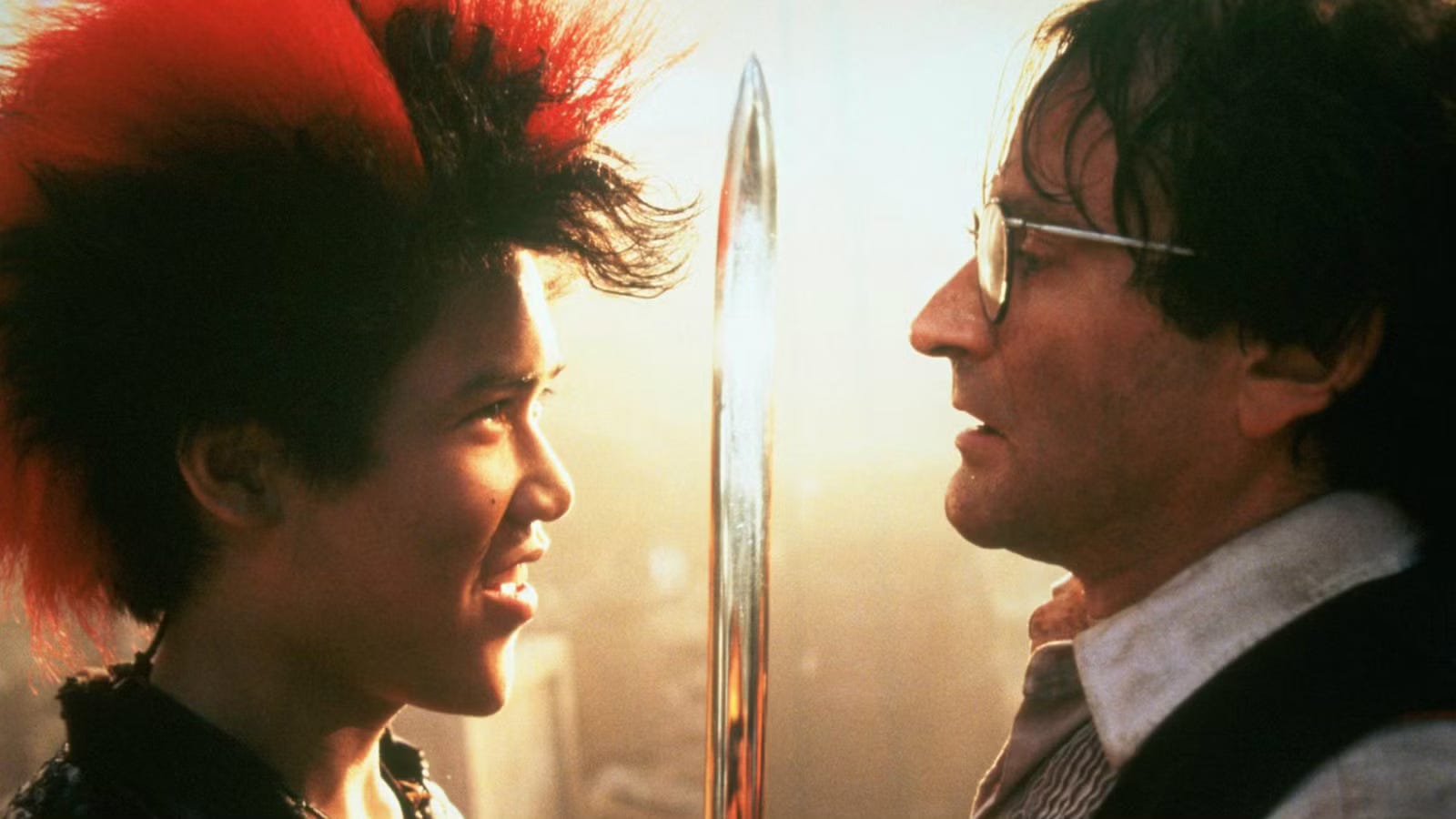
I’m not here as a Hook apologist. No, I’m here to celebrate nostalgia and take a walk down memory lane via Neverland. Look, maybe when you think of Spielberg’s greats, Hook isn’t going to be an automatic front-runner, but there is so much joy and adventure in this little 1991 classic that child-sized me couldn’t help but fall in love with it, and adult-sized me is still pretty enamoured with it also.
When Peter Pan grows up and becomes Peter Banning, he forgets all about his days as leader of the lost boys in Neverland. He swaps flying for finance and fairy-dust for family life, but when Captain Hook kidnaps his two children, Peter must return to Neverland and remember the boy he once was, the boy who refused to grow up, and face his nemesis once more.
It goes without saying that Robin Williams is the ultimate highlight within Hook. He is as enigmatic as you’d imagine he’d be, even in silly green tights and bad makeup. Does Peter look as if the costume department shoved him in an over-grown child’s Halloween outfit from Vinted? Potentially…but that’s all part of the charm! With Williams’ trademark ability to blend madcap humour with grounded sentimentality, he really does become believable as the legendary J.M. Barrie character.
Spielberg really leans into the absurdity of seeing a fully-grown Peter Pan by making the rest of the adult cast as hammy and camp as possible. Dustin Hoffman makes a brilliant Captain James Hook and plays him with a deluded sense of arrogance and unhinged delight for torture.
When we’re introduced to Captain Hook’s territory and his band of pirate miscreants, we get a glimpse of the Captain Hook that Peter Pan has always been afraid of. Hook pulls out what he calls ‘the boo box’, a torture device that has since haunted my dreams!
Alongside Williams, Hoffman, and Hoskins, other big Hollywood names adorn the screen in Hook, including Julia Roberts as Tinkerbell, Caroline Goodall as Moira, Peter’s wife, and Maggie Smith as Granny Wendy, but it is Dante Basco as Rufio who steals the limelight.
When Peter first returns to Neverland, he discovers that the lost boys have a new leader in Rufio. Rufio is a badass, rolling around Neverland on his makeshift skateboard and donning a black and red ultra-mullet.
Spielberg’s catalogue is so enormous and so impressive but I just can’t help but have a soft spot for this silly little film. You don’t need to compare it to the likes of Jaws or Jurassic Park, it doesn’t need to compete with the big names. You can enjoy it for exactly what it is; funny, a bit absurd, but an artifact from many of our childhoods. I will defend it until the day I die.
by me
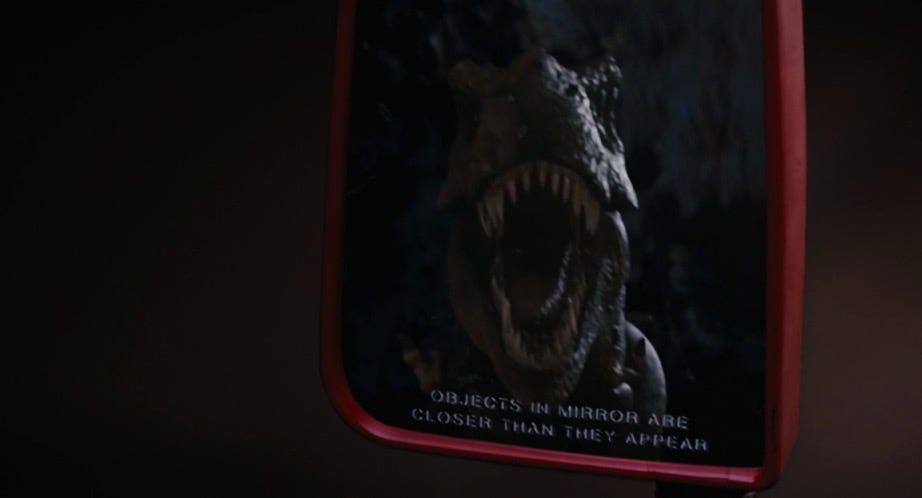
I’ve seen Jurassic Park more times than I can count. I mean that literally. At some point in my childhood, the number became untrackable, lost somewhere between repeated summer viewings and rainy afternoons when it was simply the film I put on. Jurassic Park is not a film I watch. It is a place I return to.
Which should make me the least objective person imaginable. Instead, I think it makes me more certain. I’ve seen it too many times to be fooled by it. The magic should have worn off years ago. It never has.
The achievement isn’t that Spielberg made dinosaurs exciting. The achievement is that he made audiences believe in them.
The first Brachiosaurus reveal remains one of the great moments of cinematic awe. Spielberg understands that wonder comes from anticipation. Grant removes his sunglasses. John Williams’s score swells. The camera lingers on human reaction before revealing the impossible. We experience the moment through Grant’s eyes first, and only then does Spielberg show us the dinosaur itself. Thirty years later, it still feels miraculous.
The T-Rex sequence remains a masterclass in tension: the trembling water, the distant footsteps, the failing fences, the rain obscuring visibility. By the time the dinosaur appears, Spielberg has already terrified the audience multiple times with things they cannot see. The reveal is the payoff, not the scare.
Then the film pivots effortlessly into horror. The raptors in the kitchen. The Dilophosaurus attack. “Clever girl.” Few directors could move between awe, adventure, terror, comedy and spectacle without losing control of the film. Spielberg makes it feel effortless.
Even its central theme feels more relevant with time. Ian Malcolm’s warning about scientific hubris remains the film’s guiding idea, giving weight to what could otherwise have been a simple blockbuster.
It would be easy to argue for Jaws. It might be the more important film. But when I think about Spielberg’s greatest achievement, I think about a generation of children staring at the screen and believing dinosaurs were real.
Thirty years later, I still do.
by DJ
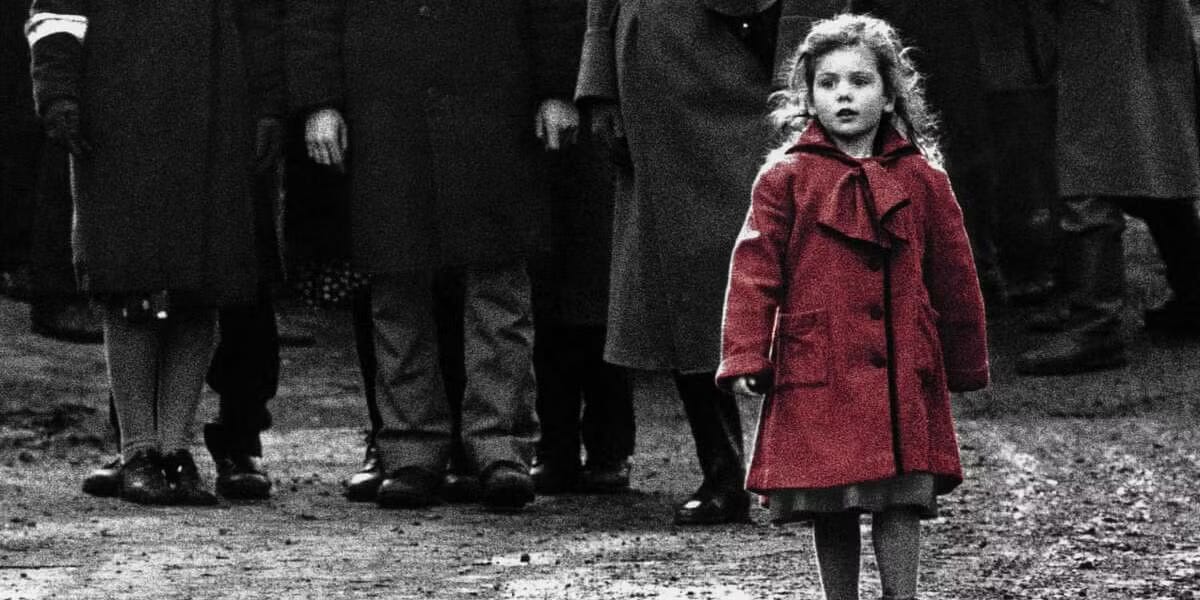
Spielberg spent a decade trying to adapt Schindler’s List to the screen: the result is a haunting, hopeful epic with Spielberg at his fearless creative peak. Spielberg shot this film in B&W, highlighting not just the absence of light, but fascism growing more powerful in the darkness. Stripped of color, Spielberg’s genius scene composition shines through.
Schindler is introduced as a womanizing, seductive, mysterious Nazi war profiteer in an expertly composed nightclub sequence. Almost simultaneously, Spielberg employs genius tracking and blocking to establish the state of surrounding Krakow. Highly efficient, each scene yields multiple pieces of information on the state of Krakow, plight of the Jews, brutality of the Nazis.
During the transfer of Jews to the Płaszów concentration camp, Spielberg uses a brilliant cinematic device. An unnamed girl in a red dress, the only spot of color in the frame. Schindler tracks her from a distance, as she walks through scenes of brutality, ultimately becoming another casualty of Nazi occupation. This represents the budding of a false spring, an early end to this relentless winter. Schindler holds on to that hope just like his gaze holds on to the girl in red. Once he knows her fate, hope fades away.
The horrors of Auschwitz are examined with an immaculate cinematic sequence that highlights Spielberg’s legendary ability to draw out suspense and manipulate our deepest emotions. As the Nazi regime and Schindler’s journey reach their inevitable end, Schindler is left grappling with his morality and mortality, his regrets of not being able to save enough lives.
Schindler’s motivations remain ambiguous. We witness Schindler’s internal conflict between light and darkness, personified by two critical characters. Itzhak Stern (Ben Kingsley), a Jewish accountant, who influences Schindler to create a safe space for Jews, slowly chipping away at his defenses. Amon Göth (Ralph Fiennes) represents pure evil, killing Jews for sport. Schindler uses all his wealth and persuasion to influence Göth towards compassion, with little success. The dynamic between these characters is a fine balancing act, made possible by once-in-a-generation performances by the leads. The score by John Williams & Itzhak Perlman is haunting and beautiful.
Schindler’s List’s themes are universal, most relevant in 2026. It’s a timely reminder that evil can exist anywhere and independent of any specific culture. Humanity can only continue to exist by valuing each life equally. I believe this is Spielberg’s most complete masterpiece.
by David
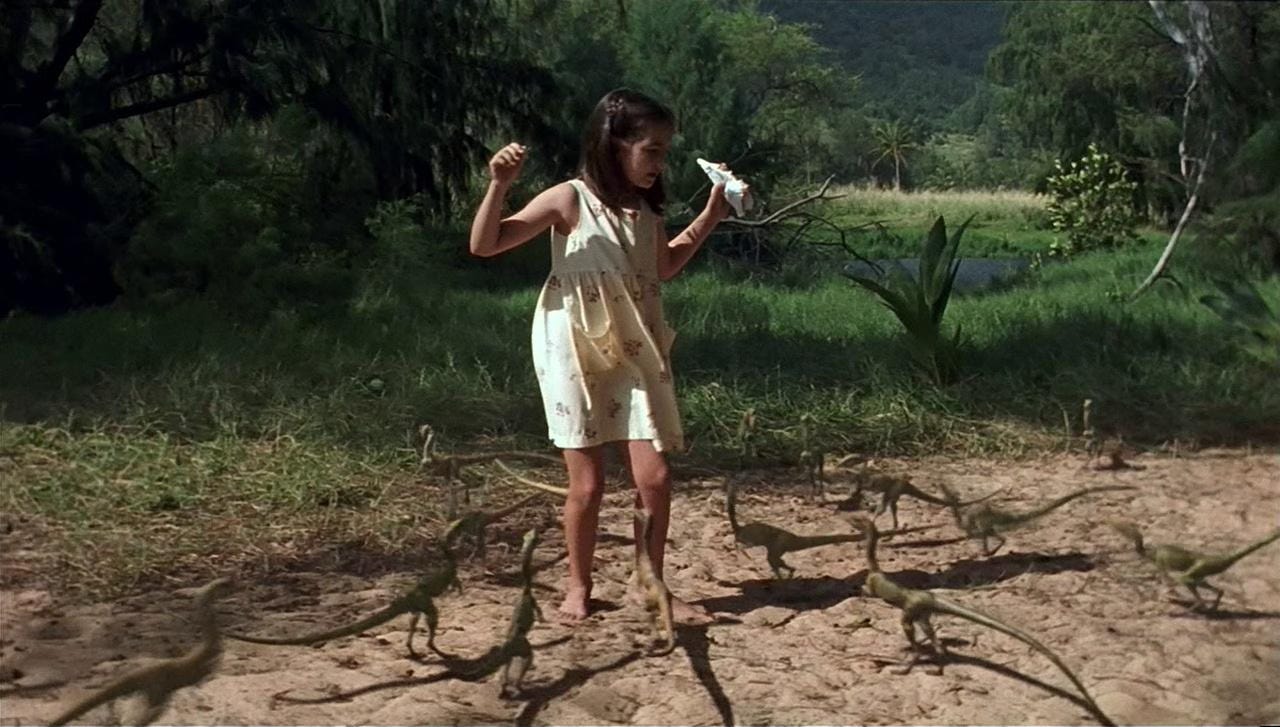
No one is brazen enough to suggest The Lost World is Spielberg’s best film; but it’s far, far better than its reputation suggests. Reviews at the time all said similar things:
“It lacks the wonder of the first film.”
“It’s sound and fury signifying nothing.”
“Shallow.”
“Where is the awe?” Roger Ebert began his review with.
The movie’s Rotten Tomatoes critics and audience score both sit around 50 percent.
Lost World was the last film in the franchise to be directed by Spielberg. The third part came and went; its highest praise being that it was dumb fun contained in a tight, 90-minute package. Then the series was dead for over a decade, until Jurassic World came along and became a billion-dollar behemoth for some reason. Both the critics and audience were much kinder to World. The consensus was that while it could never match the original, it was good “dumb fun” entertainment. Another common sentiment was “It’s not great, but it’s better than the other sequels.” This struck me as curious.
Did standards change?
Was the second movie released too soon after the first one? If we accept that no subsequent film in the franchise could ever match the first one, and we’re judging them based on how exciting or thrilling they are, then Lost World is leagues beyond the rest of the lot.
By making a movie about bringing dinosaurs to life, Spielberg did the unthinkable and brought dinosaurs to life. There’s a reason the film has such a legacy—thirty years on, the special effects have yet to be surpassed.
While Lost World may not have the same sense of awe or novelty as the first film, the dinosaurs still look phenomenal. Even low-effort Spielberg in the 80s and 90s was still a master of his craft. This is a fantastic-looking movie. The third film looks like it was filmed on a cheap sound stage (which I find endearing), but all of the subsequent World films look like dogshit. They have that awful, glossy sheen plaguing modern, big-budget films. The dinosaurs move with no sense of scale, weight, or physics. At no point do we believe they are sharing the same physical space with the human characters.
If your criteria for a good Jurassic sequel is how good the dinosaur action was, Lost World has yet to be topped; it has the most carnage, the most deaths (and the most gruesome), and is the most frightening film in the series.
The T-Rex attack on the trailer is a masterclass in tension, buildup, framing, and escalation. Something Spielberg did so well is place his set pieces within a tangible sense of geography. Nothing was arranged arbitrarily. He never revealed all his tricks at once. Things build and get progressively worse for the characters.
This all culminates in the brutal and uncharacteristically mean-spirited death of Eddie Carr. Seriously, one of the cruelest deaths I’ve ever seen in a movie. It traumatized me when I first saw it in the theaters, and it continues to bother me. And perhaps that’s the point. People aren’t safe just because they are the “good guys”. The new films have essentially neutered the dinosaurs, as each character has layers of thick plot armor.
In fact, this whole movie has a mean edge to it. A fucking dog gets eaten in front of a little kid, and some poor bastard who didn’t even know dinosaurs were around gets yanked out of existence by the T-Rex as he desperately tries to enter a blockbuster. Lastly, I want to commend John Williams for his approach to the soundtrack. He easily could have just recycled the classic, familiar tunes, but he barely touches them. He crafts a completely new soundscape for this film, one primal, more aggressive and frightening. It’s one of his most underappreciated tracks.
To the naysayers, I’d say watch this film with fresh eyes. Look at what big budget blockbusters have become, and you’ll see an expertly crafted, tense, great-looking movie that has genuinely effective action sequences and was the last time the dinosaurs in this franchise were actually scary.
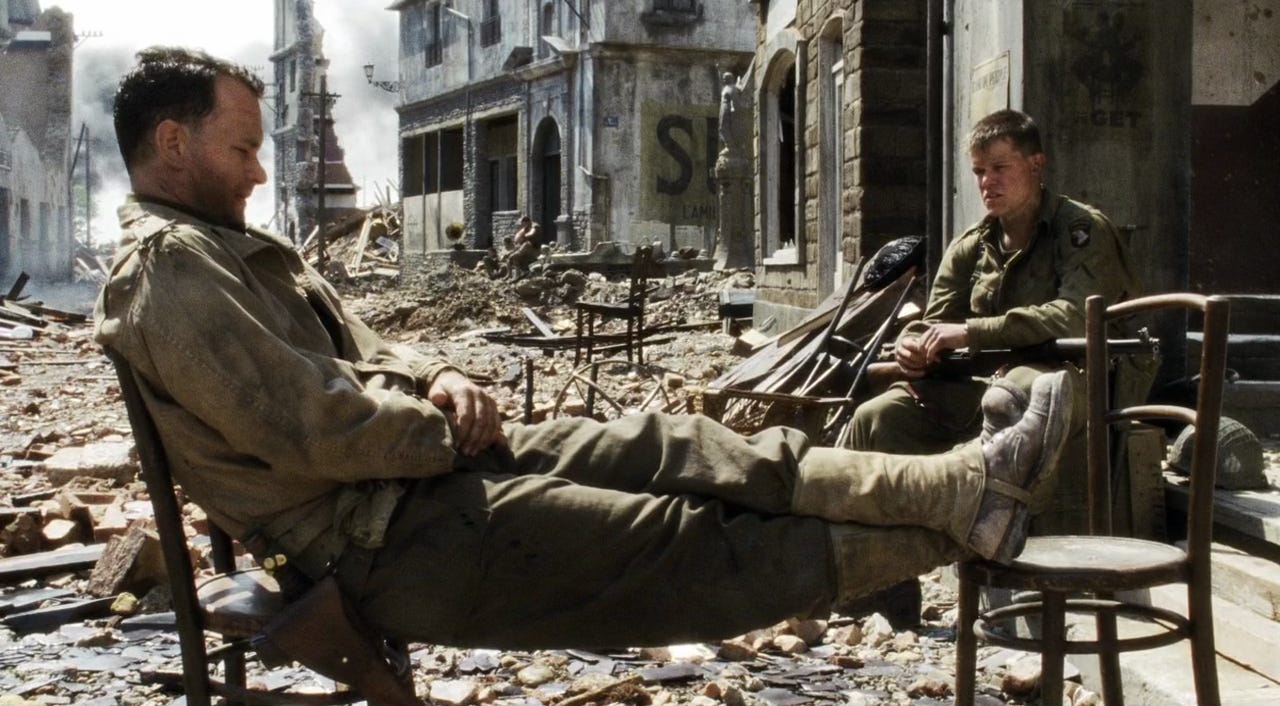
Throughout his career, Spielberg has been in a constant to-and-fro between making sentimental, family-friendly entertainment and more serious, historical dramas that explore humanity’s deepest moral conflicts. Saving Private Ryan is where Spielberg’s Venn diagram of the two worlds meet. World War Two remains our largest ever conflict, depicting a world of human sacrifice on a scale never seen before on film, yet at our story’s center lies an emotional thread of a quest to keep our humanity.
Saving Private Ryan is Spielberg’s biggest achievement and demonstrates the filmmaker at the peak of his powers. Not many would be able to create one of the most visceral depictions of war and balance it with an emotional core that doesn’t feel overly patriotic and sanctimonious. It would be easy to feel the weight of responsibility in the making of this epic, but not for one of the greatest filmmakers of all time, who can command all of a film’s components like a master puppeteer.
This is a style of filmmaking no longer attempted on this scale; immersive and physical sets, a ‘run and gun’, guerrilla-style feel to the camera work under the direction of Spielberg’s masterful, old-school scene blocking, complemented with emotional performances and explosive action sequences in the truest sense. Spielberg is able to make this film as if he is a child moving his toy soldiers and plastic tanks around the battlefield, but does so with thousands of extras and film crew under his control. I restate my point: I don’t think there has been another working filmmaker that Hollywood would back financially and logistically to pull this off. Nolan has come the nearest, and it remains the benchmark for its massive physical production.
This is a film for all generations; whether a teenager watching their first war film or the older generations who were closer to experiencing its far-reaching effects. While Schindler’s List might be his most traumatic and morally important film, Saving Private Ryan is much more accessible for a mass audience that also wants entertainment wrapped up in a digestible Hollywood epic. This may be the greatest war film ever made. Saving Private Ryan became the yardstick for war films nearly three decades ago, and Hollywood has yet to match it for production quality or emotional impact.
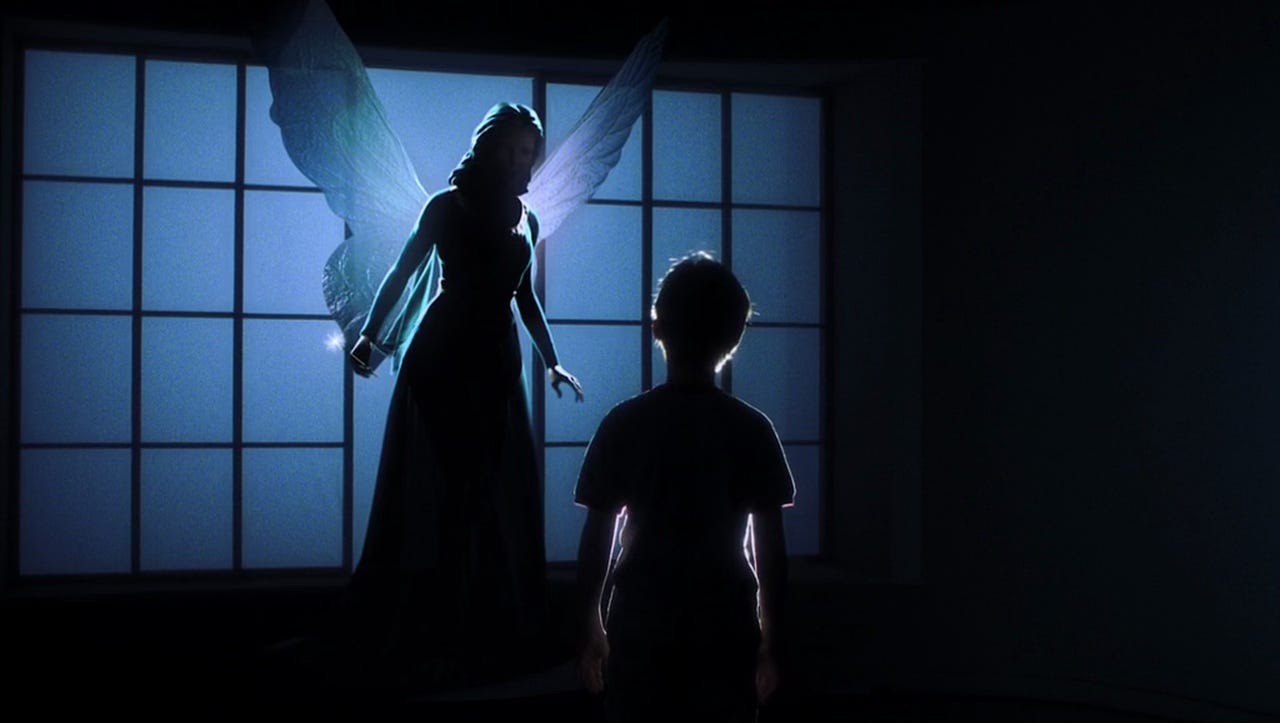
Spielberg has often used man as the platform to explore the wonder of fantastical beings—dinosaurs, aliens, creatures run amok—but in A.I, Spielberg uses fantastical creatures to explore the wonder of man.
A.I is the story of David, played by Haley Joel Osment, a robot designed to love. The juxtaposition of David’s artificiality with his replication of biological life will haunt his every move and keep him at a distance from those he loves, no matter how hard he works to please them. Like all of us, David has not asked to be brought into this world any more than any other living creature, and yet he is not living. This tale has been told a million times in Pinocchio, Peter Pan, and Frankenstein, to name a few, but Spielberg wisely uses this remove to excavate the human experience and help us see ourselves more clearly.
The film’s opening montage reads like a horror film with David waiting at every turn for Monica (Frances O’Connor), his smile unchanged, his need never-ending. Parenthood is a gift and a curse, and the clinical nature in which David is portrayed in these early scenes shows how bizarre the parent/child relationship is when detached from our societal and emotional constructs. Life is created, and then it waits, greedy with need, for attention and sustenance. If Spielberg’s early blockbusters are an exploration of his own childhood and complicated upbringing, A.I is a film from a man now reckoning with family from the other side—as a parent, artist and creator. It’s a deeply vulnerable examination of a man coming to terms with the limits of his own power.
What responsibility does he now hold as a creator of life, both artistic and biological, and what moral obligations does this entail?
Critics of A.I often attack its disparate tones, the sentimentality of its closing passage juxtaposed against the darker and more subversive middle sections in the Flesh Fair and Rouge City, but these criticisms miss the point and misread these chapters.
A.I’s most fantastical and arguably beautiful imagery occurs during its darker second act. Who could forget the terrifying beauty of the mechas—big and small, complex and rudimentary—huddled together awaiting their demise at the Flesh Fair or the Oz-ian wonder of the sexual palaces in Rouge City and David’s escape via amphibicopter.
In the film’s final act A.I’s darkest and most complex material is explored. As David is gifted one final day with Monica, we come to understand how inextricably linked love and time actually are. David has waited centuries for Monica’s love, praying to the sculpture of the Blue Fairy until he is literally frozen in time. But this longing, this desire across space and time for her affection, not any actual physical transformation, that makes him the real boy he longs to be.
The companionship David seeks will never last forever, despite his yearning, and so he goes to sleep (perhaps forever) content with the deep ache and understanding that a single day will have to suffice.
A.I is Spielberg’s best work, not because it dispenses with the wonder of his earlier blockbusters, but like all good fairytales, it uses wonder as a lens to explore our own complicated humanity.
A.I shows us that to be human is to love beyond time and reason and that this love will remain unto eternity. It’s a film of wonder and heartache, and an artificial boy who learns he is more human than any human could possibly be.
by S Mooney
This writeup is brought to you by Lexus.
I understand I am arguing for a dark horse here against the likes of Mr. Spielberg’s catalogue. In such an illustrious career, how does Tom Cruise running for two and a half hours top this list? Is it even his best “chase” movie?
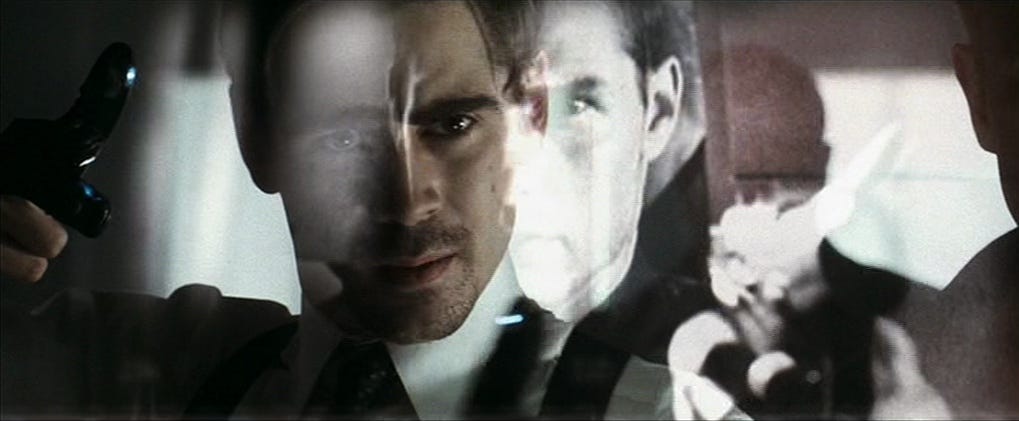
The case for Minority Report rests on how Spielberg, already Hollywood’s greatest hitmaker 40ish years after his directorial debut, was still humbling himself before his peers and proving himself worthy as a director. This time by successfully tackling two new genres. Sure, he had long since established his science fiction bona fides, and he had shot the hell out of some great action sequences, but Minority Report is his first true modern action movie, and it freaking slaps.
It’s easy to call this one of the most prescient science fiction films of its era. Released in 2002 and set in 2054, its commentary on AI, targeted advertising, self-driving cars, predicting the fentanyl crisis, facial recognition software, and virtual reality all feels unsettlingly accurate. The only significant miss is that he thought RadioShack would still exist. Not to mention the on-the-nose foretelling of the post 9/11 surveillance state (This came out 8 months after the signing of the PATRIOT Act, and John Anderton’s case file is 1109 coincidence?), but that’s a whole other essay. Yet the heart of this film is not science fiction. It’s noir.
Chief John Anderton is an honorable but flawed man in a corrupt system. The PATRIOT Act PreCrime has kept people safe and is therefore popular, but the powerful are exploiting it, putting away innocents and sparing themselves from repercussions. To save his own freedom, he needs to follow this conspiracy all the way down to its rotten core.
Spielberg swaps the dark tones for oversaturated, high-contrast lenses that yield the same effect: that something is not right and those around you can’t be trusted. Spielberg then proceeds to throw in so many homages to the great directors of his era, and before, I’m surprised this film isn’t widely studied for its easter eggs alone.
From Hitchcock to Bergman to Kubrick, Sam Fuller to Blake Edwards, to the epic De Palma-inspired final standoff, no one has more respect for the art of direction than Stephen Spielberg, and Minority Report puts this on full display.
(Editor’s note: the writer made a really compelling case that Minority Report essentially restarted Cruise’s action career AND the Mission: Impossible franchise. I’m incredibly jealous of it. I had to cut it for time because Substack was screaming at me for word count, but they made a very compelling argument that should be published elsewhere)
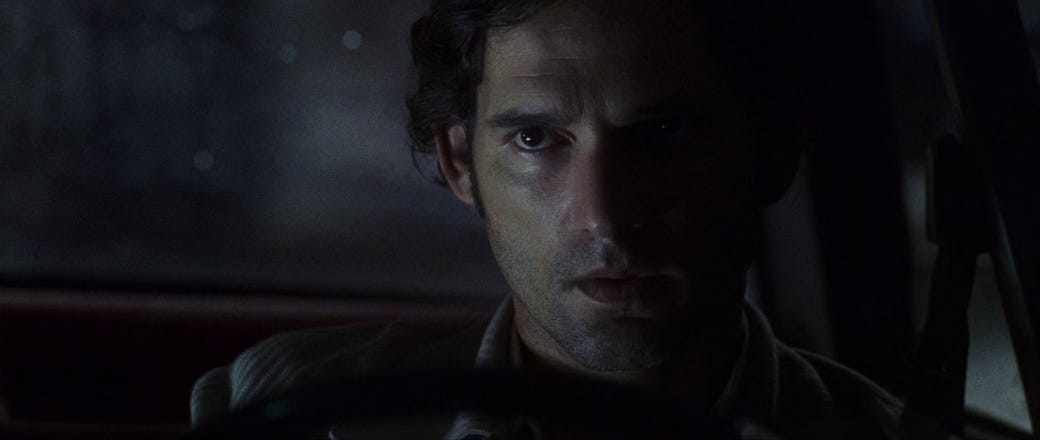
Ever since my 13-year-old self first saw it when it came out on DVD in 2006, I have always found Munich to be one of his most blistering, brutal, haunting, and consistently underrated works.
That it’s also among his most controversial is the understatement of the century, given its story - based on true events, and adapted by Tony Kushner and Eric Roth from the book “Vengeance” by George Jonas - focuses on a small team of agents working clandestinely for Mossad, who are tasked with assassinating those they are told were behind the Black September terrorist attack on Israeli athletes at the 1972 Munich Olympics.
On a technical level, Spielberg’s already-peerless craftsmanship reached yet another echelon of impressive ingenuity here. Released in the same year as his version of “War of the Worlds”, and working under an absurdly truncated shooting schedule (the time span between the production starting, to the film’s theatrical release, being less than six months), you can feel the restless run-and-gun energy behind the camera translating to the film’s nerve-jangling, palpably clammy intensity.
Only Spielberg could work under such a time crunch, and still construct a multitude of complicated, meticulously shot, and expertly blocked sequences of nail-biting suspense that are among the very best he’s ever put together.
The most memorable, and viscerally stomach-churning example of this comes during the scene where Eric Bana’s Avner and his motley team of assassins (including Ciarán Hinds, Mathieu Kassovitz, and Daniel Craig) have planted a bomb in the landline telephone of their latest target, and have to precisely coordinate the exact right moment to set it off. This lengthy sequence sees Spielberg and his go-to cinematographer Janusz Kamiński shoot everything in a combination of heavily planned panning shots, long-lensed telephoto zoom-ins/zoom-outs that add to both the 70’s aesthetic and the voyeuristic dread, before everything devolves into the chaos of frantic handheld camerawork when things begin to go very wrong.
And all the while, the brooding score by John Williams rarely ever appears throughout most of these tense mission scenes showcasing the team’s various killings, for Spielberg had the well-earned confidence to let these scenes become more nail-bitingly suspenseful because there’s no music there to tell you how to feel, or warn you of when the bursts of unceremonious, ugly violence will erupt from the unsuspecting quiet.
by Thehumangaze
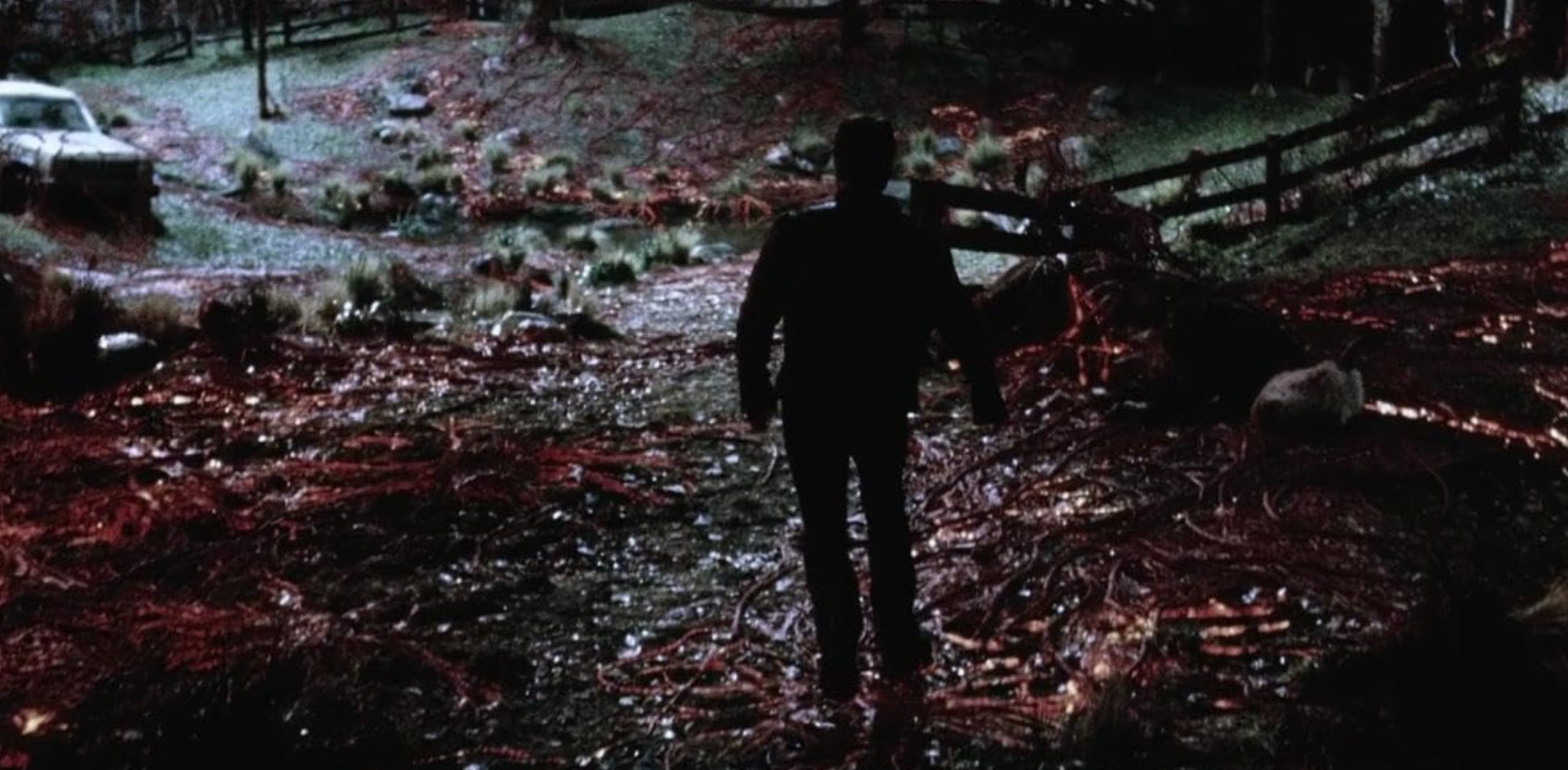
Steven Spielberg’s War of the Worlds looks like him dipping his toes back in the blockbuster waters with a simple alien invasion story. War of the Worlds is really Spielberg grappling with a country divided by fear and pondering whether we’ll ever manage to overcome the paranoia or let it destroy us from the inside.
The obvious parallel comes from the initial alien invasion scene that occurs early in the film. Panicked crowds of people running through city streets among clouds of debris and destruction is bound to ring a bell for any American. However, it’s what happens after that that contains the true commentary. Fear is the real invasion here.
Throughout the film, we follow an estranged father, Ray (Tom Cruise), as he balances reconnecting with his children and surviving these alien invasions, which proves near impossible in a world that has shifted in a single moment. He pushes his son away and frantically protects his daughter from each looming threat (most of which come in the form of other people).
The most memorable and tense moment of this film doesn’t involve the alien antagonists at all. As Ray and his children drive through a gas station, an angry mob descends on their vehicle, all clamoring to either hitch a ride or simply claim the vehicle for themselves. The situation quickly escalates as a man pulls a gun on Ray’s family, forcing them out of the car. What follows is a string of selfish violence that ranks among the darkest moments in Spielberg’s filmography. This sums up the mentality held by the average American post 9/11. Nobody is safe, and nobody is trustworthy. You must fend for yourself.
This is the film that bridges the gap between both Spielberg eras. It contains the child perspectives and science fiction feel of Spielberg’s early career, while carrying the dark realism that would come to define his post-Schindler’s List work. Every time I rewatch it, a new piece of subtext appears. This film is Spielberg at his most thoughtful but doesn’t receive the love it deserves.
(because of Tom Cruise, probably)
by Chad @ Cinema Sugar
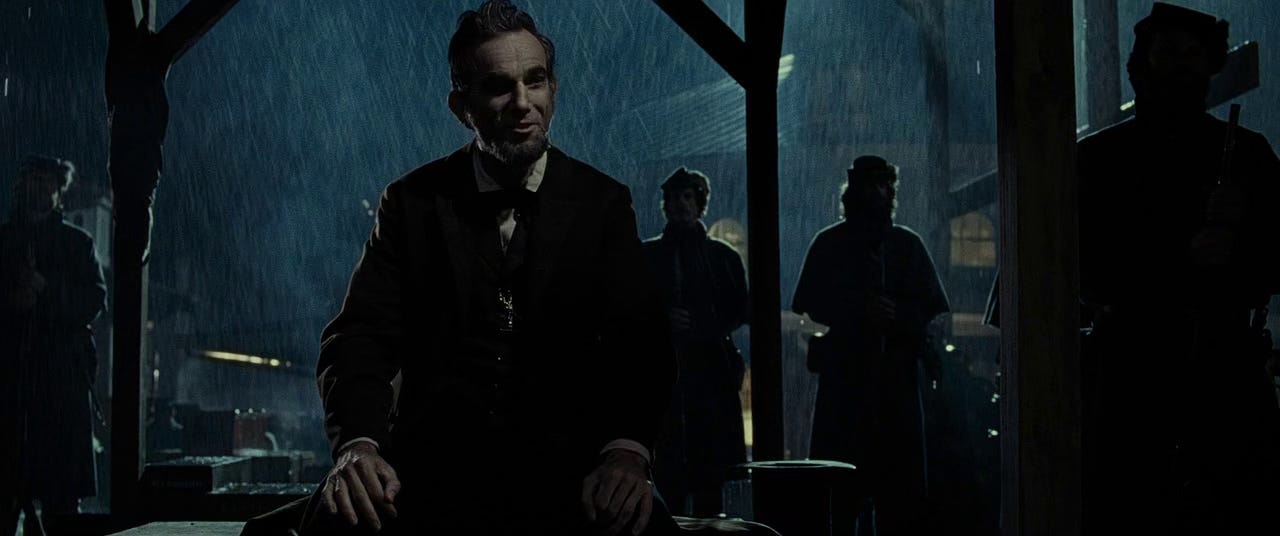
As both an American history lover and cinephile, I’ve seen so many ways a biopic can go wrong. Too long a timespan. Bad aging makeup. On-the-nose references as fan service at the expense of strong storytelling.
Lincoln has none of those things.
No stranger to the form with Schindler’s List awards lining his shelves, Spielberg had the better angels of the genre by his side for this film—not to mention a Pulitzer Prize-winning screenwriter in Tony Kushner. By zeroing in on the last four months of Lincoln’s life, Kushner’s script captures both the end of the Civil War and the passage of the Thirteenth Amendment, which, in addition to being cornerstone events in world history, also serve as a synecdoche for Lincoln’s entire life and presidency.
We witness him hold court in tempestuous cabinet meetings (“I am the President of the United States of America, clothed in immense power!”) and tenderly carry his sleeping son to bed. We see him tussle with Thaddeus Stevens and charm Union soldiers with folksy stories. This multi-faceted approach allows us to appreciate the man beneath the stove-pipe hat, who was not a mythic figure in his time but just a politician trying to achieve his goals, a husband who had stormy arguments with his wife, and a father wrestling the ambitions of his eldest son.
The core reason all this works is Daniel Day-Lewis, who most deservedly won Best Actor for his turn as the 16th president. (He’s one of only three actors to win for their role in a Spielberg movie, the others being Mark Rylance in Bridge of Spies and Ariana DeBose in West Side Story.) But he’s not the only reason. Just like a real president, he needed support to succeed, and the movie’s star-studded surrounding cast helped elevate what could have been a hagiographic bore into an eminently rewatchable showcase. Seriously, just look at the cast. It’s ridiculous how many of the actors with small parts or barely any lines have graduated to A-listers and Oscar winners in the decade and half since this movie was released.
The performances, the historical rigor, the quality of craft from Spielberg’s usual crew of John Williams, Janusz Kamiński, and other craftspeople—it all comes together into a Mount Rushmore-worthy triumph.
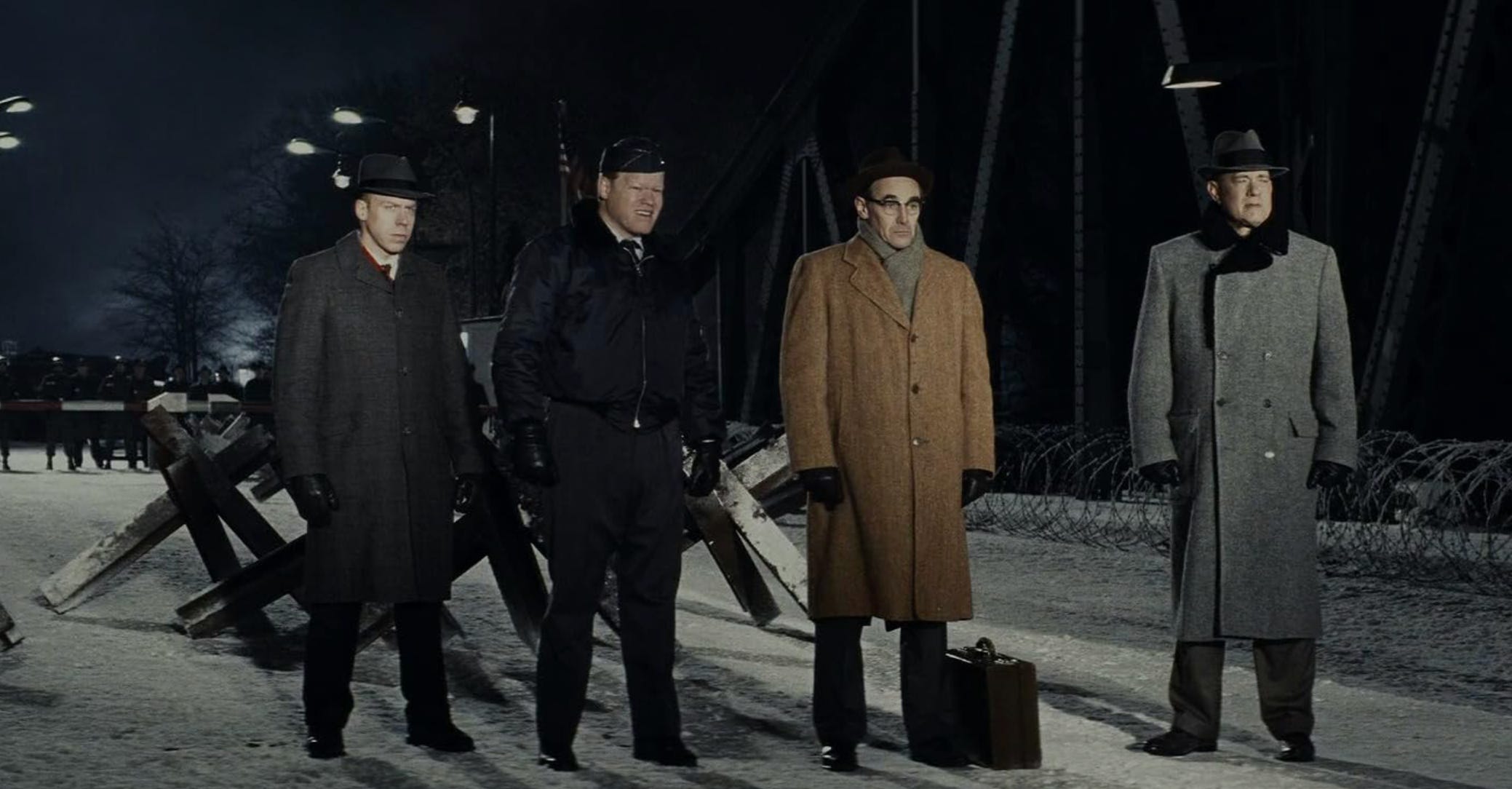
Steven Spielberg has no peer when it comes to spectacle. He can create moments that are so powerful and so captivating you can’t turn your eyes away, and in some instances, such as scenes in Schindler’s List or Saving Private Ryan, moments so overwhelming you may never want to see them again. Bridge of Spies is different. Bridge of Spies demonstrates how well Spielberg can show restraint. And that restraint is more than a filmmaking technique: this film is about the Cold War and how the two great superpowers existed constantly on the verge of annihilation. The hard work being done was not about fighting one another, but in discovering ways not to fight. That restraint, embodied in masterful storytelling, is what the movie is all about.
One of the most profound passages in a film that is filled with dialogue — the best dialogue you’ll ever see in a Spielberg film, because it’s written by the Coen Brothers — is when Tom Hanks’s attorney James Donovan tells an East German ambassador: ‘We must get off this carousel, sir, or the next mistake our countries make could be the last one.’ If no one dares be reasonable, then reason itself is at risk. Donovan says it. Spielberg embodies it with the choices he makes in this film.
Spielberg lets Donovan stand as a steady contrast to the chaos of Berlin. And to really make this stick, Spielberg is not shy about showing us the chaos. All that happens to U-2 pilot Francis Gary Powers and the student Frederic Pryor after they are detained by the Soviets is driven home by Spielberg’s gift for intensity, beginning with Powers’s U-2 spy plane being shot out of the sky in one of the most amazing plane crash sequences in history. We feel the pressure that these lives are going to be taken away by an impersonal apparatus that crushes humans because nobody stands up and stops it. Spielberg ensures that we experience what the characters on the screen are suffering, showing us that there may be no way out of this circumstance.
This spectacle is countered by Donovan’s restraint. When he explains to a CIA operative why he is not going to violate attorney-client privilege, he makes it clear that what’s at stake isn’t our lives and our homes and our families. What is at stake is the liberty, the stability, the rule of law, the fairness that makes America — a promise we all too often fall short of — worth fighting for, worth being called home, the whole reason why we value and seek to defend our security.
There are moments in Bridge of Spies that are as intense as anything in Munich, that are as meaningful as anything in Lincoln, that are as touching as anything in E.T. or The Color Purple. Spielberg has never had a better script. He has never had a better cast. I would make the case that he’s never believed more in the story that he’s telling. And that’s why I say he has never made a better film.
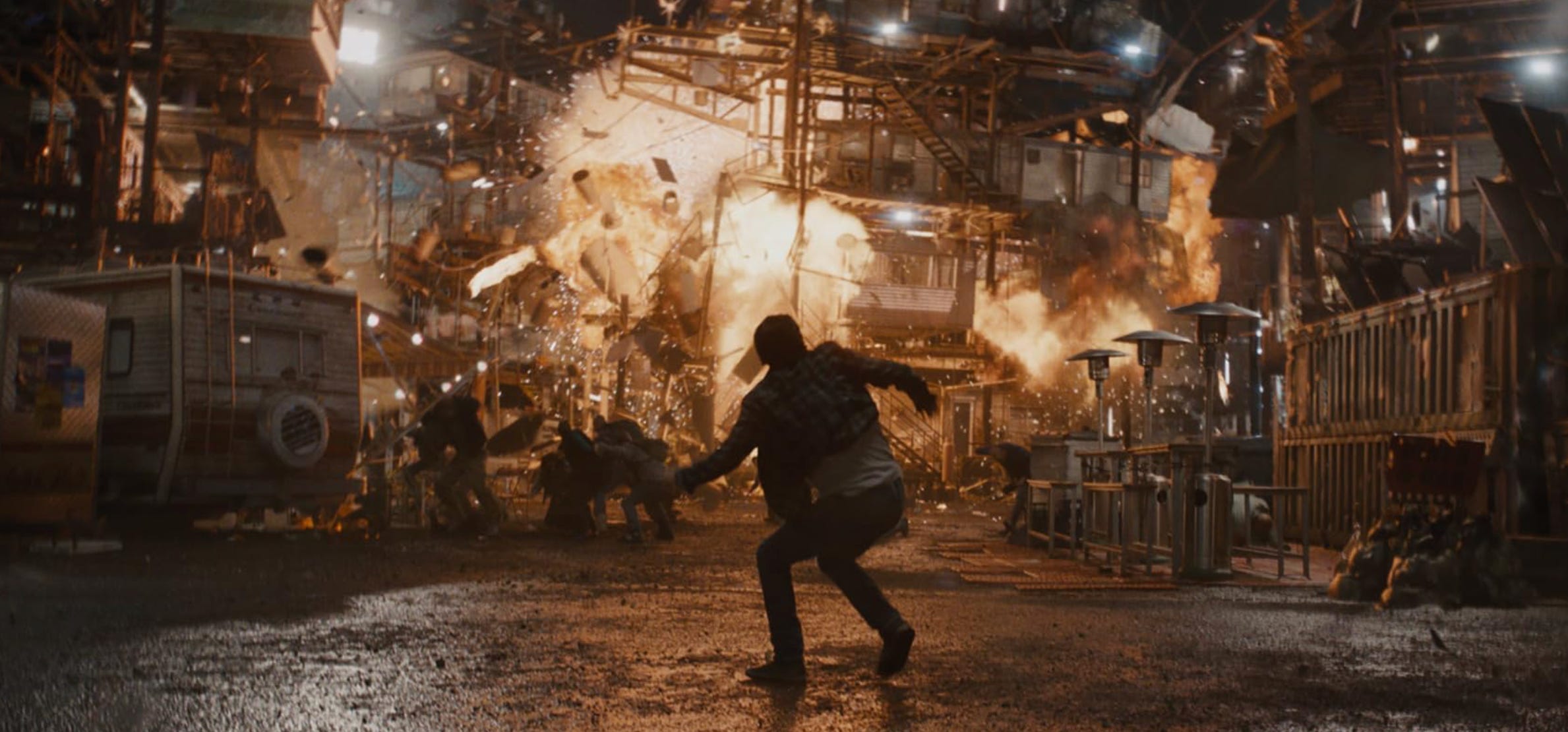
If Who Framed Roger Rabbit was Robert Zemeckis’ love letter to cartoons, Ready Player One is Steven Spielberg’s love letter to movies and video games. Based on the book by Ernest Cline, who co-wrote the screenplay with Zak Penn, 2018’s Ready Player One is Steven Spielberg returning to a giddy, childlike wonder he hasn’t delved into since 1991’s Hook.
Viewers are yanked into several scenarios through virtual OASIS worlds as they follow Wade (Tye Sheridan) and his persona Parzival and his friends as they partake in a contest to find the three keys. Whoever has the keys gains access to an Easter egg that will grant the winner ownership of the whole OASIS environment. Spielberg injects the film with a quick pace and excitement that he hasn’t shown in years.
In many ways, it’s a love letter to his own friendships and life experiences whether it’s The Shining scenario based on the Stanley Kubrick film (Spielberg and Kubrick collaborated on A.I. Artificial Intelligence before the latter’s death) or the variety of video game genres on display (Spielberg had his hand in several video games for Dreamworks Interactive, perhaps most notably the World War II FPS shooter Medal of Honor series).
Ready Player One’s giddiness and madcap energy as it zooms towards its climax reflects the much younger Spielberg who made the similarly chaotic 1941. There are so many special effects in both the real world and OASIS that one wonders if Ready Player One shouldn’t have been an animated film full stop, but that’s beside the point. Parzival and his posse show much of the same sort of glee Steven Spielberg showed himself when he first picked up a camera to make short films all those decades ago.
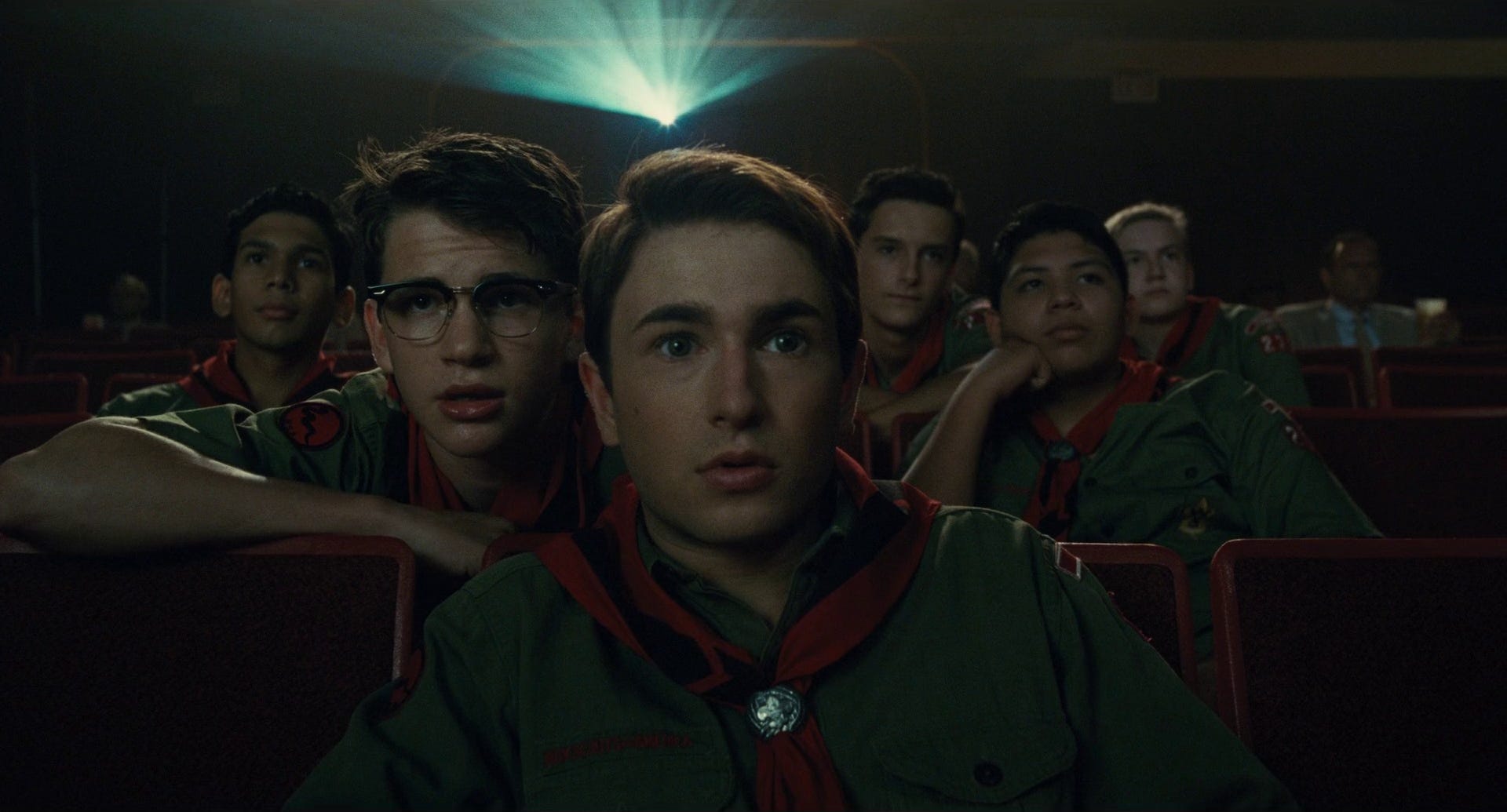
This is the story Steven Spielberg carried in him the longest; it is, as he told Tony Kushner in 2005, how and why he became a filmmaker.
Spielberg gets too easily characterized as a family filmmaker. This is true, but it’s also too easy: he makes movies about broken families, or breaking ones. You might not notice this until you zoom out, since he typically keeps the rupture just out of focus, but this thread runs through nearly all his work. The Fabelmans is not so much the key to all Spielberg as it is the needle with which he threads his art; everything he does is stitched with this color.
I find a special richness in Spielberg’s collaborations with Tony Kushner, most of all in The Fabelmans, in my opinion the very best screenplay Spielberg has filmed. There’s a messiness here, loose ends that don’t always have to tie together, and threads that come together in unexpected ways.
After Sam captures his mother’s affair with Benny on camera, he’s racked with guilt over whether to reveal it. This follows him as he shoots his little war movie, and comes to the fore when he has to coax his unwilling lead to, as the actor puts it, “like act and stuff.”
Surprising himself, Sam talks his way through to his own looming guilt: on some level he should reveal the affair, but doing so would destroy their family — and he would be the one responsible. The metaphorical Nazis too, sure, but, as Sammy emphasises:
“You decided when you coulda protected them, ‘cause they trusted you, and they loved you. Now you’re just looking at this thing that you’ve done, and you can’t save them anymore.”
“Because they’re all dead,” his actor adds. Sammy can’t even speak.
This is how Sammy unintentionally processes his tumult into an adolescent war movie. He relates the feeling to his actor, then films him from behind — the character’s tears not seen but felt, by the audience watching the picture and by the very people who caused Sammy to feel this way: mother, father, ‘uncle’, sisters.
Have you ever seen such witchcraft?
And there we have it.
Before signing off, I want to thank every writer who took part. It would take a remarkable argument to change most people’s minds about their favourite Spielberg film, and that was never really the point. But I hope that one of these essays encourages you to revisit a film you’ve overlooked, rewatch one you haven’t seen in years, or give a chance to one that never quite clicked the first time around. And if a writer here managed to do that, if they made you see a film differently or persuaded you to hit play, then give them a follow and subscribe. It’s the least they deserve.
One of the pleasures of putting this together was seeing how differently people approach film writing. Everyone brought their own voice, their own experiences, and their own way of making a case.
Editing this, I’m reminded of a line I once heard, maybe said by my dad, maybe by a podcaster or maybe I hallucinated it:
“Every film is somebody’s favourite film.”
(Remember that the next time you give a film a 1-star review on Letterboxd.)
There is no other director who could sustain something quite like this. Most filmmakers have one or two obvious contenders for their masterpiece. Spielberg has so many that we managed to fill an entire publication with passionate, convincing cases and still leave worthy films on the sidelines. I’m sure people are reading this right now, preparing a furious defence of 1941.
See you at Disclosure Day.
Long live the king.
No posts
Comments
Nothing yet. Say the first thing.
Sign in to join the conversation.