
“But I now see death as the canvas on which we are all painted, our non-existence not just intertwined with our lives but a necessary ingredient of them.”
— Simon Boas, A Beginner’s Guide to Dying
Tomorrow marks 365 days of morning pages. 12 months of blog posts. Over 300,000 words.
Most of what I write dies in the morning pages. Unread, unused, unpublished. I will likely never look back at these words again. That death clears space to live and be present, and to write here with intention. The writing that dies gives meaning to the writing that does lives.
The theme that surfaces in my morning pages is existential. There’s a core question I’ve been asking in countless different ways: what in my life is worth my time?
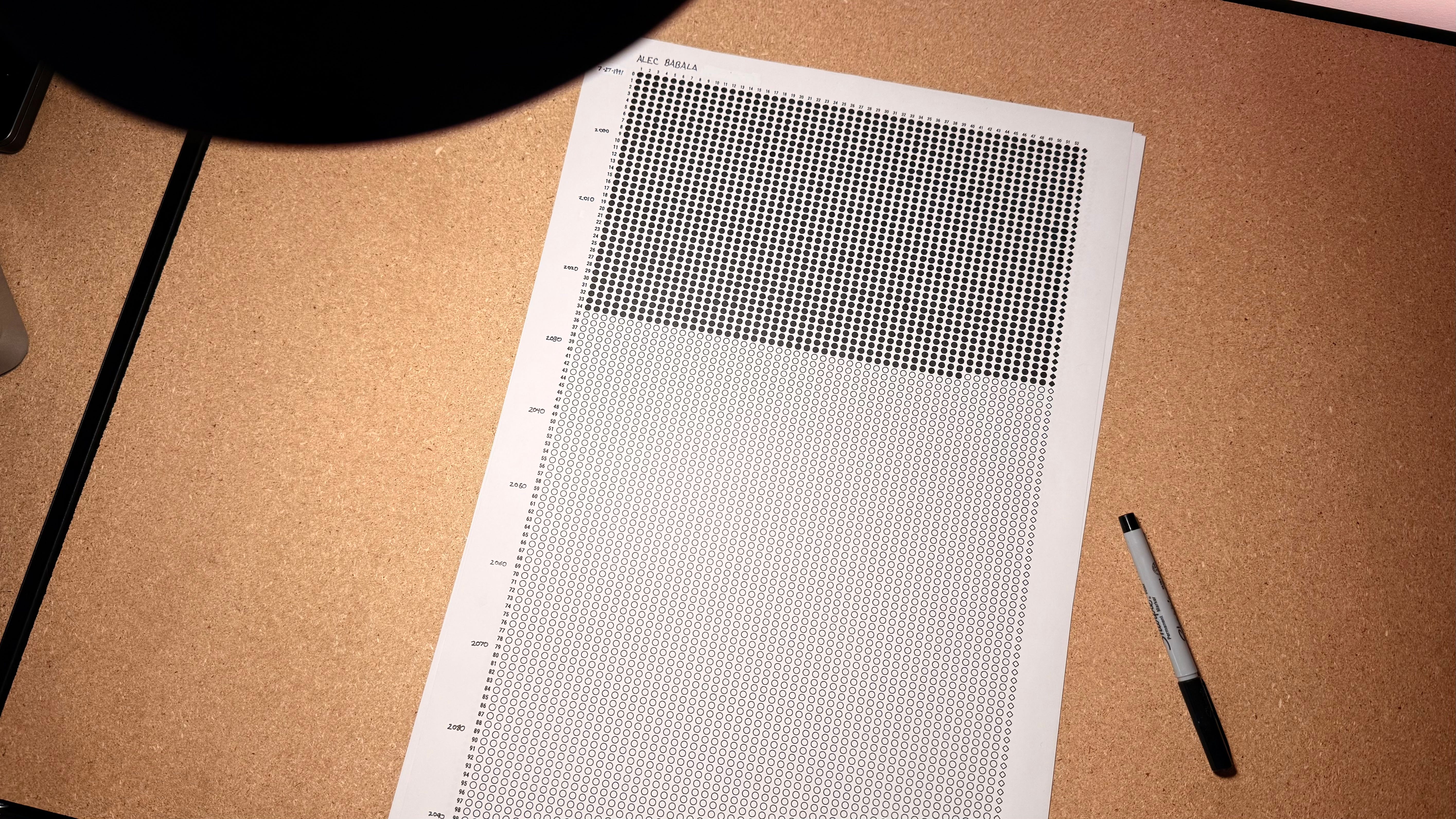
Why spend over 200 hours, the equivalent of writing continuously for 8 sleepless nights, protecting this sacred, profitless ritual from becoming a productivity hack? What if I took back this time and saved it? Surely there must better ways to be spend those hours each year.
So why not pick a topic, extract from my 1000 pages of content, use it to create a community of followers, and live the digital life of a creator? Or publish a physical book and freeze a version of me in time, to immortalize my memory for eternity?
I would be lying if I said I didn’t consider turning my unused Mac Mini as an OpenClaw machine and training it on these pages. But from there, it is a small step away from believing that I could document my whole life in this way. Then another small step away from slipping into a delusion that my life can be reduced into a neatly labeled dataset.
With enough intelligence (and GPUs), I would only be one short prompt from solving the equation for achieving my happy life and take back my time from the burden of living it.
I think that fear stems from experiences over the past few years that have been void of magic. These often look like moments of failure, judgement, and hidden agendas. Sometimes it happens in interactions with people, but mostly I see it at work, sports, and on advertising platforms like Instagram.
Especially on the internet, it often feels like we’re NPCs who stopped believing in miracles. How could we when we’re told that with hard work and enough compute, anything is possible? God has a name, and it is productivity.
In this world, it’s like we declared war to control our fate, vowed to never surrender for enough, and agreed that our finite existence is simple a game to win the coveted “Made the Most Out of Life” engraving on our tombstones.
Chasing a marathon PR. Completing an ultra. An Ironman. Another hillclimb. Maybe try Hyrox. Whatever the current culturally looked-up upon challenge is, that’s the thing to pursue. Maybe that could be a career pivot or another round of corporate chutes and ladders in the pursuit of achieving financial freedom.
When the digital world becomes the center, life in the physical world begins to feel like an impossible chase to the end of an infinitely expanding universe.
So I write.
It helps me to remember that 2001: A Space Odyssey is a cautionary tale of technology and our humanity. To remember that going to space is not the only way to wonder at the stars. To remember that even on the ISS, people point the camera back to Earth. To remember that life on our planet is a miracle, and that we already have all the magic at home.
It helps me to remember that the joy of being with someone I love, and the sadness of leaving them, share the same tears.
My average Instagram usage dropped to around 6 minutes a day this past year.
A big chunk of that time is from putting together the post to share this Substack. Writing has unexpectedly been distancing me from the rest of the digital world. I’ve yet to find words to describe this feeling concisely, so the best I have for now is closeness.
It’s easy to assume that spending less time on social media would mean being less connected to the people in life. But what I was actually losing was people’s digital identities.
After some time, this whole internet experiment starts looking like a bizarre immortality project, where a curated version of ourselves doesn’t have to die. No amount of posts, stories, or reels can hold the real, mortal version of someone. It becomes easy to start seeing people for who they are in person.
In real life, love is present and we become closer, overcoming any distance.
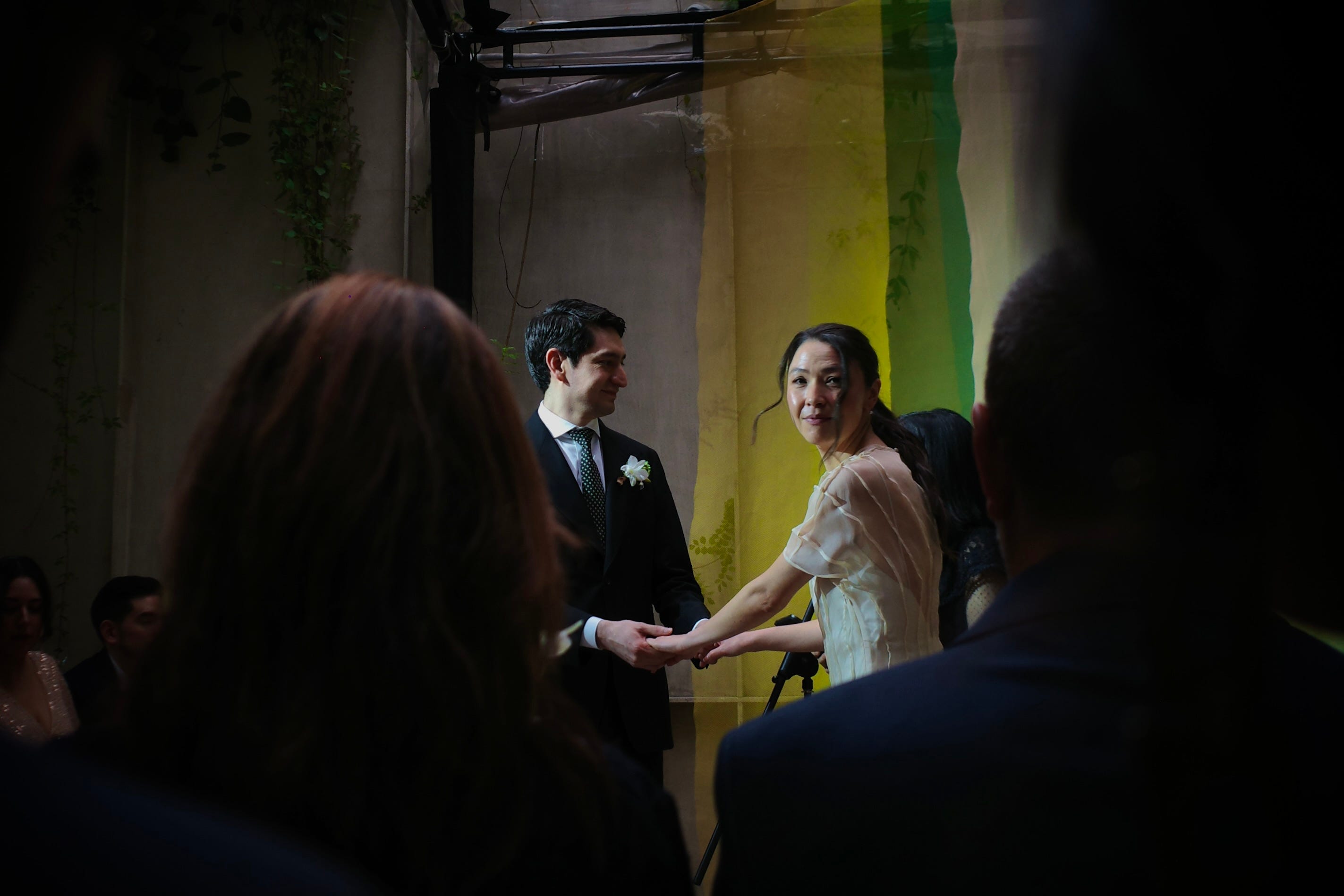
Love transcends the specifics of any one memory.
Cruel forces try to take it. Life happens. Work. Technology. Politics. Addiction. Depression. Dementia. Death happens. And still love lingers. Which makes the obsession with accuracy, with remembering correctly, with being right, seem beside the point.
So what in my life is worth my time?
Perhaps it’s stories like being with friends I rarely see anymore, sitting on the floor, sipping on mezcal, taking bites of oranges and Tajín, munching on chips around the coffee table at our Airbnb in CDMX till 2am, engaging in an uninformed conversation on the philosophical differences in topics like artificial intelligence and quantum computing and what we would do if we had 24 hours left to live.
Maybe this is enough.
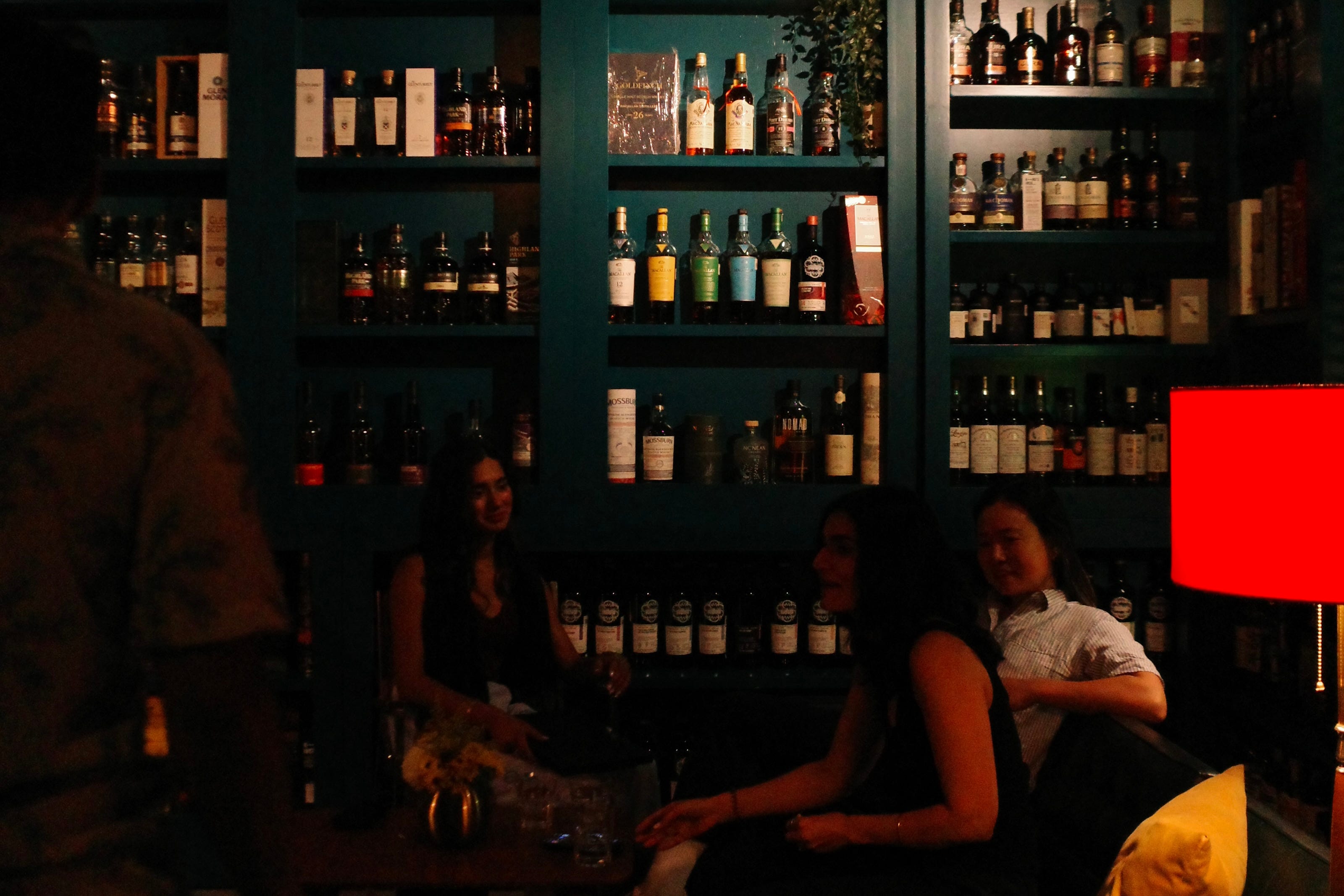
Maybe the practice of emptying this intellectual mess in writing, so that I can create the spaciousness to connect spiritually, is the answer to the question. The writing that dies in the morning pages is not wasted. It gives birth to the ultimate creative act of living.
Cheers to a full year of my new_wip.
-pips
“Try not to grieve. For a few years yet I will exist in memory, but don’t let these thoughts be sad ones. Think of your own life like a book. For some people I am a chapter; for others I am a paragraph or a footnote.”
― Simon Boas, A Beginner’s Guide to Dying
No posts
Comments
Nothing yet. Say the first thing.
Sign in to join the conversation.