
⸎
My traveling companion arranged train passage to Bayonne for a one-day, in-and-out visit. It’s a very walkable town. We started out with a coffee and croissant at a shop across from the train station. Always say “bonjour” immediately upon entering such places, sez them what knows, even—or especially—if no one seems to be about.
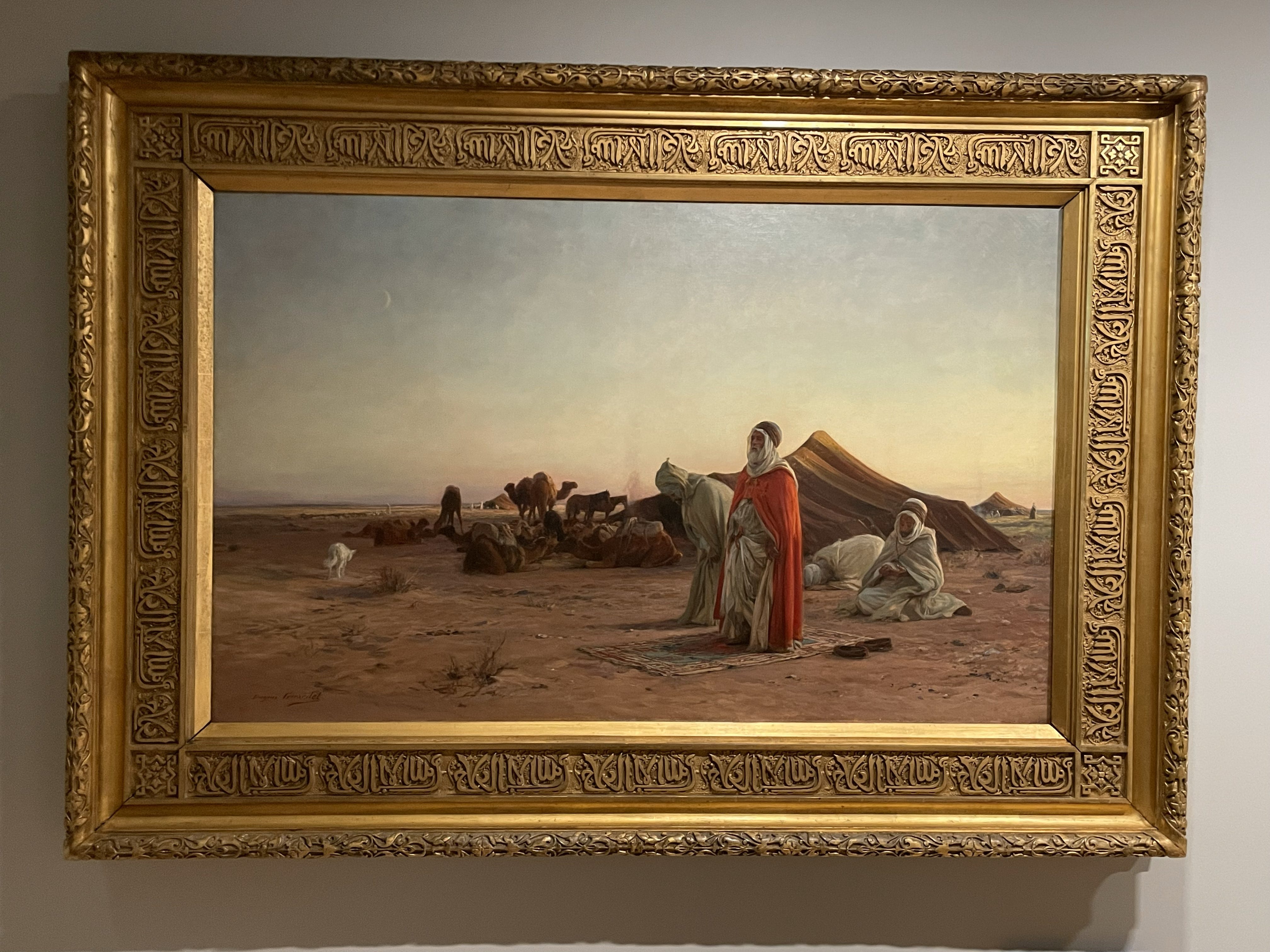
Thus fortified, we went to the local Bonnat-Helleu museum. I didn’t expect much, given the size of the town, but it was awesome. It featured some famous local artists of the last two centuries, especially Bonnat and Helleu, but many others besides. They had a Rembrandt and a Rodin, for example.
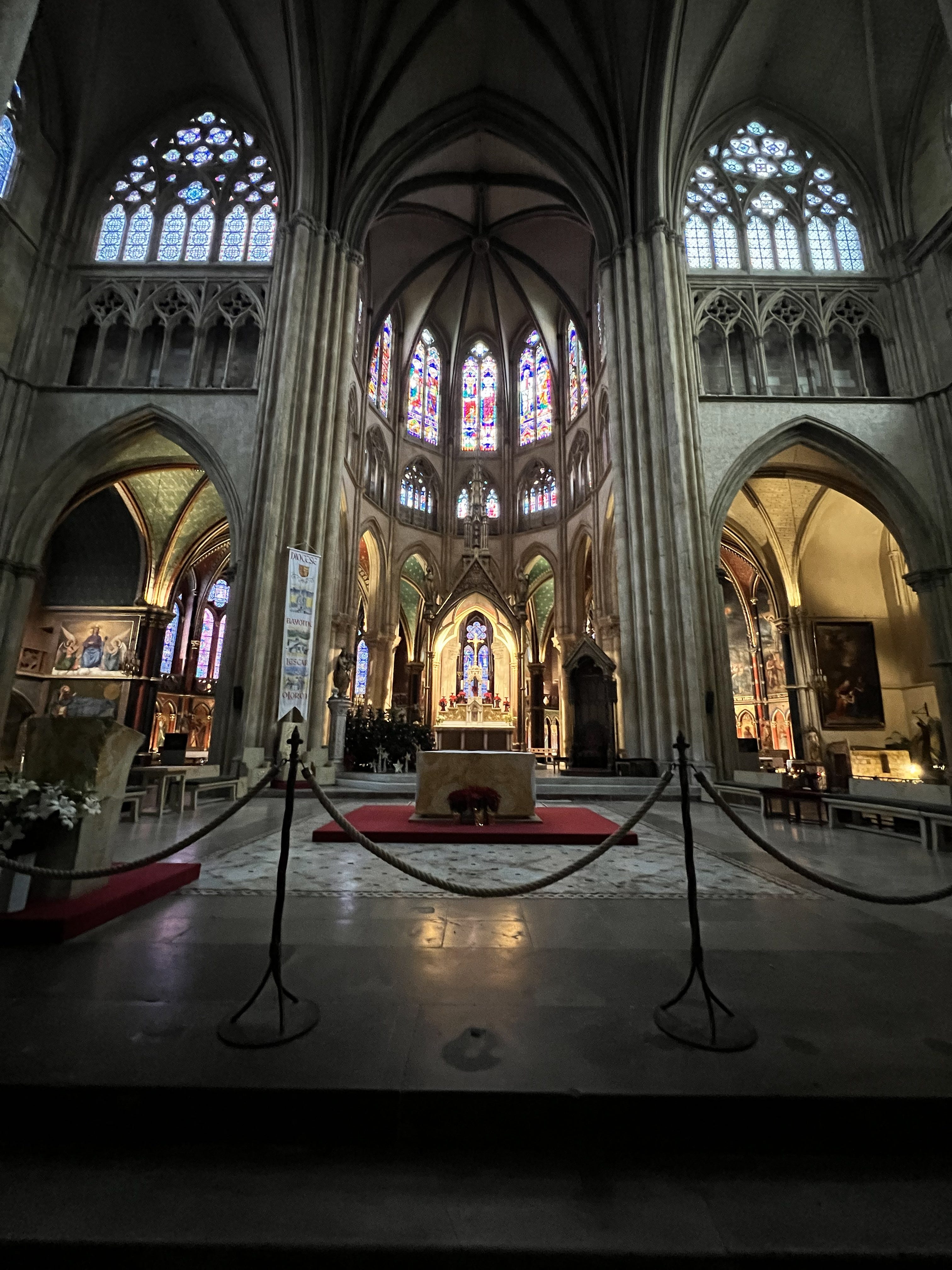
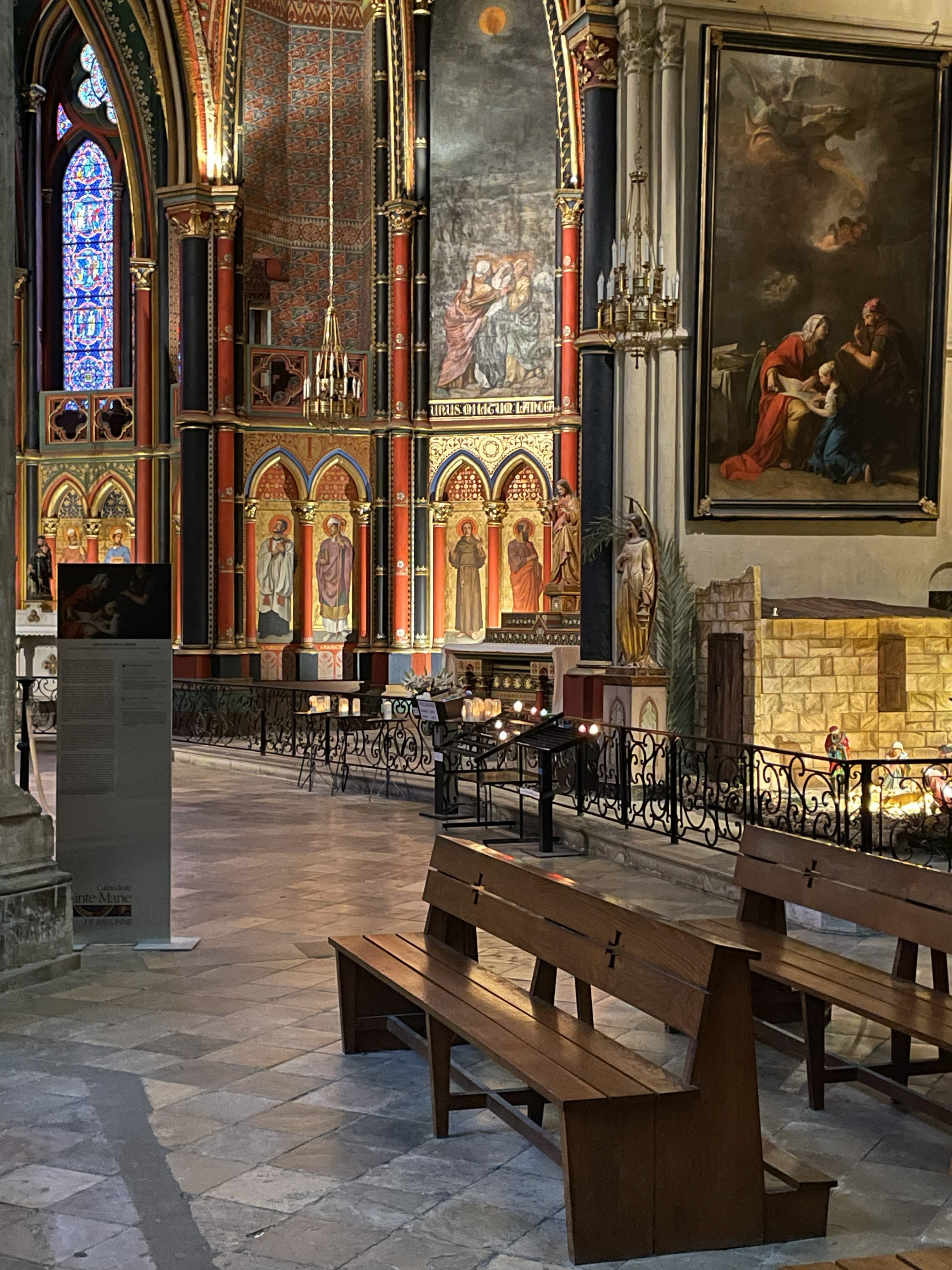
After the museum we strolled over to Catédral Sainte-Marie de Bayonne. One of the most impressive we’ve seen, and we’ve seen quite a few grand places of worship, at this point. Then a leisurely lunch (seafood bisque, mous, pork pastry thingie with mushroom cream sauce, if, like any Frenchman, you’re wondering) and the expected old town visit so the female could speak French to every single shopkeeper there because they can’t feasibly avoid her.
At lunch we discussed the museum. It’s the kind of thing that opens your eyes to how the world really is, widening the angle of your vision, so to speak. Like this trip as a whole. My wife read all the museum placards because they were in French (and Euskara-we’re on the edge of Basque country) but not English, alas, for me. One was a portrait of the painter Füssell which tried to show he could see through this world to the reality beyond, cutting through the noise, or fog. The fog was a lighter patch against the dark background of the portrait, it could be taken for a soft reflection. It is, according to my lunch companion, a picture of our tendency to distraction into things that don’t matter because we live as if we’re going to live forever and so don’t adequately filter out what we should. It’s not just helpful, but essential, that we get on the narrow way, the life well lived that Jesus patterned for us.
⸎
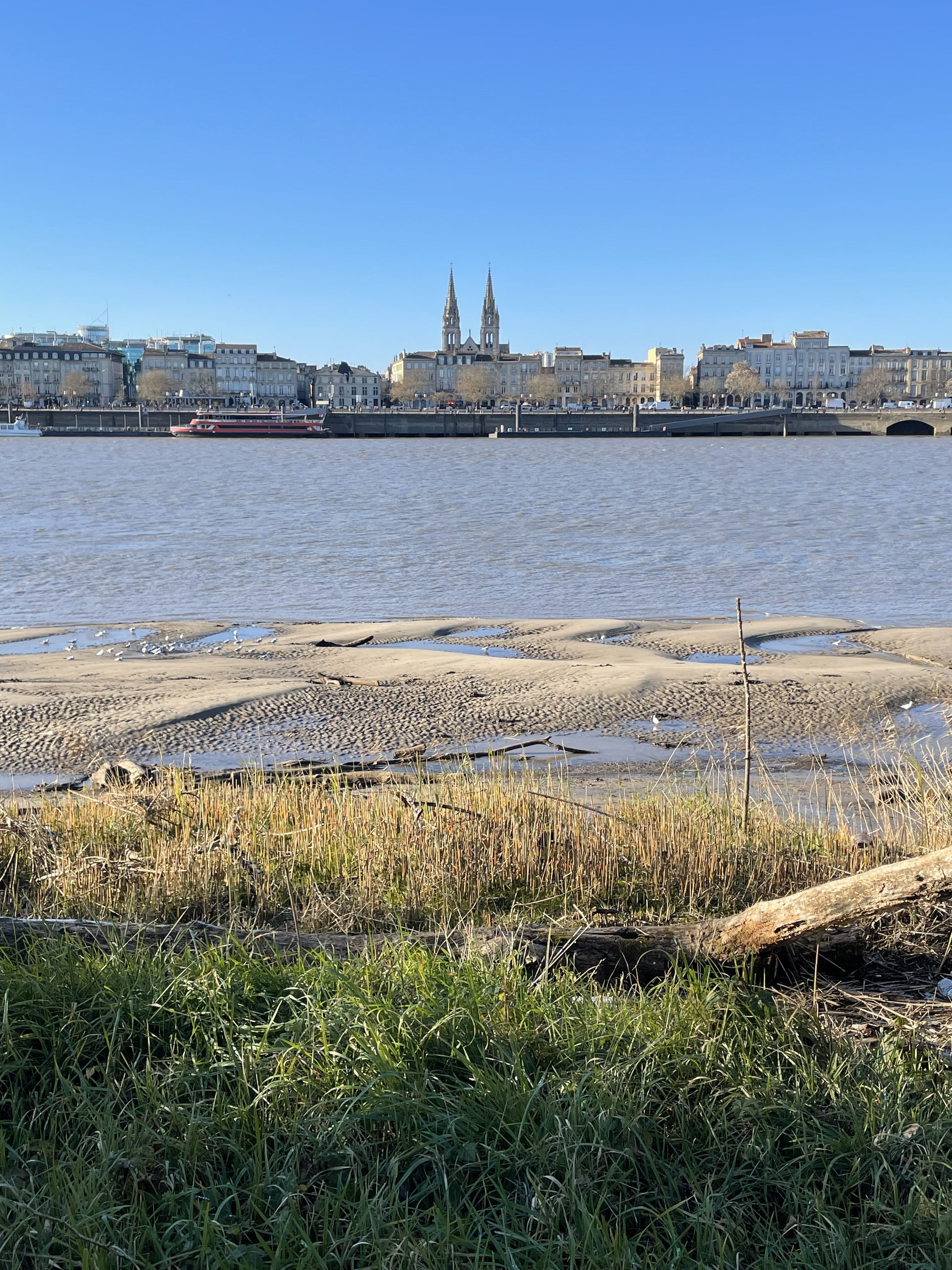
Our last full day in Bordeaux. We spent it goofing around because there’s nothing left on the female’s “must do” list. I only recently learned of the existence of this list. In the afternoon she suggested we go to a museum “about Bordeaux history and stuff.” We get there and it’s a museum for the maritime customs office. Basically, a tax museum. My point being that she cannot be trusted as tour guide even for a second. We skipped the opportunity to muse on taxes and instead alighted at a convivial location for an apertif.
That was in the late afternoon. In the morning, when we finally got going, we walked to an area we hadn’t been because it was reputed to have some sort of market that piqued the interest of my recently demoted tour guide. It was an upscale warehouse-type affair with at least a dozen vendors. All food. Some sold food you can take home, and most also prepared it there. Lunch was sublime. These Frenchies know their way around a kitchen.
Then we walked through a neighborhood of Courvoisier-style buildings that make you want to kill yourself, rivalling the Karlplatz excrescence for aggressive ugliness. By these standards the Dutch excrescence across the river registers as charming.
In the same neighborhood we also saw a huge structure for a WWII-era submarine base. We couldn’t go in. Imagine a concrete block 10,000x actual size, with holes around the side for the boats to enter. My wife thought this was interesting, I think not because of its intricacies of design—there were none—but because it evokes thought about how things really were during the Resistance.
Within sight of this behemoth were live-in boats apparently permanently docked, two of them flying Palestine flags. One of them also had a Ché Guevara flag. What’s that, you ask? Same as the t-shirt, but a flag. Like with the Palestine flag, it advertises reflexive fidelity to whatever leftist cause presents itself, like Greta Thurnberg pivoting with alacrity from climate alarmism to pro-terrorist moral exhibitionism. The proximity of these preening displays to nearby Bolshevik housing seems coherent.
Not far from Soviet Bordeaux is a huge building called “city of wine,” where you learn all about—yes, wine—and the building’s exterior is intended I think to look like a wine decanter but to me just looks like a giant plastic model of the colon. I didn’t go in.
It was a blustery day with interesting cloudscapes and timid sunlight at times and intermittent rain, all of this causing the cobblestones and brick walks to shimmer in the glimmer.
Comments
Nothing yet. Say the first thing.
Sign in to join the conversation.