
⸎
Took the “TGV” train from Bordeaux to Paris. Only 2 hours. Sat next to a girl/girl couple dismayed at their proximity to American normies. The French countryside was nice to look at, with the sunlight emerging gradually behind low-altitude shredded clouds, the land in deep winter slumber. Expected snow on the ground in Paris but it was gone by the time we arrived.
We took a cab from the Montparnesse train station but the nice cabbie couldn’t quite get us all the way to our destination because of a demonstration. The French word is “manifestation” which is of linguistic interest, suggesting an egregore, a social spirit that becomes an entity unto itself “manifested” in this collective urging of negation or disapproval of something or other.
It ended up having to do with Trump’s renewed expression of interest in Greenland. But these were Parisians protesting what they regarded as their own government’s tepid response. It strikes me that the real issue for the protestors isn’t per se NATO or sovereignty or U.S. hegemony, but rather resistance to shaking up the status quo; liberals who are “conservative,” in the word’s original meaning, when things get scary. So they protest, as if there had ever been an unending utopian state of social and political stability in the whole of human experience; any such thing as an unbroken peace and prosperity in the history of the world. “I protest change,” is really what they were saying. There in the heart of Europe, of all places.
⸎
Went to an English-speaking church near the Champs-Elyseé. I’m trying to be more positive, so maybe the less said about that, the better. I stored up some mental notes, however, for a podcast I’ve been invited to participate in when I get back. [Here] It will involve two topics, which I think will kind of merge: (1) ongoing concerns about the decline of trust in institutional Christianity, Inc.; and (2) my most recent book, The Discovered Self: Identity in the Therapeutic Age.
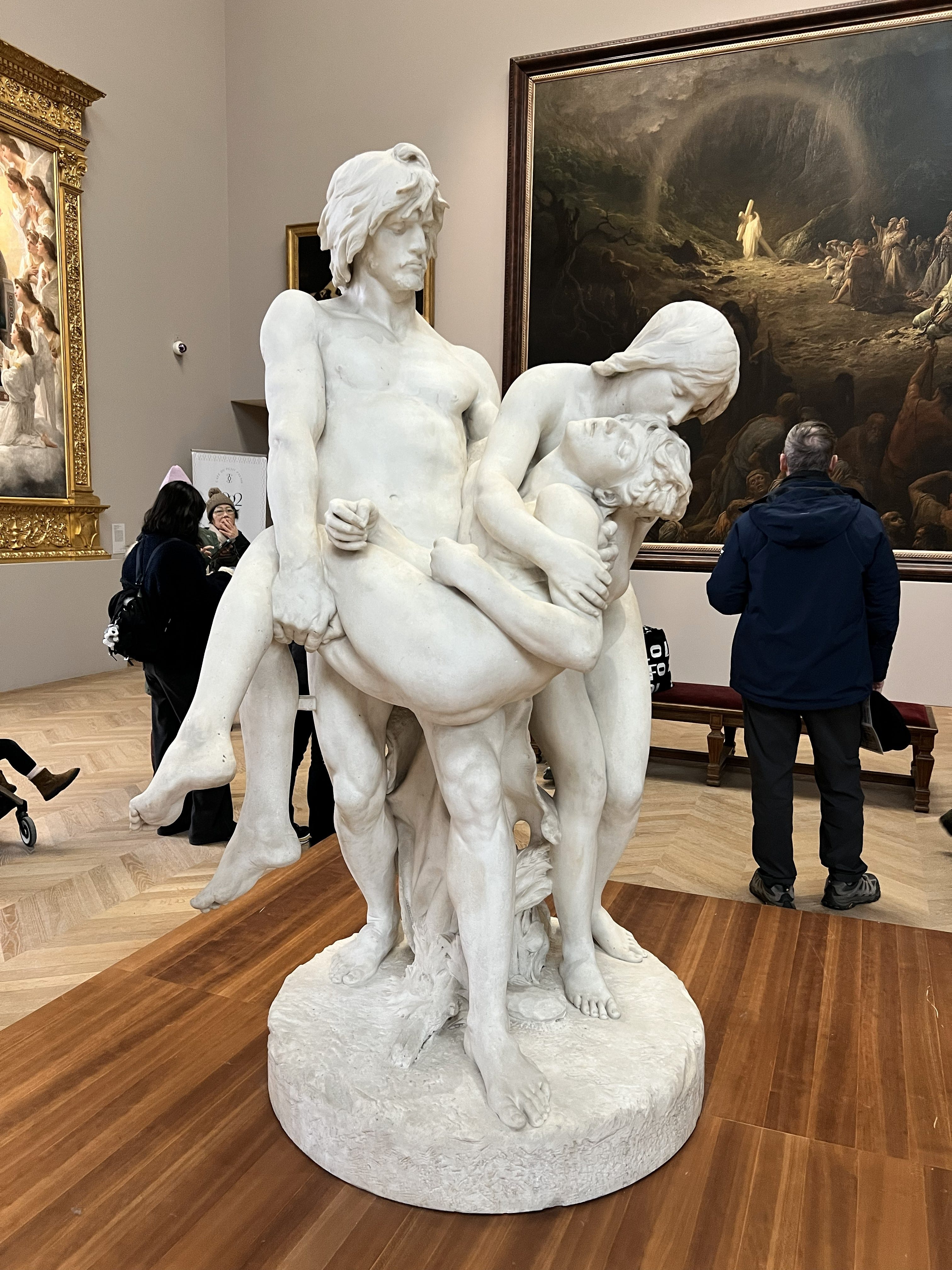
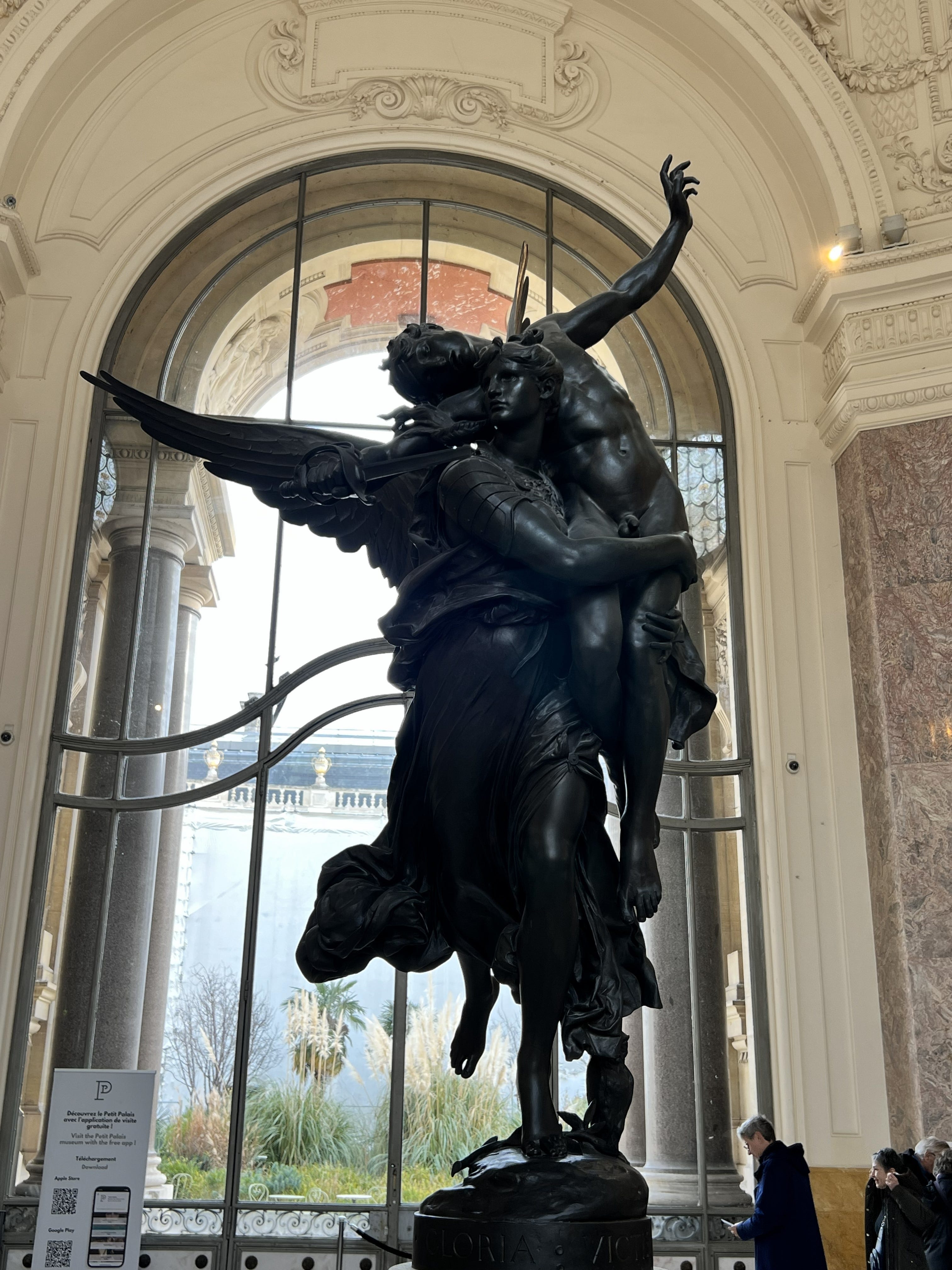
After this pseudo-church experience we walked to L’Petit Palais. Free. In a magnificent building. The most moving piece of art to me was a life-size statue called “The First Funeral,” Adam and Eve carrying the dead body of Abel.
In the entry vestibule was yet another copy of Gloria Victis, now the third one I’ve seen, two here and one in Lucerne.
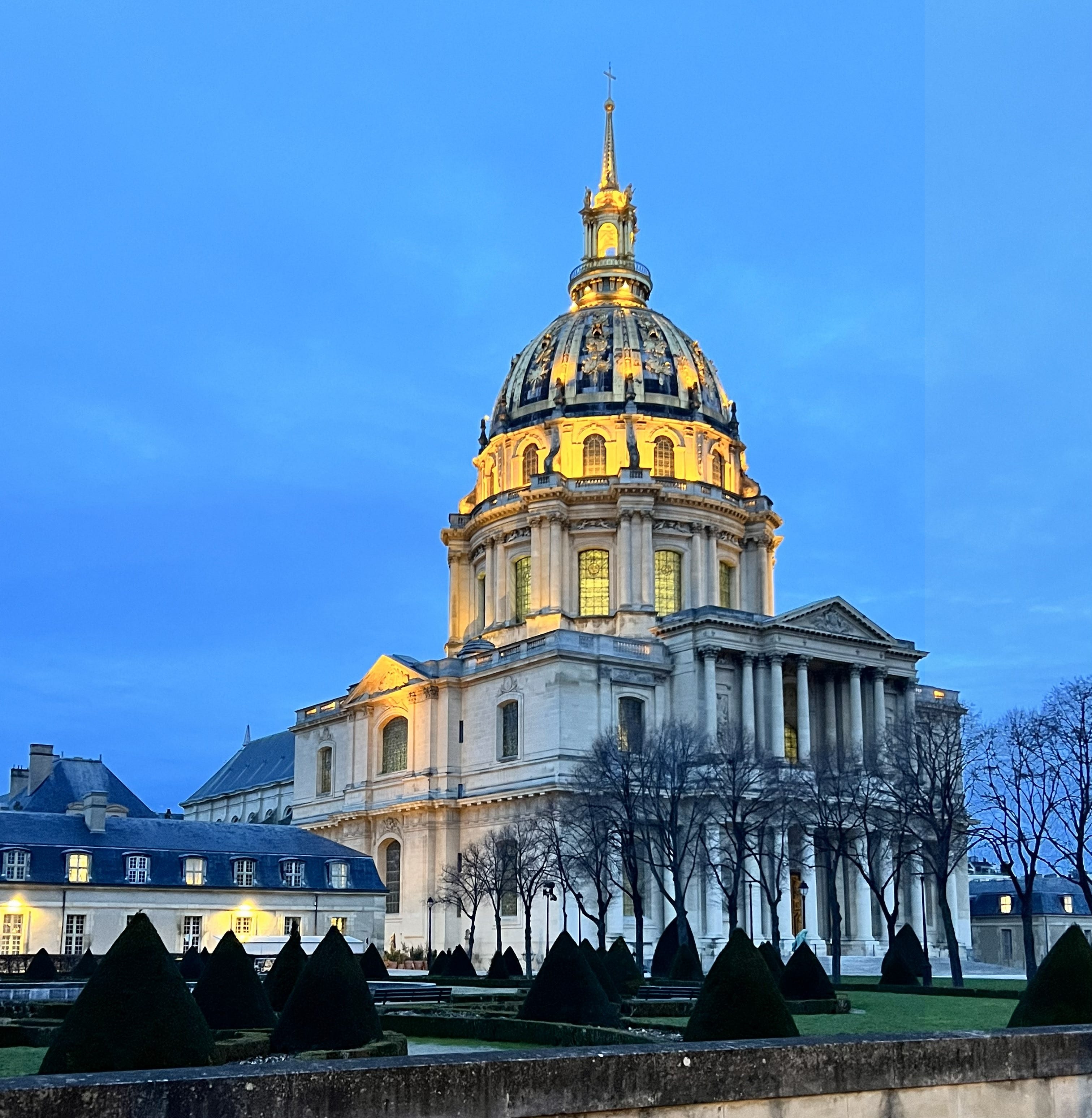
A short walk from Petit Palais is les Envalides, a war museum and memorial to Napoleon and other famous French generals. Really worthwhile, I strongly recommend if you get to Paris.
⸎
I feel more than ever like we are on the cusp of a serious upheaval. Not just because I’ve been following the news and the bigger ideas behind news events, but because I see pretty clear precedent, as with the French Revolution. Not in its particulars, obviously, but in the magnitude and intractability of the competing worldviews.
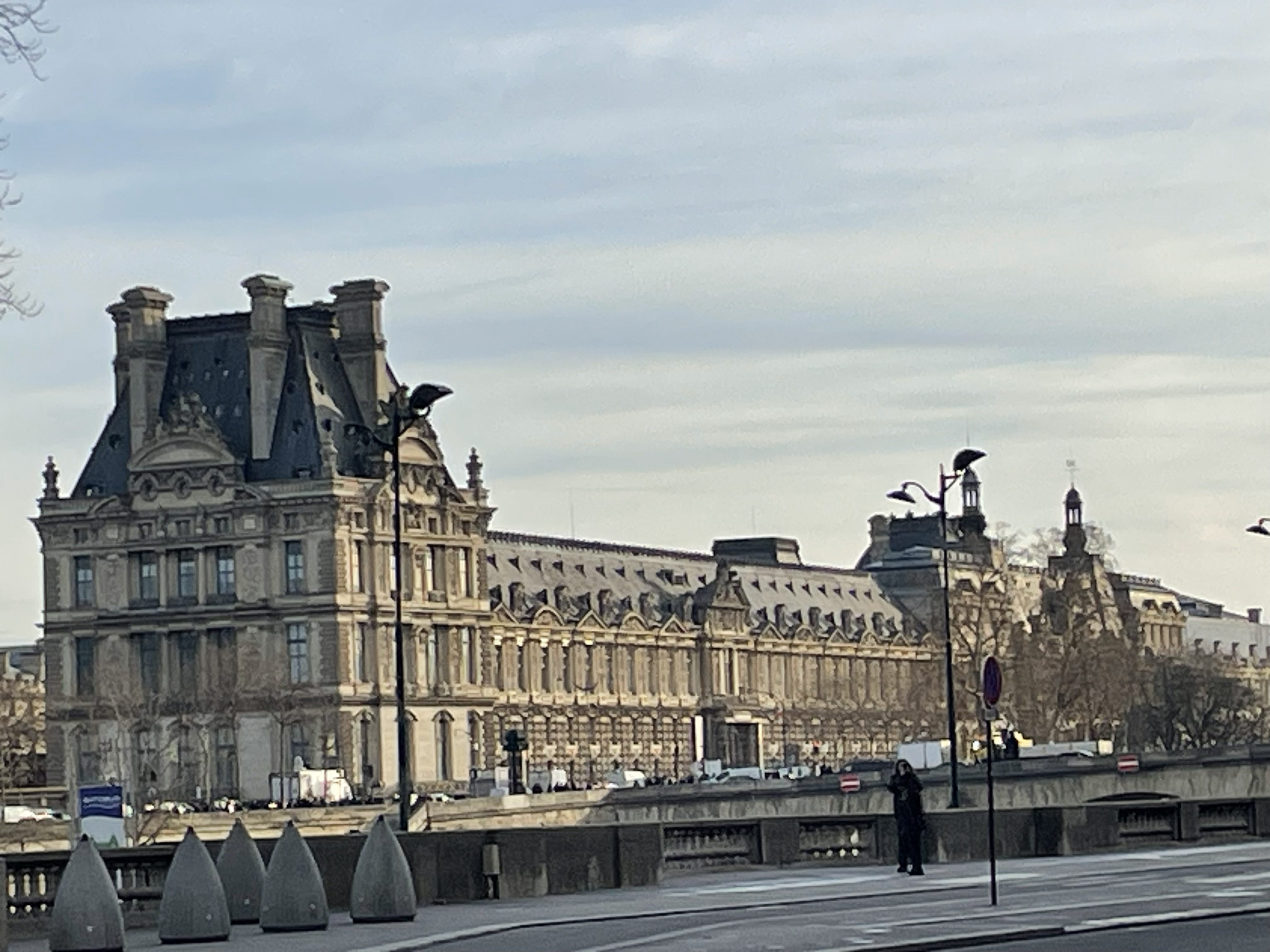
I had been reading Mekaberidge’s book on the subject, and today we visited the Conciergerie, once a royal palace, part of it converted to a jail during the Revolution. Marie Antoinette was famously imprisoned there. It gave me a better handle on the factions and what motivated them: the Jacobins, Girondins, royalists, opportunists, and external agitators. Also the time-line that highlights an irony. Only eleven years elapsed between declaration of the Republic (1789) and declaration of Napoleon as Emperor following his coup d’etat, after which he became progressively more dictatorial.
What I was most interested in was the fierceness of the various factions in the conflict. At this distance of time we think of it as an uprising of the people for freedom from overbearing aristocracy and clergy, but that was just phase 1. There was still phase 2 (by my reckoning): a nominal monarch, along with the Republic, but then there were counterrevolutionaries, royalists violently serious about restoring the monarchy, and then, (3) 4 years or so post-declaration of rights, the Terror, in which Jacobin zealotry resulted in the deaths of 4,000, half of whom were clergy. Then, (4) a backlash against the bloodshed even among those who had supported it. So more people died, including, famously, Robespierre, set upon as a scapegoat to pay for the previous excesses. I bet someone somewhere has analyzed these events through the lens of Girardian mimetic desire. Maybe René Girard himself, I don’t know.
Most of the bloodshed was over thought-crime. Just like today. What is revolution, but an expression of rigid intolerance? Both left and right shift the priority from winning the debate, to destroying the other side, even if it means destruction of one’s own. It’s mortal combat. The other side, and not just its deranged version of reality, must be extirpated from the face of the earth with extreme prejudice, its poisonous ideas never again allowed a human host.
Remember the WWII differences, just as serious and those on a global scale. Our side won, but what if we’d ended up dominated by not one but two soul-sucking dictatorships in succession, like people were for generations in eastern Europe? I’m sure they’re under no illusion about where literal lawlessness leads us. The ones still alive, that is.
There’s only one solution to all this, and it is a return to a universality of moral principle. We can disagree about what is right or wrong in a given situation, but we are doomed if we think there is no answer outside the self, morally sovereign ahead of any competing point of view. From the right’s point of view: after all the gnashing of teeth under Biden, now the other side still gets its way? This is what stirs wrath to the point of violence. To the point of burning it all down. This is why we can’t have nice things.
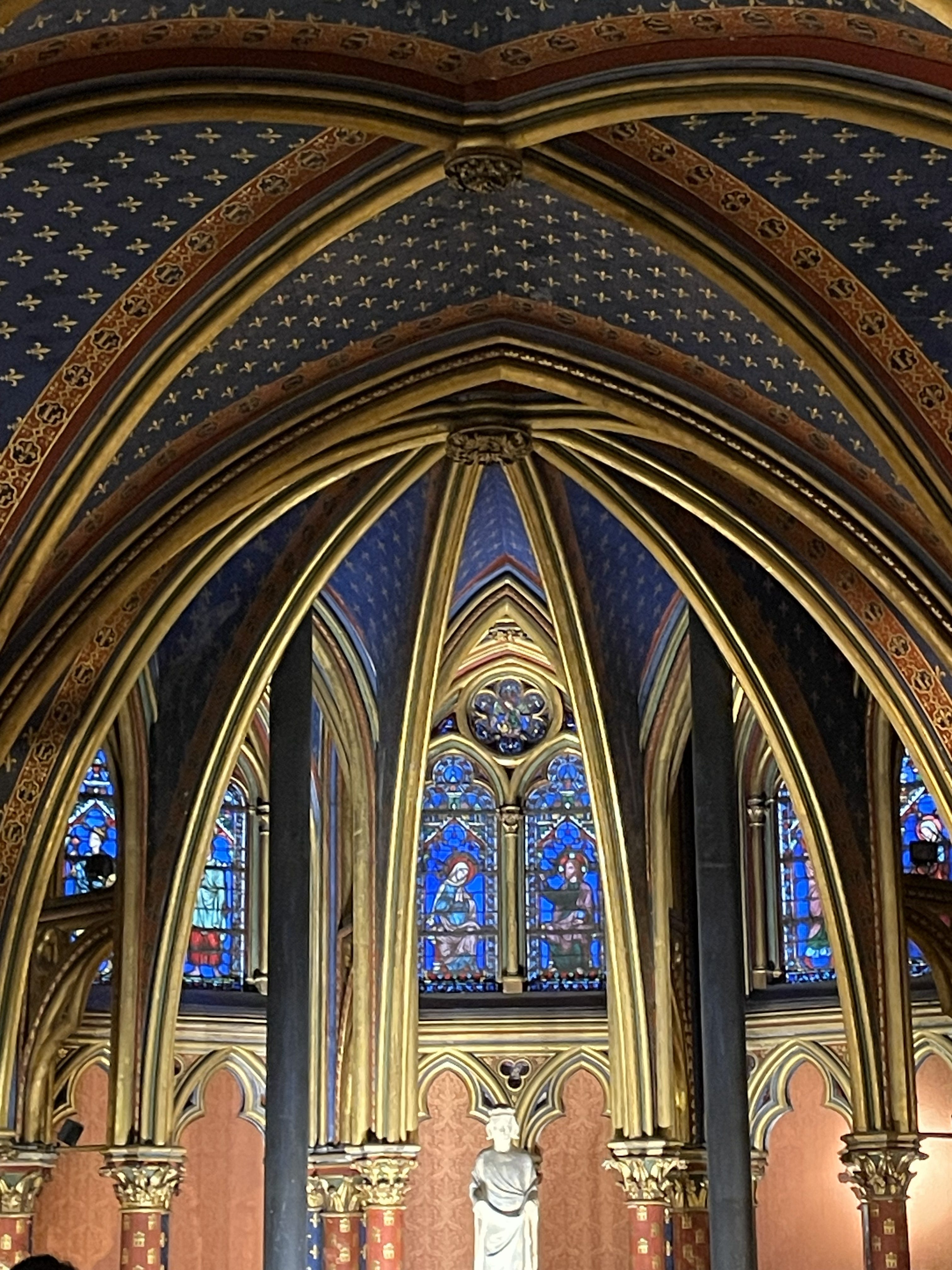
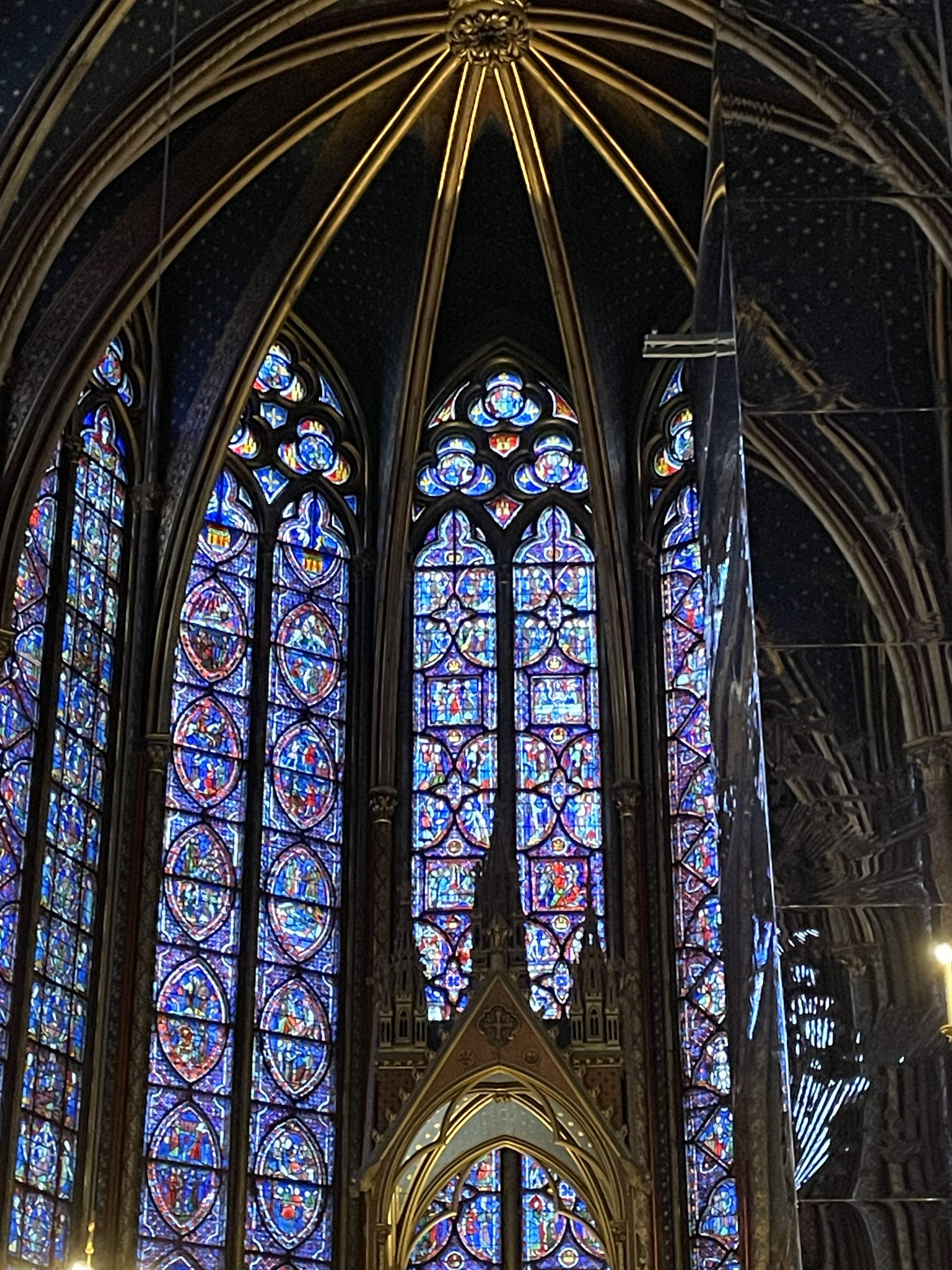
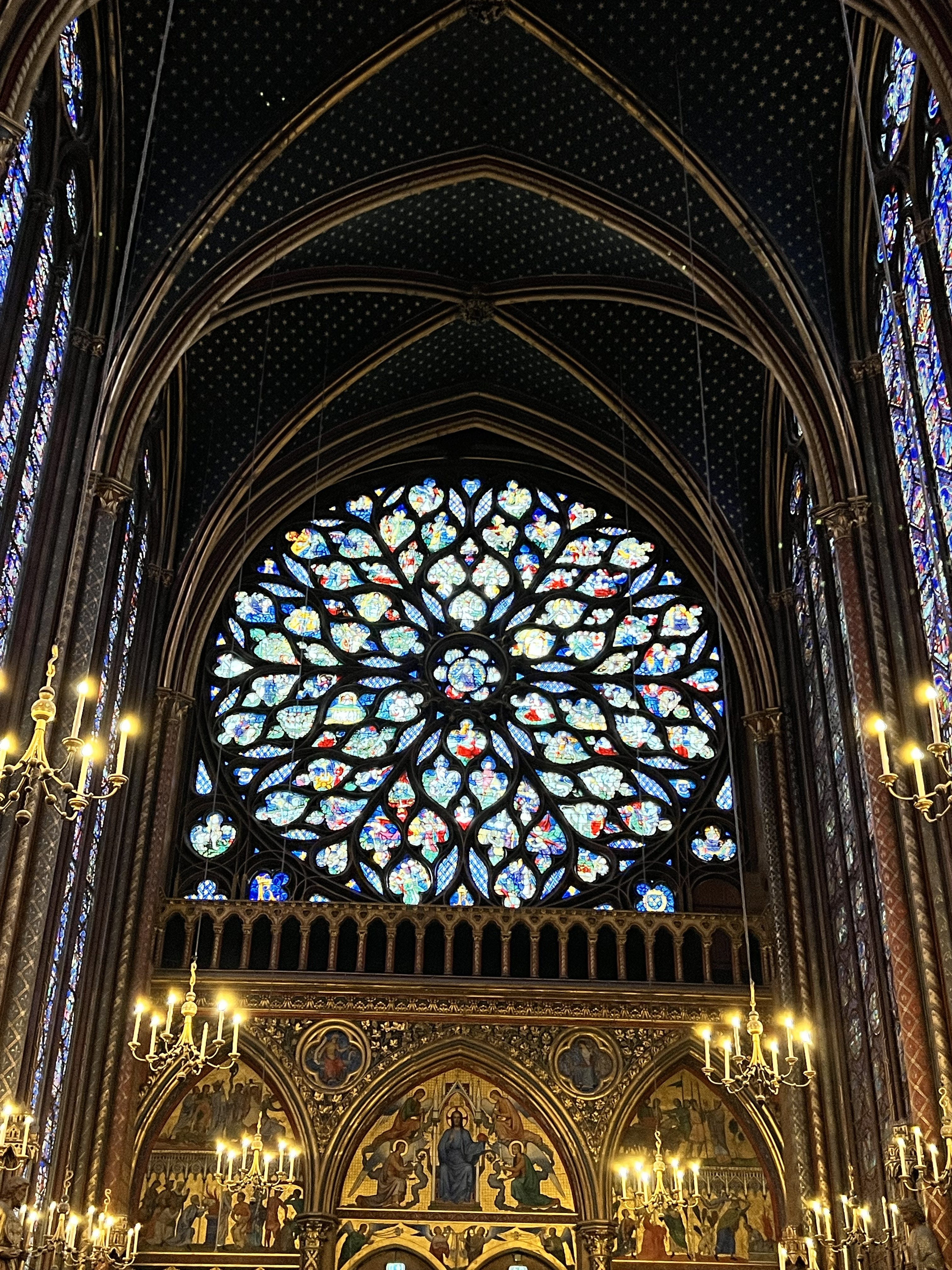
I was thinking all this today while walking through the Sainte-Chapelle in Paris next to the Conciergerie. I’ve seen so many magnificent monuments like this built to God’s glory, so much energy directed to devotion to God. There were plenty of wars and other cruelties before the modern era, but none so bloody and destructive of life, so dispiriting of soul, so crushing in every way, as those of the last century. We should ask, then answer: why?
“Men have forgotten God, that’s why all this has happened,” and if you can’t stomach fanatical invocation of God, how about just reason and order extant in the universe, the obvious and unavoidable logos of cosmic rationality? Can’t it guide our moral reasoning even among those who hate God and the Jews they think invented Him? Because if you get to have your own personal moral code, so do do I. But this is what the law is supposed to resolve. Blow off the requirements of the law because you think you know better, and bloody revolution follows. No, not just revolution. A war of all against all.
⸎
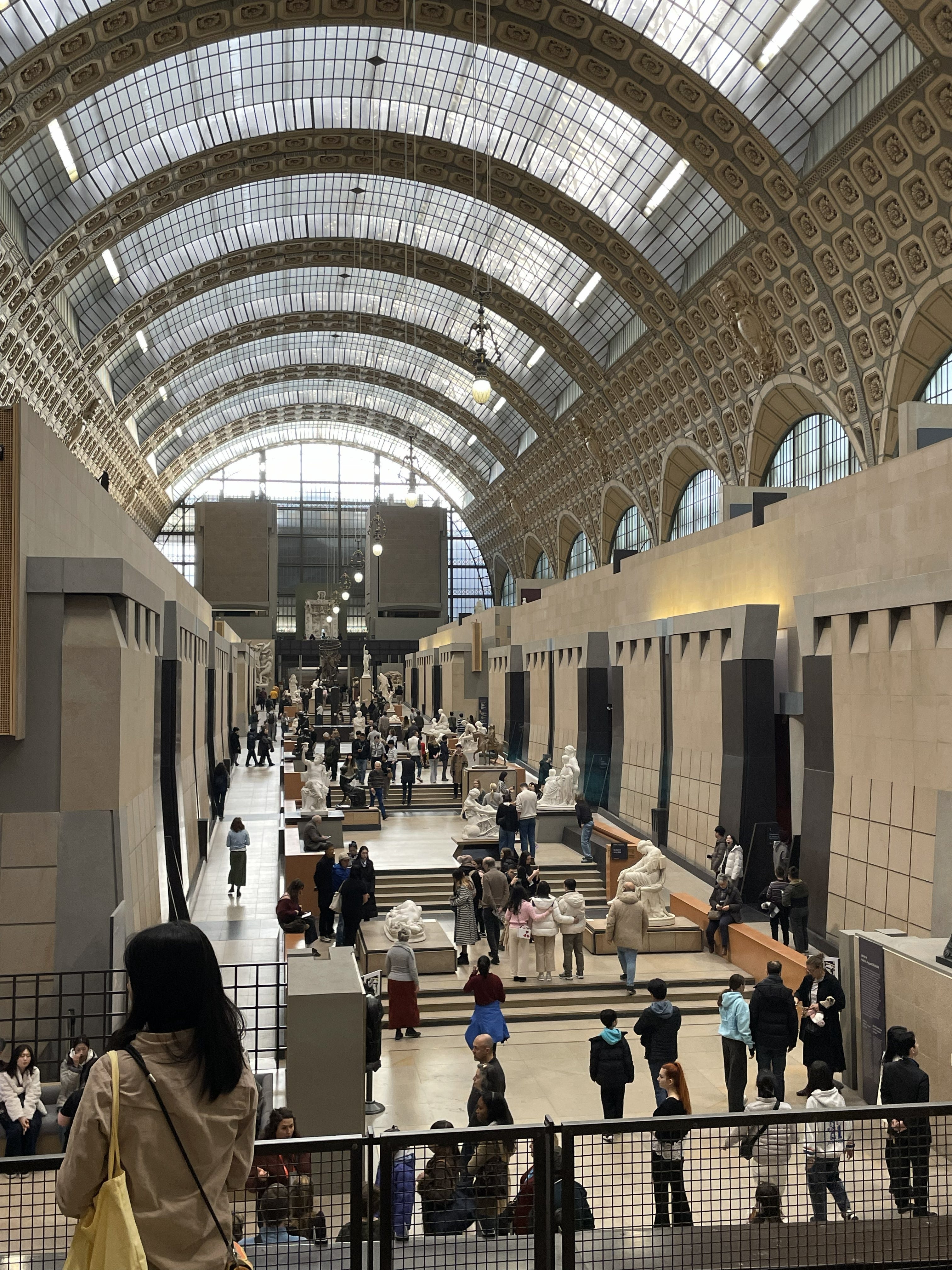
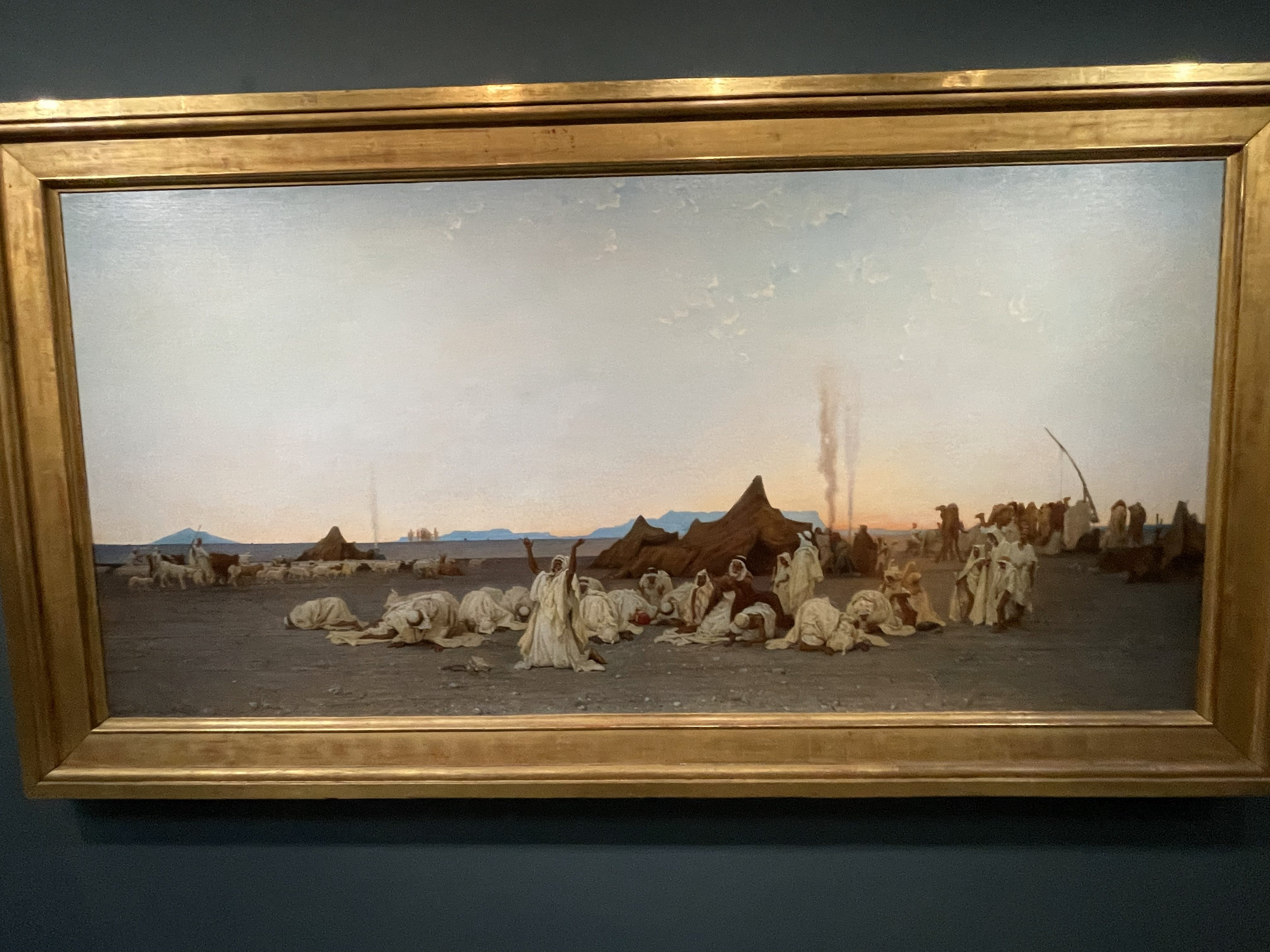
We visited the Musée d’Orsay. I took pictures of pictures to share with my regular correspondents but I’ll not go through them all here. I’ll just mention my favorite in the whole place, a desert scene by Guillaumet. He captured the haunting light of the desert at twilight, that has beguiled me since I was a child. Guillaumet’s painting is part of the “orientalist” school of the late nineteenth-century, sometimes criticized in these strange latter times as colonialist romanticization of supposed primitives, as if from the relatively enlightened point of view of visitors to the zoo. But I don’t care about all that hoo-ha. I care about the artistic mastery of the scene. And I care about its subject, the ecstatic prayer of Bedouins living a hard life but passionate in gratitude for it.
⸎
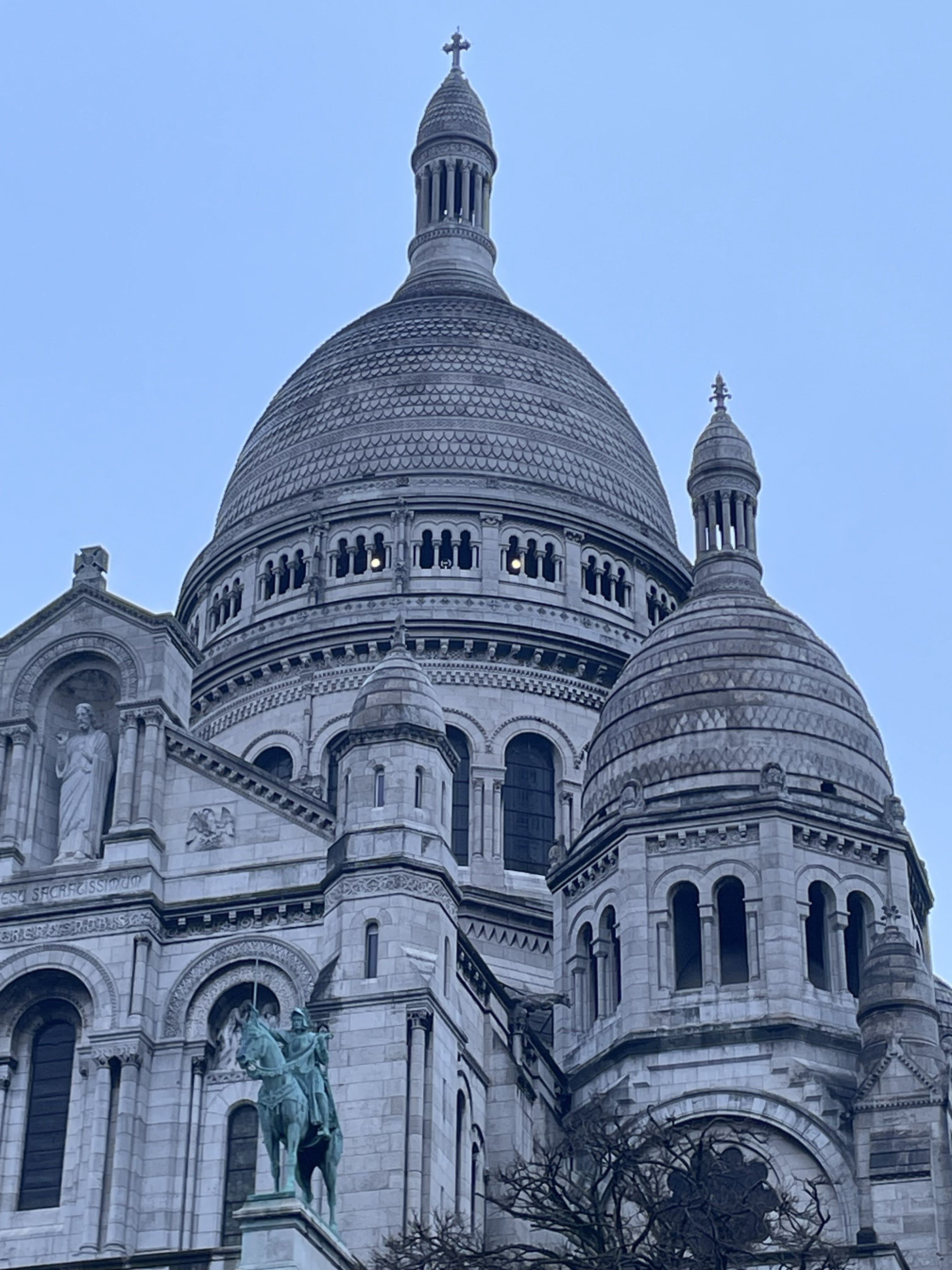
On our last day in France we managed to get a late check-out, so we went to the magnificent basilica at Montmartre, on a hill some 430’ above the rest of Paris, affording panoramic views. The cathedral was breathtaking.
After the uplifting hilltop basilica we descended with our guide Virgil down the circles of degradation to the very bottom of the hill, to Moulin Rouge. The analogy is almost too perfect, as if the ooh-la-la can-can producers were purposely locating their place of desperation so that all could see the precipitous fall, to that red place, from the pale blue empyrean represented by the hilltop basilica.
“Moulin” means mill, as with the red wind-mill decoration atop the most famous nightclub. “Whoever troubles his own household will inherit the wind,” Proverbs 11 tells us, this wind producing a barren churning, a pointless grinding of desire against desire, barren of life because there is no seeking for it as the church atop the hill beckons us to do.
After registering this visible metaphor, I nonetheless considered how tame the nineteenth-century can-can of the Moulin Rouge would be by today’s standards. The whole area around the original club is called “Moulin Rouge” now, and as we walked we saw one after another shop devoted to the worst there is in service to the original transgressive idea further degraded.
We walked out of that little district and into a street of wedding attire shops, then a nice covered market and finally another church built in the 12th century, near our apartment. Then we stopped for sustenance at a canal-side restaurant, which may have involved an appetizer of snails and then beef bourgignon made the right way, not like my pathetic attempts, and a St. Emilion wine and some sort of chocolate in a little tiny iron kettle, the cuteness of which charmed the female who ever-so-daintily consumed it.
Au revoir. See you again stateside.
Comments
Nothing yet. Say the first thing.
Sign in to join the conversation.