Time Travel in Tebenkof Bay
Return to XPA-039

Observations from the captain of a research vessel in Alaska on running a boat in remote waters and on nature, science, and the wilderness.
Dormant Last read · last published · next check
Read 16 hours ago and current, but nothing has been published for 15 months.
Return to XPA-039
Words that Inspire and Motivate
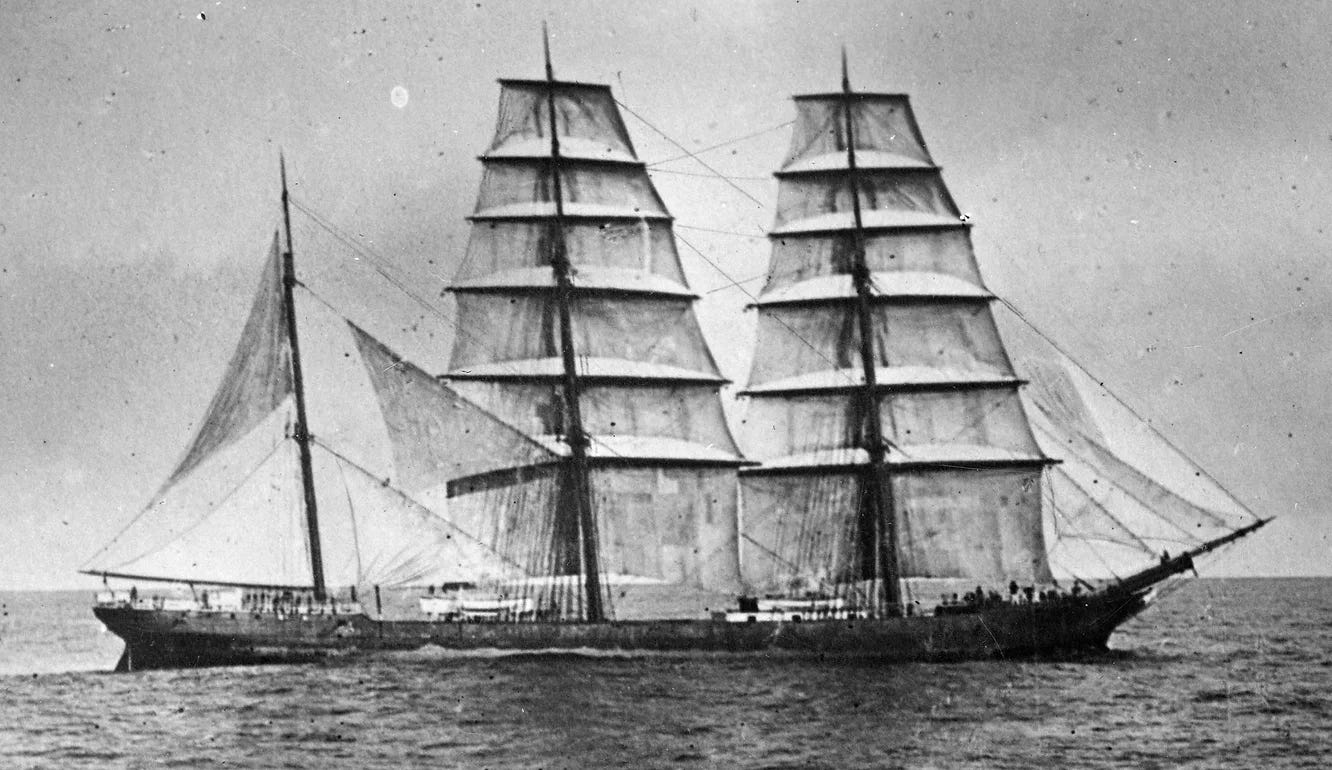
Lifting the bell of the Star of Bengal to the surface after 117 years.
It’s very early spring in Port Townsend.
With the film crew gone, I had to get the Endeavour another 850 nautical miles north, across the Arctic Circle and into Kotzebue Sound, for our next research gig.
We were up at 0530 and raised anchor, leaving the bight at Crooked Island for Round Island 10 miles away.
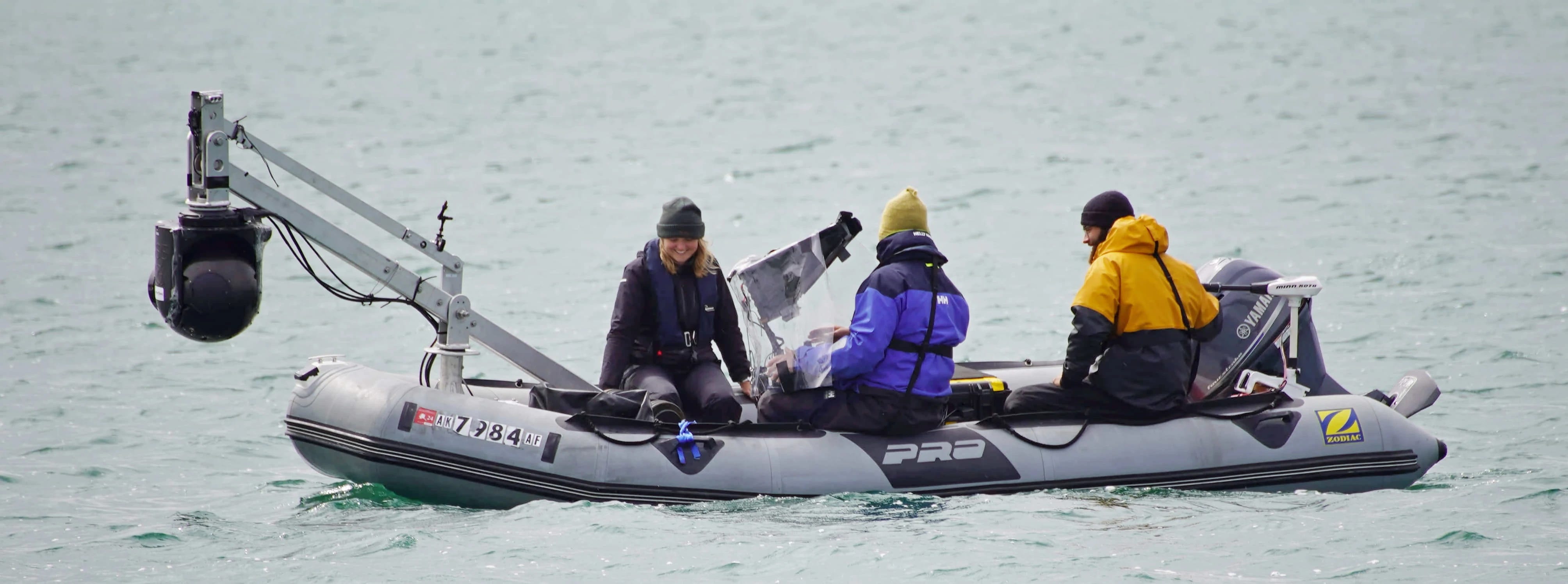
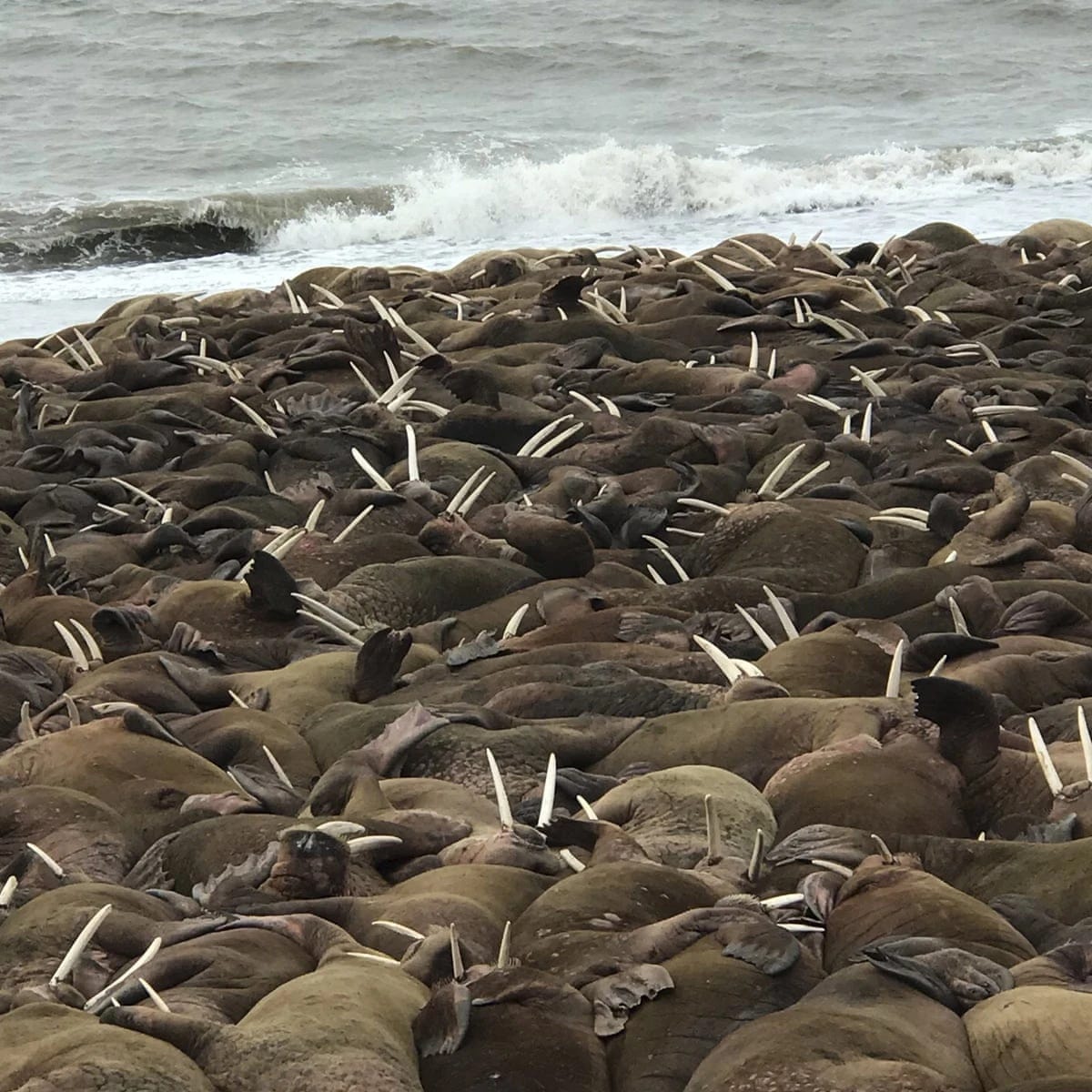
The month of filming in the Walrus Islands with the BBC went like this:
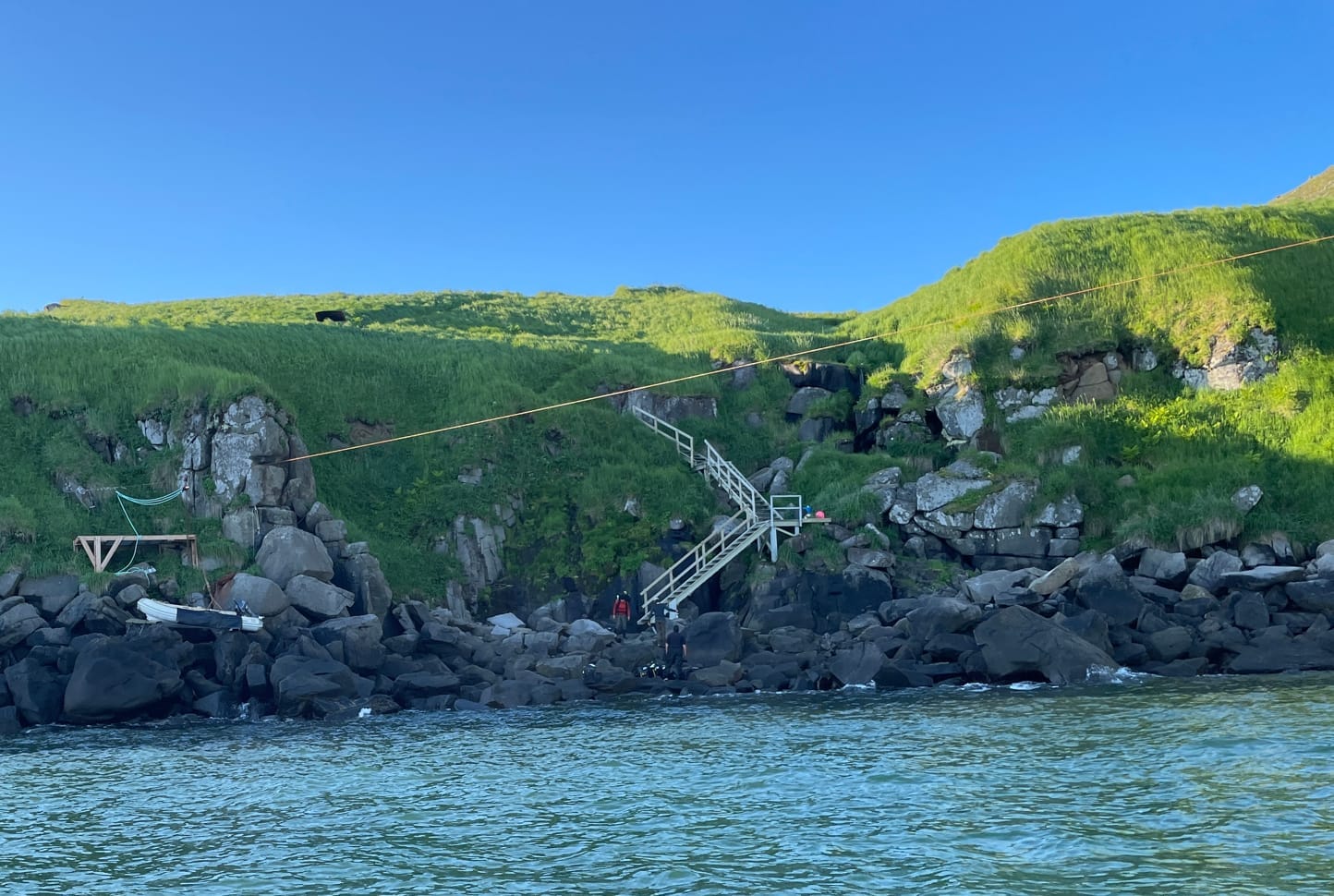
We dropped off two of the BBC crew – Helen and George – on Round Island.
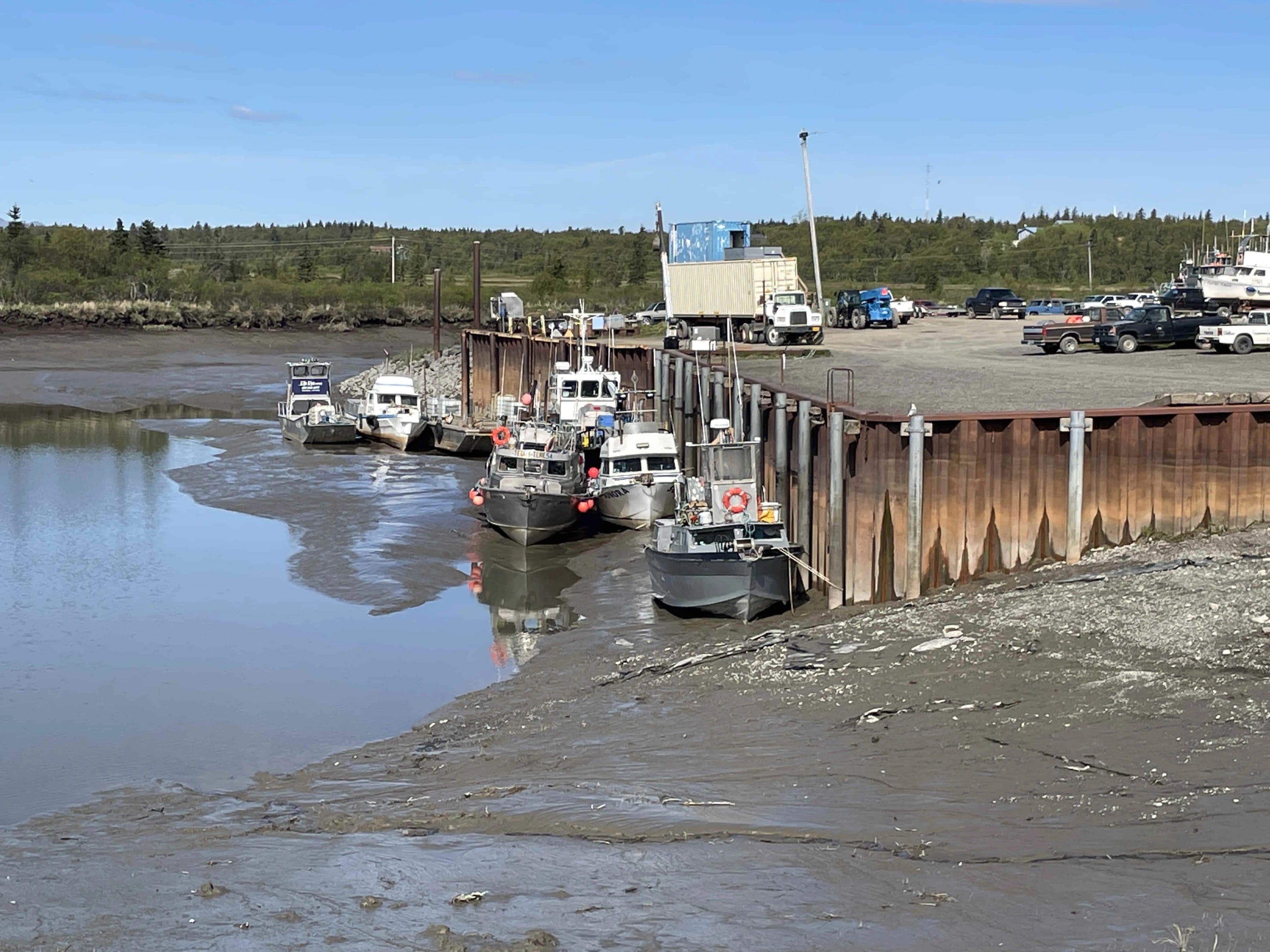
We left Dillingham in the morning and rode the outgoing tide down the Nushagak River south and rounded Cape Constantine, turning northwest.
Coming off Bristol Bay at dawn, it wasn’t obvious when we entered the Nushagak River.
The seas north of the Alaskan Peninsula and Aleutian chain – the Bering Sea, Bristol Bay, Norton Sound, Kotzebue Sound, and the Chukchi Sea – are very shallow, seldom more than 200 feet and often under 50 feet when in sight of land.
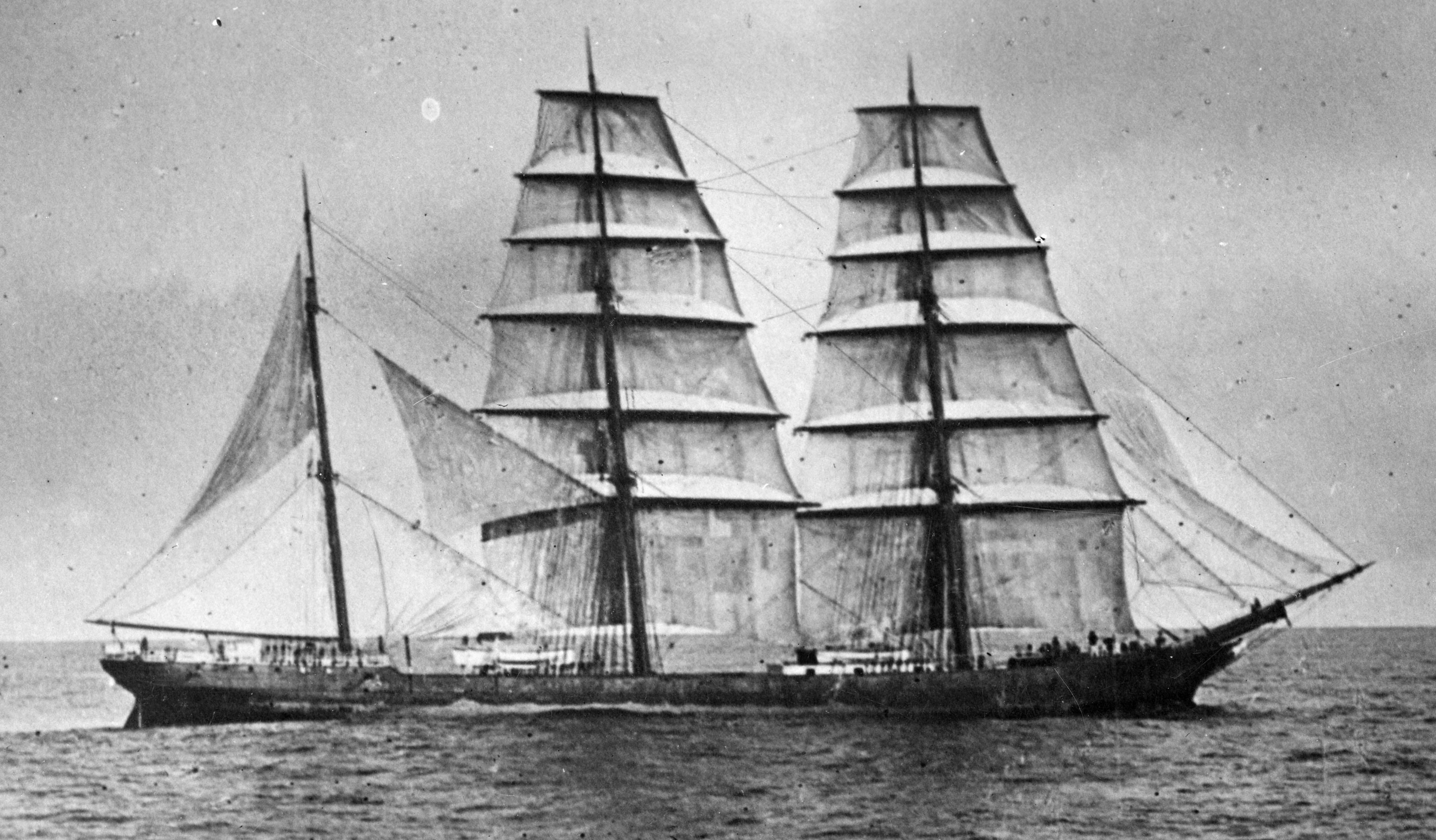
The Star of Bengal was a 264-foot schooner.
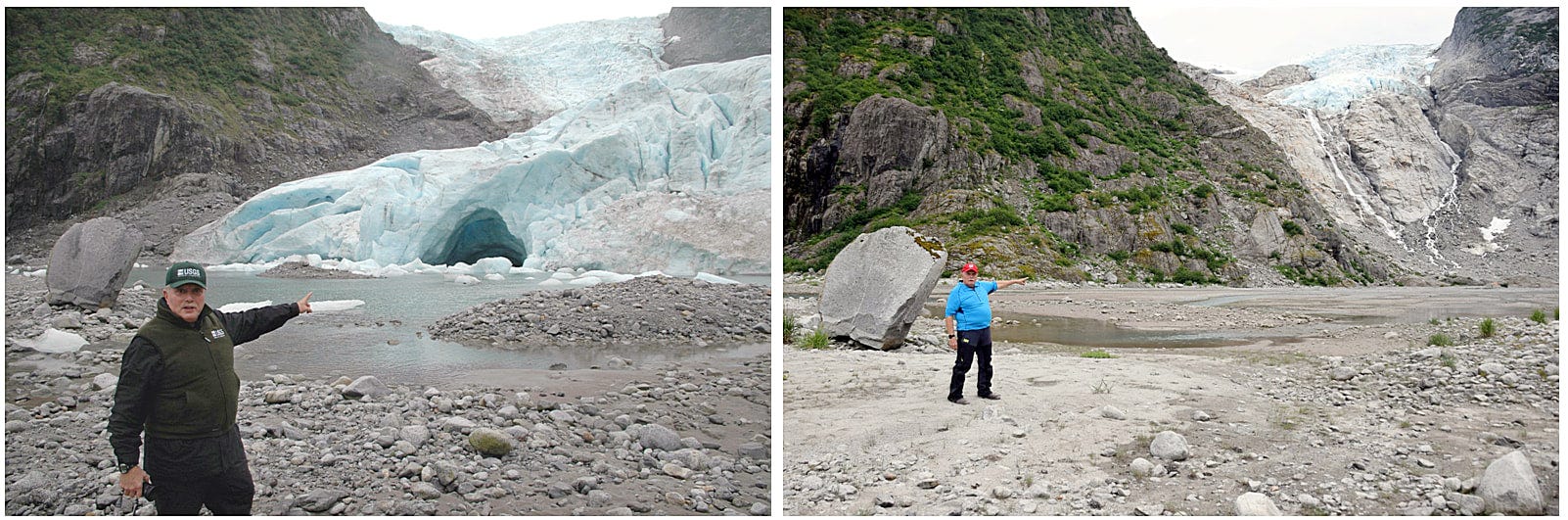
Back in 2021, Alaska Endeavour took Dr.
We wrapped up the benchmark study in Kukak Bay and after a stop in Kaflia Bay with a hike up the chain of lakes above it, we headed back across Shelikof Strait toward Kodiak.
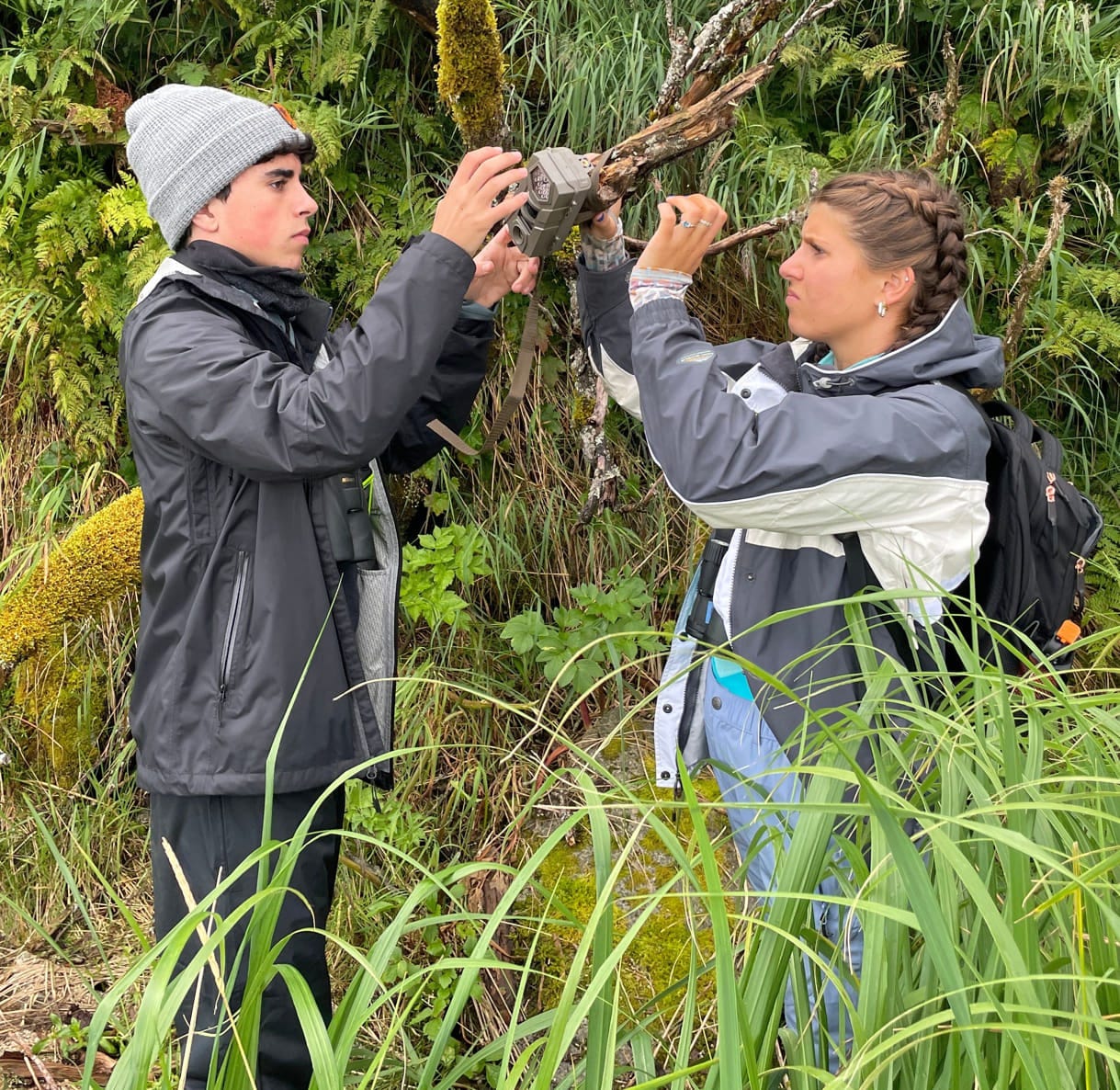
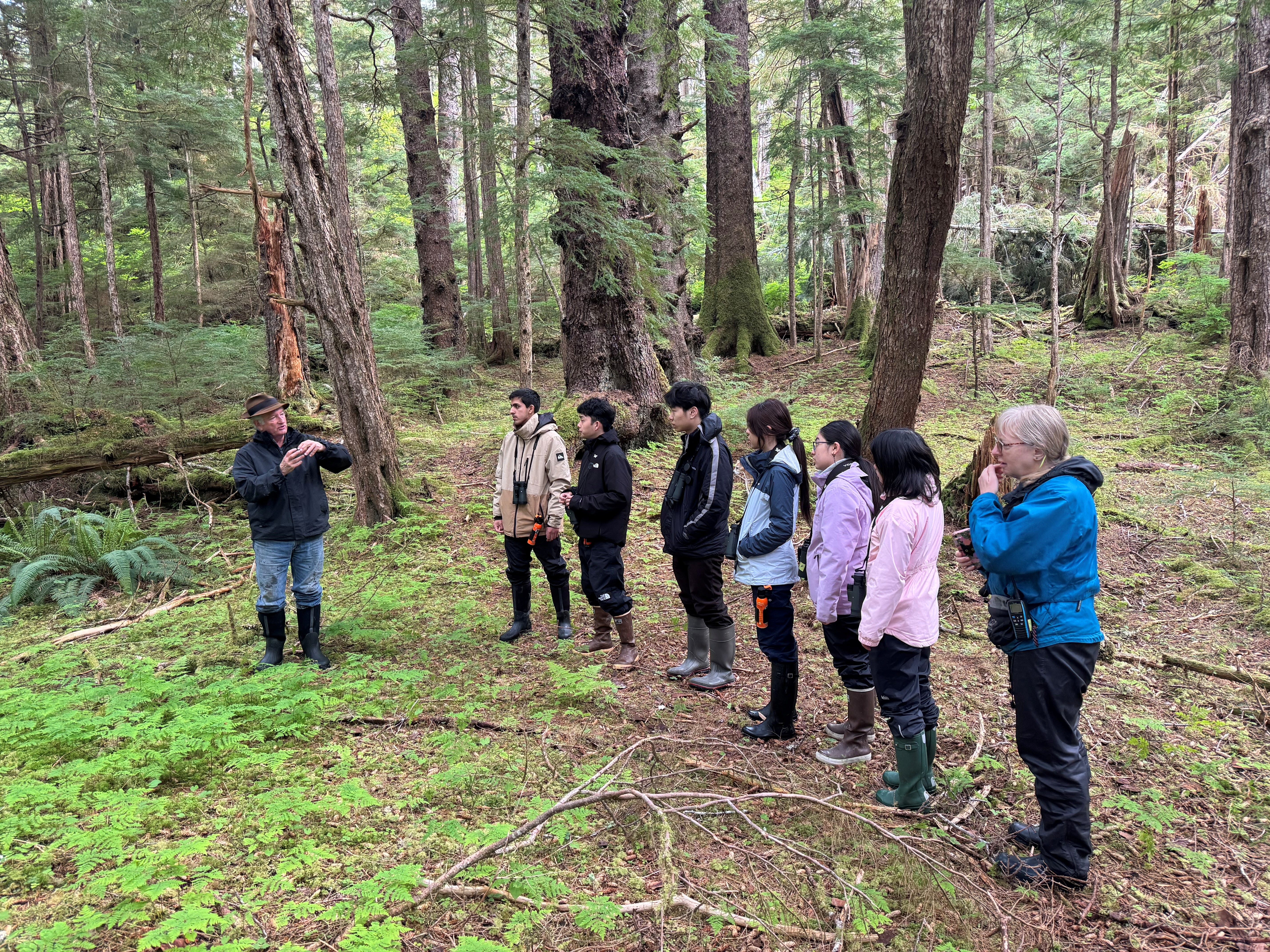
A benchmark study is basically a census of a place, which means it doesn’t require a lot of specialized equipment.
The Endeavour was anchored in a tight, well-protected cove on the south side of Aguchik Island inside Kukak Bay on the Alaska Peninsula.
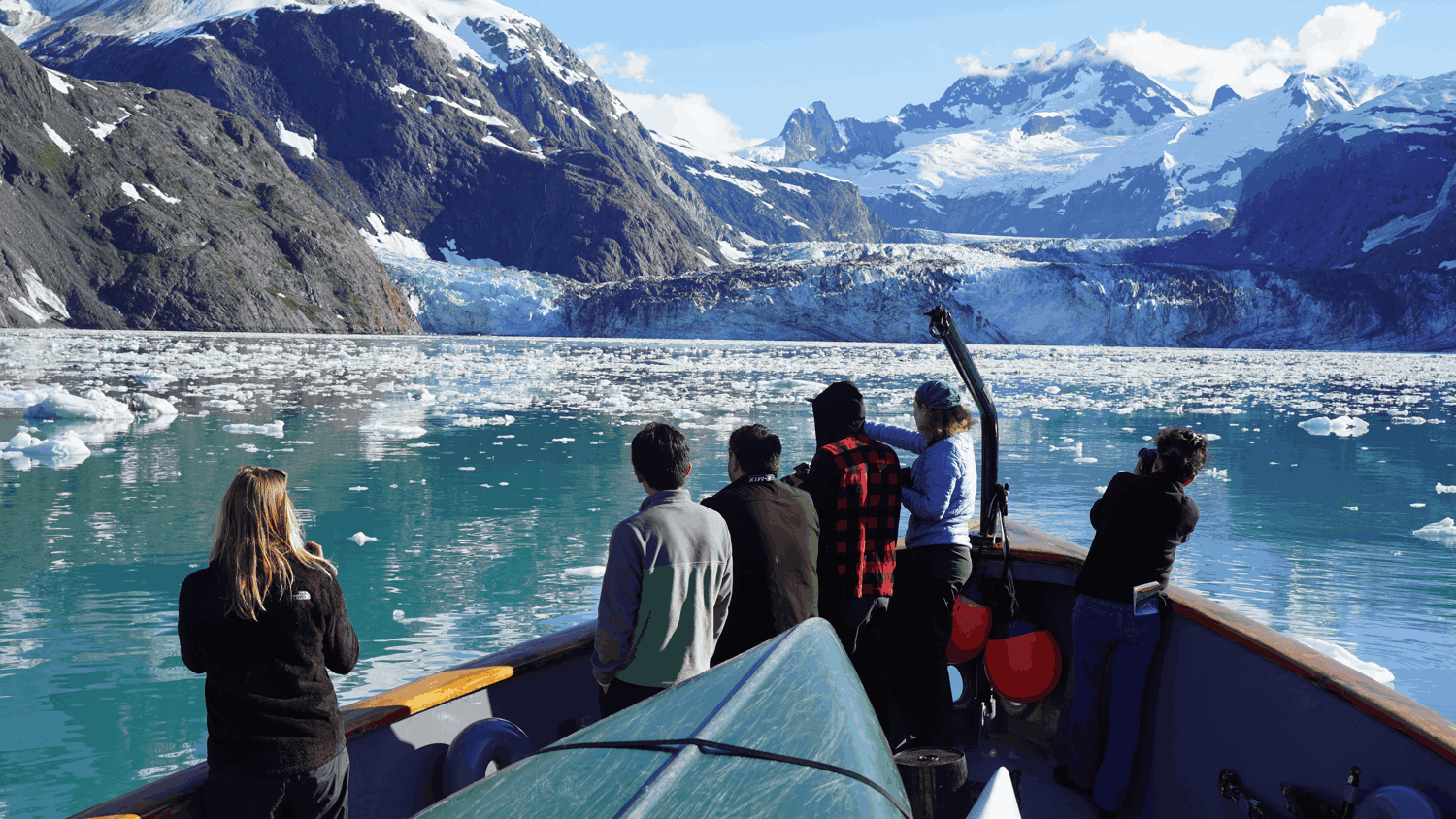
We crossed Shelikof Strait with the students and approached Hallo Glacier, the blue ice flowing down in exquisitely slow motion from Mount Stellar and Kukak Volcano.
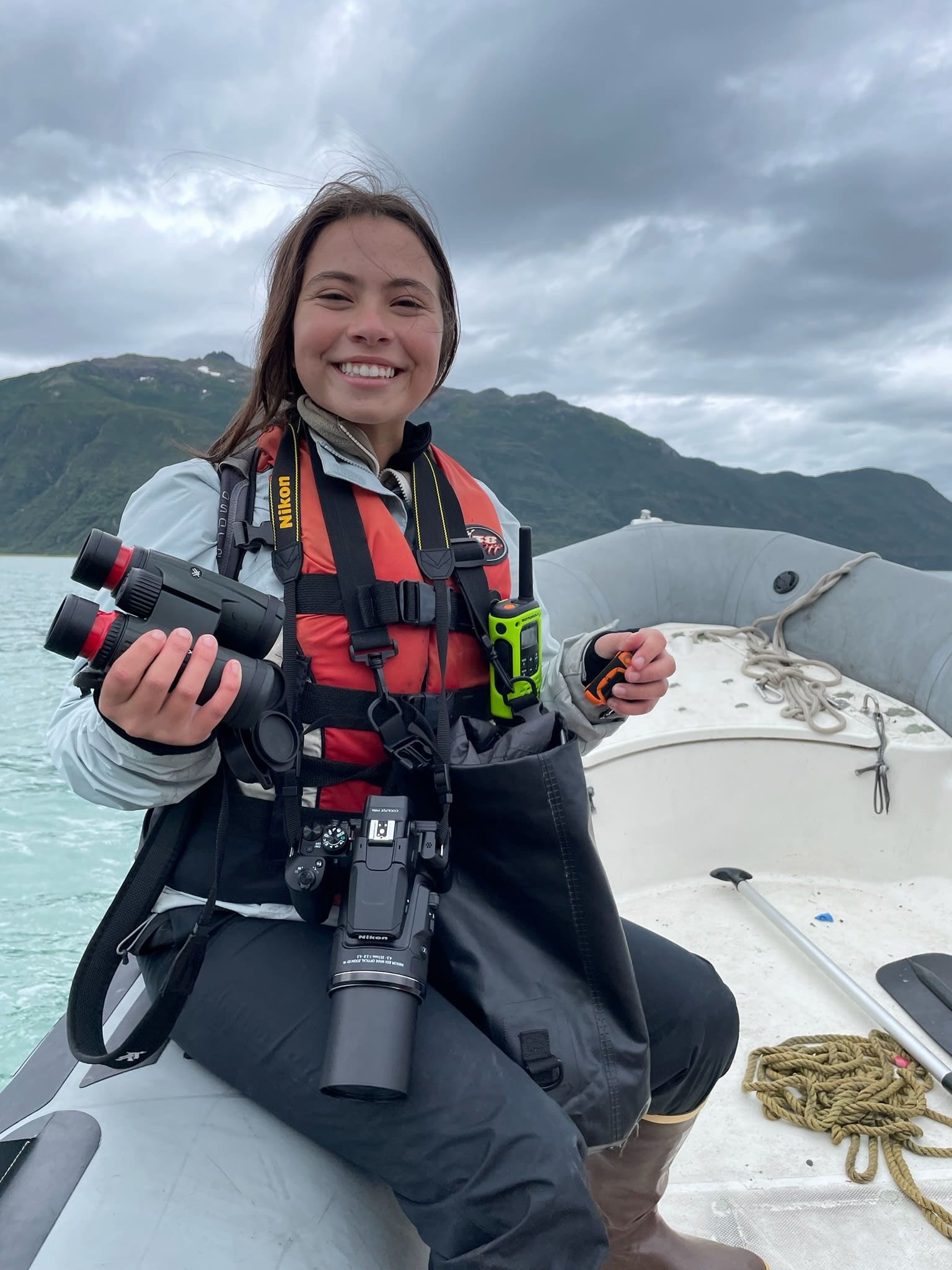
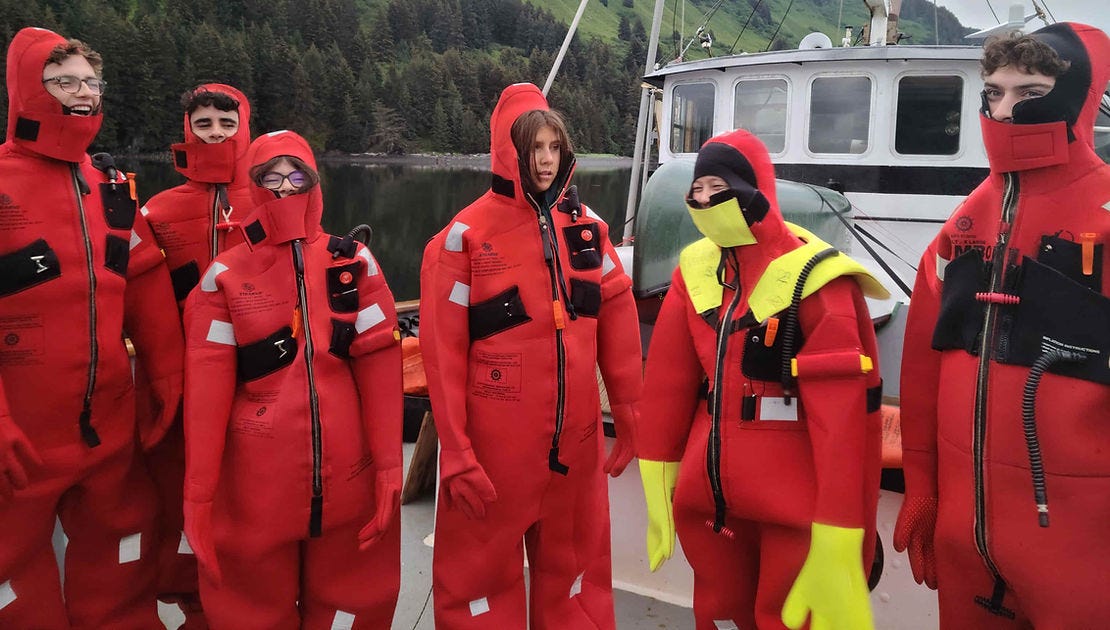
We carry more than the minimum required safety gear on the Endeavour. We have life jackets, throw lines, flares, a go-bag, a self-inflating life raft, radios, an EPIRB (a self-deploying distress beacon that gives our location and the ship’s identity to a satellite network), and we have survival suits.
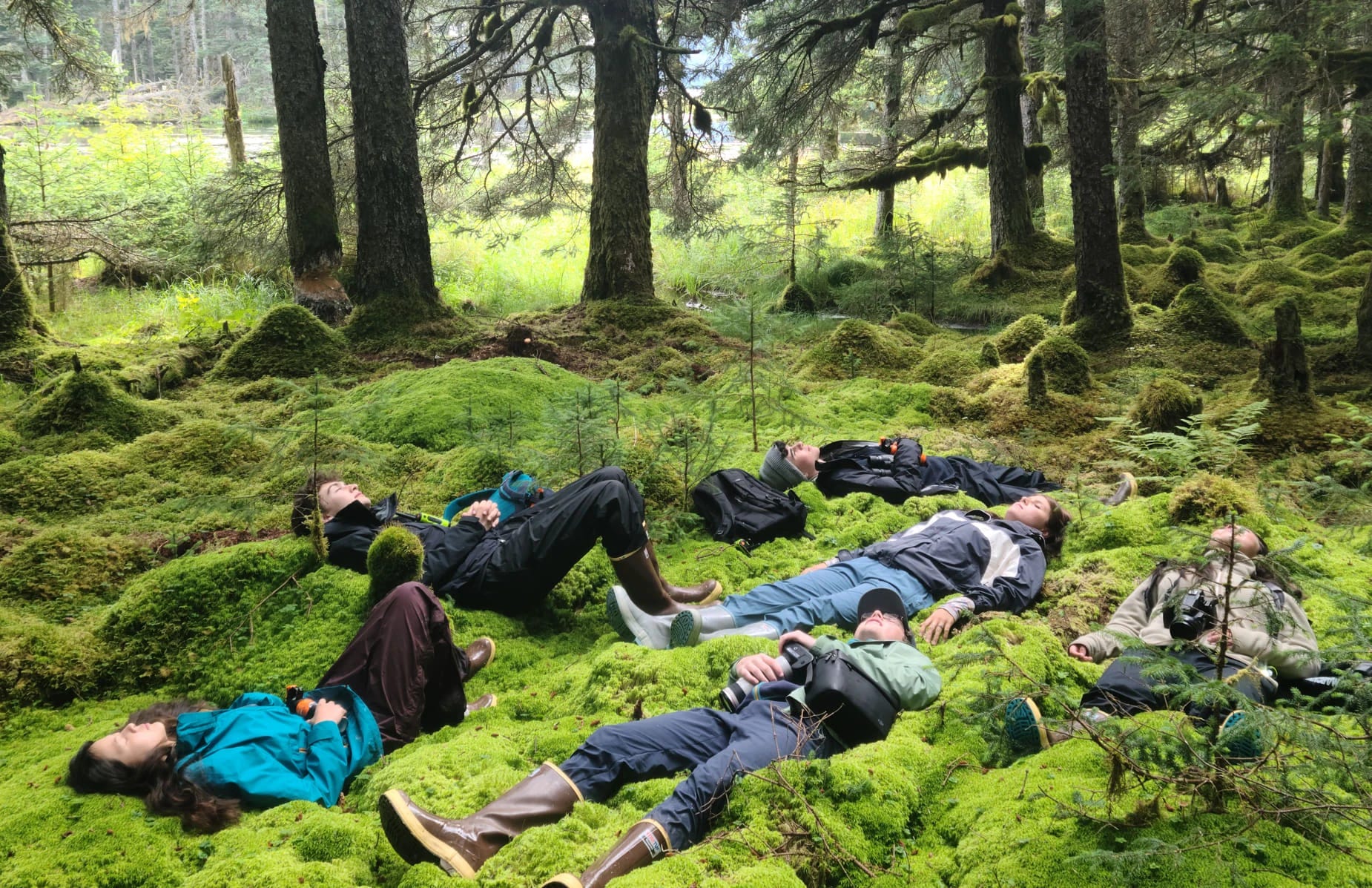
On the second day out of Kodiak with the six high school students on board, we cut through the Kodiak archipelago at Whale Pass into Shelikof Strait.
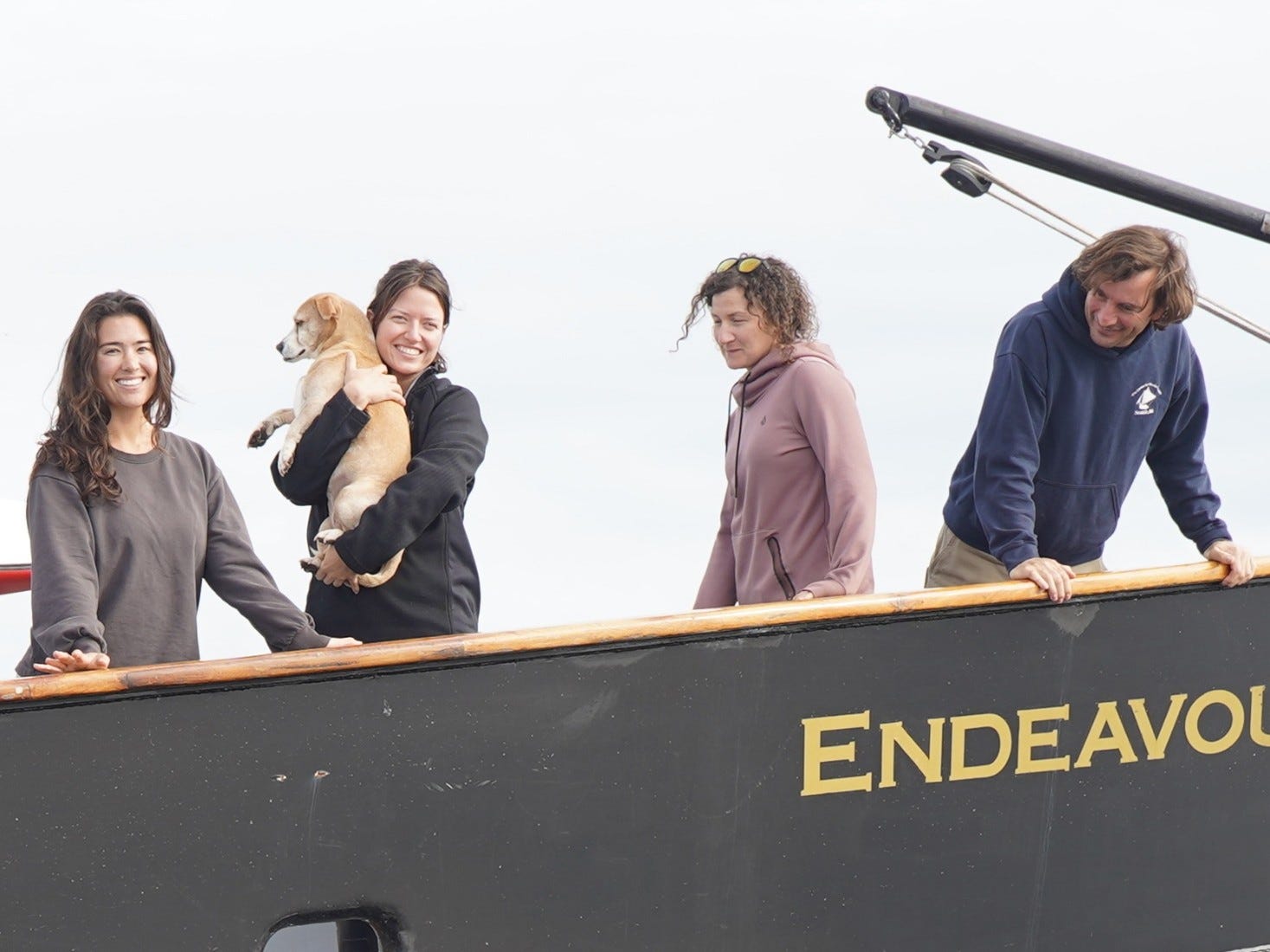
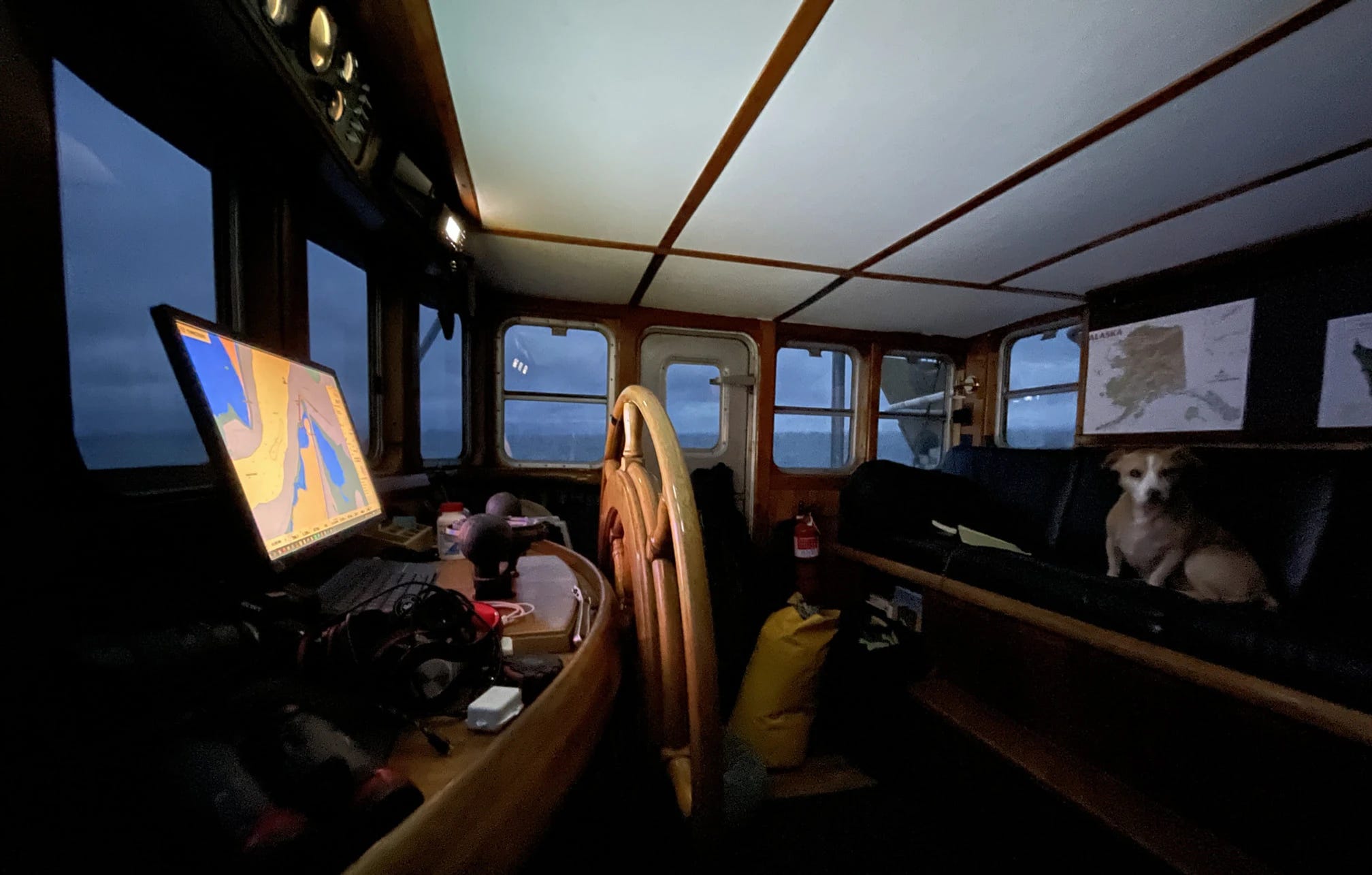
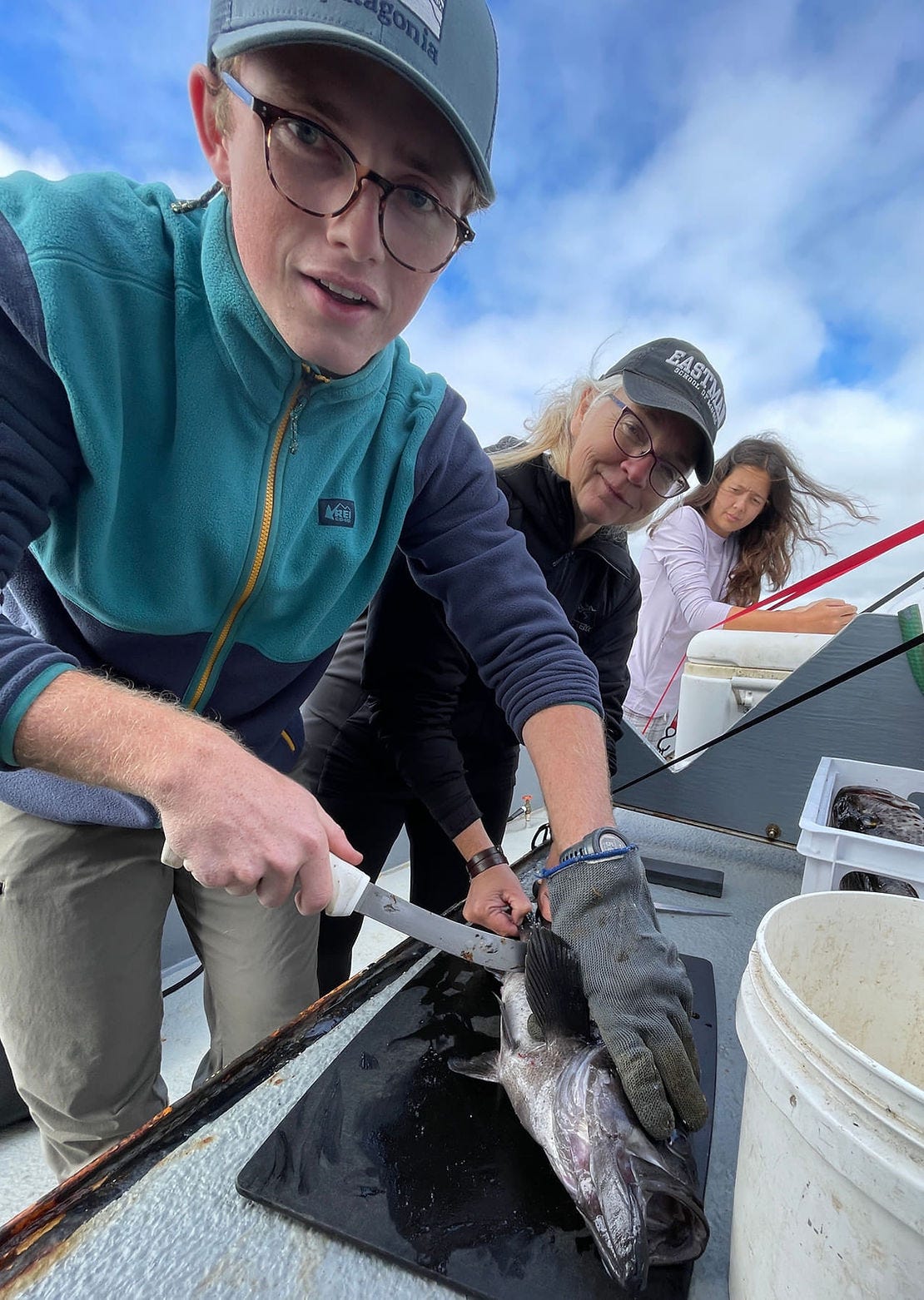
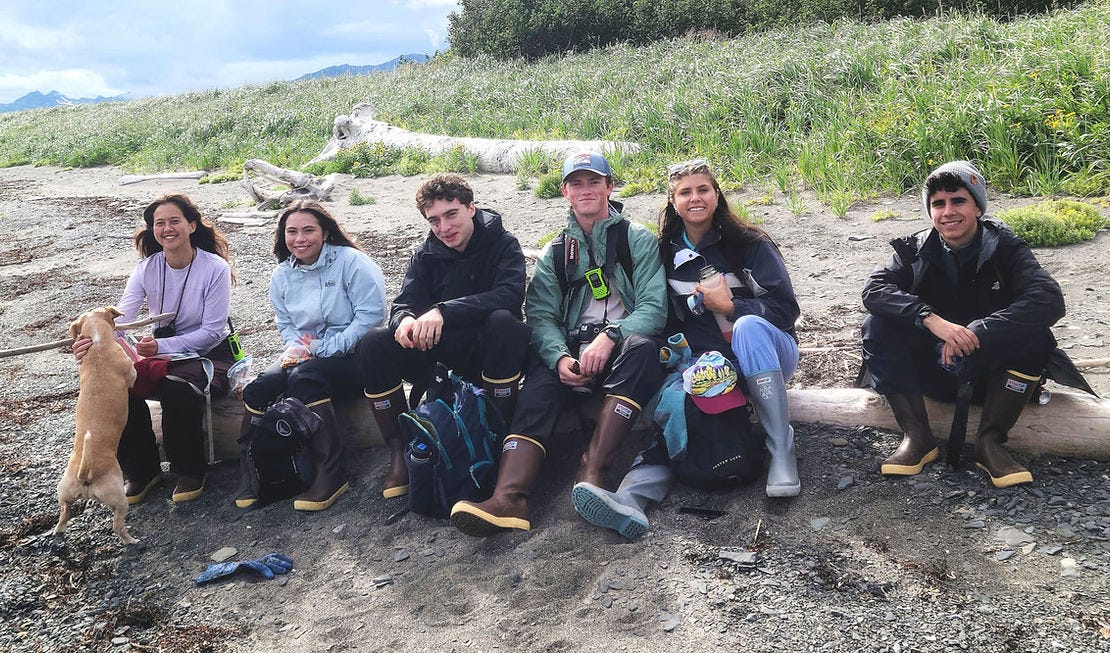
From the Endeavour’s wheelhouse, I watched the six high school students – all of them 17 years old – and their science teacher walk down to the dock in the Kodiak marina toward the boat, clutching their duffle bags in their arms.