
It’s very early spring in Port Townsend. At the moment, the Endeavour, all 100 tons of her, is up on blocks in the shipyard. We’re painting her black steel hull, getting her ready for her sixth season as a research vessel in Alaska. It will be my 18th year caring for and running this boat.
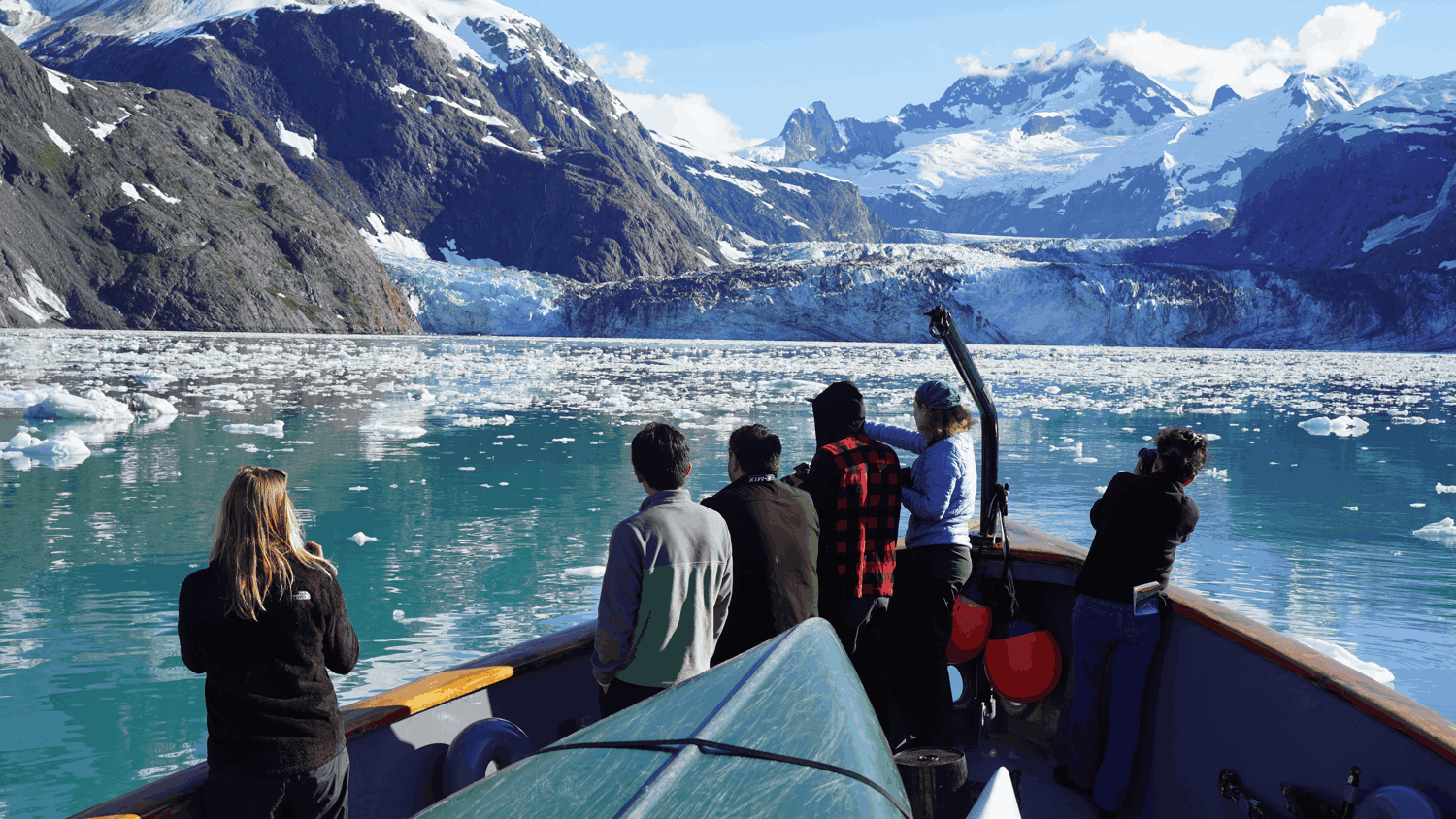
This summer, we have scheduled eight 12-day expeditions for students. We take these young people to incredibly remote places and show them wilderness through a science lens. Our high schoolers do a benchmark study, a census of a place, led by our naturalist. Our college students focus on glaciers, fossils, birds, whales, or some other specialty, and are led by a professor.
Last season some of our students touched the dripping face of a glacier, some watched brown bears catching salmon at the mouth of a stream, some saw wolves running along the shore, some watched humpbacks dive under our boat, some reeled-in salmon and halibut, some caught shrimp and crabs, some found rare fossils, one panned for gold and found a speck, most kayaked, all hiked in old growth forests that has never seen a saw.
At the end of each expedition last summer, I asked the students if they thought wilderness – real wilderness, not a curated park or preserve – had value, and why. Wilderness is valuable, they all said, but their reasons varied.
Most mentioned the awe-inducing beauty of the Alaska wilderness. Most also talked about it being a way to heal – a freedom from the flashes, pings, and haptics that stimulate our lizard brains at home.
“Oh my God this was so relaxing. Even my skin cleared up.”
Some talked about how they felt being beyond civilization for the first time.
“Only in the wilderness can you really test who you are.”
But our science lens let most of our students find even deeper values in wilderness.
It changed their sense of time, as they held 160-million-year-old coral fossils and cracked open nodules with 25-million-year-old crabs inside.
It increased their awareness of cycles, as we watched ice from glaciers carry gravel to the sea in one leg of the rock cycle, and as we waded across streams with salmon swimming between our legs, the fish heading upstream to breed and die in the salmon cycle.
It showed them that everything is connected, how there is a logical cause and effect in nature.
“In the wilderness you can see how the world really works, what affects what, what an ecosystem really is and how we’re part of it, whether we think we are or not.”
Those connections, even though most are still unseen, helped them understand the value of biodiversity and why it’s essential to keep our environmental options open as things change, and how the last best biodiversity we have is in wilderness.
Science also gave many of them a type of spiritual revelation, a sense of their own place in time and nature.
“The wilderness makes me feel really insignificant … but connected. I guess this happens the more you understand it.”
That is hard to come by in a classroom or online.
We have a little more painting to do on the boat. We will start provisioning next week, stocking up on food and other supplies. We’ll be ready in 21 days when we pick up our season’s first students.
-- Bill Urschel
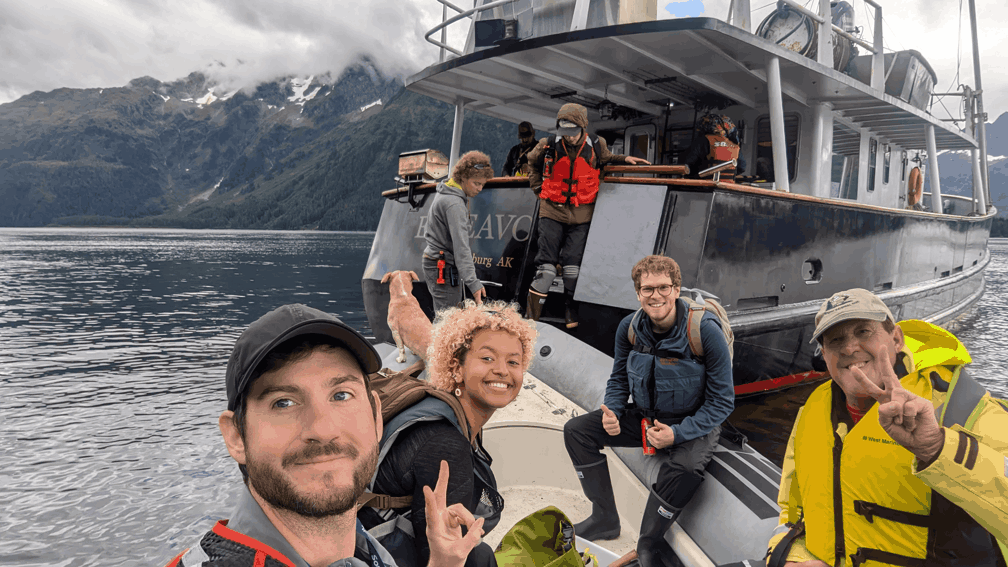
We have a few openings left on our 2025 student expeditions.
No posts
Comments
Nothing yet. Say the first thing.
Sign in to join the conversation.