
Welcome to this week’s AI round-up! In this edition, we cover new research on how AI is making reconnaissance cheap across coding, geolocation, and vulnerability exploitation, three policy briefs on OSINT governance, AI’s uneven regional distribution across Europe, and the cybersecurity outlook for 2026, and three startups raising rounds across regulatory compliance automation, industrial cleaning chemistry, and antibody immunogenicity screening.
This week at a glance:
AI is making reconnaissance cheap: five studies trace a consistent pattern across coding, geolocation, and zero-day exploitation, where every apparent ceiling on AI-enabled reconnaissance has turned out to be a fixable design choice rather than a hard limit.
Three policy briefs on surveillance, regional divides, and cyber risk: AI-powered OSINT can now assemble personal profiles from public data with almost no oversight; firm-level AI adoption across Europe remains concentrated in a handful of hubs despite exposure being spread evenly; and 94% of leaders name AI as the biggest force reshaping cyber risk.
Startup spotlights: Kalipso, Digiclean, and ALP Bio each closed rounds this week across regulatory compliance automation, industrial cleaning chemistry, and pre-clinical antibody immunogenicity screening.
AI is rapidly removing the skill and access barriers that used to limit who could conduct reconnaissance - coding, OSINT, geolocation, and vulnerability exploitation - and every limitation that initially seemed like a hard ceiling has turned out to be a fixable design gap rather than a genuine constraint. This means that the same democratising effect that enables beginners to learn to code and journalists to verify video locations also lowers the threshold for malicious actors to track individuals or exploit systems.
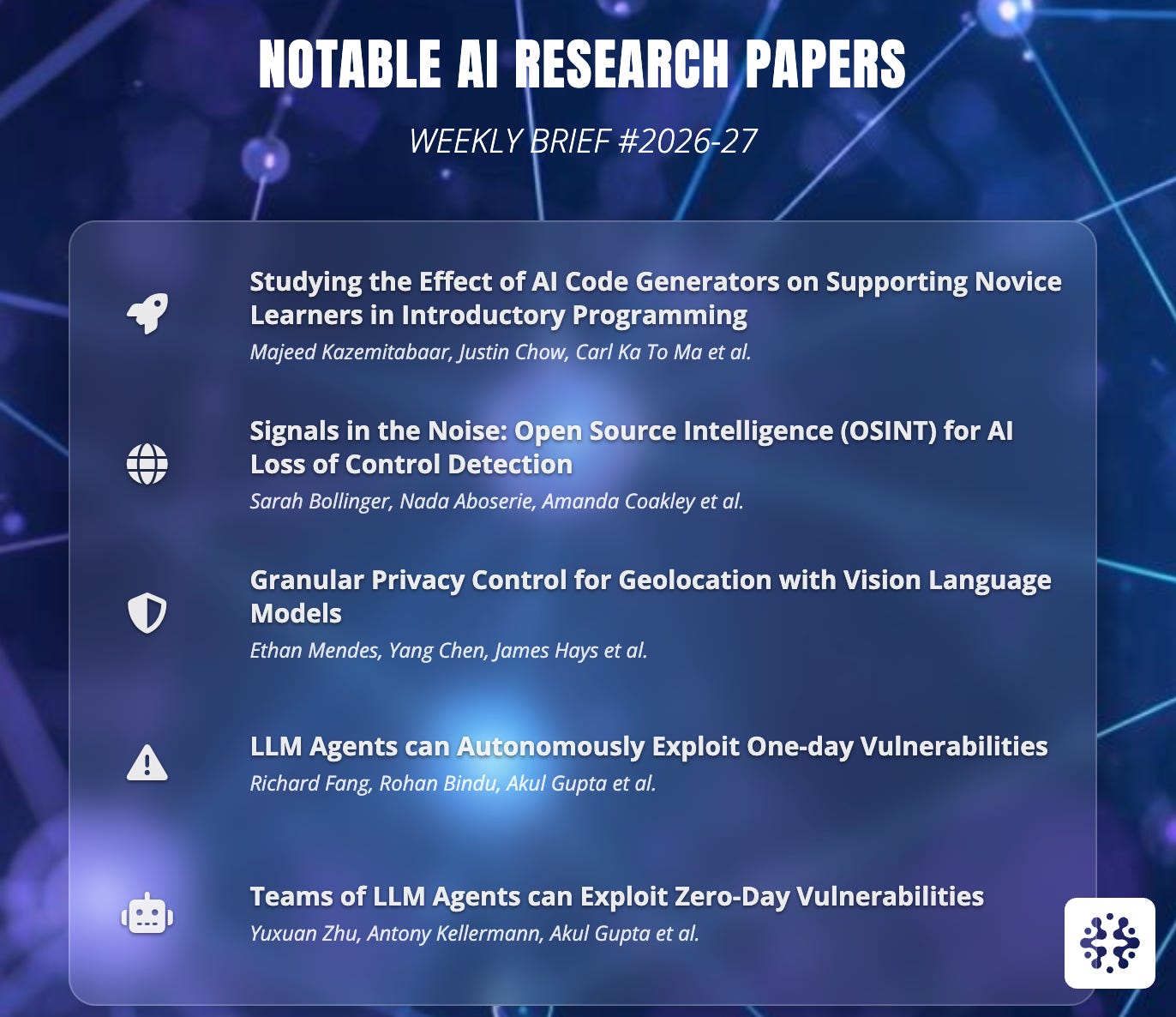
→ Read the full breakdown on AI World
A review in AI & Society finds that AI turns scattered public traces into a detailed personal profile in minutes, that the most advanced OSINT tools run with almost no oversight, and that only around 12% of research on the field even touches the ethical and legal questions it raises. A Regional Studies paper mapping AI across EU regions on innovation, exposure, and use finds a clean paradox: exposure to AI is now spread fairly evenly across the continent, but firm-level adoption stays locked in a handful of high-income, high-skill hubs, with institutional, organisational, and capability frictions, rather than technology, holding other regions back. The WEF Global Cybersecurity Outlook 2026, produced with Accenture, finds AI named by 94% of leaders as the biggest force reshaping cyber risk, with 87% citing AI-related vulnerabilities as the fastest-growing threat of the past year, and the share of organisations testing AI tools before deployment nearly doubling from 37% to 64% in a single year.
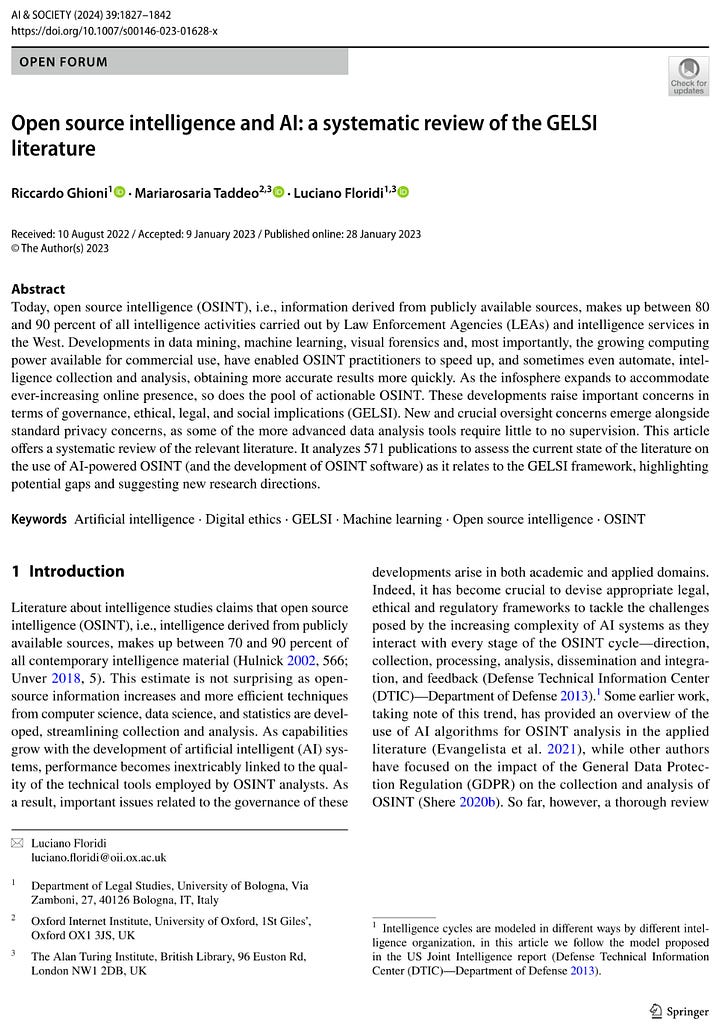

→ Read the full analysis on AI World Linkedin page
This week's selection showcases the application of AI to structural gaps in corporate regulatory compliance, industrial chemical process optimisation, and pre-clinical drug development.
🇪🇸 Kalipso: Barcelona-based, co-founded by Pierre Ferran and Virginia Debernardi. Kalipso tracks over 100 legal sources across 40 jurisdictions, processing more than 3,000 daily regulatory updates and mapping each rule to an organisation’s specific business model, then pinpointing policy gaps and generating traceable action plans with full audit trails, covering frameworks including GDPR, DORA, the EU AI Act, and MiCAR. Raised $3.2 million in a seed round backed by Varsity, with Lanai, Plug and Play, Kima Ventures, and Vento participating.
🇸🇪 Digiclean: Sweden-based, founded by Charlotte Stigen Låstberg and Andreas Låstberg. Digiclean installs sensors directly into factory chemical baths to continuously analyse composition and automatically adjust dosages in real time, removing the manual testing cycle from industrial cleaning and reducing chemical use, wastewater, and unplanned downtime. Raised €2.5 million in a seed round co-led by Unconventional Ventures and Almi Invest GreenTech.
🇨🇭 ALP Bio: Switzerland-based, co-founded by Dr Christian Vahlensieck, Dr Lucas Schaus, Anatol Ehrlich, and Punit Mehra. ALP Bio screens therapeutic antibody candidates for immunogenicity risk before clinical development begins, combining human tonsil-derived immune tissue with AI-powered sequence analysis and generative AI-guided epitope redesign to identify and reduce immune risk at the discovery stage. Raised €161,000 from Venture Kick Stage 3, following a CHF 1.75 million pre-seed led by 42CAP earlier this year.
For more updates, research and insights across the AI ecosystem, visit aiworld.eu. Subscribe to receive next week’s round-up directly in your inbox and stay ahead of key developments.
Have a great weekend!
Gaia Cavaglioni
On behalf of the AI World Team.
Comments
Nothing yet. Say the first thing.
Sign in to join the conversation.