
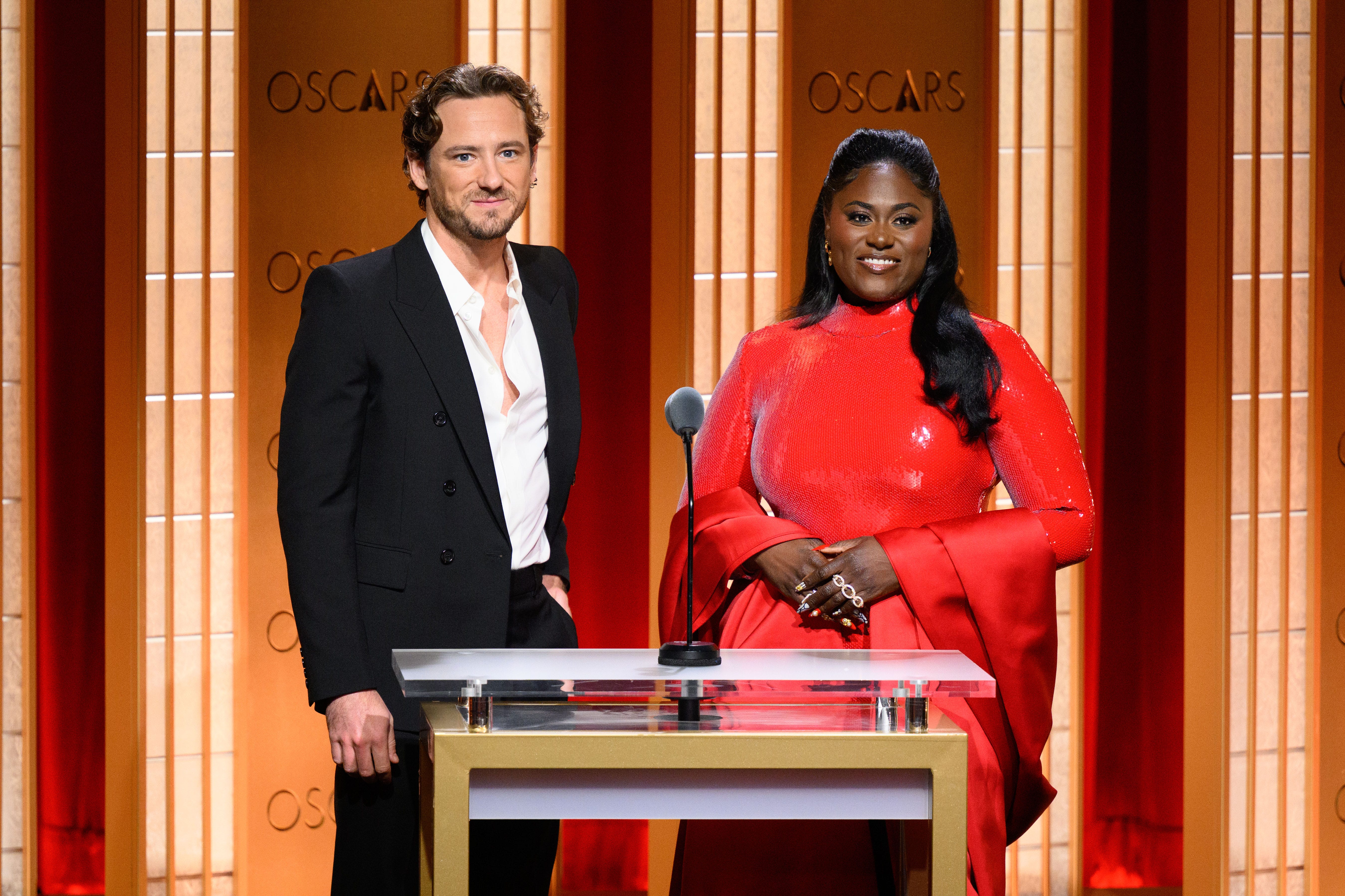
Everyone knows that the Academy Awards exist to “recognize excellence in cinematic achievements.” Everyone also knows, on some level, that the Academy Awards exist to prop up Hollywood. The Oscars are an institutional mechanism that allows the film industry to define itself—to make clear who is allowed in the spotlight and who is banished from it. They are “a battlefield where cultural forces collide and where the victors aren’t always as clear as the names drawn from the envelopes,” per Michael Schulman in his book Oscar Wars, which is another way of saying that the Academy does recognize greatness, but greatness of a very specific kind: one defined by Hollywood institutionalism and constantly shifting cultural norms.
When the Academy votes to award one film over another, it means something. When Anora wins Best Picture over Conclave and A Complete Unknown, it indicates to the world that Palme d’Or winners matter more to Hollywood than mid-budget crowd-pleasers. When Apple takes home a Best Picture Oscar for CODA before Netflix ever could, it indicates the Academy’s distaste for that Northern Californian streaming giant.
Airplane Mode is a free weekly newsletter that provides film reviews, analysis, and cultural commentary. Subscribe to get my writing sent straight to your inbox!
There’s a whole new batch of meaning with the 2026 nominees, and in this post, I’m going to try and parse through it. Here are six predictions for how I think the 2026 Academy Awards will turn out—and what that will imply for a movie industry forever caught in a crossroads.
Timothée Chalamet will have to wait for his Academy Award
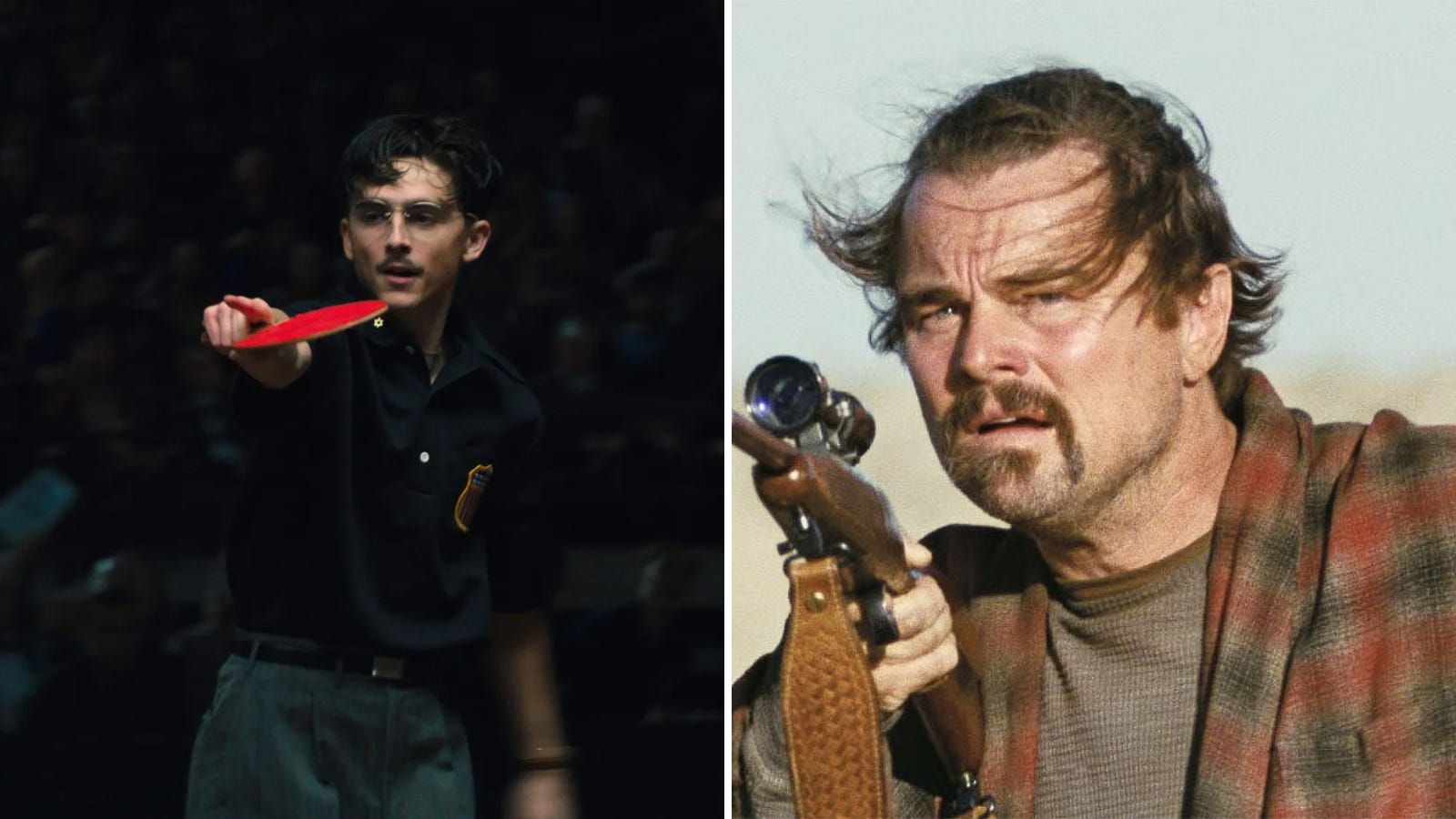
Nobody campaigned harder for their movie in 2025 than Timothée Chalamet did for Marty Supreme. His Sphere-standing, AAVE-pilfering press tour was a masterful act of youthful braggadocio that has brought him to a decisive third Oscar nomination. But for as much as we would like to proclaim Timmy the new Leonardo DiCaprio, Leo himself—now 51 years old and the embodiment of Hollywood royalty (each day that passes is another day that he comes to resemble Cary Grant)—hasn’t gone anywhere, and is in pole position to take home this year’s trophy for Best Actor in a Leading Role, for two simple reasons. The first is that One Battle After Another has shaped up as this year’s Oscars powerhouse (it has steamrolled the entirety of the 2025 awards season thus far), and the second has to do with the Academy’s historical bias against young men winning the award for Best Actor—the younger you are, the less likely you are to win an Academy Award.
My anti-Timmy prediction puts me in a severe minority of predictors. His win at this year’s Golden Globes recently skewed pundits toward thinking that this was Chalamet’s year, and while it’s possible that they’re right (the Golden Globes are an increasingly accurate predictor of the Academy Awards), I don’t believe that the Academy is quite willing to celebrate a 30-year-old bitten by Mamba Mentality. As Marty Mauser, Chalamet is caustic and unrelenting, and will prove poisonous to those members of the Academy who would rather have fun at the movies than suffer a panic attack. Leo, on the other hand, lends an air of protective affability to the role of Bob Ferguson in One Battle After Another—a movie with far more Oscar juice than Marty Supreme could ever hope to have.
Paul Thomas Anderson will win every award for One Battle After Another — including Best Picture

There are a few key narratives undergirding the unstoppable awards train that is One Battle After Another, but the most powerful of them (beyond it simply being the best film of 2025) is the “it’s time” narrative for Paul Thomas Anderson. The man who has written and directed one masterpiece after another since the release of 1998’s Boogie Nights has yet to win an Academy Award, despite having been nominated for several. One Battle After Another, which is as zeitgeisty as it is timeless, is exactly the kind of movie to buck the trend: an Oppenheimer-esque behemoth whose cultural relevance, box office success, and overwhelming critical approval will lead it to Oscars dominance. And like Christopher Nolan with Oppenheimer, Paul Thomas Anderson has been nominated for Best Picture, Best Director, and Best Adapted Screenplay for One Battle After Another. The difference is that while Nolan took home two awards that night, Anderson will take home three.
Amy Madigan will win for Best Supporting Actress over Teyana Taylor
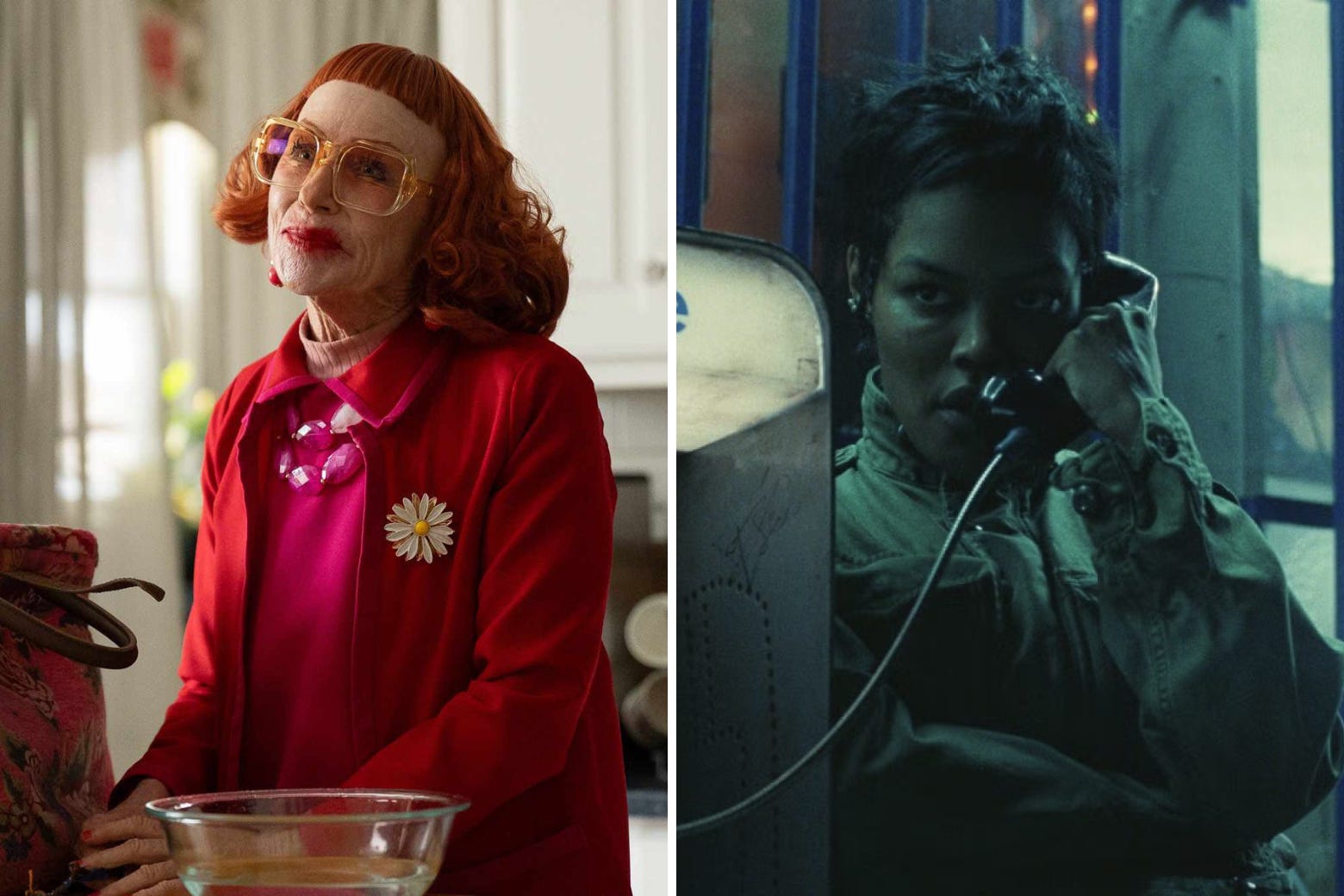
The only category in which Weapons was nominated was in Best Supporting Actress, which makes sense—the Academy is not typically very kind to horror films, least of all one as formally innovative and sadistically funny as Zach Cregger’s nutso parable of third-grade disappearances. But in the context of Weapons, Amy Madigan is something of a unique story. Madigan’s heyday was in the 1980s; two of her biggest roles include Americana classics Field of Dreams and Uncle Buck, and the last time she was nominated for an Academy Award was for 1985’s Twice in a Lifetime. The 40-year gap between that nomination and Weapons makes Madigan the actress with the longest gap between nominations for any actress in history, and I believe this tinge of Hollywood nostalgia will push Madigan into the category of Oscar winner.
Her competition against Teyana Taylor (nobody else stands a chance) is stiff. Taylor won against Madigan at this year’s Golden Globes for her performance in One Battle After Another, and it’s entirely possible that the that film’s steamrolling qualities will end up winning the day for Taylor come Oscar night. And while her win would be deserving, I’m not sure the Academy—a still very white organization that also failed to nominate Chase Infiniti, a biracial actress, for her standout role in OBAA—is ready to induct an uncompromising Black woman revolutionary into their ranks.
Madigan, on the other hand, has the wind of this year’s comeback narrative at her back: the 2026 version of Brendan Fraser’s grand return to Hollywood for his performance in The Whale. I suspect she will come away with this year’s Oscar for Best Actress in a Supporting Role.
Hamnet will win for Best Actress — and nothing else
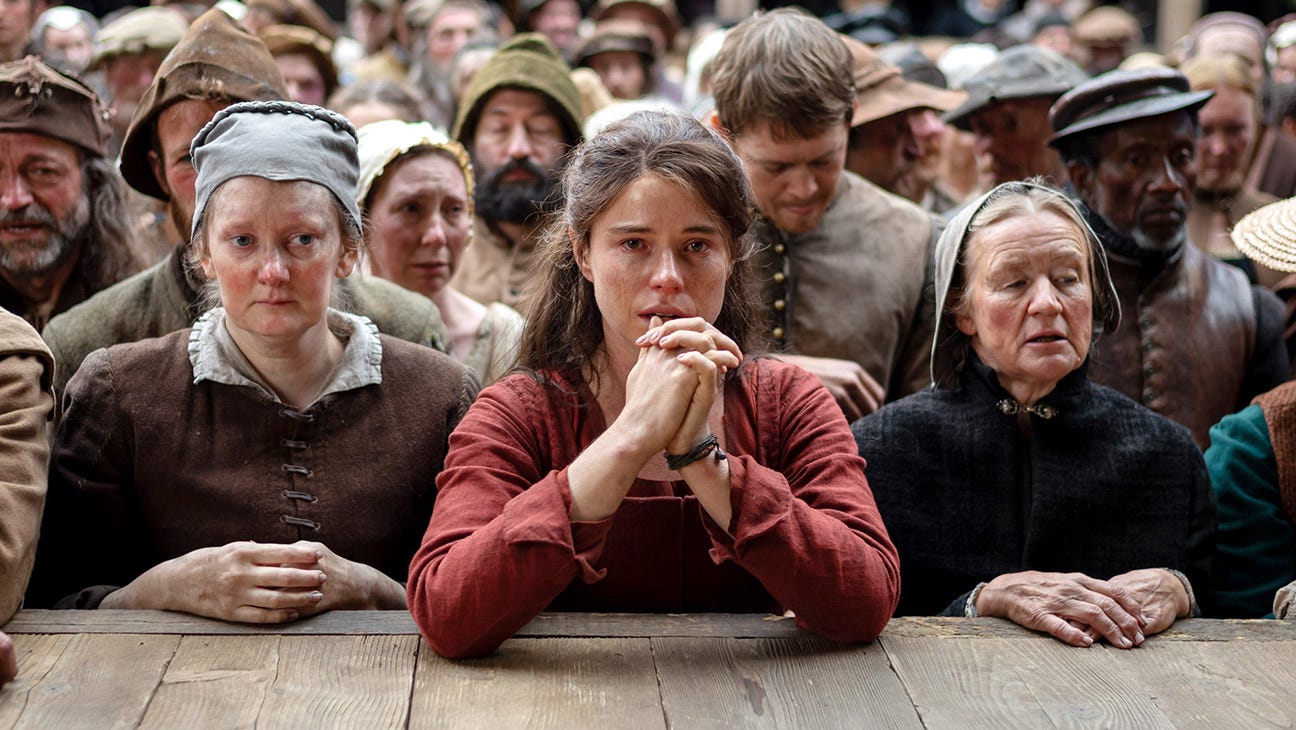
Hamnet is apparently a contender to be this year’s Oscar villain, although that title feels a bit unreasonable in a year where there isn’t a Green Book or a Crash to rally around as a genuinely malign influence on the Academy. This isn’t to say that Hamnet should win Best Picture (it should not, and if it does, its villain credentials will skyrocket). But the part of Hamnet that does deserve its acclaim is also where it will find its only win of the night: Jessie Buckley is phenomenal as Agnes, a mother coping with an inconsolable loss, and she will take home her first of many golden statuettes.
This isn’t a hot take: Her win is among the surest bets of the night, next to KPop Demon Hunters winning for Best Animated Feature and Best Original Song. It also happens to be deserved: Buckley is about the closest thing that millennials have to their own Meryl Streep, and I’m wagering that Hamnet kicks off the first win in a similarly lauded career.
The first-ever Best Casting award will go to Marty Supreme
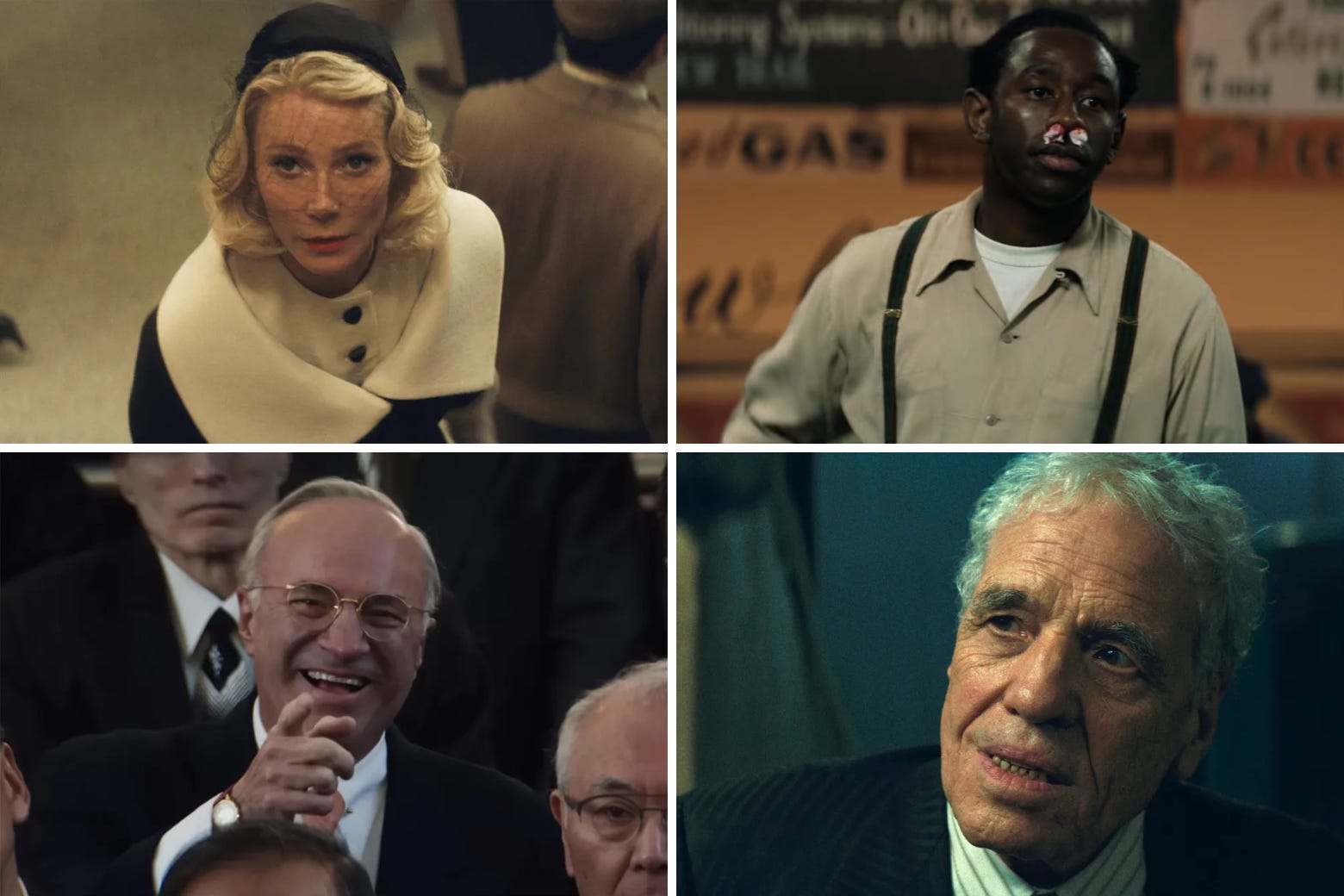
Among the many reasons to be excited for this year’s Academy Awards is the introduction of the new award for Best Achievement in Casting, the first new Oscar category since the introduction of Best Animated Feature in 2001. As such, pundits don’t really have any idea how to predict for the mysterious art of casting a film, and there is no better chance to wish-cast an Oscar than this one.
With that in mind, I’m going to predict that Marty Supreme will take home the first ever Best Casting award, purely on the basis that I think it deserves it. No other film this year was able to pick out such perfectly unexpected faces to fill its frame, ranging from Shark Tank’s Kevin O’Leary (as villainous pen magnate Milton Rockwell) to viral Knicks fan Luke Manley (as Marty’s friend and would-be business partner) to retired basketball star George Gerwin (as the amiable owner of a Manhattan table tennis club). These are casting decisions made with genuine interest in human faces and their associated cultural significance—a trait through which Marty Supreme communicates its madcap vision of New York City hustlers.
The pundits seem to think that Sinners will walk away with this award on March 15th, and there is some logic in thinking Sinners’ multitude of nominations will lend it a below-the-line power that includes Best Casting. But with this first-time award, we aren’t yet able to reasonably assess the thought processes of the Casting Directors Branch. Until that time, I’m assuming they agree with me—and predicting that casting director Jennifer Venditti will win for her excellent work on Marty Supreme.
Sinners will win Best Original Screenplay — the coolest Academy Award there is
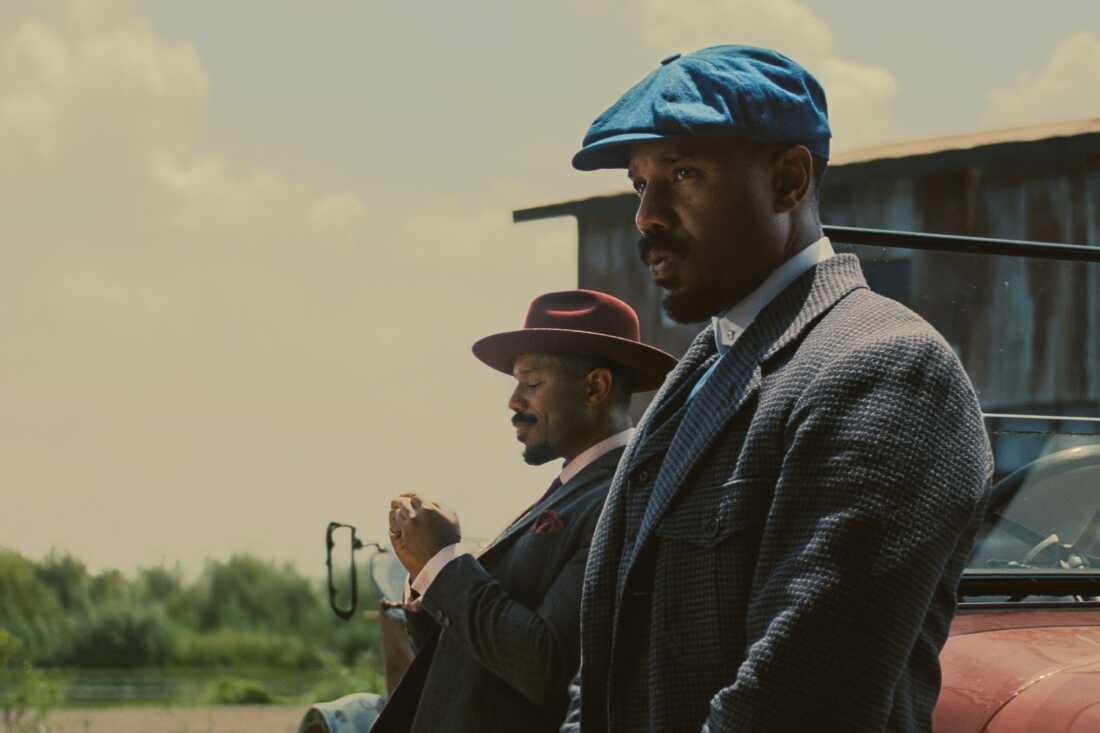
Best Original Screenplay is the coolest Oscar. When the Academy gets Best Picture wrong (and they very often get it wrong), you can usually find the movie that should have won Best Picture in Best Original Screenplay. When Citizen Kane lost Best Picture, it won Best Original Screenplay. When Network lost Best Picture to Rocky, it won Best Original Screenplay. Same goes for Pulp Fiction, Almost Famous, and Get Out, which respectively lost Best Picture to Forrest Gump, Gladiator, and The Shape of Water—but still won for Best Original Screenplay.
This is the award, in other words, that you give to the move forward-thinking movie of the year. It’s the award the Academy gives to a film it would like to recognize for its creativity without having to bestow its actual highest honors upon it. And while One Battle After Another is plenty cool, it simply doesn’t have the swag factor of Sinners: a Southern gothic vampire blues musical that was a bona fide box office smash. The film’s record-setting 16 nominations indicates the Academy’s awareness of that fact—one that will be solidified when Ryan Coogler takes home his first-ever Academy Award.
What I’ve Been Watching
The Testament of Ann Lee
Dir. Mona Fastvold
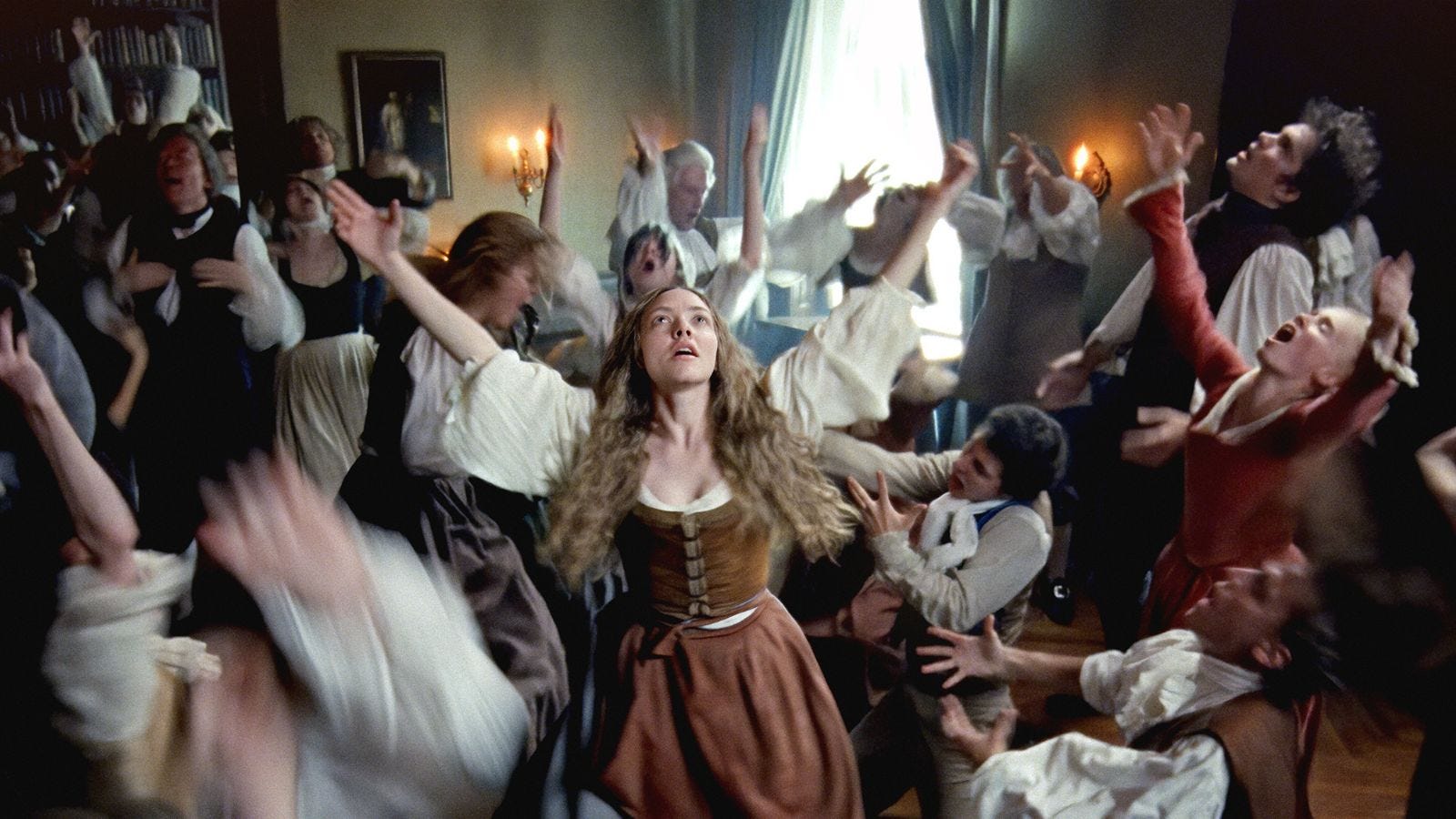
Mona Fastvold’s The Testament of Ann Lee is a sincere, almost hagiographical biopic about the titular founder of the short-lived Shaker movement—a strange and compelling moment in 18th century religious history. The film’s sincerity is at once its greatest asset and its greatest weakness: It recounts the story of Ann Lee (Amanda Seyfried) and her spiritual leadership of the Shakers with such intensity of spirit that the film feels constantly at risk of flying off the rails. That it manages to hold on to a sense of sanity for its entire runtime is the film’s greatest achievement.
The story begins when Ann Lee, a diligent young woman averse to acts of debasement, finds God a small band of Manchester Quakers—named “Shakers” for their vigorous, dance-like prayer movement. There, she finds a husband, a family, and eventually the belief in herself as the second coming of Christ who must send her flock across the Atlantic and to America. There, they proselytize a strange but deeply-felt theology: all who fornicate are in disobedience of God’s will; the way of the Lord lies in abstinence.
The Testament of Ann Lee is also a musical, with immaculately choreographed sequences set to the tune of old Shaker hymns (which are period-appropriate, but not all that good). Through this, the film examines a fascinating historical moment when American evangelization and proto-feminist leadership intertwined. There’s a high-minded intensity to this mixture of tones and genres, but one that the film ultimately pulls off through its willingness to engage with its characters—ardent believers on a grand mission—on their own terms.
Dead Man’s Wire
Dir. Gus Van Sant
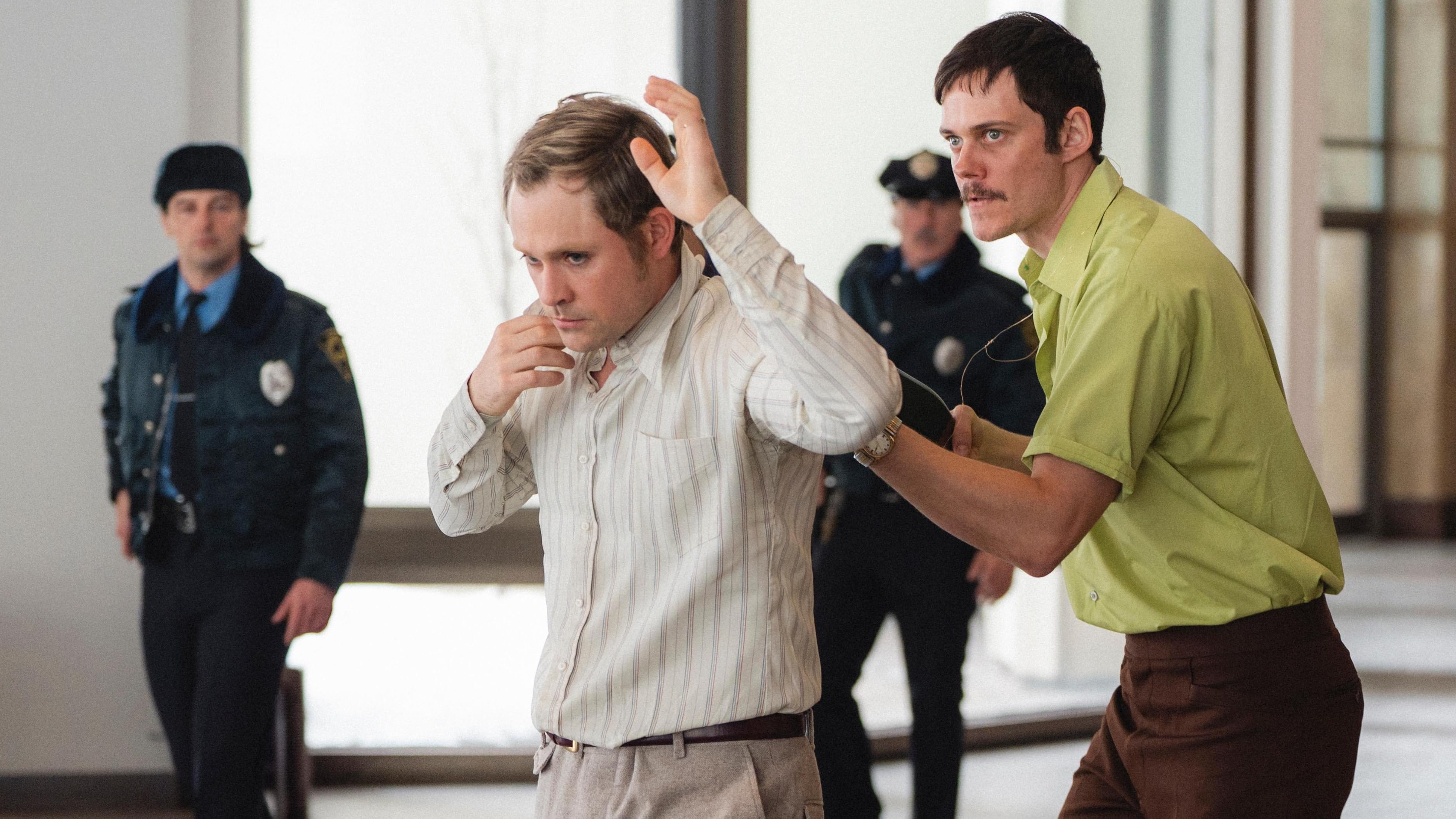
It’s really, really weird that Dead Man’s Wire, a film deadly committed to vérité 1970s aesthetics, decided to cast a Swede in the lead role of Tony Kiritsis, the real-life Indianapolis kidnapper who took his mortgage broker hostage in 1977 with a sawed-off shotgun attached to the titular dead man’s wire. Which is not to say that Bill Skarsgård is bad in the role—his nervy, beleaguered face is well-suited for Kiritsis’ particular kind of mania. But when the film’s mission is temporal verisimilitude—to be accurate and specific to the wily 1970s it is depicting—Skarsgård is noticeably European in a film with conflicting intentions.
This is one of many problems in the film, a Dog Day Afternoon-inspired crime thriller with Skarsgård filling the Al Pacino role. Dacre Montgomery plays Richard Hall, Kiritsis’ hapless victim and the son of M.L. Hall, the mortgage broker from whom Kiritsis is seeking a public apology (and who is played by Pacino in a clever use of Dog Day-aware casting). M.L. supposedly misappropriated Kiritsis’ real estate development, screwing him out of what he believes is rightfully his. There are kernels of an interesting drama within this narrative: the notion of America’s twisted relationship with glamorized violence or of unregulated capitalism and the insanity it inspires are both compelling ideas, but are never explored with any substance. We are instead left with a lackluster kidnapping drama that is neither thrilling nor thematically resonant—a less than ideal combination.
Thanks for reading Airplane Mode! This post is public so feel free to share it.
Comments
Nothing yet. Say the first thing.
Sign in to join the conversation.