
In 2026, what does it mean to be a “streaming movie”? The answer is deceptively easy: any film sent straight to streaming services without a theatrical run would fit the bill. But as time has gone by and audiences have suffered through such despair-inducing works as Red Notice and The Electric State, the term has also come to be associated with certain aesthetic and qualitative tendencies, all of them negative. There’s that glossy, colorless sheen that comes with a certain kind of Netflix production, or the repetition of plot details designed for inattentive viewers at home. These are movies designed to be watched while on your phone, or folding laundry, or hooking up on a first date. A “streaming movie,” in other words, is a stupid movie: content designed to be consumed passively rather than actively, as slop rather than substance.
Theatrical movies, by natural contrast, are substantive and intelligent. A movie that begins its life in theaters is seen as better than one that was dumped straight to Netflix, evidenced in the watch data for home viewing: movies with theatrical releases almost always have better streaming numbers than those without. And for the first time, streaming services seem to be waking up to this positive bias. Netflix has recently stated its intention to give their films a 45-day theatrical window following their acquisition of Warner Bros.; Amazon has similarly committed to a full theatrical slate for the first time ever after years of shunting their MGM productions to Prime Video.
As streamers shift their focus toward the movie theater, it remains to be seen whether the movies they send to theaters will warrant it—or whether the act of releasing a movie in theaters would negate the concept of a “streaming movie” in the first place. With this in mind, I want to take a look at some of Netflix and Amazon MGM’s recent releases on both streaming and theatrical to see if they are suited for their respective screens. In this transitional time when streaming and theatrical are more intertwined than ever, I’d like to try and parse through each of their component parts—to discover whether there is some categorical essence that makes a theatrical release different from a streaming release. Here’s a quick examination of four recent film releases, both on streaming and theatrical. The key question here is not an evaluation of their quality, but their suitability to the big screen. What makes a movie worthy of a full theatrical release in 2026?
Dir. Brett Haley
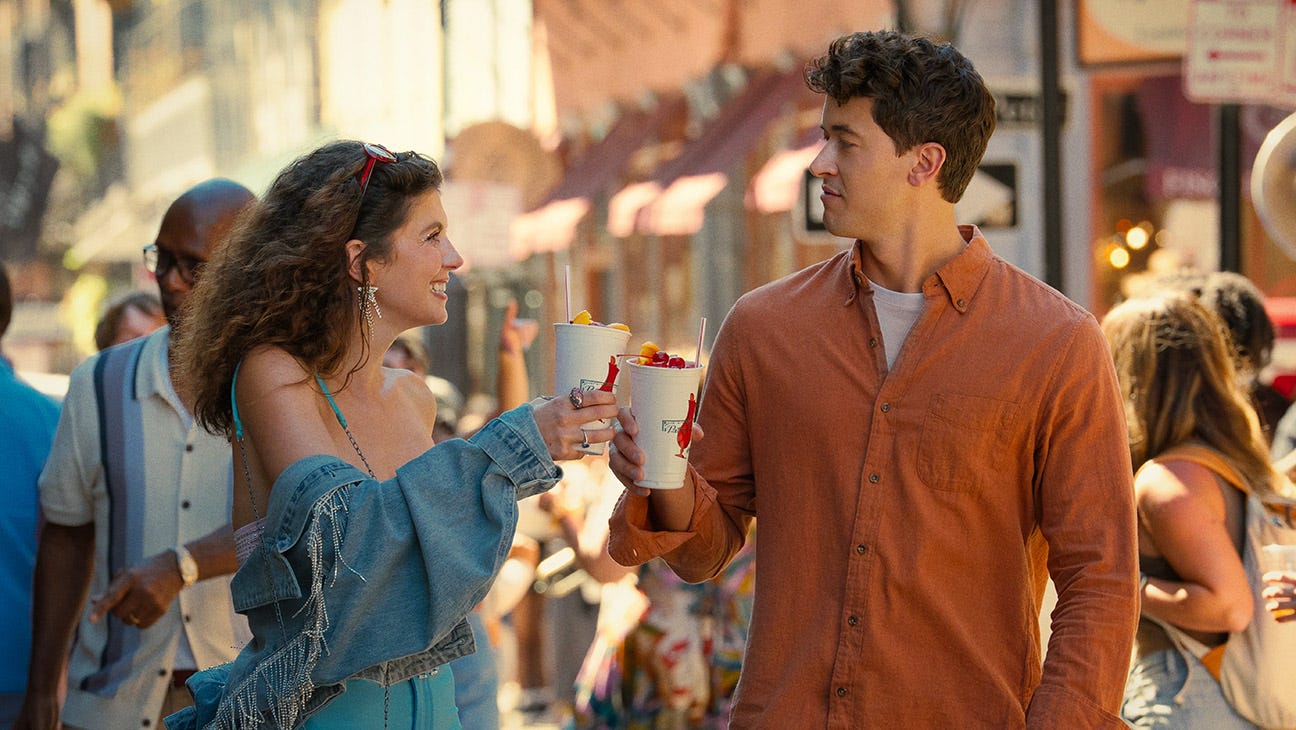
What Is It? A straight-to-Netflix romantic comedy based on the best-selling novel by Emily Henry.
What’s It About? Poppy (Emily Bader) and Alex (Tom Blyth) are two college students with nothing in common who end up becoming best friends after a When Harry Met Sally-style roadtrip from Boston College to their hometown in Ohio. Despite moving to different cities after graduating, the two commit to their (platonic?) friendship by agreeing to meet every year in a new vacation destination. The film inevitably transitions into a will-they-won’t-they romantic drama of upper middle-class proportions.
Is It Any Good? Yes! People We Meet On Vacation is light and fluffy fare that succeeds at a key rom-com tenet: pitting two charming young leads against a romantic backdrop that allows their chemistry to flourish. This is not to say that the film is anything to write home about: it isn’t nearly as funny it ought to be, and is directed with a limpness that occasionally begets some truly sloppish visual tendencies. (The film does not take nearly enough advantage of its location-hopping premise—if we’re going to New Orleans and Barcelona, I want to see the cities themselves, not green screens.) But the starmaking power of its two leads is strong enough to propel the film through its flaws and into the realm of charm and affability.
Should It Have Been Released On Streaming? No. Blyth and Bader are exactly the kind of hot young people that Hollywood has failed to convert into big-screen stars for the last decade, not least because streamers like Netflix have kept them from finding their place on the silver screen. Part of this has do with the concern around the dwindling box office performance of romantic comedies—which is warranted. But People We Meet On Vacation is an exceptionally popular novel, and follows less than two years after the release of It Ends With Us, the Colleen Hoover adaptation that finished its theatrical run with over $350 million worldwide. Granted, People We Meet On Vacation lacks the pre-built fanbase of Blake Lively. But the success of Emily Henry’s original novel makes it hard for me not to see this film clearing at least $150 million.
Dir. Joe Carnahan
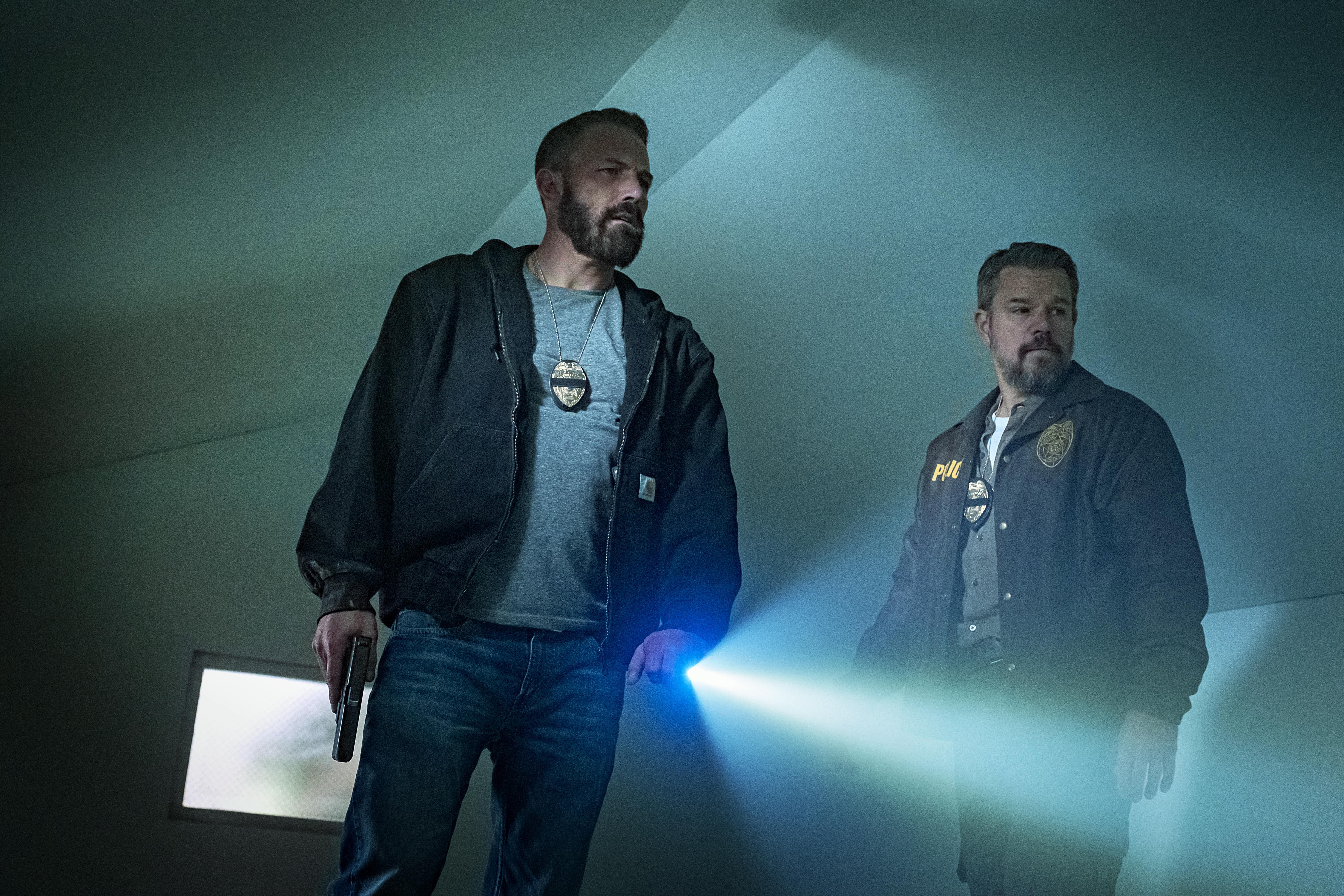
What Is It? A straight-to-Netflix cop thriller from production company Artists Equity—which is to say, Matt Damon and Ben Affleck, who also star in the movie.
What’s It About? Distrust and suspicion emerge from within the ranks of a Miami police squad when they investigate a house tipped for holding illicit money.
Is It Any Good? No. I already wrote about my disappointment with the film a few weeks back, highlighting a lackluster script and incoherent action setpieces. But since I’m here again, allow me to reiterate that the comments Damon recently made about Netflix’s filmmaking practices—in which they ask filmmakers to repeat the plot enough times so that folks watching from their phones will know what’s going on—are a key reason for the film’s failure. Not only does it make the film frustrating to watch, it also implies a fundamental lack of trust in the audience.
Should It Have Been Released On Streaming? Yes—but only because Netflix butchered the film’s theatrical qualities. Any movie which stars Affleck and Damon and features supporting roles by Steven Yeun, Teyana Taylor, and Kyle Chandler should go to theaters—provided, of course, that the filmmaking behind it has theatrical in mind, which The Rip does not. This is a movie plagued by frustrating visual tendencies and an overwritten script—tendencies that were evidently inspired by studio executives thinking of The Rip as content rather than theatrical entertainment. I’m not sure I would have liked The Rip even if these issues were fixed, but I can promise you that it would merit a full theatrical release if they were.
Dir. Timur Bekmambatov
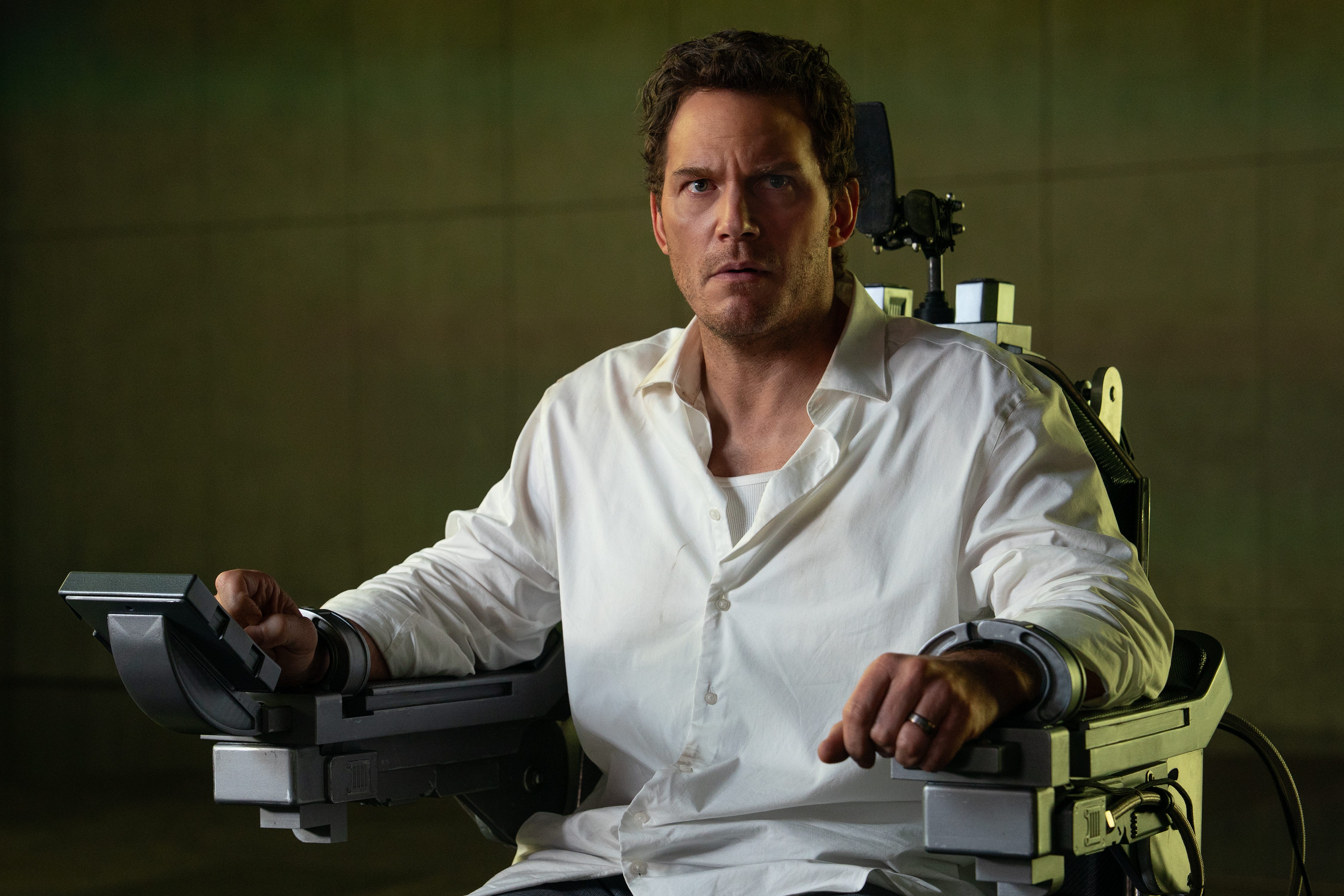
What Is It? A sci-fi action thriller starring Chris Pratt, and the first of Amazon MGM’s major 2026 theatrical releases.
What’s It About? When Detective Chris Raven (Chris Pratt) is accused of murdering his wife, he is thrust into court. Except that in this futuristic vision of Los Angeles, the courtroom is run not by humans, but an AI judge called Maddox (Rebecca Ferguson). With 90 minutes to prove his innocence to Maddox before being executed, Chris must come face to face with the very AI program that he helped make into a reality.
Is It Any Good? No. Timur Bekmambatov is a competent director of trashy action films, and while he does manage to give a bit of visual flair to a film that is ultimately about a chair-bound Chris Pratt staring at variations of a FaceTime call, he ultimately can’t save a film with a fundamental rottenness at its core: Mercy espouses the incorrect, out-of-touch, and borderline immoral belief that AI chatbots are thinking, sentient creatures deserving of greater empathy than some humans. This is not to say that you can’t reasonably envision a future in which artificial intelligence becomes deserving of empathy. The simple issue is rather that Mercy envisions an immediate future in which LLMs not only control our fates, but are worthy of our love—an abominable choice. (Even if you forgive this unforgivable sin, you are still left with a screenplay so magnificently stupid, you will end up leaving the theater with fewer brain cells than you came in with.)
Should It Have Been Released On Streaming? I…don’t think so? Mercy is an odd case. It’s concepts and execution are prototypical streaming fodder, but Amazon MGM decided to put a real marketing budget behind a dumb sci-fi actioner most readily associated with streaming nonsense. Add this to the fact that Chris Pratt has become the poster boy for straight-to-streaming guy-with-a-gun trash like The Tomorrow War and The Electric State, and Mercy’s full theatrical release becomes all the stranger. Perhaps it is appropriate, then, that it did not make back its $60 million budget in ticket sales. But for a film that felt predestined from Prime Video anyway, perhaps that $53 million box office isn’t so bad. Mercy is a very bad movie, but will likely find a larger streaming audience following its theatrical release.
Dir. Bart Layton
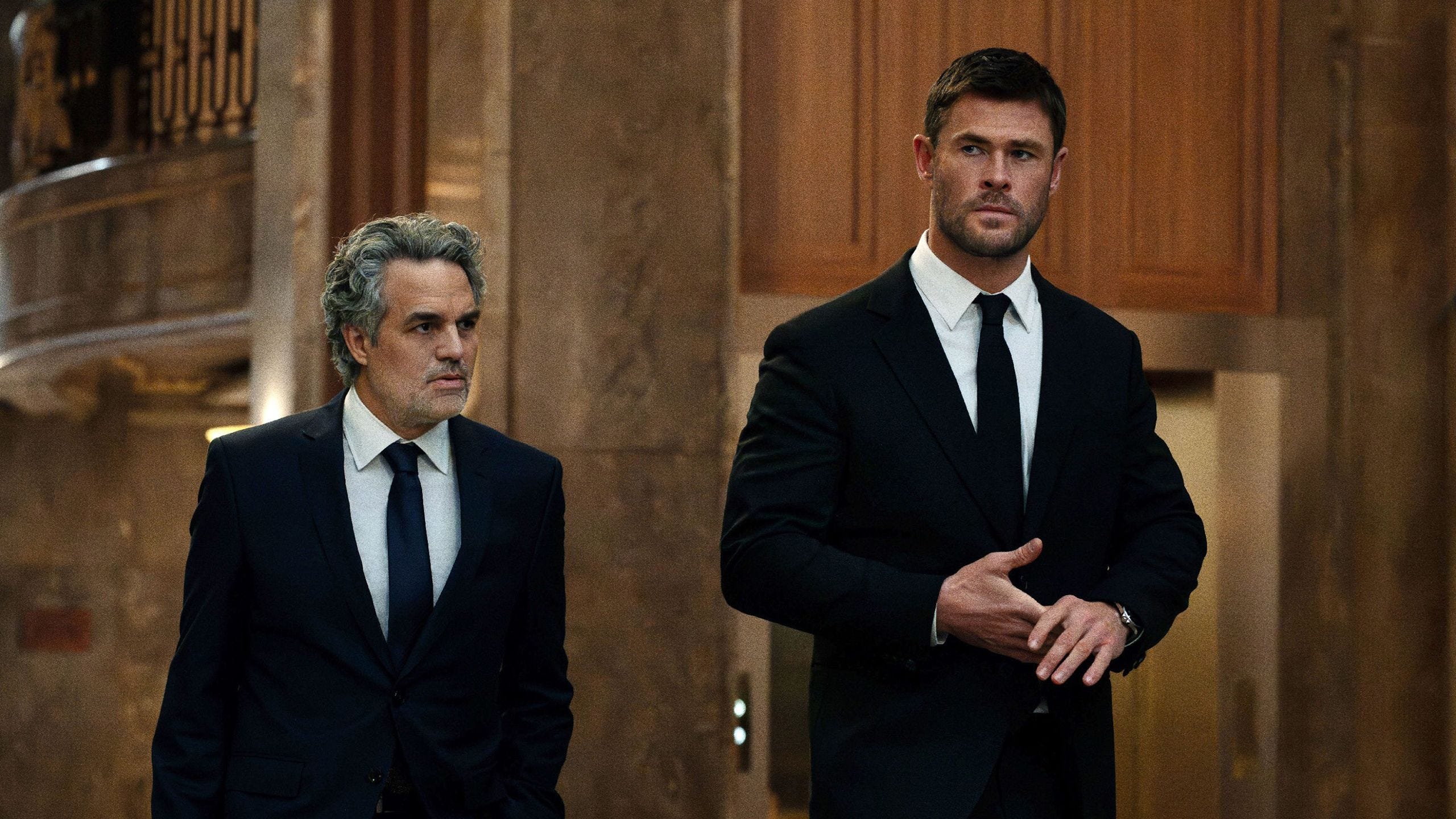
What Is It? A star-studded LA-set crime drama from the director of 2018’s American Animals.
What’s It About? Mike Davis (Chris Hemsworth) is a high-end jewel thief who executes slick, nonviolent robberies along the 101 Highway. As he tries to go independent from his abusive father figure of a fence (played by Nick Nolte), Mike scouts world-weary insurance broker Sharon (Halle Berry) as a potential source of his next heist. All the while, he is being pursued Detective Lou Lubesnick (Mark Ruffalo), and also by Ormon (Barry Keoghan), a psychotic rival jewel thief. And then he also meets a beautiful woman named Maya, played by Monica Barbaro. (Guys what I’m trying to tell you is that this cast is STACKED.)
Is It Any Good? Hell yes. Crime 101 is another in a long line of Heat ripoffs, but with greater interest in the step-by-step intricacies of jewel thievery than so many other LA-set crime thrillers of its ilk. The heist setpieces are wonderful, particularly the film’s opening sequence, which sees Mike executing a hyper-detailed plan that involved a gunpoint car theft on an empty highway on-ramp. The film is also nicely attuned to the wellness culture of contemporary Los Angeles: meditation apps, yoga, and green smoothies are apt motifs for characters in pursuit of perfection. But more than this, it’s wonderful to just watch major movie stars acting against each other with a script and direction as sleek and well-researched as Bart Layton’s.
Should It Have Been Released On Streaming? No chance. Movies like Crime 101 are in short supply in 2026, not least because the trappings of character-based thrillers like this have been almost entirely siphoned off by the television industry. What would have been a common cinematic delight in 1996 is now found only on TV shows like Task and The Night Agent, and while these accomplish much of what would-be Crime 101s of the world are aiming at, there is a unique kind of pleasure in seeing movie stars inhabit these massive heist setpieces on the big screen. It makes me grateful that this film got a full theatrical release, and while its meager box office earnings will likely not lead to a successful recoup of its production budget, good reviews and a theatrical marketing campaign are likely to turn it into one of the most-watched original streaming movies of the first half of 2026. I don’t know how Amazon MGM envisions success, but given that this is exactly the kind of movie they would have shunted off to Prime Video as recently as last year, I’m happy to see them changing their theatrical outlook.
If movies like The Rip and Mercy are anything to go by, the synonymity of “streaming movie” and “stupid movie” is very real—but I’m not convinced that this ought to be the case. Mercy is in the running for stupidest movie of the 2020s, but if it had been released straight on Prime Video, not only would far fewer people would know that it exists, it would also each be leaving more than $50 million on the table. And while there is a side of me that thinks that the destruction of this film might be for the overall betterment of society, I’d much prefer to have a theatrical landscape with a multitude of options, irrespective of how much I enjoy each film.
Likewise, I simply do not understand the Netflix business model of laser-focused attention on home viewing. I long for a world in which People We Meet On Vacation and (a better, less tainted version of) The Rip are common weekend releases at the multiplex, but the Silicon Valley Villain of the movie industry has constantly been in the business of undermining theatrical. It’s possible that all that changes if and when they acquire Warner Bros., when Ted Sarandos’ competitive tendencies extend into the box office. Until then, it’s worth restating that movies are still a big-screen medium, and that their cultural authority extends not from the home, but from the movie theater. Let’s hope that the tech companies and streaming giants remember that.
Thanks for reading Airplane Mode! This post is public so feel free to share it.
No posts
Comments
Nothing yet. Say the first thing.
Sign in to join the conversation.