
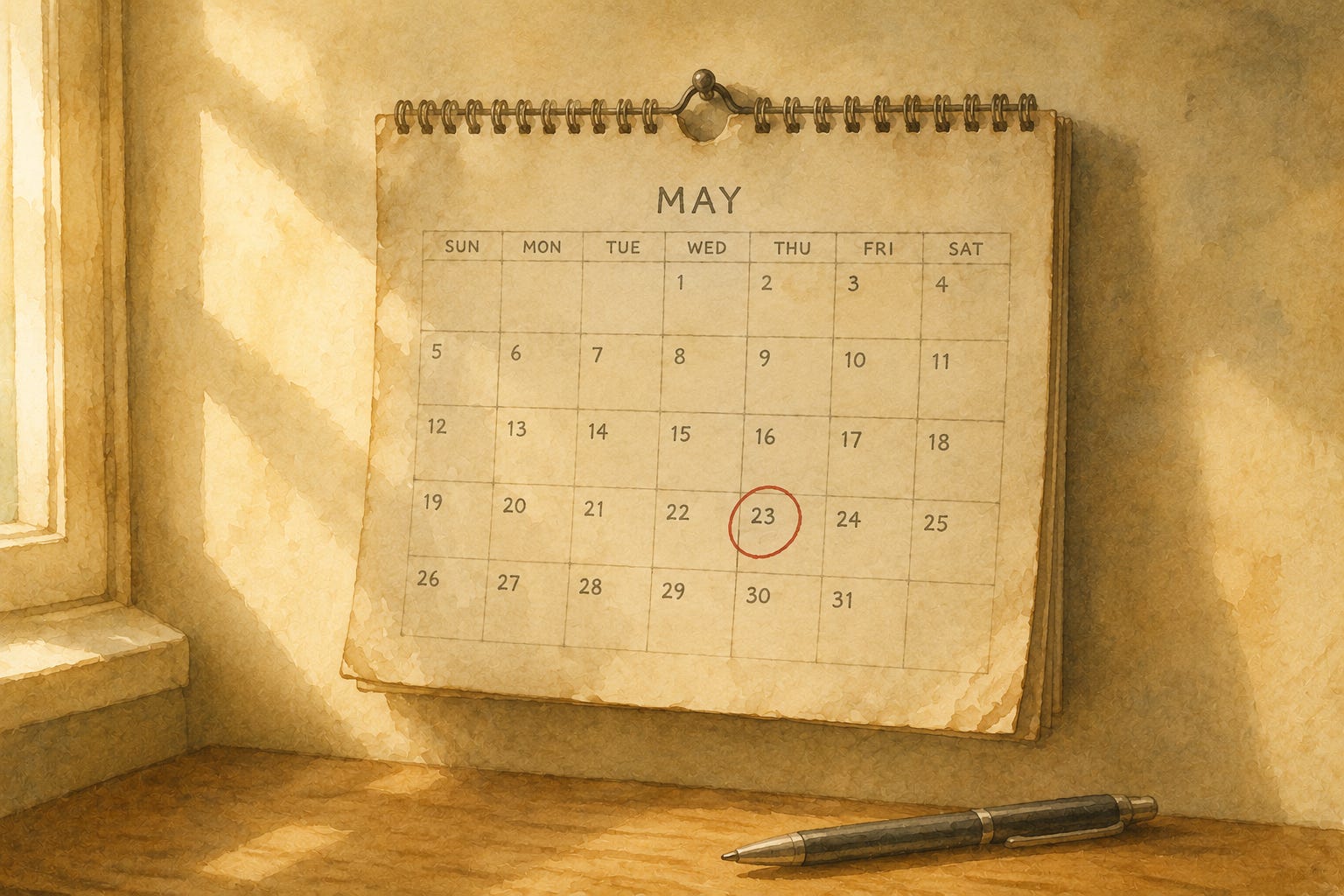
I’m going to do something today that’s a little uncomfortable for me, which is to admit something I was wrong about.
I have been around AI for a long time. I’m not going to give you the resume, but trust me when I say I have been around it long enough to have had a lot of opinions about it. Some of those opinions have held up. Some of them have not. The ones that have not held up, I usually don’t talk about, because I work in tech, and tech rewards confidence and punishes admitting you were wrong.
But I think one of the small joys of writing a newsletter that isn’t for the tech bro audience is that I can do this. Nobody on this list is going to clip the screenshot and post it. (You’re going to be too busy making a card for your niece.) So here goes.
Two years ago, I thought the personal use case for AI was small.
I thought the big story would be productivity. Coding assistants. Office software. The slow infiltration of AI into knowledge work. I thought normal people — non-engineers, non-developers, non-tech people — would use these tools occasionally, the way they use spell-check or autocomplete, but that the actual emotional surface area of AI in ordinary lives would stay narrow for a long time.
I was wrong about that.
Thanks for reading AI for Fun! This post is public, so feel free to share it.
What I missed, and I think a lot of people in tech are still missing, is that the unlock wasn’t a better model. It was the moment the model became good enough to write a believable letter from one specific person to another. Or make a song that’s actually about a friendship, not a generic friendship. Or illustrate a kid’s actual story, with the kid’s actual fear in it.
Once that floor crossed — and it crossed quietly, sometime in 2024 — the personal use case stopped being small. It became the most underestimated thing about the technology.
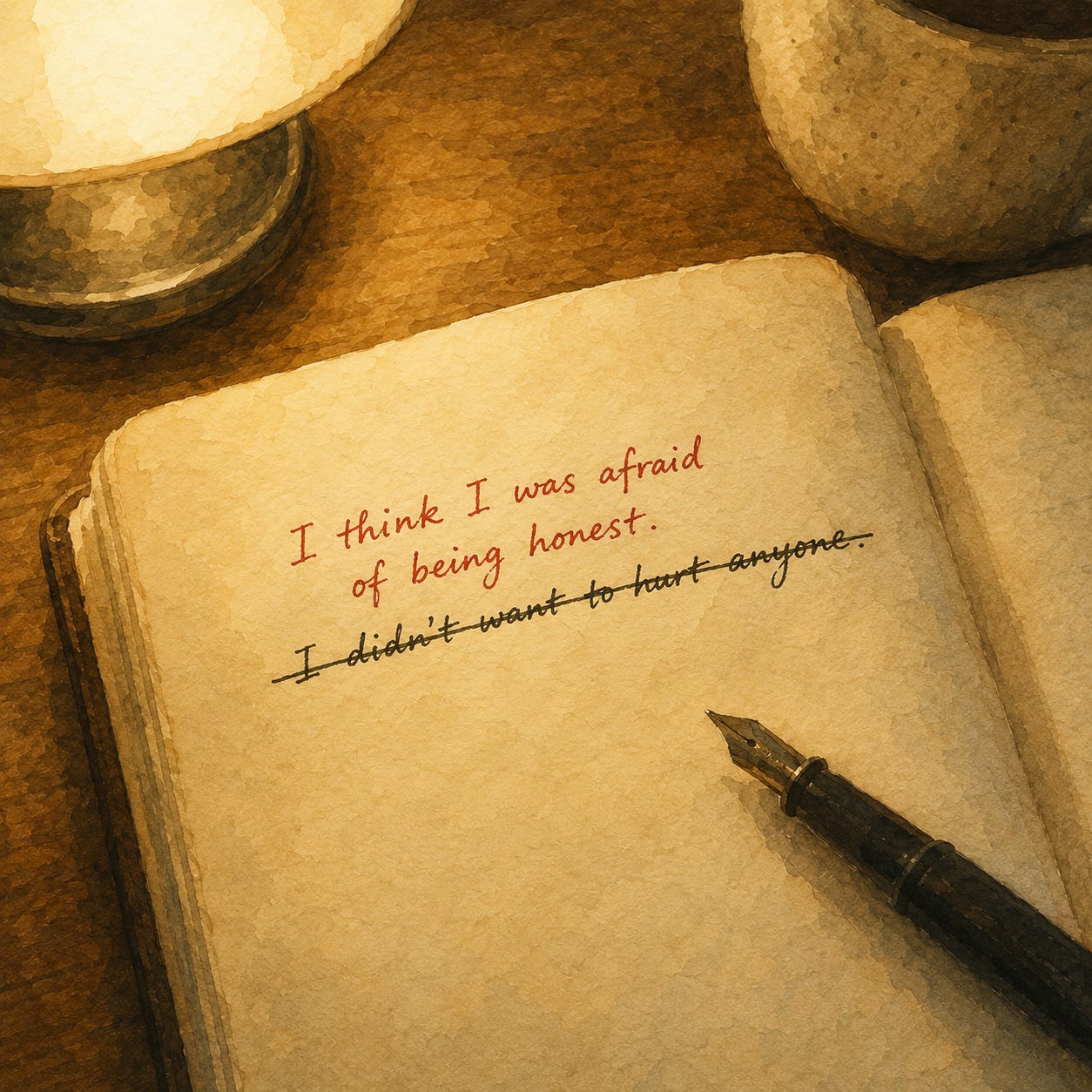
Here’s how I know I was wrong.
In the last six months, the people who have most surprised me with how they’re using AI are not engineers. They are: my sixty-eight-year-old mother. My best friend who runs a yoga studio. My cousin in Bangalore, who teaches middle school. A neighbor who works in HR. My uncle, who hasn’t sent an email himself in twenty years. The dental hygienist I wrote about last week. None of them came to AI through productivity. They came to it through a person they wanted to make something for.
The productivity story is still happening. It’s real. But it isn’t the story. The story is the personal one, and the personal one is bigger than any of us inside the industry thought it would be.
I want to be more honest going forward about things I was wrong about. I think this is one of the small services I can do for you, in this newsletter, that other people can’t quite do. I’m in the industry. I have heard the loud version of the AI conversation, and I have, at various points, believed it. When it turns out to be wrong, I want to come back here and say so. Not to grovel. Not to perform humility. Just to mark the calendar: I thought this; it turned out to be different.
There are a couple of other things I think I might be wrong about right now that I don’t have the data on yet. I won’t list them. But I’ll come back to them in this newsletter when I do.
The biggest one — the one I want to flag now because I’m pretty sure — is that I was wrong, two years ago, about who this technology is for.
It’s for everyone. It really is. The dental hygienists, the grandmothers, the cousins. The corner of AI that we’re writing about here is not a niche. It’s a continent. We’re just early.
I’m really glad you’re here.
— Tapan
PS — Have you changed your mind about AI in the last year or two? Which direction? I’d love to hear it.
Comments
Nothing yet. Say the first thing.
Sign in to join the conversation.