
Q&A
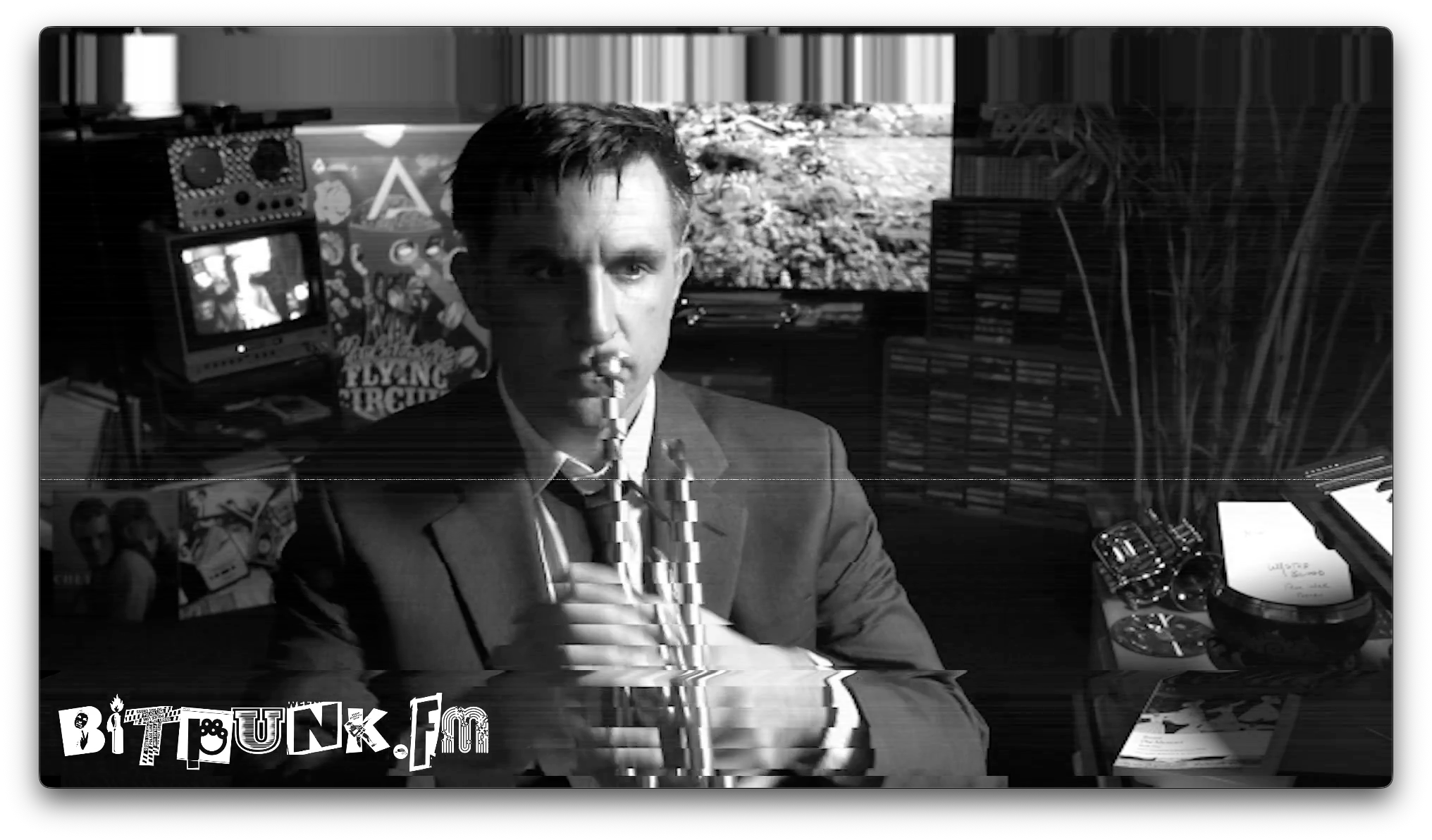
Which philosophy or philosopher most aligns with your own beliefs?:
For life: that of non-violence, probably closest is something like Leo Tolstoy. In art, I’d say Marshall McLuhan. Politically, I lean to anarchism but of the Jacques Ellul kind, not the burn-it-all-down kind.
Is there any standard publishing or writing advice that you disagree with? Or any standard advice that you feel is too often neglected?:
I think I agree that the medium is the most importance choice, and is often overlooked. But it makes all the difference. Writing for substack is different than a literary magazine. A podcast is different than radio. Instagram is different than YouTube shorts etc... So I think writers, all artists really, should be medium-focused.
Is your process for writing philosophical fiction different from the way you approach other works?:
I think I tend to stay into two lanes with writing: on war and on media, both of which I think of both philosophically and perhaps spiritually. In those two areas, especially the anti-war work I feel like I’m continuing to refine my approach. With media, it’s more an applied art I’d say, but there is always improvements. For example, I do live streams and I try to incorporate a lot of McLuhan’s ideas in the streams.
What is the greatest compliment you have received as a writer? The most stinging criticism?:
Someone told me once that their dad, who was a Vietnam War veteran and passed away, would have like one of my poems. I write about veteran suicide, which continues to be a major problem, and it’s a very difficult topic. So when this, sadly niche topic can connect in meaningful ways via a poem, I do consider that a ‘success.’
My wife gives me the harshest criticism when she says “she doesn’t get it.” She dislikes poetry, quite a bit. She’s an extremely intelligent woman too. So when she’s “doesn’t get it” it really is reflective of me trying to be too clever. Which, I think happens more than I’d like.
Which authors or books would you recommend to those who want to challenge their own thinking?:
Marshall McLuhan’s “Understanding Media.” It should be required for any modern artists in today’s multi-modal environment. Follow this up by listening to the LP “The Medium is the Massage.”
I discovered Leo Tolstoy late, but in a way, I wasn’t ready to read him. I think “The Kingdom of God is Within You” is up there with challenging thinking. Gandhi cited it as one of his top 3 influences. But it’s not a smooth read. War on Peace, written something like 30 years earlier, has the twinkling of “The Kingdom of God is Within You” but more subtly. Despite it’s 1200 page length, War and Peace goes down much smoother than Tolstoy’s non-fiction.
Paul Kingsnorth is a modern author, who recently wrote “Against the Machine.” There’s much in this book I like as well as Kingsnorth is also a fan of the late-poet Robert Bly.
Recommended Substacks!

Author Bio:
Josh Datko is a cassette poet. This means he likes to commit his poetry to analog cassette tapes, which of course are the perfect medium for poetry. He is the author of Wasted Blood, a collection of anti-war poems. Previously Josh was a computer hacker, soldier in Afghanistan, Submarine officer, Nuclear reactor operator, engineer, and radio DJ. He is content now as a husband, father, and a village poet.
Click here to check out the flutes mentioned in the interview!

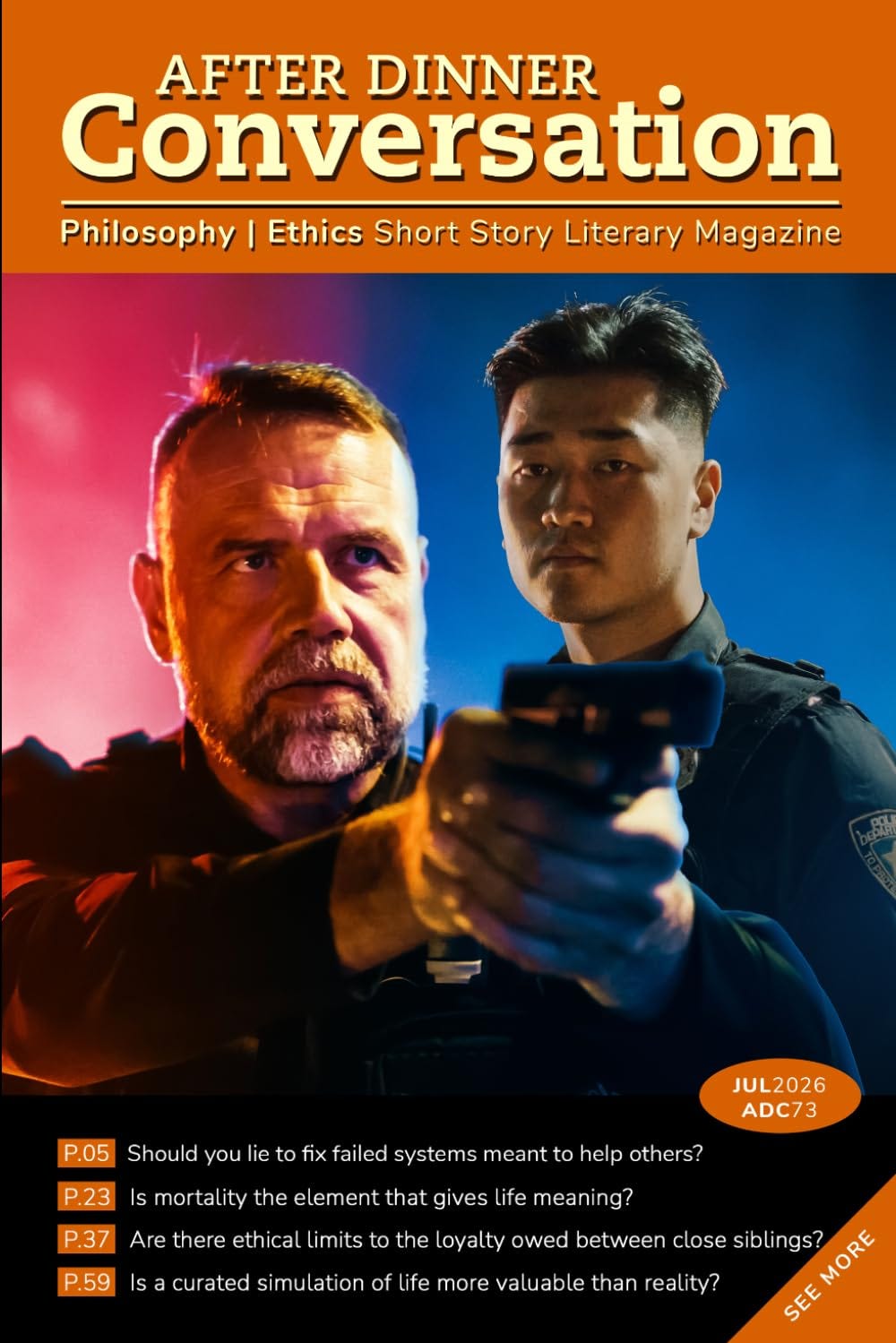
Read the newest edition of After Dinner Conversation!
Click the image to get your copy!
After Dinner Conversation - Philosophy | Ethics Short Story is a reader-supported publication. To receive new posts and support my work, consider becoming a free or paid subscriber.
ADVERTISE WITH US
Interested in advertising in this email? Learn more.
Comments
Nothing yet. Say the first thing.
Sign in to join the conversation.