
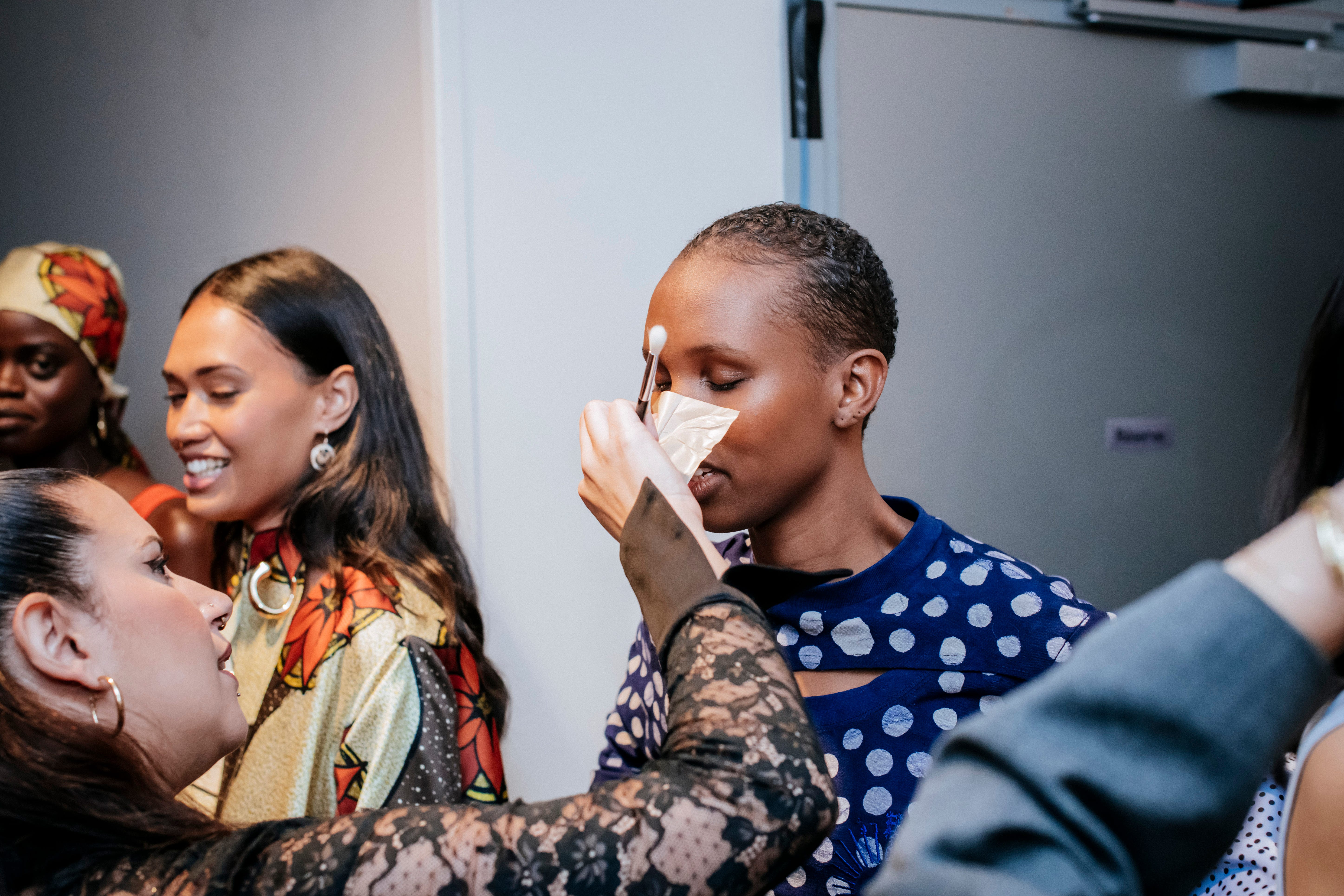
It’s always exciting for me to see African designers reach and explore new markets; that’s one of the reasons I started my wholesale agency, to develop African fashion brands into sustainable profit-making businesses.
Following appearances at Milan and Paris Fashion Week in recent seasons, African fashion is heading to the world’s largest continent. As Milan and Paris continue to become challenging to navigate (in my fashion week issue, I briefly touched on African brands falling off the fashion week schedule in Europe), Asia is emerging as the next frontier for African fashion.
From the newly launched Tranoï Tokyo, which held its first edition in September 2024 and showcased a cohort of African designers in partnership with CANEX to the recently concluded Shanghai Fashion Week autumn winter 2025 event where similarly some of the continent's most recognisable names including Orange Culture, Rich Mnisi, and David Tlale descended to the Chinese fashion capital to showcase their collections there for the first time. Organised by Africa Reimagined, a consulting agency helping African brands enter the Chinese market, the show consisted of a runway and showroom presentation.
Asia, fashion’s most complicated market?
I find Asia to be the most complex of the major global fashion hotspots. And that’s partly due to the homogeneousness of the region and to some degree a level of ignorance as well. Let’s take China for instance where the influence of Western brands is so strong and embedded into their culture and personal style. In other words, the Chinese market is influenced and driven by historic luxury brands though in the last few years, it has also focussed more on developing their homegrown labels through platforms like Shanghai Fashion Week and abroad via New York Fashion Week and others.
While the country may be commonly synonymous with counterfeit goods and fast fashion it’s also managed to maintain a top spot as one of the world's biggest luxury consumer destinations, making it a wide and dynamic market.
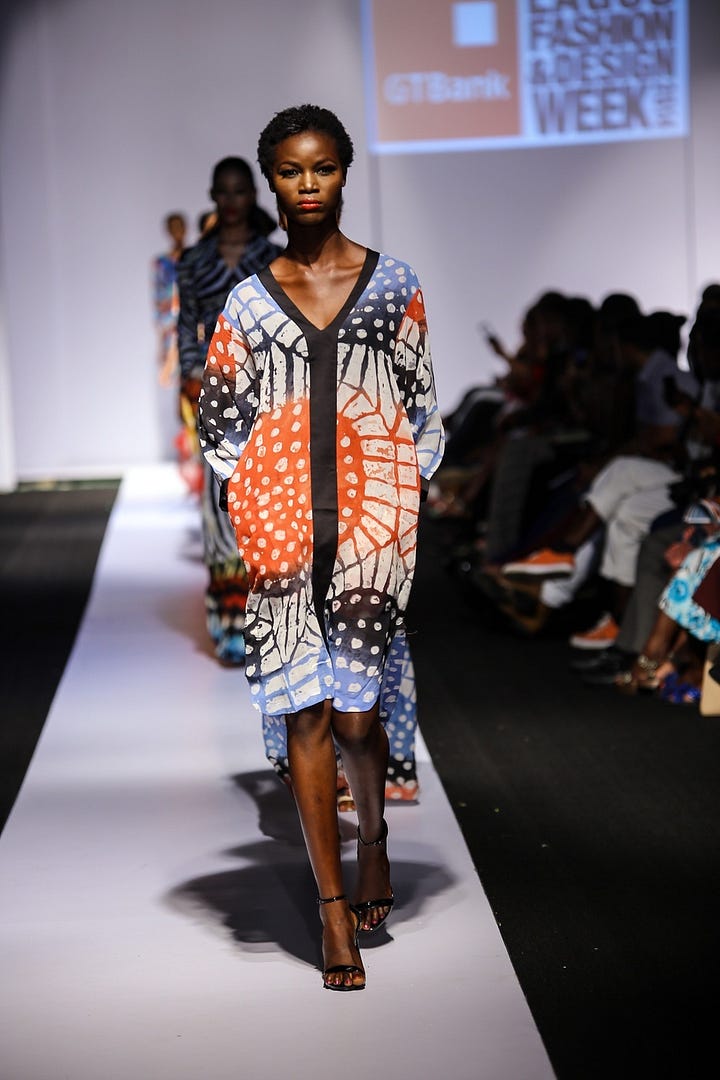
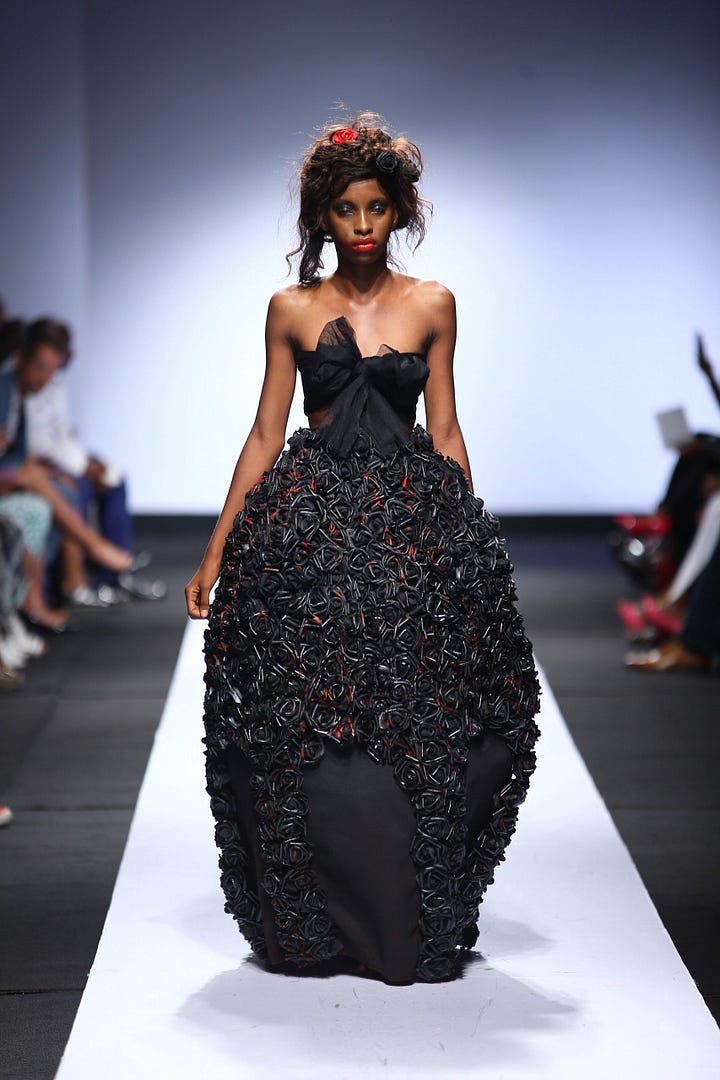
From my experience living in Beijing, I found the Chinese consumer to be specific and complex and extremely picky about the brands they invest in. The people who drive luxury there value sophisticated brands from Europe that offer timeless designs, that’s to say classic subtle shapes and neutral colours. Anything too new, too fashion and too contemporary is a hard sell especially if the price is considered high and the brand is fairly unknown. I remember how my Chinese friends and peers couldn’t fathom why an item from an African brand that’s not a major fashion house would cost USD$800. It didn’t matter to them what textiles or processes were used to bring the product to life. It just didn’t make sense! The same sentiment was also shared by a group of South Korean acquaintances. In fact, even famous brands also have a hard time navigating China’s nuanced cultural dynamics and landscape.
So when I saw some of my favourite African labels at Shanghai Fashion Week a few weeks ago I wondered how they would perform in a highly competitive landscape where anything and everything can be replicated, produced easily, much faster, and in large quantities. In contrast, African fashion is largely driven and renowned for its craftsmanship and the laborious processes of handmade designs and artisanal goods. It’s inherently slow fashion.
However, China finds itself in a uniquely different position of embracing its traditions and rich culture in crafts such as calligraphy, pottery, and embroidery alongside some of the most impressive technologies and innovations today. It’s the reason why luxury, mass retailers, and fast-fashion brands all produce there.
Beyond the ceiling
Though African fashion has always influenced the global industry, and is currently thriving creatively, its designers continue to struggle to turn their brands into lucrative and financially stable businesses. The limited, if any, financial assistance and access to essential and basic resources from African institutions and governments is one of the major reasons for this dilemma. Many of the leading brands that we see today have only managed to get where they are mostly because of international support. For example, a good number of South Africa’s most prominent designers today have all benefited from winning one international prize or another which has largely contributed to their success.
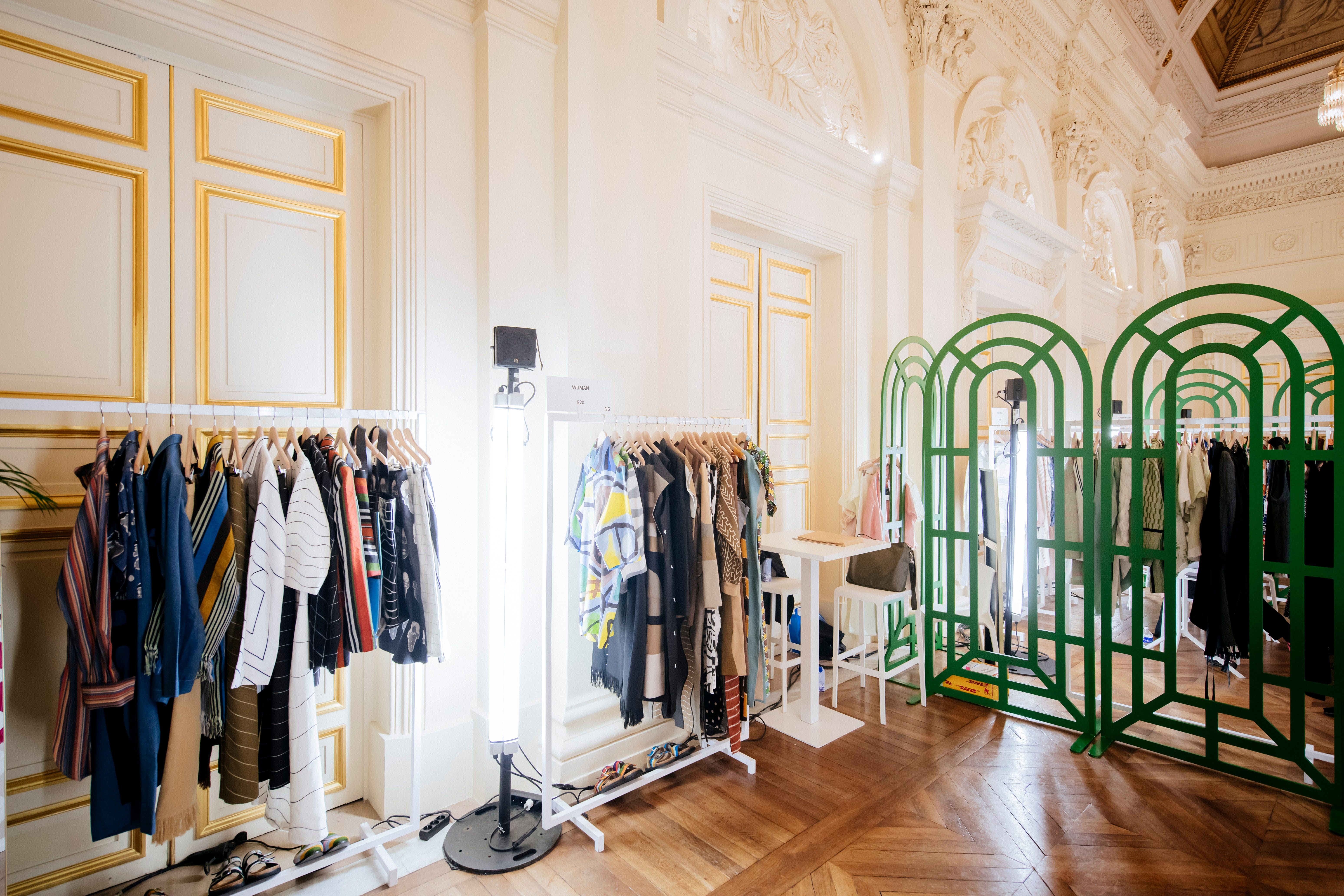
Investment has always been the missing piece of the puzzle. In all my years covering fashion and luxury on the continent, it’s been the biggest challenge for designers and a threat to our industry. Despite its increasing potential and contributions to the economy, our organizations have continuously failed to aggressively put money where their mouth is when it comes to fashion. And it’s not just about funding. Policy support, skills development programmes, infrastructure, and regional market access are key elements that can solidify the business development of the industry. Without a strong regional foundation, African fashion remains vulnerable and stunted, making it hard to reach its full potential.
Asia has historically been an obscure market for unfamiliar “outside” brands and this dynamic challenges the success of African designers entering their economy on a large scale. With that said, the outcome of these efforts to develop African fashion in China remains to be seen.
Thanks for reading this edition of Africa Fashion Decoded.
Comments
Nothing yet. Say the first thing.
Sign in to join the conversation.