
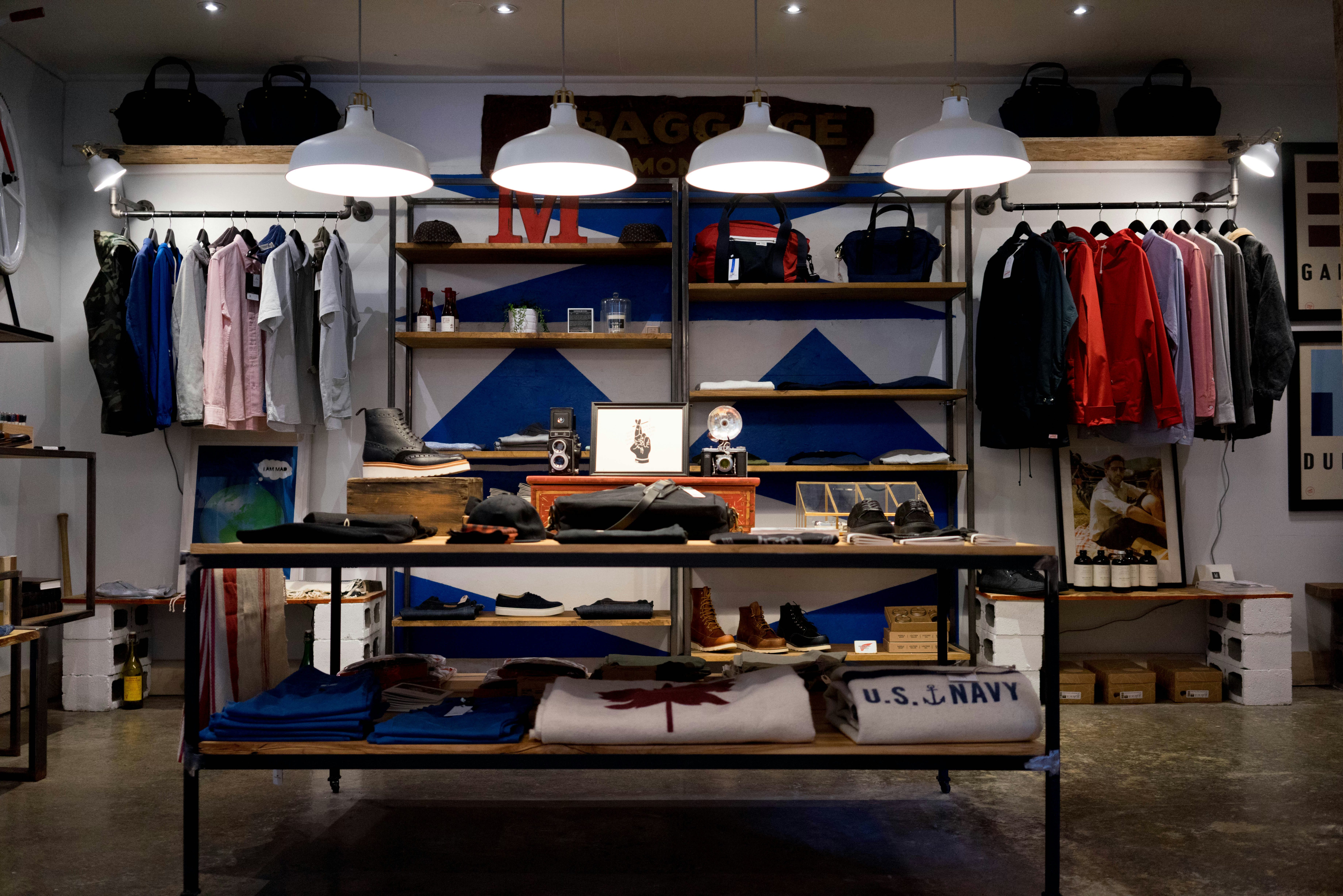
I've spent some time searching for a perfectly sized, everyday men's tote bag in buttery soft leather (not canvas). Something sleek and functional like the Marni ones. But regrettably, my search still continues. Restrictive accessibility and sometimes limited product assortment, unfortunately, remain painful hurdles when shopping for South African and indeed African designer fashion in general.
But if the growing number of new stores I’ve witnessed popping up is anything to go by, we might be on the brink of a shift with the rise of experimental, curated boutiques offering otherwise inaccessible design names and products.
From niche stores to massive retail outlets, South Africa is undergoing a retail store revival that's been slowly taking shape since 2020. During COVID-19, for example, the renowned designer Thula Sindi launched Africa Rise, a highly profitable multi-brand retail store in Sandton, the Johannesburg suburb known as one of the continent's most affluent areas to live and shop in. Another example is MaXhosa, the knitwear brand on the cusp of global expansion has been establishing stores in key cities across the country. Similarly, David Tlale, another heavyweight in the country's fashion scene, has also opened multiple brick-and-mortar spaces in the last few years.
During the same period, We Are Egg, a multi-brand retailer offering a mix of local and international contemporary brands, opened two massive stores in Cape Town and Johannesburg in succession. Egg as its commonly referred to shook the retail industry with an innovative "store within store" concept in which various brands, from Puma and Daily Paper to Rich Mnisi, occupy a dedicated space inside.
Since then, several carefully stocked boutiques of varying sizes have been rolling out across the two cities. With more recently, Ya De, a compact yet charming hidden boutique at 44 Stanley having quietly opened in late 2024 to offer West African names like Adama Paris, Obida, and Dye Lab.
Shifting Sentiments
Changing consumer attitudes towards local and regional products are leading this transformation. In recent years, consumers have become more open to supporting local and African brands, thanks to the industry's growing popularity globally.
But for many people, supporting homegrown businesses means the price must be "reasonable". In my experience, that translates to being in line with retailers like Zara and H&M for the ideal price range. Even then, the average consumer might still find that too high.
Beyond this, consumer confidence and demand is also being boosted by the end of load shedding (planned power cuts due to insufficient electricity supply) which at its crest challenged the very existence of the industry by delaying production and shortening business hours for retailers and designers among other things.
Growing Pains
Opening a store anywhere in the world is risky business, but for these retailers in particular, the challenge manifests in the consistency of stocking new and follow-up collections on a rolling basis to attract and keep customers.
In addition, the recent plan by the South African government to increase VAT from 15% to 17% raises uncertainty for both retailers and consumers alike operating in an already strained market.
Still, despite the ambiguity of where this will lead, there's plenty of room to be optimistic. If there's anything about South African fashion, it's resilient. With growing patriotism among locals reaching peak levels, the future of retail looks promising.
PS: I'm still searching for that bag and welcome any recommendations!
I’ve also curated a store with some of my favourite brands including Kilentar, Casablanca, and Lukhanyo Mdingi which you can check here.
Thanks for reading this edition of Africa Fashion Decoded.
Other posts you might like
Subscribe for free to receive new posts and support my work.
Comments
Nothing yet. Say the first thing.
Sign in to join the conversation.