
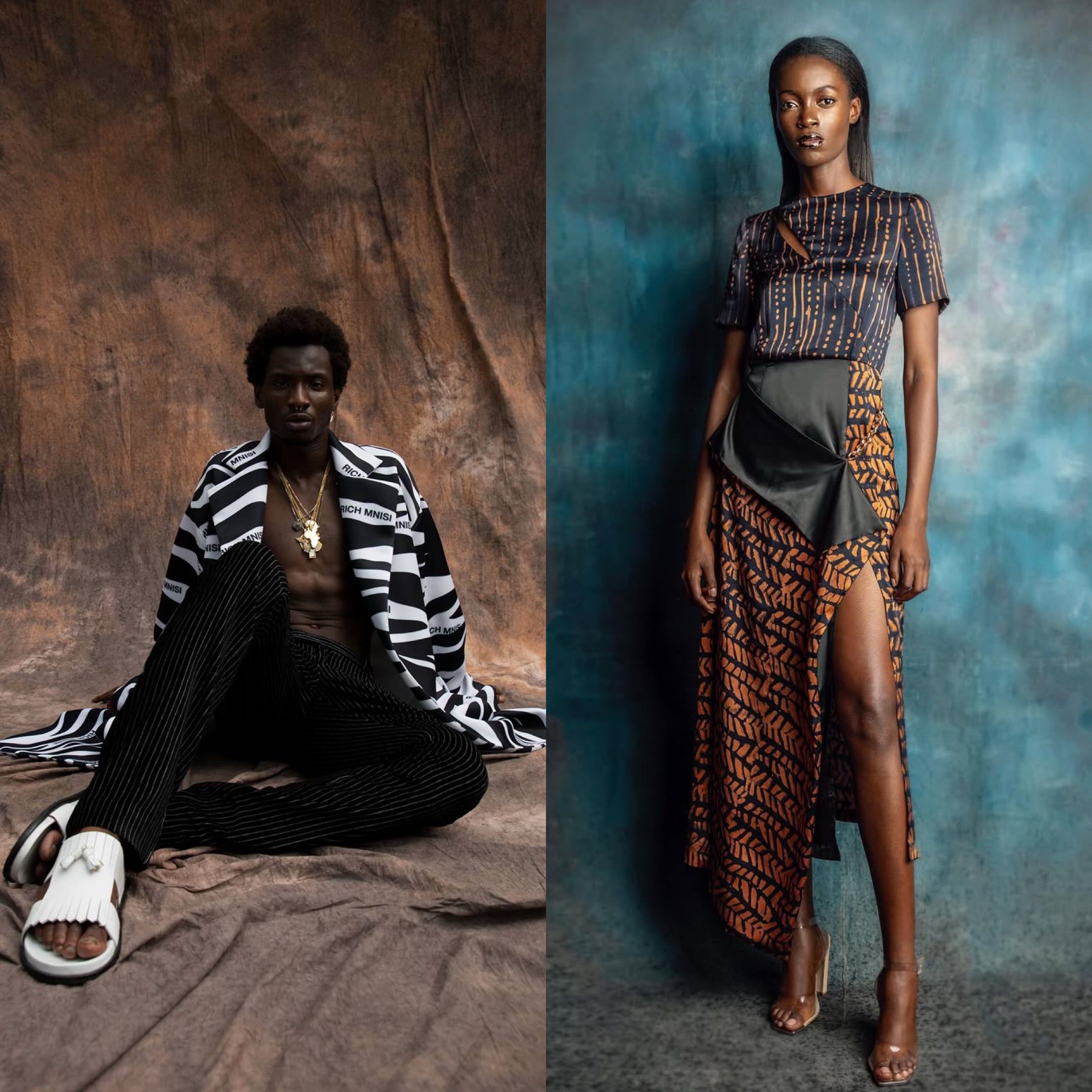
Last week, the LVMH Prize announced its 2026 semi-finalists, featuring 20 of the brightest design minds including India’s Kartik Research, Nigeria’s IamIsigo, and Kenya’s Yoshita 1967. Since its launch in 2013, the endowment has supported emerging designers from around the world.
An LVMH Prize nomination and other international opportunities, such as the Woolmark Prize, for example, have the power to transform a designer’s career trajectory, whether or not they win. Being associated with a nomination and the perks and access that come with it is often a powerful tool that helps brands boost their credibility and awareness. The likes of Nigeria’s Maki Oh and Orange Culture were early nominees of the prize back in 2014, setting the foundation for African designers to follow. Since then, numerous names from the continent have been finalists and even winners of the esteemed prize. South Africa’s Thebe Magugu famously received it in 2019, advancing his brand to the global stage.
Meanwhile, organisations on the continent that could fund brands and support designers remain disconnected from the value and potential of African fashion. Without greater buy-in, it is impossible to attain meaningful progress. That’s one thing history has continuously taught us.
Calls for more support and industry frustration over the lack thereof is nothing new and have been building for decades. The truth is, our institutions are not doing enough to move the needle for African fashion. At a time when the business of fashion could be thriving, creating more jobs and driving economic value, we find the industry commercially stagnant, designers disappearing into obscurity, and seasoned brands still struggling to get by. It’s proof that creativity alone cannot build a fully-functional and financially viable system. And for now, creativity is mostly all we have.
Will the sector ever reach its full potential? In my view, not when institutions are not open to collaboration, do not invest enough, and fail to engage fashion experts. The success and growth of African fashion depends on the development of an ecosystem in which multiple entities — from industry professionals, to the media, policy makers, and investors, are involved. Each one has an important role to play.
Until then, our industry will most likely continue to lag behind because creativity without commercial value eventually dies and talent without support fades.
That’s all for now. Thanks for reading this edition of Africa Fashion Decoded.
Comments
Nothing yet. Say the first thing.
Sign in to join the conversation.