
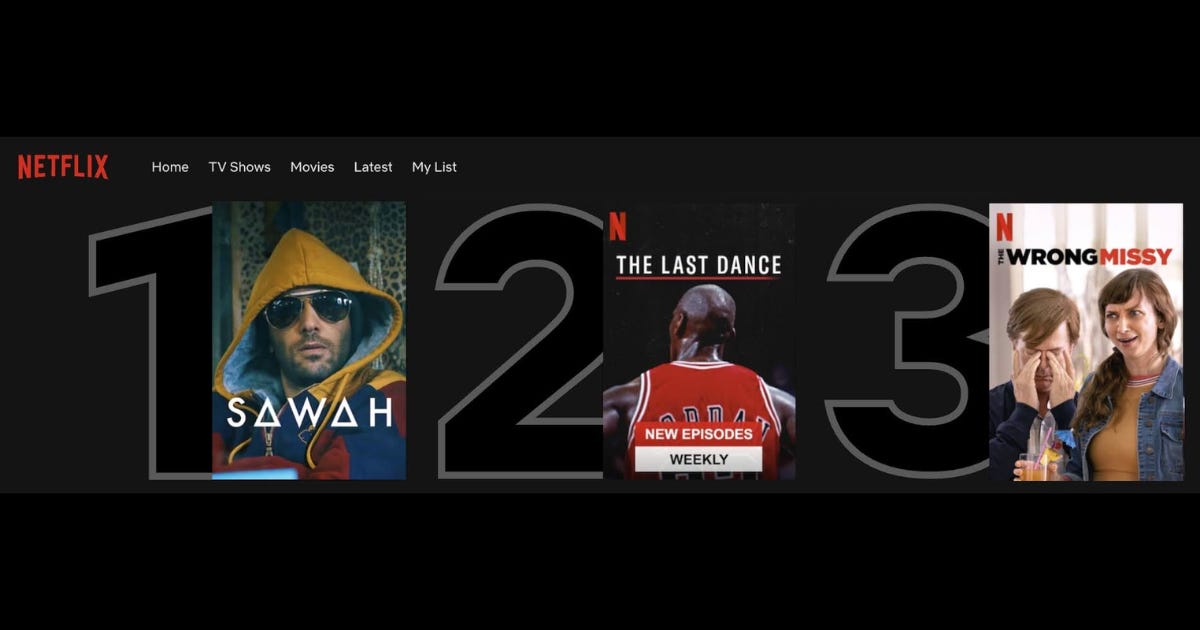
My film played over a hundred festivals across six continents. Six thousand people in Beijing laughed at jokes I wrote alone in my bedroom in Luxembourg. It hit number one on Netflix in several of its licensed territories, sitting next to a Michael Jordan documentary, and sold out every copy on Walmart shelves across the US and Canada. And today, if you search for it in France or Germany, the markets I actually wanted to reach, you’ll find nothing. No review. No article. No trace it ever existed.
That’s not a failure of the film. That’s a failure of the plan. And it’s the same failure I watch happen to almost every independent film I’ve worked on in twenty years, mine included.
Every filmmaker treats the festival premiere like the reward at the end of a long road. You write for years, you scrape together financing, you survive a brutal shoot, and then your film screens in front of a real audience for the first time. It feels like arrival.
It isn’t. It’s the start of a second production, one with its own budget, its own timeline, and its own skillset, and almost nobody plans for it the way they planned the shoot.
I learned this the hard way on my own film, Sawah. It took seven years to finance and shoot. It took another seven, and counting, to figure out distribution. And distribution is where most of the real damage happens, quietly, long after anyone is paying attention to your film anymore.
Here are the four ways I’ve watched films, including my own, lose the fight after the festival run ends.
Sawah is the Arabic word for “traveller,” and it’s also the title of a very famous Egyptian song. I built the film’s entire identity around it. The trailer used it. The mood of the film leaned on it.
I assumed the producers had cleared the rights. They hadn’t. At the end of shooting, when I asked for confirmation, I was told, essentially, to be creative and find a workaround. The actual rights to that song would have cost close to our entire production budget.
So I called a friend, a hip-hop producer, and we built a soundtrack from scratch in the same rhythm. It worked, in the end. But that’s not a plan. That’s a scramble that happened to land on its feet.
Music rights, archive footage, name and likeness, even the right to use a real city’s name in your marketing depending on the country, all of it needs to be locked before you’re deep into a shoot, not after. If your distribution depends on an asset you don’t legally hold, you don’t have a film. You have a liability with good reviews.
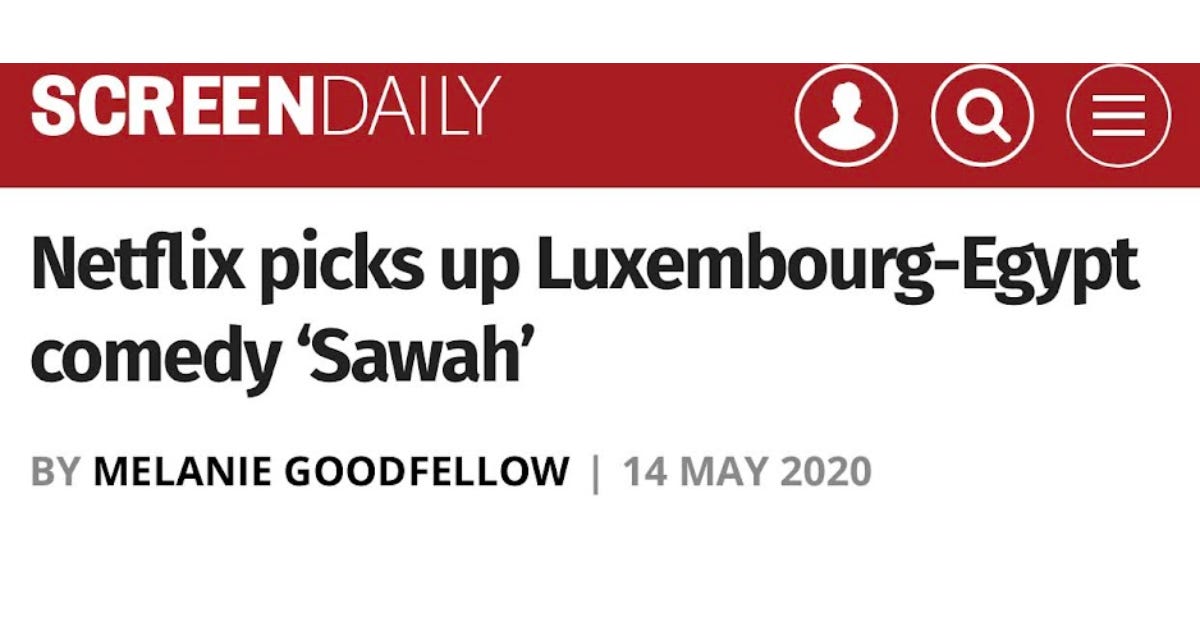
A few weeks before COVID hit, I showed Netflix the trailer at the Berlinale. Two weeks later, they called wanting to acquire it. There are two ways that conversation usually goes: a buyout, where they pay you the full budget plus a premium and take the film entirely, or a license, where you keep the rights and they get the film for a fixed time in fixed territories.
I licensed it. For three years, in a defined set of countries.
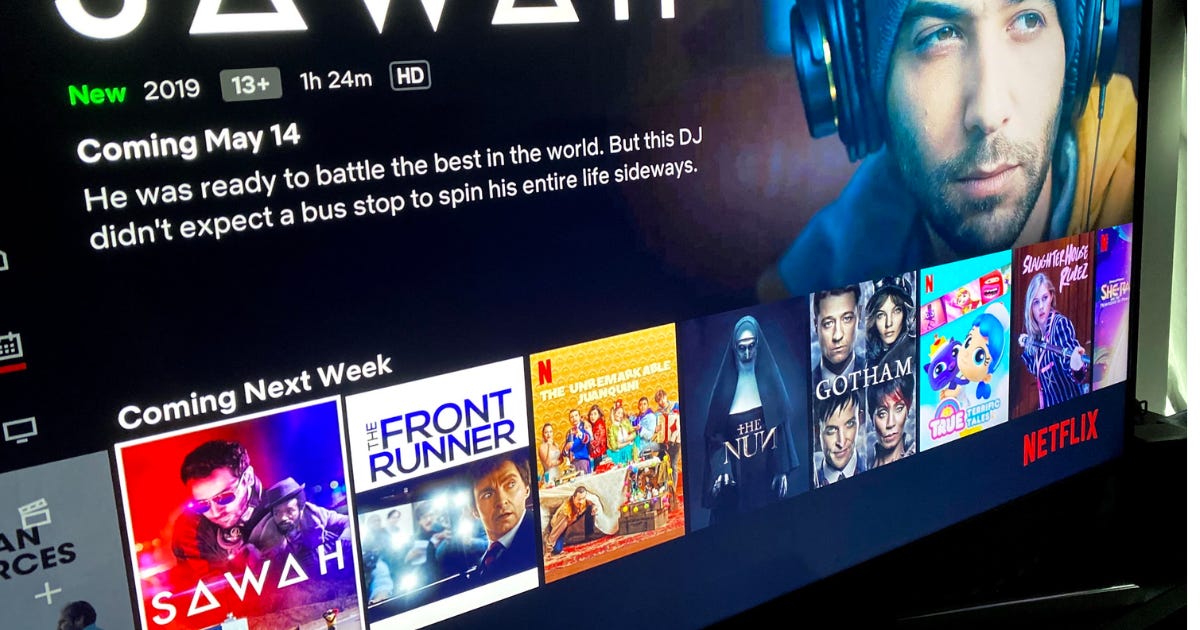
Most first-time filmmakers don’t know this distinction exists until they’re sitting across from someone offering them a deal. And the instinct is almost always to take the biggest single number on the table. I didn’t, because a buyout meant losing control of a film I’d reinvested my own fees into completing. The license meant I could still sell the same film, separately, to Sony Pictures Entertainment for DVD and Blu-ray distribution in the US, separately again for broadcast across the Middle East, and separately again for a theatrical release I’m still trying to get off the ground in Europe.
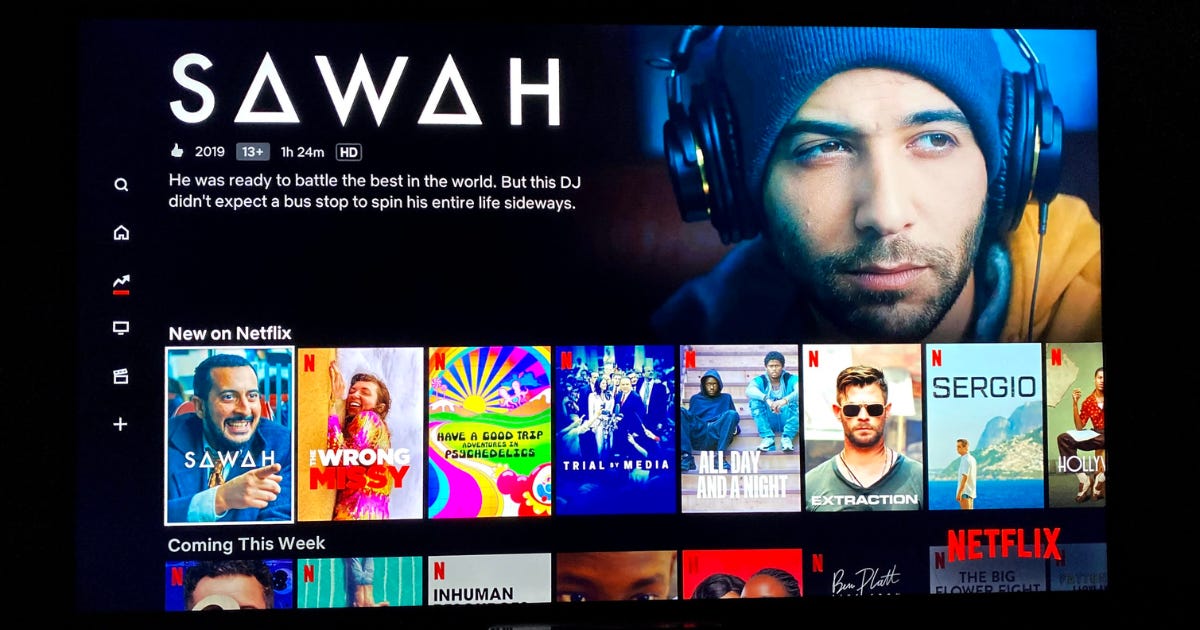
One buyer means one outcome. A portfolio of smaller deals across different territories and formats means the film keeps earning, and keeps existing, in more places at once. Distribution is not one decision. It’s a series of decisions, and the first one shapes everything after it.
The plan was a European theatrical run. Then COVID arrived, and every confirmed release across France, Germany, Belgium, the Netherlands, and Scandinavia collapsed at once. Not delayed. Cancelled.
Nobody plans for a global shutdown specifically. But everybody should plan for the fact that release windows are fragile, and that a single point of failure in your calendar, one market, one date, one festival slot, can take the whole release down with it if something external goes wrong.
The films that survived that period weren’t the ones with the best content. They were the ones with enough flexibility in their distribution plan to pivot toward broadcast, streaming, or a different territory when the original plan died.
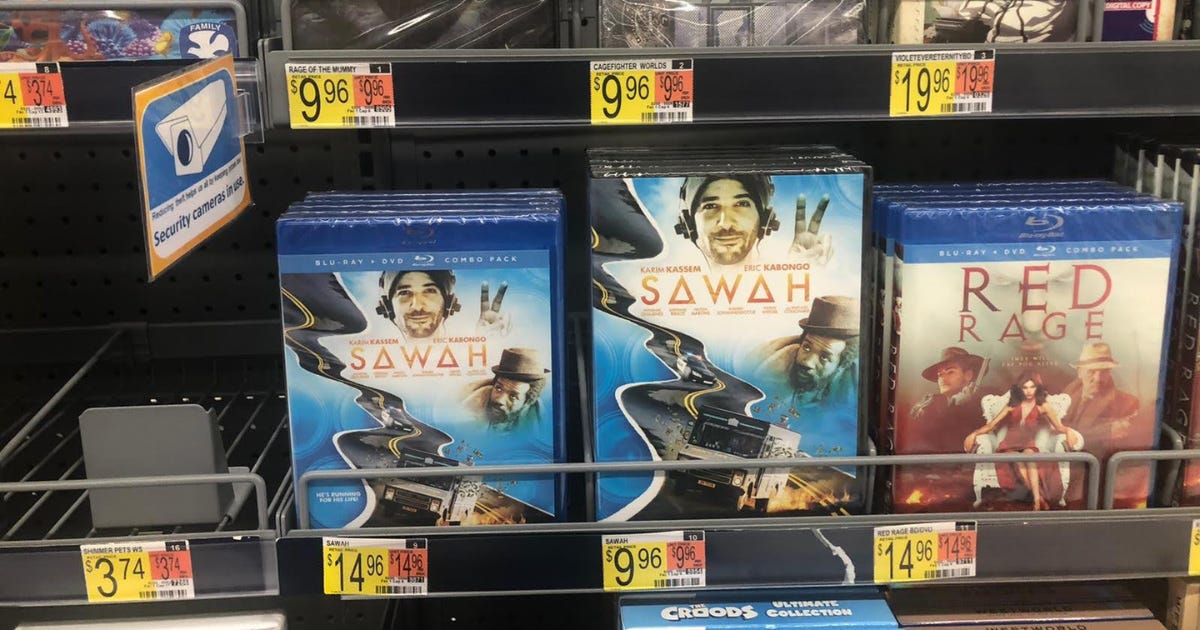
Here’s the part that surprises people most. The film hit number one on Netflix in several countries. It sold out at Walmart. It got real press in trade publications. By every visible measure, it looked like a hit.
I still haven’t recouped my own fees, the ones I reinvested to get the film made in the first place.
Visibility and profitability are different games, with different rules. A strong festival run, a streaming placement, even a viral moment, none of it automatically converts into money back in your pocket unless the underlying deal structure was built to do that. Knowing the difference between a deal that builds your reputation and a deal that builds your bank account, and knowing which one you actually need at this stage of your career, is a financial decision, not a creative one.
I’d lock my rights before production, not during it. I’d structure a distribution plan with multiple buyers and multiple formats in mind from the start, instead of discovering the options reactively after a festival premiere. I’d build calendar slack into every release plan, because something will go wrong, every time, somewhere. And I’d separate the question of where my film gets seen from the question of where it makes money, because they are rarely the same answer.
None of this is about talent. Sawah worked. It travelled to over a hundred festivals, played in Beijing to an audience that had never heard of Luxembourg, and found real fans in territories nobody expected. The film was never the problem.
The plan was always built after the fact, instead of before it.
This is exactly the gap I built FilmLaunch AI to close. Not after your premiere, when the festival buzz is fading and you’re improvising a distribution strategy under pressure. Before you’ve finished the shoot, while there’s still time to structure rights, plan territories, and build a release strategy with real options instead of one desperate phone call to whoever happens to be interested that week.
Most filmmakers don’t fail because their film wasn’t good enough. They fail because nobody taught them that distribution is a plan, not a reward.
Where does your film actually sit right now? Do you have a distribution plan, or are you waiting for the festival to hand you one?
About Adolf El Assal
Adolf El Assal is an award-winning filmmaker, writer, producer, and international consultant. His films have screened at leading festivals and reached audiences worldwide through Netflix, Amazon Prime, and international theatrical releases.
Explore his work, book consulting sessions, or get in touch at www.adolfelassal.com.
No posts
Comments
Nothing yet. Say the first thing.
Sign in to join the conversation.