
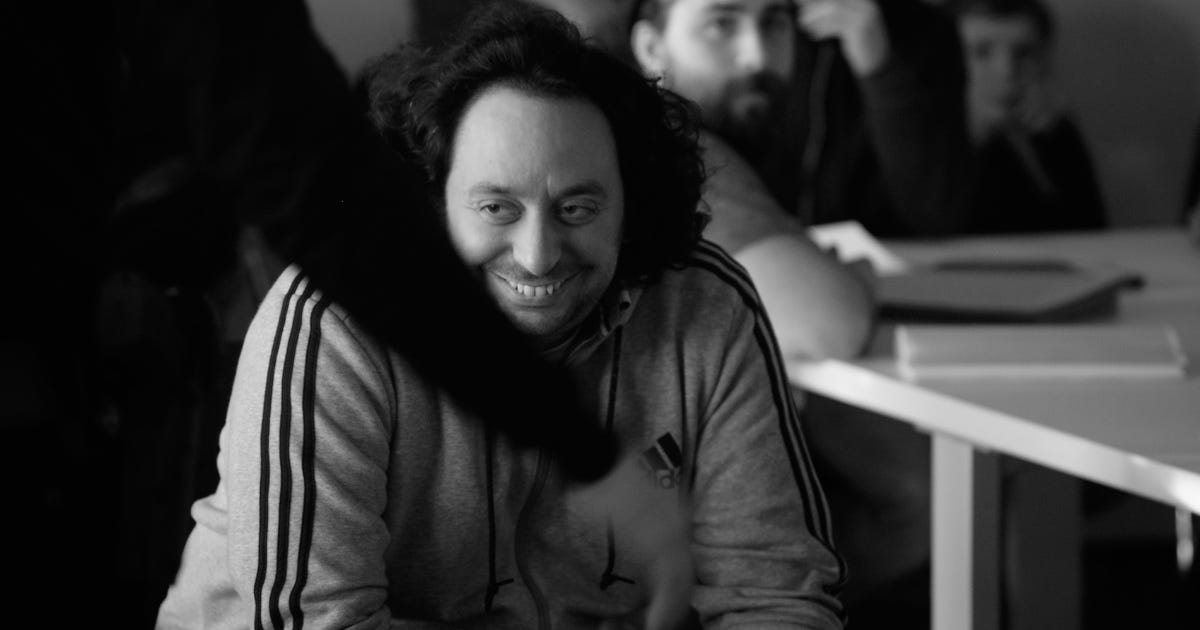
I was in the middle of directing a scene when someone handed me a contract to sign. Not after wrap. Not over coffee with a lawyer reading it line by line. On set, between takes, with the crew waiting and my actors still in costume. I signed it anyway. I didn’t have a lawyer. I didn’t have a driver. I didn’t even have an assistant to tell me to slow down and read the fine print. I had a film I’d spent years trying to get made, and a fear that if I asked too many questions, the money would disappear. So I signed. That’s the part nobody tells you about your first real feature. The hardest negotiation isn’t with the financiers. It’s with yourself, about how much you’re willing to give up just to keep going.
The deal that felt like rescue
For years, the fund in my country had rejected every project I brought them. Then one day, after countless drafts and countless versions of a script that had started as a quiet family drama and slowly turned into a comedy about identity and displacement, they said yes. The relief was enormous. I remember the head of the fund smiling and saying, “Finally, that’s what I wanted to hear from you.” After years of closed doors, that single sentence felt like validation I’d been chasing my whole career.
But relief like that comes with a cost most people don’t see coming. When someone finally believes in you after years of rejection, you don’t negotiate from a position of strength. You negotiate from gratitude. And gratitude, when it’s the only leverage you have, is a terrible position to write a contract from.
I agreed to bring on a co-producer assigned to the project, someone who’d lived for decades in the US and carried herself with the confidence of someone used to getting her way. At first, the relationship was warm. We got along. I thought I’d found someone who would protect the film alongside me. I was wrong about what that protection would actually look like.
The slow erosion
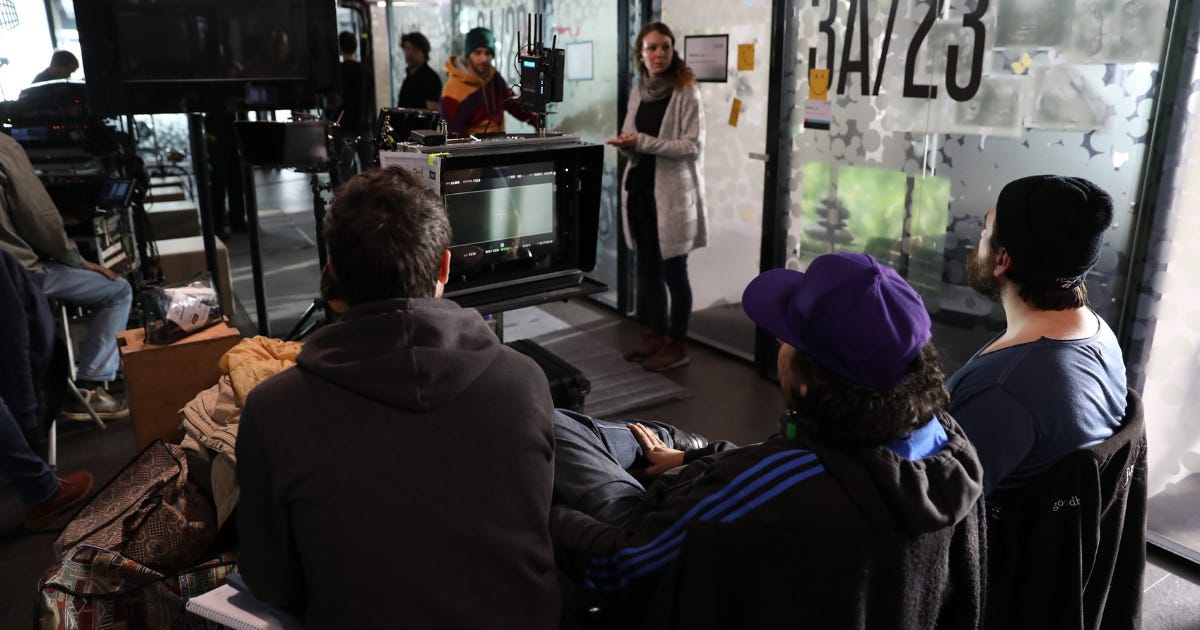
Once the money was confirmed, everything shifted. I had no assistant. No driver, so I took the bus to set most days, which on a multi-country shoot with packed schedules is its own quiet humiliation. I had no lawyer, because I couldn’t afford one, and because nobody on the production side thought to provide one for the person directing, writing, and producing the film simultaneously.
The financing structure meant I had to pre-finance parts of the budget myself, then get reimbursed after auditing the spend. That meant signing personal liability paperwork with the bank, agreeing that if the production went over budget, I was on the hook. I signed that paperwork during the shoot. Not in an office. On set, between setups, with my mind split between blocking a scene and reading legal language I barely had time to process.
I reinvested my own writer’s fee, director’s fee, and producer’s fee back into the film to keep it moving. I wasn’t paying my rent properly during that period. I told myself this was the cost of finally getting a real feature made, the cost of proving I belonged in a system that had spent years telling me I needed to do more short films first before anyone would take me seriously.
The moment of clarity
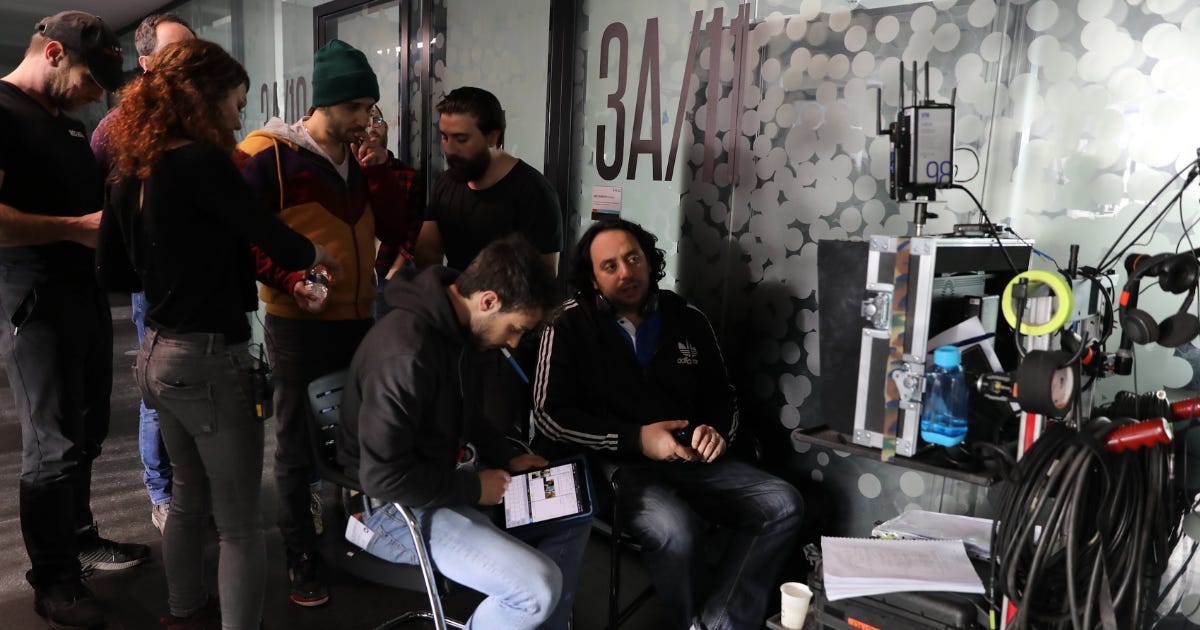
The clearest sign that something was wrong came a few days before we started shooting, at the table read. Forty people in the room, cast and crew, going through the script together for the first time as a group. The co-producer started shouting at me mid-read, objecting to dialogue that had already been approved, already funded, already part of the script the fund had signed off on. In front of everyone.
I remember standing there thinking, you didn’t even read this before now. This is the exact script we got the money for. How is this happening two days before we shoot?
That moment stayed with me longer than almost anything else from the production. Not because it was the worst thing that happened, plenty went wrong before and after, but because it showed me clearly what the relationship actually was. It wasn’t a partnership. It was a power dynamic dressed up as one, and I had agreed to it by staying quiet for too long.
What I’d do differently
People sometimes ask if I’d make that film again, knowing everything I know now. Yes, without hesitation. But not the same way.
The biggest change isn’t about the script or the schedule or even the budget. It’s about contracts. I will never again sign anything while I’m in the middle of shooting. Not because the people asking are necessarily dishonest, but because the moment you’re directing, you don’t have the mental space to also be your own legal defense. Those two jobs cannot happen in the same breath.
I also stopped treating gratitude as a reason to accept poor treatment. For a long time, I believed that because someone had given me a chance, I owed them my silence when things went wrong. That belief cost me money, dignity, and energy I should have spent on the work itself. Producers and directors need each other. That’s true. But needing each other doesn’t mean one side gets to set every term while the other side just says thank you.
I wrote about this more fully in my book, because it’s the lesson that took me the longest to learn and the one I think matters most for anyone starting out. Not the lesson about financing structures or co-production treaties, those you can learn from books and panels. The lesson about knowing your own value before someone else decides it for you, that one only comes from getting it wrong first.
The takeaway
If you’re in the position I was in, desperate enough to say yes to almost anything just to keep a project alive, I understand that desperation completely. I’m not telling you to walk away from hard deals. I’m telling you to read everything before you sign it, to find someone who can read it with you if you can’t afford a lawyer yet, and to remember that the people offering you your first real chance are not doing you a favor that erases your right to protect yourself.
What would you have done differently on your first real project, if you’d known what you know now?
About Adolf El Assal
Adolf El Assal is an award-winning filmmaker, writer, producer, and international consultant. His films have screened at leading festivals and reached audiences worldwide through Netflix, Amazon Prime, and international theatrical releases.
Explore his work, book consulting sessions, or get in touch at www.adolfelassal.com.
No posts
Comments
Nothing yet. Say the first thing.
Sign in to join the conversation.