
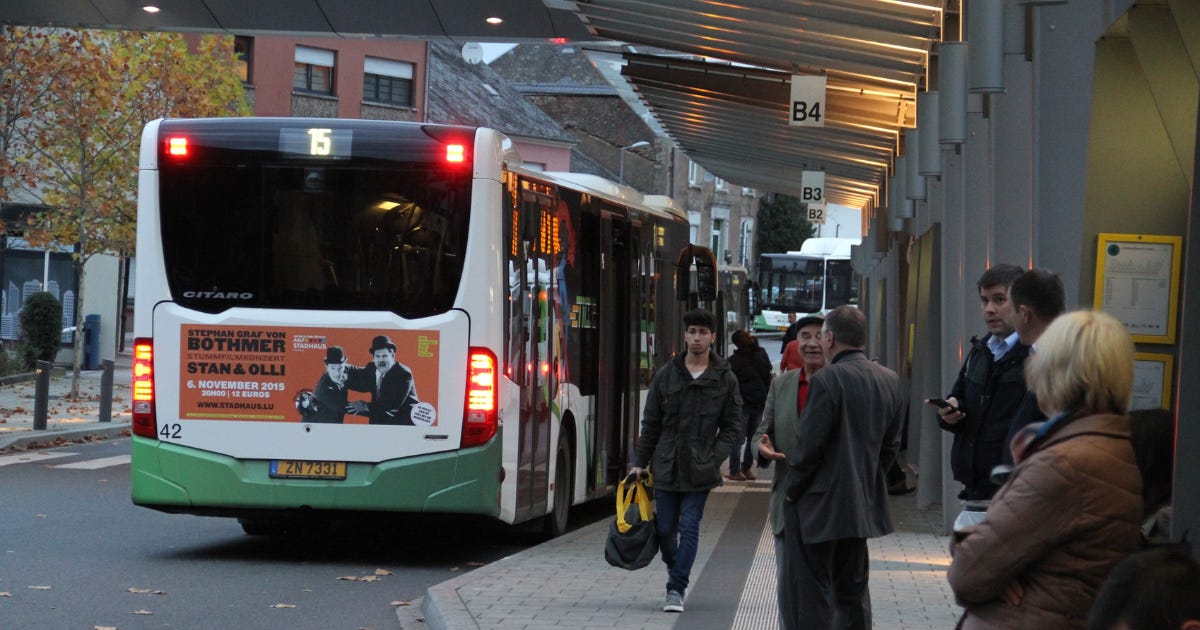
That winter, I couldn’t pay my rent and I directed a feature film at the same time. Both were true. Every morning I left an apartment I could barely afford and waited for a bus in the cold, because the producers hadn’t arranged a car. Not for budget reasons. They simply hadn’t thought of it. I was the writer, the director, and the producer of that film, the person the entire production depended on, and I was also the person nobody bothered to pick up. I’d reinvested every fee I was owed to keep the film alive, and somewhere in that decision, I’d also agreed, without saying it out loud, that I didn’t need to be taken care of. I was wrong about that.
The film was called Sawah. It took seven years to make, and by the time we were shooting, I’d put my writer’s fee, my director’s fee, my producer’s fee, and my rights into the budget. All of it. I didn’t do this because someone forced me to. I did it because the alternative was watching the film collapse after years of work, and I couldn’t accept that. So I signed away my own income and told myself it was a sacrifice worth making.
What I didn’t expect was what came with it. Once I’d made myself financially invisible on my own production, I became invisible in other ways too. The actors had drivers. Some had assistants handling their schedules and their comfort. I had a bus pass (it was before Luxembourg made public transport completely free) and an hour long ride through the cold to get to a set where I was about to direct people who’d been driven there in heated cars. Nobody planned this cruelly. Nobody sat in a room and decided the director didn’t deserve a ride. It just never occurred to them, because somewhere along the way, I’d stopped being someone whose comfort mattered to the production. I’d signed up to be the person who absorbed whatever was left over after everyone else was accounted for.
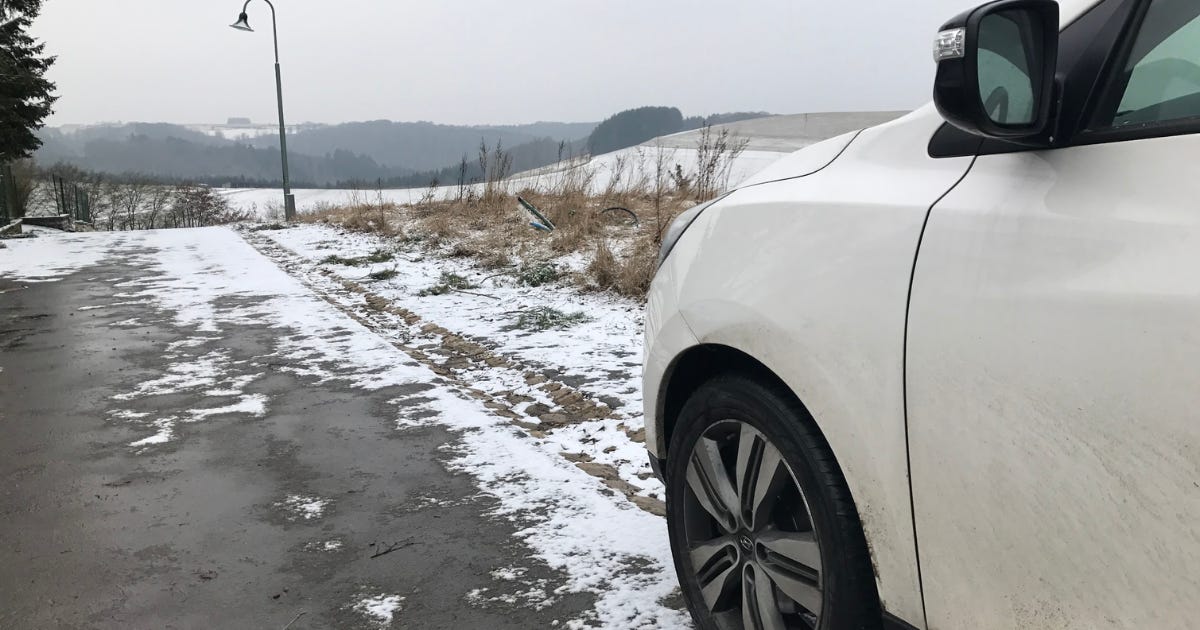
This is the part of independent filmmaking nobody puts in the masterclass slides. The funding pitch decks talk about packaging and territories and tax rebates. They don’t talk about the morning you’re doing the math on whether you can afford both rent and groceries that week, while also being responsible for forty crew members’ workday going smoothly. They don’t talk about how easily you accept this, because you’ve convinced yourself the film matters more than your own conditions.
I want to be clear about something. This isn’t a story about producers who were villains. The same producers who never arranged a car also helped me get distribution rights I still hold today, rights that opened doors years later. People are rarely simply good or simply careless. They were both, at different moments, and I let the careless moments slide because I needed the good ones too badly to make a fuss.
But I also have to be honest about my own part in this. I never asked for a car. I never said the words out loud: I cannot afford to get to my own set, and that is a problem someone other than me should help solve. I’d grown up believing that asking for things like that made you difficult, made you the demanding artist nobody wants to work with twice. So instead, I quietly disappeared into the budget I’d helped balance, and I told myself this was just what it took.
It took five to seven years, on average, to get a film like mine off the ground in Europe, where most production depends on public funding and the patience that requires. Nobody warns you that the wait isn’t just professional. It’s personal too. You’re not just developing a script for half a decade. You’re deciding, year after year, what you’re willing to give up to keep believing in something nobody else has fully committed to yet.
What I got in return, eventually, mattered. Sawah went to over a hundred festivals. It was licensed to Netflix and Sony Pictures Entertainment. It played in front of six thousand people in Beijing and made my family, who never believed I’d make it as a filmmaker, finally watch something I’d built. None of that happened because I took the bus. It happened because the film was good enough to travel, and because I’d held onto distribution rights that turned out to be worth more than any single fee I’d given up.

But here’s what I’d tell anyone reading this who is mid-sacrifice right now, wondering if it’s worth it. There’s a difference between giving something up for your work and disappearing inside it. The first is a choice you can make with your eyes open. The second happens quietly, one small unasked-for thing at a time, until you look up one winter morning and realize you’re the only person on a forty-person production whose basic comfort nobody considered, including you.
Would I reinvest everything again to save a film I believed in? Yes, without hesitation. Would I take the bus again without ever raising my hand and saying this isn’t sustainable? No. That’s the boundary I didn’t know I needed until I’d already paid the cost of not having it.
If you’re in the middle of your own version of this right now, ask yourself the question I didn’t ask soon enough: are you sacrificing for the work, or have you simply stopped counting yourself as someone worth taking care of? Those are not the same thing, and the difference is the one thing I wish someone had told me before that winter, not after it.
About Adolf El Assal
Adolf El Assal is an award-winning filmmaker, writer, producer, and international consultant. His films have screened at leading festivals and reached audiences worldwide through Netflix, Amazon Prime, and international theatrical releases.
Explore his work, book consulting sessions, or get in touch at www.adolfelassal.com.
No posts
Comments
Nothing yet. Say the first thing.
Sign in to join the conversation.