
The Red Sea has once again emerged as one of the world's most dangerous strategic waterways after Yemen's Houthi movement declared a maritime embargo against Saudi Arabia, prompting commercial shipping to reassess the risks of operating in one of the busiest maritime corridors on earth. Within hours of the announcement, ship-tracking data showed at least seven oil tankers and commercial vessels making abrupt U-turns or altering their routes, highlighting how geopolitical threats can instantly reshape global trade.
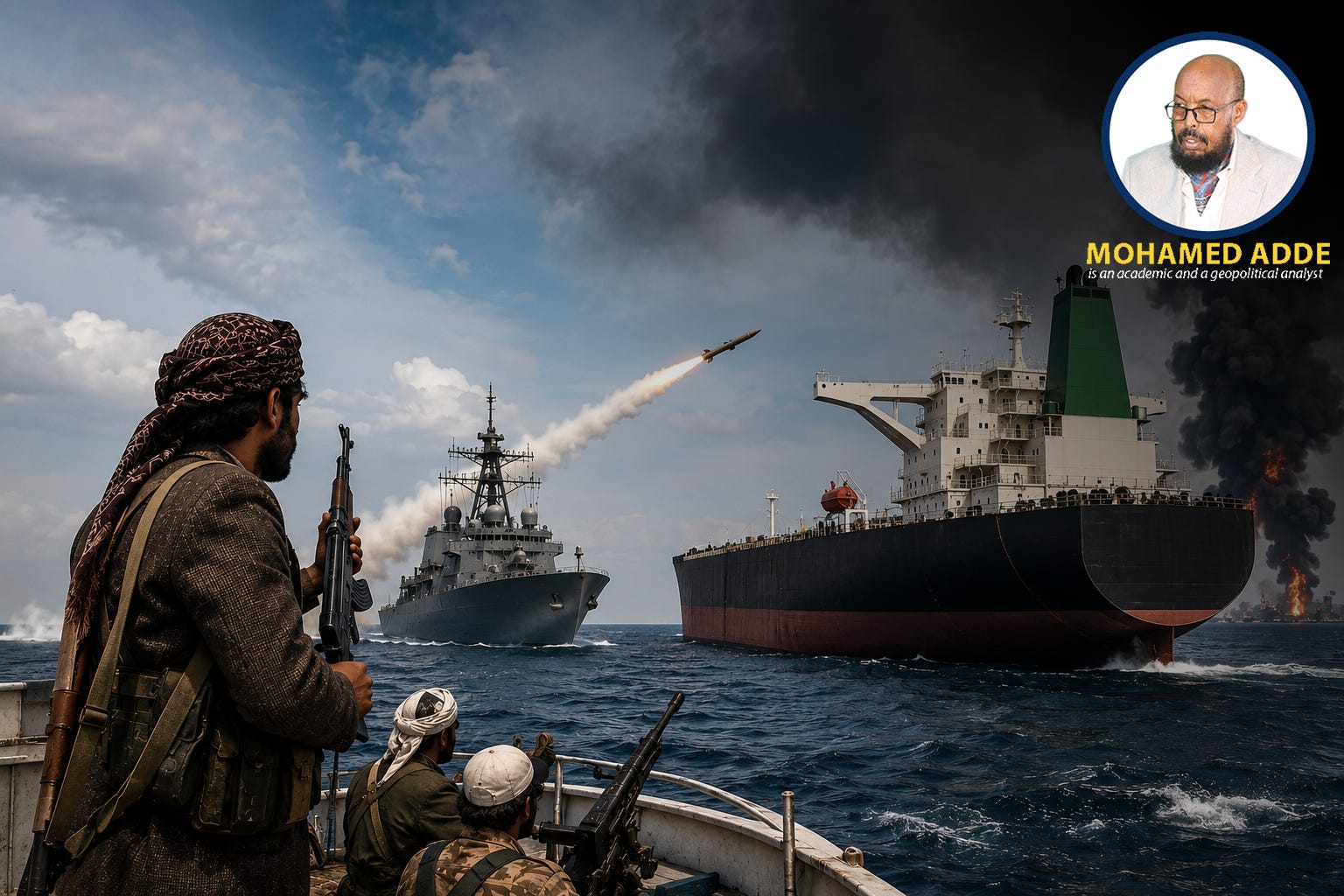
Although the Houthis have targeted shipping in the Red Sea before, this latest declaration represents a significant escalation. Rather than focusing solely on vessels linked to Israel or its allies, the group has broadened its warning to ships trading with Saudi Arabian ports, effectively placing one of the world's largest oil exporters under direct maritime pressure. The move comes as the Middle East continues to grapple with the consequences of the recent U.S.-Israeli-Iran confrontation, which has already disrupted energy markets and heightened concerns over the security of vital sea lanes.
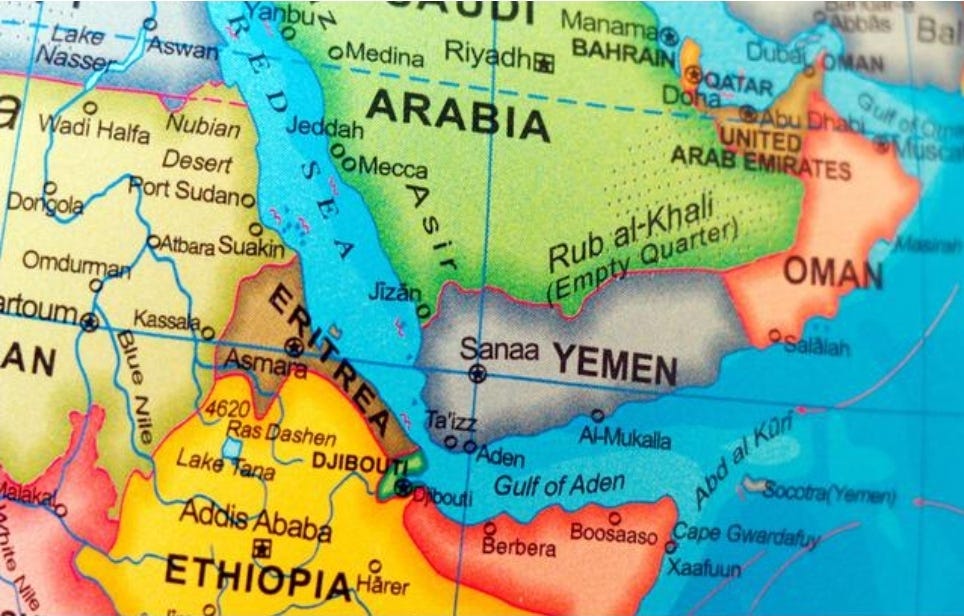
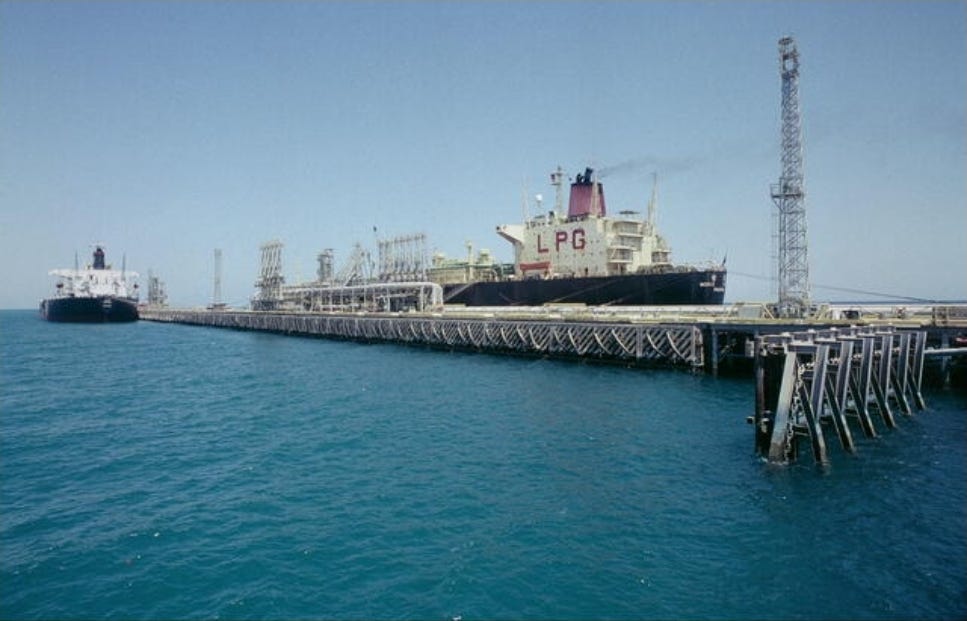
The timing of the embargo is particularly significant. Since tensions around the Strait of Hormuz sharply reduced the movement of Gulf oil exports, Saudi Arabia has increasingly relied on its Red Sea infrastructure to transport crude oil to international markets. The Kingdom's East-West pipeline, linking oil fields in eastern Saudi Arabia to the Red Sea port of Yanbu, has become a strategic alternative to the Gulf route. By threatening shipping in the Red Sea, the Houthis are effectively challenging Saudi Arabia's principal contingency plan for maintaining energy exports during periods of regional instability.
The immediate reaction from the shipping industry illustrates how modern commerce responds not only to actual attacks but also to credible threats. Shipping companies, insurers and charter operators constantly evaluate risk, and even the possibility of missile or drone attacks can be enough to alter commercial decisions. Every course change reflects calculations about crew safety, insurance premiums and financial exposure. For shipowners, avoiding danger is often less costly than navigating through a conflict zone where a single strike could result in catastrophic losses.
The Red Sea occupies an extraordinary position in the global economy. Connecting the Mediterranean Sea to the Gulf of Aden through the Suez Canal and the Bab al-Mandab Strait, it carries nearly 15 percent of global maritime trade. Millions of barrels of oil, liquefied natural gas, manufactured goods, food supplies and consumer products pass through this corridor each day. Any prolonged disruption therefore extends far beyond the Middle East, affecting supply chains across Europe, Asia and Africa.
For energy markets, the implications are profound. Global oil prices are influenced not only by production levels but also by confidence in transportation routes. Even if Saudi Arabia continues producing oil at normal levels, uncertainty over its ability to export efficiently introduces additional market volatility. Traders often price geopolitical risks into futures markets, meaning that fears of disruption can increase prices long before any physical shortage develops.
The maritime embargo also exposes the growing sophistication of non-state actors in influencing international commerce. The Houthis have demonstrated an ability to combine drones, ballistic missiles, anti-ship missiles and maritime surveillance to create a security challenge that extends well beyond Yemen's coastline. While their military capabilities remain limited compared to conventional naval powers, they have repeatedly shown that relatively inexpensive weapons can threaten billion-dollar shipping industries and compel multinational companies to alter global logistics.
Saudi Arabia views the latest development as an attack on international navigation rather than merely a bilateral dispute. Riyadh has consistently argued that freedom of navigation through the Red Sea is protected under international law and that commercial shipping should remain insulated from regional political conflicts. Saudi officials have also stressed that attacks on merchant vessels undermine global economic stability, not simply Saudi national interests.
From Washington's perspective, the embargo reinforces longstanding concerns about maritime security in one of the world's most critical chokepoints. The United States has invested heavily in protecting freedom of navigation throughout the region, maintaining a substantial naval presence designed to deter attacks against commercial shipping. However, the persistence of Houthi operations demonstrates the limitations of military deterrence when confronting a movement capable of launching mobile missile and drone attacks from Yemen's coastline.
The crisis also illustrates how interconnected the Middle East's various conflicts have become. What began as Yemen's civil war has gradually evolved into a regional security issue involving Saudi Arabia, Iran, Israel and the United States. Each new confrontation creates ripple effects that spread across multiple theatres, making it increasingly difficult to isolate individual conflicts. Maritime security, energy exports and regional diplomacy have become inseparable components of a wider geopolitical struggle.
For international shipping companies, uncertainty has become the new normal. Insurance premiums for vessels entering high-risk waters have risen significantly during previous Red Sea crises, and further increases appear likely if threats continue. Longer shipping routes around the Cape of Good Hope remain an alternative for some cargoes, but they involve higher fuel consumption, extended delivery times and increased transportation costs. Those additional expenses are ultimately passed on to businesses and consumers around the world.
Asian economies may prove particularly vulnerable to sustained disruption. China, India, Japan and South Korea all depend heavily on Middle Eastern energy supplies, while European markets rely extensively on the Suez Canal for trade with Asia. Any prolonged instability therefore risks slowing economic activity well beyond the region itself, reinforcing inflationary pressures that many countries are still struggling to contain.
Another important consequence is the impact on investor confidence. Energy infrastructure, shipping companies and maritime logistics all rely on predictability. Persistent instability discourages investment, increases financing costs and complicates long-term planning. Even temporary disruptions can reshape commercial behaviour, encouraging companies to diversify supply chains or seek alternative transportation corridors.
The diplomatic implications are equally significant. The latest developments may intensify calls for renewed negotiations aimed at reducing tensions in Yemen while simultaneously addressing broader regional security concerns. Yet diplomacy faces formidable obstacles. Deep mistrust among regional rivals, coupled with ongoing hostilities involving multiple actors, makes comprehensive agreements increasingly difficult to achieve.
The United Nations also faces renewed pressure to strengthen efforts toward de-escalation. While naval deployments can provide temporary protection for commercial vessels, lasting security cannot be achieved through military means alone. Sustainable stability in the Red Sea ultimately depends on political dialogue that addresses both Yemen's internal conflict and the wider regional rivalries that continue to fuel instability.
Looking ahead, the maritime embargo serves as another reminder that globalisation depends not only on economic integration but also on secure maritime corridors. A relatively narrow stretch of water between Yemen and the Horn of Africa now carries strategic significance comparable to the Strait of Hormuz or the Suez Canal itself. As long as armed groups retain the capacity to threaten these routes, international markets will remain vulnerable to sudden geopolitical shocks.
The rapid diversion of multiple oil tankers following the Houthi announcement demonstrates that perception can be almost as influential as reality. Even before widespread attacks occur, the mere prospect of danger is sufficient to alter global shipping patterns, influence energy prices and reshape commercial decision-making. In today's interconnected world, maritime security is no longer simply a regional concern—it is a cornerstone of international economic stability.
Mohamed Mohamoud Adde is an academic and a geopolitical analyst
No posts
Comments
Nothing yet. Say the first thing.
Sign in to join the conversation.