
The military contest between Iran and the United States has entered a new phase in which the debate is no longer centred solely on the number of missiles Tehran possesses, but on how rapidly those weapons are evolving. Across Western, Israeli and Iranian media, analysts increasingly agree that the future balance of power in the Middle East will be shaped by advances in missile precision, drone technology and strategic partnerships rather than by conventional armies alone.
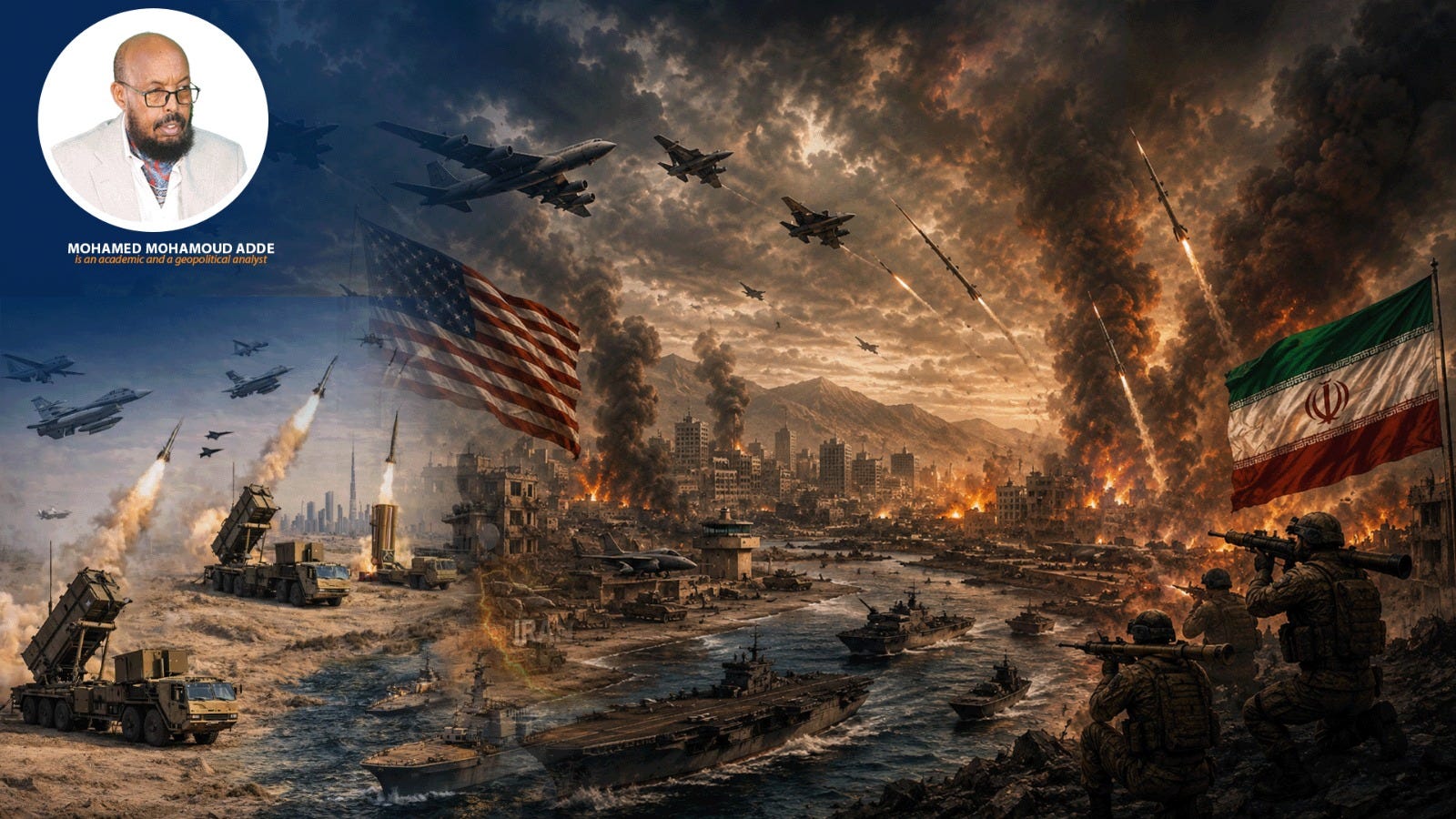
At the heart of this debate is Washington's growing concern that Iran's expanding defence cooperation with Russia and China could accelerate the modernization of its missile and unmanned aerial vehicle (UAV) programmes. While the nature and extent of such assistance remain contested, American security officials fear that technological exchanges could eventually provide Iran with longer-range and more accurate weapons capable of altering the military landscape across the region.
For decades, Iran has relied on missiles and drones to compensate for limitations in its conventional air force, much of which still consists of aging aircraft acquired before the 1979 Islamic Revolution. Rather than investing in expensive fleets of modern fighter jets, Tehran has developed one of the world's largest ballistic missile arsenals and an increasingly sophisticated drone industry. These systems have become the cornerstone of Iran's deterrence strategy, allowing it to project power despite economic sanctions and military isolation.
Recent conflicts have demonstrated that drones and precision-guided missiles are no longer secondary weapons. From Ukraine to the Middle East, inexpensive unmanned systems have repeatedly challenged advanced air defence networks. Military planners now recognize that future conflicts are likely to involve coordinated attacks combining ballistic missiles, cruise missiles and swarms of drones designed to overwhelm even the most sophisticated defensive systems.
Israeli defence analysts view this evolution with particular concern. While Israel maintains one of the world's most advanced multi-layered missile defence architectures, including the Iron Dome, David's Sling and Arrow systems, no defensive shield offers absolute protection against sustained, multi-directional attacks. As missile guidance systems become increasingly accurate, strategic facilities such as air bases, ports, energy infrastructure and the Dimona nuclear complex assume greater importance in military planning.
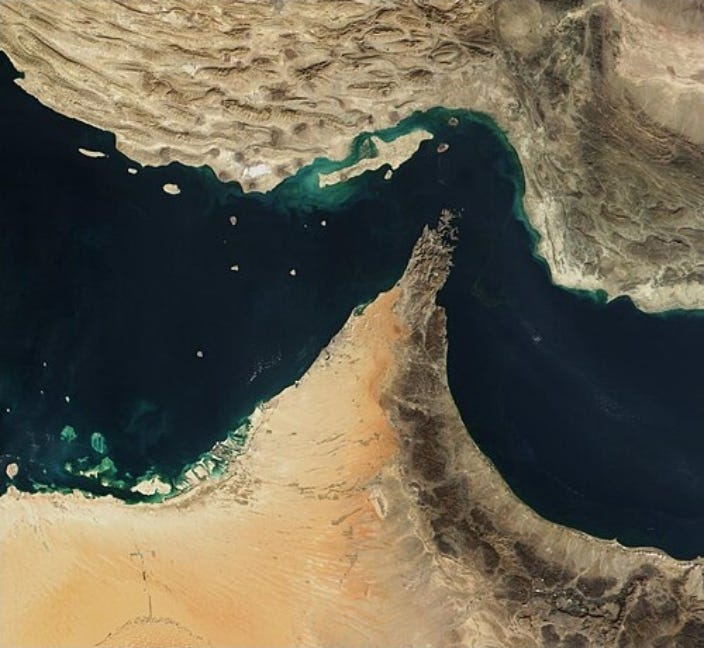
Equally significant is the growing discussion surrounding the American military facility at Diego Garcia in the Indian Ocean. The base serves as a vital logistics hub for long-range bombers, naval operations and regional force projection. Although it lies far beyond the range of most of Iran's current operational missile inventory, American analysts increasingly assess future capabilities rather than present limitations. Any significant increase in missile range would expand the list of potential strategic targets and complicate U.S. military planning across the Indo-Pacific and the Middle East.
For Washington, the concern extends beyond geography. The possibility that Russian technological expertise, combined with Chinese industrial capacity and satellite-related technologies, could enhance Iran's indigenous defence industry represents a broader strategic challenge. Even without direct transfers of advanced missile systems, improvements in navigation, propulsion, electronics and manufacturing could substantially increase the effectiveness of Iranian weapons over the coming decade.
Iran, however, rejects accusations that its missile programme represents an offensive threat. Iranian leaders consistently describe missile development as a defensive necessity, arguing that decades of sanctions, external pressure and repeated threats of military action have left the country with little alternative but to strengthen its indigenous defence capabilities. From Tehran's perspective, missiles and drones function primarily as instruments of deterrence designed to discourage attacks by superior military powers.
This divergence in strategic thinking illustrates one of the central dilemmas facing regional security today. What Iran portrays as defensive deterrence is interpreted by Israel and the United States as an expanding offensive capability. As each side responds to the other's military preparations, the cycle of deterrence increasingly fuels an arms competition rather than reducing tensions.
Another important dimension is the role of underground infrastructure. Iran has invested heavily in fortified missile storage facilities and so-called "missile cities," designed to ensure survivability in the event of pre-emptive strikes. This infrastructure complicates military planning for any adversary, as destroying launch platforms before they are deployed becomes increasingly difficult.
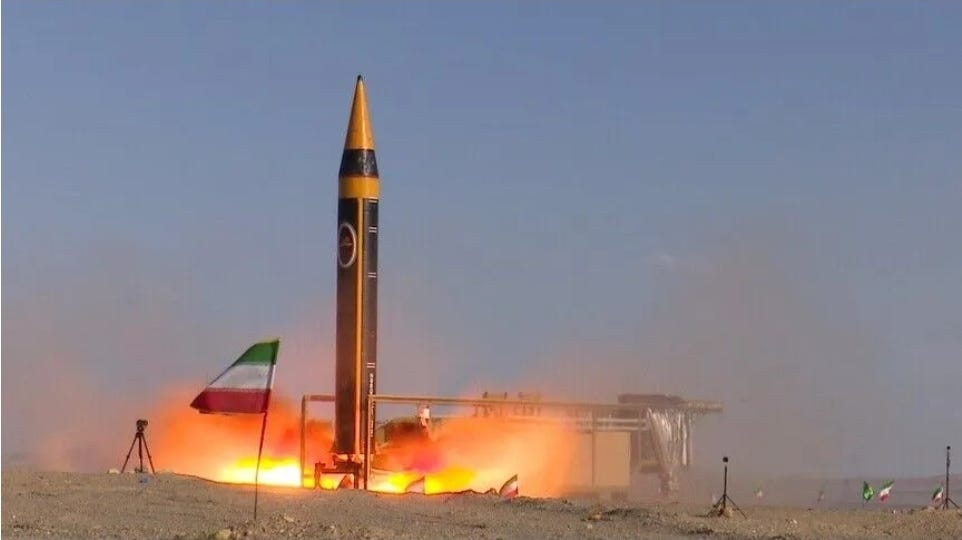
Meanwhile, U.S. military installations throughout Iraq, Syria and the Gulf remain vulnerable to attacks by drones, rockets and proxy forces aligned with Iran. Although these incidents often occur below the threshold of full-scale war, they demonstrate Tehran's ability to exert sustained military pressure without engaging in direct conventional confrontation.
The broader geopolitical implications extend well beyond the Middle East. If military cooperation among Iran, Russia and China continues to deepen, it may contribute to the emergence of a more interconnected security architecture challenging Western influence. While this does not necessarily amount to a formal military alliance, expanding defence cooperation could reshape strategic calculations across Eurasia and the Indo-Pacific.
Ultimately, the debate surrounding Iran's missile programme is about more than military hardware. It reflects the gradual transformation of global power politics, where technological innovation, strategic partnerships and deterrence increasingly determine international stability. Whether these developments produce a more balanced regional order or intensify the risk of confrontation will depend not only on advances in weaponry but also on the willingness of rival powers to revive diplomacy before military competition overtakes political dialogue.
As precision missiles, artificial intelligence, autonomous drones and long-range strike capabilities continue to evolve, the strategic equation surrounding Iran is becoming more complex than at any point in recent history. The choices made by Tehran, Washington, Moscow, Beijing and Jerusalem over the coming years will influence not only the future of the Middle East but also the broader architecture of global security in the twenty-first century.
Mohamed Mohamoud Adde is an academic and a geopolitical analyst
No posts
Comments
Nothing yet. Say the first thing.
Sign in to join the conversation.