
The proposal by Saudi Arabia to establish an international coalition to safeguard shipping in the Red Sea represents a turning point for security in the Horn of Africa and one of the most consequential geopolitical developments in the region in recent years. Although the initiative is intended to protect commercial vessels from attacks by Yemen's Houthi movement, its implications extend far beyond the waters separating Yemen from Africa. The coalition has the potential to reshape regional security arrangements, influence relations among Red Sea states, and redefine the strategic importance of the Horn of Africa in global trade.
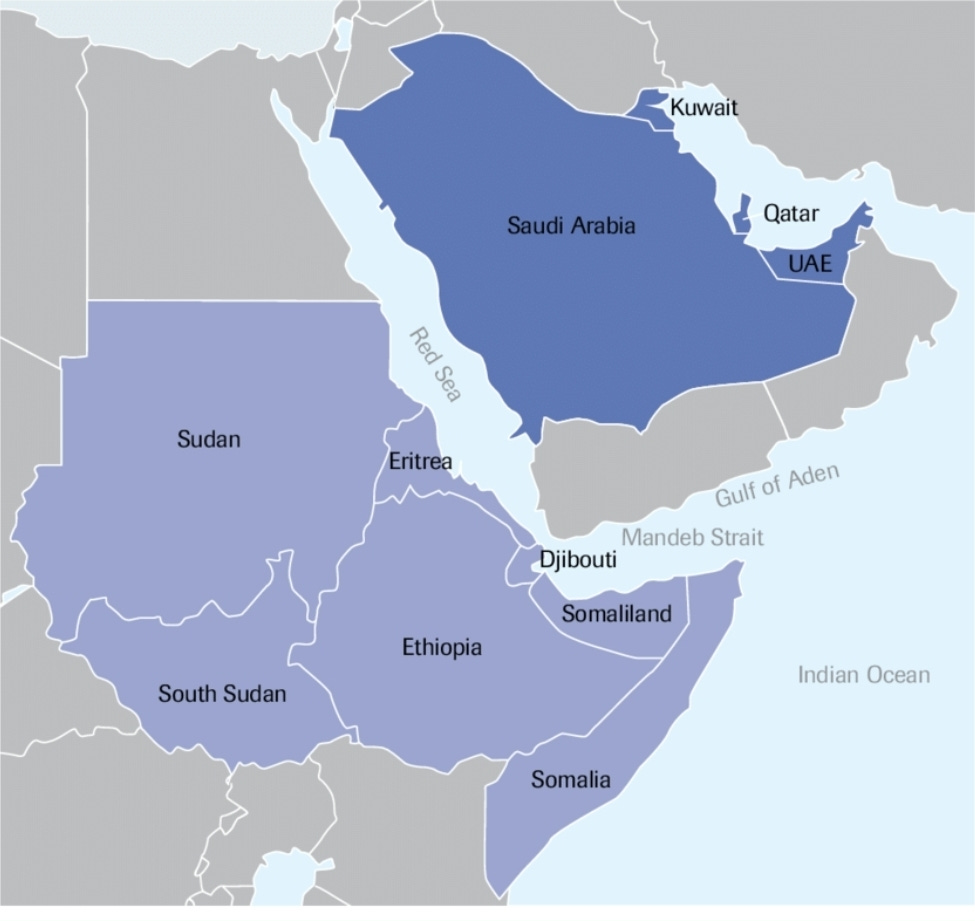
The Red Sea has always been more than a regional waterway. It is one of the world's most vital maritime corridors, linking Europe with Asia through the Suez Canal and the Bab el-Mandeb Strait. Around one-tenth of global seaborne trade, including substantial volumes of crude oil, liquefied natural gas, food supplies and manufactured goods, passes through this narrow passage every year. For countries in the Horn of Africa—including Somalia, Djibouti, Eritrea and Sudan—the security of these waters is directly tied to economic stability, port revenues and regional development.
Saudi Arabia's proposal comes after a significant escalation in Houthi attacks against commercial shipping. The Yemeni movement has expanded its maritime campaign beyond vessels linked to Israel, warning that ships travelling to or from Saudi ports could also become targets unless Riyadh changes its policies toward Yemen. These attacks have increased shipping insurance premiums, forced some companies to reroute vessels around the Cape of Good Hope and raised concerns about the long-term reliability of one of the world's busiest shipping lanes.
By seeking an international coalition, Saudi Arabia is signalling that maritime security can no longer be handled by individual states acting alone. Instead, Riyadh appears to envision a multinational framework involving intelligence sharing, coordinated naval patrols, surveillance operations and rapid-response capabilities. Such cooperation would create a more organised security architecture across the Red Sea, where threats increasingly originate from sophisticated drones, cruise missiles and unmanned surface vessels rather than conventional naval forces.
For the Horn of Africa, this development presents both opportunities and challenges. The region occupies the western shoreline of the Red Sea and the Gulf of Aden, making it indispensable to any maritime security strategy. Countries such as Djibouti, which already hosts military facilities from the United States, China, France, Japan and Italy, could become even more strategically important as coalition members seek logistical support and naval access. Somalia's coastline, the longest in mainland Africa, may also receive greater international attention as efforts to secure shipping expand beyond the Bab el-Mandeb into the Gulf of Aden and the western Indian Ocean.

However, increased military activity also raises concerns. The Horn of Africa has historically been an arena where regional and global powers compete for influence. The presence of additional naval forces may strengthen maritime security, but it could also intensify geopolitical rivalry among Saudi Arabia, Iran, the United States, China, Turkey, the United Arab Emirates and Russia. Each maintains important political, economic or military interests across the region. If not carefully managed, overlapping security initiatives could complicate rather than simplify regional stability.
The coalition could also influence relations among Horn of Africa governments themselves. Countries that choose to participate may gain increased security cooperation, investment and diplomatic support from Saudi Arabia and its partners. Others that remain neutral or maintain close ties with Iran could face difficult foreign policy choices. Balancing competing regional relationships has always been a delicate exercise for African states bordering the Red Sea, and the proposed coalition may deepen these diplomatic calculations.
From an economic perspective, the proposal has considerable significance. Maritime trade depends heavily on predictability. Shipping companies require confidence that vessels can move safely without excessive delays, attacks or insurance costs. Every missile strike, drone attack or attempted hijacking increases operational expenses, many of which are ultimately passed on to consumers worldwide through higher transportation costs.
Should the coalition successfully reduce attacks, shipping companies would likely regain confidence in the Red Sea route. Lower insurance premiums, shorter transit times and fewer diversions around southern Africa would improve the efficiency of global supply chains. This would particularly benefit energy exporters in the Gulf, manufacturers in Asia and importers across Europe.
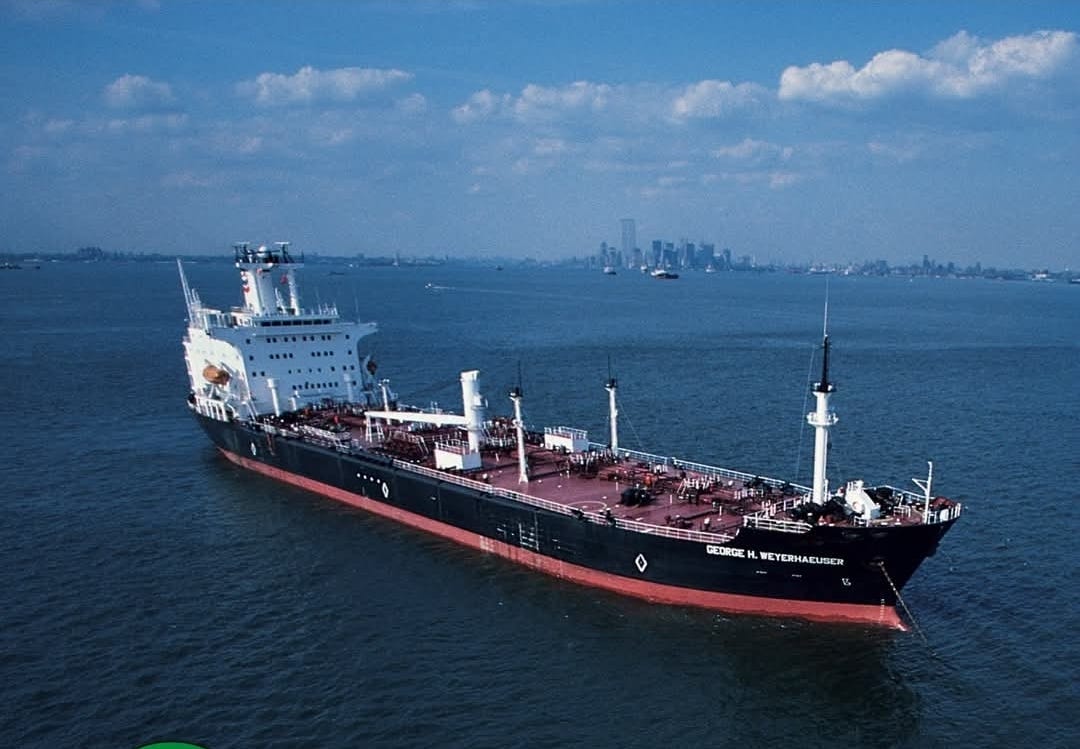
Ports throughout the Horn of Africa would also stand to gain. Djibouti, Berbera, Bosaso, Mogadishu and Port Sudan all depend, directly or indirectly, on stable regional maritime commerce. Greater confidence in Red Sea security could encourage shipping companies to expand regional services, increase investment in port infrastructure and stimulate logistics industries throughout East Africa.
Somalia may find particular opportunities in this changing environment. For years, international maritime cooperation focused largely on combating piracy originating from Somali waters. Although piracy has significantly declined compared with its peak more than a decade ago, renewed attention to maritime security could strengthen Somalia's coast guard, improve surveillance capabilities and encourage broader investment in its blue economy. Fisheries, offshore energy exploration and commercial ports all require secure sea lanes to realise their economic potential.
Nevertheless, risks remain. If the coalition is perceived by the Houthis or Iran as an offensive military alliance rather than a defensive maritime mission, attacks could intensify rather than diminish. Escalation could spread beyond the Bab el-Mandeb into wider areas of the Red Sea and the Gulf of Aden, placing additional pressure on African coastal states that rely on peaceful maritime commerce.
There is also the possibility that commercial shipping patterns may permanently change. Some companies have already adjusted supply chains to reduce dependence on the Red Sea. Even if security improves, restoring confidence may take months or years. Shipping firms generally favour stability over speed, and many will closely monitor whether attacks genuinely decline before returning fully to previous routes.

The coalition also reflects a broader transformation in global security thinking. Maritime trade is increasingly recognised not simply as an economic activity but as a strategic asset requiring international protection. As geopolitical tensions spread across multiple regions—from the Black Sea to the South China Sea and now the Red Sea—governments are placing greater emphasis on securing critical sea lanes that sustain global commerce.
For the Horn of Africa, this shift creates both responsibility and opportunity. The region is no longer viewed solely through the lenses of conflict, humanitarian crises or piracy. Instead, it is emerging as a central pillar of international maritime security, connecting Africa, the Middle East, Europe and Asia. This growing strategic importance could attract greater investment, stronger security partnerships and increased diplomatic engagement, provided regional governments are able to translate geopolitical interest into sustainable economic development.
Ultimately, Saudi Arabia's proposed maritime coalition is about far more than protecting ships from Houthi attacks. It is an attempt to preserve one of the world's most important trade corridors at a time of rising regional instability. Its success or failure will shape not only the future of maritime security in the Red Sea but also the economic prospects and geopolitical landscape of the Horn of Africa. If implemented effectively and supported by broad international cooperation, the initiative could strengthen regional stability, restore confidence in global shipping and reinforce the Horn's position as an indispensable gateway to international trade. If it fails, however, the region could face prolonged insecurity, disrupted commerce and intensified strategic competition that would reverberate far beyond the shores of the Red Sea.
Mohamed Mohamoud Adde is an academic and a geopolitical analyst
No posts
Comments
Nothing yet. Say the first thing.
Sign in to join the conversation.