
For generations, Somalis have proudly preserved their family histories through oral tradition. Elders have carefully passed down clan genealogies, linking families to well-known ancestors such as Samaale and other respected clan figures. These traditions remain an important part of Somali identity and continue to shape social relationships, customary law (xeer), and culture.
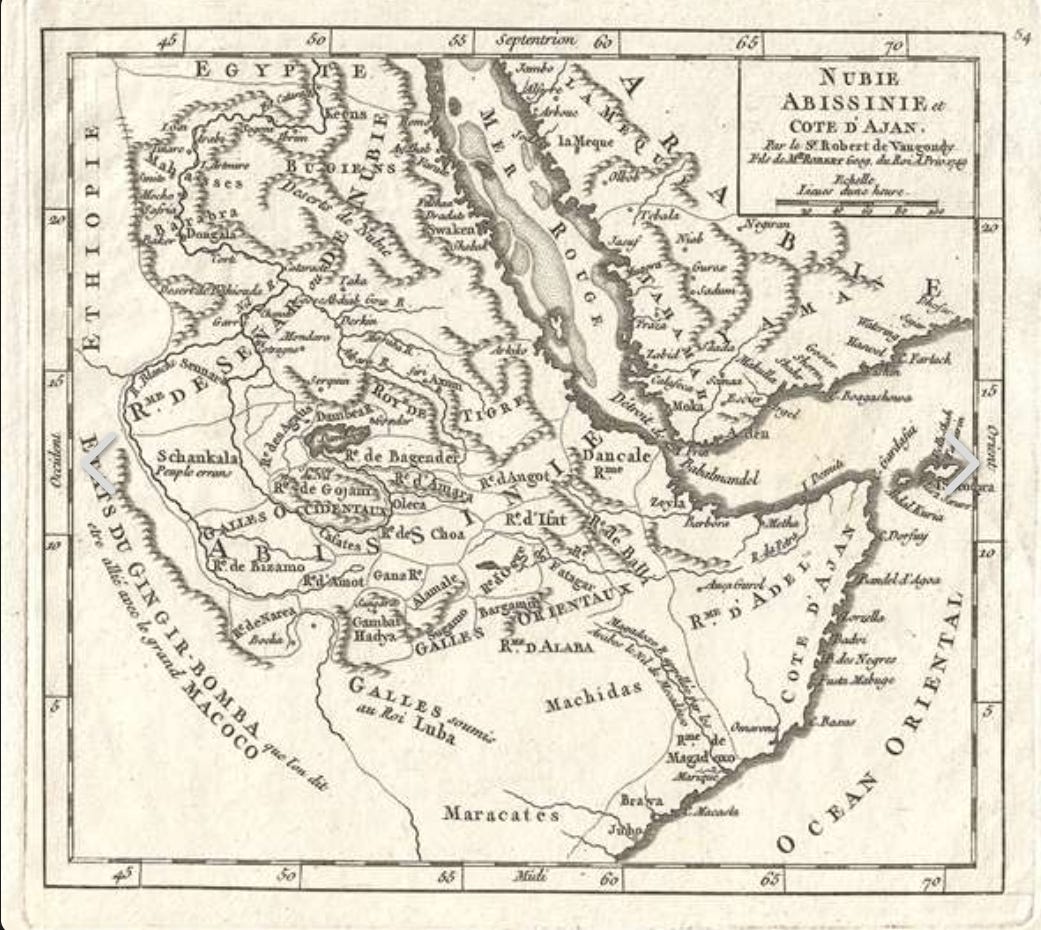
Today, however, modern science offers another way of exploring our past. Advances in archaeology, genetics, and linguistics allow researchers to look back not just hundreds of years, but thousands—even tens of thousands—of years. When these scientific discoveries are combined with Somali oral traditions, they tell a fascinating story: the Somali people are among the world's oldest continuous populations, with roots deeply planted in the Horn of Africa.
The Horn of Africa—which includes Somalia, Djibouti, Ethiopia, Eritrea, and neighboring areas—is one of the most important places in the history of humanity. Scientists believe this region played a major role in the emergence of modern humans. Some of the oldest known human fossils have been discovered in nearby Ethiopia, dating back more than 200,000 years.
Many researchers also believe that the ancestors of all people living outside Africa passed through this region around 60,000 to 70,000 years ago before spreading across Asia, Europe, and eventually the rest of the world. In other words, the Horn of Africa was not a remote corner of history—it was one of its starting points.
Recent genetic research has transformed our understanding of Somali ancestry. Earlier theories suggested that Somalis mainly descended from people who migrated from Arabia a few thousand years ago. These ideas became popular during the colonial era because some European scholars believed advanced civilizations in Africa must have originated elsewhere.
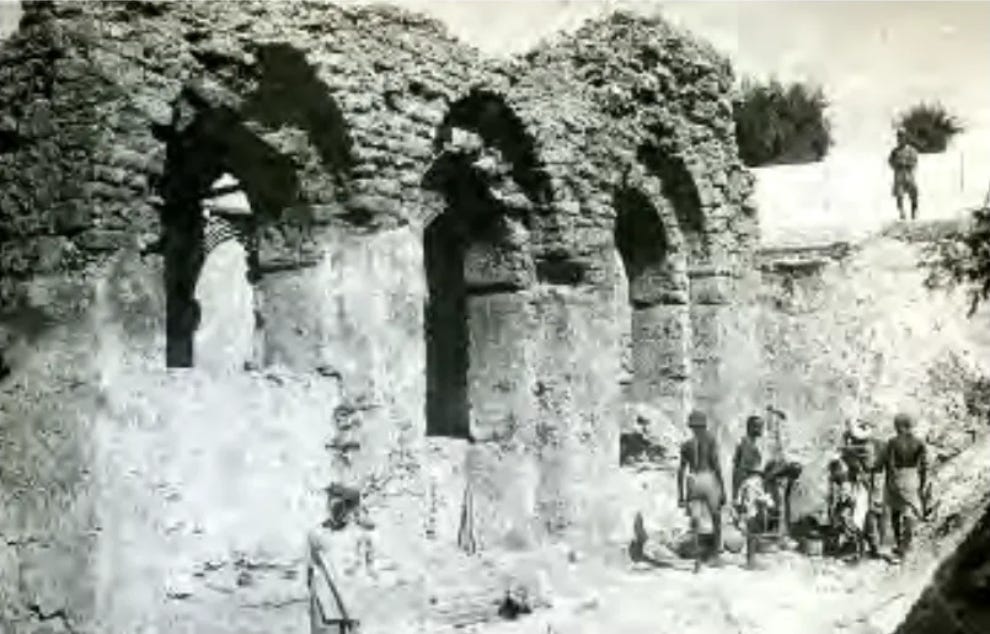
Modern DNA studies tell a different story.
Scientists have found that most of the ancestry of Somali people comes from ancient populations that have lived in the Horn of Africa for thousands of years. This means the Somali people are largely indigenous to the region. Their ancestors were already living there long before the arrival of Islam, the rise of the ancient Arab kingdoms, or the beginning of recorded history.
This discovery does not deny the importance of contacts with Arabia or other neighboring regions. Instead, it shows that Somali history is much older and far richer than many people once believed.
One of the most interesting findings concerns a small but significant amount of non-African ancestry found among people in the Horn of Africa. For many years, researchers assumed this came from Arab traders who crossed the Red Sea around 3,000 years ago.
However, new genetic studies reveal that this is unlikely.
Instead, scientists believe this ancestry entered the Horn much earlier—between 6,000 and 10,000 years ago. At that time, there were no Arab empires and no Islamic civilization. Agriculture was only beginning to develop in some parts of the world. The people who crossed between Africa and the Near East were small groups of hunters and early herders moving back and forth across the Red Sea over many generations.
In simple terms, the Somali people carry traces of very ancient interactions with neighboring populations, but these exchanges happened long before the historical migrations described in written records.
As the climate of Africa changed thousands of years ago, people in the Horn gradually became skilled pastoralists. They raised cattle, sheep, goats, and later camels. This way of life shaped Somali society for thousands of years and continues to influence Somali culture today.
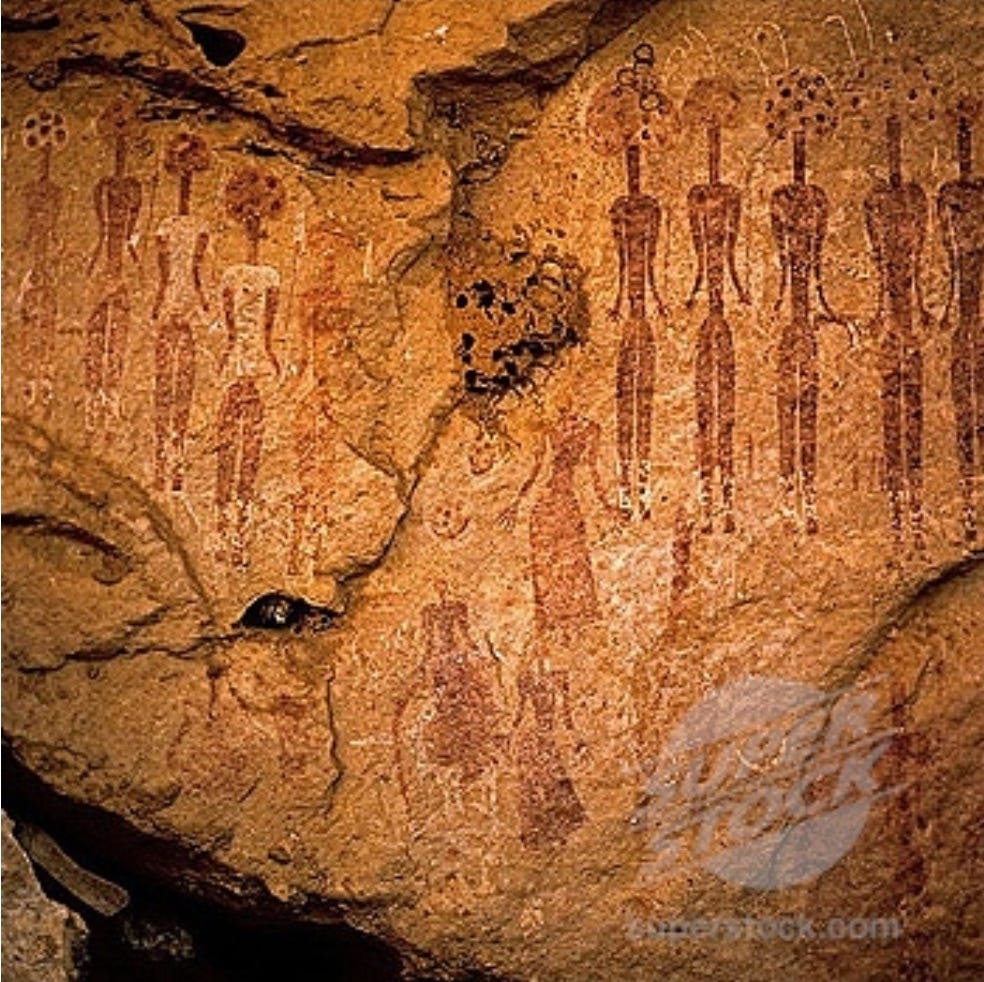
Rock paintings, burial sites, and other archaeological discoveries found across Somaliland, Puntland, and other parts of the Horn show that these ancient communities had developed organized societies long before foreign travelers reached the region.
Language also provides important clues.
The Somali language belongs to the Cushitic family, one branch of the larger Afroasiatic language group. This language family developed in northeastern Africa thousands of years ago. Although Somali has borrowed many words from Arabic because of Islam and centuries of trade, its grammar and basic vocabulary remain distinctly African.
This means that Somali is not simply an Arabic language. It is an indigenous language that developed in the Horn of Africa over many thousands of years.
Long before Islam arrived, the ancestors of today's Somalis were already participating in international trade.
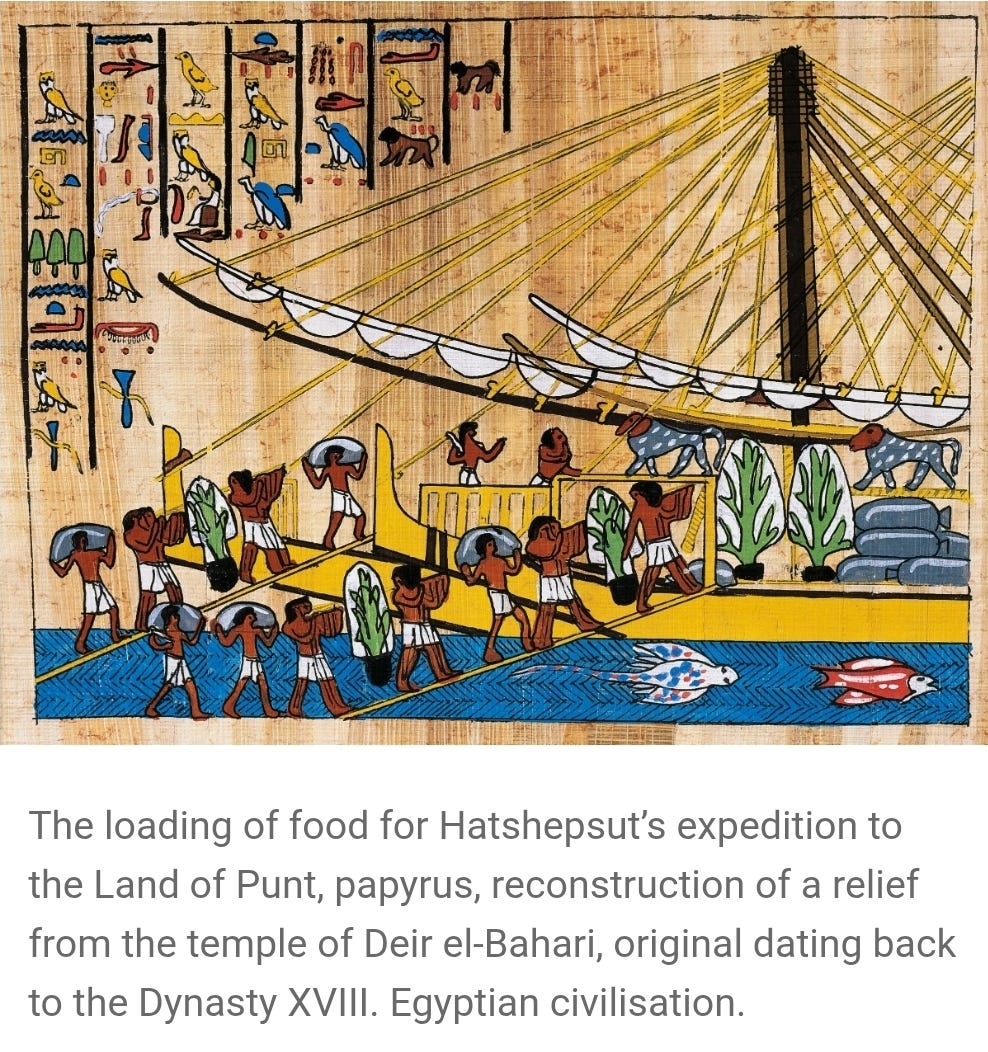
Ancient Egyptian records describe a prosperous place called the Land of Punt, famous for exporting frankincense, myrrh, gold, ivory, ebony, and exotic animals. Many historians believe parts of present-day Somalia formed part of this ancient trading region.
Later, Greek and Roman writers described busy ports along the Somali coast where merchants from Africa, Arabia, Persia, India, and the Mediterranean exchanged goods. These ports became some of the most important trading centers in the ancient world.
The arrival of Islam during the seventh century marked another important chapter in Somali history. Arab merchants and Islamic scholars established close relationships with coastal communities, bringing a new religion, new ideas, and stronger commercial ties.
Many Somali clans preserve traditions linking their ancestry to respected Arab families. These traditions reflect the close cultural and religious connections that developed over centuries.
Genetic studies suggest that while some people from Arabia settled in the Horn, their overall contribution to the Somali population was relatively small compared with the much older indigenous population already living there. Their greatest influence was cultural and religious rather than demographic.
Another important lesson from modern research is that clan genealogy and biological ancestry are not exactly the same.
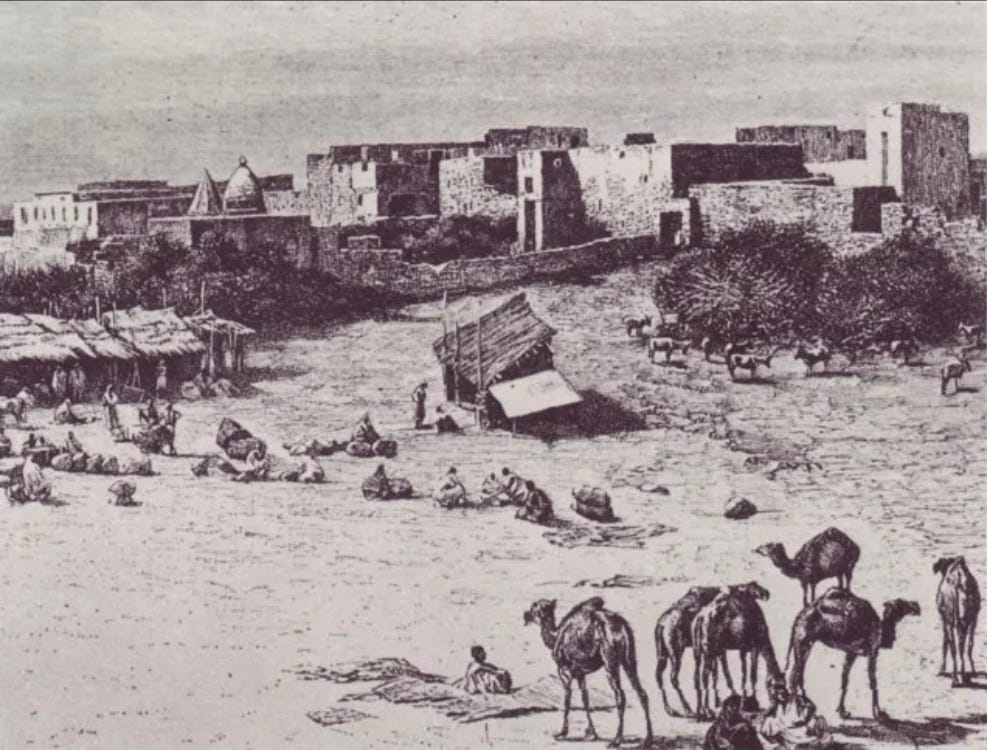
Clan systems developed over centuries as social and political institutions. Families sometimes joined new clans through marriage, alliances, adoption, or shared protection. As a result, people from different clans can be genetically very similar, while members of the same clan may have diverse biological backgrounds.
This does not weaken the importance of clan identity. Instead, it shows that Somali society has always been dynamic and adaptable.
Taken together, archaeology, language studies, history, and genetics present a powerful picture of Somali origins. They show that the Somali people are not newcomers to the Horn of Africa but one of its oldest surviving populations. Their ancestors lived in this region for thousands of years, adapted to changing climates, developed pastoral societies, built trading networks, and later embraced Islam while maintaining their unique language and cultural identity.
Far from being isolated, Somalia has always been connected to the wider world. Its long coastline placed it at the crossroads of Africa, Arabia, and the Indian Ocean, allowing ideas, goods, and people to move in and out for thousands of years.
The story of Somali genealogy is therefore much bigger than clan lineages alone. It is the story of one of humanity's oldest peoples—a nation whose roots reach back to the very dawn of modern human history, shaped by ancient African foundations, enriched by contacts with neighboring civilizations, and strengthened by a culture that has endured for millennia.
Mohamed Mohamoud Adde is an academic and a geopolitical analyst
Comments
Nothing yet. Say the first thing.
Sign in to join the conversation.