
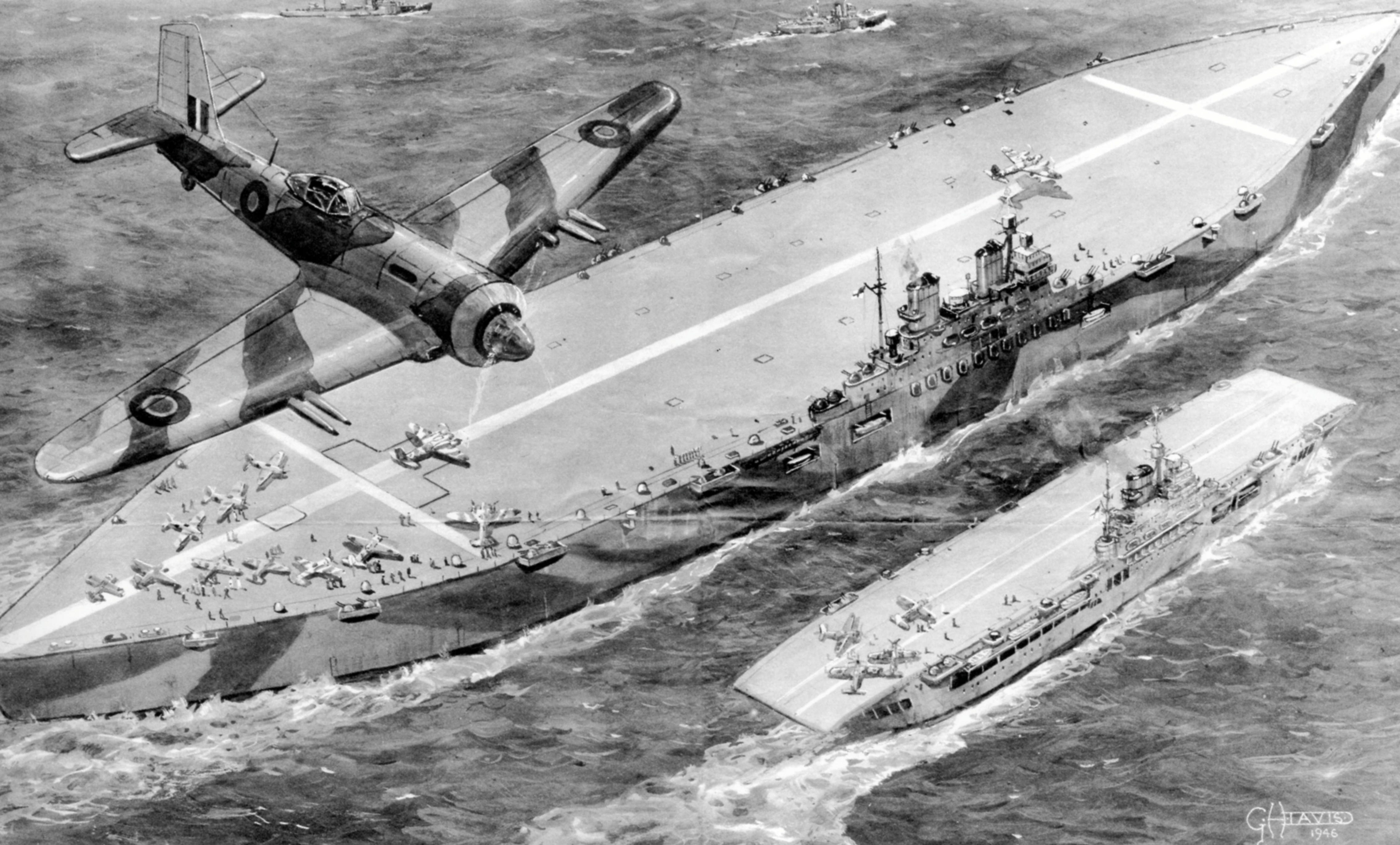
For their war effort, the British generally showed a great deal of pragmatism, making things roll, fly, or sail that other nations would have refused to bring into service. Yet they also had their share of outlandish schemes, some of them endorsed by Churchill, such as “Habakkuk.” But the Prime Minister also had a lot (too much?) imagination. Roosevelt used to say: “Winston has a hundred ideas a day, three or four of them good; the trouble is, he doesn’t know which ones”.
“Look at the nations and watch—
and be utterly amazed.
For I am going to do something in your days
that you would not believe,
even if you were told.”
Habakkuk 1:5 (NIV)
1942. The war is raging in the Atlantic, where Britain is losing dozens of merchant ships every month despite intense efforts to protect them. In the face of repeated U-boat attacks, the convoy system and the arming of hundreds of escorts of every size still do not seem enough. The main culprit is an “Air Gap”, a geographical zone in the heart of the North Atlantic, still beyond the reach of Allied aircraft. German submarines therefore concentrate their deadly work there in near-total impunity. Destroyers and corvettes are on the front line against this underwater danger. Yet experience has shown that the aircraft is the true predator of the submarine. The Royal Navy has therefore ordered escort carriers specifically designed to accompany its convoys, but the first ships are still under construction… Engineers are also working on very long-range aircraft to close the Air Gap with patrols flying out of Ireland, Iceland, or Canada—but those machines will not be available immediately.
Alongside these conventional military programmes, the British also created various R&D units to propose innovative solutions to the technical, tactical, and strategic problems they faced. Thus, as plans for the reconquest of Europe slowly took shape, Combined Operations, led by Lord Louis Mountbatten, felt the need for mobile naval-air bases capable of supporting a vast amphibious operation. Starting from the simple idea of an aircraft carrier, the concept quickly drifted toward that of an artificial floating island, with far greater surface area and endurance. Churchill - always enthusiastic about military innovation - was captivated:
“The advantages of one or more floating islands used solely as aviation fuel depots are so obvious that they need not for the present be discussed. There would be no difficulty in finding where to employ such a stepping-stone in any of the war plans now under consideration.”
If the Prime Minister was so enthusiastic, it was because Geoffrey Pyke (director of programmes on the Combined Operations staff) had presented him with an almost unbelievable way to obtain, at low cost, an “unsinkable” aircraft carrier: build it not from steel, but from ice.
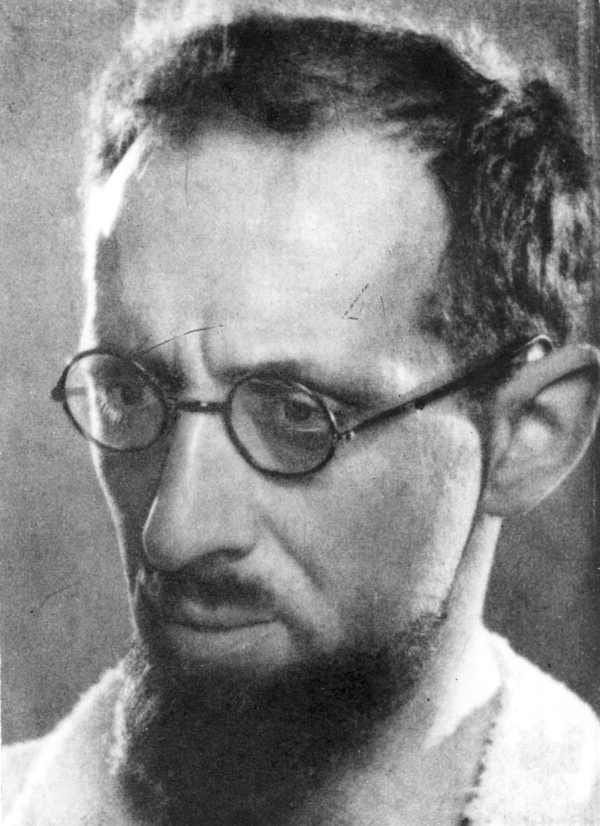
It would be a gigantic artificial iceberg with propulsion, living quarters, holds, magazines, and a flight deck. Why ice? Because it is abundant, easy to find and shape, naturally buoyant, and can be remarkably strong. Against a block of ice, damage from bombs or torpedoes would have limited effect, and repairs could be done on the spot without reaching a distant dockyard, very simply: pour water into the breach and make it freeze… Pyke also claimed such ships would not be very expensive, and that their very nature would free designers from the usual weight-and-size constraints imposed by steel hulls. He imagined an “iceberg aircraft carrier” 1,200 m long (4,000 ft) and 180 m wide (600 ft)!
Churchill and Mountbatten quickly approved the study of the project under the codename “Habbakuk”, almost certainly a reference to the “minor prophet” of the Old Testament, Habakkuk (spelled correctly in English, but misspelled by Pyke), through whom God announced the accomplishment of an unimaginable work. In September 1942, a committee was formed to examine feasibility. The first idea was to cut enormous blocks of ice from the pack and then, in northern latitudes, build a gigantic wooden mould to be filled with water that would freeze solid in extreme temperatures. But experts calculated that ice alone would not be strong enough to form a ship’s hull.
Scientists on the committee then proposed mixing wood pulp or sawdust into the water before freezing it, producing a substance, named Pykrete in Pyke’s honour, with strength comparable to concrete. Laboratory tests in April 1943 showed that a mixture of 86% water and 14% wood did indeed yield excellent results and had low thermal conductivity, an indispensable quality for a mass of ice intended to “sail” in the waters (cold, but not freezing) of the Atlantic Ocean. The idea was retained, but needed development. For that, the British sought help from Canada, the only Allied country combining ideal climatic conditions in its Arctic regions, with the staggering quantities of freshwater (its many lakes) required by “Habbakuk.” In early 1943, a British delegation flew to Ottawa and began working with the Canadian National Research Council and the Montreal Engineering Company. Scientists quickly calculated that manufacturing such a mass of Pykrete under natural temperature conditions would take no less than seven years, even in the best case. Studies therefore shifted toward designing refrigeration systems capable of producing the required quantity and thickness of ice.
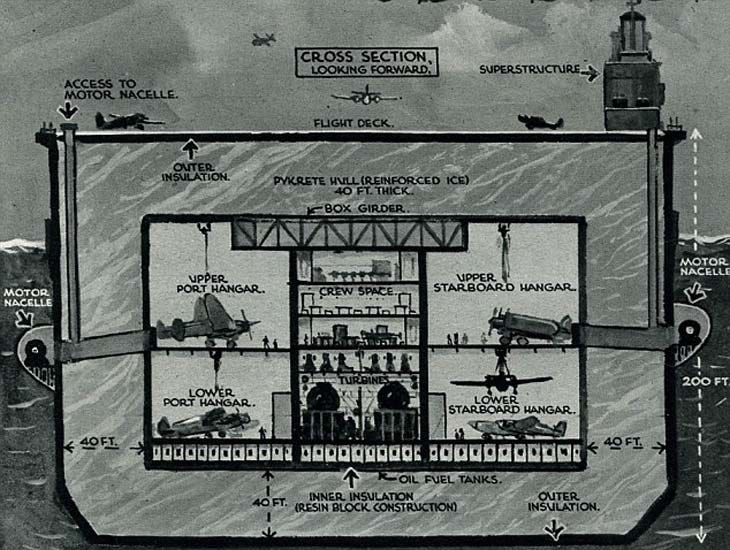
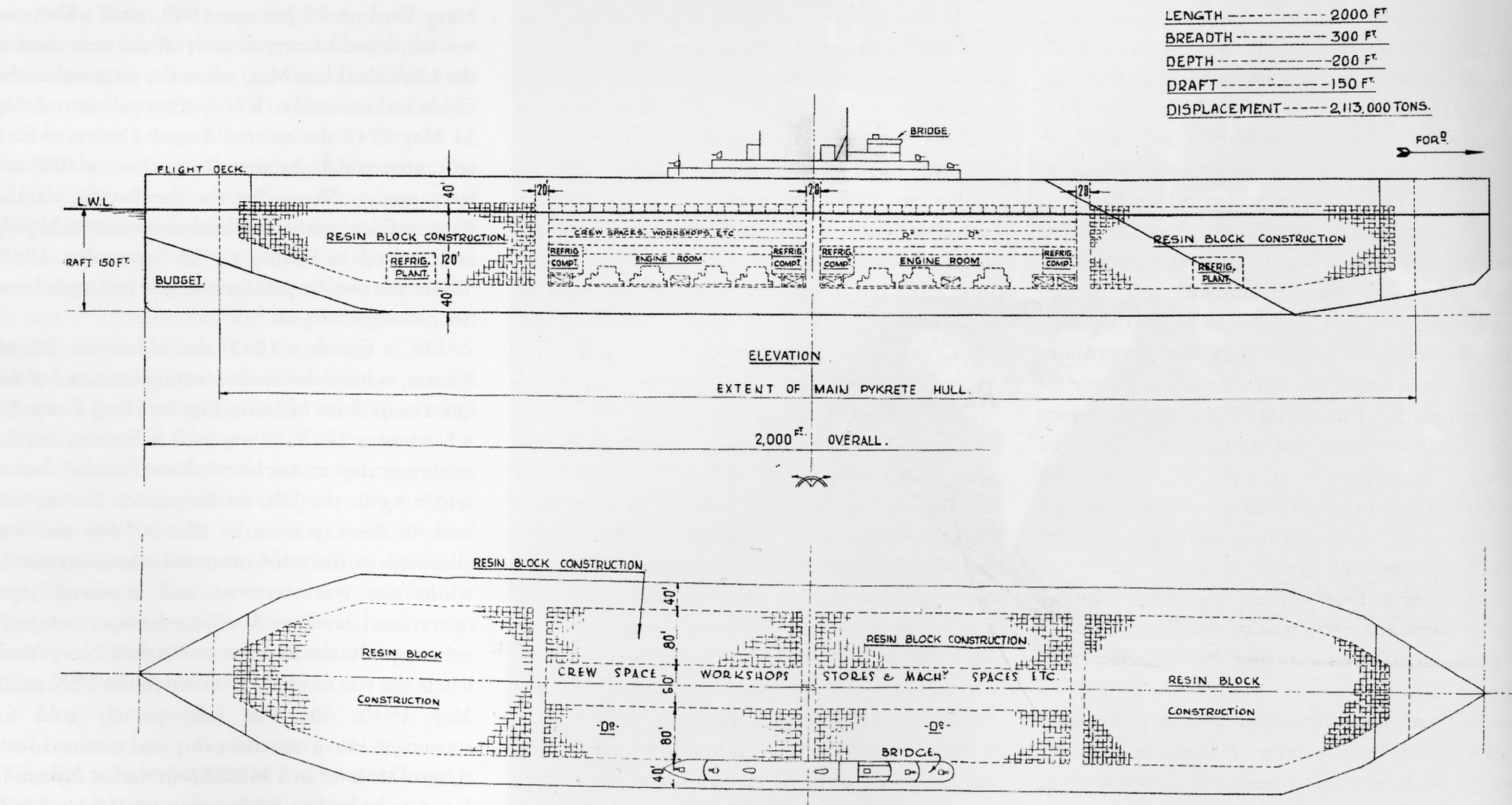
Several hull concepts were considered: a floating refuelling base 900 m long (3,000 ft) for very long-range aircraft; a giant aircraft carrier (600 m / 2,000 ft); an advanced fighter base (450 m / 1,500 ft); and a very large tanker/cargo ship. All would be gigantic, of course impossible to berth in a port (making the cargo version rather pointless), but “unsinkable.” As complexity grew, only the aircraft-carrier version was soon retained, with the goal of construction during the winter of 1943–1944.
Technical Data / “Habbakuk” Aircraft Carrier (estimates)
Displacement: 2,113,000 tonnes (≈ 2,000,000 long tons / 2,300,000 short tons)
Length: 609.5 m (≈ 2,000 ft)
Beam: 91.5 m (≈ 300 ft)
Draught: 45.7 m (≈ 150 ft)
Propulsion: 16 boilers; 26 propellers
Speed: 6 knots
Armament: AA mounts with 20 mm Oerlikon, 40 mm Bofors, and 101.6 mm (4-inch) guns (numbers unknown)
Facilities: flight deck 548 × 76 m (≈ 1,800 × 250 ft); 4 hangars 305 × 24 × 6 m (≈ 1,000 × 80 × 20 ft); 1 elevator 30.5 × 30.5 m (≈ 100 × 100 ft); 150 twin-engine aircraft
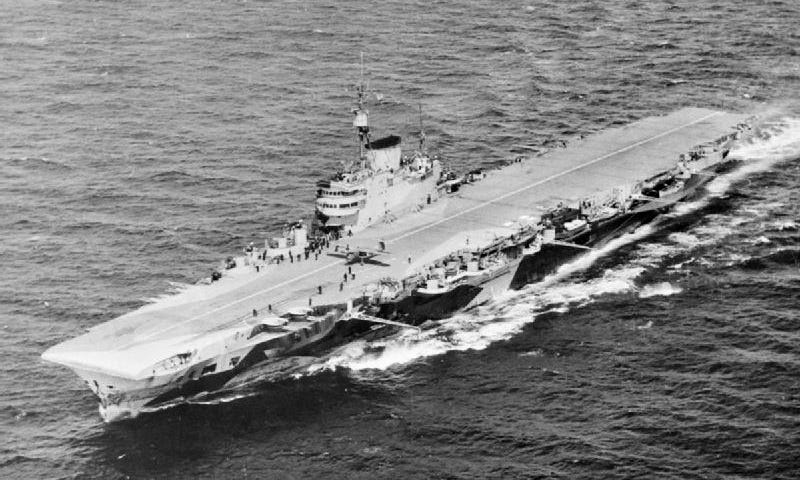
Technical Data / Implacable-class HMS Indefatigable (for comparison)
Displacement: 32,630 tonnes (≈ 32,000 long tons / 36,000 short tons)
Length: 233.6 m (≈ 766 ft)
Beam: 34.9 m (≈ 115 ft)
Draught: 8.9 m (≈ 30 ft)
Propulsion: 8 boilers; 4 propellers
Speed: 32.5 knots
Armament: 55 × 20 mm Oerlikon mounts; 44 × 40 mm 2-pdr “pom-pom” mounts; 16 × 114.3 mm (4.5-inch) guns
Facilities: flight deck 231 × 27 m (≈ 758 × 89 ft); 2 hangars 138/63 × 19 × 4 m (≈ 453/207 × 62 × 13 ft); 1 elevator 13 × 10 m (≈ 43 × 33 ft); 1 elevator 13 × 6.7 m (≈ 43 × 22 ft); 81 single-engine aircraft (1945)
Thanks for reading! This post is public so feel free to share it.
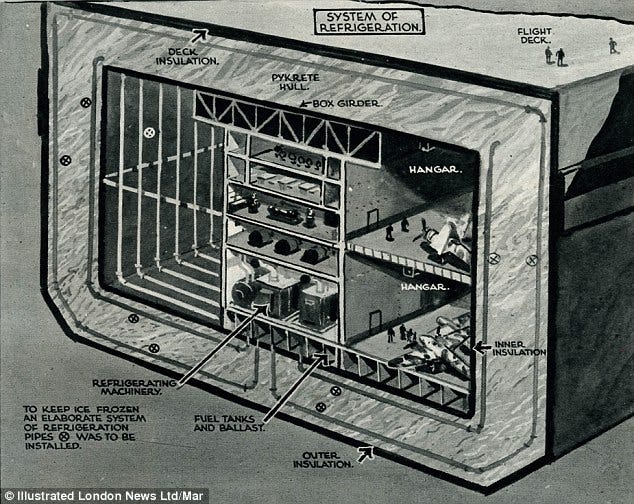
To move a mass estimated at more than two million tonnes of ice, engineers planned 26 propellers mounted along both sides of the hull in turbo-electric pods producing 33,000 metric horsepower (≈ 32,500 hp)—all to reach only 6 knots. An onboard refrigeration plant had to be designed, along with a labyrinthine network of piping to maintain the structure at the ideal temperature, while living quarters, machinery spaces, and hangars required dedicated insulation.
The hull was to be fine-ended fore and aft, with the Pykrete held in place by wooden sheathing and flanked on each side by insulating material. This enormous block would be hollowed out in six places to install hangars, propulsion, electrical and refrigeration plants, fuel and ammunition stowage, workshops, and spaces for crew and airmen. These compartments would be safe from bombs and torpedoes, protected by a Pykrete thickness of at least 12 m (≈ 40 ft). Steel also entered the design: for the navigation/operations island, the vast central elevator, and the many AA turrets (around forty, depending on sources).
The expert committee estimated the required quantity of Pykrete at 3 million m³ (≈ 4 million yd³), at a cost of £23 million, excluding equipment, machinery, and insulation, an expense not everyone at the Admiralty welcomed. But the problems did not end there: no one really knew how to manufacture and shape such a peculiar hull. Some suggested building it up by stacking multiple layers of ice in a giant wooden mould; others proposed pumping the water/sawdust mixture into the mould and freezing it; still others imagined assembling the hull from already frozen blocks. The first two solutions required investing in facilities that still had to be designed; the last was judged risky due to likely insufficient strength.
Whatever the method, the required resources were enormous. The Canadians estimated that a single Habbakuk unit would require 300,000 tonnes of sawdust (≈ 295,000 long tons / 330,000 short tons), 25,000 tonnes of cork sheets for insulation (≈ 24,600 long tons / 27,600 short tons), 35,000 tonnes of timbers and planking (≈ 34,450 long tons / 38,580 short tons), and 10,000 tonnes of steel (≈ 9,840 long tons / 11,020 short tons).
Moreover, the “unsinkable” character promised by Pyke was far from assured. Some tests suggested that the equivalent of a torpedo-blast hole (i.e., a breach of 7 m² ≈ 75 ft²) would expose so much Pykrete to seawater that it would melt at an alarming rate: 4.5 tonnes per hour (≈ 4.4 long tons / 5.0 short tons per hour) in water at 18°C (64.4°F). Worst of all would be damage to the refrigeration plant, which would eventually cause part of the hull to break up and produce catastrophic instability.
Despite these poor results from an initial small-scale model tested in Great Britain, it was decided to build a larger prototype in Canada’s Jasper National Park, which contains major glaciers and several lakes. Giant blocks of ice were manufactured and assembled into a hull 18 m long (59 ft), 9 m wide (29.5 ft), with a displacement of 1,000 tonnes (≈ 984 long tons / 1,102 short tons), requiring a small refrigeration installation to keep the Pykrete at the right temperature. Built by a group of conscientious objectors, the work proved laborious and the result disappointing: water seeped into the refrigeration pipes, whose complexity made the whole arrangement relatively fragile.
Meanwhile, the Canadian National Research Council surveyed sites capable of hosting construction of a full-scale Habbakuk. By then, people were talking about a shipyard project costing several tens of millions of dollars and employing roughly 8,000 workers. Ideally, the site would be a far-northern Canadian port with good road access, a railway line, a power station, and a cold, stable climate. Alas: after much searching, only one site seemed suitable, and it was icebound five months a year. Faced with so much adversity, in December 1943 the committee recommended abandoning the project, concluding that it would ultimately require resources far too great for the expected benefit.
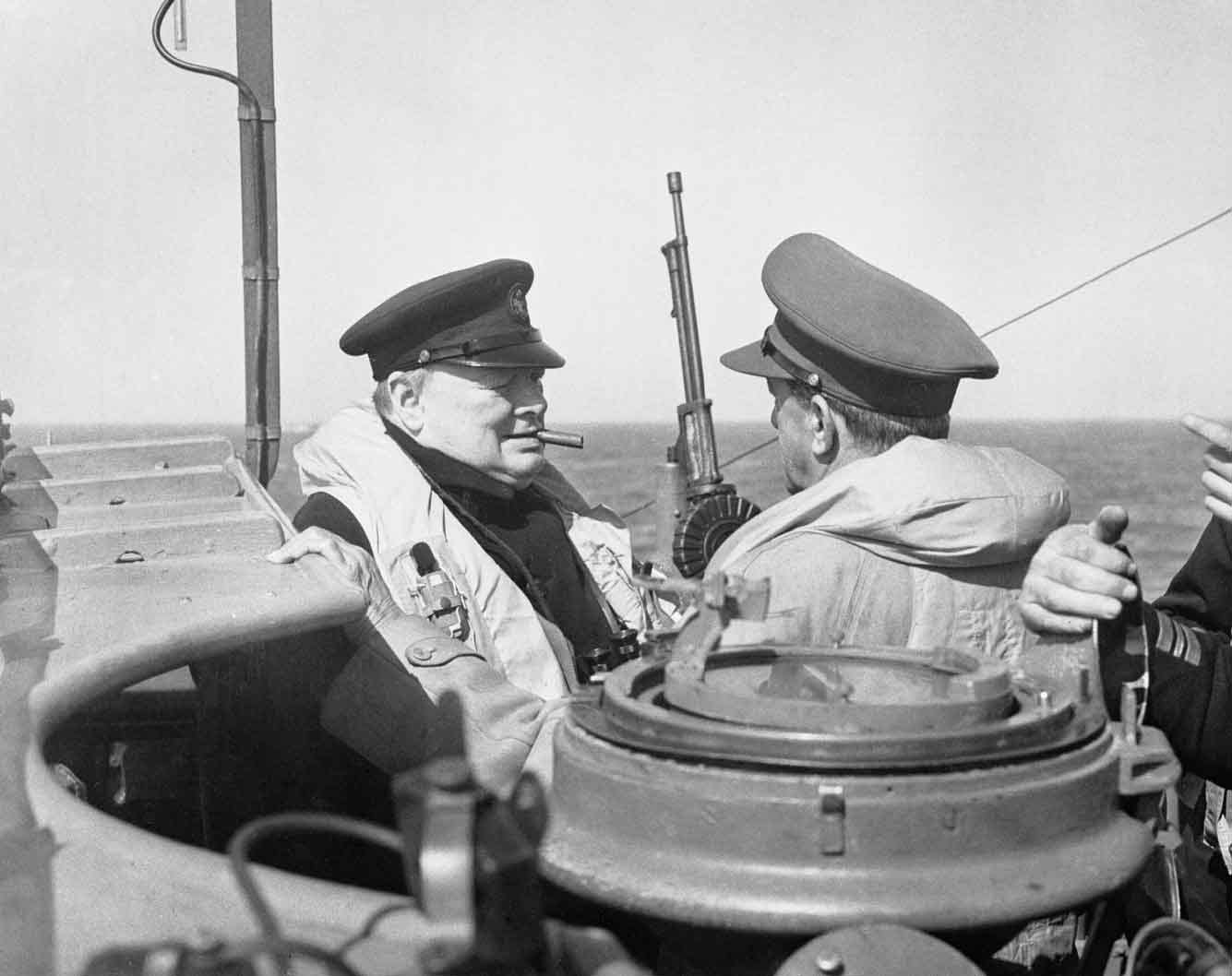
Too expensive, Habbakuk had also become unnecessary, because the strategic situation in the Atlantic had evolved. By late 1943, the British fleet had escort carriers in service, received considerable help from the Canadian and U.S. navies, and had gained the upper hand over the U-Bootwaffe from May onward. The introduction of long-range patrol aircraft and the use of the Azores as an air base also helped close the Air Gap over the North Atlantic. The Royal Navy therefore gave up its iceberg aircraft carrier without hesitation, leaving Churchill with only one piece of ice: the one in his whisky!
Comments
Nothing yet. Say the first thing.
Sign in to join the conversation.