
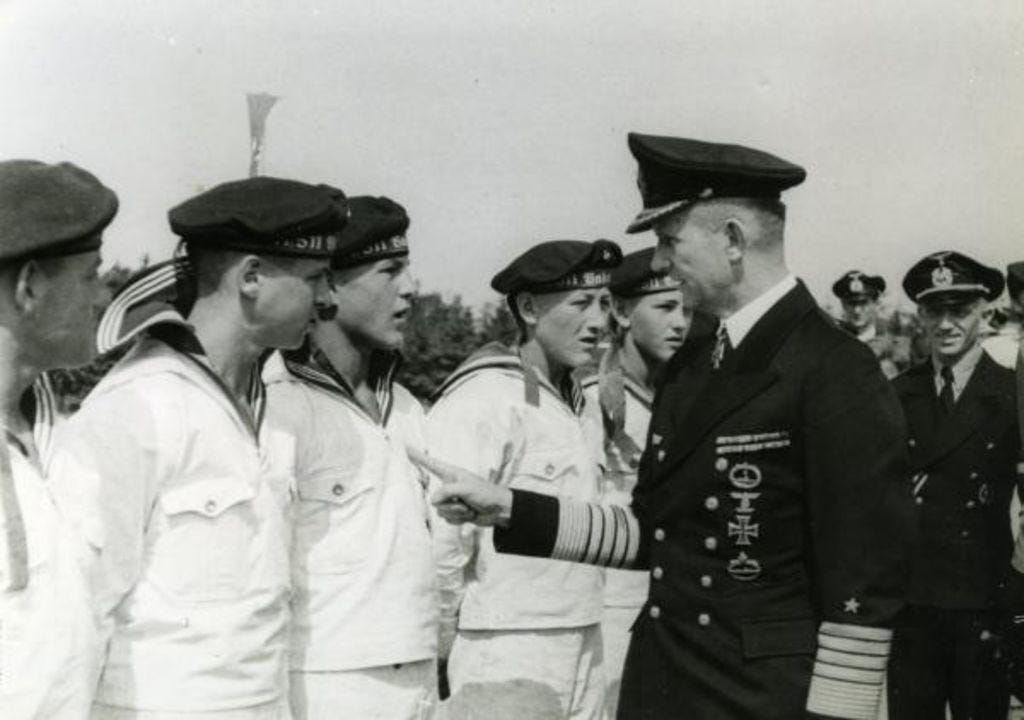
In the aftermath of the Great War, Germany was forbidden to possess a submarine force. Yet it would work clandestinely to resurrect its U-Bootwaffe—by designing new submarine types, but above all by training a new generation of submariners. A long, methodical effort whose results would be felt as early as 1939.
From 1925 onward, Germany resumed U-boat design—covertly, because the Treaty of Versailles (1919) barred it from building and operating submarines. While engineering teams worked discreetly from abroad on plans for new boats, Korvettenkapitän Canaris ordered the creation of an organisation tasked, among other things, with gathering existing training material for future crews. At its head, Admiral Spindler devised a training programme and, from 18 to 21 May 1927 at the Flensburg-Mürwik Naval Academy, organised three three-hour lectures for 24 junior officers in training. During these sessions, would-be U-boat commanders were shown films shot aboard SM U-35 and U-139 during the First World War. Around the same time, a number of future senior engineer officers (Leitender Ingenieur, or LI) received appropriate technical training.
In autumn 1927, the German Navy considered a practical, sea-going training scheme for future submarine commanders—but it lacked the means. To circumvent Versailles, the Reichsmarine relied on Spanish contacts to quietly expand its technical know-how in submersible construction, and to train submariners in required specialities (radio, mechanics, torpedomen, etc.). Delays in Spanish shipyards, then the political fallout of the Lohmann affair1, slowed the project. It only took concrete form in early 1929, when a course was finally delivered in Kiel to 60 young junior officers. Drawing on First World War experience, the lectures taught the fundamentals of submarine warfare. At the same time, however, the dedicated training track for LIs was cancelled.
During the year, Spindler was replaced by Admiral Schottky, who tried to implement training on various simulators—among them U-Boot-Zerstörer, First World War-era anti-submarine motor launches. It was still makeshift. Only in summer 1930 did a number of active or retired officers gain meaningful practical experience by taking part in sea trials of two submarines designed for Finland—Vetehinen and Vesihiisi—from the small port of Turku. The following year, tests of the E-1 submarine (ordered but ultimately refused by Spain) were again used to train German technical cadres, still in close cooperation with naval manufacturers. Schottky expanded the submarine-warfare curriculum at the Mürwik Naval School and the Kiel Naval Academy, multiplying courses for three distinct audiences: officer cadets, staff officers, and ratings/mechanics. These “courses” remained lectures and short stages; only from 1932 onward was a genuine submariner training programme put in place.
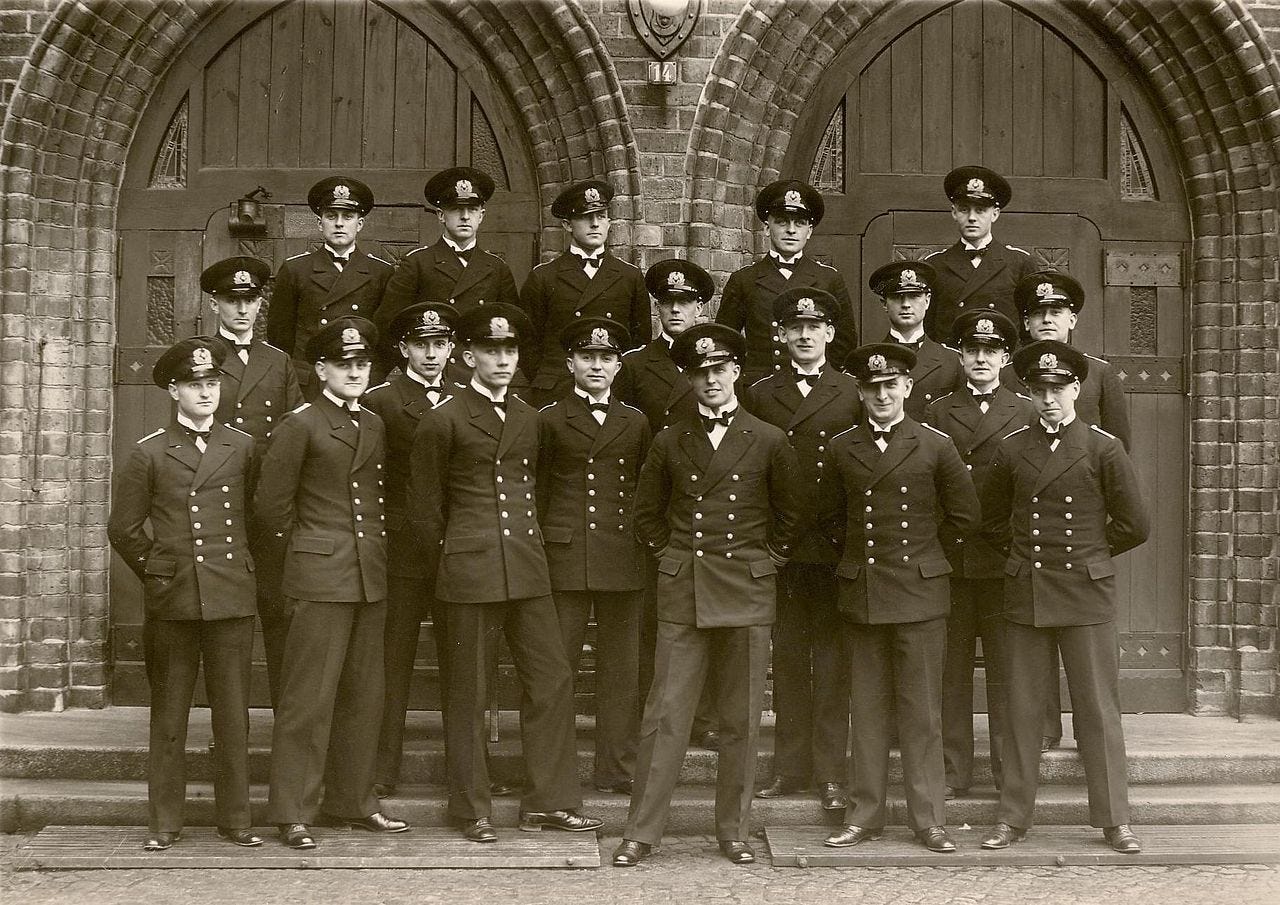
The numbers involved were tiny. Each year, two sailors and one engineer officer were to receive an intensive 12-week course comprising 207 teaching hours and one to two hours per day on simulators. Trials of the Finnish Vesikko—technically very close to the future Type II U-boat—continued to train new German personnel in 1933–1934. In 1933, a first course for future commanders began: three months of theoretical and tactical instruction, plus additional training on the gyrocompass, target localisation by hydrophone, and so on.
That autumn, with the planned laying-down of the first two U-boats, Reichswehrminister von Blomberg ordered the creation of a submariner school at Kiel-Wik, which began work on 1st October with eight officers and 70 to 80 petty officers and sailors. To mask its true function, the establishment was called the “anti-submarine warfare school” (Unterseebootsabwehrschule, UAS) and was administratively attached to the Torpedo Inspectorate (Torpedoinspektion, TI). Theoretical instruction covered hull construction, stability, load distribution, and the use of ballast tanks, trimming tanks, and so on. Apprentice submariners received basic torpedo instruction, while officers learned to use the periscope. Mechanics followed a dedicated technical track focused on engines and propulsion.
The school had a few land-based simulators (periscope, gyrocompass, helmsman station, etc.), but even more ingenious devices existed for practical courses: elderly minesweepers had been converted into “surface submarines” by adding a closed, blind bridge—essentially a navigation/operations control room—equipped with a periscope, a submarine steering gear, and an engine installation consisting of half that of a Type II.
In anticipation of building six coastal U-boats in January 1935, a new intake was formed in October 1934. From then on, German submarine-arm manpower expanded relentlessly: 214 students in summer 1935, then 794 in October of the same year. That made it possible, from summer 1936, to man fourteen Type VII and two Type II submarines, all dedicated to training.
On 21 May 1935, with Germany’s remilitarisation now out in the open, secrecy was no longer the issue, and the UAS became the Submarine School (Unterseebootsschule, US). From 6 June 1935, all submarine matters—training excepted—were placed under Kapitän zur See Karl Dönitz, who would shape the arm into a weapon suited to modern war. He created a first combat flotilla, “Weddigen,” with U-7 to U-12, which then conducted training patrols of four to twenty days at sea. The flotilla also trained crews in torpedo firing and combat tactics.
Soon the numbers to be trained were such that Kiel-Wik’s facilities became too small. In May 1937, the US moved to a new training centre at Neustadt (Holstein), and in November the school was split in two. It retained its training flotilla (Unterseebootschulflottille) responsible for individual instruction and tactical exercises, but shed what would become an anti-submarine warfare unit (Unterseebootabwehrverband). The school doubled in size in the years leading up to war as the U-Bootwaffe increased its number of flotillas. From June 1938, seven flotillas were operational, and crews accumulated experience through more frequent sea time.
In February 1940, with the Atlantic war in full swing, the US was attached directly to the U-boat arm command (Befehlshaber der U-Boote, BdU) under Dönitz. In May it was renamed 1st Submarine School (1. Unterseebootsschule), then in June 1st U-Training Division (1. U-Lehrdivision, 1. ULD) and transferred to Pillau (Poland). Seven months later, a 2. ULD was formed at Gotenhafen, and a third at Pillau the following year. In total, four such divisions (each with a flotilla of U-boats attached) would be created before the end of the conflict—each able to accommodate up to 4,000 students at a time.
Thanks for reading! This post is public so feel free to share it.
The year 1933, which saw Hitler become Chancellor, brought an explosion in Hitler Youth (Hitlerjugend, HJ) membership, turning it into a true mass organisation with 2.3 million youths enrolled by year’s end. The HJ—already supervising 60% of German youth over the age of ten by 1935—would oversee more than 90% after 1939, with 7.3 million members. While sister structures existed for younger children, the Hitlerjugend proper concerned adolescents aged 14 to 18. After that, boys were expected to enter one of the Nazi Party’s “adult” organisations, or join the Labour Service (Reichsarbeitsdienst, RAD), then the Wehrmacht.
The HJ’s primary purpose was to provide political instruction and genuine military preparation. Highly centralised, it nonetheless diversified its activities to supply the armed forces with young people trained for specific needs: HJ-Gebirgs (climbing and skiing) prepared for the Gebirgsjäger (mountain troops), while HJ-Motor (driving and mechanics) taught car and motorcycle operation for future candidates to motorised units. In the same way, through the Marine-HJ, the Kriegsmarine offered river and maritime navigation training and allowed youths to take part in naval exercises aboard training ships.
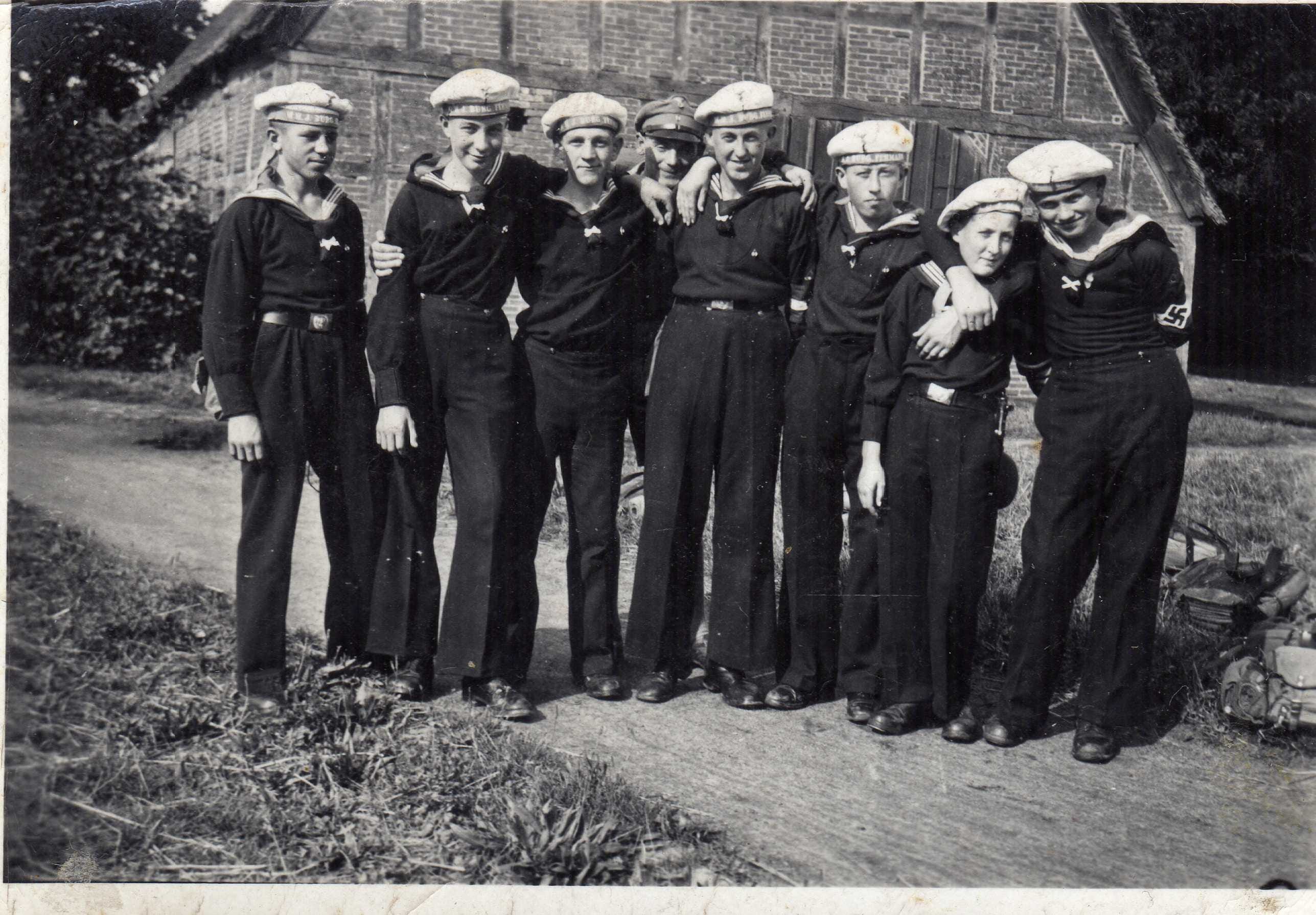
Created as early as 1935 and led by retired Vice-Admiral Adolf von Trotha, the Marine-HJ would exceed 60,000 teenagers at its peak in 1943–1944. It was officially open to all German youths, but most members came from the northern coastal regions. They paid slightly higher dues than other HJ branches to offset the greater cost of maritime activities. The Marine-HJ helped bypass manpower limitations imposed on the German Navy by the Treaty of Versailles by giving the most capable youths basic maritime skills relevant to merchant navigation and warship service. The Marine-HJ also included two transport-focused subgroups:
Reichsbann BS (B for Binnenschifffahrt, inland navigation) for river links;
Reichsbann S (S for Seefahrt, maritime navigation) for open-sea transport.
In 1935, the Reich Sea Sports School (Reichsseesportschule) opened south of Berlin in a region rich in lakes and waterways. A second structure was then opened on Lake Constance. By 1943, there would be six such institutions across the country. Young people were held to higher standards there than in other HJ specialities, because chart work, celestial navigation, and seamanship require calm, lucid temperaments. A strict selection process aimed to ensure that each Marine-HJ member earned a nautical certificate and was fit for future service in the Kriegsmarine. Course content was determined by the German Navy, and until 1939, certification required participation in a Baltic naval exercise aboard the Horst Wessel, a Kriegsmarine sail training ship. The youths learned, among other things, to tie maritime knots, transmit messages by semaphore or flags, use ship fittings, and master basic navigation: compass use, coastal piloting, buoyage and its functions, navigation lights, chart reading, recognition of Kriegsmarine ranks and uniforms, and more.
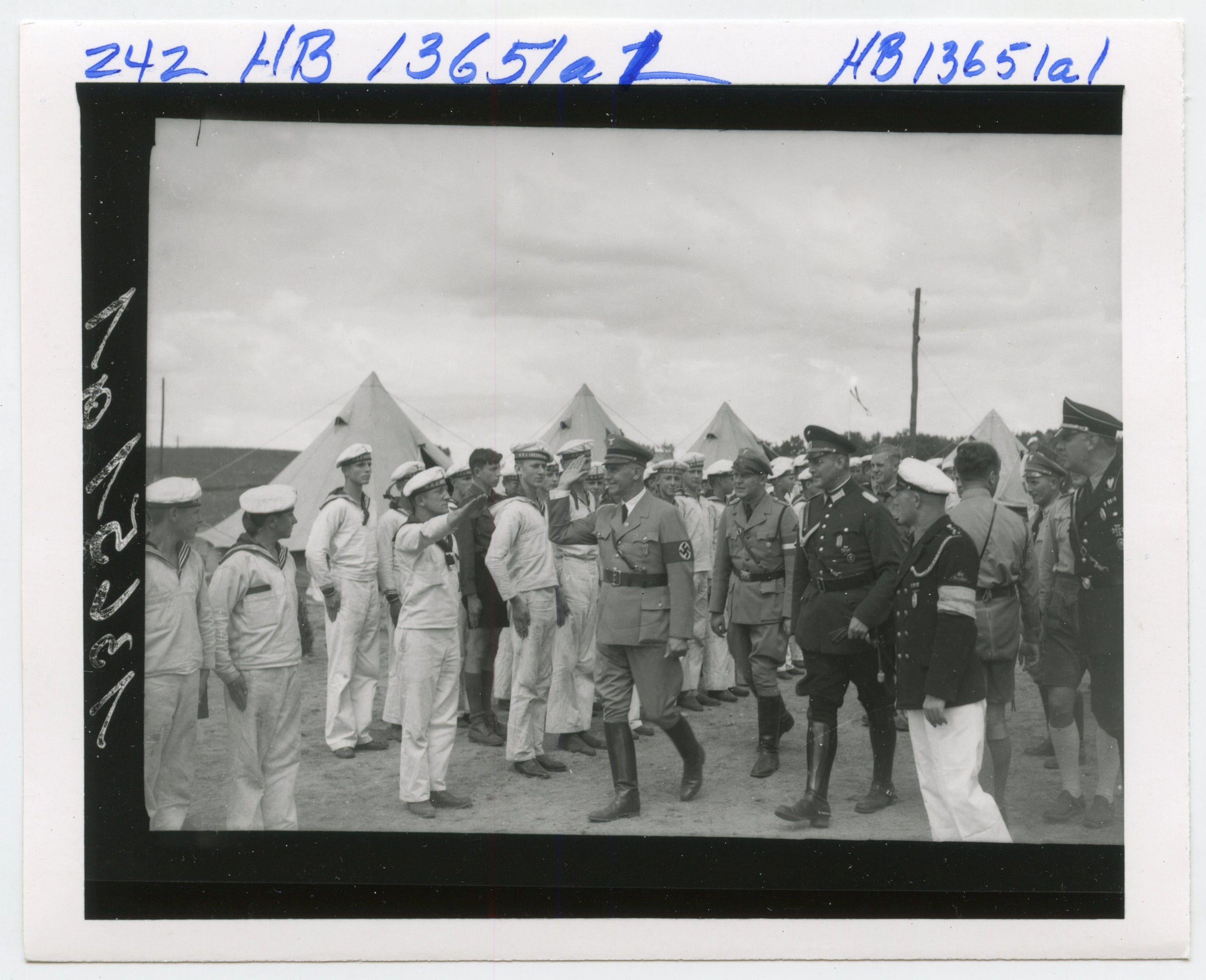
Statistical studies based on crew lists paint a striking portrait of U-boat men, especially in terms of geographical and social origins. While inhabitants of major Hanseatic ports (Kiel, Hamburg, etc.) were well represented, it was central Germany—particularly Saxony—that provided the greatest number of recruits. These men typically grew up in Protestant families of artisans or skilled workers, rarely in military households, and generally had only elementary schooling.
A sailor initially enlisted in the Kriegsmarine for four years, during which he could rise through the ranks and become a junior petty officer. The best-rated could reach senior petty officer status at the end of a further twelve-year period. This was highly theoretical: war generally accelerated promotions and turnover. After the severe losses of 1940–1941, very few submariners could boast fifteen years of service in their arm.
High unemployment in 1930s Germany swelled the number of volunteers seeking to join the Kriegsmarine, which helps explain why the U-Bootwaffe could be especially demanding in selection. Before the war, entry conditions were straightforward: German citizenship, a clean criminal record, being unmarried, aged 17 to 23, and in excellent physical condition (wearing glasses was disqualifying). In addition, “a prior work experience is sought”: former merchant seamen were valued, but so were skilled workers, engineers, and technicians specialised in metalwork. Having belonged to the Marine branch of the Hitler Youth and/or having completed the Labour Service (RAD) were major advantages.
Selection criteria were stricter still for the submarine arm. Before the war, around 13,000 men joined the Kriegsmarine each year. If one third applied to the U-Bootwaffe, only 60% were accepted. In 1939, Dönitz thus commanded crews of highly motivated professionals—true volunteers, competent and qualified. That began to change from 1941. Heavy personnel losses over the preceding two years forced the arm to enrol more and more volunteers: unskilled workers, youths with no nautical background, and so on. Yet despite the demands of submarine service, harsh living conditions, and catastrophic loss rates, there would always be candidates for the U-Bootwaffe. Regime propaganda and the carefully cultivated image of an elite arm certainly attracted the “best” in the early period, but as the war progressed motivations became far more prosaic. From 1942, many volunteered “by default” for the Freikorps Dönitz—one of the arm’s nicknames—to avoid the slaughter of the Eastern Front, not realising that U-boat loss rates were just as dreadful. The U-Bootwaffe only slightly lowered its physical standards during the war; in 1944, it still accepted only 37% of applicants. In fact, it never faced a manpower crisis thanks to three complementary solutions:
drawing on volunteers through propaganda, as noted;
retaining the petty officers and officers it had trained;
increasingly pulling in personnel from other Kriegsmarine branches—sometimes against their will.
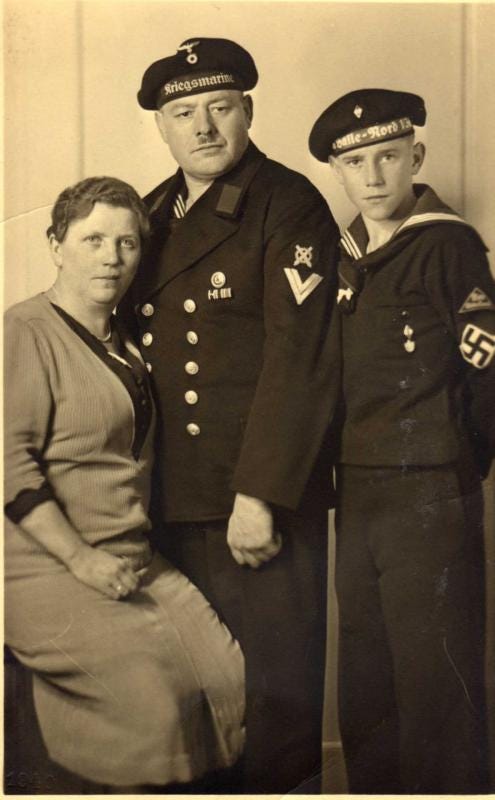
Volunteer inflows quickly became insufficient to cover losses, and the Kriegsmarine—competing with the Heer and Luftwaffe for manpower—had to turn to conscription. From mid-1941, the U-Bootwaffe thus received more and more recruits who had not asked for submarine service. Many also came from other naval branches. Sailors and officers who survived the destruction of their surface unit in combat were often transferred to submarines with no possibility of refusal. This was the case, for instance, for crews of destroyers sunk at Narvik in 1940—but they were far from the only ones. By 1945, only 36% of serving U-boat commanders had spent their entire careers in the submarine arm; the others had previously served in one or more other Kriegsmarine branches.
“As one petty officer testified, crews were made up of 80% genuine volunteers until 1942, and slightly less after that,” explains Jean Delize in Les Hommes des U-Boote2. “Those with technical specialties were the first to be assigned to the submarine arm, from spring 1940 onward, without their preferences ever being asked. […] And senior petty officers responsible for propulsion […], if they met the medical requirements, were assigned directly to U-boats. Those who had completed […] their initial enlistment and did not wish to renew it were sometimes selected and designated by their divisional chief to extend their service.”
Often, the only choice offered to a sailor retained was the type of boat he would serve on. Wolfgang Hirschfeld, future radio operator on U-109, recalled3: “I was given a choice—the only one I can remember during my service in the U-Bootwaffe: did I want to sail on a Type VII or a Type IX? Veterans urged me to pick the former: ‘My boy, choose the Type VII—they give you a better chance of survival. They dive ten seconds faster, and patrols are shorter.’ But simply because I like a bit of comfort, I chose the larger model, and when I saw the cramped conditions Type VII crews had to live in, I didn’t regret it.”
A new recruit began with basic naval instruction provided by the Kriegsmarine (seamanship, communications, etc.), then continued with six months of apprenticeship at the U-boat school (technical courses, first aid, survival equipment, etc.). This period would shrink considerably as the war progressed in order to replace losses as quickly as possible. A separate six-week course was specifically designed for future cooks (one per U-boat).
Those seeking to become petty officers were selected from the ranks after two to three years of impeccable service. Their instruction lasted three to ten months, after which they joined the Friedrichsort Marineschule, which turned them into non-commissioned officers generally more competent and seasoned than officer cadets (who nonetheless outranked them). They studied theoretical navigation, underwent infantry training (deemed essential to learn obedience—and how to give orders), physical training, and above all technical instruction on diving planes, engines, and propulsion. They were expected to know their boat thoroughly.
To become officers, candidates first had to pass a particularly demanding physical aptitude test, which typically eliminated around a quarter of applicants. Valid for the entire Kriegsmarine, basic training lasted five months, followed by four months at sea aboard one of the fleet’s sailing training ships. Graduates emerged with the rank of Seekadet and then joined a surface unit for the duration of a cruise which—in peacetime—could last up to nine months. On return, future officers entered the Mürwik Naval Academy for seven months of training, at the end of which they received the rank of Fähnrich zur See (midshipman). To serve aboard a U-boat, they then had to complete a dedicated three-month course alternating one week of theory with one week of practical drills, to reach a minimum of 17 days spent at sea. Training was conducted aboard Type II school boats until mid-1943, when they were replaced by Type VIICs.
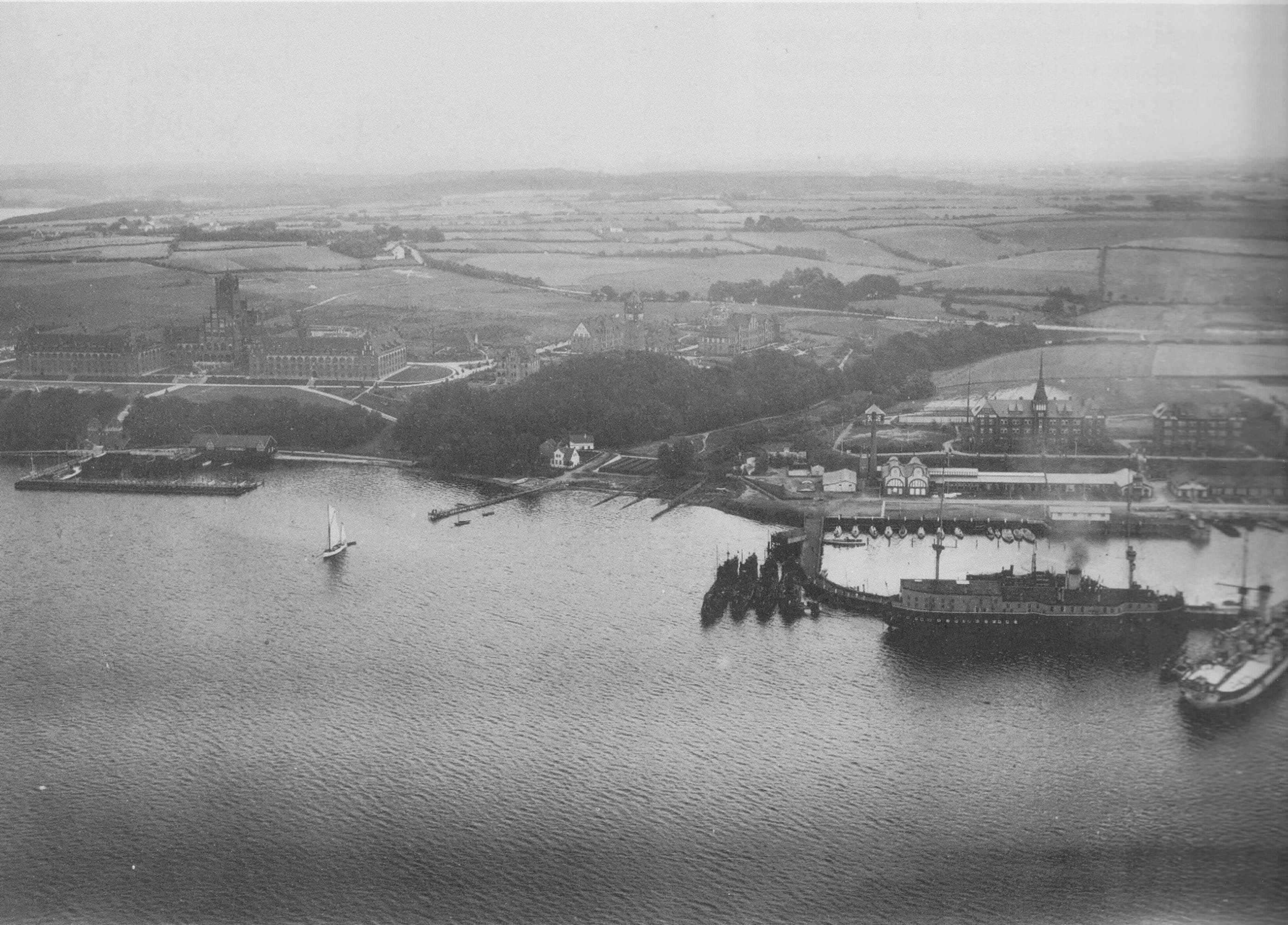
Officers received advanced training in submerged navigation. While they spent only a few hours studying the technical and mechanical aspects of their future boats, they received detailed instruction in combat tactics and torpedo firing. Depending on speciality, they also had to complete courses in meteorology, ship recognition, navigation (chartwork, celestial navigation, etc.). Engineer officers, for their part, had to pass various exams before entering a five-month technical course followed by a six-month posting to a major surface unit. Only then could they become Leutnant (Ing.).
In peacetime, future submarine commanders received tactical instruction at Mürwik, then returned to sea for a semester before becoming Oberfähnrich, a rank they held for three years, before promotion to Leutnant zur See. War profoundly altered this training, deemed too long. At Neustadt, prospective commanders trained on a simulator: a conning-tower cell fitted with a periscope, gyrocompass, firing computer, and helm. The student could view combat images through the periscope and transmit orders and firing data via the instruments. A simulated torpedo launch stopped the exercise so choices and errors could be analysed. Only after simulator training did students move on to live launches.
“Crew” was the name given to officer-cadet intakes in the Imperial Navy, the Reichsmarine, the Kriegsmarine, and—today—the Federal German Navy. For example, cadets who attended officer school in 1922 were part of Crew 22. In hindsight, the most famous intake was undoubtedly Crew 31, which conducted an ocean training cruise aboard the light cruiser Karlsruhe from December 1931 onward. It included 29 officer cadets, several of whom would become U-boat aces: Heinrich Bleichrodt, Robert Gysae, Heinrich Lehmann-Willenbrock, Fritz-Julius Lemp, and Günther Prien.
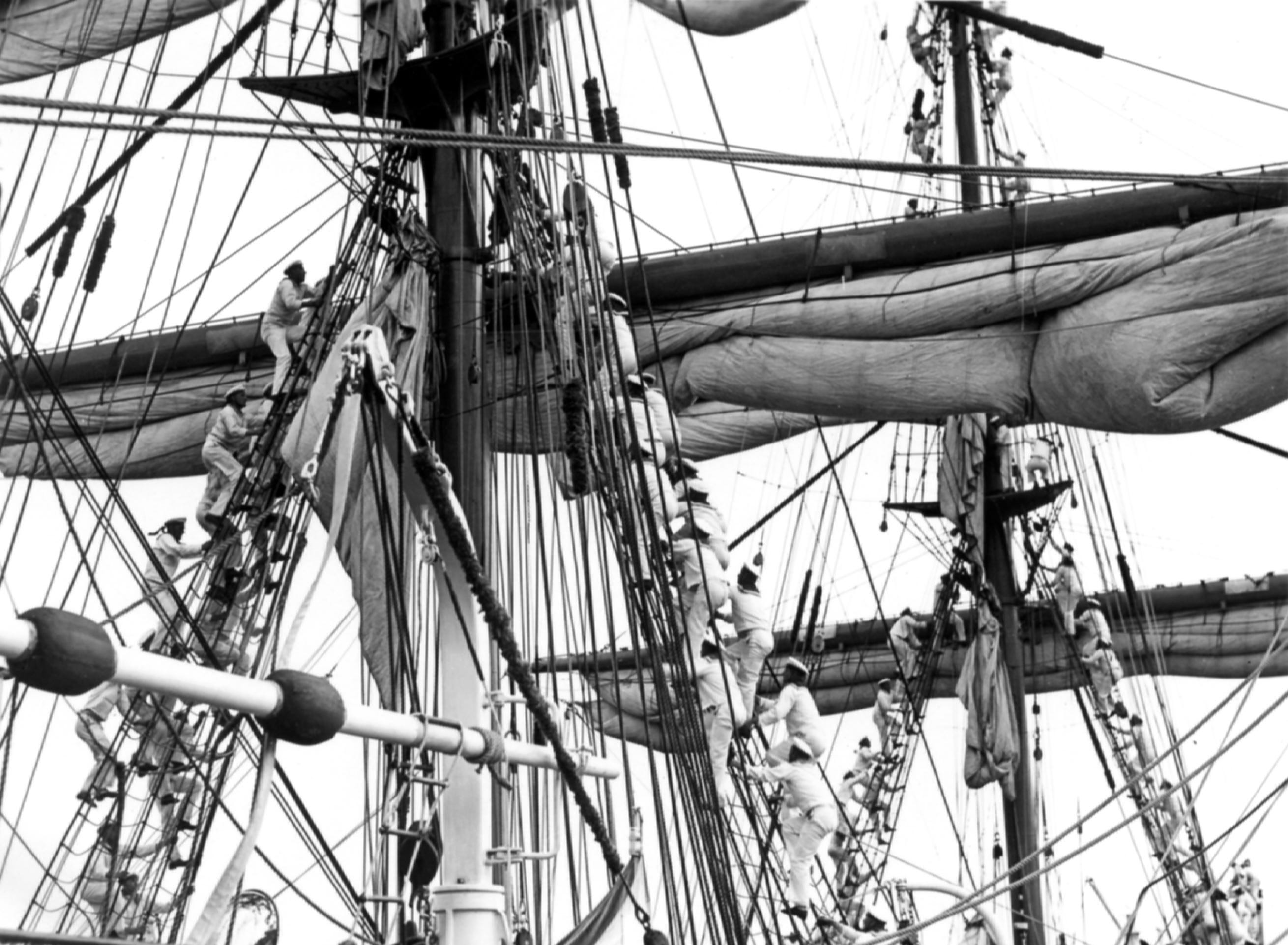
From 1929 onward, Germany faced social and economic catastrophe. A monetary crisis drove unemployment sharply upward4. Thus, just as Günther Prien earned his merchant-marine master’s licence at age 24, he found no employment. In August 1932, lacking prospects, he joined a voluntary RAD labour camp. Unlike the youths around him, he had already worked and possessed a strong sense of authority and hierarchy, which explains why he quickly became a team leader. The work mainly involved digging drainage trenches to dry marshland. The parallels with his future life as a U-boat commander are striking: considered “old” though not yet 30, he led a group of young men barely out of adolescence, all living under the same harsh conditions, far from everything. It was at this time that he learned the Reichsmarine was recruiting among merchant-marine officers—an unexpected chance to return to sea.
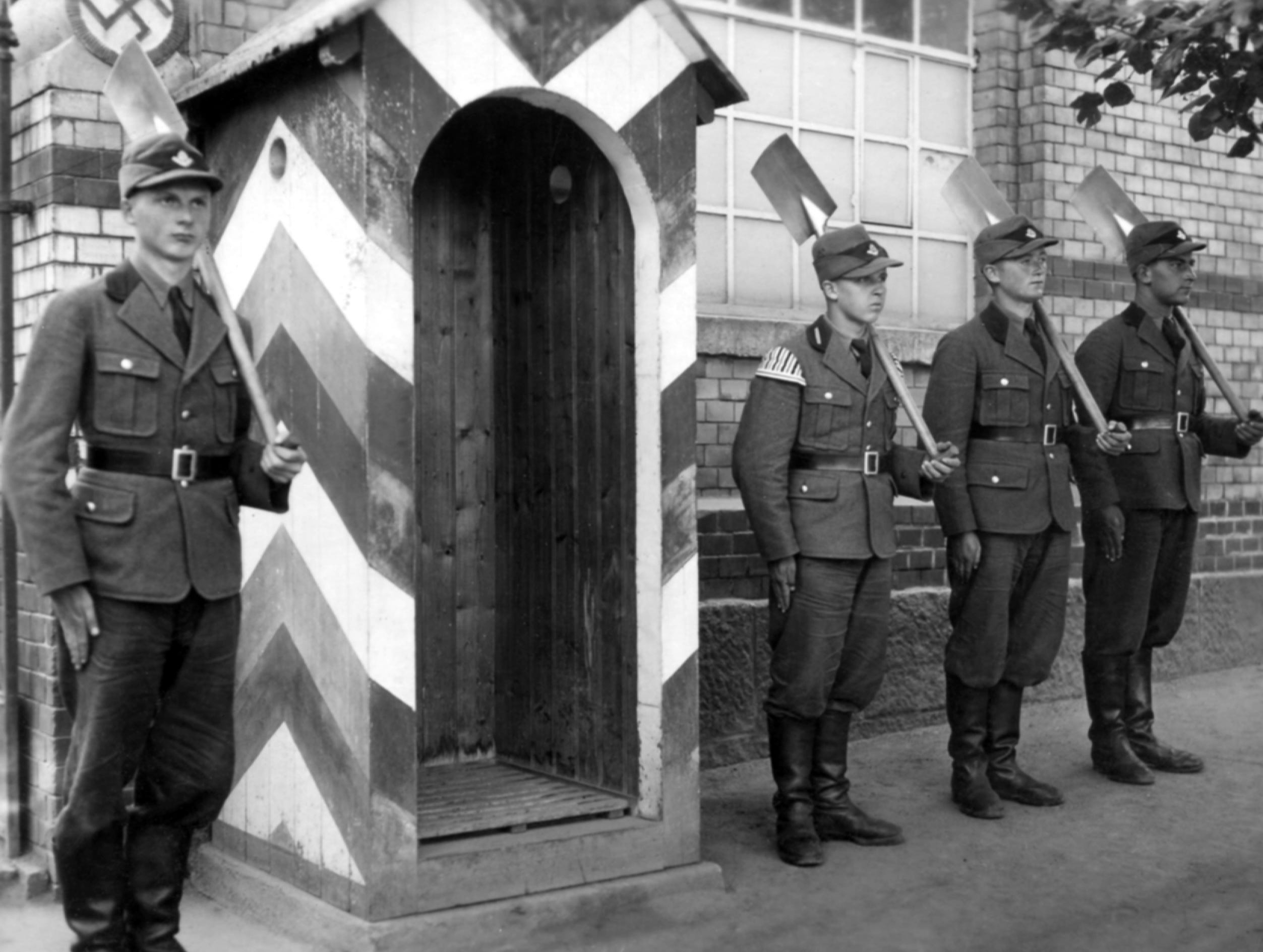
For several years already, the German Navy had worked quasi-clandestinely to regain manpower and power forbidden to it since 1919. In the early 1930s it had not waited to develop, in great secrecy, various classes of surface ships and submarines. To man them required well-trained crews—and thus competent officers and petty officers. The Reichsmarine had only one training ship for that purpose: the three-masted barque Niobe. On 26 July 1932, however, the sailing ship capsized off Fehmarn Island in the Baltic during a sudden squall, killing 69 cadets and instructors. The catastrophe abruptly deprived the Admiralty of both officer cadets and a ship to train new recruits—the Niobe had carried 350 cadets each year. To fill the gap without falling behind its development plan, the Reichsmarine decided to open its doors to a small number of merchant-marine officers (around fifteen, initially). This would bring in experienced men and buy time to build new training ships5.
In January 1933, Prien applied. His record was good, his physical condition strong, and he entered the German Navy on 16 January 1933 as an Offiziersanwärter (officer candidate)—officially with the rank of an ordinary seaman. He completed basic instruction, became Fähnrich zur See in March, and sailed on a training cruise aboard the light cruiser Königsberg, used for cadet instruction. In April 1935 he became Leutnant zur See, and in October he transferred to the U-Bootwaffe. For the arm, this was a period of major change: Hitler had launched massive rearmament, and the Reichsmarine became the Kriegsmarine. But for new arrivals, there was no question of joining an operational boat immediately; first came the U-boat school at Kiel-Wik. In late February, cadets finally set foot aboard a real submersible. This instruction period lasted nearly two years.
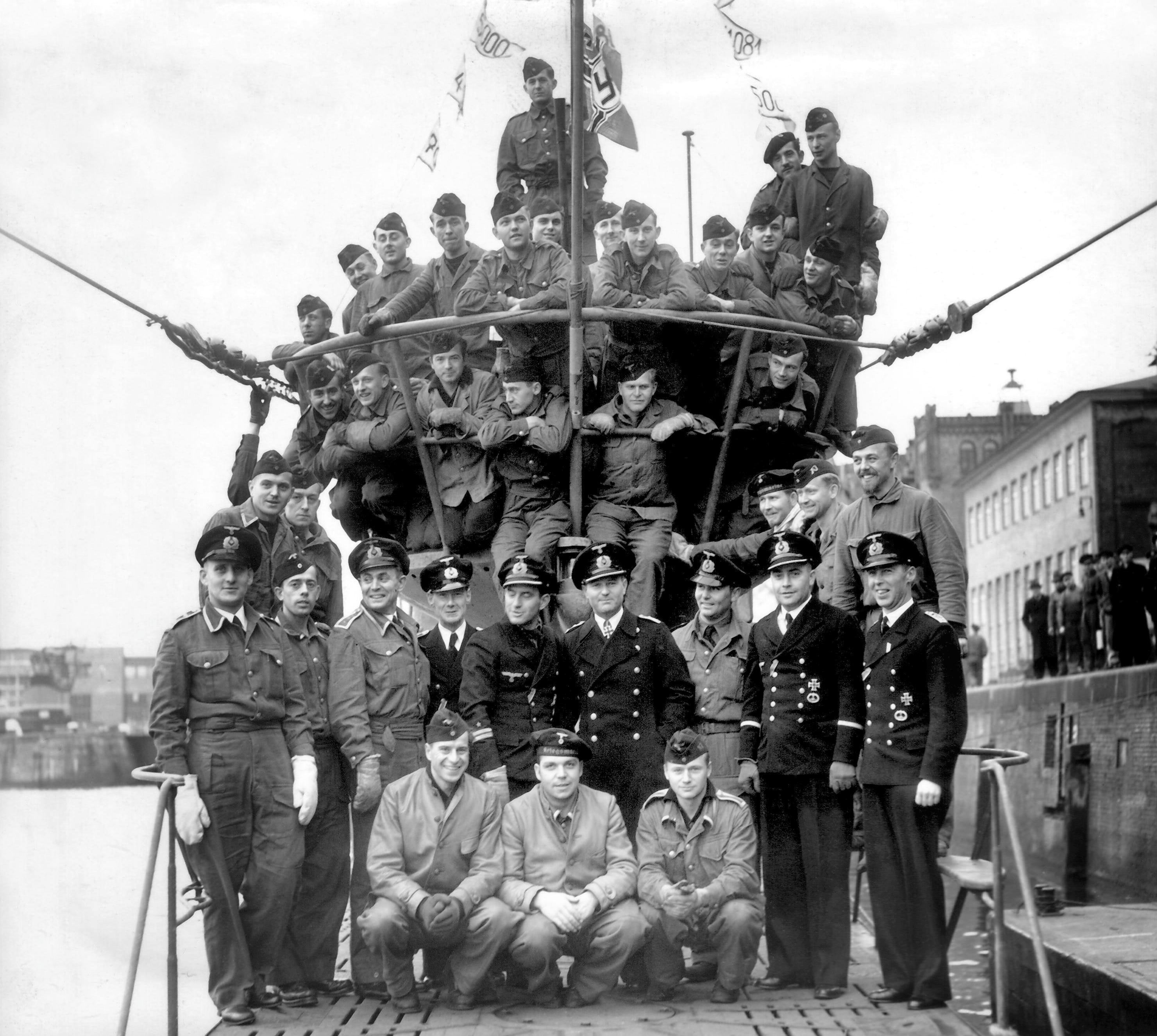
In early 1937, Prien was promoted Oberleutnant zur See and joined U-26, commanded by Werner Hartmann, as 1st watch officer—the executive officer. U-26 was one of only two Type IA boats in service, commissioned in May 1936: an ocean-going prototype (intermediate in size between Types VII and IX) used mainly for training and propaganda, since it proved poorly manoeuvrable and slow to dive. Yet the U-Bootwaffe urgently needed ocean-going designs. With the Spanish Civil War raging, it had to send several boats to protect German interests there. On 6 May 1937, U-26 sailed from Bremen for a first “Spanish” patrol on the Atlantic coast through June, followed by a second from July to August. Both provided the young officer with real “live” experience. Hartmann praised his deputy as a competent, meticulous submariner and a leader of men. In autumn 1938, Prien finally received his first—and only—command: the Type VIIB U-47. Throughout spring 1938, he trained his boat first in Kiel Bay and then in the Baltic. All his men had volunteered for the U-Bootwaffe, and their motivation quickly bonded them.
Once men were trained in their respective specialties and career tracks, the next step was to make them function as a single body serving a single machine: a crew that knew its boat and had internalised the necessary reflexes. As one account put it: “We had to move in the tightest space and find our way among the most varied and complex installations. We had to learn our way around. Every pipe had its specific purpose; you had to know where it came from, where it went, and what it did. We were made to crawl under steel floor plates, clean the bilges, and do all the filthiest work imaginable.”6 The goal was to acquire the speed of execution and precision of manoeuvres demanded by modern submarine warfare—without even mentioning the “tactical sense” that commanders had to master in anticipation of combat. For Karl Dönitz, such schooling was only useful if conducted under conditions close to reality, and he early on demanded that practical and tactical exercises complement theoretical instruction: “From 1 October 1935, training of the Weddigen Flotilla was carried out according to the following principles: submarines had to be able to remain at sea for long periods, in sectors as far away as possible, and in all weather conditions. […] The semester was divided into complementary phases. […] For example, each boat had to execute 66 simulated submerged attacks and the same number on the surface before beginning, in December 1935, the first phase of live firings.”7
Instructors also taught students navigation in enemy waters, emergency dives, returning to periscope depth, by day and by night. Wolfpack tactics were on the programme from 1937 onward, and crews—hardened by endless exercise cycles—absorbed numerous tactical principles: how to maintain contact, evade a convoy’s escort, operate in complete silence, when to initiate a deep dive, how to use the deck gun and flak weapons, and so on. These courses lasted a full year and, according to one commander, “the knowledge acquired in that single year of intense training—during which crews were pushed to the limits of human endurance—was the foundation […] upon which the future structure of the U-Bootwaffe was later built. […] When it became obvious that Great Britain might oppose us militarily, tactics were modified to reflect open-ocean combat conditions and the introduction of the convoy system. But the broad principles remained unchanged. The striking feature of that training year, 1935 to 1936, was that it eradicated from the minds of all commanders and their crews an inferiority complex that had likely prevailed among them until then, as well as the idea that the U-boat had been outclassed and rendered powerless as a weapon of war by recently developed anti-submarine measures.”
Training conditions were so close to combat that losses were not uncommon. Heinz Schaeffer recalled some exercises with horror: the submarine “had to undergo all sorts of new ordeals, as was customary in certain specialised formations. For example, during diving manoeuvres, certain engines were stopped and lights were cut on the instructions of naval engineers. It often happened that various manoeuvres had to be carried out in complete darkness, because it had been seen in operations that lights could go out in some cases. When the new submarine had satisfied the tests, it was designated for the training flotilla. Our boat had just successfully undergone all these trials […]. Only the final test remained: the ‘tactical’ examination, considered the most important. It lasted fifteen days and represented a harsh ordeal for the boat and the crew. Later, when I took part as a supervising officer, the flotilla undergoing the examination lost two boats out of twelve, and three others returned to base with serious damage.”
Finally, it should not be forgotten that some early-war crews already had experience in a combat zone. From September 1937 to April 1939, 15 U-boats conducted 47 so-called “neutrality” patrols in Spanish waters during the Civil War. These provided valuable experience, particularly to crews of the 7th U-Flotilla, from which several future aces would emerge, including Prien and Kretschmer. This first experience was complemented in spring and summer 1939 by a series of large-scale Atlantic exercises initiated by Dönitz.
Then, in 1939–1940, two combat-training flotillas were created at Danzig, while a tactical training school was established at Gotenhafen, not to mention various specialised instruction groups (gunnery, mechanics, etc.) scattered across other Baltic ports. A true “German Mare Nostrum” during the Second World War, the Baltic was heavily used by the Kriegsmarine to accustom recruits to the sea and train crews in waters beyond the enemy’s reach. But in early autumn 1944, the Soviet advance along the Baltic coast ended this strategic depth so vital to the U-Bootwaffe, which would gradually lose the ability to use the Baltic to train future submariners—ultimately and drastically degrading the quality of their instruction.
In 1927, a secret rearmament program of the german navy was revealed in the press, causing a scandal that led to the resignation of several high-ranking military and political officials.
Delize (J.), Les Hommes des U-Boote, Histoire & Collections, 2007. p.55-56
Hirschfeld (W.) & Brooks (G.), Hirschfeld, the secret diary of a U-Boat, Frontline Books, Londres, 2011. p.7
14 million permanently or partially unemployed in the winter of 1931-1932.
These will be the sailing ships Gorch Fock, Horst Wessel, Albert Leo Schlageter and Hernert Norkus (not finished).
Schaeffer (H.), “U-977, l’odyssée d’un sous-marin allemand”, in Sous-mariniers, Éditions Jourdan. p.214
Dönitz (K.), Dix ans et vingt jours, Paris, Plon, collection Voici. p.17
Comments
Nothing yet. Say the first thing.
Sign in to join the conversation.