

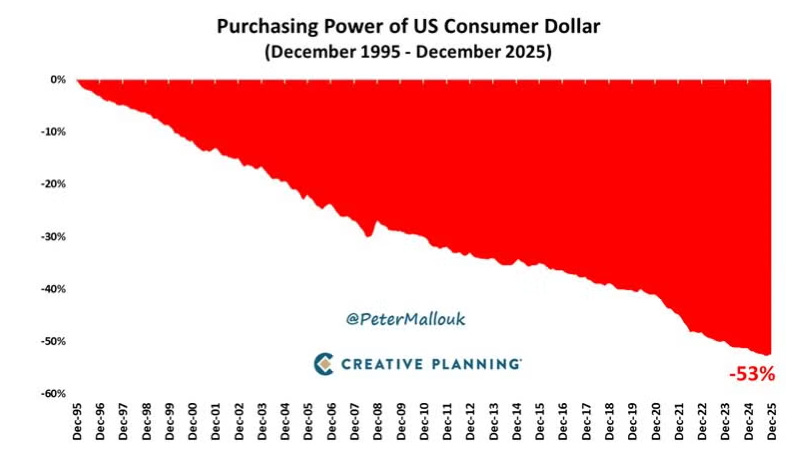
Certainly, the next 30 years will be much worse given the comfort level the government has with perpetual $2 trillion deficits. Over the past century, the dollar has lost over 99.5% of its value relative to gold. It would be shocking if the next century isn’t much worse (if such a thing is possible). Devaluation is said to be endemic to all systems, especially democracies. Scottish historian Alexander Fraser Tytler was correct, “democracies can only last until the voters discover that they can vote themselves largesse from the public treasury.”
While inflation continues to erode the value of dollars, there are other worrisome signs for debt holders. During this millennium to date, we’ve witnessed increasing signs of politics trumping rule of law. At various times, mortgages have been forgiven, and student loans and rents have been deferred. LME (liability management exercises) have become commonplace. (Time doesn’t permit a discussion of these travesties so you may want to google them or read Jim Grant’s many great discussions on the topic.) Certainly, in the overdone private credit arena, the increasing usage of gates in recent months (a gate provision allows fund managers to limit or halt investor withdrawals during redemption periods) suggests a reallocation of wealth is underway. When times get tough, the powers that be do what they feel they must. As for the rest of us, Caveat Emptor.
Dave Iben and the folks at Kopernik are some of my favorite analysts to follow. They are value investors and have stayed consistent in this over the years. Good read and a great follow.
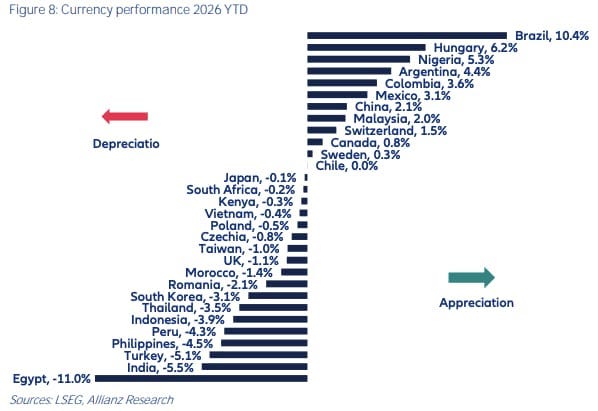
It is interesting to note that several South American markets are performing. As the political landscape shifts toward a more market-friendly government (hopefully), market perception will shift, enabling capital flows into these markets.
We might be looking at a decade of outperformance in Latin American markets.
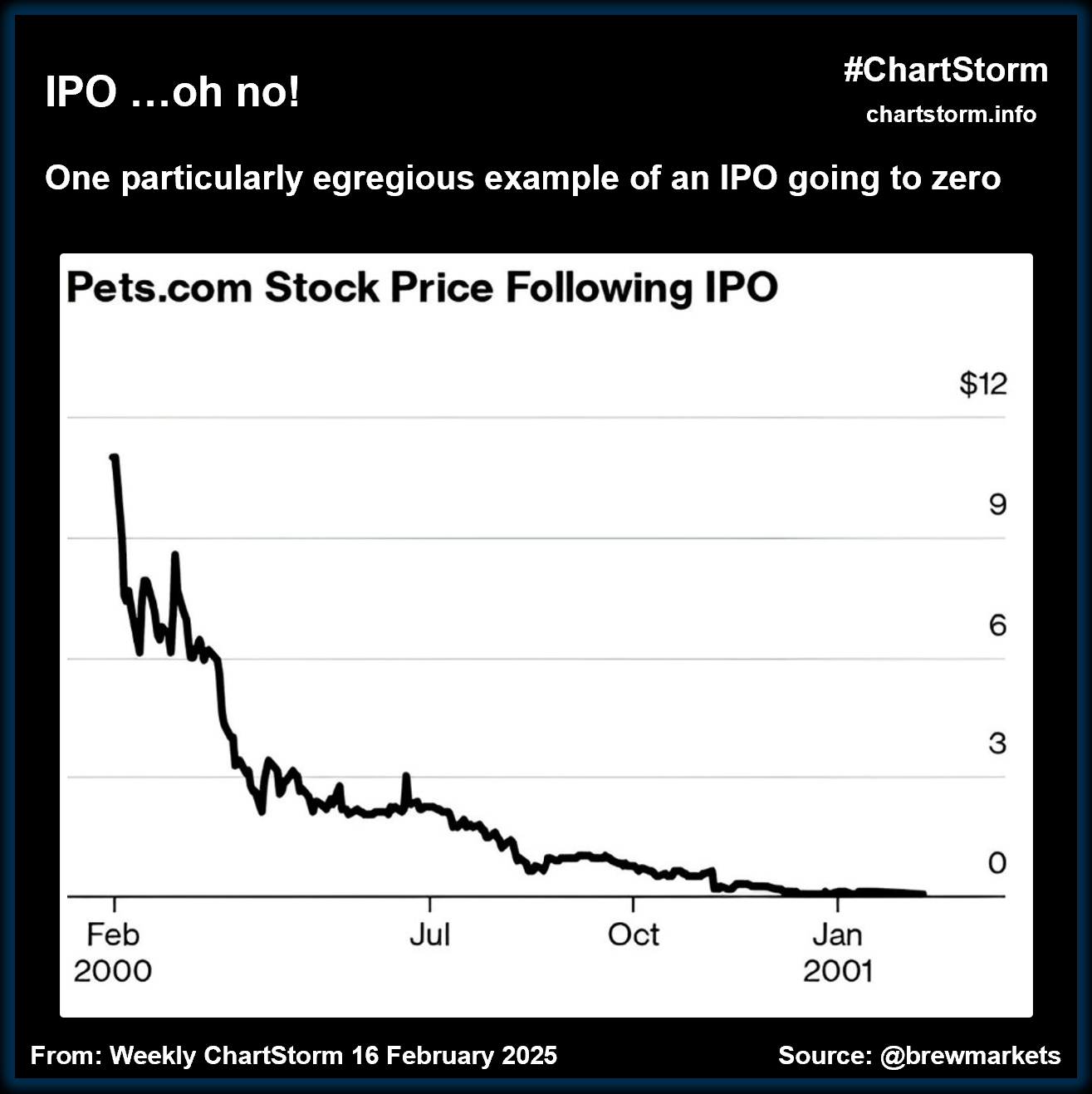
I mention this as I pick on these 1999-2001 internet bubble stocks, with Pets.com as one of the most egregious examples.
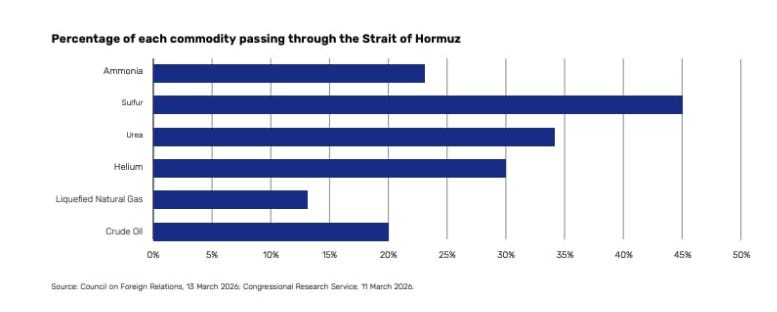
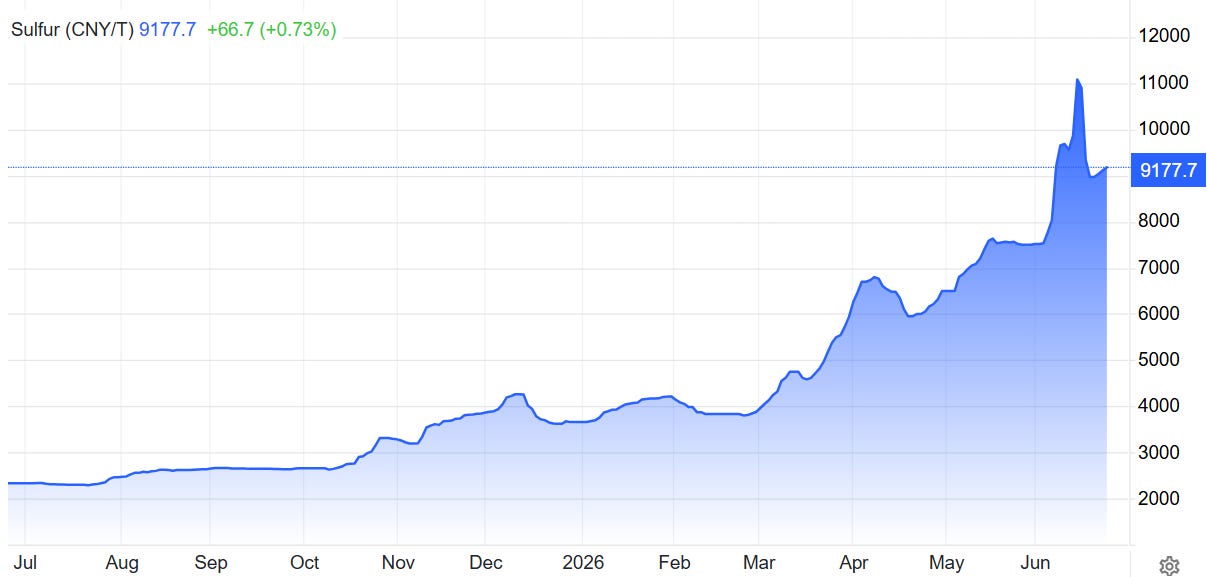
Many resources besides oil and gas travel through the Strait of Hormuz. In particular, the price of sulfur has doubled since the conflict began.
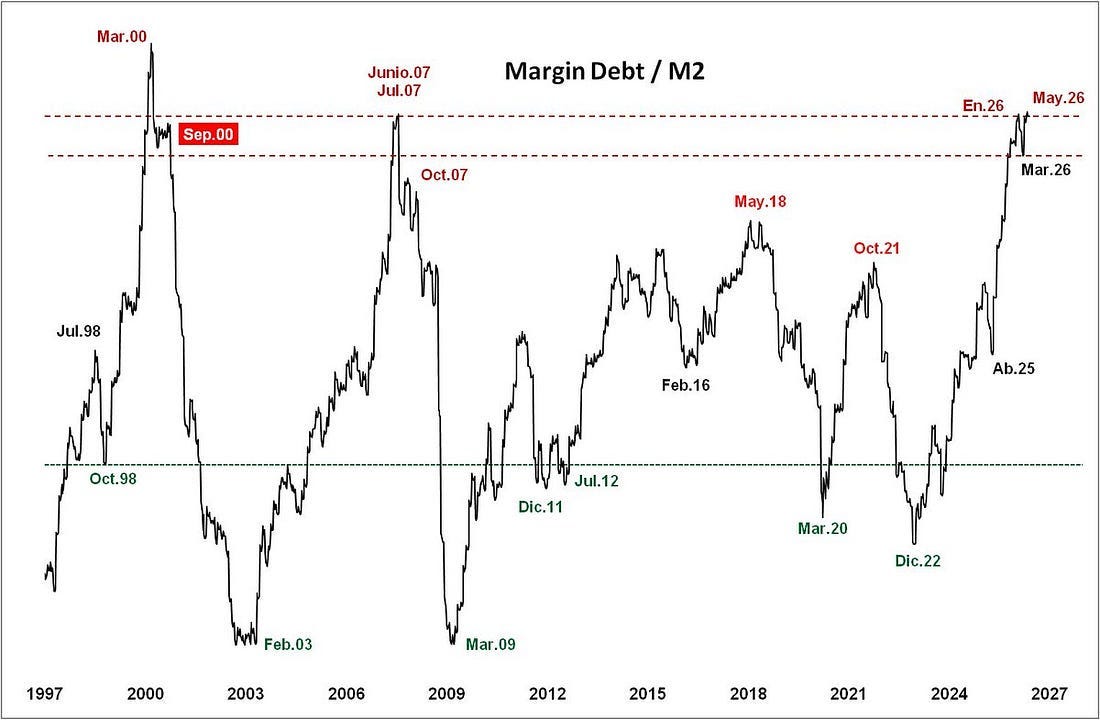
In the past, when margin debt reached the levels it is at currently, the market has been at a top and then suffered a subsequent big drawdown. Does this mean the market has topped? No, but as I have stated before, I deal in probabilities.
The bottom line is that nuclear power is growing, but the uranium supply is not keeping pace with demand.
Yes, the stocks fluctuate due to sentiment and liquidity, but we are in a bull market, and uranium will move higher over the next decade.
That’s it for this week. Thanks for subscribing.
Best regards,
John Polomny
Comments
Nothing yet. Say the first thing.
Sign in to join the conversation.