
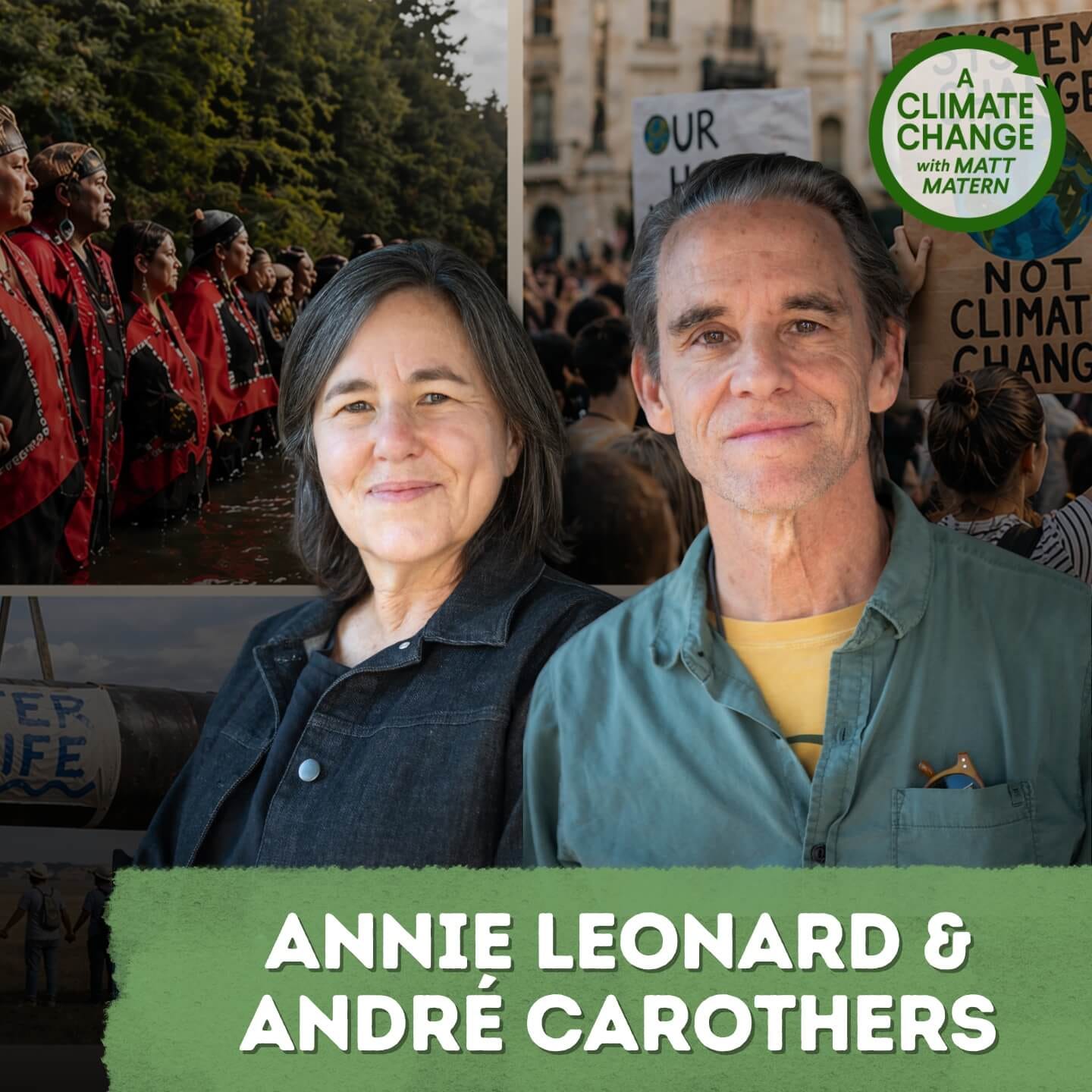
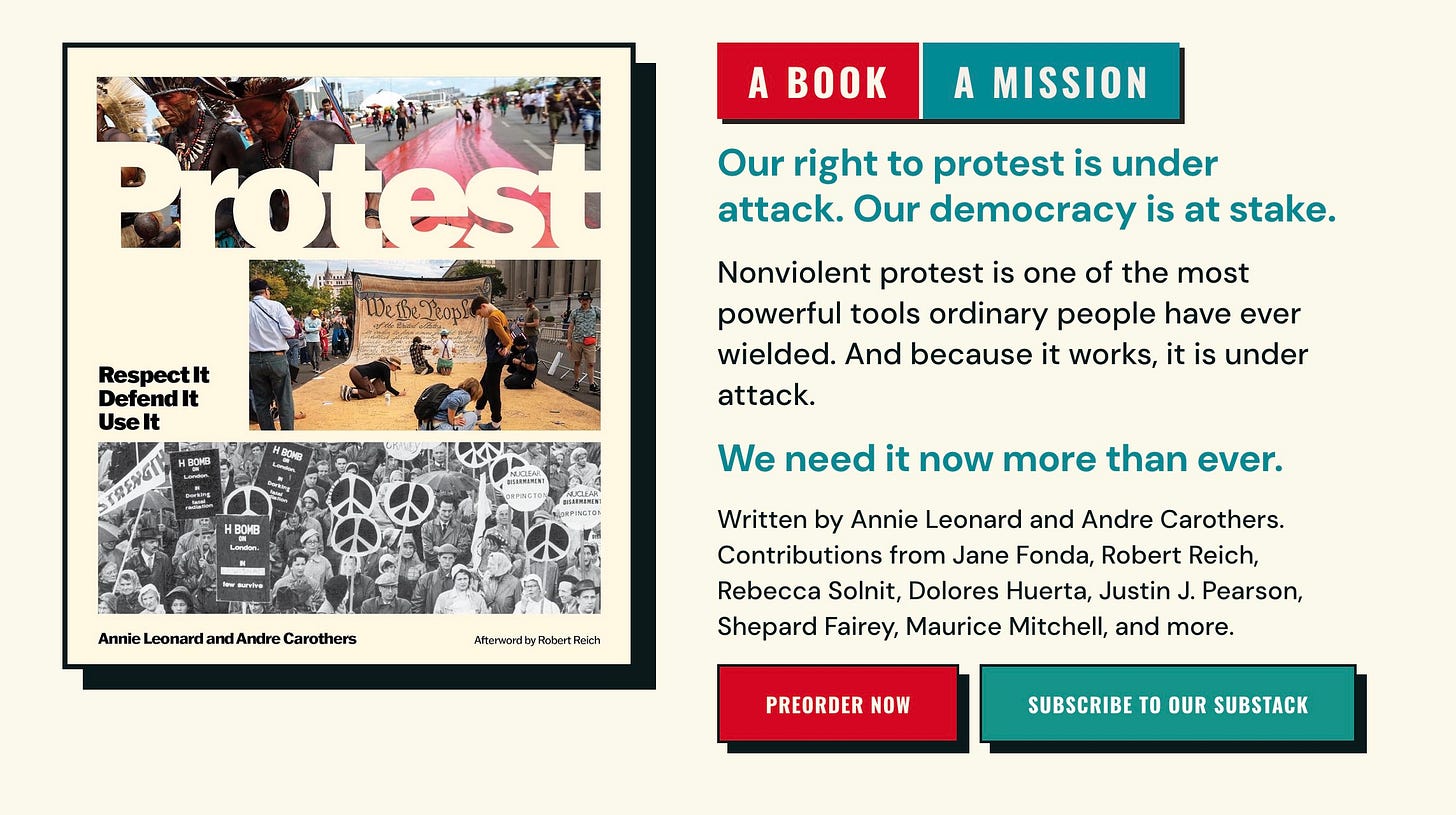
Today, I sat down with Annie Leonard and André Carothers — co-authors of Protest: Respect It, Defend It, Use It — to talk about something fundamental to democracy that’s quietly being eroded: the right to protest.
This wasn’t just a conversation about activism. It was about power, democracy, and what happens when dissent becomes dangerous.
At its core, protest is simple:
People taking a stand to stop harm or advance a greater good.
But as Annie points out, it’s also incredibly diverse. Protest can look like:
Marching in the streets
Boycotting harmful companies
Removing a symbol of injustice
Organizing locally with your community
From the Boston Tea Party to Standing Rock to climate strikes — protest has always been a driver of change.
And it works.
Which is exactly why it’s being targeted.
Since 2017:
350+ anti-protest bills have been introduced
Dozens are now law
These laws exist in 49 states
Some of them:
Criminalize protesting near pipelines
Protect drivers who hit protesters
Restrict long-standing tactics like marching
At the same time, corporations are using SLAPP suits (Strategic Lawsuits Against Public Participation) to silence dissent.
These lawsuits aren’t meant to win — they’re meant to intimidate, drain resources, and shut people up.
One example? A $600+ million verdict against Greenpeace in North Dakota.
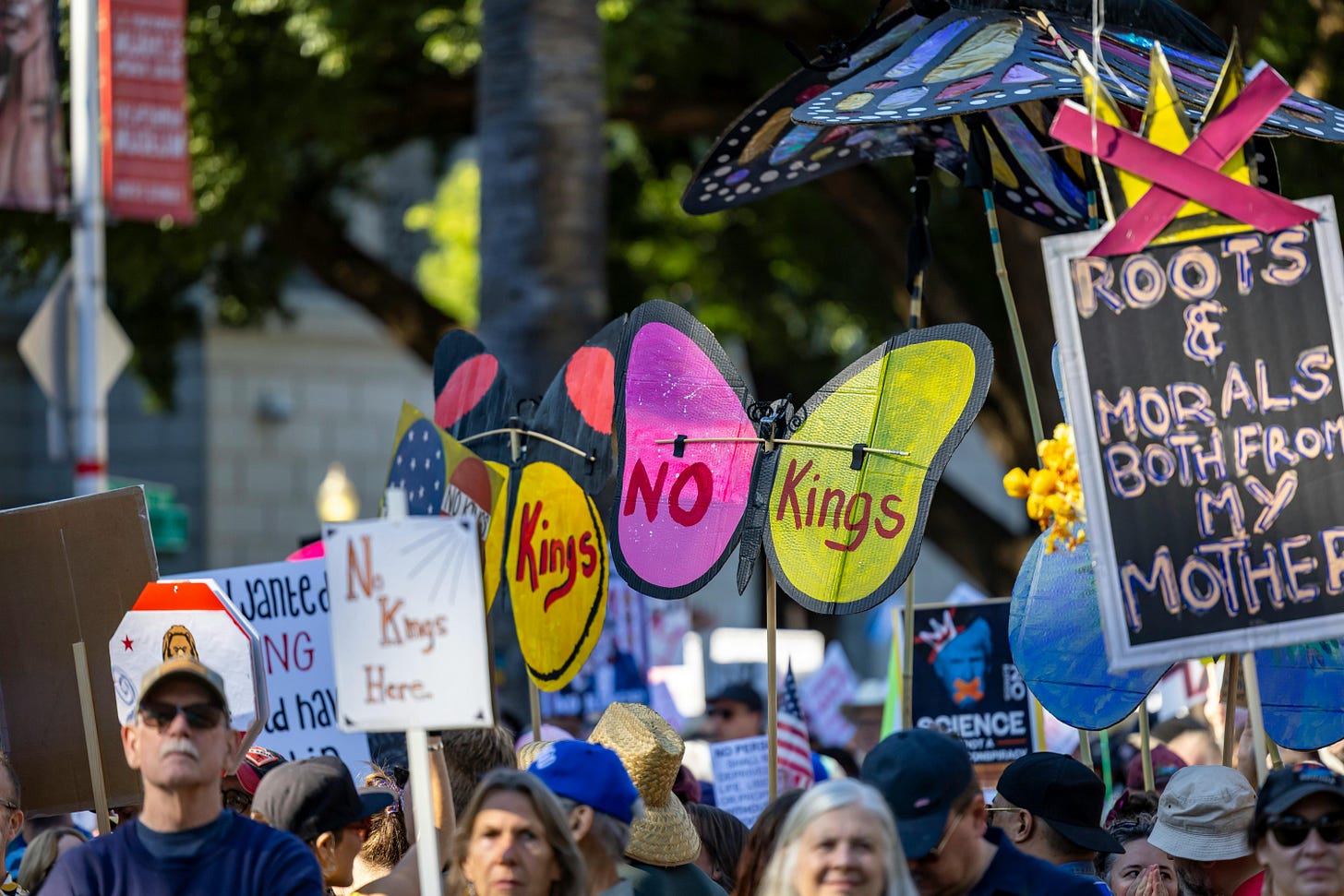
We’re not just dealing with a climate crisis.
We’re in what Annie calls a “polycrisis”:
Climate instability
Democratic backsliding
Growing inequality
Attacks on civil liberties
And here’s the uncomfortable truth:
The political system is increasingly shaped by corporate power — not public will.
In the past, environmental movements helped pass landmark laws like the Clean Air Act.
Today, even overwhelming scientific evidence isn’t enough.
Because truth alone doesn’t create change. Power does.
One of the most important takeaways from this conversation:
The climate movement doesn’t just need better messaging — it needs broader coalitions.
That means connecting climate to:
Economic justice
Public health
Tax fairness
Everyday costs of living
A great example: A campaign called “United to End Polluter Handouts.”
It doesn’t even mention climate.
Instead, it focuses on a simple idea:
👉 Why are taxpayers giving $20+ billion a year to fossil fuel companies?
That message resonates across political lines — because it’s about fairness.
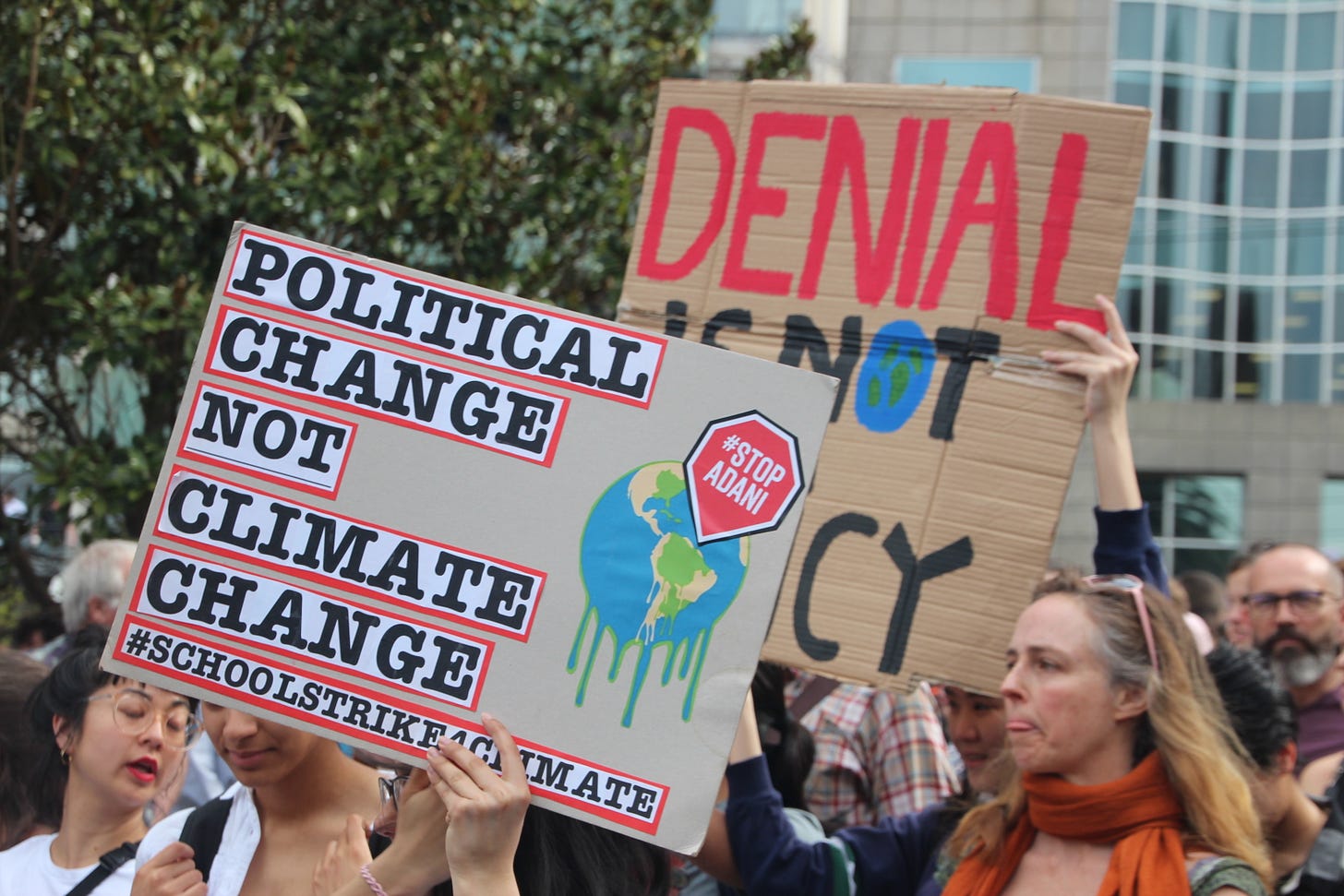
Protest alone doesn’t win change.
Think of it like laying stones in a path:
Research
Organizing
Legal action
Elections
And yes, protest
Each plays a role.
But protest does something unique:
It elevates issues
It builds movements
It signals to others that they’re not alone
And in moments like this, silence is not neutral — it’s noticeable.
“Imagine if San Francisco were silent right now,” Annie said. “That would send a message too.”
Start simple.
Join a local protest
Find a group like Indivisible or Public Citizen
Bring a friend
Show up, even once
Because the data is clear:
People who take one small action are far more likely to stay engaged.
And if you feel like “just one person”?
Don’t be. Find another.
One of the most powerful moments from the conversation came from Annie:
“They’ve taken a lot from us. But I won’t let them take my sense of hope.”
In a world shaped by fear, disinformation, and overwhelm — hope itself becomes an act of defiance.
Protest is not fringe.
It’s not optional.
And it’s not outdated.
It’s one of the most powerful tools we have —
and one that’s increasingly under threat.
If it disappears, so does a core pillar of democracy.
So the question isn’t whether protest still matters.
It’s whether we’re willing to defend it while we still can.
If this resonated, share it with someone who needs to read it. And if you haven’t yet — consider where you might show up next. To listen to or watch this episode, head over to Apple, Spotify, or YouTube.
No posts
Comments
Nothing yet. Say the first thing.
Sign in to join the conversation.