
The Clothes You Wear Have a Hidden Cost
What if your favorite T-shirt was part of the climate crisis?
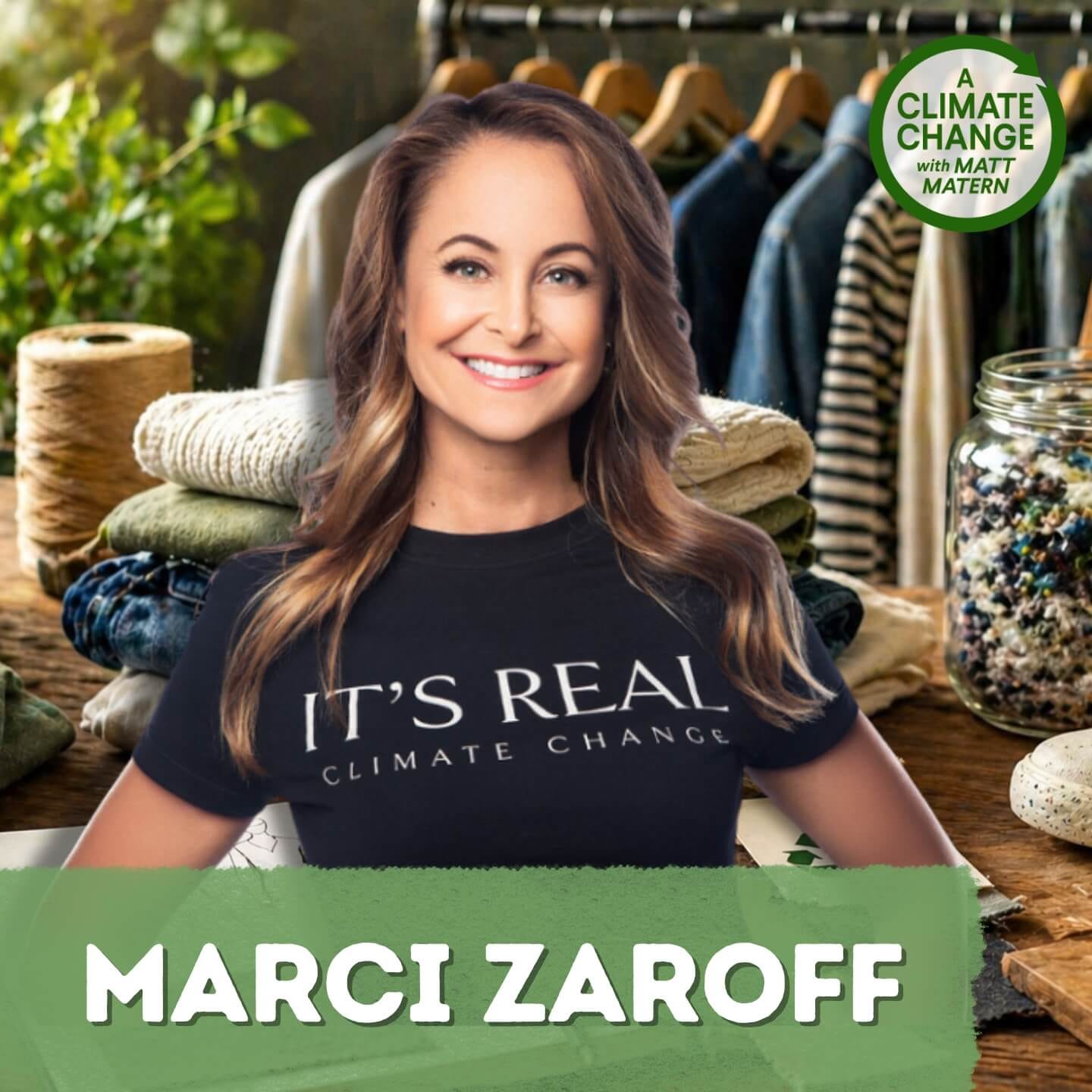
In my latest conversation, I sat down with Marci Zaroff, founder of ECOfashion Corp and a pioneer in sustainable fashion, to unpack a truth most of us never consider:
Our clothes aren’t just fabric—they’re part of a global system impacting our health, oceans, and climate.
And once you see it, you can’t unsee it.
The Microplastic Problem in Your Closet
Here’s a stat that stopped me cold:
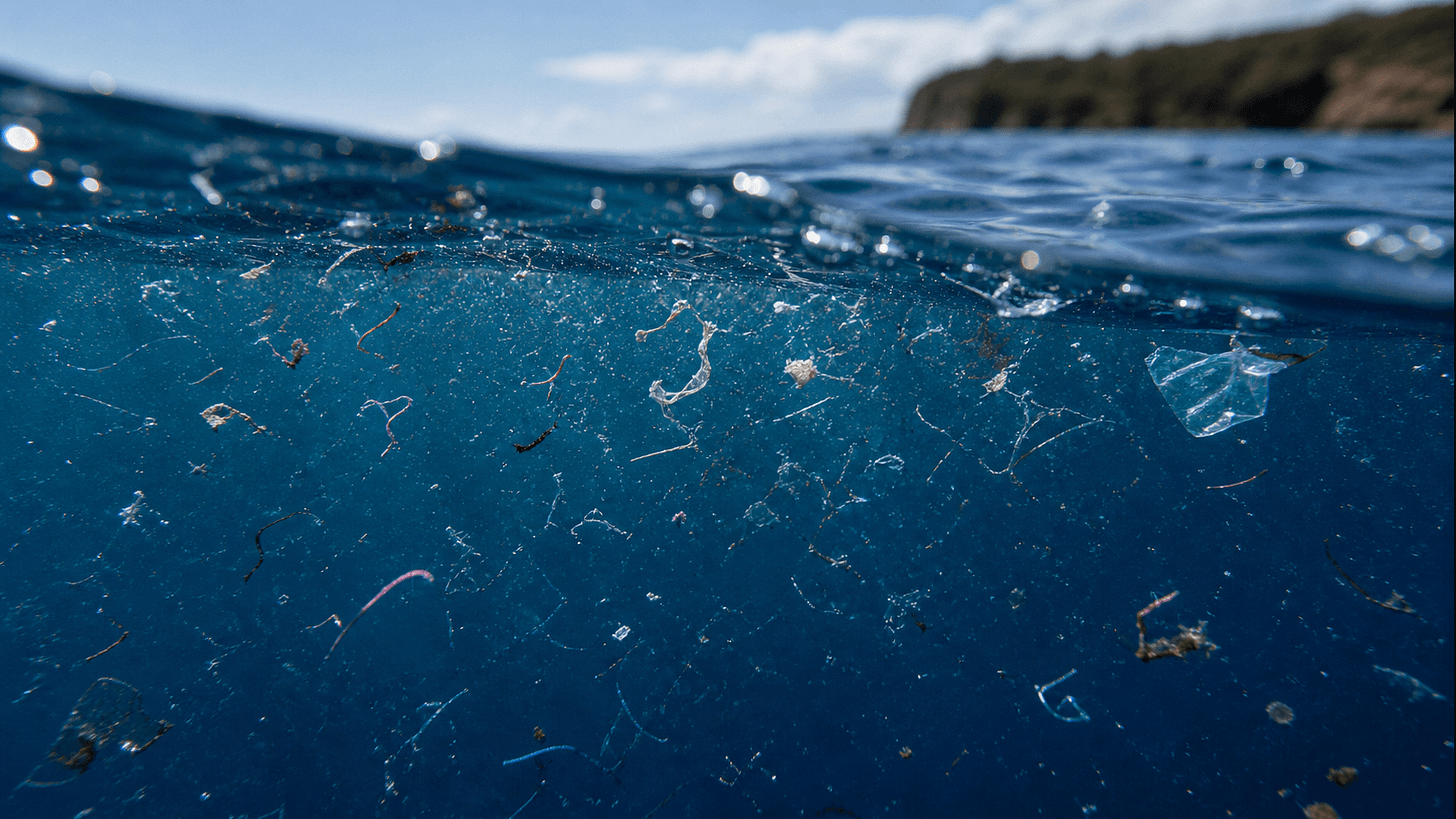
A third of ocean plastic pollution comes from textile microfibers.
Two-thirds of global textiles are synthetic.
90% of fish now contain microplastics.
Every time you wash synthetic clothing—polyester, nylon, acrylic—tiny plastic fibers shed into waterways. They end up in oceans, marine life… and eventually, us.
This isn’t abstract. It’s happening every day, in every household.
From Cotton Fields to Your Skin
Even “natural” fabrics aren’t always what they seem.
Marci explained that:
Cotton is one of the most chemically intensive crops in the world.
A single T-shirt can involve layers of toxic processing chemicals.
And shockingly, 60% of the cotton plant enters the food supply.
That means the same system producing your clothes is directly tied to what you eat.
The Human Cost We Don’t See
Behind fast fashion is a deeper, more troubling story:
Farmers trapped in cycles of chemical dependency
Soil degradation and biodiversity loss
Serious health risks for agricultural workers
Marci shared that in some regions, farmers are caught in what’s called a “pesticide treadmill”—a system that becomes increasingly expensive, toxic, and inescapable.
This isn’t just an environmental issue. It’s a human one.
The Rise of Synthetic Everything
Today, 67% of global textiles are synthetic—essentially plastic.
Fast fashion has accelerated this trend:
Clothing cycles have gone from 4 seasons a year to 50+
Massive overproduction leads to waste and landfill overflow
Most garments are worn only a handful of times
We’ve turned clothing into a disposable product.
So What’s the Alternative?
Marci points to two key solutions:
1. Regenerative + Organic Fibers
These go beyond “less harm” and actually:
Restore soil health
Reduce chemical use
Support farmer livelihoods
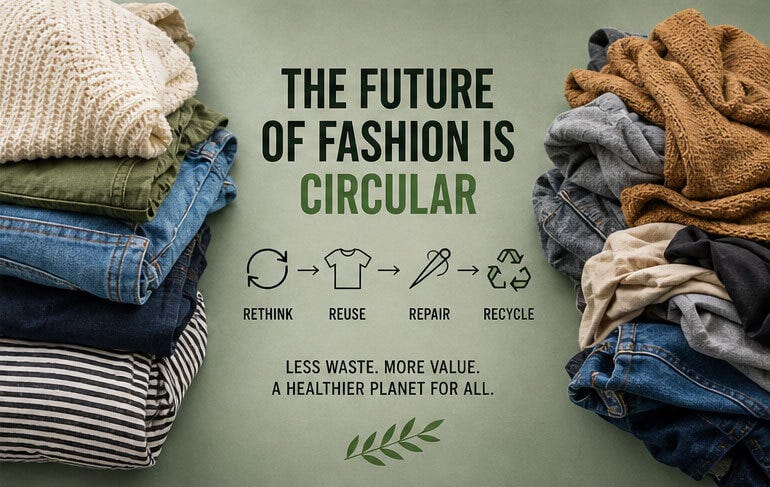
2. Circular Fashion Systems
Instead of “make → use → toss,” the goal is:
Reuse
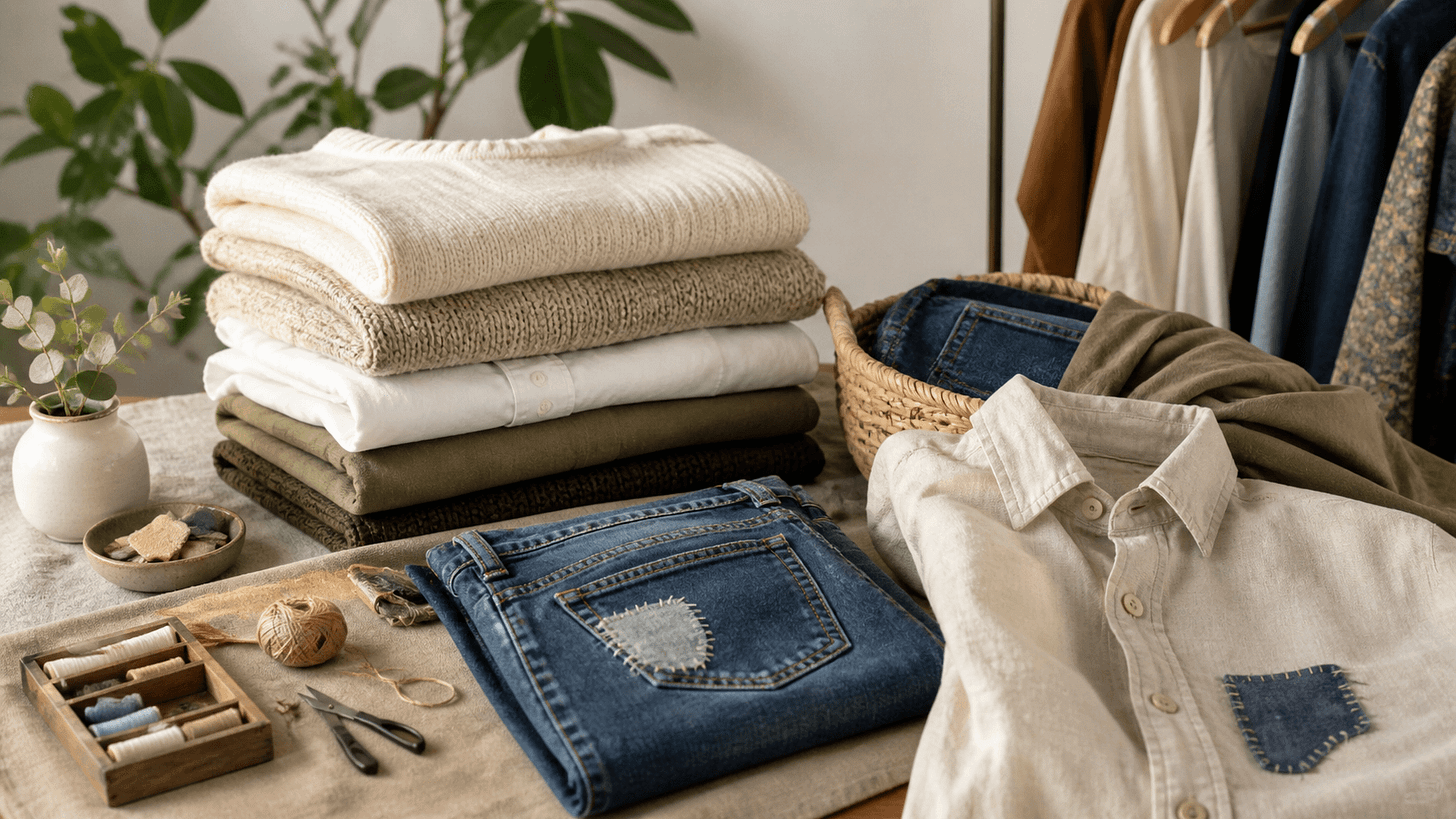
Repair
Recycle textiles into new materials
We’re starting to see real momentum here—from major brands to younger consumers embracing thrifting and resale.
A Turning Point for the Industry
For years, sustainability in fashion was mostly marketing.
Now, that’s changing.
New forces are reshaping the industry:
Traceability technologies that track products from farm to shelf
Policy and regulation, especially in the EU
Consumer demand for transparency
As Marci put it:
“It’s no longer about staying ahead—it’s about not being left behind.”
What You Can Do Right Now
This isn’t about perfection. It’s about awareness—and better choices.
Start here:
Buy less, but higher quality
Choose organic or regenerative fabrics
Explore secondhand and vintage
Avoid over-reliance on synthetics when possible
Every purchase is a vote.
The Bottom Line
We all wear clothes. That means we’re all part of the system.
The question is:
Do we keep fueling the problem—or start becoming part of the solution?
If this conversation changed how you think about your wardrobe, share it with someone who needs to see it.
And if you haven’t already, subscribe to A Climate Change for more conversations like this—where we break down the biggest issues shaping our future.
Listen or watch the full episode, go to Apple, Spotify, or YouTube.

Comments
Nothing yet. Say the first thing.
Sign in to join the conversation.