
Most climate conversations revolve around electric vehicles, renewable energy, and carbon emissions. Rarely do we stop to ask a more fundamental question:
How are we growing our food?
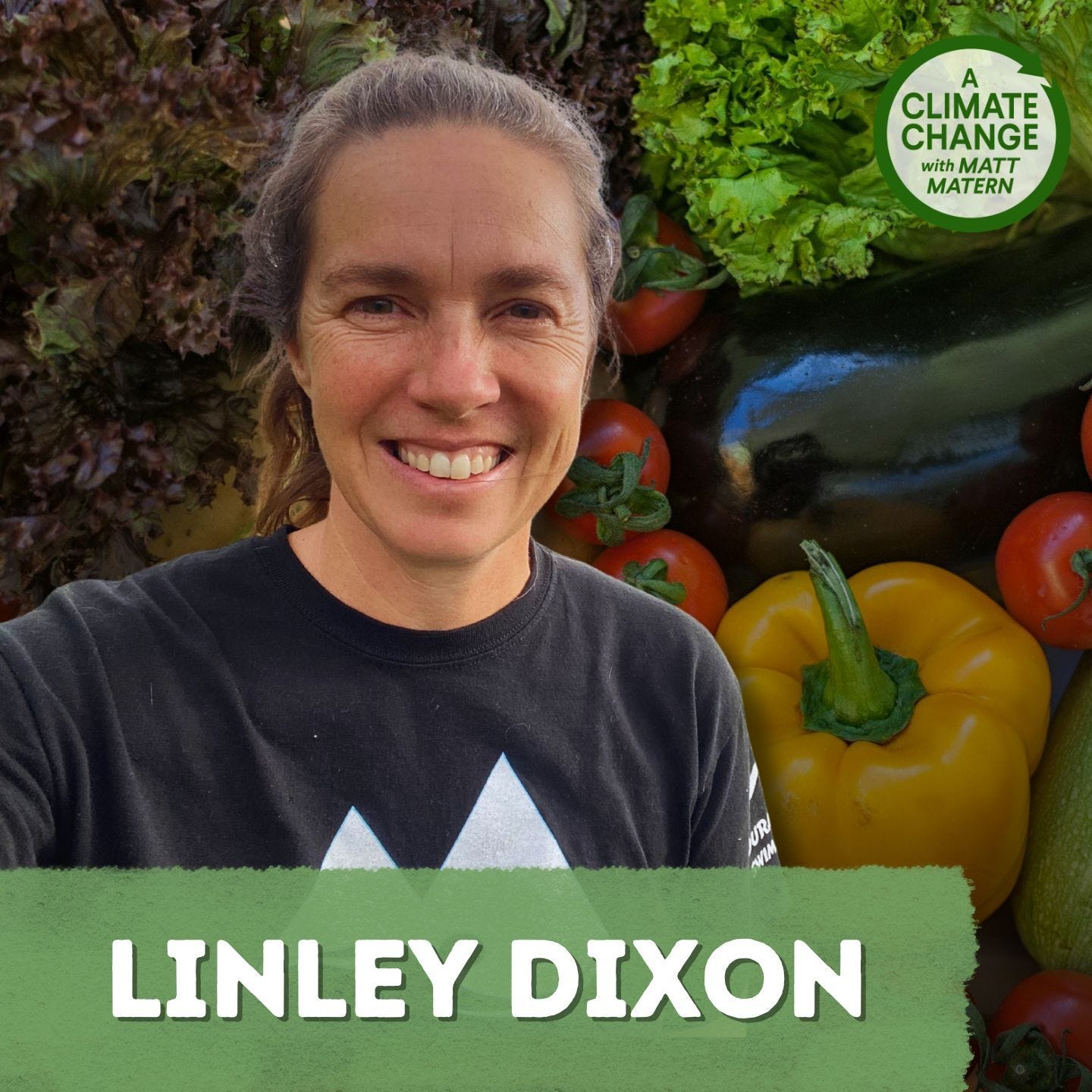
In this week’s episode of A Climate Change, I sat down with Dr. Linley Dixon, Co-Director of the Real Organic Project and co-host of the Real Organic Podcast, to explore why agriculture may be one of the most overlooked drivers of climate change—and one of our greatest opportunities to reverse it.
The Climate Impact Hiding in Every Farm Field
When most people think about climate pollution, they picture smokestacks and tailpipes.
Dr. Dixon points somewhere far less obvious: synthetic nitrogen fertilizer.
Producing these fertilizers accounts for roughly 1–2% of the world’s carbon footprint before they’re ever spread on a field. Once applied, much of that fertilizer washes into rivers and oceans, creating dead zones, while also releasing nitrous oxide—a greenhouse gas nearly 300 times more potent than carbon dioxide.
That means the food we eat has a much larger climate footprint than many of us realize.
Organic Farming Isn’t Just About Avoiding Chemicals
One of the biggest misconceptions Dr. Dixon challenges is that organic farming simply means not spraying pesticides.
Real organic farming is about rebuilding living soil.
Healthy soil stores carbon, holds water during droughts, supports biodiversity, and naturally feeds crops through compost, cover crops, and microbial life instead of synthetic fertilizers. These practices don’t just reduce pollution—they make farms more resilient in an era of increasingly extreme weather.
As Dr. Dixon puts it:
Feed the soil, not the plant.
Why Is Only 1% of U.S. Farmland Organic?
This statistic surprised me.
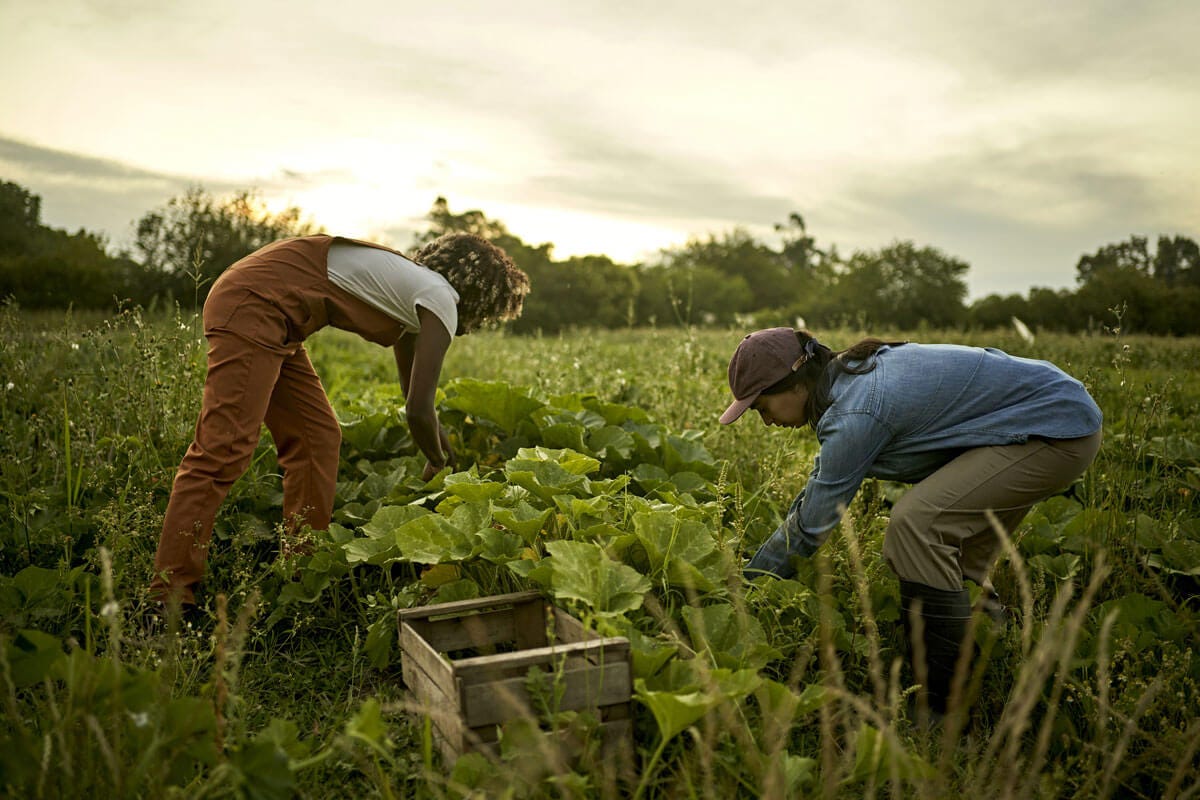
Despite Americans spending billions on organic food every year, only about 1% of U.S. farmland is certified organic, while demand continues to grow.
So why aren’t more farmers making the switch?
According to Dr. Dixon, it isn’t because organic farming doesn’t work.
It’s because the economic system makes transitioning incredibly difficult.
Conventional agriculture receives billions in subsidies, crop insurance incentives, and research funding. Organic farmers often don’t receive the same support while competing against lower-cost imports and a marketplace that doesn’t always reward sustainable practices.
Is the Organic Label Broken?
One of the most eye-opening parts of our conversation focused on the label consumers trust.
Dr. Dixon argues that today’s organic marketplace contains significant loopholes.
She discusses concerns including:
Fraudulent organic grain imports.
Large-scale hydroponic operations receiving USDA Organic certification.
Industrial livestock operations exploiting “outdoor access” requirements.
Weak enforcement against fraudulent producers.
Her concern isn’t that organic farming has failed.
It’s that consumers deserve greater transparency about what the organic label actually represents.
The Hidden Threat of PFAS
We also explored a topic that receives far too little attention.
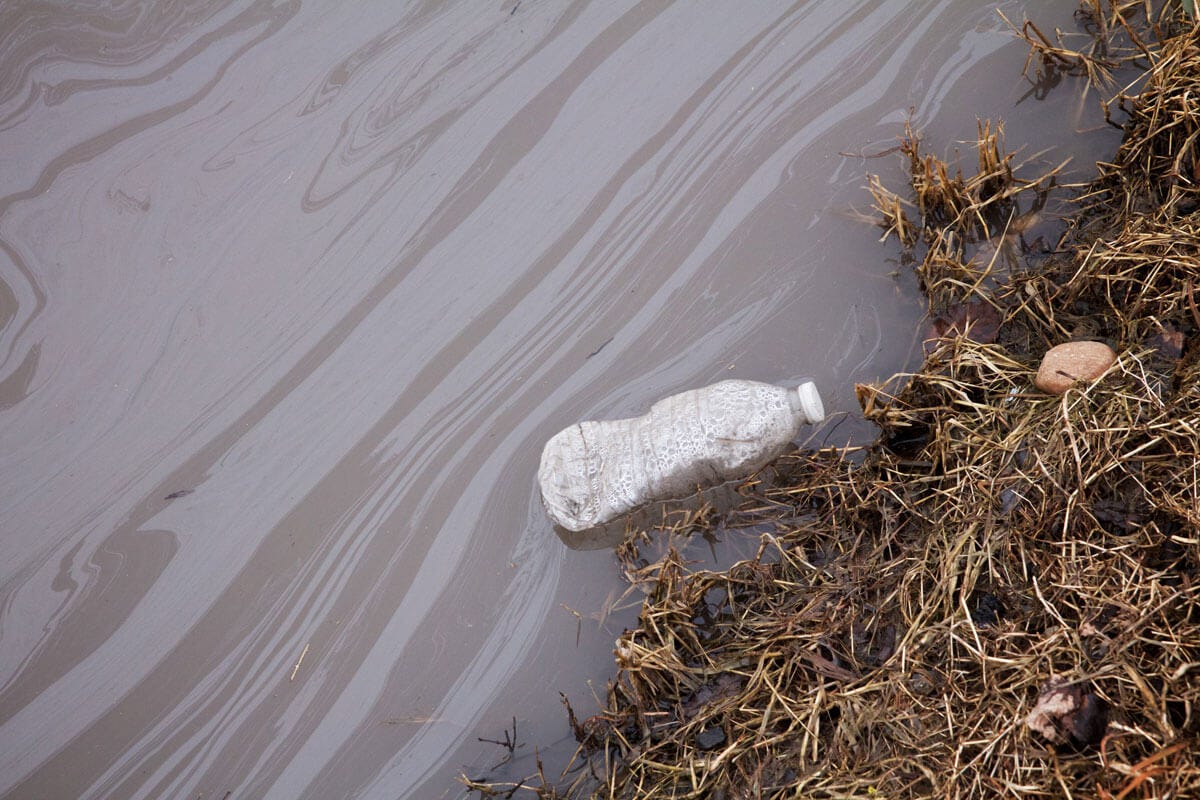
PFAS—often called “forever chemicals”—can enter agricultural land through sewage sludge used as fertilizer.
These chemicals don’t naturally break down.
Instead, they accumulate in soil, plants, livestock, and eventually our own bodies. Dr. Dixon argues this is an issue that requires stronger federal attention because our food system doesn’t stop at state borders.
What Can You Actually Do?
The good news is that consumers have more influence than they realize.
Dr. Dixon offers several practical ways to support healthier agriculture:
Shop at farmers markets whenever possible.
Ask grocery stores whether they source from local farms.
Ask restaurants where their produce comes from.
Support farmers who prioritize soil health and transparency.
Learn about certifications that go beyond minimum standards.
Every purchase sends a signal.
A Different Vision for Agriculture
Perhaps the most hopeful part of our conversation was hearing Dr. Dixon describe what farming could become.
Instead of endless monocultures dependent on chemicals, she envisions landscapes filled with diverse crops, grazing animals, healthy soils, pollinators, trees, and thriving rural communities.
It isn’t nostalgia.
It’s a practical vision built around ecological systems that have sustained life for thousands of years.
The Bottom Line
Climate change isn’t only about the energy we use.
It’s also about the food we grow.
The choices we make at the grocery store, the restaurants we support, and the agricultural policies we encourage all shape the future of our climate.
Healthy soil may not be as flashy as the latest clean technology.
But it could be one of the most powerful climate solutions already beneath our feet.
🎧 Listen to the full conversation with Dr. Linley Dixon to learn more about organic farming, soil health, food fraud, and how agriculture can become part of the climate solution—not just part of the problem.

Comments
Nothing yet. Say the first thing.
Sign in to join the conversation.