
When most people think about electric vehicles, they think about the cars.
The real challenge isn’t building better EVs anymore—it’s building enough places to charge them.
More than 40% of Americans don’t have access to a private garage or driveway, making home charging impossible for millions of people. Without convenient charging, owning an EV becomes much harder, especially for apartment dwellers and city residents.
But what if the answer has been sitting in plain sight all along?

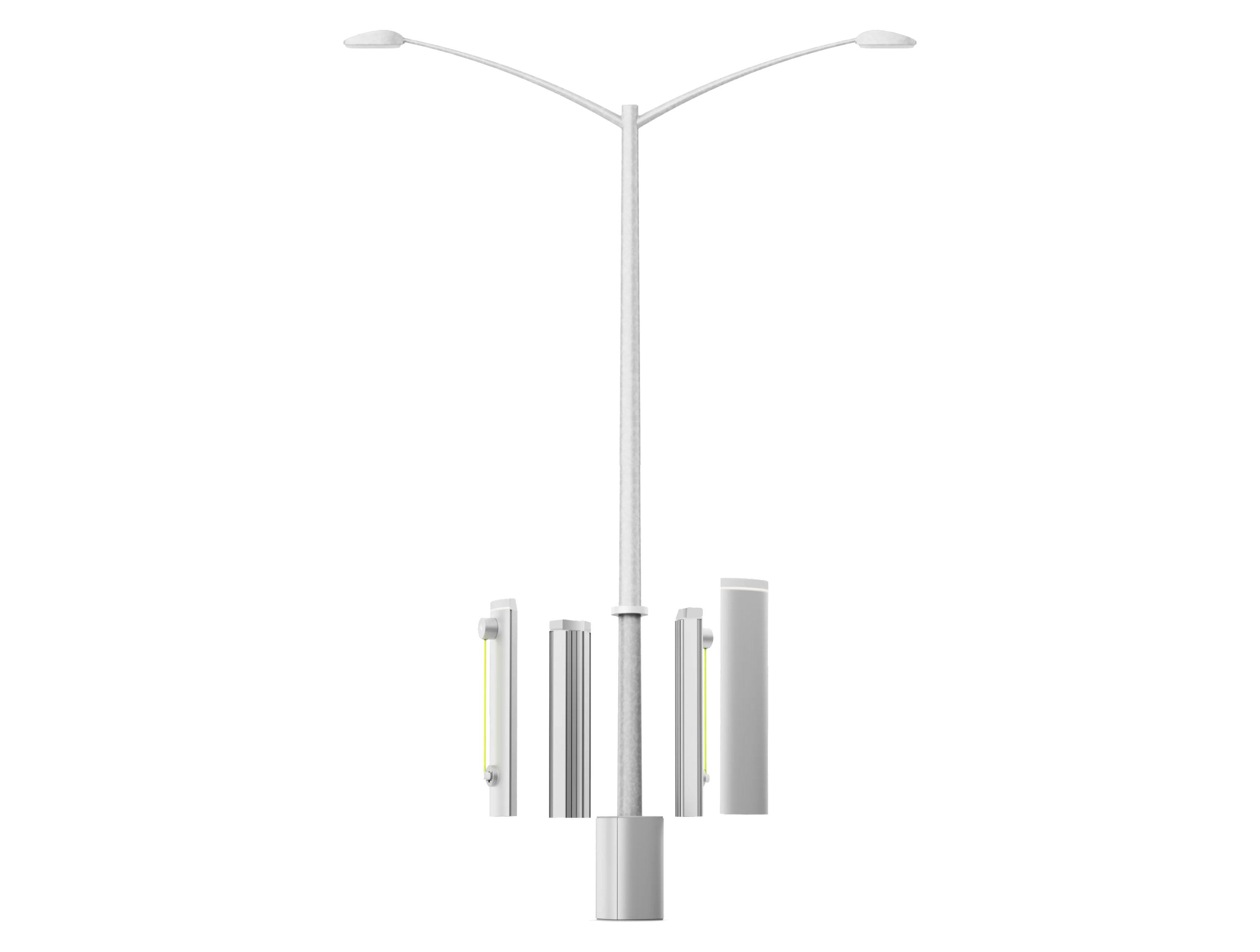
This week on A Climate Change, I spoke with Jeffrey Prosserman, CEO and co-founder of Voltpost, a company with a surprisingly simple idea: transform existing lampposts and utility poles into electric vehicle chargers.
Instead of digging up streets and spending hundreds of thousands of dollars installing entirely new charging stations, Voltpost retrofits infrastructure that’s already there. The chargers can often be installed in just a few hours, cost dramatically less than traditional installations, and require no additional curb space.
It’s one of those ideas that seems obvious once you hear it.
But our conversation goes far beyond charging technology.
Jeffrey shares how becoming a father during the pandemic changed the trajectory of his career, leading him away from consumer technology and toward climate innovation. We also discuss the challenges facing the EV industry—from shifting federal policies and frozen infrastructure funding to the broader question of how America can keep pace in the global transition to clean transportation.
Despite the political headwinds, Jeffrey remains optimistic.
His company is already deploying charging stations across states including California, New York, Michigan, Illinois, Massachusetts, Connecticut, and Washington, D.C., with plans to expand into tens of thousands of installations over the coming years.
One point from our conversation stood out:
The transition to electric vehicles isn’t just about making better cars. It’s about making charging so convenient that people don’t have to think about it.
That’s the kind of systems thinking we need if we’re serious about reducing emissions. Climate solutions aren’t always flashy breakthroughs. Sometimes they’re smarter ways of using the infrastructure we’ve already built.
We also explore:
Why curbside charging could be the missing link for EV adoption.
How utilities and cities are beginning to embrace new charging models.
The impact of changing federal policies on clean energy investment.
Why America’s EV future may depend more on convenience than technology.
How existing streetlights could become part of tomorrow’s intelligent energy grid.
The path to decarbonization won’t be built by one technology alone. It will come from thousands of practical innovations that remove barriers and make cleaner choices easier for everyone.
This conversation is a perfect example of that.
🎧 Listen to my conversation with Jeffrey Prosserman and discover how an ordinary streetlight could help power the future of transportation.

No posts
Comments
Nothing yet. Say the first thing.
Sign in to join the conversation.